6 Small in venues in London



No venues match these filters
Try widening your capacity, luxury level or event type.
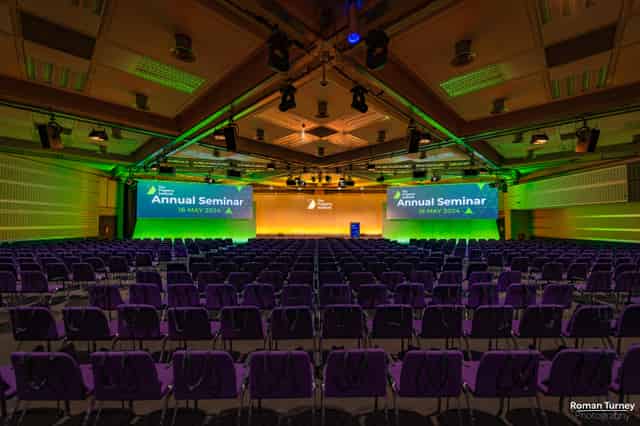
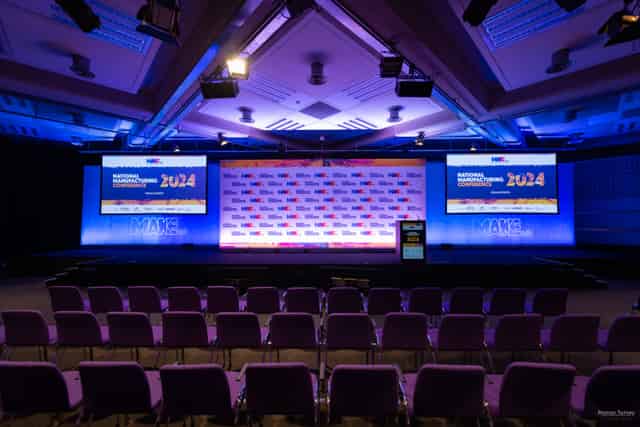
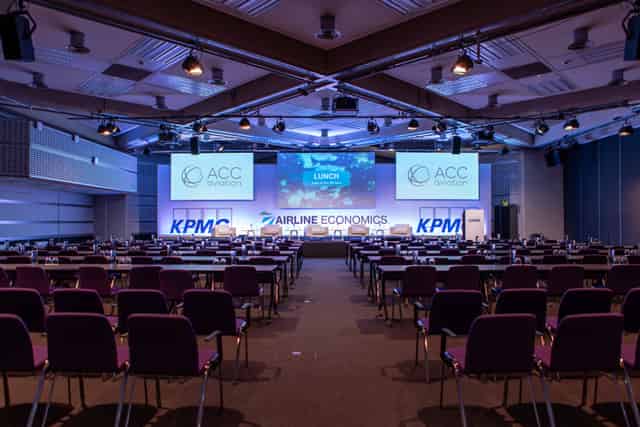
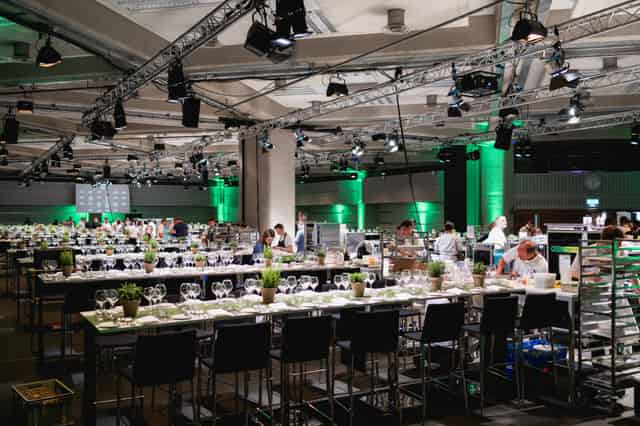
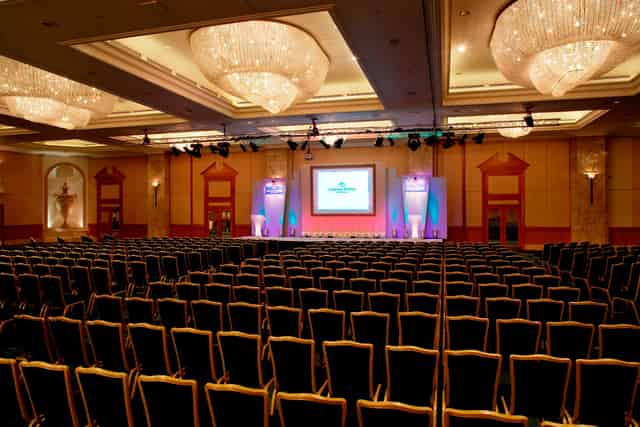
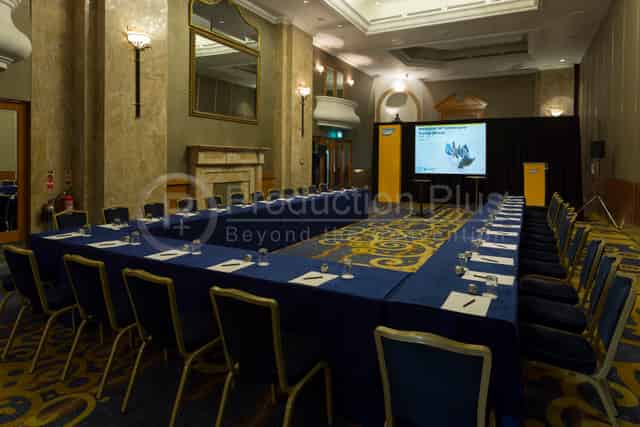
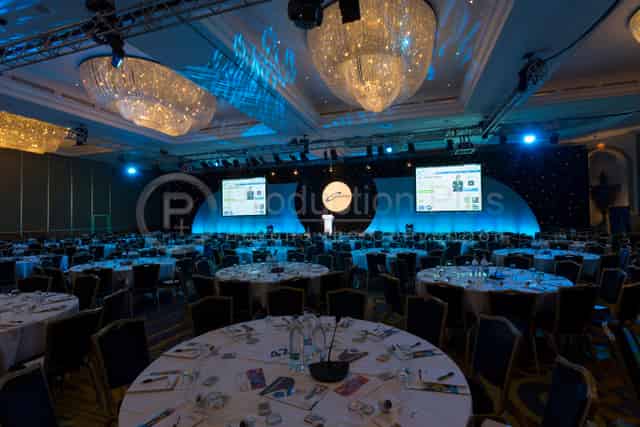
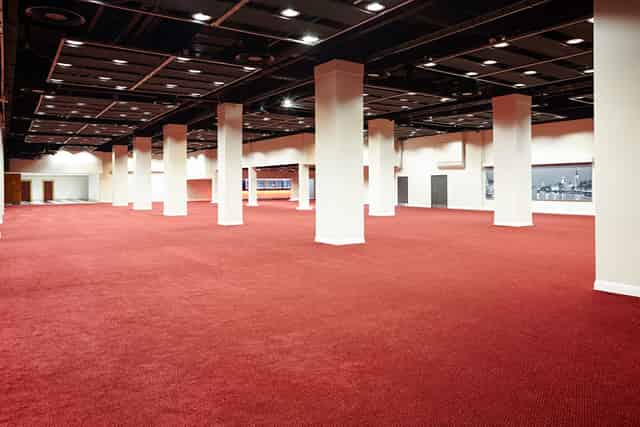
Explore small venues in London for up to 500 guests ideal for corporate events.
No venues match these filters
Try widening your capacity, luxury level or event type.
For business events that need human judgement, talk to our team. Free for 100 person+ events organised by businesses.

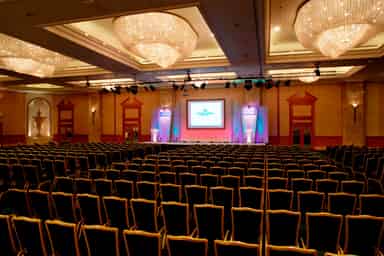
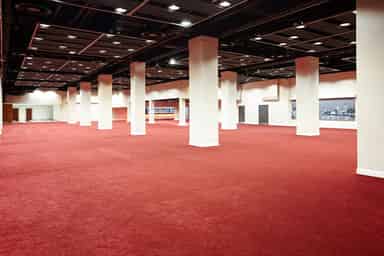




Tell us what you need. Our deep research finds any venue, whether it's in our marketplace or not. No one else does this.
Here's something that might surprise you: when we're talking about "small venues" for 500 people in London, we're actually discussing some of the most versatile and sought-after event spaces in the capital. These aren't your typical intimate gathering spots – they're purpose-built venues that offer the perfect sweet spot between capacity and character.
The magic lies in their design philosophy. Take venues like The Steel Yard or Conway Hall – they're engineered to handle 500 guests comfortably whilst maintaining that coveted intimate atmosphere that larger conference centres simply can't deliver. With ceiling heights of at least 4 metres and flexible layouts, these spaces can transform from theatre-style presentations (accommodating all 500 guests) to banquet settings for 300, or reception-style networking for 450 people.
London's small venues have evolved to meet a specific market need. Unlike massive exhibition halls that can feel cavernous, or tiny spaces that leave you cramped, these venues typically span 400-600 square metres – just the right size to create energy without chaos. The Brewery, for instance, offers adjustable blinds and zoned climate control, allowing you to create different atmospheres within the same space.
The technical infrastructure is where these venues really shine. You'll find robust power supplies (minimum 200 amps, three-phase), high-speed internet (100+ Mbps), and professional AV capabilities as standard. This isn't an afterthought – it's built into the venue's DNA because they know their clients need seamless technology integration.
What makes London particularly special is the sheer variety within this category. From converted Victorian warehouses in East London to sleek modern spaces in Central London, each venue brings its own character whilst maintaining professional standards.
The pricing reflects this quality – expect to invest £3,000-£6,000 per day for a venue of this calibre, but you're getting exceptional value. Compare this to hiring multiple smaller spaces or dealing with the logistical nightmare of a venue that's too large, and the economics make perfect sense.
For corporate events, product launches, or networking functions, these venues offer something larger spaces can't: the ability to create genuine connections amongst your 500 guests whilst maintaining the professional polish your brand demands. It's this balance that makes London's small venues the secret weapon of savvy event planners.
The biggest mistake I see event planners make? Assuming that any venue with a 500-person capacity will automatically work for their event. Trust me, I've learned this the hard way – there's a world of difference between a venue that can technically squeeze in 500 people and one that makes those 500 people feel comfortable, engaged, and properly catered for.
When evaluating venues, your first checkpoint should be the layout flexibility. A venue might advertise 500-person capacity, but dig deeper: can it handle 300 for a sit-down dinner while maintaining comfortable circulation space? The best small venues offer multiple configuration options – theatre-style for presentations, banquet rounds for dining, and reception layouts for networking. Conway Hall, for example, seamlessly transitions between these setups because it was designed with this flexibility in mind.
Here's your essential checklist: minimum 4-metre ceiling heights (crucial for proper lighting and AV), at least 50 square metres of dedicated storage space, and robust technical infrastructure including 200-amp power supply and 100+ Mbps internet. These aren't nice-to-haves – they're absolute essentials for events of this scale.
Don't just think about your guests' convenience – consider your suppliers too. Venues near major transport hubs like King's Cross or Liverpool Street offer obvious advantages, but also check loading bay access and delivery restrictions. I've seen perfectly planned events nearly derailed because the catering truck couldn't access the venue during London's peak traffic hours.
If you're considering venues in North West London or South West London, factor in journey times during rush hour – your 25-minute tube journey can easily become 45 minutes, affecting attendance rates.
Budget beyond the headline venue hire fee. Factor in mandatory security deposits (typically £1,000-£2,000), potential overtime charges if your event runs late, and cleaning fees. Many venues also require you to use their preferred suppliers for certain services, which can impact your overall budget by 15-20%.
Your next step? Create a shortlist of three venues and visit them during similar conditions to your planned event – if you're hosting an evening reception, don't just see the space during a quiet Tuesday afternoon. The venue's true character only emerges when it's in action.
The art of managing 500 people in what's technically a "small venue" comes down to understanding flow dynamics – something I've had to master through years of watching events succeed brilliantly or fail spectacularly based on this single factor.
Your biggest challenge isn't fitting everyone in – it's ensuring they can move naturally throughout the space. I always map out three distinct zones: arrival and registration (typically 15% of your total space), main event area (70%), and breakout/networking zones (15%). The Steel Yard does this beautifully with their 500-square-metre layout, using subtle level changes and lighting to guide guest flow without obvious barriers.
The golden rule? Allow 1.2 square metres per person for reception-style events, but increase this to 1.5 square metres if you're serving food stations. Trust me, nothing kills the energy faster than guests queuing for canapés in cramped conditions.
With 500 people, your AV requirements multiply exponentially. You'll need distributed sound systems rather than a single PA setup – guests at the back shouldn't strain to hear, whilst those at the front aren't overwhelmed. Most quality small venues provide zoned audio control, but always test this during your site visit.
Lighting becomes crucial for creating intimacy at scale. The best venues use layered lighting – ambient, accent, and task lighting working together. The Brewery's adjustable systems let you create cosy networking pockets within the larger space, making your 500 guests feel like they're at an exclusive gathering rather than a mass event.
Here's where experience really counts: you need 1 service staff member per 12-15 guests for smooth operations. For drinks service, plan for 3-4 bars positioned strategically to prevent bottlenecks. I've learned that corner bars work better than central ones in these spaces – they draw people naturally around the room's perimeter.
Consider venues in West London or South London if your guest list includes many suburban attendees – the transport links often work better than central locations for evening events.
Your next move should be creating a detailed floor plan with your venue coordinator, marking not just furniture placement but guest flow patterns, service routes, and emergency exits. This planning session often reveals logistical challenges you hadn't considered and gives you time to solve them properly.
Let's talk numbers, because I've seen too many event planners get caught off guard by the true cost of hiring small venues for 500 people in London. The headline figure might seem straightforward, but the reality is more nuanced – and with the right approach, you can actually get exceptional value.
For a quality small venue accommodating 500 guests, you're looking at £3,000-£6,000 per day as your baseline venue hire. But here's what that actually means in practice: central London venues typically command £80-£120 per head for evening events including basic catering and production, whilst venues in Greater London zones 2-5 range from £60-£100 per head. For truly exceptional spaces with premium service levels, expect £175-£200+ per person.
I always tell clients to budget an additional 25-30% on top of the venue hire for the essentials: security deposits (£1,000-£2,000), potential overtime charges, cleaning fees, and those inevitable last-minute additions. The venues that seem like bargains often have restrictive supplier lists or hidden charges that surface later.
1. Master the timing game. Tuesday through Thursday bookings can save you 20-30% compared to Friday events. January through March offers the best rates, whilst December commands premium pricing.
2. Bundle intelligently. Many venues offer package deals including AV equipment, basic lighting, and service staff. The Steel Yard's comprehensive packages often work out cheaper than sourcing everything separately.
3. Negotiate the extras, not the headline rate. Venue managers have more flexibility on additional services than base hire fees. Ask about complimentary room hire for pre-event meetings or reduced rates for rehearsal time.
**4. Consider venues in South East London or North London – you'll often find 15-20% savings compared to Zone 1, with excellent transport links for your guests.
5. Book early, but not too early. The sweet spot is 4-6 months ahead – venues offer early bird discounts without the premium pricing of last-minute bookings.
The venues charging £5,000+ per day aren't necessarily better – they're often just in premium postcodes. I've seen brilliant events in venues costing £3,500 that outshone those in £6,000 spaces because the planners invested the savings in exceptional catering and entertainment.
Your next step should be requesting detailed quotes from three venues, including all potential additional costs. This transparency exercise often reveals which venues truly offer value versus those with attractive headline rates but expensive add-ons.
After fifteen years of watching brilliant events turn into logistical nightmares, I can tell you that most disasters with small venues for 500 people stem from the same seven mistakes. The good news? They're all completely avoidable once you know what to look for.
The biggest trap is falling in love with a venue's photos without understanding how 500 people actually move through the space. I've seen planners book stunning venues that work beautifully for 200 guests but become chaotic bottlenecks at capacity. Always ask for the venue's maximum comfortable capacity, not just their fire safety limit – there's often a 20-30% difference.
Assuming your guests will easily reach venues outside Zone 1 is dangerous. A venue in Brighton might seem appealing for its rates, but factor in the 90-minute journey from central London and potential late arrivals. Similarly, venues in Greater Manchester offer excellent value but require overnight accommodation for London-based attendees.
Don't just ask "do you have AV equipment?" – dig deeper. Can the venue handle simultaneous live streaming, presentation displays, and background music without power issues? The minimum 200-amp, three-phase power supply isn't negotiable for events this size, yet I've seen planners discover inadequate power on event day.
Many venues quote attractive packages but skimp on staffing. For 500 guests, you need minimum 35-40 service staff members (1 per 12-15 guests). Venues offering significantly fewer staff will create service delays that damage your event's flow and guest experience.
Small venues often lack adequate storage for coats, gifts, equipment, and catering supplies. The minimum 50 square metres of storage space is essential – without it, you'll have boxes cluttering your event space or frantic last-minute storage solutions.
Assuming your venue handles all licensing is risky. Events over 499 people often trigger additional requirements, and some venues' licenses don't cover certain activities like live music after 10pm or alcohol service beyond midnight.
The venue might look perfect during your quiet Tuesday afternoon visit, but how does it handle 500 people on a busy evening? Request references from similar-sized events and, if possible, observe another event in progress.
Your next step should be creating a detailed venue brief including these seven checkpoints, then scheduling site visits during peak operating hours. This approach will save you from expensive mistakes and ensure your 500-person event runs flawlessly.

At Hire Space, unusual venues [https://hirespace.com/Browse/Unusual-Event-Venues-London] are the name of the game. Passion to find a unique venue for an event seems to be unabated in London, but it's of little surprise when taking into account all the amazing spaces the capital has to offer. But just why is London filled with so many unusual venues for hire? We investigated: Romans, Saxons, Normans, Tudors and Stuarts. The Black Death, two World Wars and one Great Fire. London has seen it a

We're very excited to introduce EventLAB [https://eventlab.online/], our first two-day event designed to take event professionals through every step of the event planning process. We'll be bringing you the latest updates in the run-up to the event in our 'EventLAB Series' [https://hirespace.com/blog/tag/eventlab//], including relevant content and a little glimpse of the speakers, workshops and themes that will feature at the event. In the first instalment, we’ll explain all there is to know a

Four years ago, we launched Hire Space to connect event venues with new customers easily via our online platform and Venue Expert service. We've come up with 6 reasons why Venue Managers might like working with Hire Space, and why venues should join the club [http://bit.ly/2kQaHEd]! 1. Best SEO in the Industry = High Web Traffic Our Marketing team has enhanced our site visibility on search engines and as a result 1.3M customers visited our web site in 2016 (7% higher than the previous year). Ou
Multiple venues and events. One agreement.


