Exhibition Venues in London
Discover top Exhibition Venues in London suitable for 200 people.
27 Exhibition in venues in London
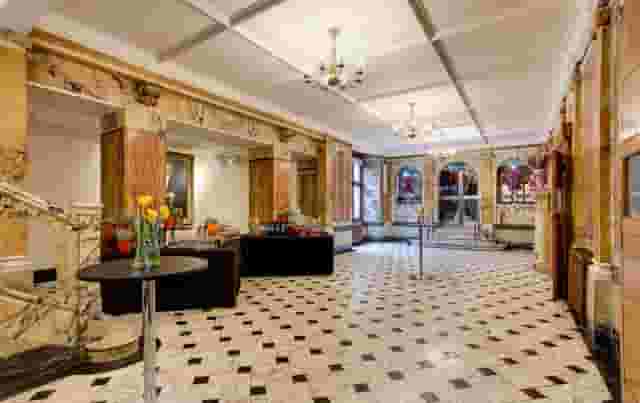
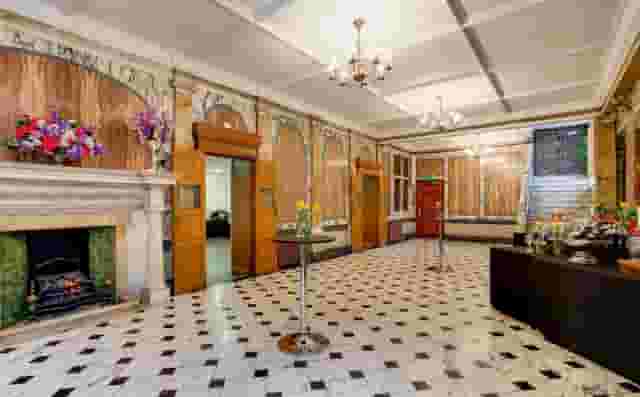
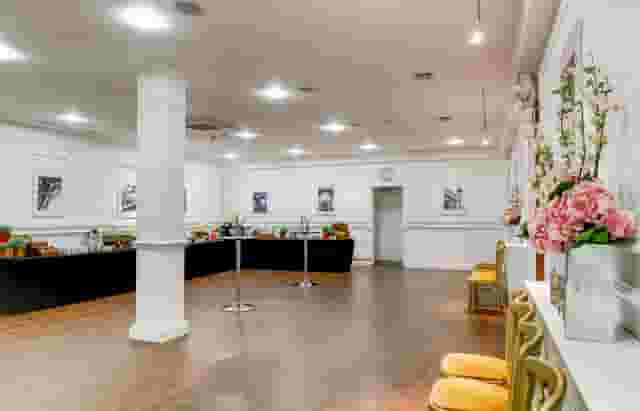
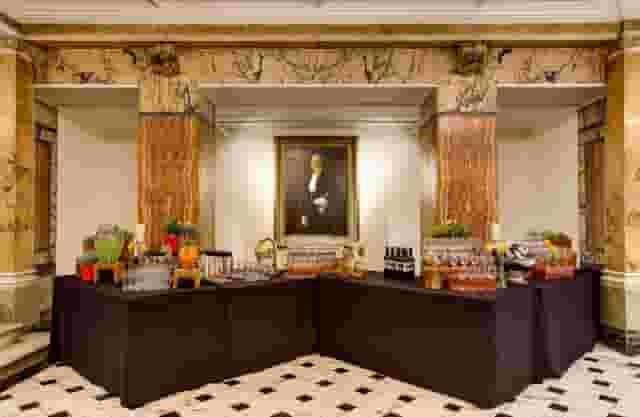


































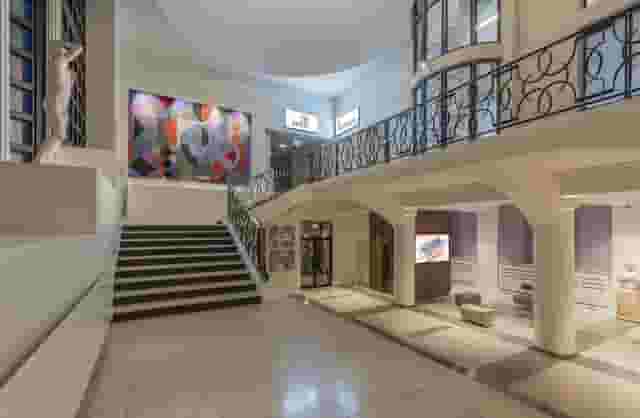

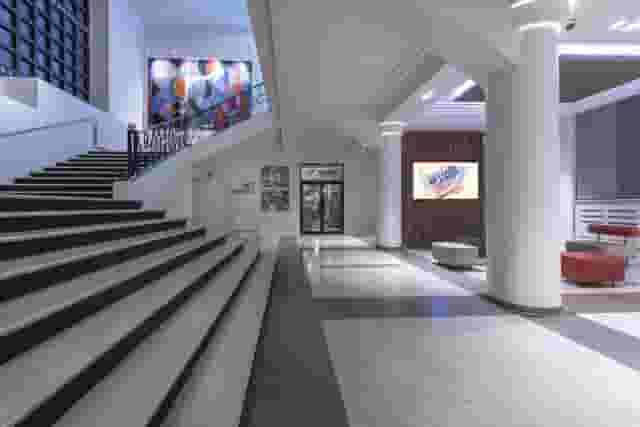
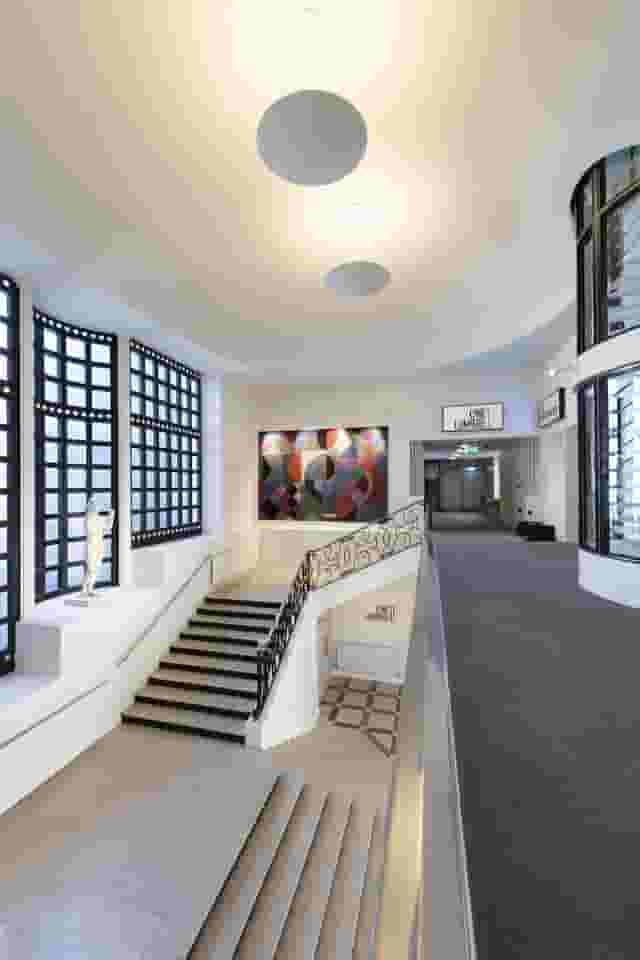
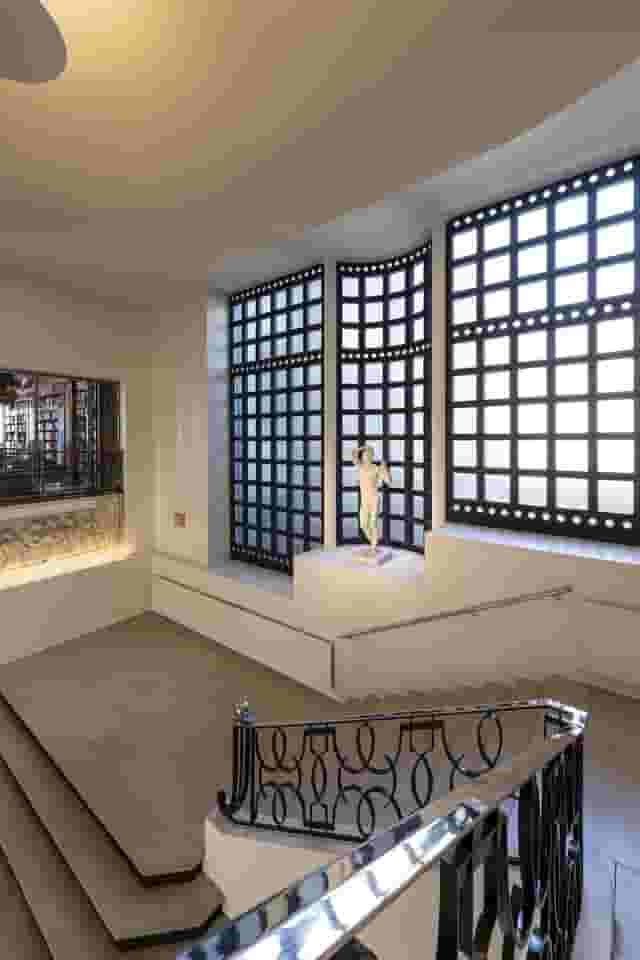

































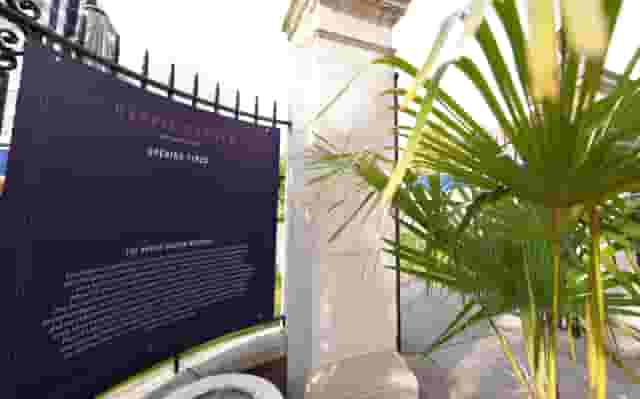


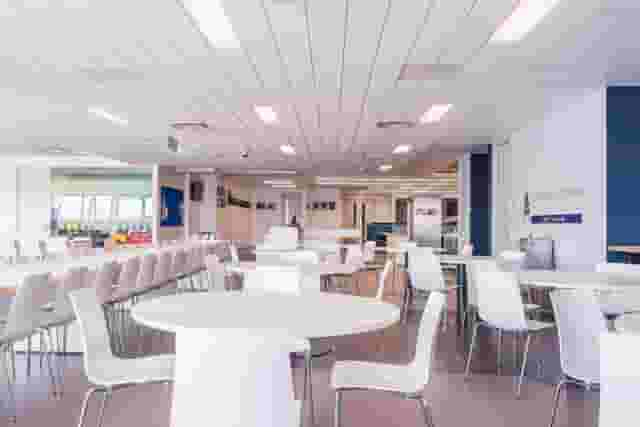

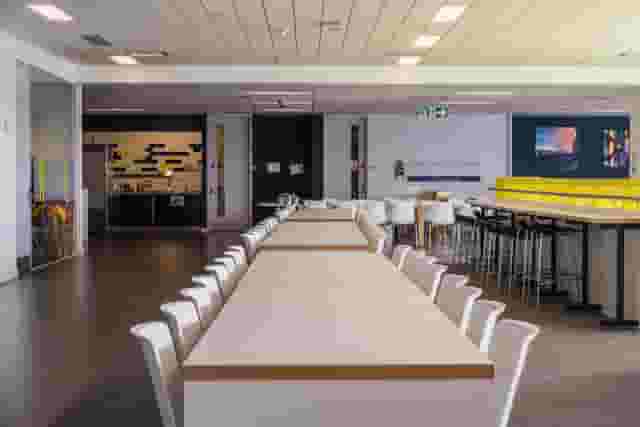
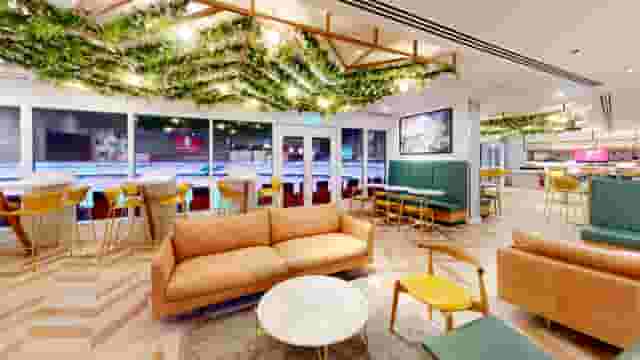
No venues match these filters
Try widening your capacity, luxury level or event type.
Don't have time to search? We'll find it for you.
For business events that need human judgement, talk to our team. Free for events of 100+ people, budgets over £10k or ongoing programmes.


Explore more venues in London

















Frequently asked questions
How do London exhibition venue prices compare by day of week?
How far in advance should you book London exhibition venues?
What technical requirements do London exhibition venues need?
Do London exhibition venues include setup and breakdown time?
What parking facilities do London exhibition venues provide?
Which London areas offer best transport access for exhibitions?
What loading access do London exhibition venues provide?
How much does it cost to hire exhibition space in London for 200 people?
What ceiling height is required for London exhibition venues?
What catering space is needed for 200-person exhibitions in London?
What floor space is needed for a 200-person exhibition in London?
What insurance requirements apply to London exhibition venues?
Other platforms search their database. We search everything.
Tell us what you need. Our deep research finds any venue, whether it's in our marketplace or not. No one else does this.
About Exhibition in London
Why London's Exhibition Scene is Perfect for Your 200-Person Event (And What Makes It Different)
Having organised countless exhibitions across London over the years, I can tell you there's something genuinely special about this city's exhibition ecosystem that makes it perfect for mid-sized events. When you're planning for 200 people, you're hitting that sweet spot where London's unique advantages really shine through.
The sheer diversity of venues is remarkable – from converted Victorian warehouses in Shoreditch to sleek modern spaces in Canary Wharf, you've got options that simply don't exist elsewhere. What's particularly brilliant for 200-person exhibitions is that London offers purpose-built spaces in this exact size range, typically 300-500m² with 3.5-4.5 metre ceiling heights, which means you're not paying for massive halls you don't need or cramming into spaces that are too small.
Transport Connectivity That Actually Works
London's transport network is genuinely unmatched for exhibition accessibility. Your delegates can reach venues like County Hall or 200 Aldersgate from anywhere in the UK within hours, and the multiple Underground lines mean if there's disruption on one route, there are always alternatives. I've seen exhibitions where 40% of attendees travelled from outside London – try achieving that reach in Manchester or Birmingham.
The practical benefits are enormous too. Most quality exhibition venues are within 15 minutes' walk of major transport hubs, and unlike other cities, London's venues often provide detailed transport briefings for your delegates. This isn't just convenience – it's about ensuring your 200 attendees actually turn up on time and in the right frame of mind.
The Commercial Sweet Spot
Here's where London's exhibition scene gets really interesting for 200-person events. You're looking at £2,500-£5,000 per day for quality space, which might seem steep until you factor in what's included. Most London venues at this level provide integrated AV systems, high-speed Wi-Fi for 200+ users, and professional lighting – equipment that would cost thousands to hire separately elsewhere.
The competition between venues works in your favour too. I've negotiated significant savings by booking during quieter periods or committing to multi-day events. One client saved £1,800 by moving their exhibition from Thursday to Tuesday – same venue, same quality, better value.
What really sets London apart is the ecosystem around exhibitions. You've got world-class caterers, specialist AV companies, and experienced event staff all within easy reach. When you're managing 200 people, having access to suppliers who understand London's unique challenges – from loading restrictions to noise regulations – makes all the difference.
The next step is understanding exactly when and where to book for maximum impact and value.
The Essential Planning Timeline: From Initial Brief to Exhibition Day Success
After years of watching exhibitions succeed brilliantly or fail spectacularly, I've learned that timing isn't just important – it's absolutely everything. The difference between a smooth, professional exhibition and a last-minute scramble often comes down to following a proper timeline, especially when you're coordinating 200 attendees across multiple moving parts.
The 6-Month Mark: Securing Your Foundation
Start your venue search 6 months ahead for London exhibitions. This isn't just about availability – though prime venues like those near King's Cross or London Bridge do book up fast. It's about securing the best rates and having genuine choice. I've seen clients save £2,000+ simply by booking early when venues offer advance booking discounts.
At this stage, you'll want to lock in your core requirements: 300-500m² of floor space, 3.5-4.5 metre ceiling heights, and loading access. Don't just book the space – confirm setup times too. Most London venues include 2-4 hours of setup time, but for 200-person exhibitions with multiple stands, you'll likely need overnight access, which typically costs 30-50% of the daily rate.
3-4 Months Out: The Technical Deep Dive
This is when you tackle the technical specifications that make or break exhibitions. London venues should provide minimum 100 Mbps dedicated fibre and adequate power supply – at least 63 amps per phase for lighting, AV, and exhibitor needs. I always request a detailed technical specification sheet at this point, including power socket locations and Wi-Fi capacity testing results.
Book your Away Day Activities or networking elements now too. Many successful exhibitions combine formal displays with interactive experiences, and London's diverse venue options make this particularly effective.
8-12 Weeks Before: Logistics and Compliance
London's regulations can catch you off-guard if you're not prepared. Ensure your venue has current premises licenses, and if you're serving alcohol, confirm their license covers your event times. Most professional venues handle this, but smaller or unusual spaces might need temporary event notices.
This is also when you finalise loading schedules. Central London venues often restrict deliveries to 7-10am windows due to traffic regulations. Plan your exhibitor briefings around these constraints – nothing derails an exhibition like stands arriving after setup time has expired.
Final Month: The Detail That Counts
Focus on delegate experience now. Confirm parking arrangements (typically £15-£30 per day in central London), distribute detailed transport information, and ensure your registration system can handle 200 people efficiently. Most London venues provide on-site technical support, but confirm engineer availability for your specific dates.
The key is treating each milestone as non-negotiable. Miss one, and you're playing catch-up for the rest of your timeline. Next, let's explore how choosing the right London location can amplify your exhibition's impact.
Choosing the Right London Location: Transport, Tech, and Territory Considerations
Location isn't just about finding a pretty space – it's about creating the conditions where your 200-person exhibition can genuinely thrive. After organising dozens of exhibitions across London, I've learned that the right location decision can boost attendance by 20-30% and dramatically improve delegate satisfaction. Let me share what really matters when you're choosing where to stage your event.
Transport Accessibility: The Make-or-Break Factor
Your venue choice should start with one simple question: can 200 people actually get there without hassle? I always recommend venues within 15 minutes' walk of major transport hubs like King's Cross, London Bridge, or Canary Wharf. These areas offer multiple Underground lines, which means when there's inevitable disruption, your delegates have alternatives.
The numbers tell the story clearly. Venues near King's Cross see 25-30% higher attendance rates for business exhibitions compared to those requiring bus connections or lengthy walks. When you're investing £3,000-£5,000 in venue hire, that attendance difference pays for itself immediately.
Consider journey times from key delegate origins too. From King's Cross to Canary Wharf takes about 25 minutes by Tube, while Oxford Circus to Shoreditch is roughly 15 minutes. These aren't just statistics – they're the difference between delegates arriving fresh and engaged versus stressed and late.
Technical Infrastructure That Actually Delivers
London's exhibition venues vary wildly in their technical capabilities, and this becomes critical when you're hosting 200 people. Insist on venues providing minimum 100 Mbps dedicated fibre with proven capacity for your delegate numbers. I've seen exhibitions collapse when Wi-Fi couldn't handle registration systems and delegate devices simultaneously.
Power supply is equally crucial. Your venue needs minimum 63 amps per phase to support lighting, AV systems, and exhibitor requirements. Venues like those around London Bridge typically offer superior technical infrastructure compared to converted spaces in outer areas.
The Territory Advantage
Different London areas attract different audiences, and this matters enormously for exhibition success. Canary Wharf venues naturally draw finance professionals, while Shoreditch spaces appeal to creative and tech sectors. Match your venue territory to your target demographic – it's not just about convenience, it's about creating the right professional context.
Consider exploring Exhibition Venues in Manchester for comparison, but London's unique advantage lies in its concentrated professional communities. A well-located London exhibition can attract delegates who might never travel to regional events.
The smart approach is creating a shortlist based on transport links first, then evaluating technical capabilities and territorial fit. Next, let's examine how to budget effectively for these premium London locations.
Smart Budgeting for London Exhibition Venues: Hidden Costs and Value Opportunities
The biggest mistake I see with exhibition budgeting isn't underestimating costs – it's not understanding where the real value lies. When you're planning for 200 people in London, you're operating in a price bracket where smart decisions can save thousands, but poor planning can blow your budget spectacularly.
Let me be brutally honest about the numbers first. Quality exhibition space for 200 people in London runs £2,500-£5,000 per day for the venue alone. Central locations like those near London Bridge or King's Cross sit at the higher end, while venues in zones 2-3 offer better value at £2,500-£3,500. But here's what most people miss – the headline rate is just the starting point.
The Hidden Costs That Catch Everyone Out
Setup and breakdown time is where budgets often derail. Most venues include 2-4 hours, but for 200-person exhibitions with multiple stands, you'll need overnight access. This typically adds 30-50% of your daily rate – so that £4,000 venue suddenly becomes £5,500. I always factor this in from day one rather than discovering it during final negotiations.
Power and technical requirements create another cost layer. Basic venue hire rarely includes the 63 amps per phase you'll need for proper lighting and AV. Upgrading power supply can cost £500-£800, while professional AV packages for 200 people range from £1,500-£3,000 depending on complexity.
Don't forget London's unique challenges either. Central venues often charge £15-£30 per day for parking, and if you need loading bay access outside standard hours, expect additional fees of £200-£400. These aren't huge individually, but they add up fast when you're managing multiple exhibitors.
Where Smart Money Gets Maximum Impact
Here's where experience pays dividends. Tuesday-Thursday bookings cost 20-30% more than Monday/Friday, but the attendance difference often justifies the premium. However, I've negotiated significant savings by booking Tuesday events in quieter months – same professional impact, better value.
Consider venues offering package deals too. Some London spaces bundle venue hire, basic AV, and catering for around £85-£120 per person – potentially saving £2,000+ compared to booking separately. The key is understanding exactly what's included and what isn't.
Multi-day bookings unlock serious negotiation power. I've secured 15-20% discounts for clients committing to 2-3 day exhibitions, plus reduced setup costs when you're already in situ.
The 40-30-30 Budget Rule
Allocate 40% for venue and setup, 30% for AV and technical requirements, and 30% for everything else including catering, marketing, and contingency. This split reflects London's premium pricing but ensures you're not caught short on essential elements.
For inspiration on maximising venue impact, check out our 7 Perfect Product Launch Locations guide, which showcases how strategic venue choice amplifies event success.
The next crucial step is understanding how to actually book and manage your chosen space effectively.
Expert Strategies for Booking and Managing Your London Exhibition Space
The booking process for London exhibition venues isn't just about securing space – it's about positioning yourself for success from the very first conversation. After years of negotiating with London's top venues, I've developed strategies that consistently deliver better rates, superior service, and smoother event delivery for 200-person exhibitions.
The Power of the Right First Approach
Never start with availability enquiries. Instead, lead with your event's value proposition and specific requirements. When I contact venues, I open with: "We're planning a 200-person exhibition requiring 350m² of space with overnight setup access and dedicated loading facilities." This immediately signals you're a serious client with clear expectations, not someone fishing for quotes.
The response quality changes dramatically. Professional venues appreciate clients who understand their requirements, and you'll often receive detailed proposals rather than basic rate cards. I've seen this approach unlock venue upgrades and additional services at no extra cost.
Negotiation Tactics That Actually Work
Timing your enquiry strategically can save thousands. Venues typically review their forward bookings 8-12 weeks ahead, identifying gaps they need to fill. Contact venues during these review periods – usually mid-month – when they're most motivated to negotiate on quieter dates.
Multi-venue enquiries work brilliantly too. When venues know you're considering alternatives, they're more likely to offer competitive packages. I always enquire with 3-4 similar venues simultaneously, then use the best offer as leverage with my preferred choice.
For 200-person exhibitions, ask about "shoulder day" discounts – booking Monday or Friday when venues typically see lower demand. One client saved £1,200 by moving their exhibition from Wednesday to Monday, with identical attendance levels.
Managing the Relationship for Long-term Success
Once booked, establish clear communication protocols. Designate a single point of contact at the venue and schedule fortnightly check-ins starting 8 weeks before your event. This prevents last-minute surprises and builds the relationship for future bookings.
Document everything in writing, especially technical requirements and setup schedules. London venues handle multiple events daily, and verbal agreements get forgotten. I always follow phone conversations with email confirmations outlining key points discussed.
Consider exploring our Hire Space Case Study: Tourism Australia's Multi-Day Exhibition for insights into managing complex London exhibitions successfully.
The Final Week Management Strategy
Confirm all logistics 72 hours before your event. This includes loading bay access times, power connections, Wi-Fi passwords, and emergency contact details. Most issues arise from assumptions rather than actual problems, so explicit confirmation prevents exhibition day disasters.
The key is treating venue booking as relationship building, not just space rental. Strong venue partnerships deliver better service, preferential rates, and priority access to premium dates. Your next exhibition success starts with how you handle this one.
What our customers say
Inspiration and planning guides

7 Blank Canvas Venues For Unique Events
Choosing a blank canvas venue gives you complete artistic licence, and allows for all of the extra details which make your event unique. Here are 7 of the best.

EventLAB Series: Introducing the Event
We're very excited to introduce EventLAB [https://eventlab.online/], our first two-day event designed to take event professionals through every step of the event planning process. We'll be bringing you the latest updates in the run-up to the event in our 'EventLAB Series' [https://hirespace.com/blog/tag/eventlab//], including relevant content and a little glimpse of the speakers, workshops and themes that will feature at the event. In the first instalment, we’ll explain all there is to know a

How Lindley Hall Transforms for 5 Different Event Types
There's something beautiful in the sheer size of Lindley Hall [https://hirespace.com/Spaces/London/53732/Royal-Horticultural-Halls/The-Lindley-Hall/Events] , with its uninterrupted space fitting up to 700 standing guests for a broad range of events. In the very heart of London, close to Victoria and Westminster, Lindley Hall [https://hirespace.com/Spaces/London/53732/Royal-Horticultural-Halls/The-Lindley-Hall/Events] is the signature space at the Royal Horticultural Hall, a historic building
One supplier. Every venue. Full visibility on what you spend.
Multiple venues and events. One agreement.