17 Modern Conference in venues in Central London

No venues match these filters
Try widening your capacity, luxury level or event type.
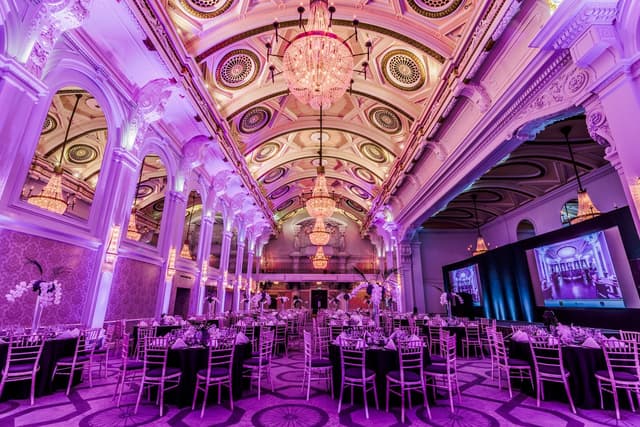
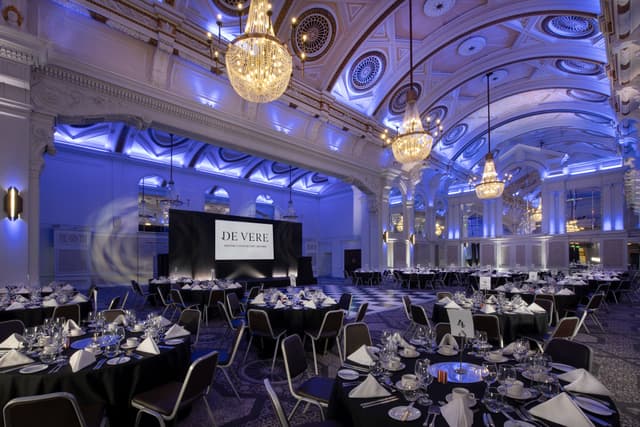
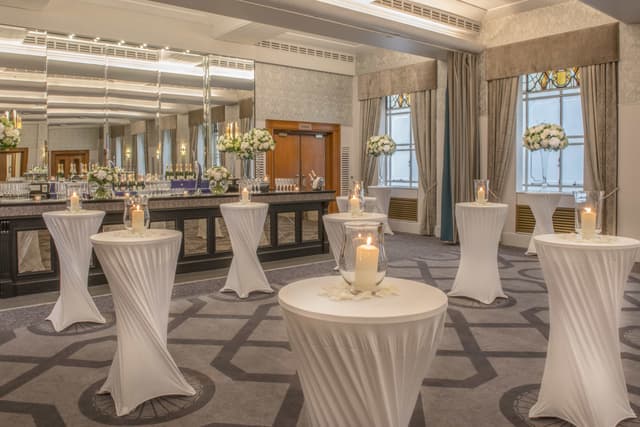
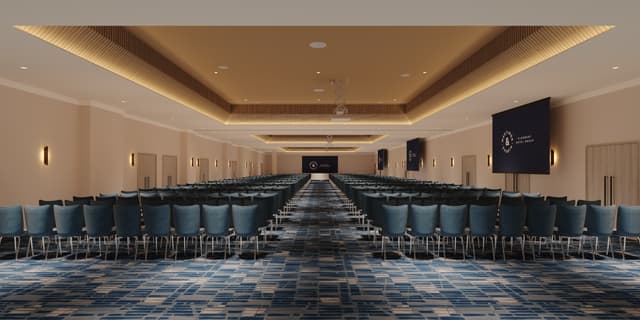
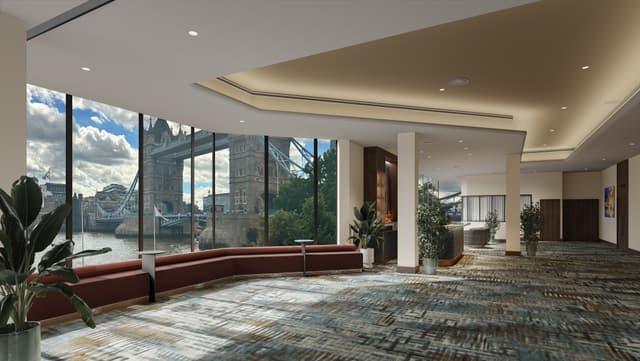
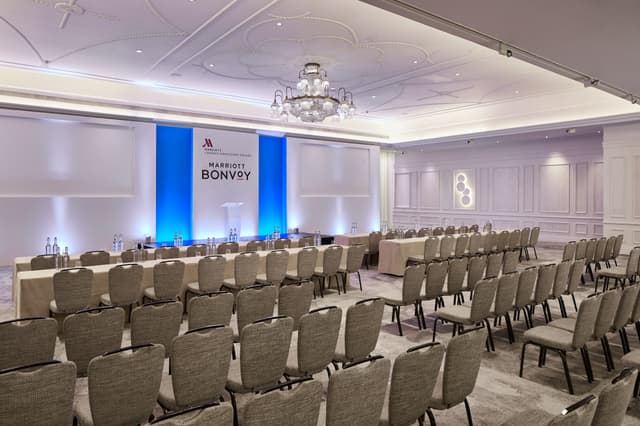
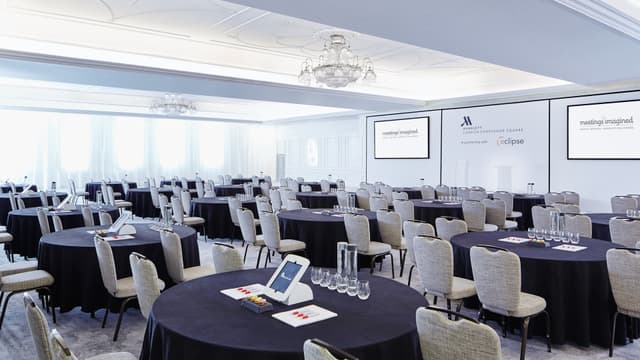
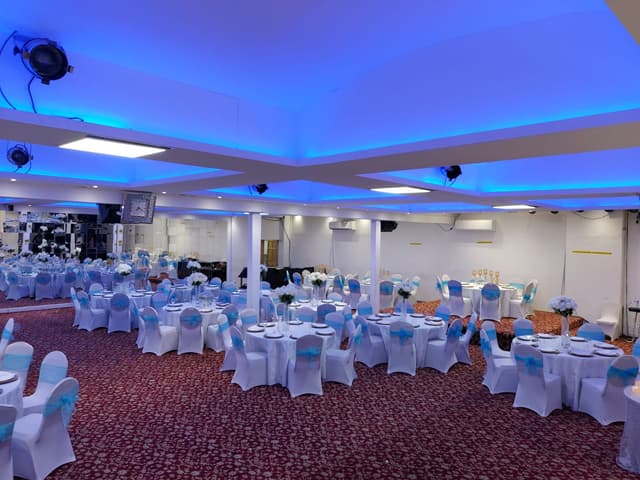
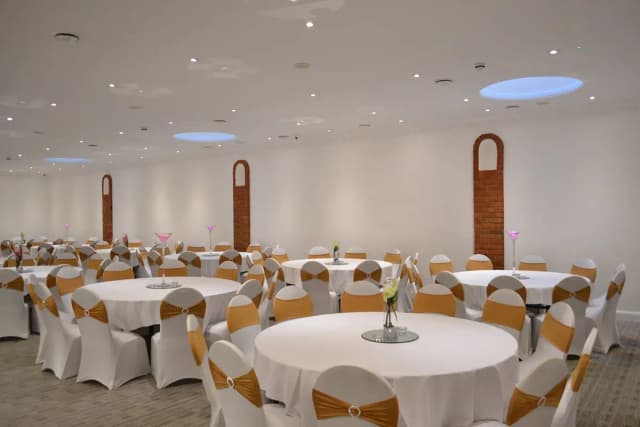
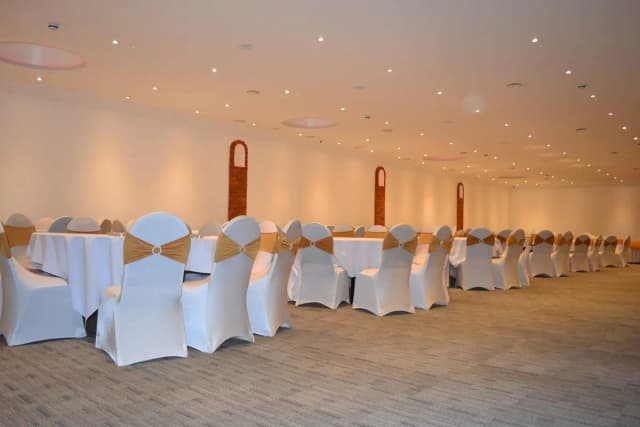
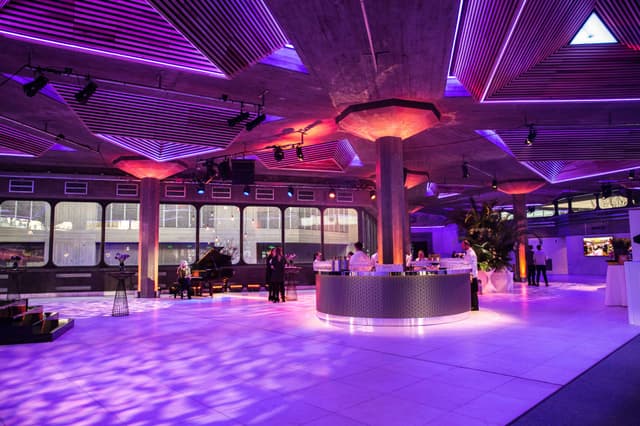
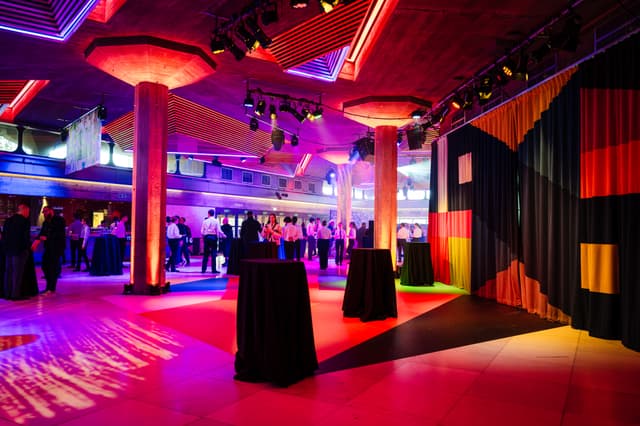
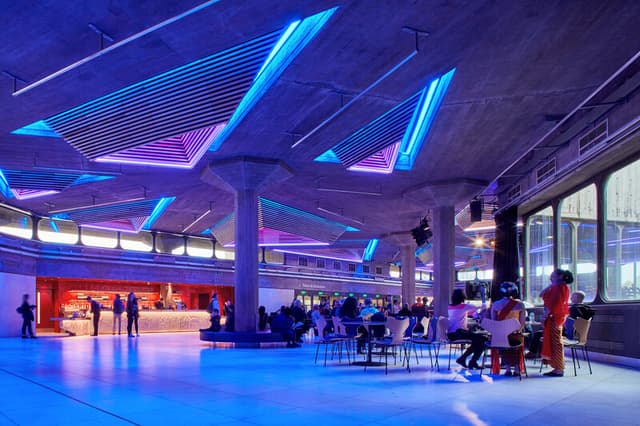
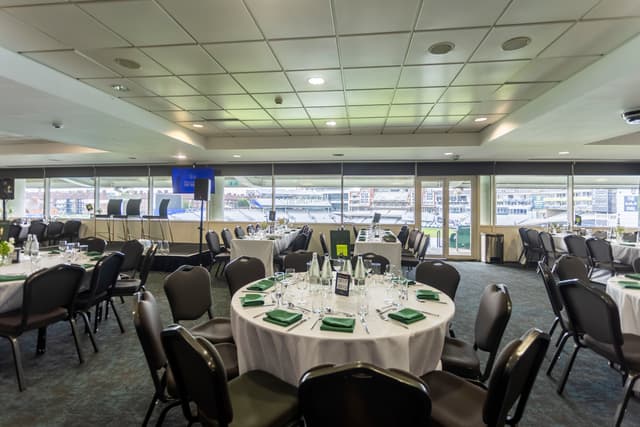
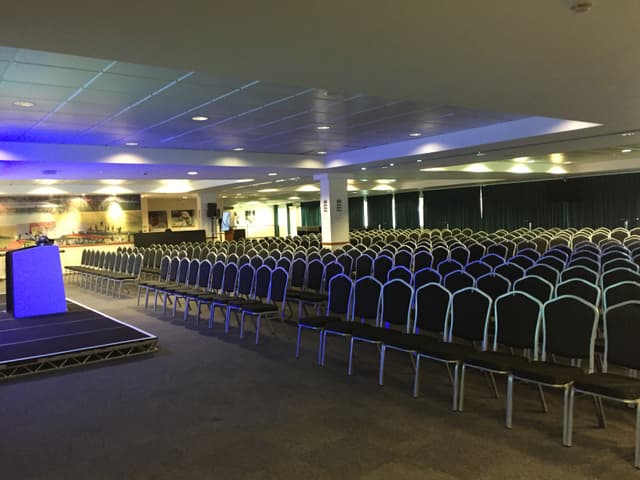
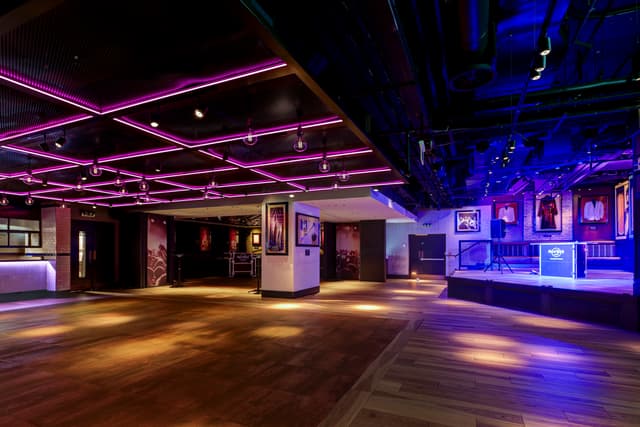
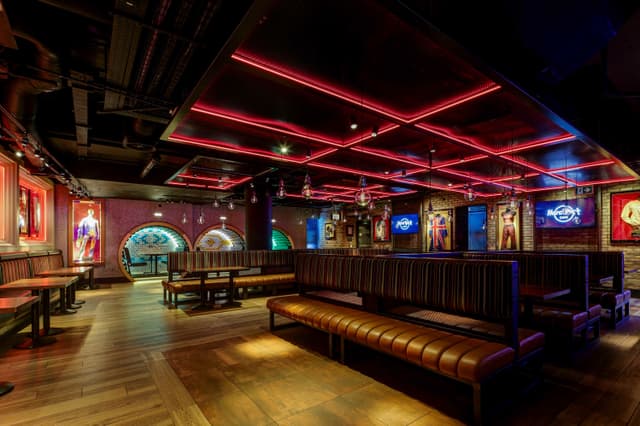
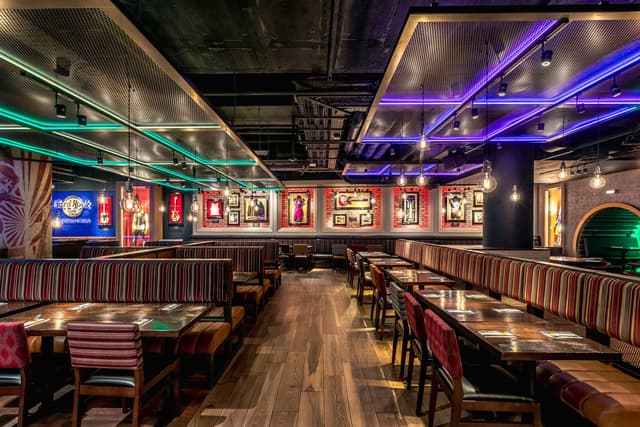
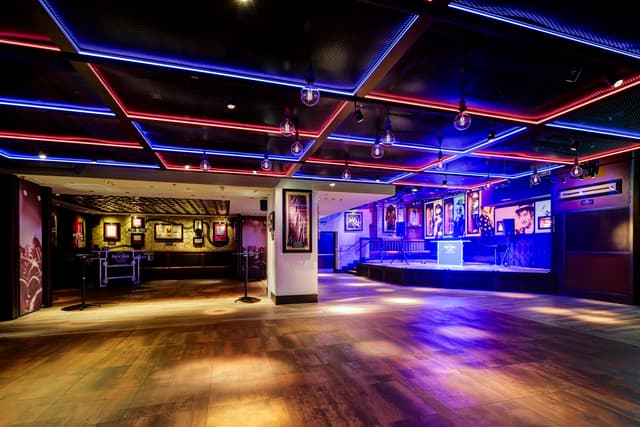
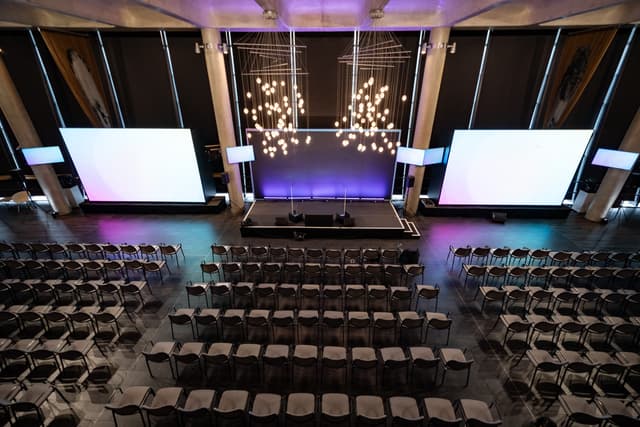
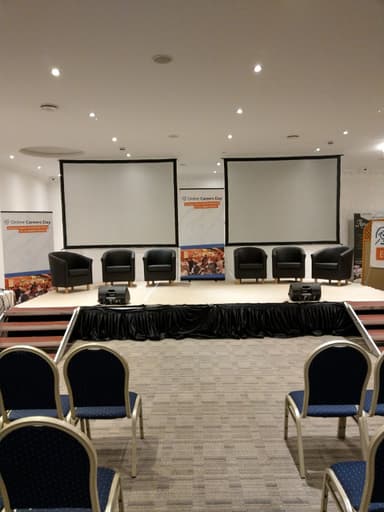
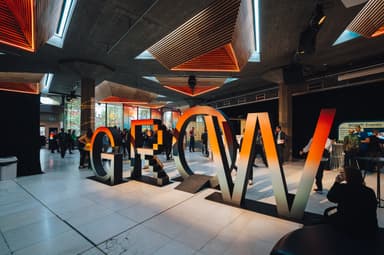
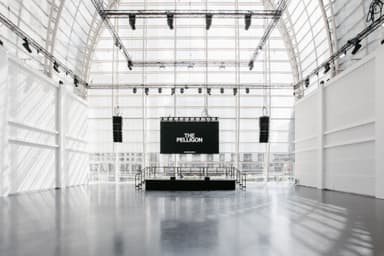
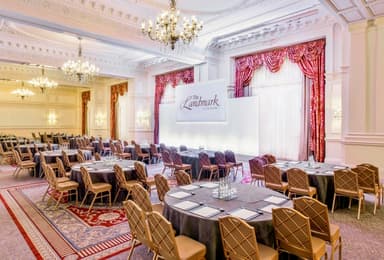
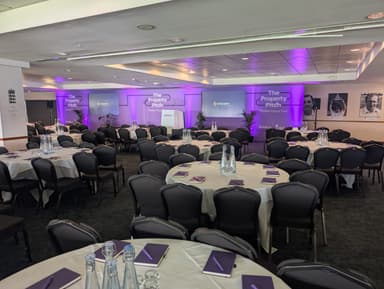
Explore modern conference venues in Central London for 500 people that combine style with functionality.
No venues match these filters
Try widening your capacity, luxury level or event type.
For business events that need human judgement, talk to our team. Free for 100 person+ events organised by businesses.



Tell us what you need. Our deep research finds any venue, whether it's in our marketplace or not. No one else does this.
When you're planning a conference for 500 delegates, Central London isn't just convenient—it's strategically brilliant. We've seen countless events succeed here because the infrastructure genuinely supports large-scale gatherings in ways other locations simply can't match.
The transport connectivity alone makes Central London unbeatable for 500-person events. Your delegates can reach venues like those in Fitzrovia or Westminster within 10 minutes from King's Cross via the Victoria Line. When Crossrail fully opens in 2024, accessibility will improve even further, making it easier for attendees travelling from Heathrow or across the Southeast.
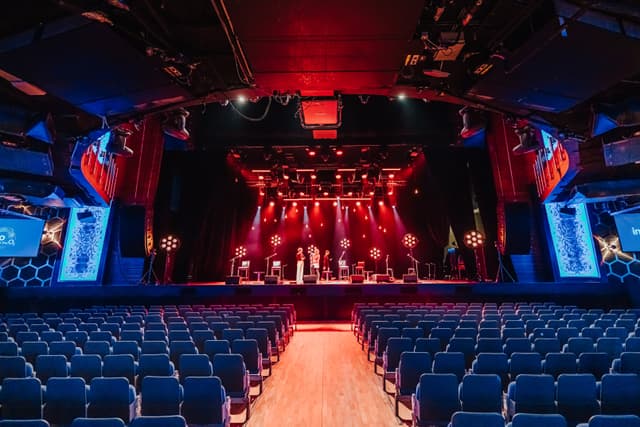
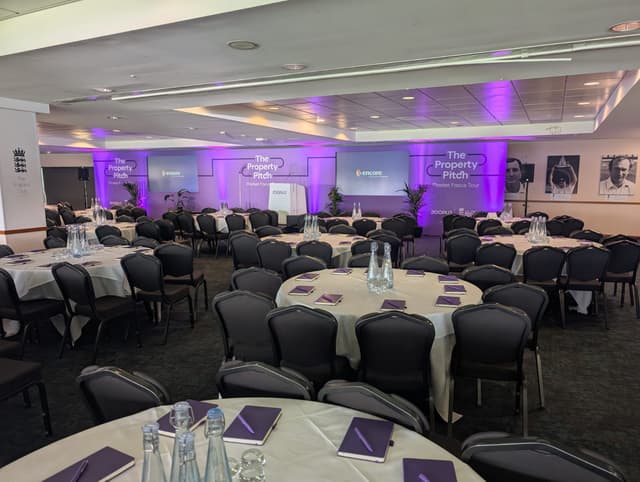
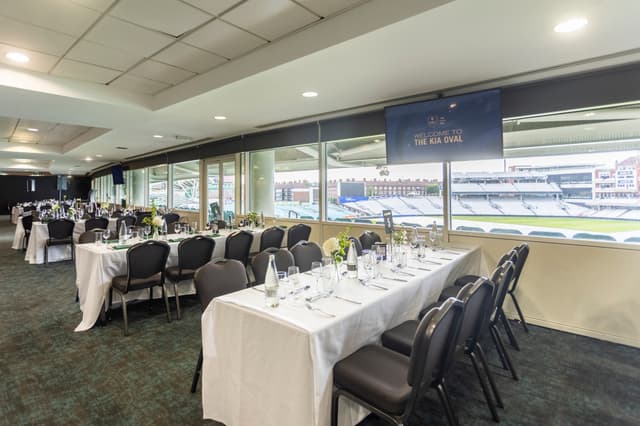
Modern conference venues in Central London are purpose-built for scale. Most venues accommodating 500 people offer 400-600 m² of flexible space with minimum 4-metre ceiling heights—essential for proper AV setups and comfortable acoustics. We've found venues typically provide theatre-style seating for 500, banquet arrangements for 350, or classroom layouts for 250 delegates.
The technical specifications here are genuinely impressive. Venues come equipped with at least 200 amps of three-phase power supply and dedicated 100 Mbps internet lines—crucial when you're managing hybrid events or live streaming. Climate control is zoned with individual controls, which becomes vital when you've got 500 people generating heat in one space.
Budget-wise, expect £15,000+ per day for venues of this scale, though premium locations can reach £25,000-£40,000. The day delegate rate typically ranges from £55 for standard venues to £120+ for luxury options like those found in Marylebone or Bloomsbury.
What many organisers don't realise is that Central London venues often include comprehensive AV packages in their pricing—something that can save £5,000-£8,000 compared to bringing in external suppliers. The competition between venues here also means you'll find better negotiation opportunities, especially during off-peak periods like January-February.
The real advantage? Your delegates will actually attend. Central London's accessibility means higher attendance rates, and the concentration of hotels, restaurants, and transport links creates a seamless experience that reflects well on your organisation's planning capabilities.
Ready to explore your options? Start by identifying venues that match your specific layout requirements and technical needs.
Getting the technical specifications right for a 500-person conference isn't just about ticking boxes—it's about ensuring your event runs seamlessly without those heart-stopping moments we've all experienced when technology fails mid-presentation.
Your venue absolutely must have at least 200 amps of three-phase power supply. We've seen too many events compromised because organisers assumed standard domestic power would suffice. With 500 delegates, you're looking at multiple projectors, sound systems, lighting rigs, and charging stations—all running simultaneously for 8-12 hours.
Internet connectivity is equally critical. Demand a dedicated 100 Mbps line minimum, not shared bandwidth. When 500 people are simultaneously checking emails, posting on social media, and accessing presentation materials, shared connections collapse. Modern venues in areas like Clerkenwell and Bank typically offer fiber connections with redundancy—essential for hybrid events.
| Layout Type | Capacity | Space Required | Key Considerations |
|---|---|---|---|
| Theatre | 500 | 400-500 m² | Clear sightlines, tiered seating |
| Banquet | 350 | 450-550 m² | Service access, round tables |
| Classroom | 250 | 500-600 m² | Power at tables, note-taking space |
Ceiling height matters more than most realise. Anything below 4 metres creates acoustic problems and limits your AV options. We always check load-bearing capacity too—floors must support at least 500 kg/m² when you factor in staging, equipment, and delegate movement.
Insist on integrated sound systems with line array speakers and subwoofers. Basic PA systems simply don't cut it for 500 people. The venue should provide HD projectors with backup units—we've learned this the hard way. DMX-controlled LED lighting isn't luxury; it's necessity for creating the right atmosphere and ensuring cameras capture quality footage for hybrid attendees.
Climate control becomes crucial with this many people. Zoned HVAC systems with individual controls prevent the stuffiness that kills engagement. Each zone should handle temperature variations as different areas fill up throughout the day.
Before signing anything, visit during a similar-sized event. Check the acoustics from the back row, test the Wi-Fi speed with multiple devices, and observe how staff manage technical transitions. These venues in modern conference spaces across Central London should demonstrate their capabilities, not just promise them.
Your next step? Create a technical requirements checklist and use it during venue visits—it'll save you from costly surprises later.
When you're bringing 500 delegates into Central London, transport logistics become absolutely critical—and frankly, it's where many organisers either triumph or face their biggest headaches. The good news? Central London's transport infrastructure is genuinely designed to handle large-scale movement, but you need to plan strategically.
Let's be honest about the numbers. If 60% of your delegates arrive by train (which is typical), that's 300 people potentially hitting the same station within a 30-minute window. King's Cross St Pancras and Liverpool Street Station are your best friends here—they're built for volume and connect seamlessly to venues across Westminster and Fitzrovia.
We've found the Victoria Line particularly reliable for large groups. From King's Cross to Oxford Circus takes just 10 minutes, and trains run every 2-3 minutes during peak hours. For international delegates, the Heathrow Express to Paddington (15 minutes) followed by the Circle Line creates a predictable journey time of under 45 minutes to most Central London venues.
Here's where budget planning gets interesting. NCP Car Park Covent Garden charges approximately £12 per hour, and with limited spaces, you're looking at £96 for an 8-hour conference day per car. For 50 driving delegates, that's nearly £5,000 in parking costs alone. Most venues in Marylebone or Bloomsbury don't offer dedicated parking, so factor this into your delegate communications early.
Modern conference venues must comply with DDA requirements, but with 500 people, you need to think beyond basic compliance. Request detailed accessibility maps showing step-free routes from nearest stations. The upcoming full Crossrail operation in 2024 will significantly improve accessibility across Central London, particularly for delegates with mobility requirements.
Pro tip: Always provide multiple transport options in your delegate pack. Include walking times from major stations, taxi booking apps, and cycle hire locations. We've seen attendance rates improve by 15% when delegates feel confident about their journey.
Your next move? Map out the three most likely arrival routes for your delegates and walk them yourself during similar time periods. This reconnaissance will highlight potential bottlenecks you can address in advance.
Let's talk numbers, because budgeting for a 500-person conference in Central London requires some serious financial planning—and honestly, many organisers underestimate the true costs by 30-40%.
For modern conference venues accommodating 500 delegates, you're looking at £15,000-£25,000 per day for the venue hire alone. Premium locations can push this to £40,000+, particularly in sought-after areas like Westminster or Marylebone. But here's what catches people out—that's just the starting point.
Day delegate rates typically range from £55 for standard venues to £120+ for luxury options. With 500 delegates, your catering and basic AV package alone could hit £27,500-£60,000. We've seen organisations budget £40,000 for venue and catering, only to discover they need another £15,000 for enhanced AV, security, and additional staffing.
Security becomes mandatory with 500 people—expect £2,000-£3,500 for professional security staff. Additional cleaning services add another £1,500-£2,500, and if you need extended setup time, overtime charges can reach £200-£300 per hour per staff member.
Parking costs genuinely shock people. At £12 per hour in Central London, 100 driving delegates create a £9,600 parking bill for an 8-hour event. Many venues in Clerkenwell or Barbican don't include parking, so this becomes a delegate expense that affects attendance.
Book during off-peak periods (January-February) and you'll save 20-30% on venue costs. Tuesday-Thursday bookings command premium rates, but Monday or Friday events often secure better deals. We've negotiated package deals that include enhanced AV equipment by committing to multiple events or longer-term partnerships.
Always request itemised quotes. Venues sometimes bundle services at inflated rates, but breaking down costs reveals negotiation opportunities. Ask about cancellation policies too—with large events, flexibility becomes valuable insurance.
Consider venues that include comprehensive AV packages in their base rate. This can save £5,000-£8,000 compared to external suppliers. Some modern conference venues across Central London offer all-inclusive packages that, while appearing expensive upfront, deliver better value when you calculate the total cost.
Your next step? Create a detailed budget spreadsheet including all potential extras, then add 15% contingency. Request quotes from three venues with identical specifications to understand true market rates.
After organising hundreds of large-scale conferences, we've seen the same costly mistakes repeated time and again. The difference between a seamless 500-person event and a logistical nightmare often comes down to avoiding these seven critical pitfalls.
The biggest mistake? Assuming you can transform a 500-capacity space in a few hours. Reality check: you need minimum 6 hours for setup and another 6 for breakdown. We've watched organisers book 9am-5pm slots, only to discover their AV team needs access from 6am and won't finish packing until 8pm. This oversight typically costs £2,000-£3,000 in overtime charges.
Always book extended access. Venues in Fitzrovia and Westminster often offer 24-hour access packages that, whilst appearing expensive, prevent costly last-minute extensions.
Here's where many get caught out: a venue's "500-person capacity" refers to theatre-style seating. Switch to banquet rounds and you're down to 350 people. Classroom layouts? Just 250. We've seen organisers discover this two weeks before their event, forcing expensive venue changes or disappointing delegate rejections.
Serving alcohol or playing music requires a premises licence through Westminster City Council or relevant borough. The application process takes 28 days minimum, and without it, your evening reception becomes a very dry affair. Factor licensing into your timeline—it's not something venues always handle automatically.
That "guaranteed" 100 Mbps internet connection? Test it with 200+ devices simultaneously, not just one laptop. We always insist on stress-testing during venue visits. Modern venues should demonstrate their capabilities during similar-sized events, not just promise them.
With 500 delegates, Murphy's Law multiplies exponentially. Always have backup plans for AV failures, catering delays, and transport disruptions. Build 20% contingency into your budget and timeline—it's insurance that pays for itself.
Large venues require crowd management strategies. Plan registration processes, break areas, and emergency evacuation routes. Poor flow creates bottlenecks that frustrate delegates and reflect poorly on your organisation.
May-July and November-December see fierce competition for quality venues. Book 6-12 months ahead during peak periods, or consider modern conference venues across Central London during quieter January-February periods for better rates and availability.
Your next step? Create a comprehensive checklist covering these seven areas and use it during every venue visit. Prevention is always cheaper than crisis management.
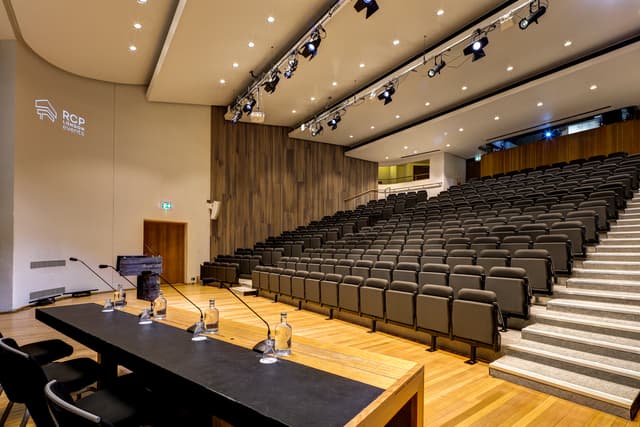
Discover 5 standout London, UK conference venues with outside space. Compare capacities, amenities and layouts for summer conferences, outdoor networking and fresh-air breakouts. Plan your next corporate event with ease.

On a blustery winter's day in January 1649, the deposed King Charles I was beheaded by the victorious rebels of the Civil War. And the bloody execution took place just outside of our Unique Venue of the Month. Not many venues can claim to be of such historical significance, but Banqueting House [https://hirespace.com/Spaces/London/42821/Banqueting-House/Main-Hall/Weddings] – the only remaining part of the Palace of Whitehall, where English monarchs used to reside – played a major part in Briti

Located in the heart of the City, Salters’ Hall combines the rich heritage of the salt trade of medieval London with contemporary surroundings. Rebuilt in 1972 by Basil Spence and now a Grade II listed building, it is a rare example of a post-war livery building and has remained largely untouched until now... Architects de Metz Forbes Knight [http://www.dmfk.co.uk/projects/load/salters-hall] (dMFK) were tasked with the project to upgrade the building whilst retaining its sense of history and al
Multiple venues and events. One agreement.


