36 Unusual in venues in Central London



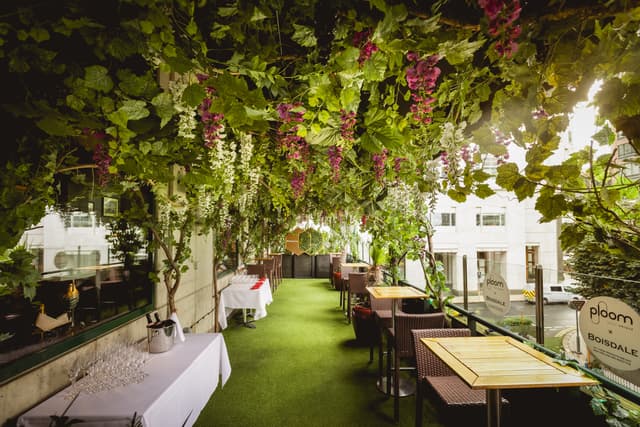
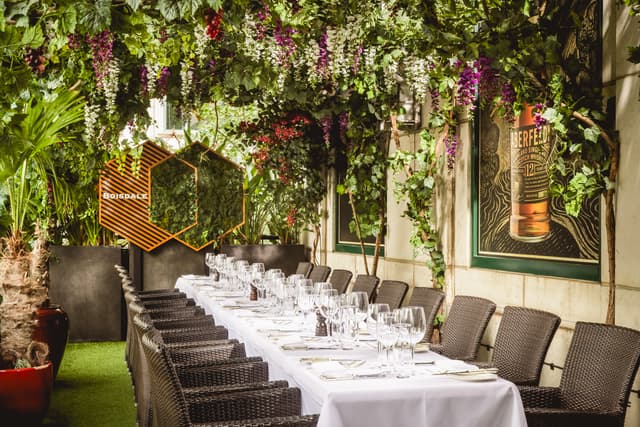
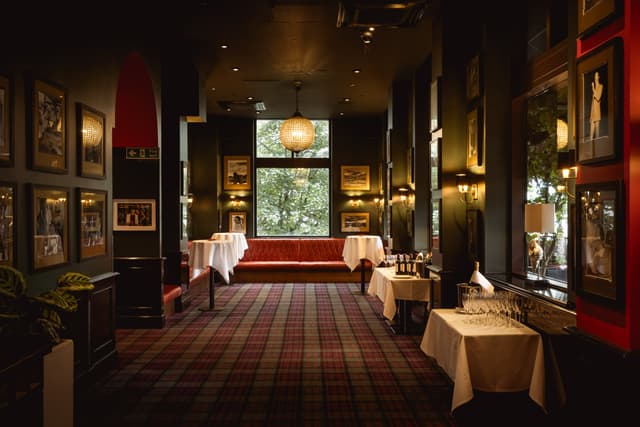
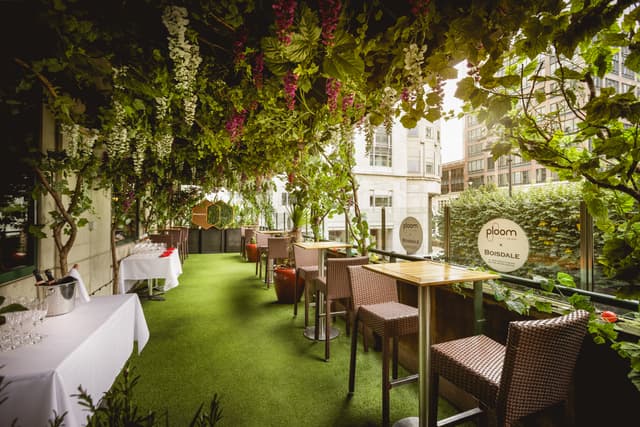


No venues match these filters
Try widening your capacity, luxury level or event type.
Explore unique venues in Central London ideal for events of 200 guests.
No venues match these filters
Try widening your capacity, luxury level or event type.
For business events that need human judgement, talk to our team. Free for 100 person+ events organised by businesses.



Tell us what you need. Our deep research finds any venue, whether it's in our marketplace or not. No one else does this.
When you're planning an event for 200 people in Central London, you've got two choices: play it safe with a standard hotel ballroom, or create something genuinely memorable in one of the capital's extraordinary unusual venues. After organising countless events across the city, we can tell you that the latter consistently delivers better engagement, stronger brand recall, and frankly, much happier clients.
The numbers speak for themselves. Unusual venues in Central London for 200 guests typically range from £5,000 to £15,000 for exclusive hire, with premium spaces reaching £20,000+. Yes, that's significantly more than your average conference centre, but here's what you're actually buying: a space that does half your marketing work for you. When guests walk into a Victorian railway arch in Barbican or a converted warehouse near Bank, they're already engaged before you've said a word.
Most unusual venues suitable for 200 guests offer between 250-400 square metres, with ceiling heights of 4.5-7 metres – perfect for dramatic lighting and staging that simply isn't possible in standard venues. The Vaults in Waterloo, for instance, provides 300 square metres of Victorian brickwork tunnels with the infrastructure to support everything from projection mapping to full theatrical productions.
What makes these spaces particularly valuable is their flexibility. Unlike traditional venues with fixed layouts, unusual spaces let you create bespoke experiences. We've seen clients transform industrial spaces into immersive brand experiences, turning what could have been a standard product launch into something guests photograph and share organically.
Here's the insider knowledge: 200 people is the perfect capacity for unusual venues. You're large enough to justify the exclusive hire costs (typically requiring 25-50% deposits), but small enough to maintain intimacy and ensure every guest feels part of something special. The per-head cost often works out similarly to premium traditional venues when you factor in the built-in wow factor.
The key is understanding what you're investing in. These aren't just venues – they're conversation starters, Instagram moments, and memory makers. When you're competing for attention in London's saturated event market, that's worth every penny.
Ready to explore your options? Start by visiting some galleries in Central London to understand the space possibilities, then consider how unusual venues can elevate your specific event objectives.
Here's the reality about booking unusual venues in Central London: if you're planning for 200 guests and want your pick of the best spaces, you need to start your search at least six months out. We've seen too many brilliant events compromised because someone thought they could secure The Vaults or a converted warehouse in Shoreditch with just eight weeks' notice.
The unusual venue market operates differently from traditional spaces. These aren't cookie-cutter conference rooms with availability calendars – they're one-off spaces with complex licensing requirements and often limited availability. Peak periods (September-November and March-May) can book out 8-12 months in advance, particularly for Friday and Saturday events.
Start with your venue shortlist immediately. Unlike hotel chains where you can swap locations easily, each unusual venue has unique characteristics that will shape your entire event design. A Victorian railway arch in Barbican requires completely different planning from a converted church or industrial space in Belgravia.
Budget confirmation is crucial at this stage. Unusual venues typically require 25-50% deposits, and with hire costs ranging from £5,000-£20,000+, that's a significant upfront commitment. Factor in that many unusual spaces require additional infrastructure – temporary kitchens, upgraded power supplies, or specialist lighting rigs – which can add 30-40% to your base venue cost.
This is where unusual venues get complex. Many require Temporary Event Notices (TENs) for alcohol service, entertainment licenses for live music, and sometimes planning permissions for temporary structures. The application process alone can take 6-8 weeks, and some venues have restrictions on noise levels after 11 PM due to residential proximity.
We always recommend booking your initial venue visit within the first month of your planning timeline. Unlike traditional venues where photos tell the full story, unusual spaces need to be experienced. That converted warehouse might look perfect online, but you need to understand the acoustics, assess the natural light, and check accessibility routes for your 200 guests.
Create a venue comparison spreadsheet including hire costs, required licenses, infrastructure needs, and booking deadlines. Then start reaching out to your shortlisted venues – the best unusual spaces often have waiting lists, and early enquiries can sometimes secure you preferred dates or better rates.
Consider exploring galleries in the City of London as alternatives if your first choices aren't available – they often offer similar character with more straightforward licensing requirements.
The sticker shock isn't the £8,000 venue hire fee – it's the £3,500 in "extras" that nobody mentioned during your initial site visit. After years of working with unusual venues across Central London, we've learned that the real art lies in budgeting for what you can't see coming.
Let's talk numbers honestly. That converted warehouse in Shoreditch might quote £6,000 for exclusive hire, but here's what they won't tell you upfront: you'll need a temporary kitchen installation (£800-£1,200), upgraded electrical supply for your AV setup (£400-£800), and specialist insurance coverage that can add another £300-£500 to your bill. Suddenly, your £6,000 venue is pushing £8,500 before you've even thought about catering.
Most unusual venues weren't designed for events, which means you're often starting from scratch with basic amenities. Underground spaces like The Vaults require portable climate control systems – essential when you're packing 200 people into Victorian tunnels. Budget £600-£1,000 per day for proper HVAC, because trust us, nobody remembers your brilliant presentation if they're sweating through it.
Power supply is another hidden gotcha. Standard unusual venues typically offer basic domestic supply, but your event tech needs industrial-grade power. A 63A three-phase supply upgrade costs £500-£800, but it's non-negotiable if you want professional lighting and sound for 200 guests. We've seen events literally go dark because someone skimped on power planning.
Here's where unusual venues get expensive fast. That beautiful converted church might need a Temporary Event Notice (£21), entertainment license (£180), and potentially planning permission for temporary structures (£462). But the real cost is time – these applications take 6-8 weeks, and rushing them through emergency processes can triple the fees.
Security requirements often catch people off-guard too. Many unusual venues require licensed security personnel due to their unique layouts or public access points. Budget £150-£200 per security officer for a full day, and most 200-person events need at least two officers.
Book your venue visit during a similar event if possible. Seeing the space in action reveals hidden costs like additional lighting needs or acoustic challenges. Also, consider venues in areas like Charing Cross or Essex where unusual spaces often come with better baseline infrastructure.
Always request a detailed breakdown of potential additional costs during your initial enquiry. The best unusual venues will be transparent about these requirements – it's the ones that aren't forthcoming you need to worry about.
Your next step? Create a contingency budget of 25-30% above your quoted venue costs. It sounds excessive, but it's the difference between a smooth event and a financial nightmare.
We've seen brilliant events turn into legal nightmares because someone didn't ask the right questions before signing. When you're dealing with unusual venues in Central London for 200 people, the stakes are higher than your average hotel booking – these spaces often come with unique restrictions and requirements that can derail your entire event if you're not prepared.
The contract conversation is where amateur event planners get separated from the professionals. You're not just booking a room; you're entering into a complex agreement that covers everything from structural modifications to noise restrictions. Here are the five questions that will save you from costly surprises and potential disasters.
This isn't about being overly cautious – it's about avoiding the £15,000 insurance claim we witnessed when someone tried to install a suspended stage in a converted warehouse without checking the ceiling's load capacity. Most unusual venues require floors to support at least 500kg per square metre, but many historic buildings have lower limits.
Ask for the structural engineer's report and understand exactly what you can and cannot install. Some venues in areas like Barbican have heritage restrictions that prevent any permanent fixings to walls or ceilings. This affects everything from your lighting rig to simple banner installations.
Here's where venues often mislead clients. They might say they have an entertainment license, but it could be limited to recorded music only – no live performances. For 200-person events, you typically need a premises license for alcohol service and potentially a Temporary Event Notice if you're exceeding the venue's standard capacity limits.
Get this in writing: which licenses they hold, their exact limitations, and your responsibilities for additional permits. Some unusual venues require you to obtain your own insurance and licensing, which can add £500-£1,500 to your budget and 6-8 weeks to your timeline.
Underground venues and converted industrial spaces often have strict noise limitations due to residential proximity. We've seen events shut down at 10 PM because the venue failed to mention their noise restrictions during initial discussions. Ask for specific decibel limits and understand the penalties for violations – some venues charge £500+ for noise complaints.
This is the big one. Many unusual venues quote attractive hire fees but expect you to cover essential infrastructure. Ask specifically about power supply (most events need 63A three-phase), internet connectivity (minimum 100 Mbps for event tech), and climate control capabilities. A venue might look perfect until you discover it needs £2,000 worth of temporary installations to be functional.
Unlike hotels with flexible access, unusual venues often have rigid setup windows. Some only allow access during specific hours due to shared building use or licensing restrictions. Understand exactly when you can start setup, how long you have for breakdown, and what overtime charges apply. Many venues charge £200-£400 per hour for extended access.
Before you sign anything, visit venues like galleries in Central London to understand how different unusual spaces handle these requirements. The best venues will answer these questions transparently – the ones that dodge or deflect are red flags you can't afford to ignore.
The venue you choose will shape every aspect of your guest experience, from the moment they walk through the door to the stories they tell afterwards. After working with dozens of unusual venues across Central London, we've learned that matching your space to your audience isn't just about aesthetics – it's about understanding how different environments influence behaviour, engagement, and ultimately, your event's success.
Your audience profile should drive every venue decision. Corporate clients expecting a polished product launch will respond differently to a raw industrial warehouse than creative professionals attending a brand experience. We've seen tech companies thrive in converted railway arches near Bank, where the industrial aesthetic reinforces their innovation messaging, while luxury brands gravitate towards elegant spaces in Belgravia that reflect their premium positioning.
Underground venues like The Vaults offer unparalleled atmosphere but come with specific considerations. The 4.5-metre ceiling heights and Victorian brickwork create dramatic backdrops, but you'll need robust climate control for 200 guests in enclosed spaces. These venues excel for immersive experiences and brand activations where you want guests to feel transported, but they're challenging for networking events where natural conversation flow matters.
Historic warehouses and converted industrial spaces provide the flexibility most event planners crave. With typical floor areas of 300-400 square metres and minimal structural restrictions, they're perfect for creating bespoke layouts. However, acoustics can be challenging – those soaring ceilings that look spectacular can create echo problems without proper sound treatment.
| Venue Type | Best For | Capacity Sweet Spot | Key Considerations |
|---|---|---|---|
| Underground Vaults | Immersive experiences, product launches | 150-250 standing | Climate control essential, limited natural light |
| Historic Warehouses | Flexible events, exhibitions | 200-300 mixed seating | Acoustic treatment needed, power upgrades likely |
| Converted Churches | Formal presentations, galas | 180-220 seated | Heritage restrictions, excellent acoustics |
| Railway Arches | Creative showcases, tech events | 200-280 standing | Industrial aesthetic, good transport links |
Consider your guests' journey from arrival to departure. That stunning converted church might be perfect for your gala dinner, but if half your 200 guests struggle with accessibility or can't find parking, your beautiful venue becomes a logistical nightmare. Always factor in transport links – venues near major stations like King's Cross or Liverpool Street offer 15-minute journey times from most Central London locations.
Think about your event flow too. Underground spaces work brilliantly for seated presentations but can feel claustrophobic during networking sessions. Industrial warehouses offer flexibility but might need significant lighting investment to create the right ambiance for evening events.
Visit potential venues during similar events if possible, or at least at the same time of day you're planning your event. Natural light, ambient noise, and even temperature can vary dramatically throughout the day. Consider exploring galleries in East London or West London as alternatives – they often offer similar character with more predictable infrastructure and potentially better value for your 200-person event.

Organising a Christmas party [https://hirespace.com/Top/London/London-Christmas-Party-Venues] may sound exciting but let's be honest, sometimes it's more than a little bit stressful, especially when you've left it to the last minute. But never fear, there are still some brilliant venues available for a fantastic festive shindig if you think outside the box a little. Thankfully, the Venue Expert Team is here to help. With these five unique venues [https://hirespace.com/Top/London/Unusual-Christm

If your 30th is approaching, it's the perfect excuse for having a big old birthday bash in our books - here's a whirlwind tour of 6 of our favourite venues!

At Hire Space, unusual venues [https://hirespace.com/Browse/Unusual-Event-Venues-London] are the name of the game. Passion to find a unique venue for an event seems to be unabated in London, but it's of little surprise when taking into account all the amazing spaces the capital has to offer. But just why is London filled with so many unusual venues for hire? We investigated: Romans, Saxons, Normans, Tudors and Stuarts. The Black Death, two World Wars and one Great Fire. London has seen it a
Multiple venues and events. One agreement.


