Formal Event Venues for Hire in Greater Manchester
Compare formal event spaces across Greater Manchester, from city-centre ballrooms to waterside dining rooms with clear indicative pricing.
5 Formal Event Venues for Hire in Greater Manchester
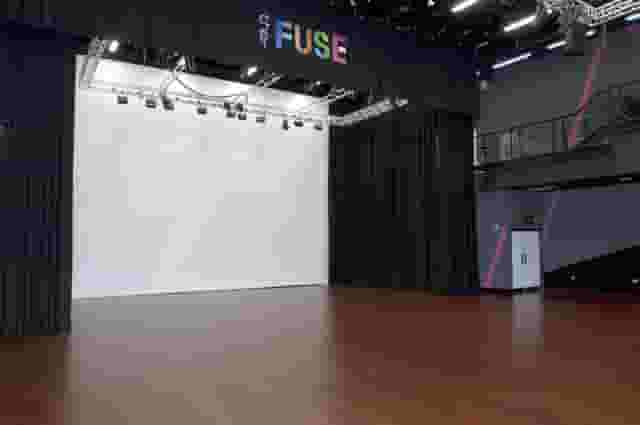
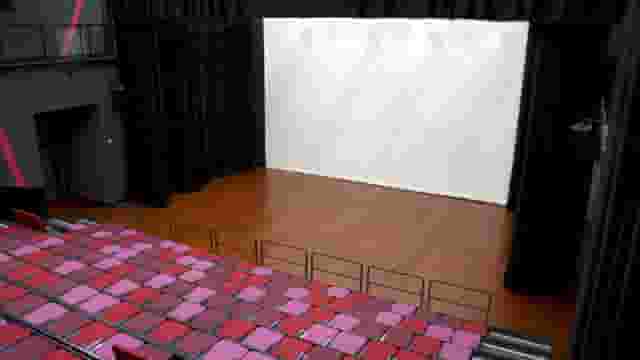
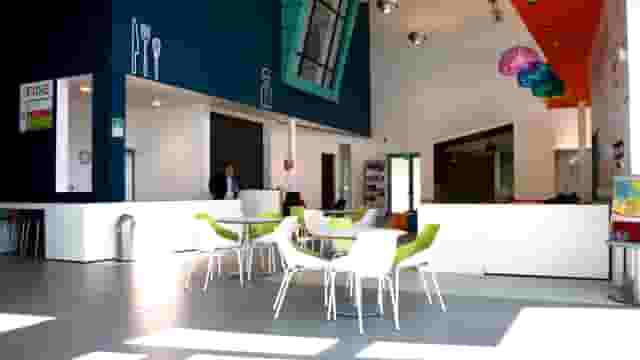
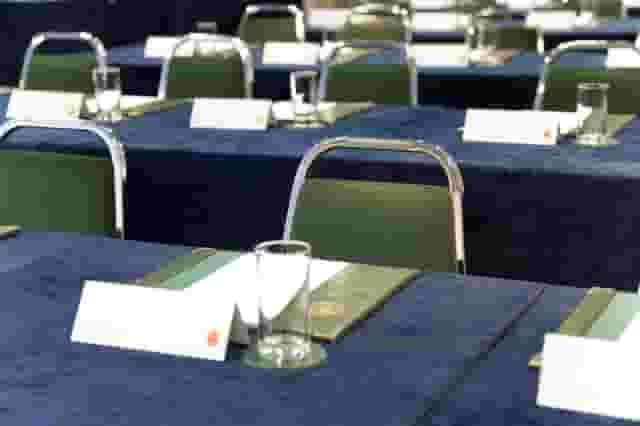


No venues match these filters
Try widening your capacity, luxury level or event type.
Don't have time to search? We'll find it for you.
For business events that need human judgement, talk to our team. Free for events of 100+ people, budgets over £10k or ongoing programmes.




Frequently asked questions
What's the ideal size for a Manchester formal venue?
How to select a historic venue in Manchester?
Are luxury hotels in Manchester suitable for formals?
What amenities are vital for Manchester galas?
How to ensure privacy at Manchester formal events?
What are Greater Manchester’s growth plans for formal events?
What is the 5-year environment plan for event venues?
What tech features do formal venues offer?
When did Manchester become Greater Manchester?
What is the budget range for corporate events?
How do Manchester and Greater Manchester differ for events?
Which areas offer the best transport links in Greater Manchester?
What is Manchester’s largest borough for events?
What venue privacy features should be verified?
How do local regulations affect event logistics?
What are typical delegate day costs in Greater Manchester?
Other platforms search their database. We search everything.
Tell us what you need. Our deep research finds any venue, whether it's in our marketplace or not. No one else does this.
About Formal in Greater Manchester
Choosing the right setting: historic institutions, converted spaces and hotels
Organising a formal corporate gathering in Greater Manchester means deciding early on how much structure you want the building to provide. The county offers a broad mix of settings, ranging from grand Victorian architectural landmarks in the commercial core to industrial warehouses along the ship canal and purpose-built hotel suites designed for rapid guest turnover. Each category carries distinct operational advantages and trade-offs that dictate how your evening runs.
Traditional hotels remain the standard choice for dinners with complex guest itineraries, out-of-town delegates or rigid presentation schedules. A dedicated hotel suite eliminates many logistical headaches: the kitchen is on site, production cabling is already concealed, and bedrooms sit directly upstairs. Venues like The Midland Hotel, where the ground-floor Alexandra Suite accommodates dining for up to 500 guests, offer air conditioning, integrated staging and direct service access that keep large banquets running to time. Similarly, modern operations such as Hyatt Regency Manchester, featuring the Rothwell Suite with capacity for 200 reception guests, provide neutral decor, natural light and modern meeting infrastructure in the city innovation district. The compromise is character: while operationally reliable, hotel ballrooms can feel interchangeable unless you spend budget on custom staging, lighting and floral design.
For gatherings where the setting itself needs to drive conversation, cultural institutions and heritage buildings offer a strong alternative. A drinks reception inside Manchester Art Gallery, which can host up to 150 people across its Gallery Cafe and Drawing Room, surrounds attendees with period architecture and fine art. Further west in Deansgate, the Science and Industry Museum provides an evocative backdrop inside Revolution Manchester Gallery, handling up to 450 guests for a drinks reception among exhibits that chart the city's manufacturing history.
Heritage venues bring strict operational constraints. Grade II or Grade I listings mean you cannot drill into walls, hang banners from structural trusses or run heavy cables without protective matting. Work that affects the character of a listed building may require formal Listed Building Consent, so any elaborate production set must be freestanding. Furthermore, public buildings often prohibit access until their doors close to museum visitors, compressing your supplier load-in window to ninety minutes before guest arrival. If you are planning an awards evening or gala that relies on non-traditional spaces, looking through top unique and unusual venues for an awards ceremony gives a practical sense of how other planners handle historic venue restrictions.
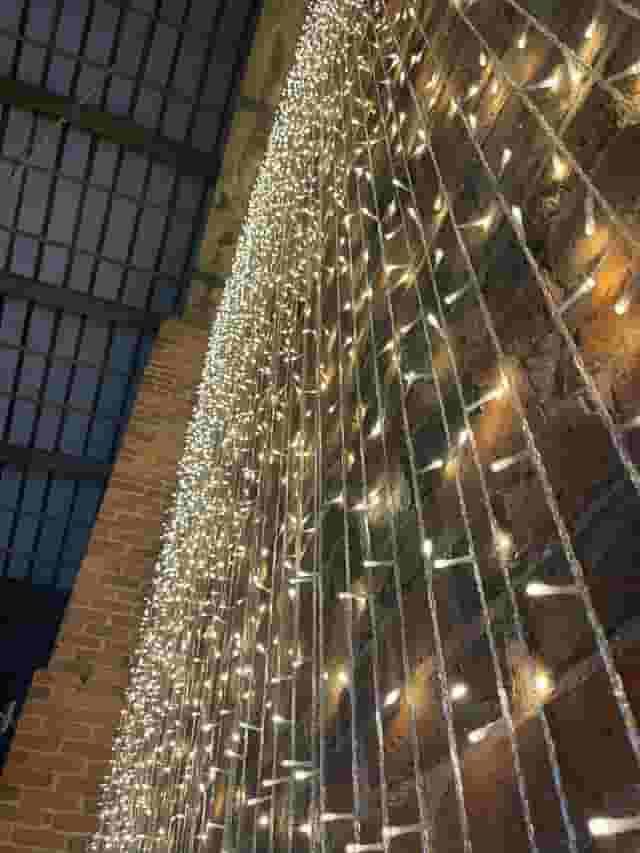
Converted industrial spaces sit midway between raw authenticity and modern production capacity. In Trafford, Victoria Warehouse uses its restored brick-and-beam architecture to house large-scale corporate events. Its space, The Bays, covers 700 square metres and holds 300 guests for a reception, complete with built-in audiovisual infrastructure. Industrial properties give production teams the ceiling height and load-in access needed for custom sets, but they require careful temperature control and acoustic management, as exposed brick and hard concrete floors can bounce sound uncomfortably during speeches.
Managing acoustics, technical production and event privacy
A formal evening usually hinges on clear audio during addresses and presentations, followed by comfortable acoustics for conversation over dinner. Getting both right in one room requires careful planning, especially when dealing with high ceilings or hard surfaces.
Museums and warehouse conversions often feature concrete, tile or glass surfaces that create substantial reverberation. If your schedule includes keynote speeches, executive announcements or awards presentations, a standard public address system will leave spoken words unintelligible at the back of the room. In rooms with high ceilings, acoustic treatment requires distributed sound systems: rather than two massive speakers at the front pushing volume across the entire floor, your audiovisual supplier should deploy multiple smaller speakers delayed in milliseconds down the room. This maintains consistent volume levels without deafening the tables closest to the stage. For guidance on structuring technical layouts for formal stages, review class-topping venues for awards ceremonies to see how staging and sightlines interact.
Venues built with contemporary architectural materials present distinct audio profiles. At Imperial War Museum North in Trafford Park, the Main Exhibition Space accommodates up to 500 guests for receptions against quayside views, but its sharp, asymmetrical geometry requires dedicated audiovisual planning to ensure speeches carry evenly. Contrast this with spaces purpose-designed for performance and views, such as Lowry at Salford Quays. Its Compass Room holds up to 300 reception guests in a circular layout lined with floor-to-ceiling windows and an external balcony, balancing panoramic views with a room geometry that contains ambient sound effectively.
| Event format | Typical layout | Technical requirements | Sound management priority |
|---|---|---|---|
| Executive gala dinner | Round tables of 10 with central stage | Wireless lapel microphones, followspots and comfort monitors | Distributed audio fill to avoid reverberation over table conversations |
| Company awards presentation | Theatre-style seating or banquet rows | High-lumen projection, stage wash and digital audio mixing | Controlled acoustic feedback and clear sightlines from all angles |
| Private client reception | Standing poseur tables with peripheral lounge seating | Background sound system, uplighters and discrete digital displays | Sound dampening to allow private dialogue without shouting |
Privacy is another critical operational hurdle for corporate bookings. In multi-use venues, public attractions or large hotels, verify whether your party shares entrance foyers, cloakrooms or restrooms with other functions. True privacy requires controlled access points. When inspecting a venue, trace the path an attendee takes from street arrival to their dining chair. If delegates must walk through a public hotel bar, a restaurant lobby or a shared corridor where a competing company is running a simultaneous conference, the confidentiality of your event is compromised.
Ask the venue manager whether staff service corridors can be used for discreet arrivals by guest speakers, whether digital signage screens in the public lobby can be kept unbranded if discretion is required, and whether kitchen and waiting staff will be assigned exclusively to your room rather than shared across adjacent suites.
Understanding costs, packages and quotes across the region
Budgeting for a formal company dinner or evening gathering requires looking past basic room hire fees and analysing what the catering, service and technical package actually includes. Across Greater Manchester, pricing structures vary widely depending on whether a venue operates on an all-inclusive delegate package, a minimum food and beverage spend, or a dry-hire model where production and catering must be brought in separately.
Indicative pricing for corporate events across this region is typically £40 to £80 per head. This price range is an estimate based on 9 quotes from the venues on this page, calculated for about 50 guests. The figure assumes that party size, so costs per person will shift if your delegate count expands or contracts significantly. As an event planning and venue booking platform backed by a team of real people, Hire Space helps planners benchmark costs through instant, data-backed price estimates drawn from actual booking records, while suggesting comparable spaces if an initial idea exceeds budget.
| Typical spend | £40 per head | £80 per head |
|---|---|---|
| Catering | Midweek buffet / standing | Plated three-course banquet |
| Drinks | House wine and soft drinks | Champagne reception and canapes |
| Production | Standard in-house audio | Custom staging and technician |
| Timings | Midnight bar finish | Extended 2am premises licence |
Where your brief sits along the £40 to £80 spectrum depends heavily on menu complexity, beverage choices and production inclusions:
- Towards the £40 end: Events at this tier generally feature a standing fork buffet or a simplified two-course seated menu, paired with house wine or prosecco on arrival. Basic in-house production is included, such as an existing wall-mounted screen, a single handheld microphone and standard architectural downlighting. Service staff numbers are kept lean, and the hire period typically wraps up around 23:00 to 23:30.
- Towards the £80 end: At the higher end, packages cover a formal three-course seated banquet with dietary alternatives, passed canapes during a sparkling wine reception, and half a bottle of quality wine per delegate. Technical provisions at this level often include dedicated sound engineers, stage lighting packages, custom lecterns and branded backdrop rigging. Bar licences and venue hire extend to midnight or 01:00, with dedicated cloakroom staff and front-of-house security personnel factored into the cost.
When reviewing proposals, ask whether the venue charges separate facility fees for kitchen use. Many historic or dry-hire venues advertise attractive base rental rates but require your outside caterer to pay a kitchen buy-out fee, waste disposal fee or linen rental charge, which is inevitably passed back to your master bill.
Similarly, examine corkage terms if you plan to bring sponsor beverages. Many Greater Manchester venues refuse outside drinks entirely, while those that permit them frequently set corkage at a level that matches their standard house bottle price. Always verify whether quoted rates are subject to standard VAT and whether a discretionary service charge, usually between 10% and 12.5%, is added automatically to food and beverage totals at final settlement. Hire Space 360 is enterprise venue and hotel procurement for companies spending £1m or more a year on meetings and events: a managed meetings and events programme, the kind procurement teams call strategic meetings management. Organisations can explore how Hire Space 360 works for procurement to see how it replaces multiple supplier contracts with consolidated invoicing and centrally negotiated rates. Dedicated venue sourcing specialists support each account, providing finance teams with live spend reporting while keeping every booking aligned with company event policy.
Timings, licences and transport logistics across the ten boroughs
An otherwise well-planned corporate evening can be undone by poor travel logistics or misunderstandings regarding municipal regulations. Greater Manchester is not a single municipality but a metropolitan county established under the Local Government Act 1972, taking effect on 1 April 1974. It comprises ten separate metropolitan boroughs: the City of Manchester, Salford, Trafford, Stockport, Bolton, Wigan, Rochdale, Oldham, Bury and Tameside. While Wigan covers the largest geographic land area among the ten boroughs, the City of Manchester contains the highest density of commercial event venues and transport infrastructure.
Understanding where borough boundaries lie matters because local licensing authorities enforce premises licences independently. If your event involves alcohol sales, live entertainment, award announcements with amplification or late-night hot food after 23:00, the activity must fall within the venue's existing premises licence. If you plan to extend drinking hours to 01:00 or host an energetic after-party band, the venue must hold the appropriate permissions or submit a Temporary Event Notice (TEN) to the local council. TENs must be submitted at least ten clear working days prior to the date, have strict limits on attendee numbers, and can be vetoed by local environmental health officers if nearby residential properties face noise disturbance.
Transport convenience changes markedly once you step outside the central ring road. City-centre locations clustered around Manchester Piccadilly, Oxford Road, Deansgate and Victoria stations allow guests to walk directly from mainline rail connections. Venues such as Manchester Conference Centre & Pendulum Hotel, which offers the versatile Pioneer Room with space for 300 reception guests and direct courtyard access, sit within easy walking distance of Piccadilly station. This simplifies travel for regional attendees and eliminates the need for organised coach transfers.
| District | Primary transport links | Last departure patterns | Guest logistics guidance |
|---|---|---|---|
| City Centre Core (Piccadilly, Deansgate, Oxford Road) | Mainline rail, Metrolink hub, extensive city bus networks | Trains depart until midnight, late night bus routes run continuously | Most guests can walk to hotels and rail stations; taxi ranks are readily available |
| Salford Quays and Trafford Park | Metrolink tram lines (Eccles and Trafford Park lines), canal water taxis | Trams run past 23:30 towards central Manchester | Pre-booked private hire coaches or taxi apps are advised for departures past midnight |
| Outer Boroughs (Bolton, Stockport, Wigan, Rochdale) | Regional rail lines, arterial motorways (M60, M6, M61) | Suburban rail services often reduce frequency after 22:30 | On-site car parking is critical; arrange group transport back to city-centre hubs |
Moving west towards Salford Quays and Trafford offers striking waterfront views and larger floorplates, but it alters how guests leave at the end of the evening. While the Metrolink tram network links Salford Quays and the Trafford Centre back to the city centre, tram frequency decreases late at night. If your dinner concludes at midnight, a crowd of 300 delegates will struggle to hail spontaneous street taxis along the quayside. In these districts, organisers should pre-book taxi ranks with local private hire firms or charter dedicated shuttle buses to transfer attendees back to central hotel clusters.
Finally, sustainability policies are increasingly driving venue operations across the county. Under Manchester's Climate Change Action Plan for 2025 to 2030, event venues are under increasing scrutiny regarding power efficiency, zero-waste catering, food provenance and carbon reporting. When comparing potential spaces, ask whether the venue sources renewable electricity, how it handles surplus food redistribution, and whether tap water is provided in glass carafes as standard rather than single-use plastic bottles. Aligning your supplier choices with local green transport access and low-waste catering standards ensures your gathering satisfies corporate governance expectations while delivering an effortless guest experience.
What our customers say
Inspiration and planning guides

5 Summer BBQ Party Venues
What better way to usher in the summer than a summer party in a great venue. With everything from rooftops to private gardens, discover London's best.

Corporate Christmas Parties: Top 10 Tips for Perfection
Plan the perfect corporate Christmas party with our top 10 tips! From finding the ideal venue to festive themes and entertainment, we’ve got everything you need to make your event amazing.

6 Networking Venues That'll Seal the Deal
Networking is a key tool in today's competitive business world: it's often a necessary activity when trying to secure the right contacts, gain new employment or generally advance professionally. But in order to successfully rub elbows, you'll need an inspiring venue – such as one of these slick spaces. 1. Lee Valley VeloPark [https://hirespace.com/Spaces/London/107652/Lee-Valley-VeloPark/Velodrome-Track-Centre/Business] Stratford Few venues can claim to have been a part of the 2012 London Ol
One supplier. Every venue. Full visibility on what you spend.
Multiple venues and events. One agreement.