Affordable Private Dining Rooms for Hire in Manchester
Explore private dining rooms in Manchester with fixed menus and upfront pricing for business dinners and team entertaining.
34 Affordable Private Dining Rooms for Hire in Manchester





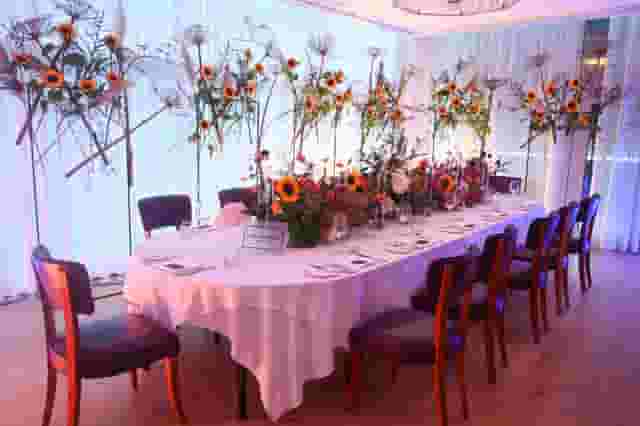
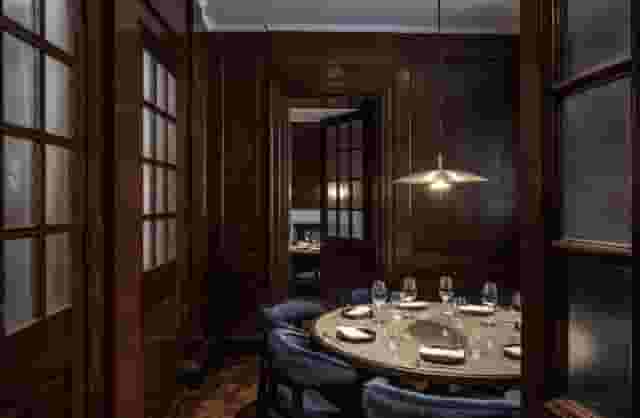
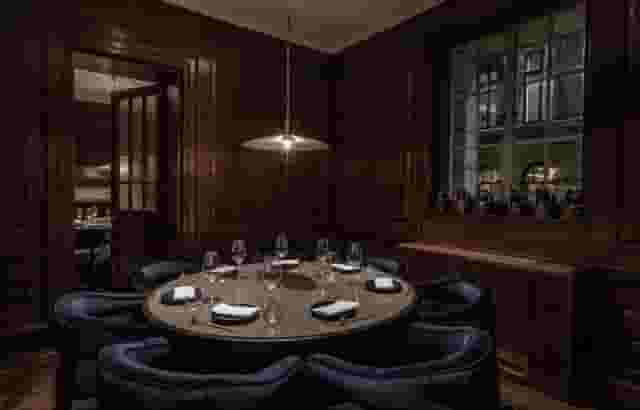
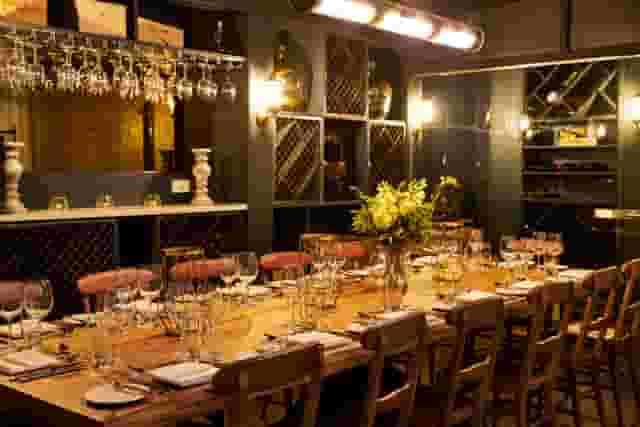








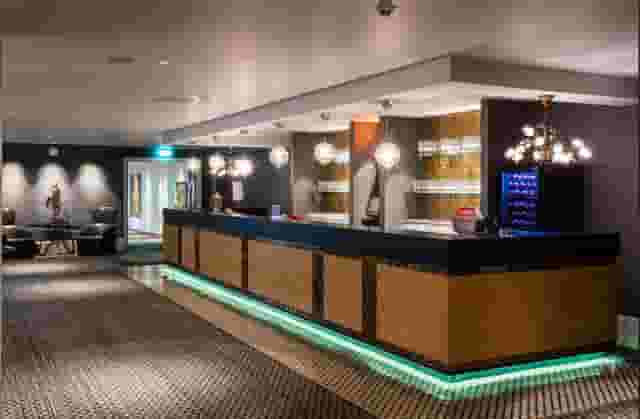
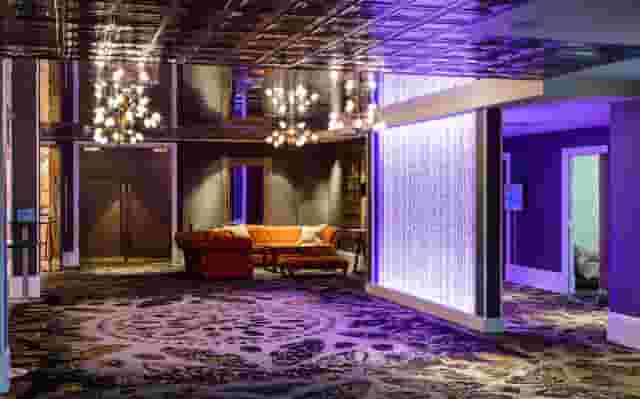
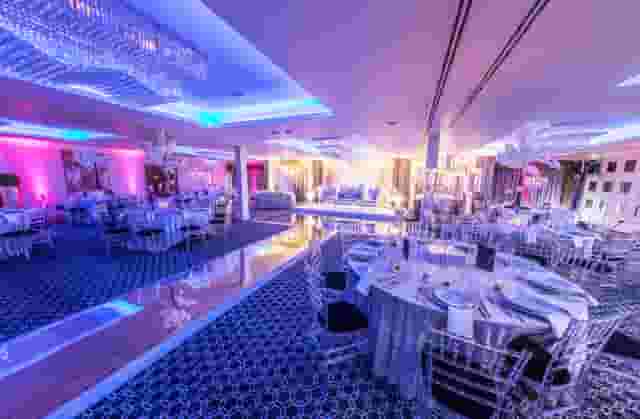
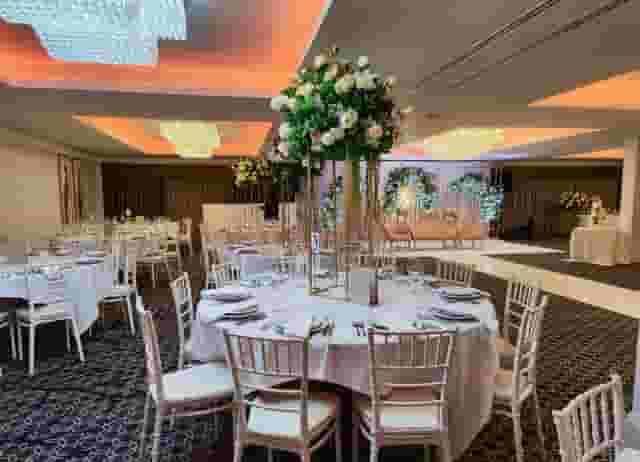

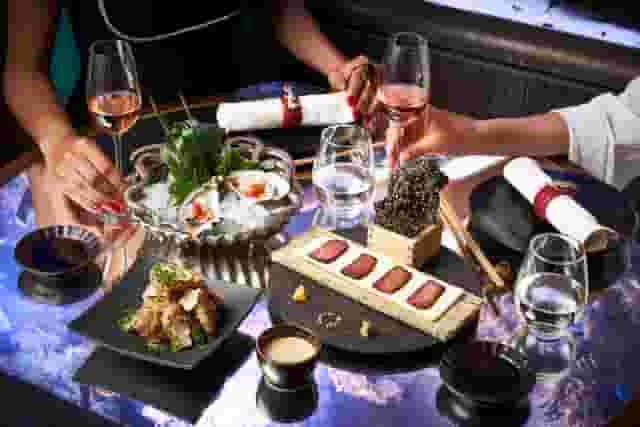


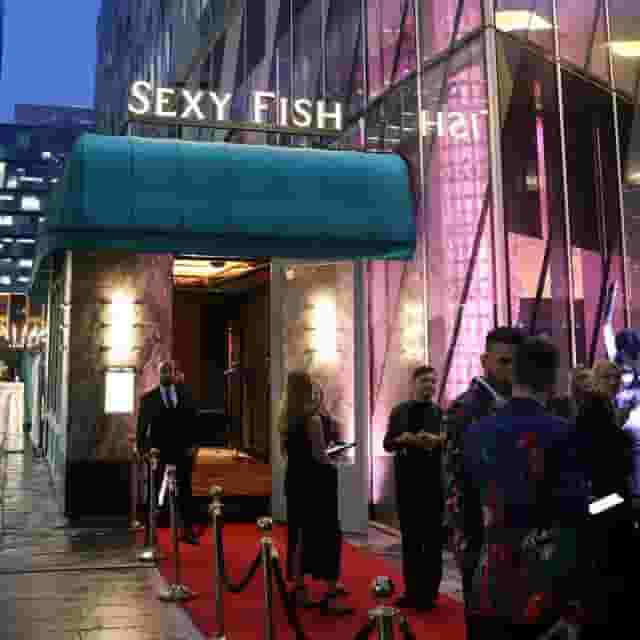
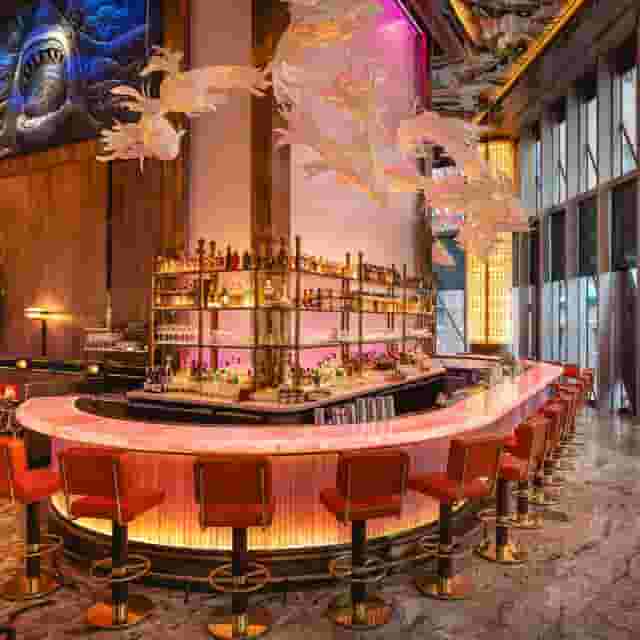
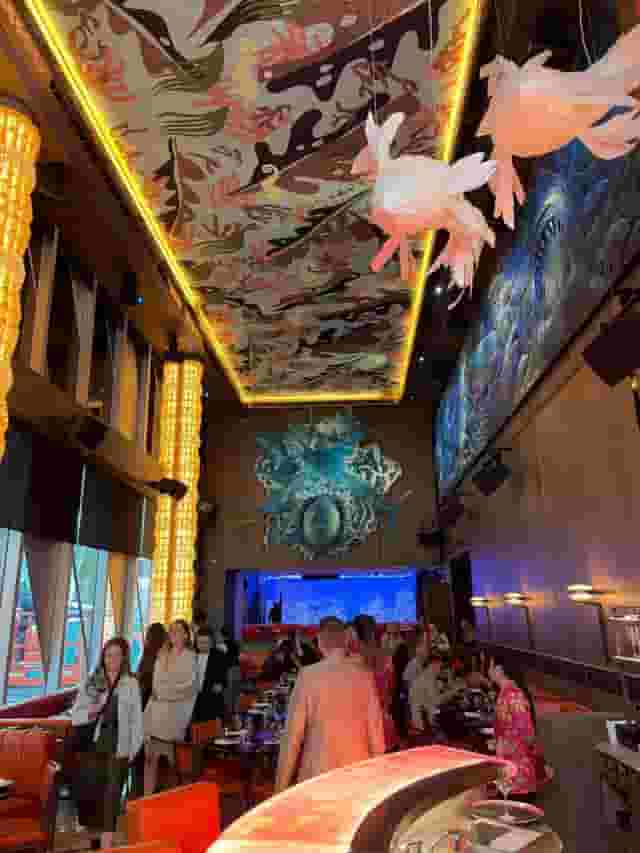

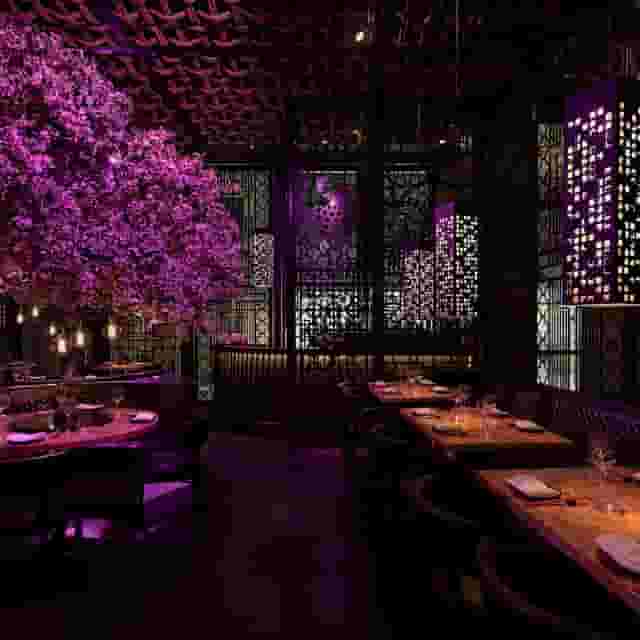
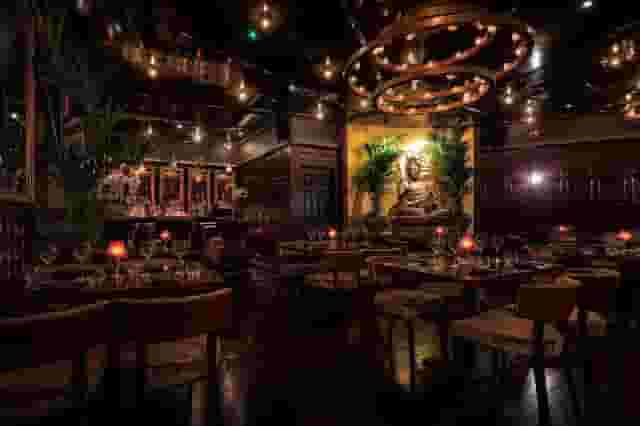
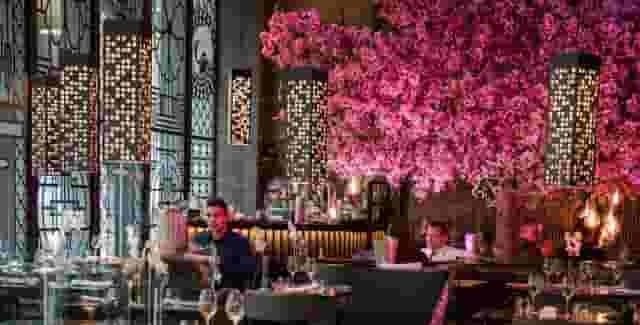
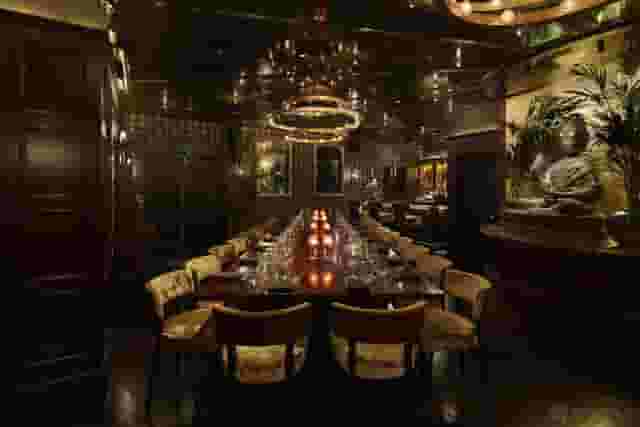
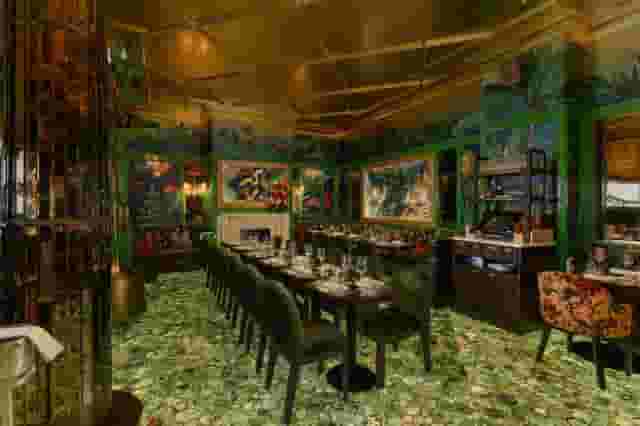
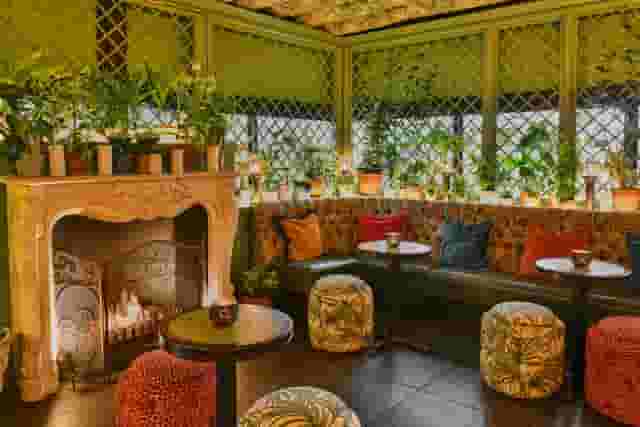
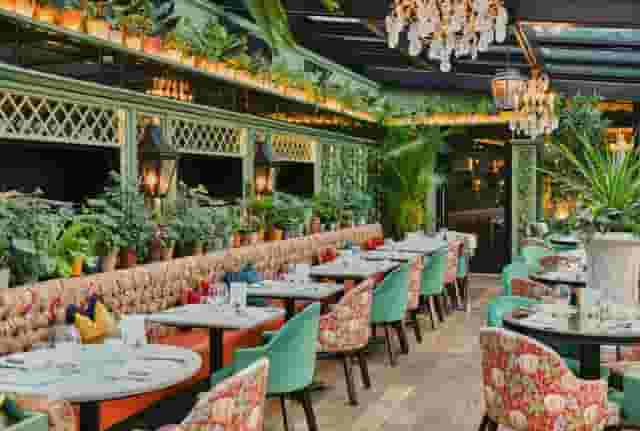
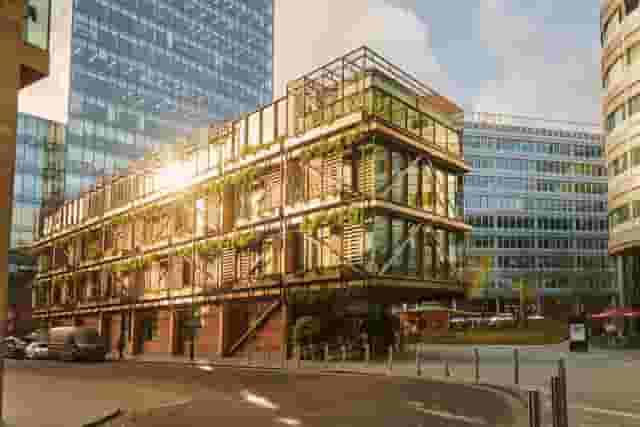
No venues match these filters
Try widening your capacity, luxury level or event type.
Don't have time to search? We'll find it for you.
For business events that need human judgement, talk to our team. Free for events of 100+ people, budgets over £10k or ongoing programmes.




Explore more venues in Manchester


Frequently asked questions
What size groups fit Manchester's private rooms?
How to find a private dining room in Manchester?
Are Manchester's private dining venues central?
Can I find diverse menus in private dining?
What defines 'affordable' dining in Manchester?
Other platforms search their database. We search everything.
Tell us what you need. Our deep research finds any venue, whether it's in our marketplace or not. No one else does this.
About Private Dining in Manchester
How to choose the right room for a corporate dinner
Planning a private business dinner comes down to controlling the atmosphere. When you book a table in a main restaurant, you gamble on ambient noise, wandering service and neighbouring tables interrupting your speakers. A dedicated private dining room removes those variables, giving your team or your clients a private environment where conversation stays inside the four walls.
The first decision is matching your guest count to the physical footprint of the room. A room that seats 40 feels hollow and awkward with 12 guests, while packing 18 people into a boardroom layout meant for 14 leaves no space for wine coolers, waiting staff or brief presentations.
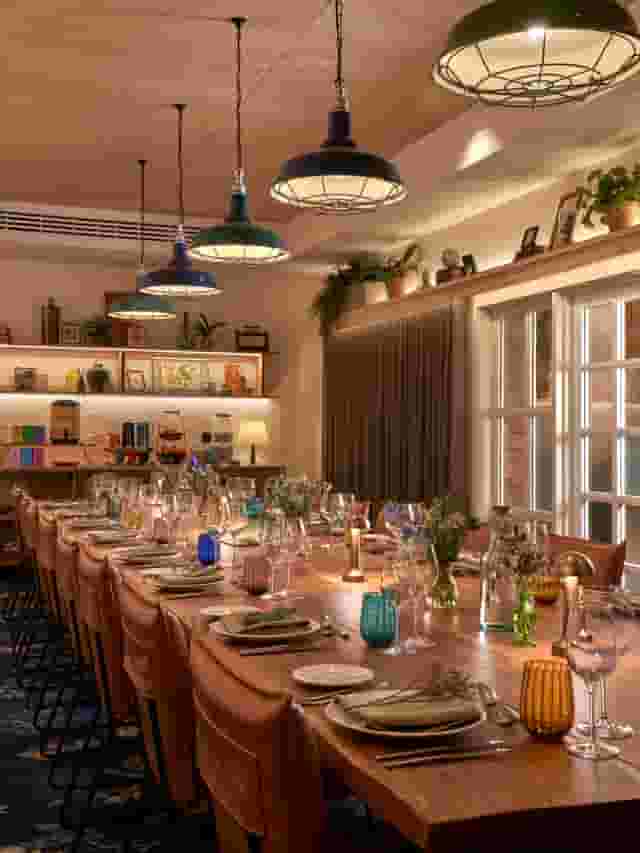
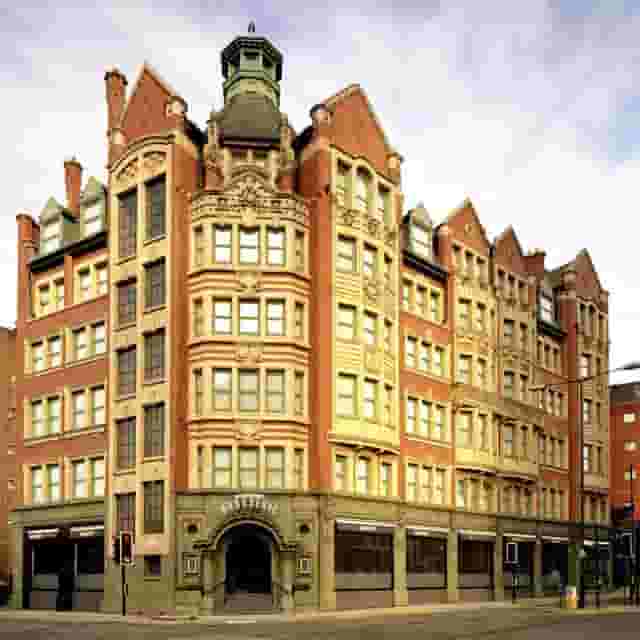
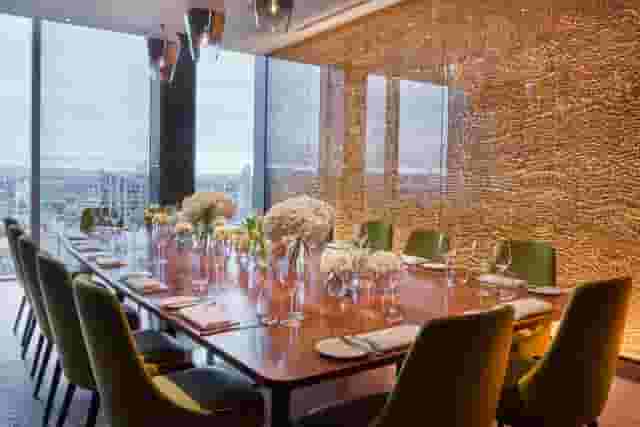
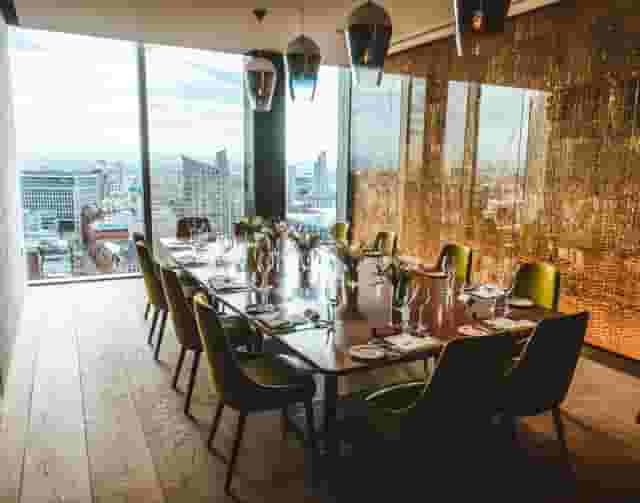
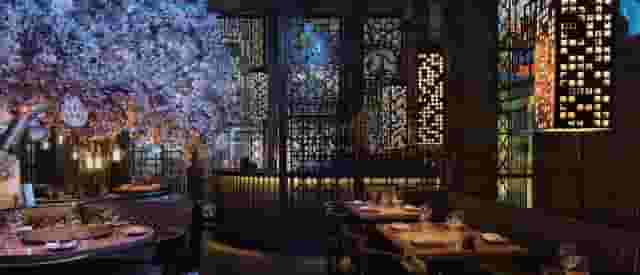
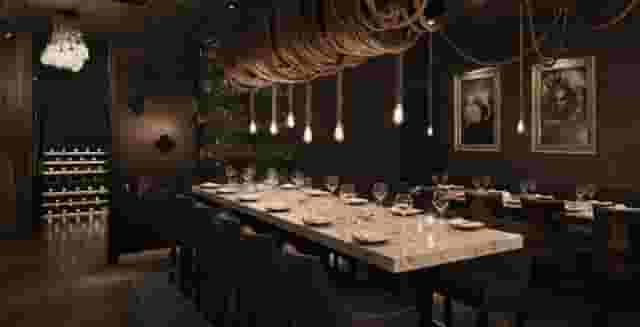
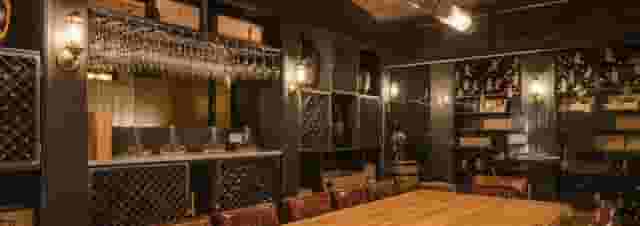
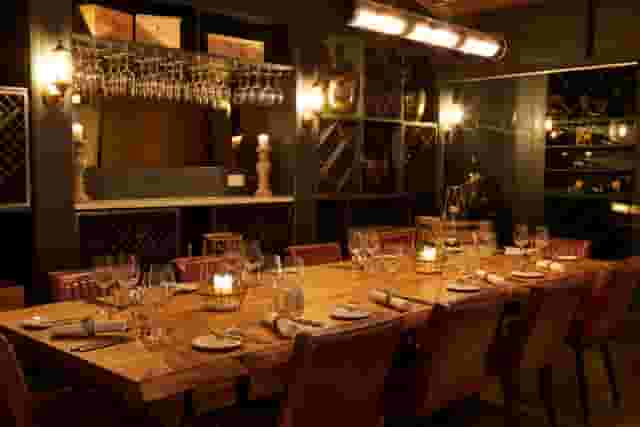
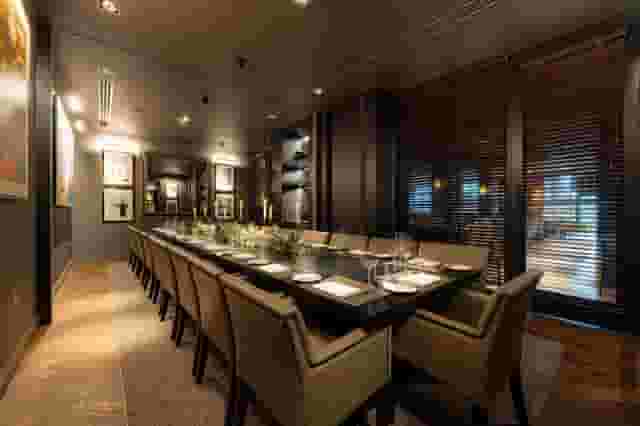
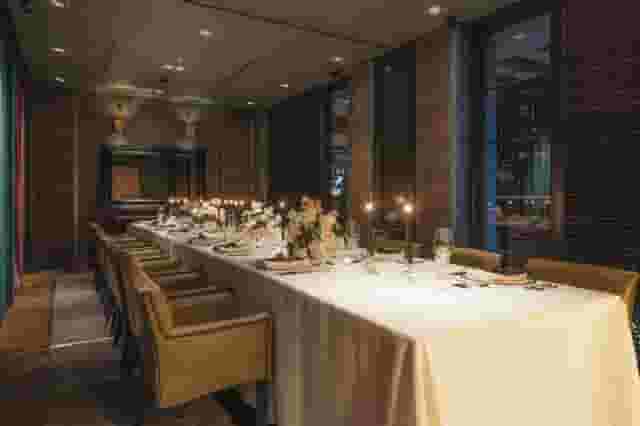
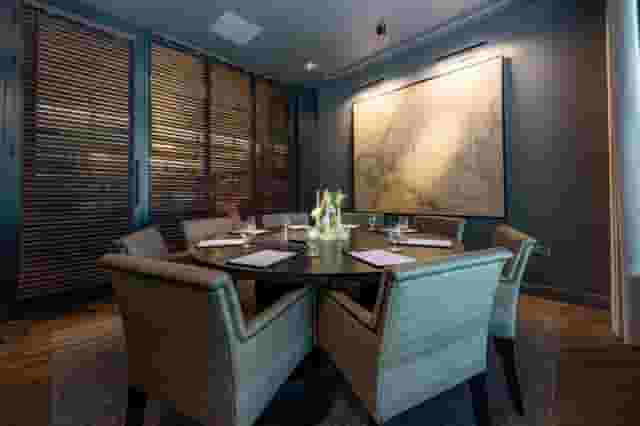
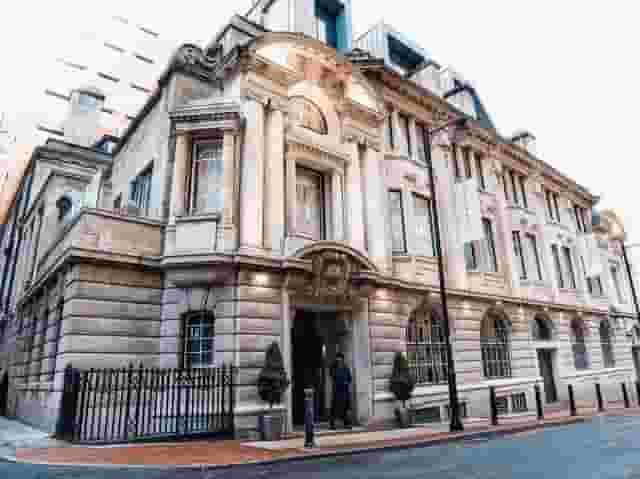
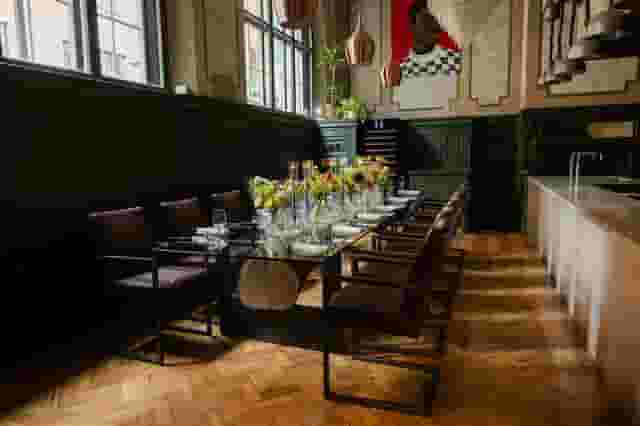
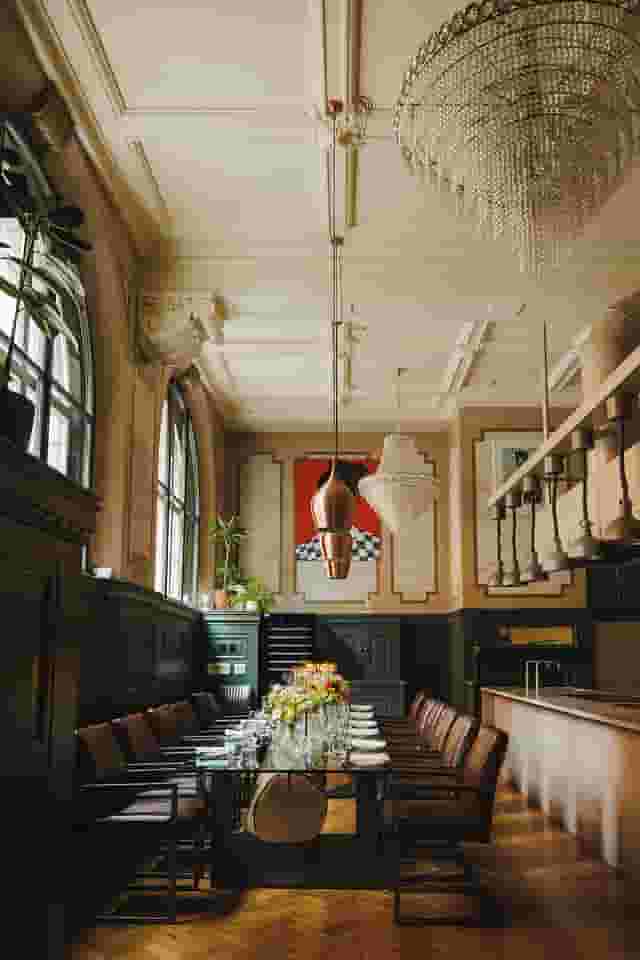
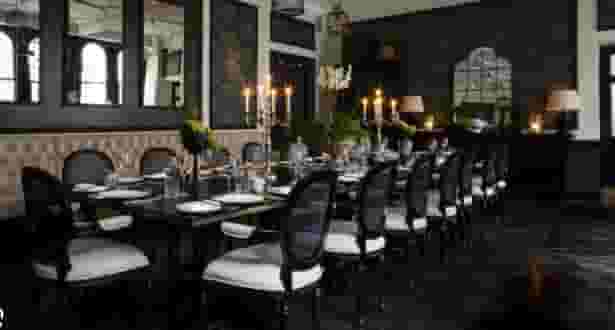
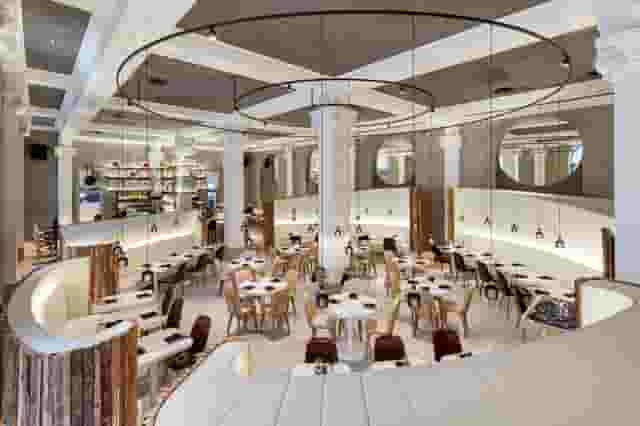
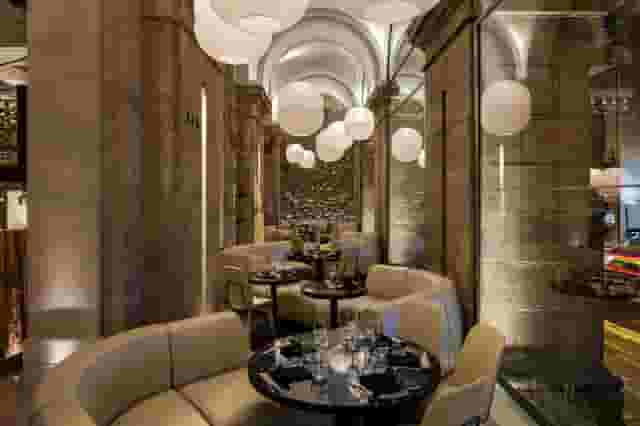
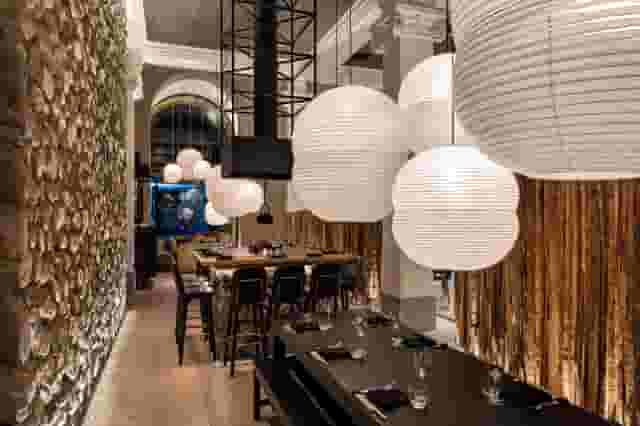
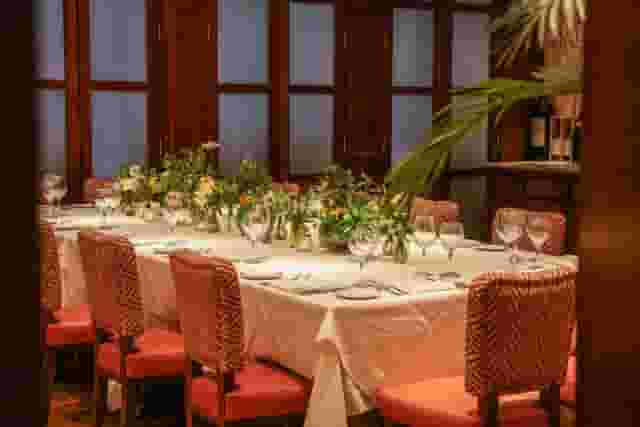
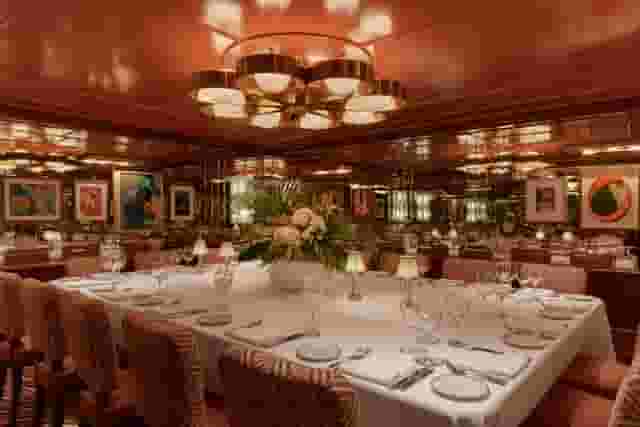
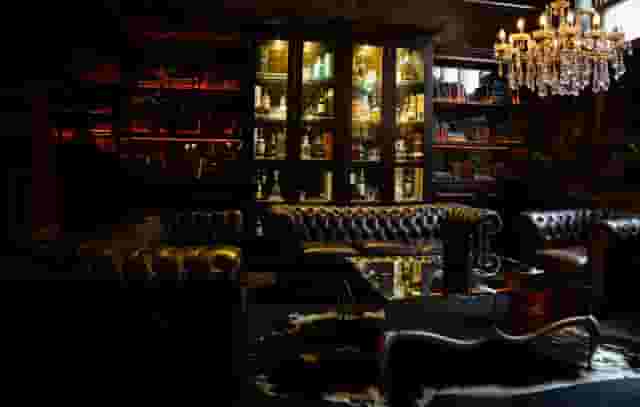
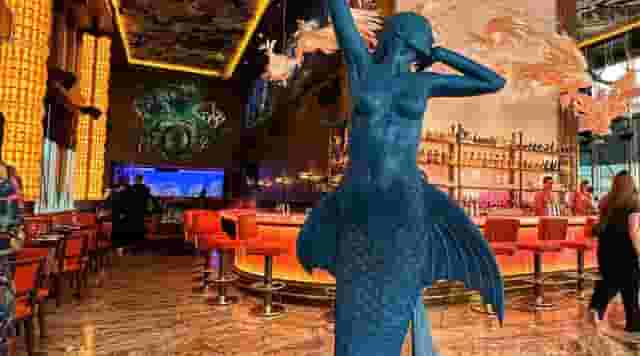
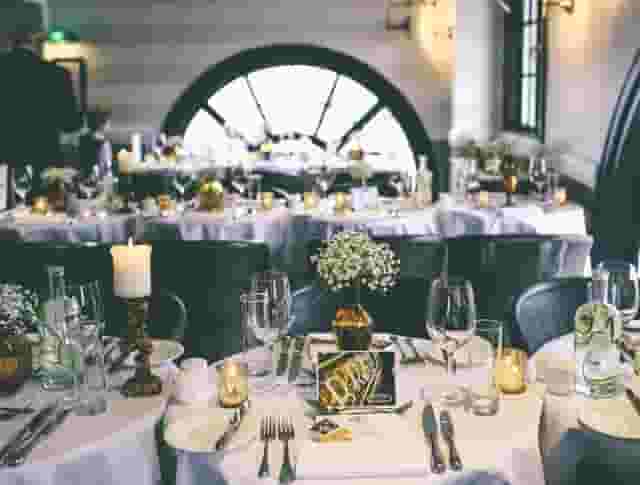
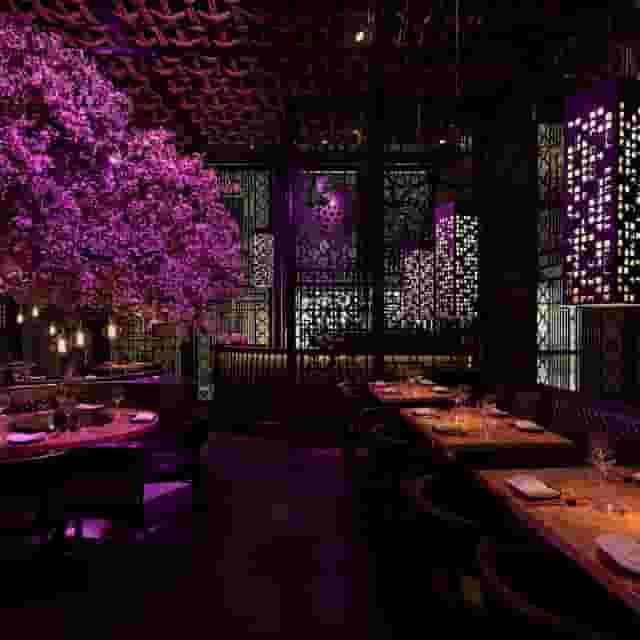
For smaller executive groups, intimate rooms offer a private enclave without losing restaurant energy. If you are hosting a client catch-up or an eight-person board dinner, spaces such as the Private Dining Room at Lucky Cat by Gordon Ramsay - Manchester keep everyone close enough for a single, shared conversation across the table. When numbers climb towards 18, you need a room with enough clearance behind chairs so staff can pour wine without brushing against your guests. The Private Dining Room at Manchester (Gaucho), located in a converted church building, provides that structured perimeter for mid-sized groups while keeping the focus firmly on the central table.
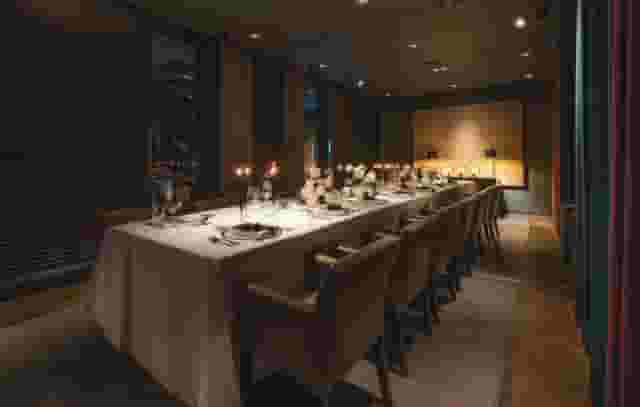
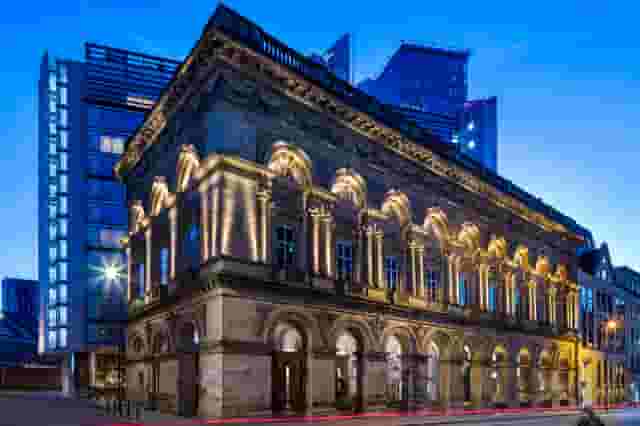
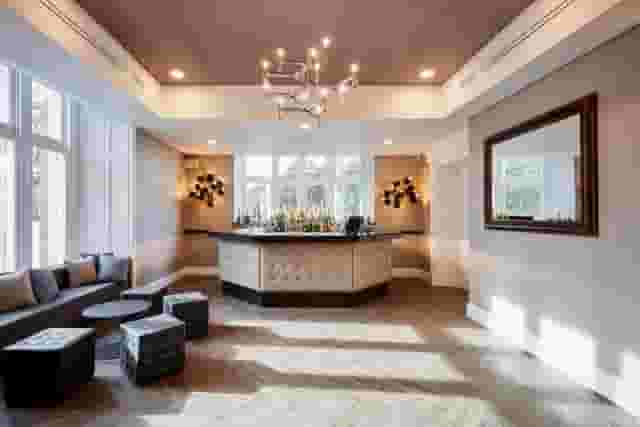
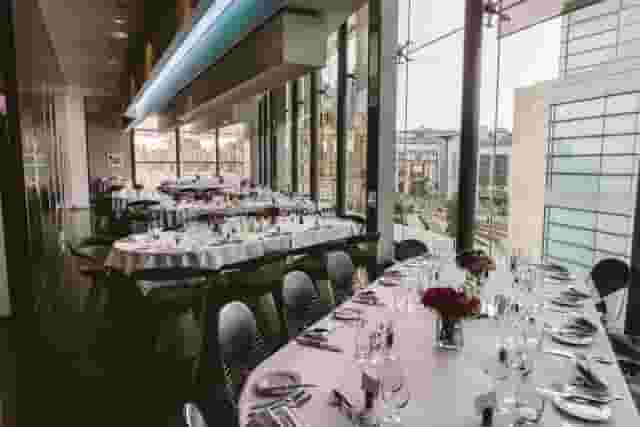
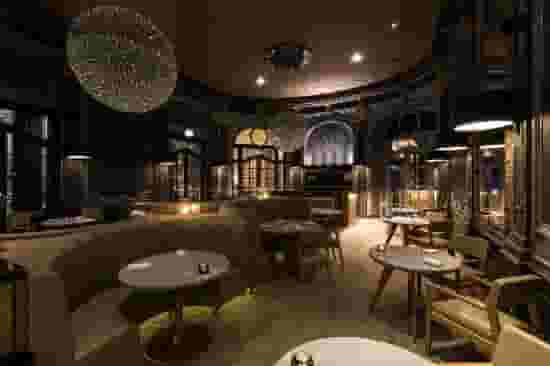
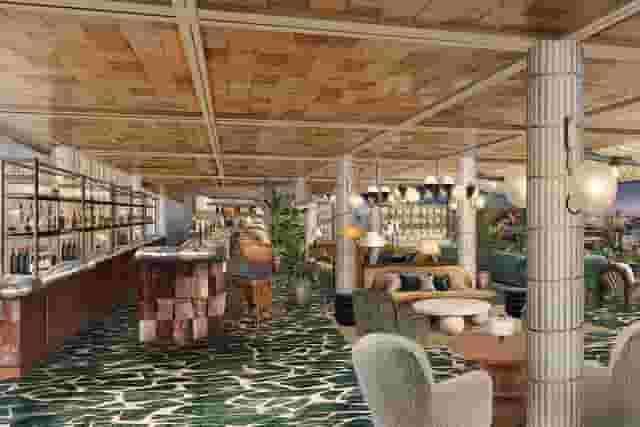
Once you move past 20 guests, a single long table becomes counterproductive. Guests at opposite ends cannot hear each other, and speeches require everyone to crane their necks. For groups between 20 and 40, look for spaces that allow either a large hollow square or multiple round tables. The Large Hub at King Street Townhouse seats up to 40 for dinner, providing city views along with its own private bar and sound system. Having a dedicated bar inside the room changes how the evening flows. It lets your guests mingle with a drink before taking their seats, rather than clustering awkwardly in a public hotel lobby or waiting out in a corridor.
Look carefully at the sightlines and acoustics before you place a deposit. Hardwood floors, bare brick walls and large uncurtained windows reflect sound. While that creates energy in a cocktail lounge, it creates a tiring hum during a three-course meal where senior leadership wants to share company updates. If someone plans to address the room, ask whether the venue can provide a handheld microphone or if the room is quiet enough for natural projection.
Budgeting and understanding private dining quotes in Manchester
Private dining costs in Manchester are structured around two commercial models: a minimum spend on food and beverage, or a fixed per-head package rate. Understanding which model a venue uses will tell you where your budget is going and how much flexibility you have on the night.
Our indicative pricing data shows that private dining in Manchester typically ranges from £53 to £123 per head. This estimate is based on 7 quotes from the venues on this page and assumes a party size of about 60 guests. What you pay across that spectrum depends heavily on how your menu is structured, your wine selection and the day of the week you choose. Hire Space is an event planning and venue booking platform, working alongside a team of real people who help guide the process. It delivers instant, data-backed price estimates based on historical booking data so you can forecast costs before enquiring, while suggesting comparable dining rooms if your first choice exceeds the allocated budget.
Towards the £53 end of the range, you will usually find three-course set menus with fixed choices, standard table water and coffee included, with alcoholic drinks billed on consumption or limited to a single welcome glass of prosecco. Towards the £123 end, packages tend to fold in arrival canapes, half a bottle of upgraded wine per guest, mineral water and after-dinner drinks.
Here is how typical quote structures compare across central Manchester venues:
| Quote component | What it covers | Where budgets catch people out |
|---|---|---|
| Room hire fee | Exclusive use of the dining room for a set block of time | Often charged on top of food when minimum spend is not met |
| Set menu package | Three courses from a fixed group menu | Extra sides, bread baskets and cheese courses added on the night |
| Drink allocation | Welcome drink and half a bottle of house wine per person | Guests ordering doubles or cocktails at the bar on the company tab |
| Service charge | Discretionary tip split across floor and kitchen staff | Calculated on the total bill (usually 10% to 12.5%) and adds up fast |
When negotiating with venues, remember that Sunday to Wednesday evenings give you the most leverage. Manchester's weekend restaurant trade is competitive, and general managers will hold their private dining rooms for premium minimum spends on Thursdays and Fridays. If you bring a corporate group on a Tuesday, venues are often willing to waive direct room hire fees entirely, folding your spend entirely into the food and drink bill.
Always ask what happens if you fail to reach an agreed minimum spend. Some venues allow you to make up the shortfall by purchasing boxed bottles of wine to take away, while others charge the difference as a straight room hire penalty. To protect your budget, clarify this policy before signing the contract.
Scaling up for larger company dinners
When your dinner grows beyond 50 guests, standard restaurant private dining rooms tap out and you enter banqueting territory. The challenge here is preserving the intimacy and attentive service of a private dinner within a much larger floor plan. In large hotel suites, banquets can easily feel corporate and cold if you do not plan the room layout with care.
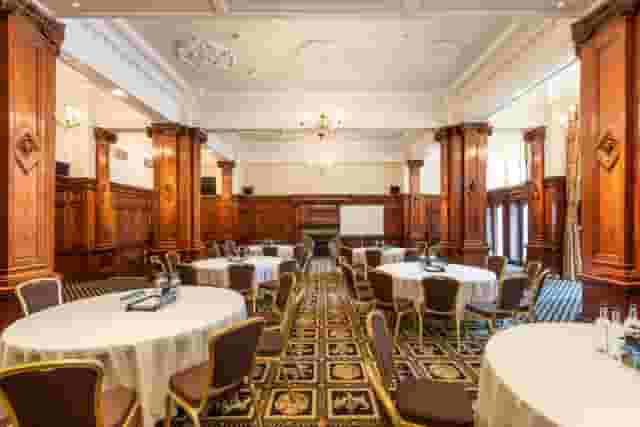
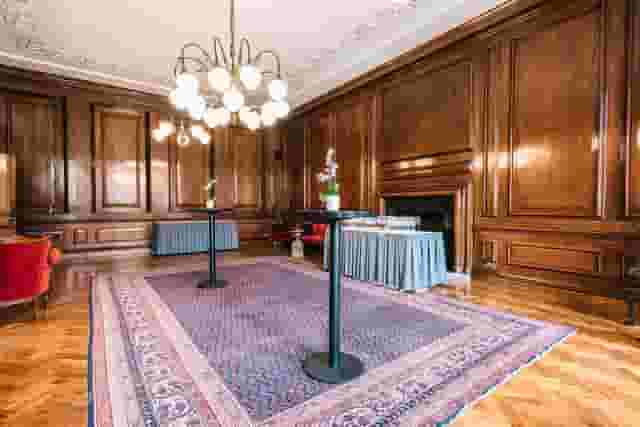
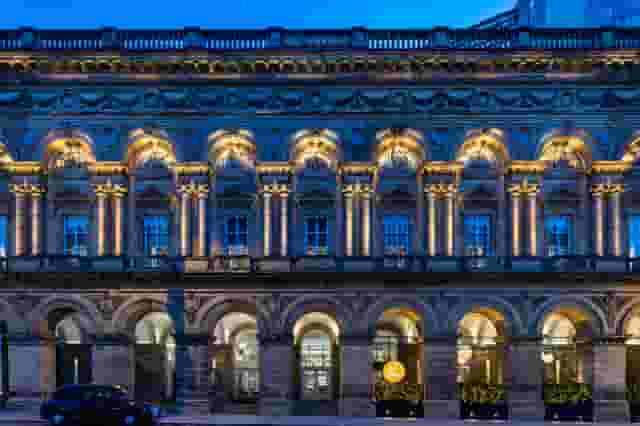
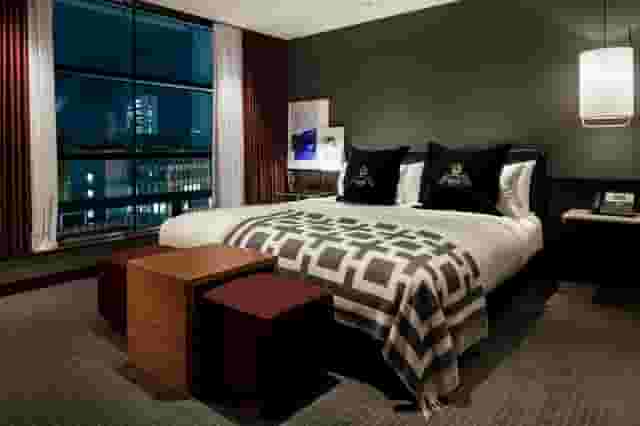
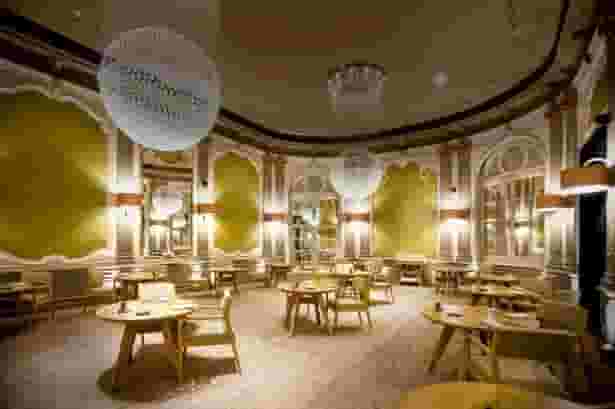
For groups between 50 and 100, look for venues that feature architectural interest or high ceilings that prevent the room from feeling cramped once waiting staff start moving between tables. Private Room 4 at The Edwardian Manchester, A Radisson Collection Hotel accommodates up to 70 seated guests right in Petersfield, offering the operational backbone of a five-star hotel with dedicated event support. If you want a space rooted in Manchester's commercial history, tender at Stock Exchange Hotel handles dinners for up to 100 guests in the city centre. A room with character reduces what you need to spend on table dressing or lighting hire.
When planning for 100 to 200 guests, service logistics become your primary concern. A kitchen serving 150 plated main courses at the same time requires substantial back-of-house coordination. If the venue lacks the kitchen capacity to plate food quickly, the first table finishes eating before the last table receives their plates.
For dinners of this scale, consider venues with substantial in-house infrastructure:
- Work + Play at Malmaison, Manchester, which seats up to 150 dining guests near Piccadilly and gives you direct rail access for guests travelling into the city.
- Podium Restaurant & Bar Lounge at Hilton Deansgate, accommodating up to 180 diners on Deansgate with high-volume kitchen facilities.
- The Trafford suite at The Midland Hotel, accommodating up to 200 seated guests in a historic city centre hotel featuring 14 dedicated conference and function rooms.
For large events, insist on seeing a scale floor plan showing table spacing. Round tables measuring five feet across comfortably seat eight people, while six-foot rounds accommodate 10. Avoid squeezing 12 guests onto a six-foot table; it restricts elbow room and makes cutting meat or reaching for water carafes frustrating. Ensure there is at least one and a half metres of clearance between table edges so waiting staff carrying heavy trays can pass each other safely.
Designing the menu and handling dietary requirements
Food is the foundation of the evening, but serving a private group is completely different from regular restaurant service. If you let 40 colleagues order à la carte on the night, you will face an hour-long wait between courses while the kitchen struggles with individual tickets.
Venues manage this by offering set group menus. The standard format is a choice of three starters, three mains and three desserts, provided your team submits individual pre-orders 10 to 14 working days before the event. If your planning timeline is tight, consider a single fixed menu for the entire room, with separate alternative dishes prepared only for those with specific dietary needs. This cuts kitchen ticket times in half and ensures every table gets served simultaneously.
Dietary requirements need systematic management:
- Collect details early: Ask for allergies and dietary requirements on your initial RSVP form. Do not wait until the week of the dinner to ask.
- Share names and table assignments: Provide the venue with an alphabetical spreadsheet listing each guest's name, table number, chosen dishes and exact dietary alerts.
- Use place cards: Write each guest's menu choices discreetly on their place card. Waiting staff can read the card and serve plates without having to interrupt conversations by asking who ordered the sea bass.
- Check the vegan and gluten-free options: Ask what the chef prepares for plant-based guests. A thoughtful vegetable tart or risotto reflects far better on your organisation than an uninspired plate of steamed vegetables.
When it comes to wine, do not leave bottle selection until you sit down. Pre-selecting two reds, two whites and a sparkling option ensures the venue has enough stock chilled and ready on arrival. A dependable guideline for a three-course business dinner is half a bottle of wine per guest, alongside unlimited tap water on every table. Tap water is included, so make sure carafes are topped up regularly without staff automatically opening chargeable bottled mineral water unless you have specifically requested it.
To keep bar spend under control, establish clear boundaries with the venue manager before doors open. Decide whether spirits and cocktails are allowed on the company master tab or if guests must purchase those separately at the bar. If you want to offer an open bar, set a fixed financial cap. Ask the floor manager to notify you when the tab reaches 80% of that cap so you can choose whether to extend it or transition to a cash bar for the rest of the night.
Timings, logistics and guest experience
A business dinner needs structure to run smoothly. Without a clear schedule, guests linger over drinks, the kitchen delays service, dishes dry out under heat lamps and your keynote speaker ends up addressing a distracted room that just wants to eat.
A standard corporate dinner timeline works best when planned around kitchen rhythms:
| Time | Milestone | Operational notes |
|---|---|---|
| 18:30 | Guest arrival and drinks reception | Welcome drinks poured; cloakroom staffed; background music on |
| 19:15 | Call to dinner | Floor manager announces seating; guests move to their places |
| 19:30 | Starters served | Bread on tables; wine glasses topped up |
| 20:00 | Main courses served | Kitchen coordinates simultaneous table clearance and service |
| 20:45 | Speeches or awards | Service paused completely; background music lowered |
| 21:15 | Desserts and coffee served | Dessert wine or hot drinks poured; casual networking resumes |
| 23:00 | Event wraps up | Final transport calls; master account bill signed off |
Notice where the speeches sit. Scheduling presentations between the main course and dessert is usually the safest window. Guests have eaten their primary meal and settled down, while dessert can hold briefly in the kitchen without spoiling. If you host speeches before the meal starts, keep them under 10 minutes. Hungry guests make for an unengaged audience, and extending speeches pushes back the kitchen's entire roasting and plating schedule.
Transport logistics are equally vital for attendance and punctuality. Choose a venue located near central transit hubs so colleagues can arrive easily and leave safely late in the evening. Piccadilly, Deansgate and Victoria rail stations, combined with the city's central tram network connecting through St Peter's Square, cover most regional commuter routes. If you have colleagues or clients travelling into Manchester from other offices, choosing a private dining room situated inside a hotel simplifies accommodation bookings and allows people to drop their luggage before dinner.
Before you leave the venue at the end of the evening, sit down with the duty manager to review the itemised bill while every detail is fresh. Check that drinks tabs reflect agreed limits, verify that minimum spend targets were met as planned and ensure that discretionary service charges match what was quoted in your contract. Taking five minutes to verify the invoice prevents awkward accounting reconciliations once you are back in the office the next morning. Hire Space 360 is enterprise venue and hotel procurement for companies spending £1m or more a year on meetings and events: a managed meetings and events programme, the kind procurement teams call strategic meetings management. It consolidates all venue bookings under a single agreement with centralised billing, replacing individual restaurant invoices with one streamlined account. For finance and procurement leads looking to track expenditure, how Hire Space 360 works for procurement shows how the programme delivers live spend reporting and ensures every corporate dinner adheres to company event policy.
What our customers say
Inspiration and planning guides

Watch a real brief turn into priced, available venues in 15 minutes
Chloe Richardson has spent 17 years in events. We gave Deep Venue Research one of her briefs and filmed every step, from the first questions to availability checked at the venues she chose.

Simple Events Win: Why Restraint Beats Spectacle
Budgets are tight and audiences want connection over spectacle. The events that land in 2026 are the deliberately simple ones. Here is how to edit rather than cut, grounded in the 2026 industry data, and why the right venue does the heavy lifting.

Why UK Event Calendars Got So Tight (And How to Book Smarter)
Lead times for UK corporate events are up 39% since 2022, based on Hire Space booking data. The calendar is tighter, conversion rates fall sharply when you leave it late and the peak windows are getting more crowded. Here is what the numbers say and what to do about it.
One supplier. Every venue. Full visibility on what you spend.
Multiple venues and events. One agreement.