Historic Venues in Manchester
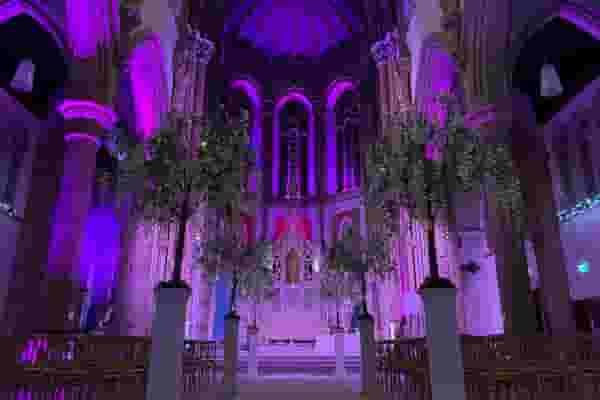
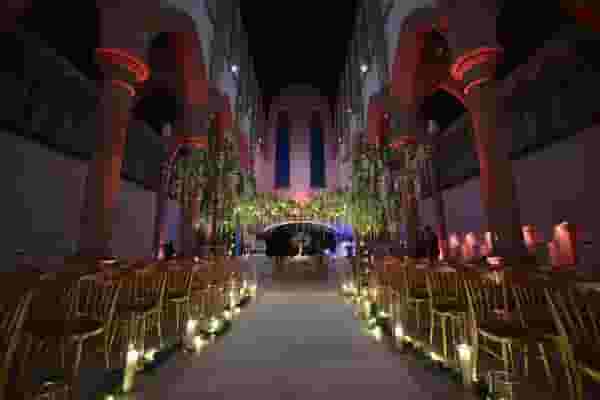
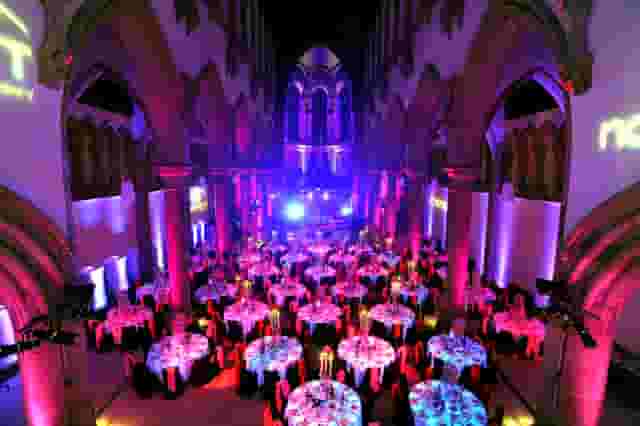
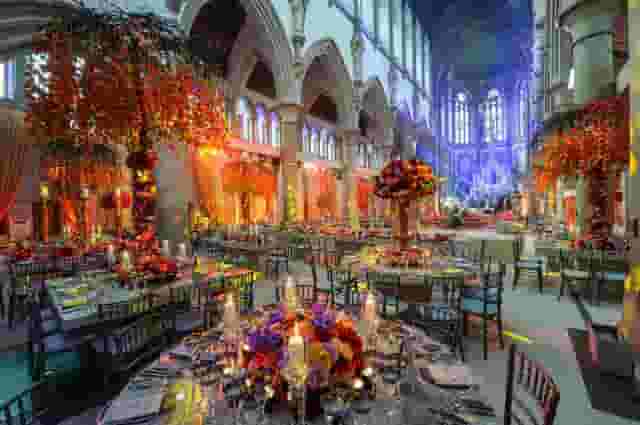
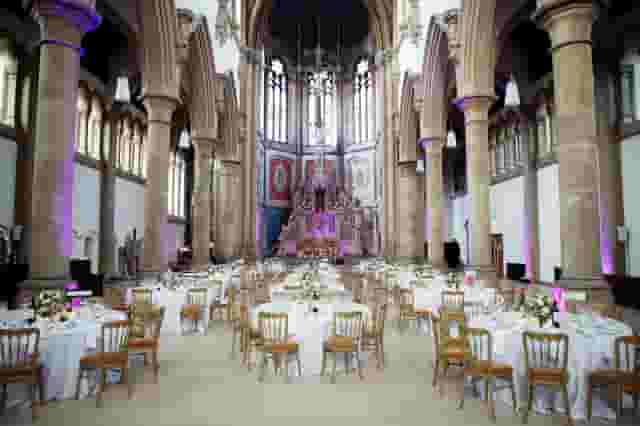
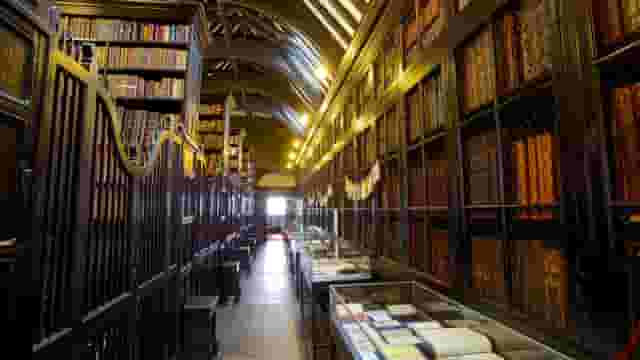
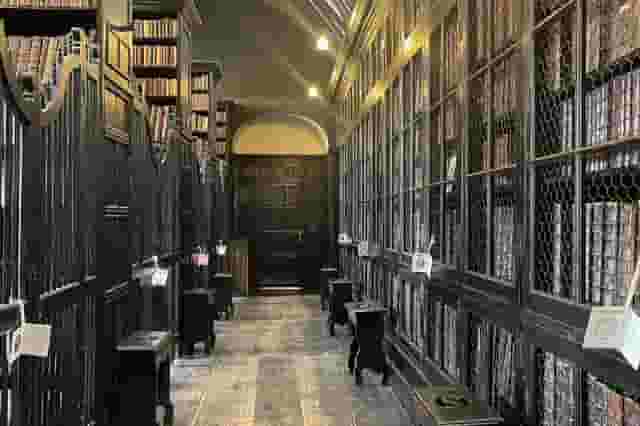
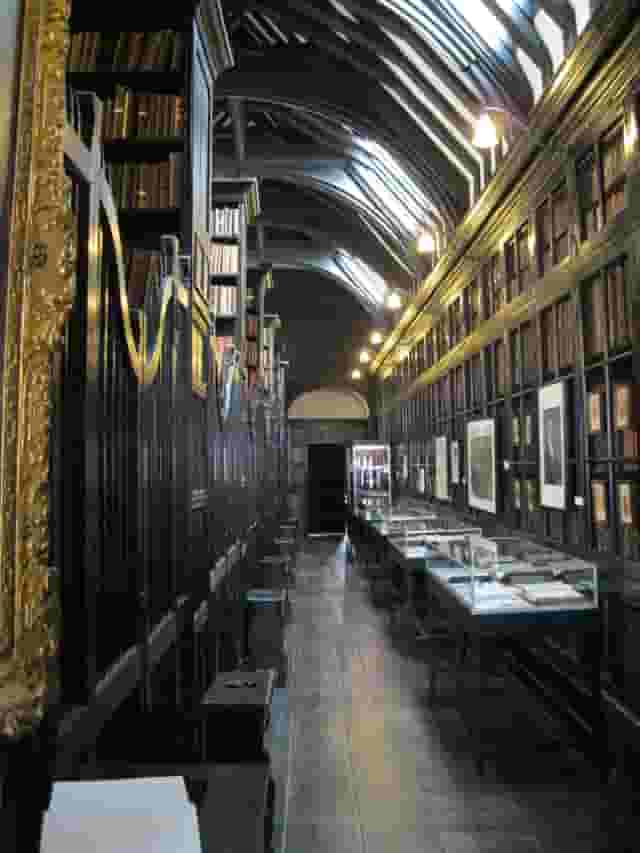
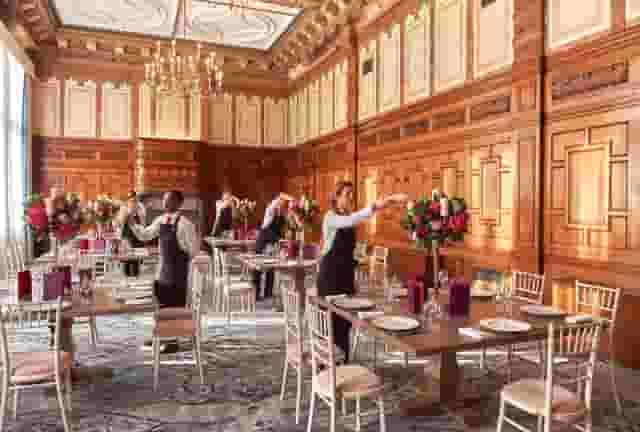
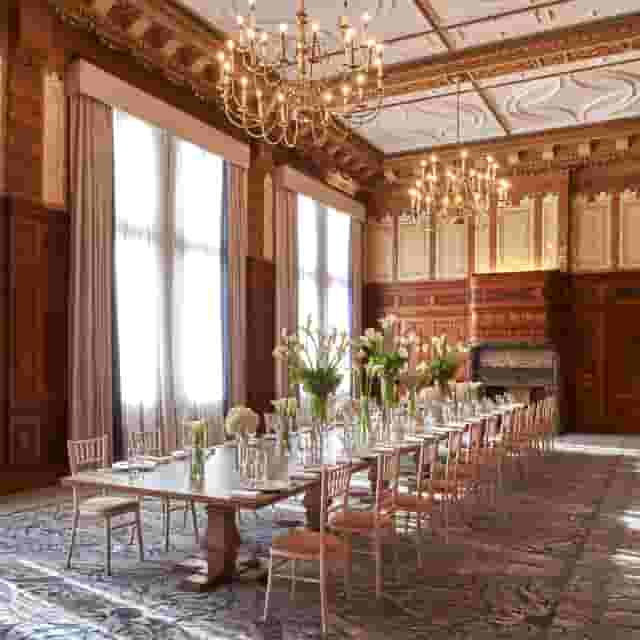
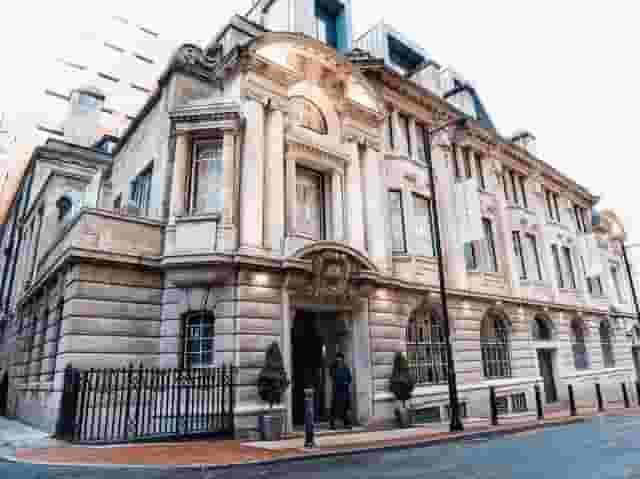
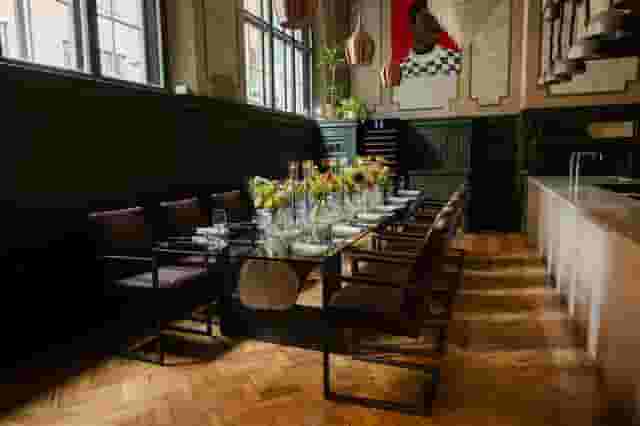
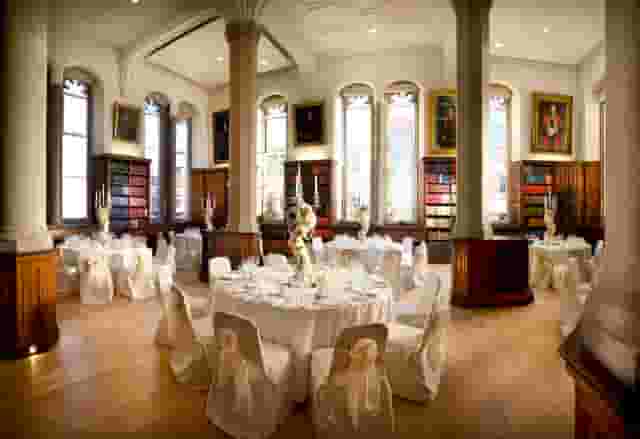
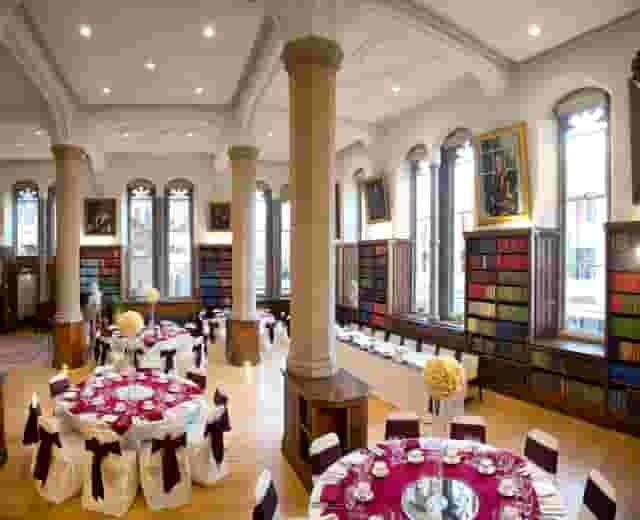
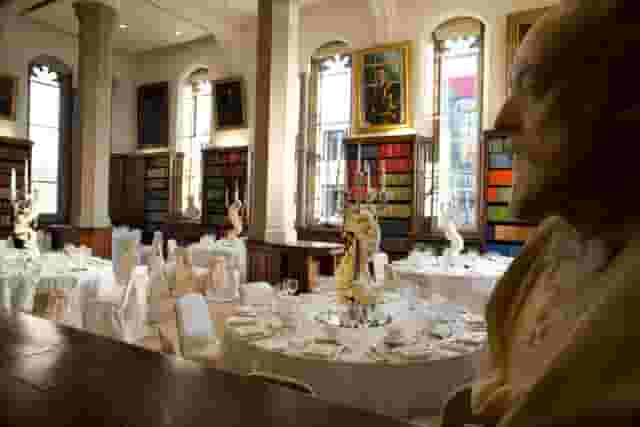
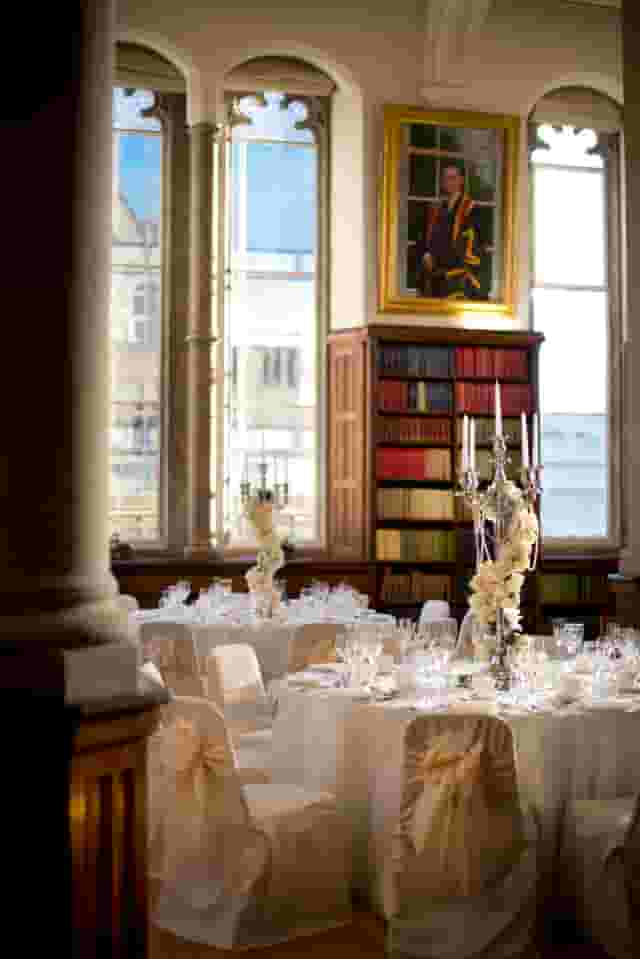
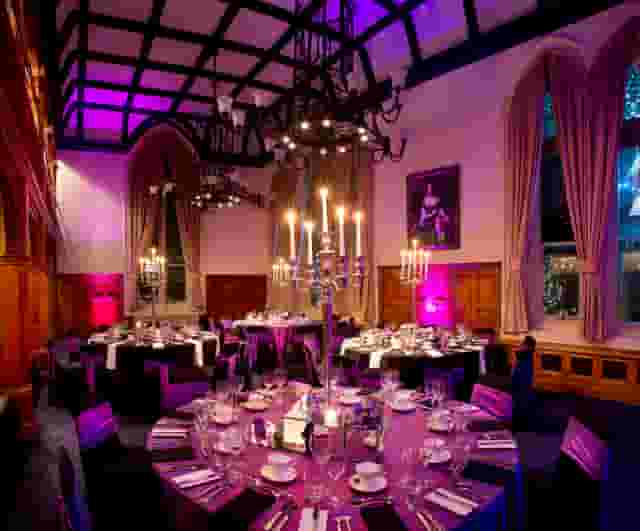
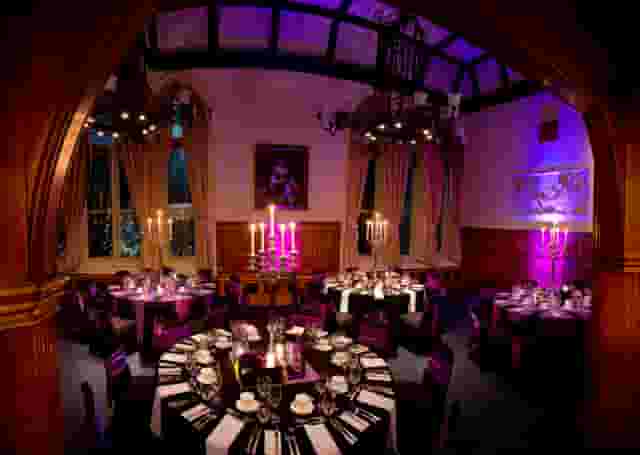
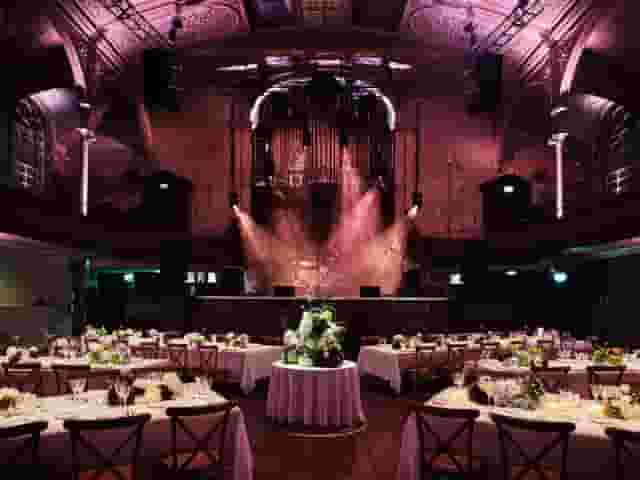
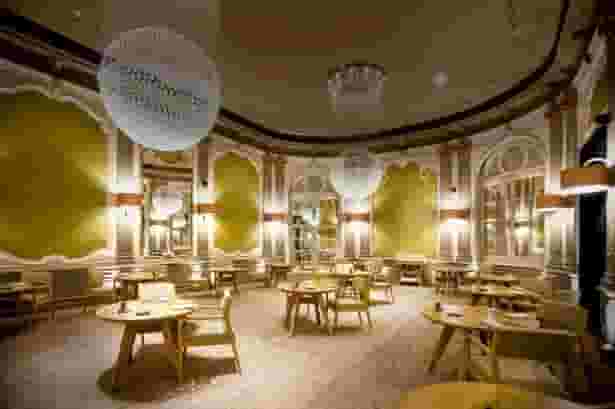
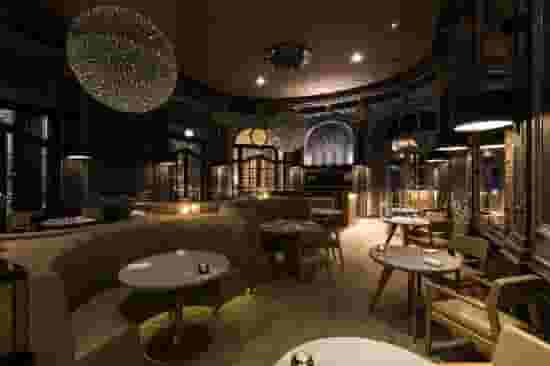
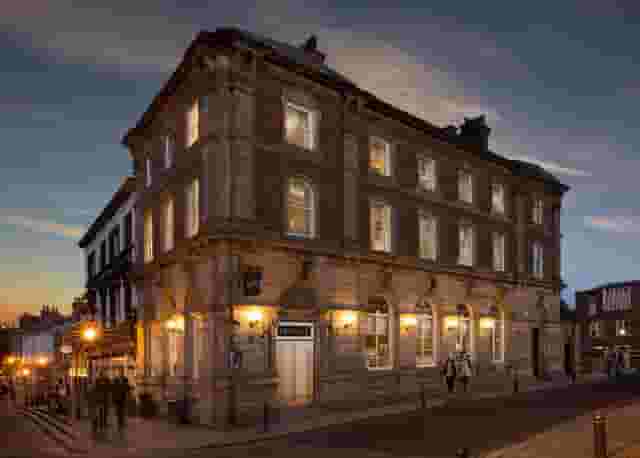
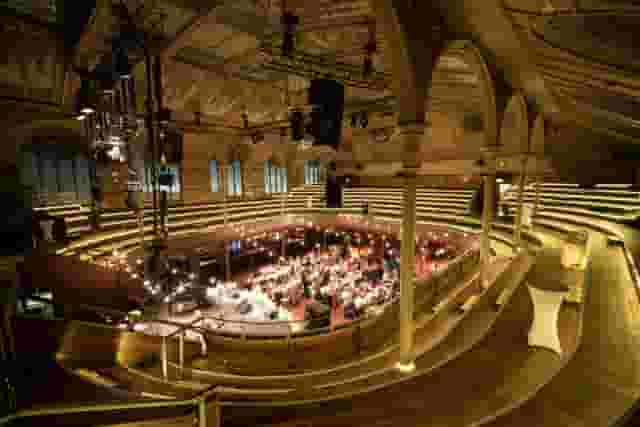
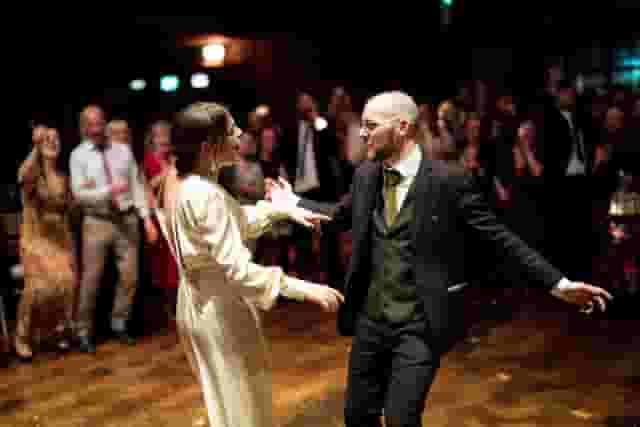
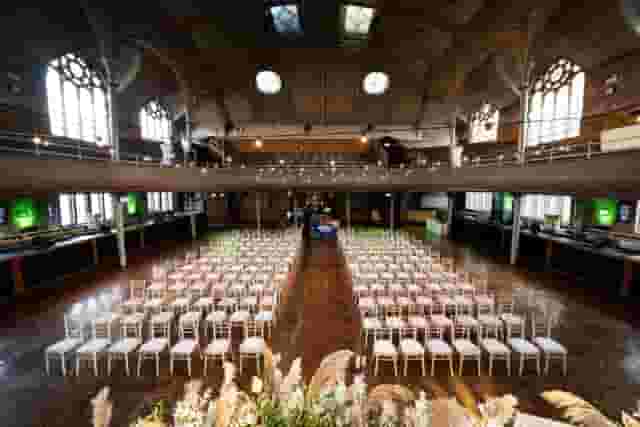
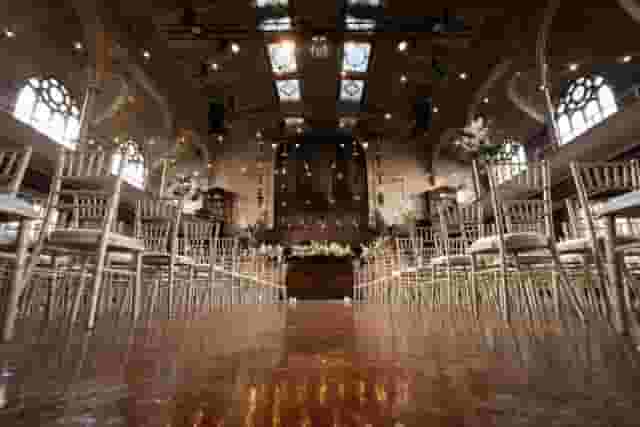
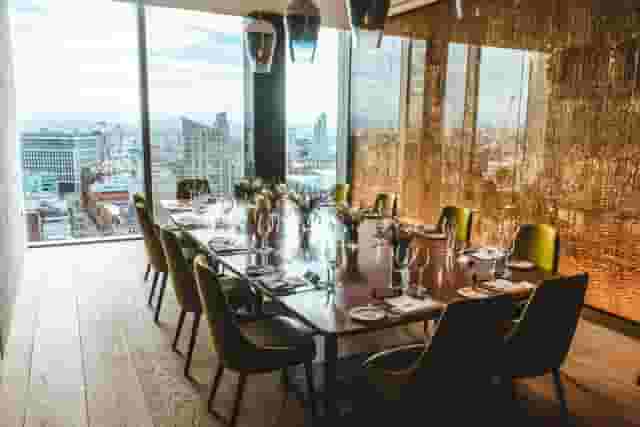
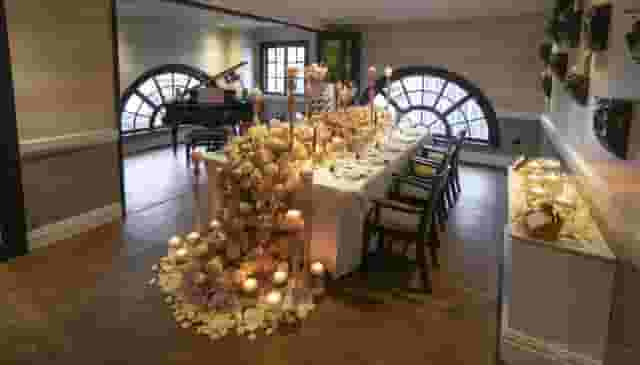
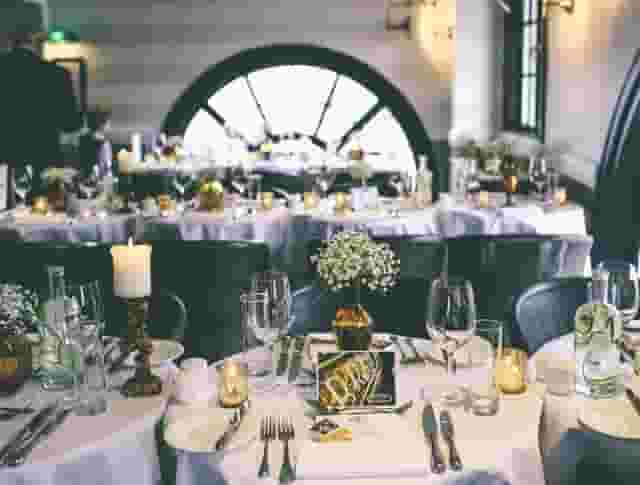
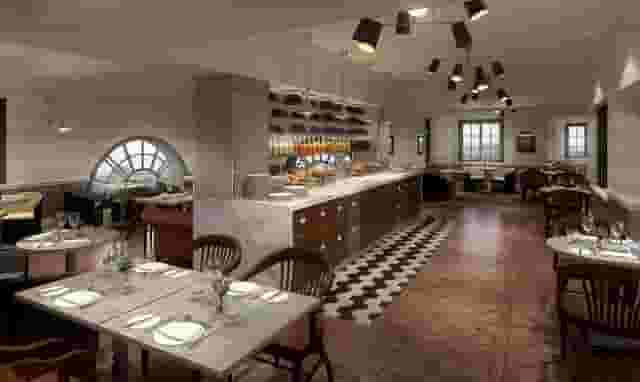
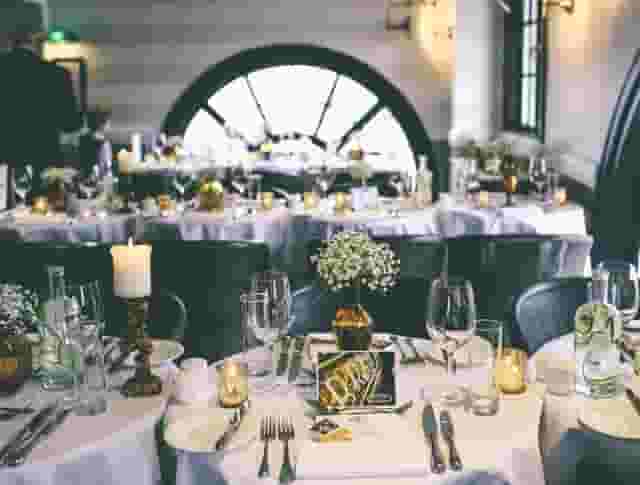
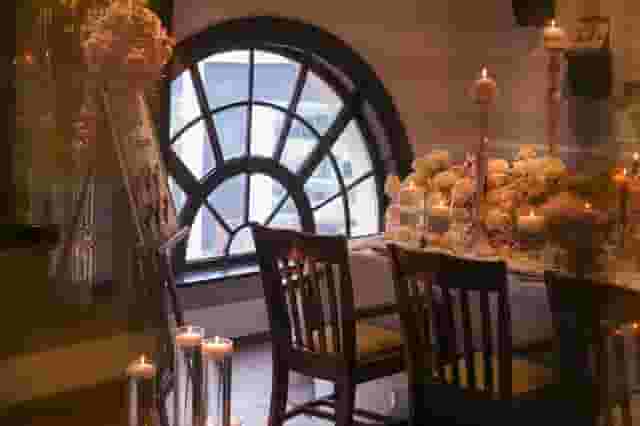
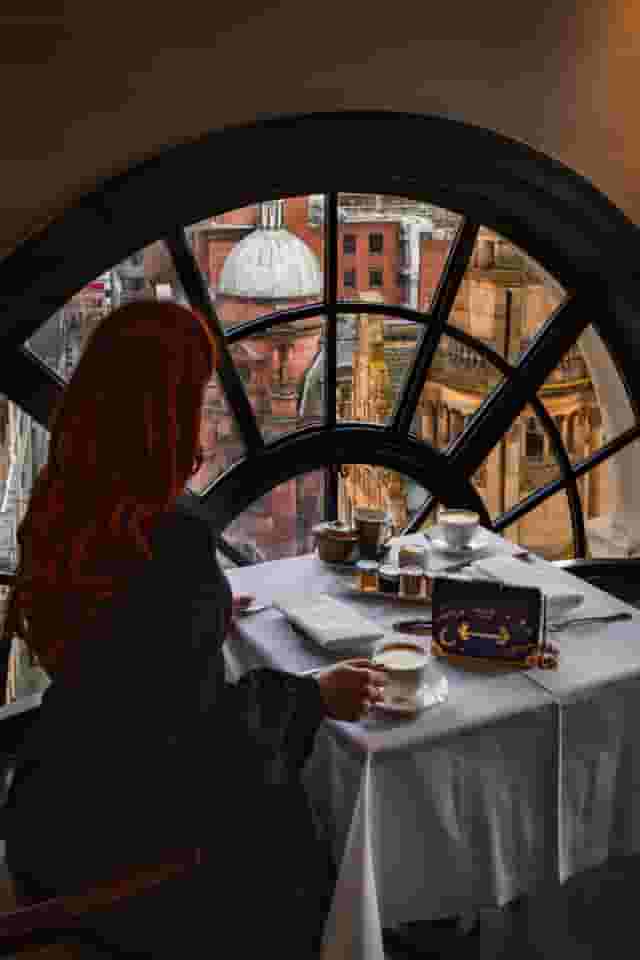
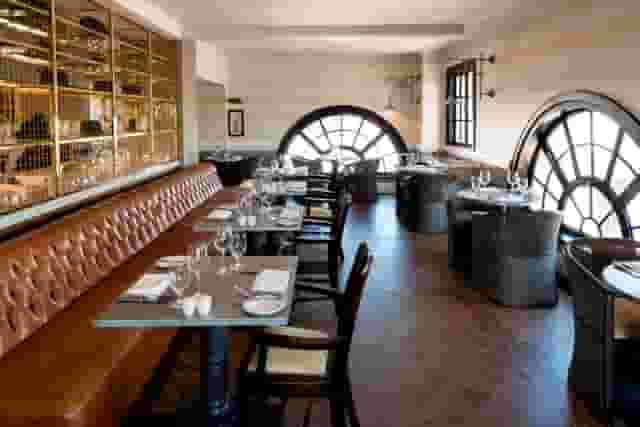
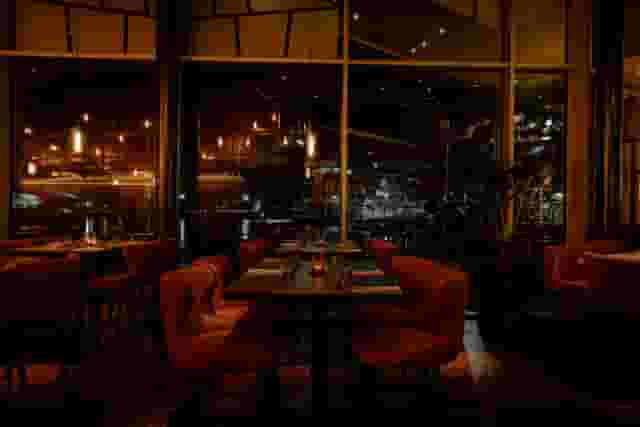
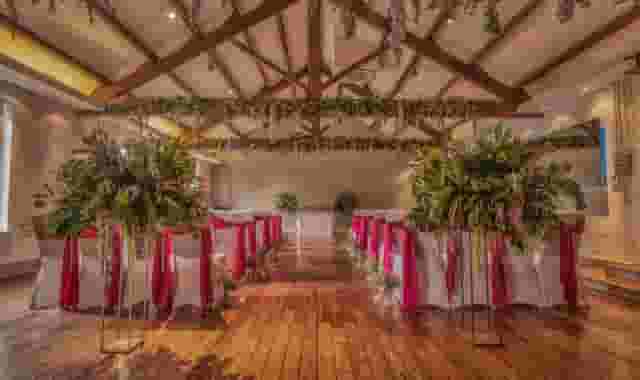
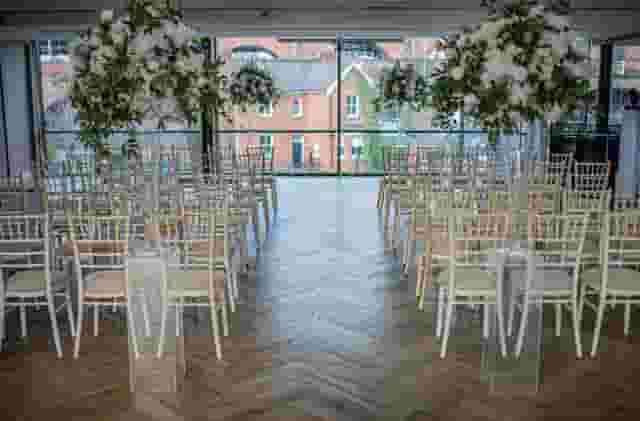
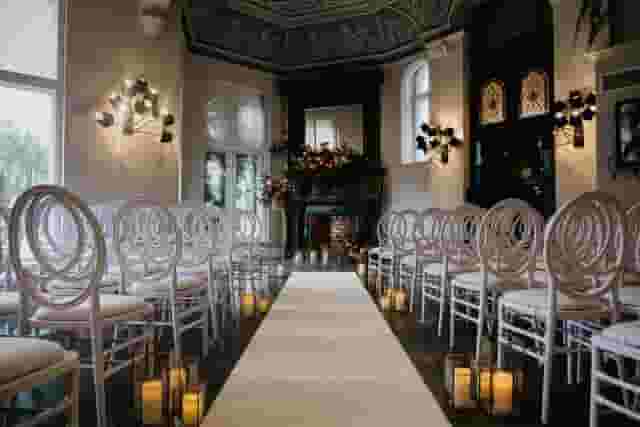
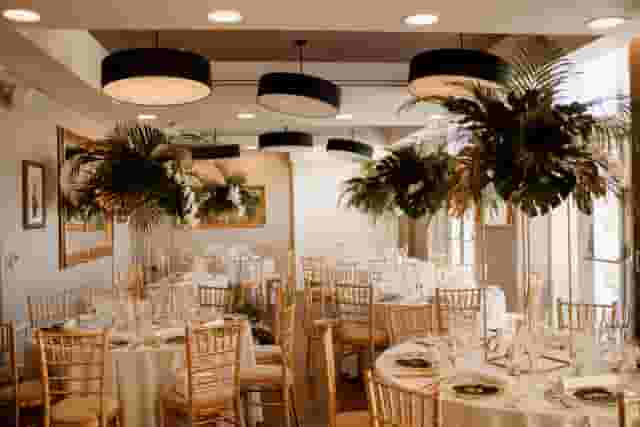
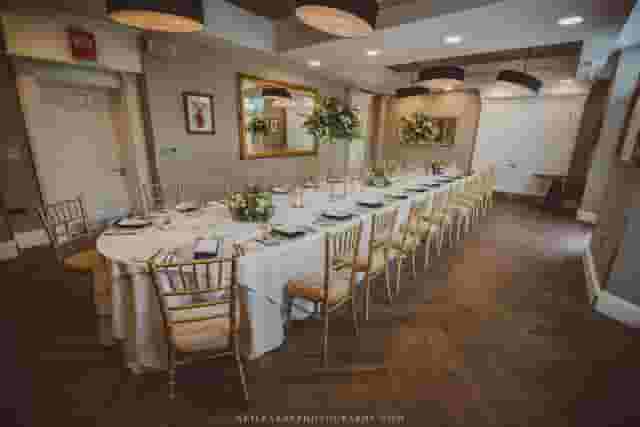
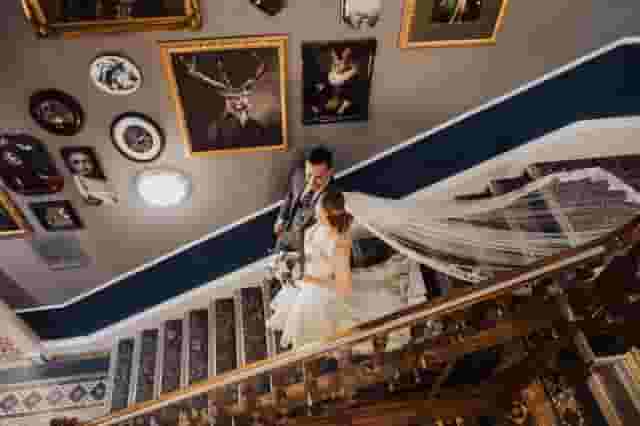
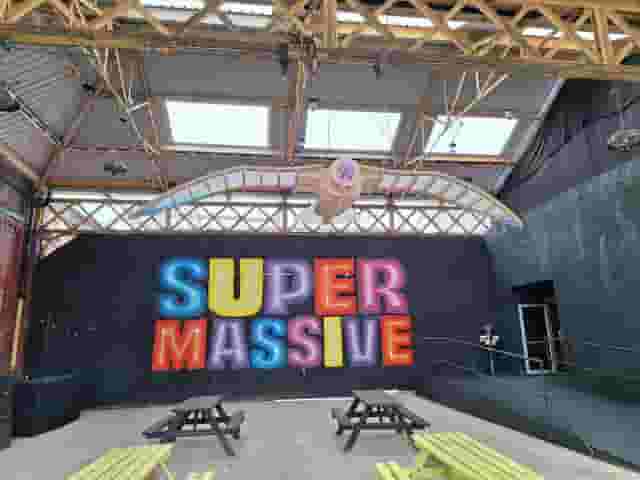
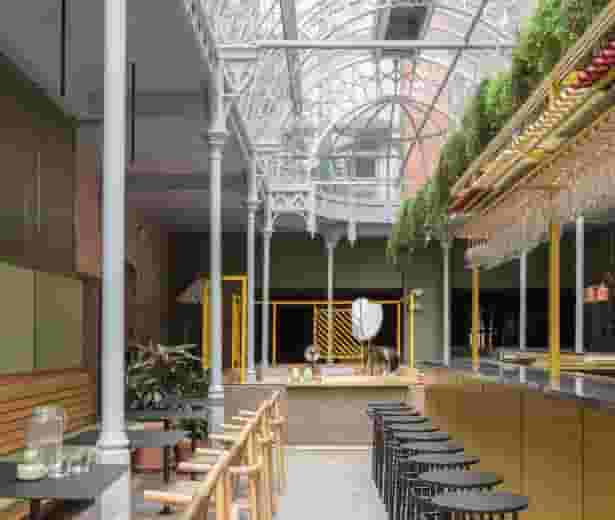
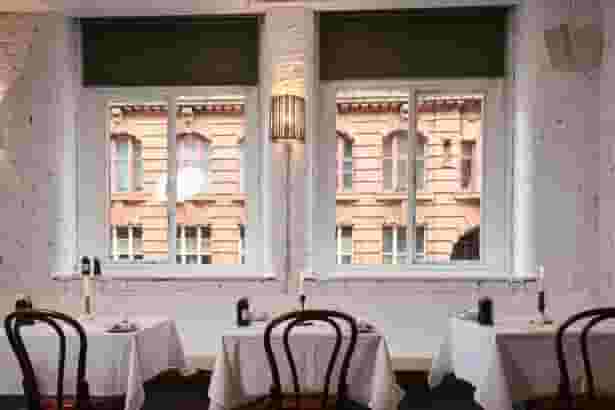
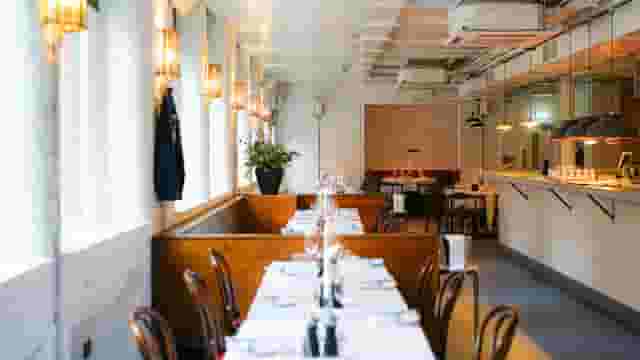
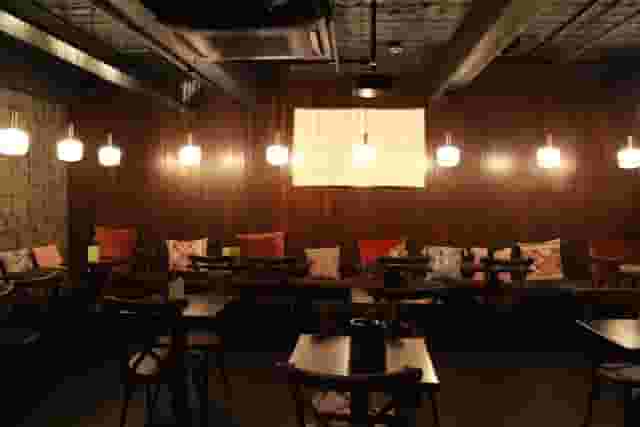
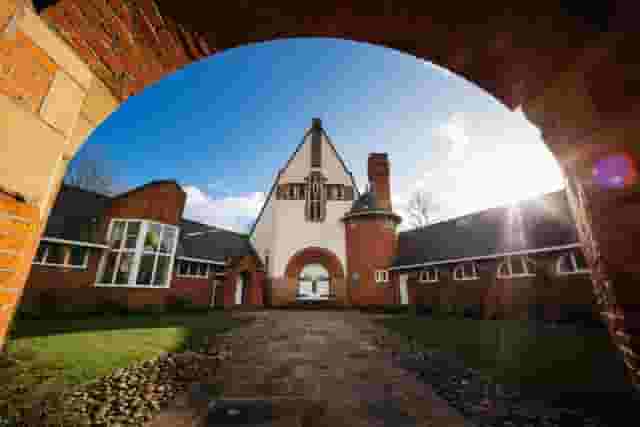
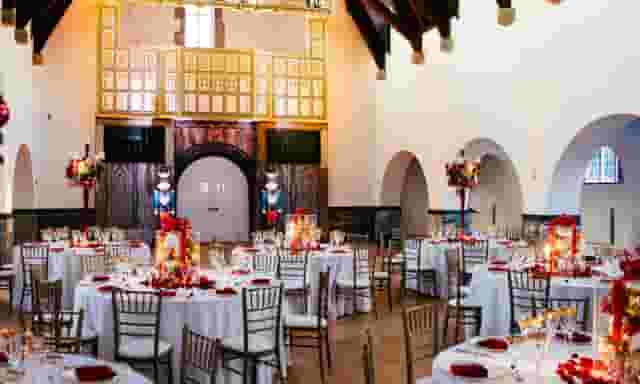
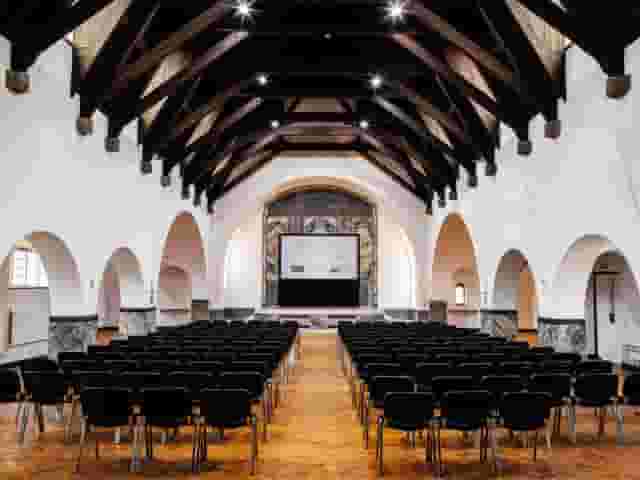
Are you looking for historic and traditional venues in Manchester? We've hand-selected the best near you, ideal for weddings and other special events.
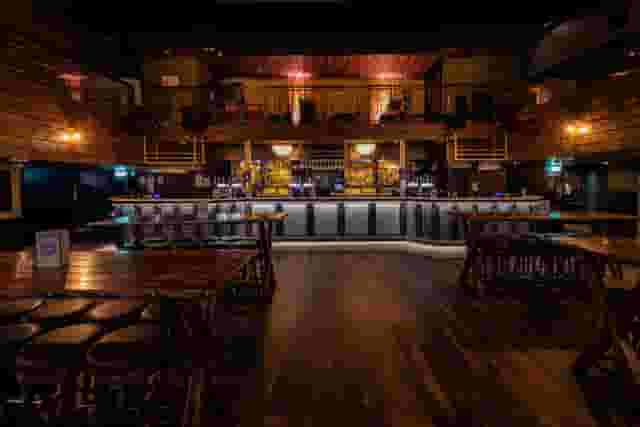
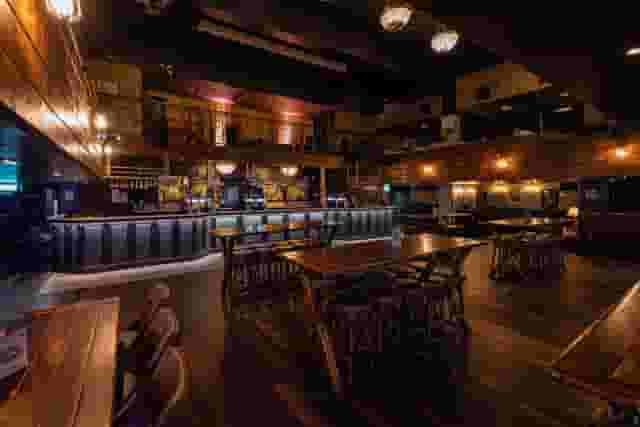
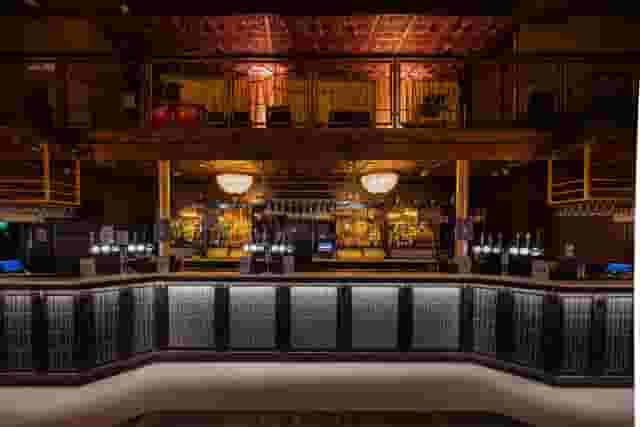
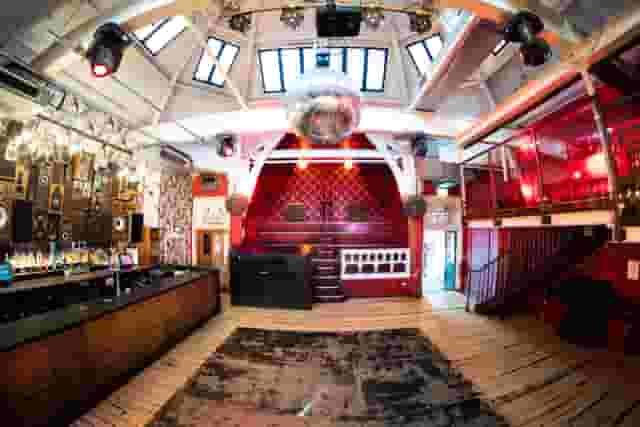
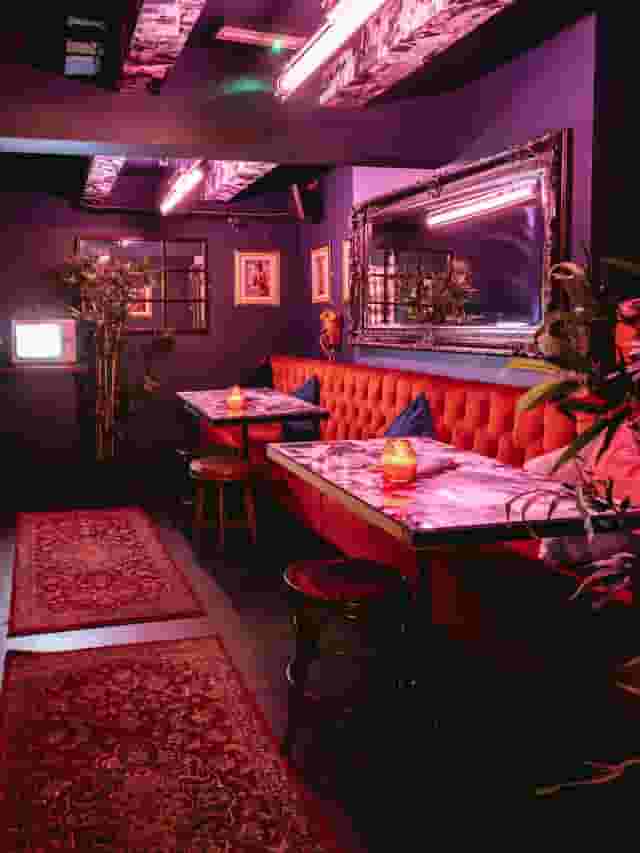
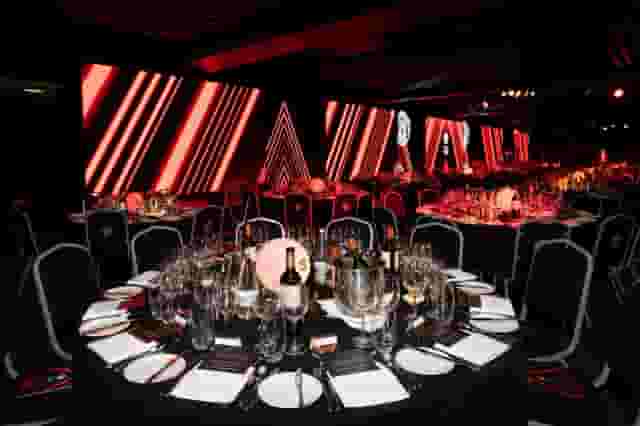
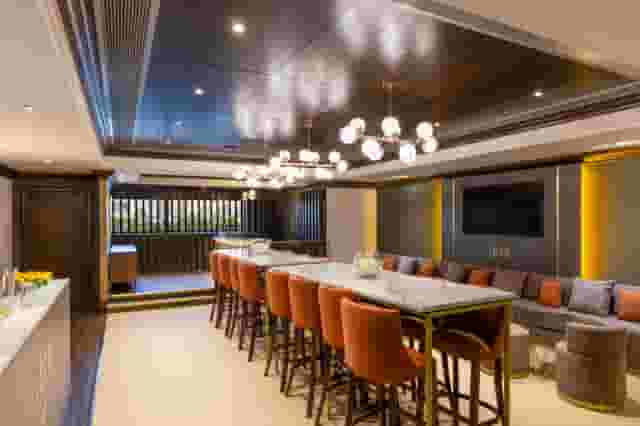
77 Historic in venues in Manchester













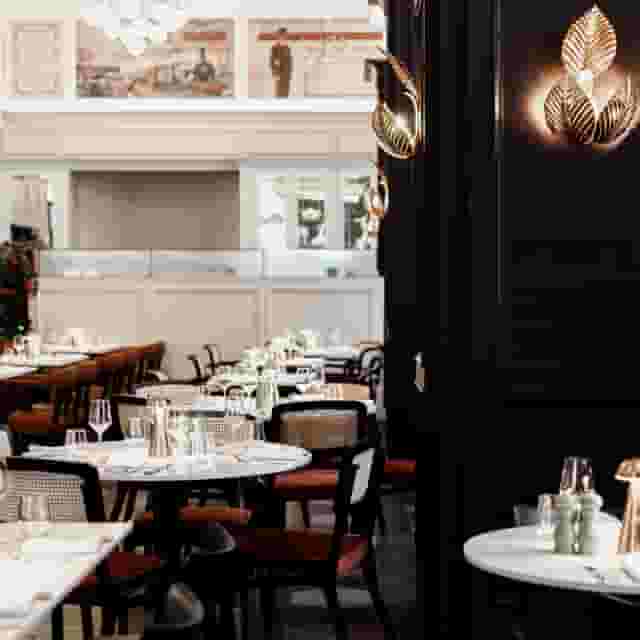
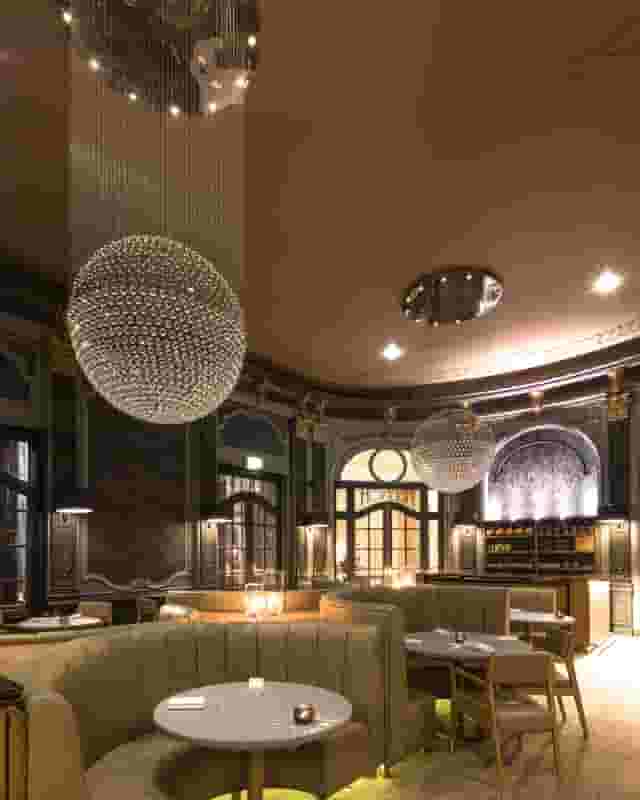
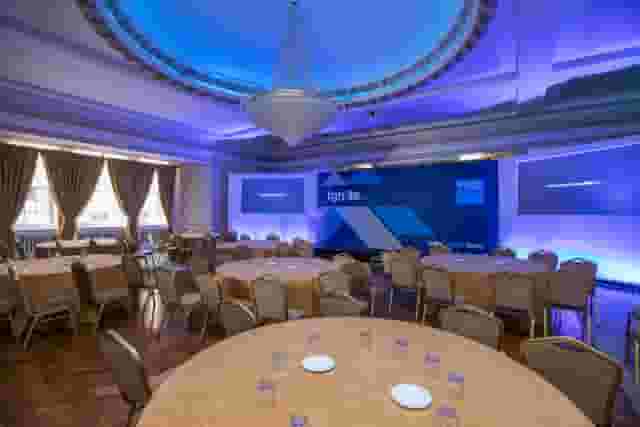
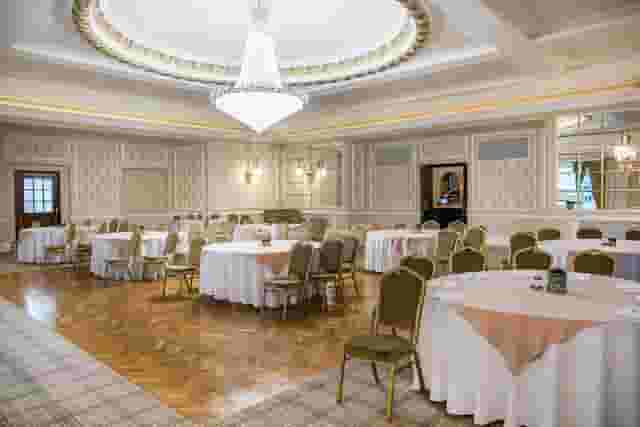



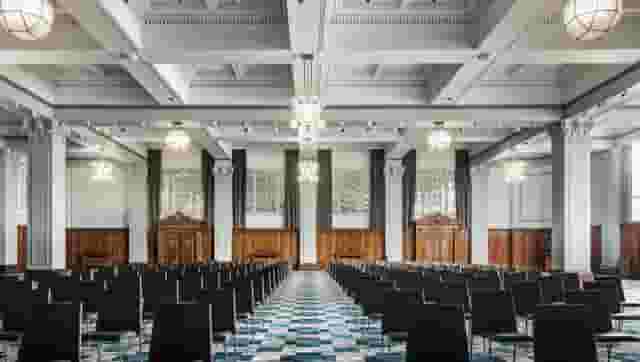
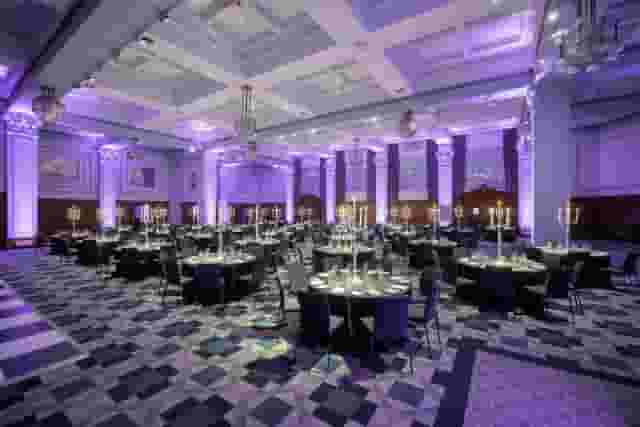
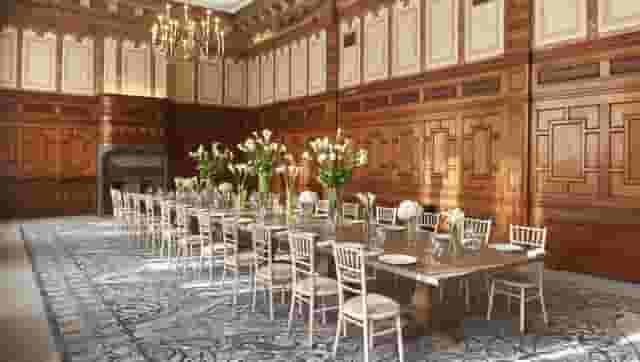
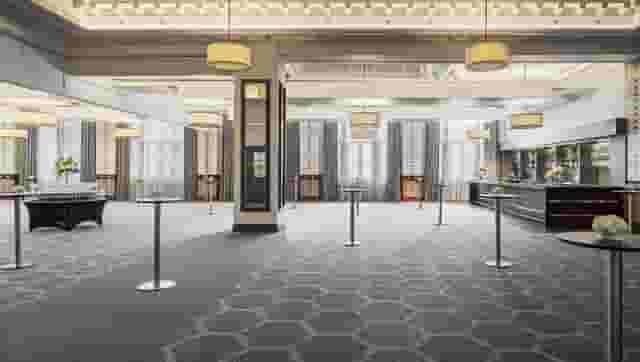

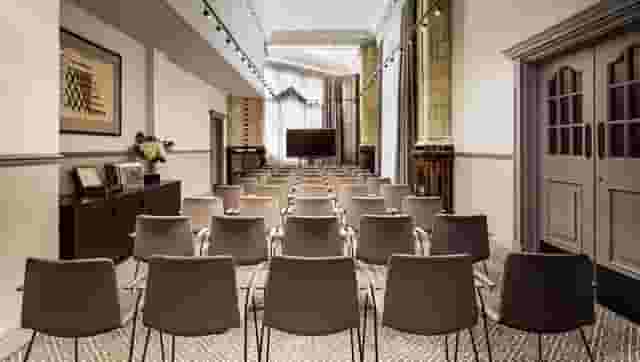
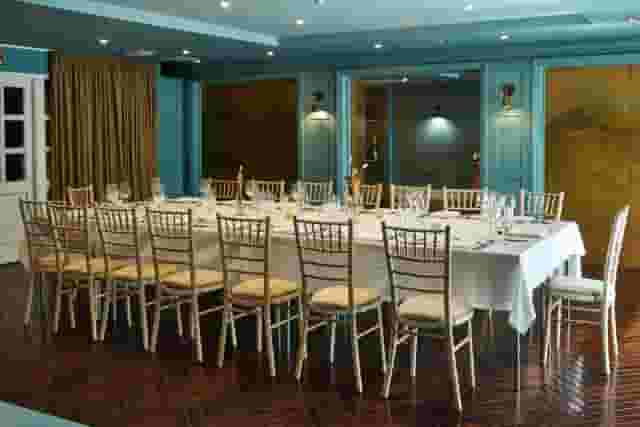
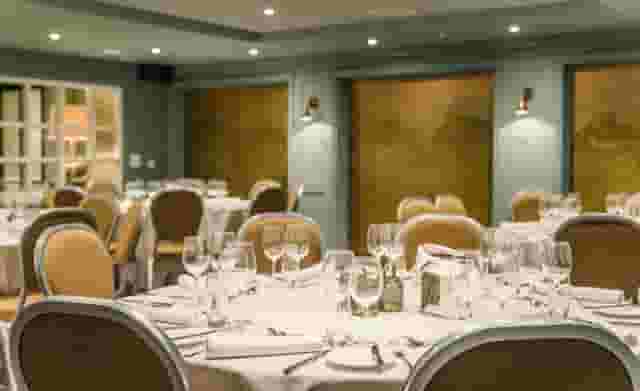
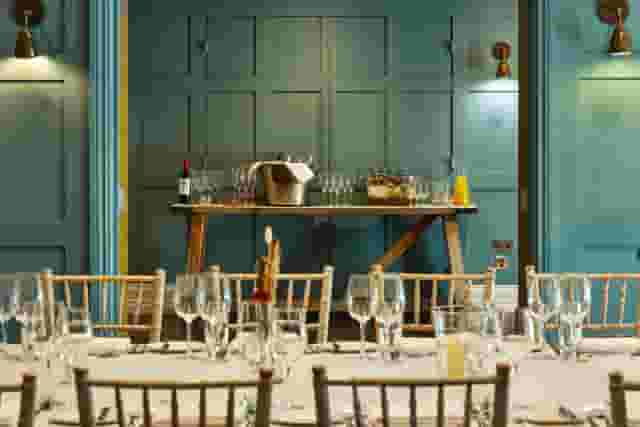






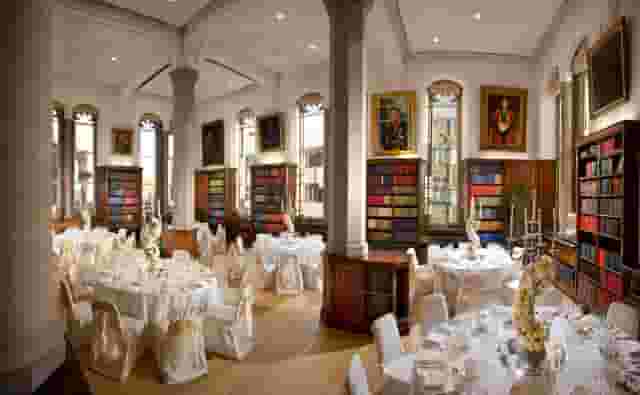
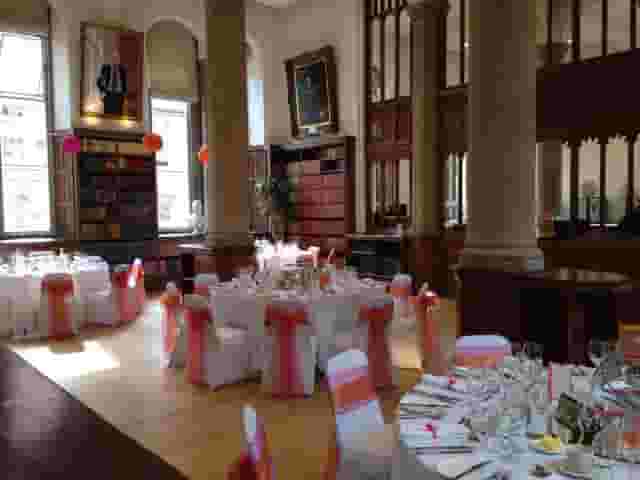
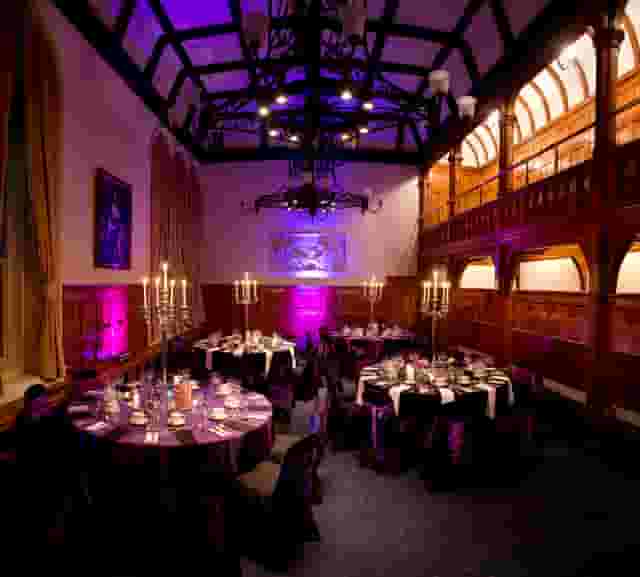
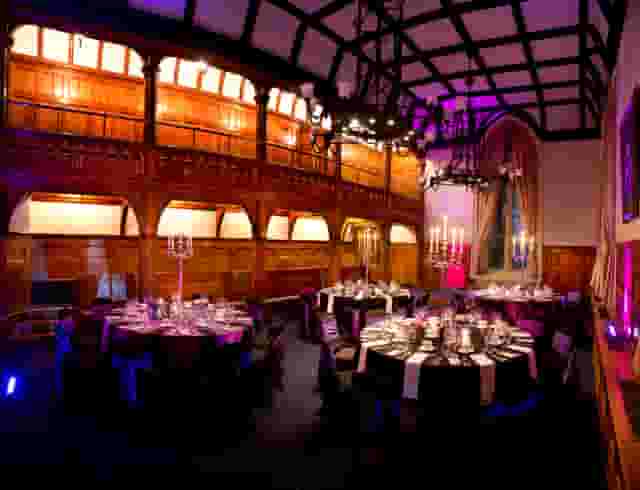















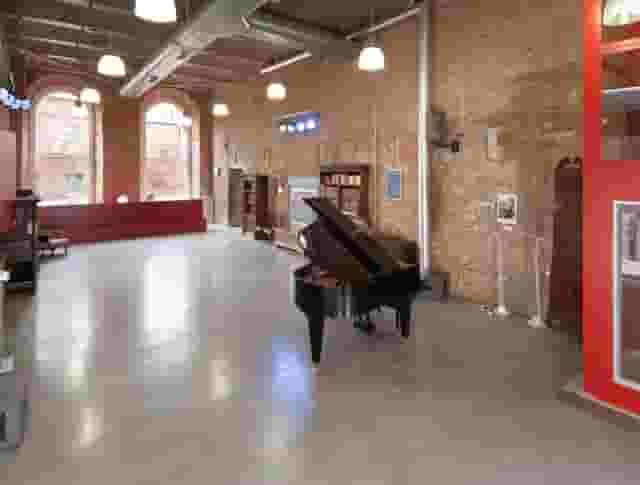
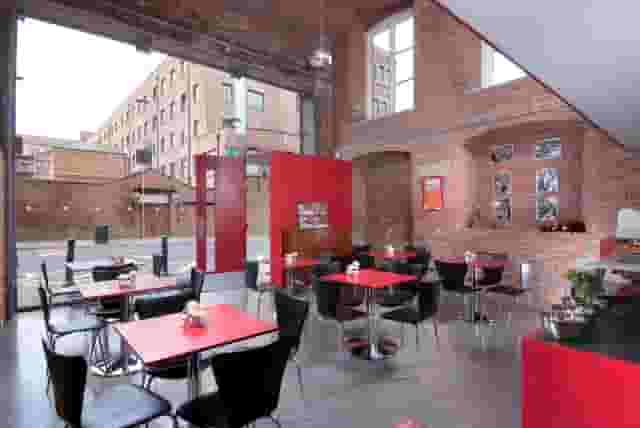
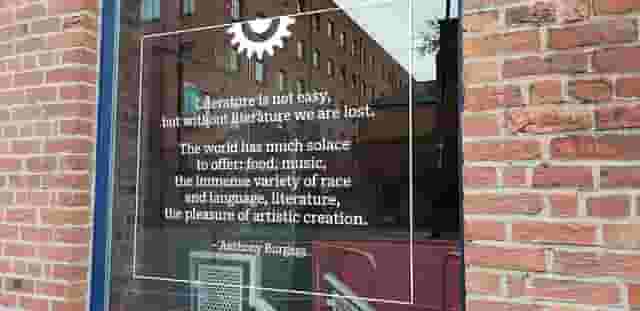
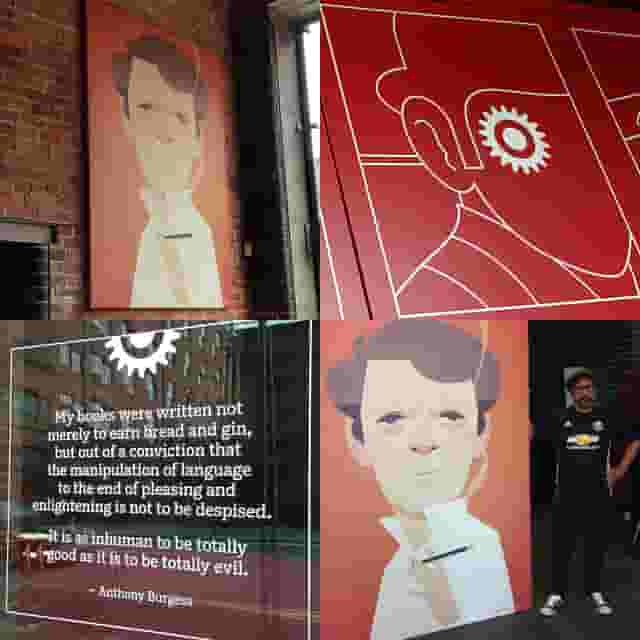













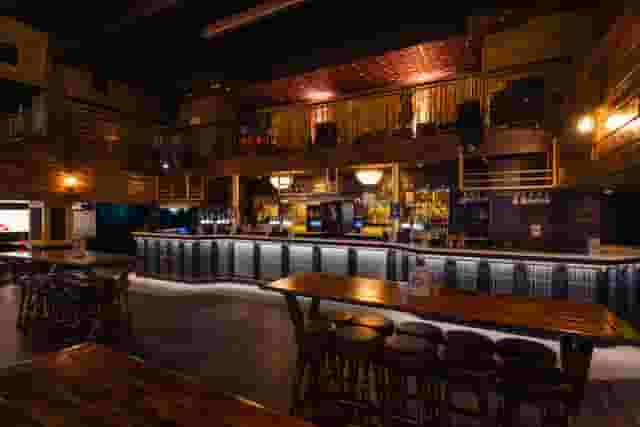
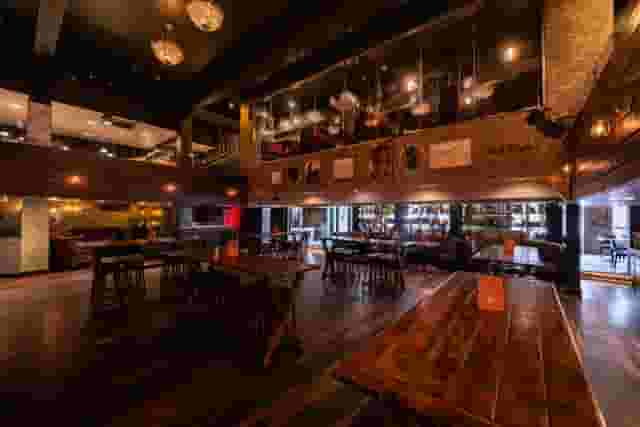
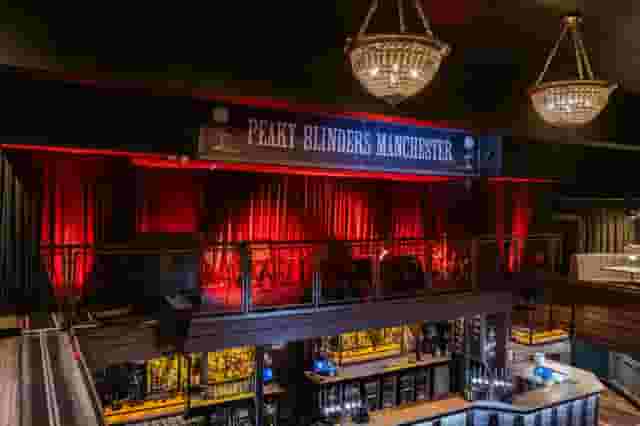
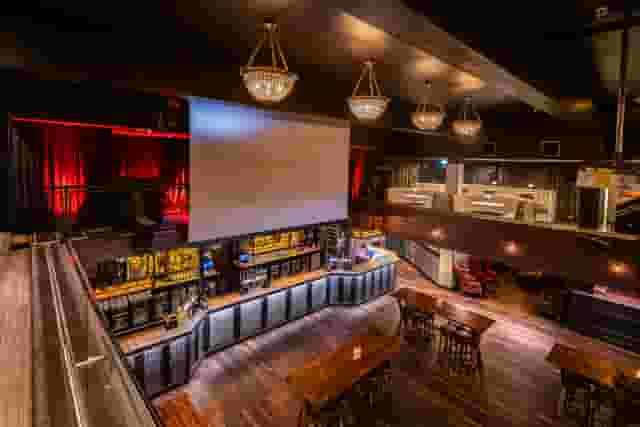
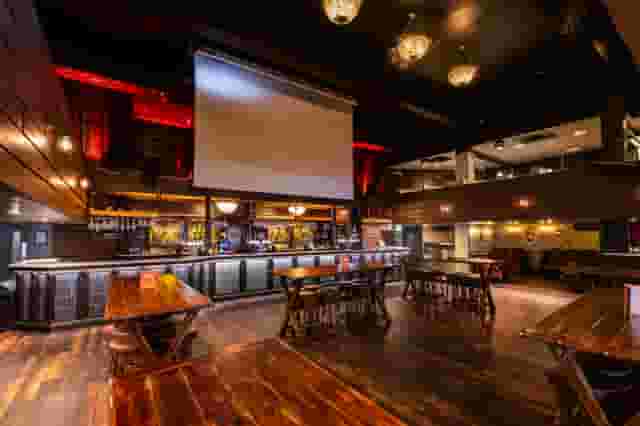
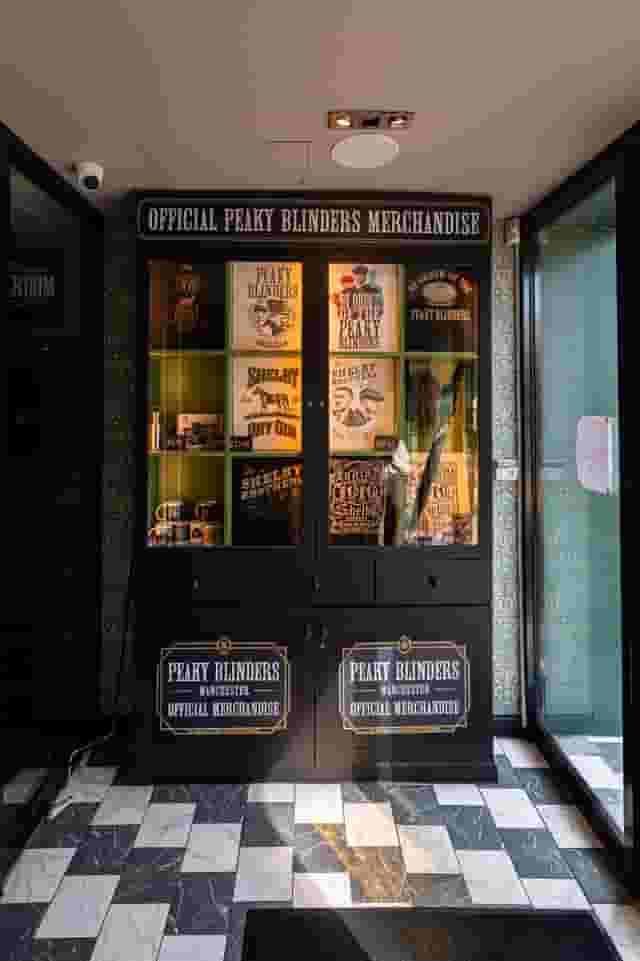
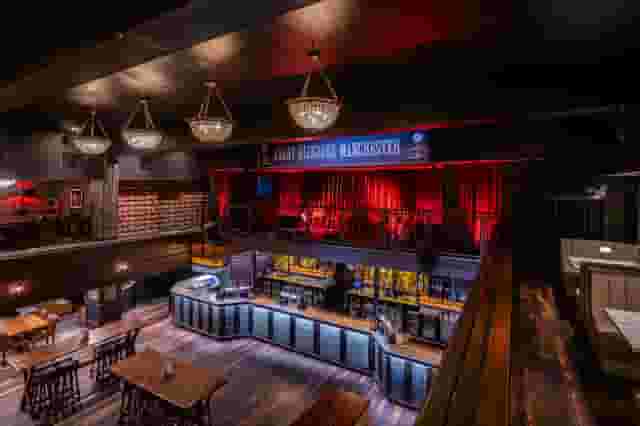
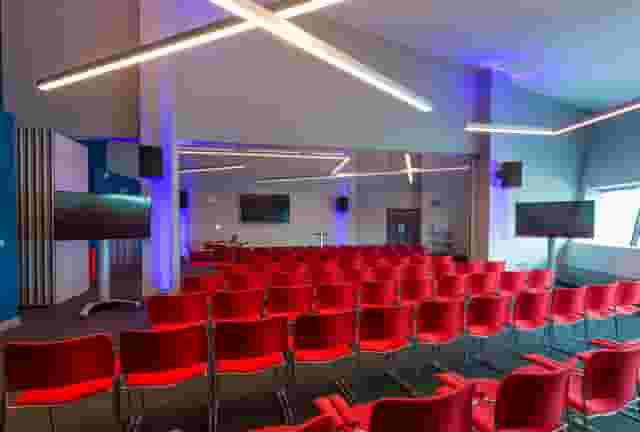

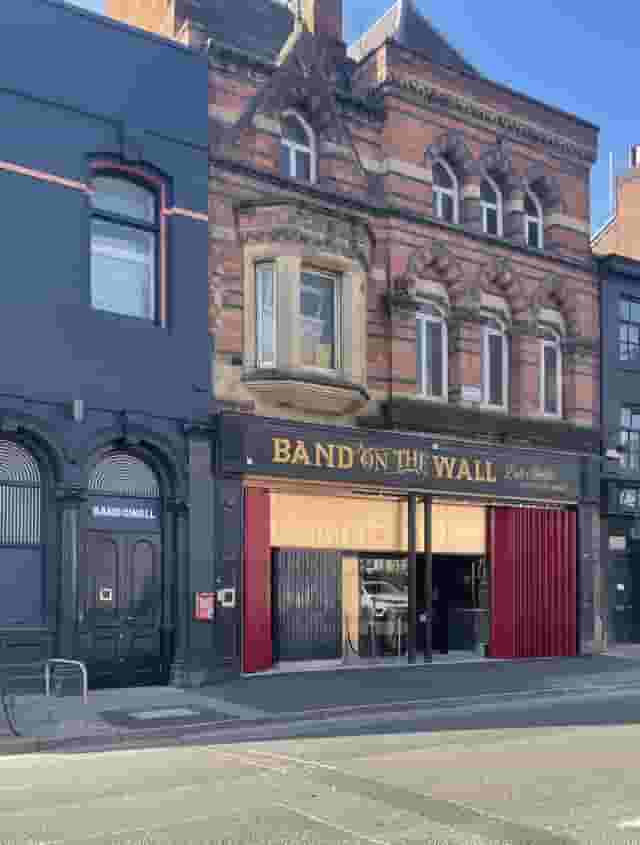
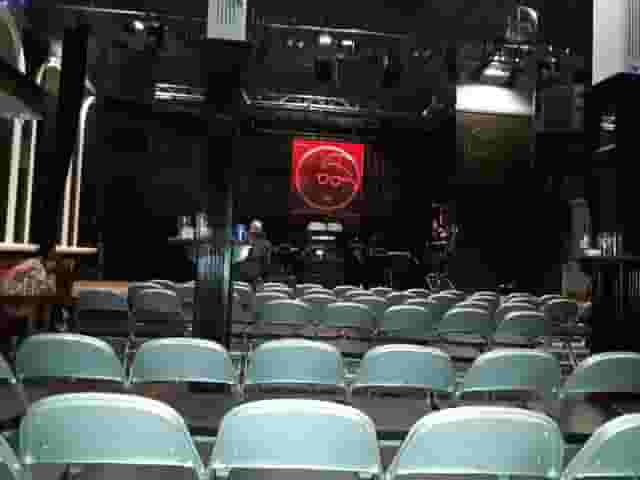
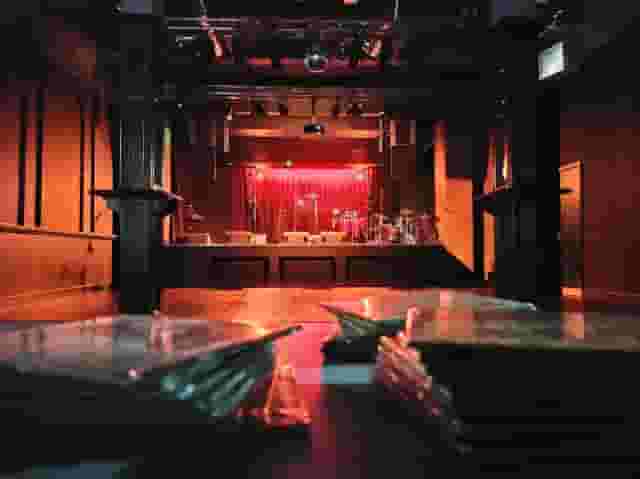
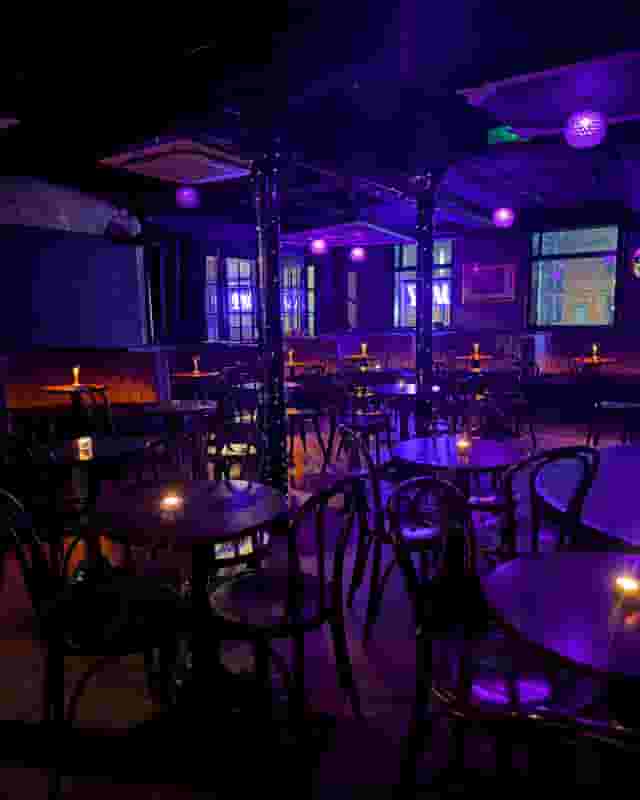








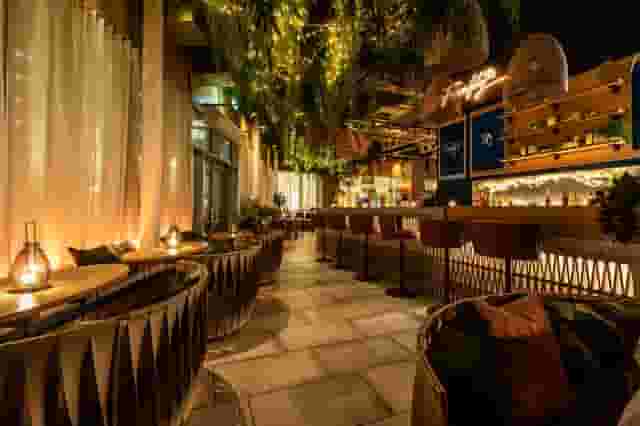

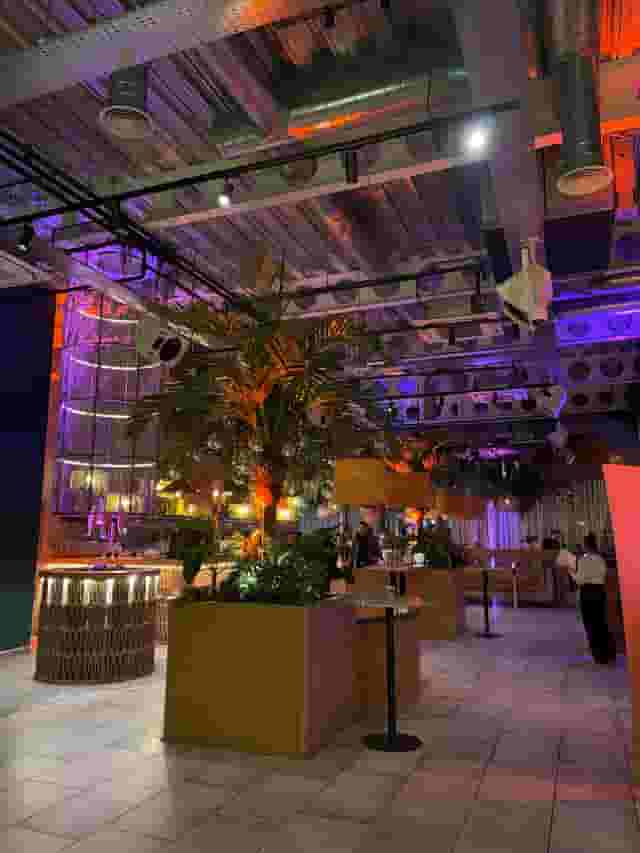

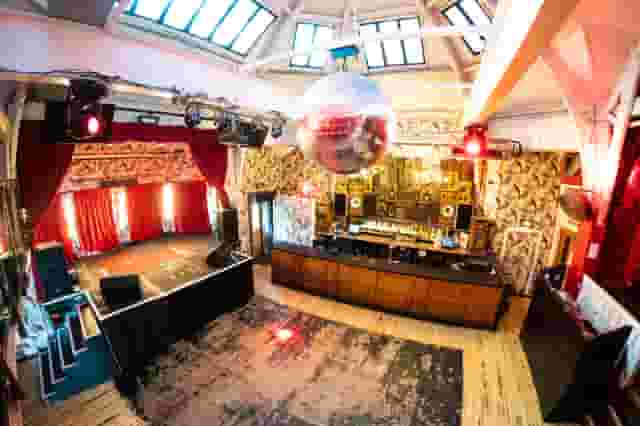



















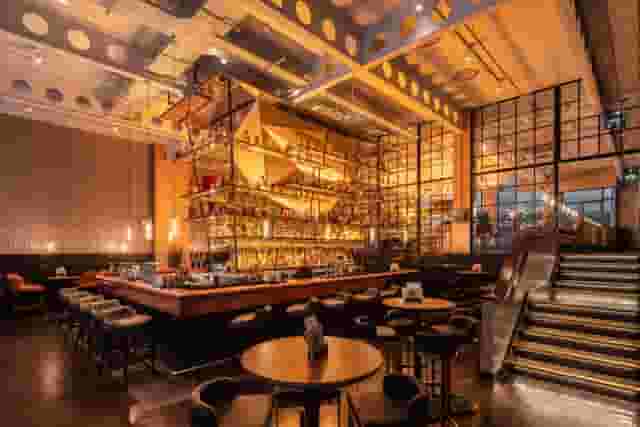
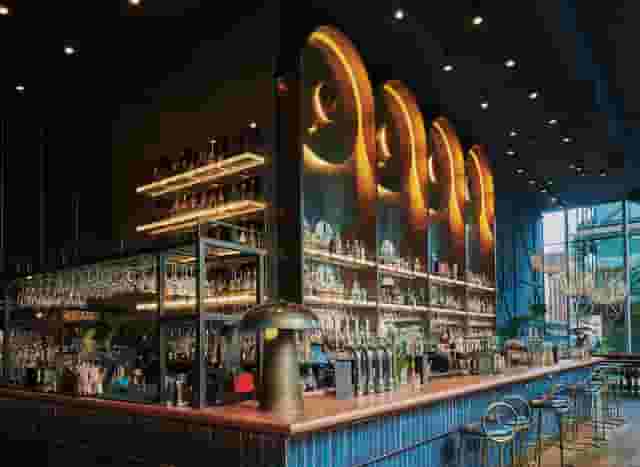
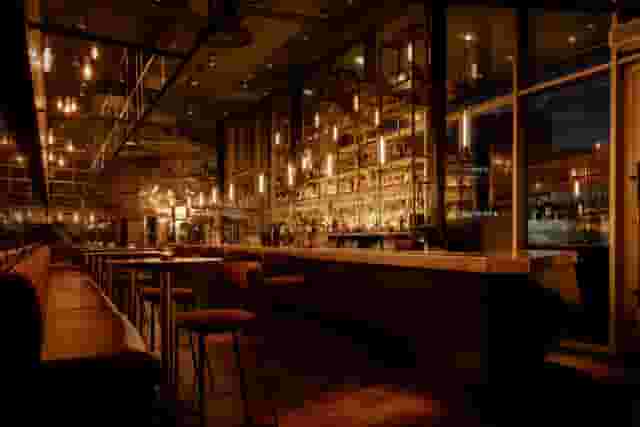
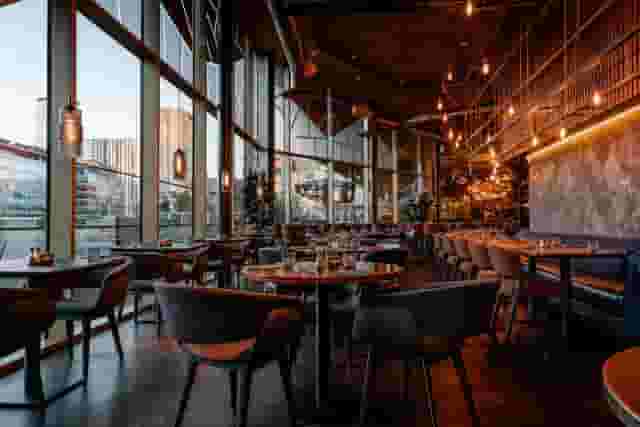







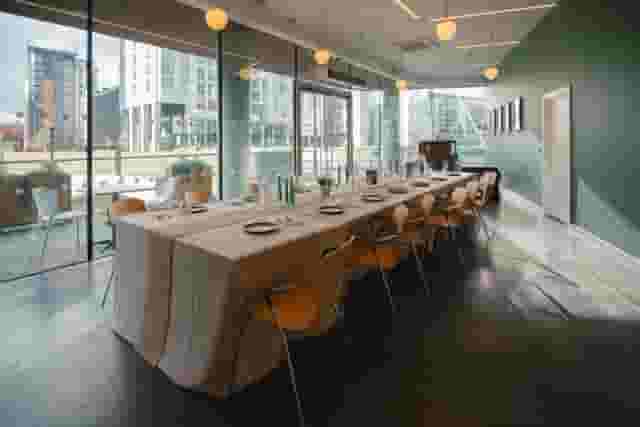
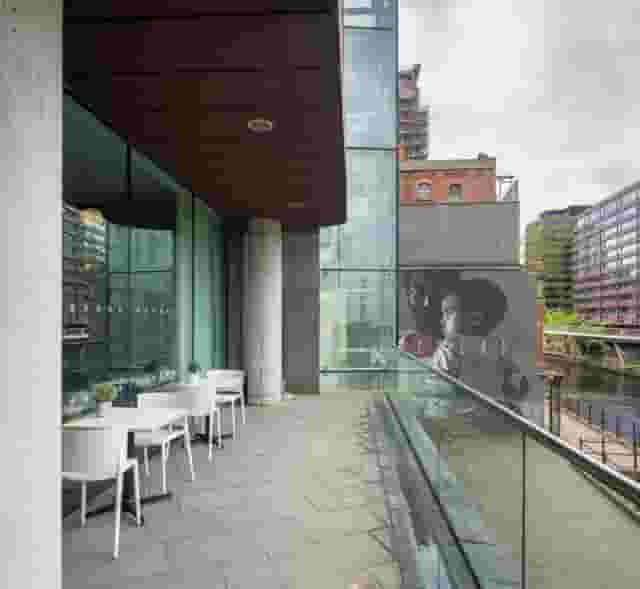

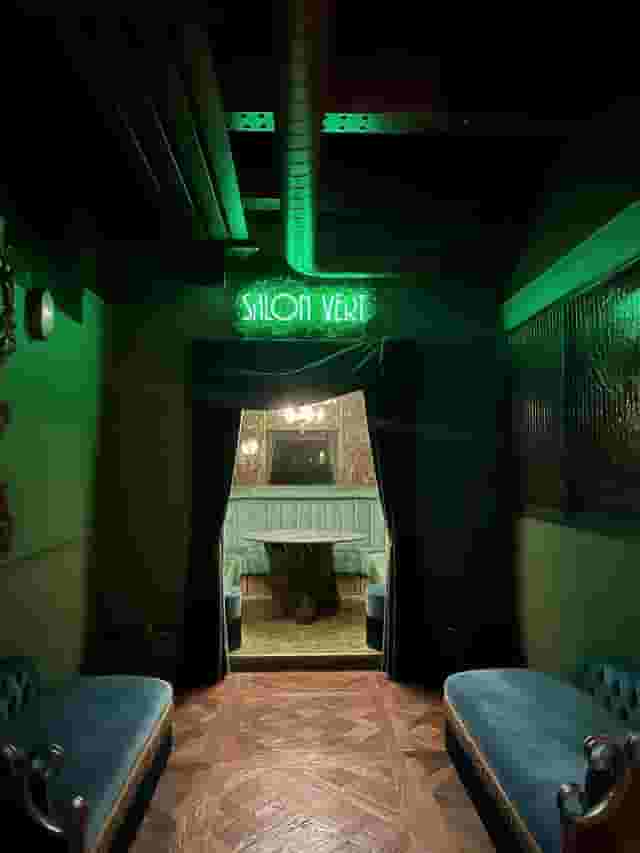

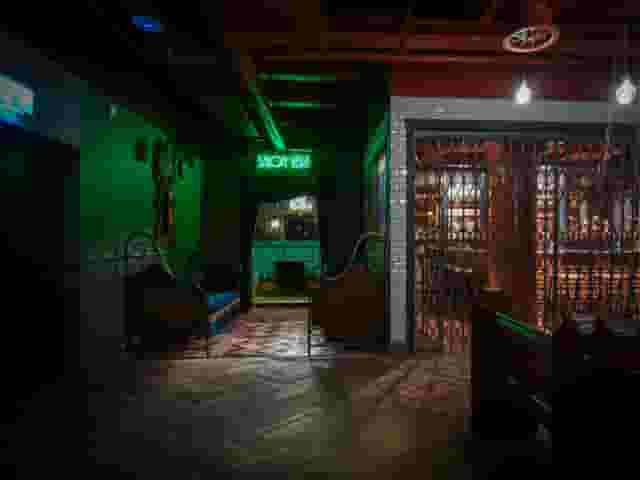






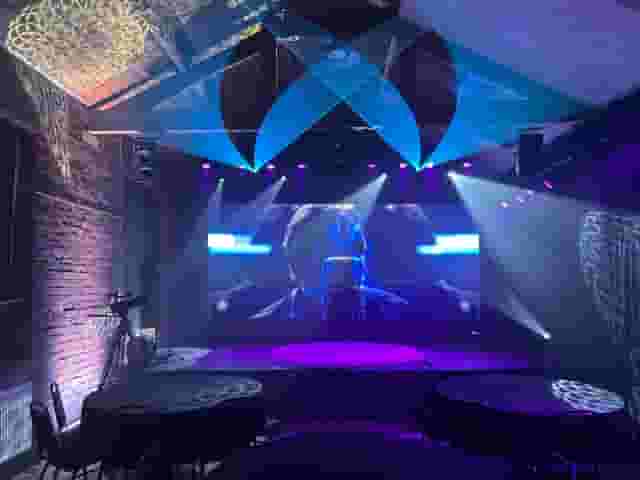

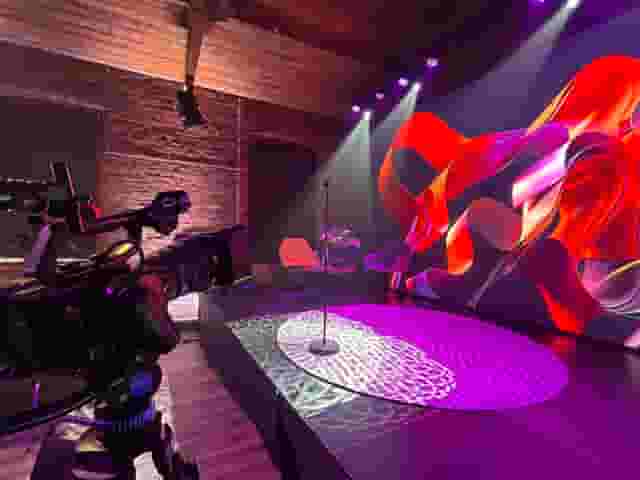
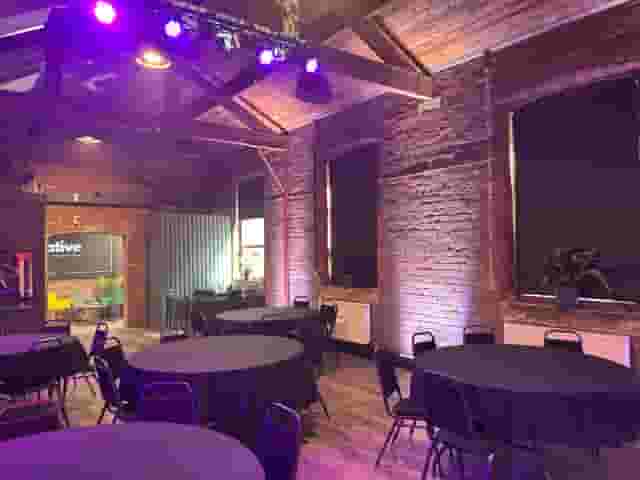
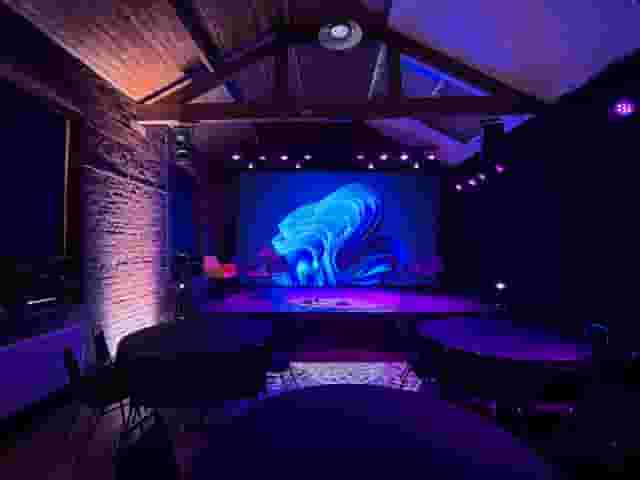











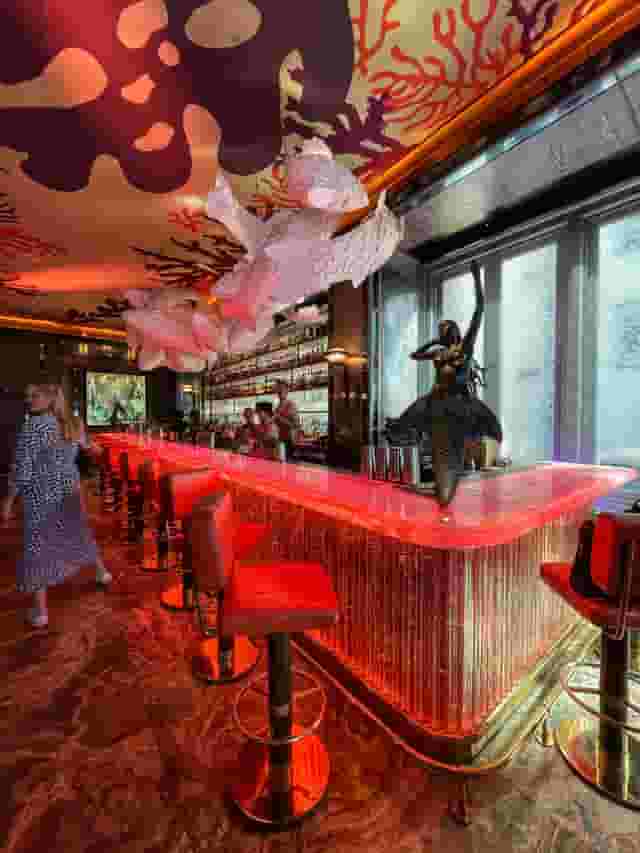
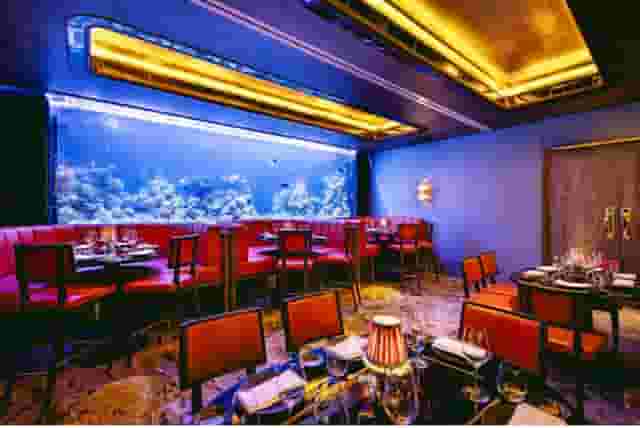

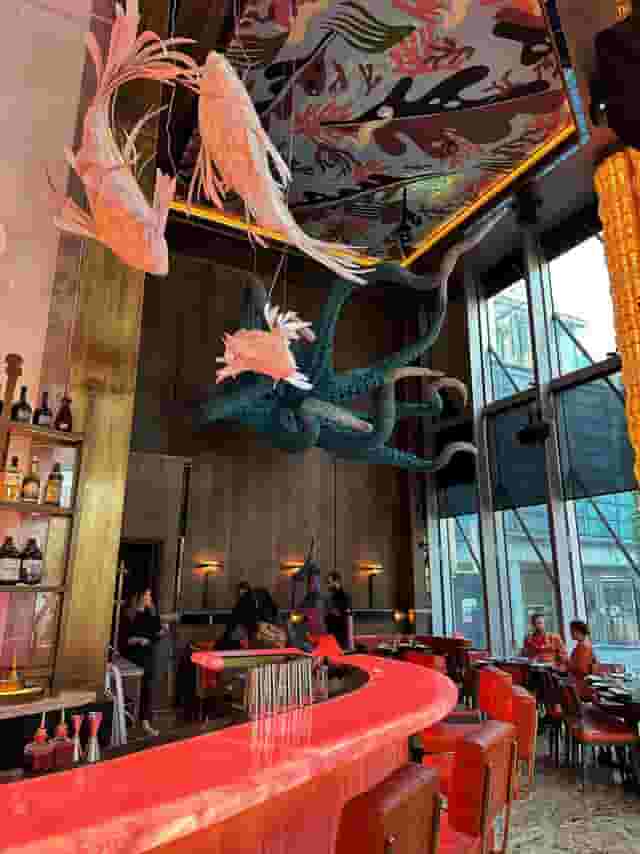

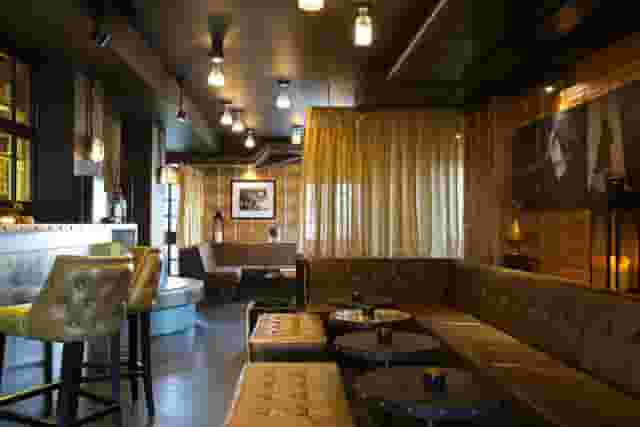

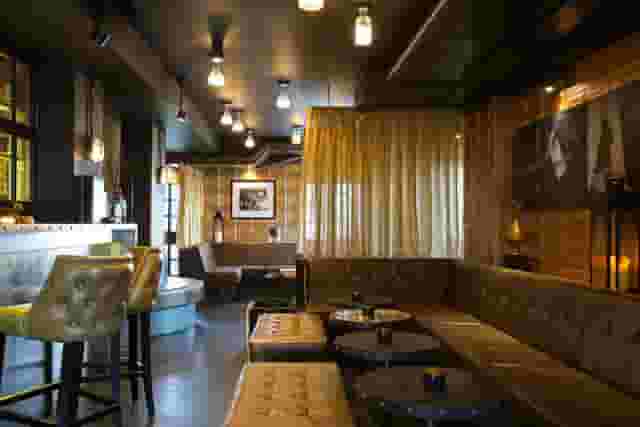

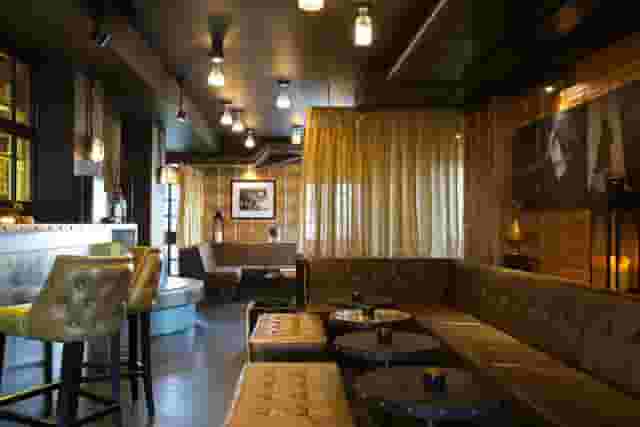

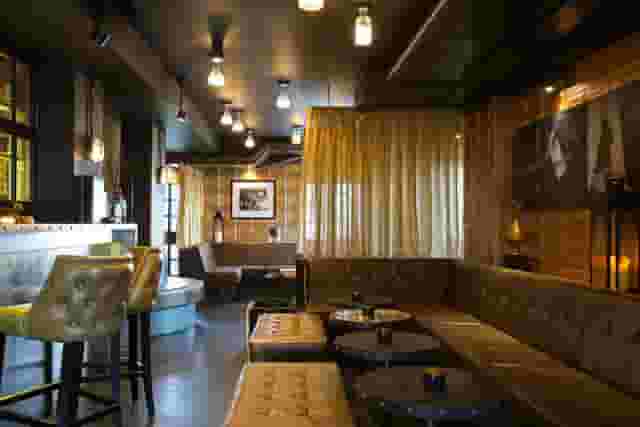

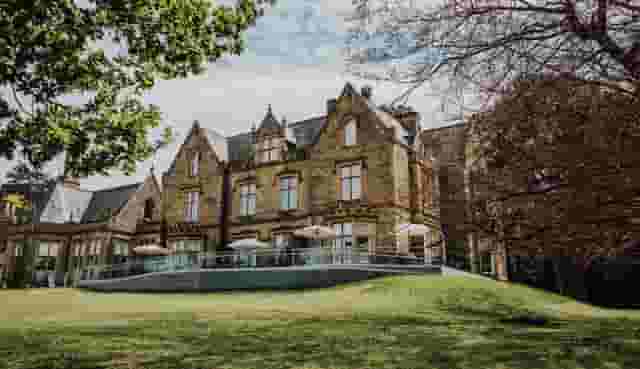










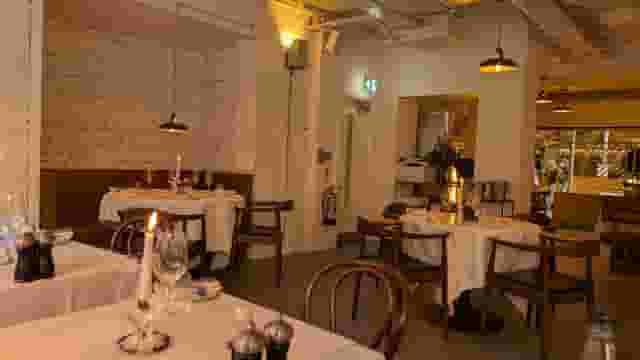
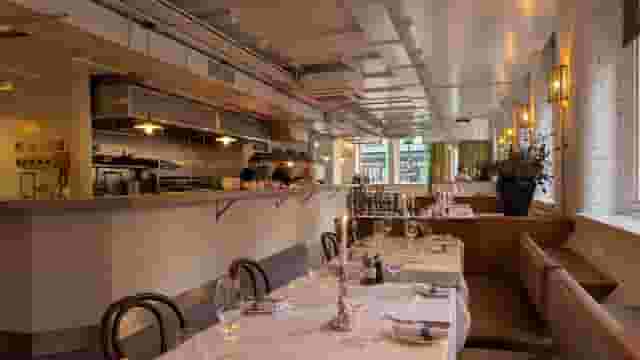





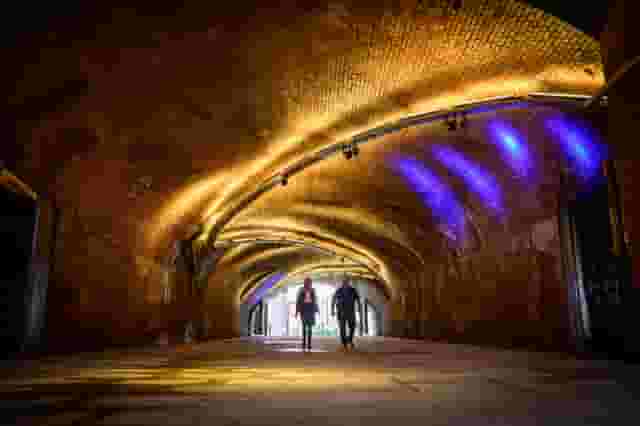
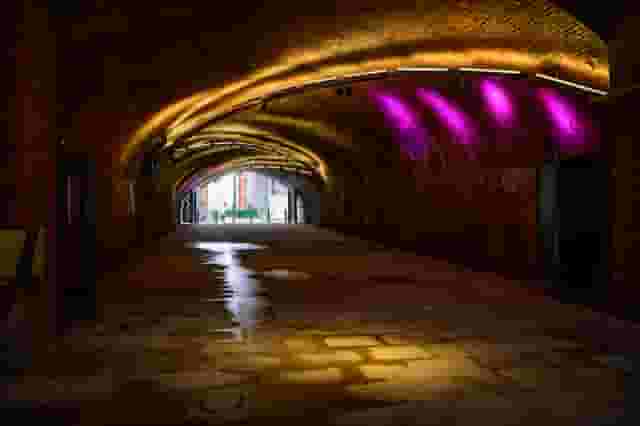
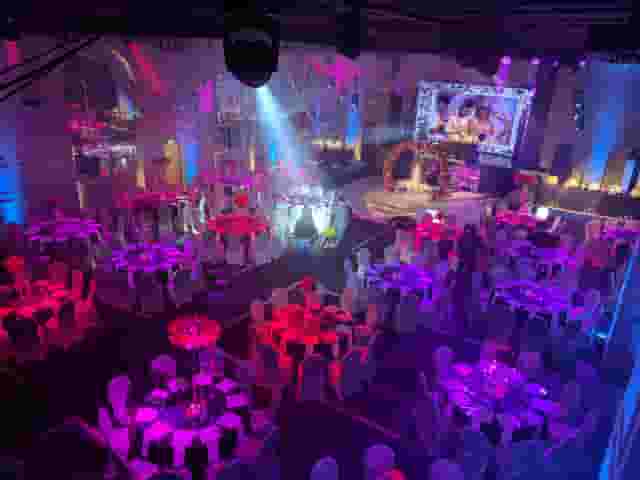
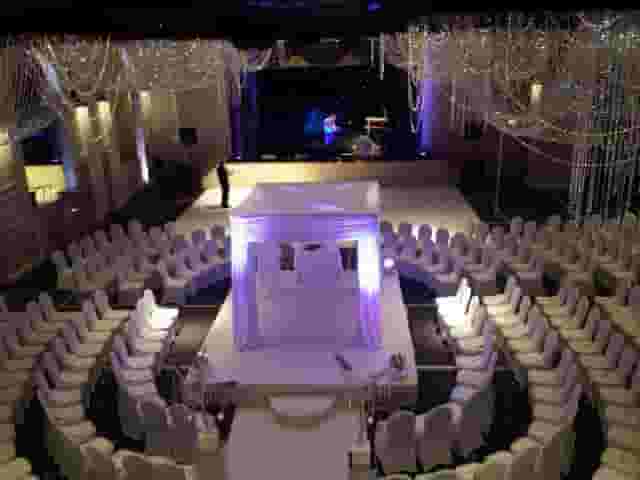
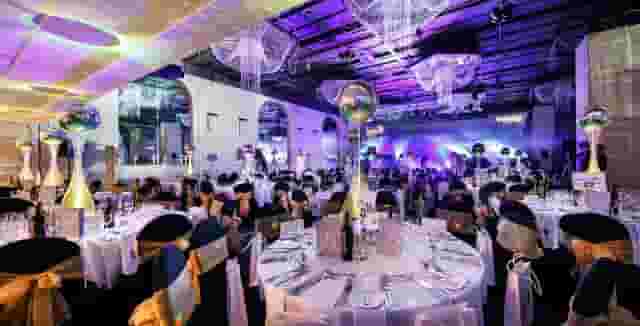
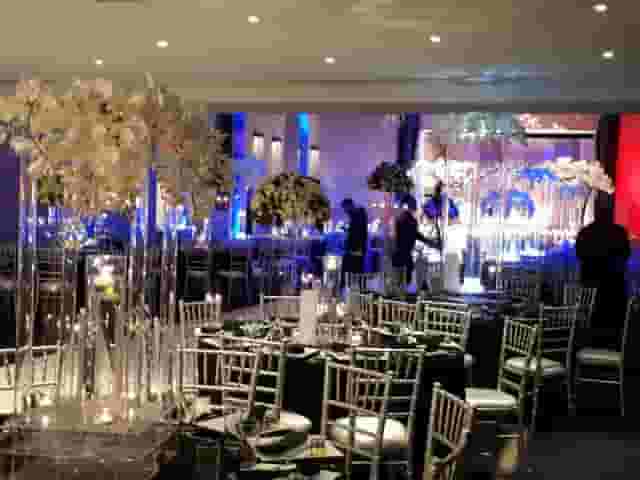

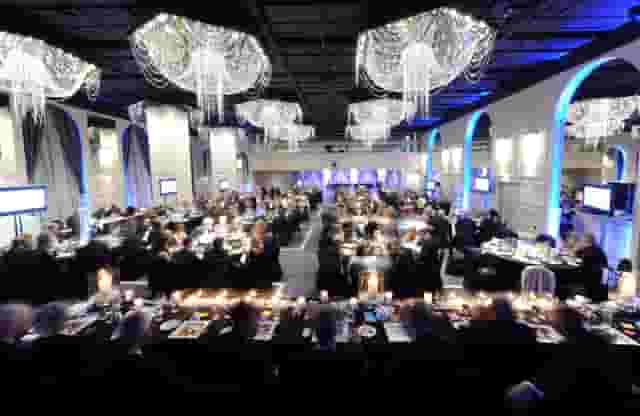

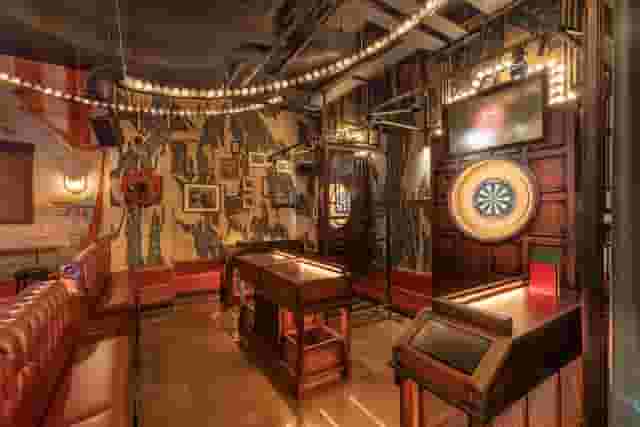
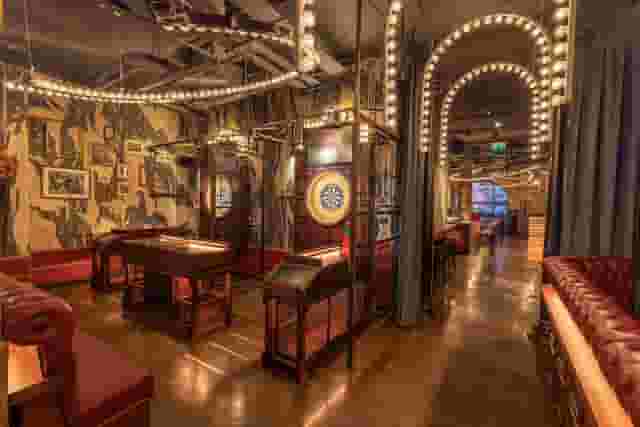
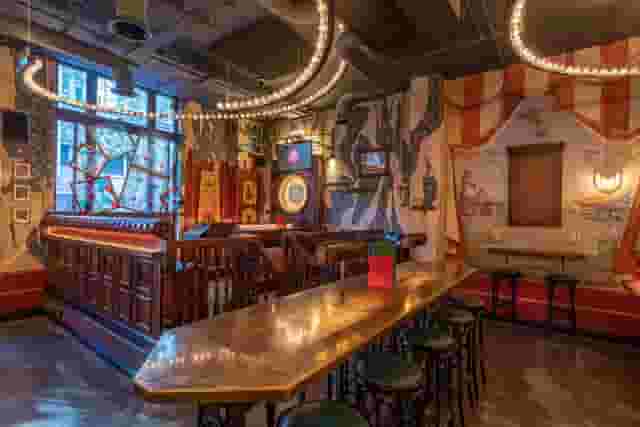





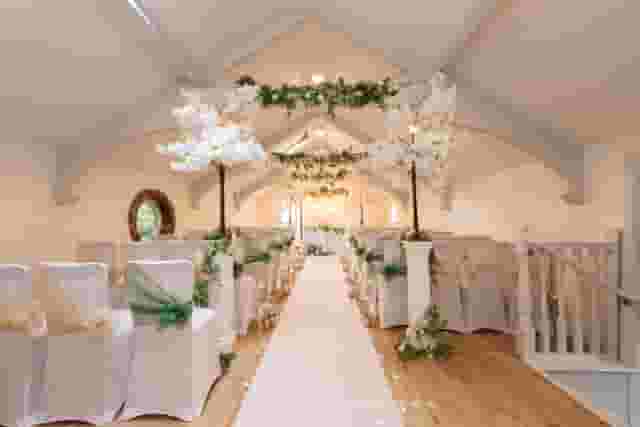
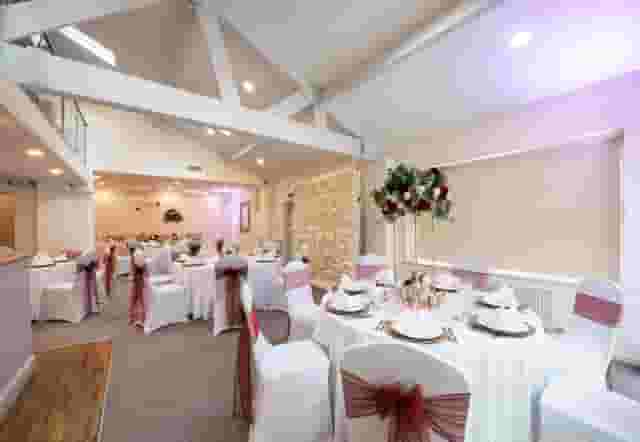

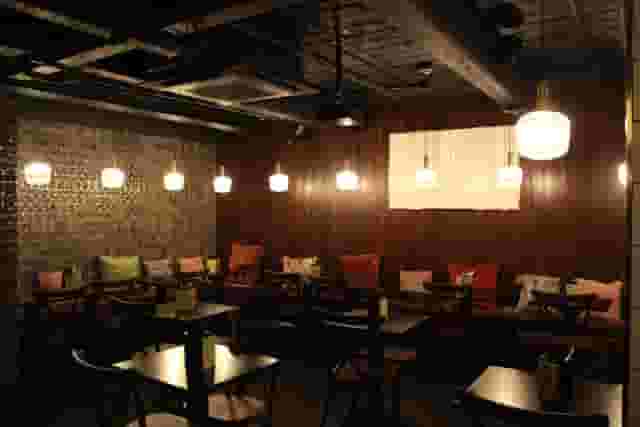


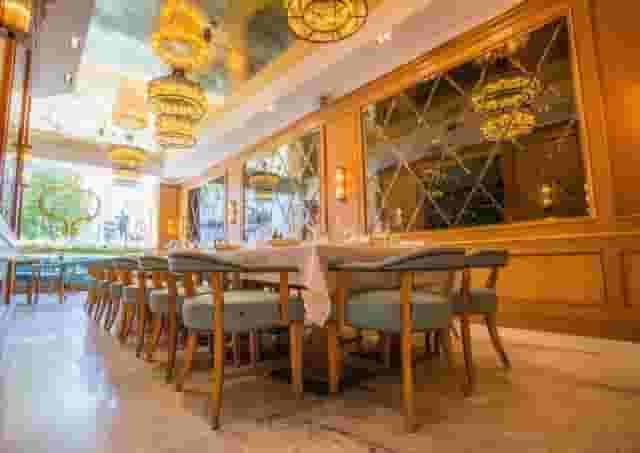
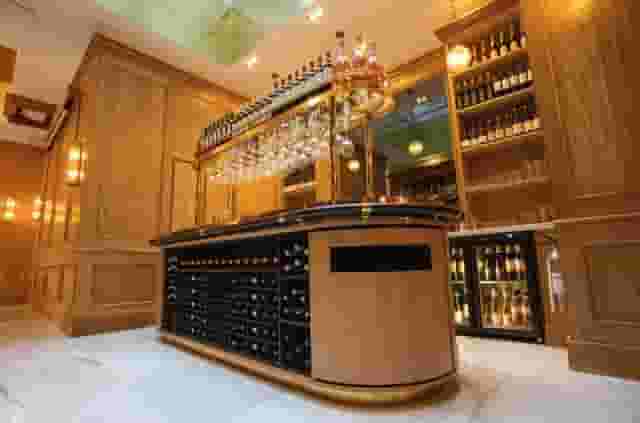
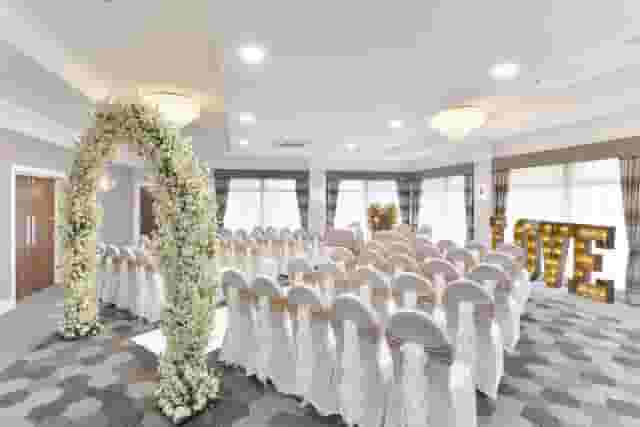
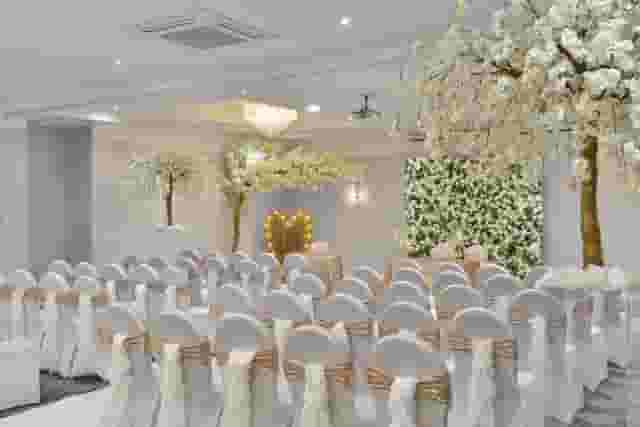












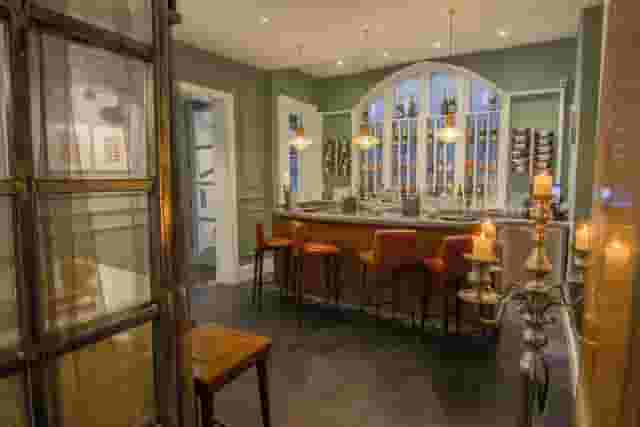
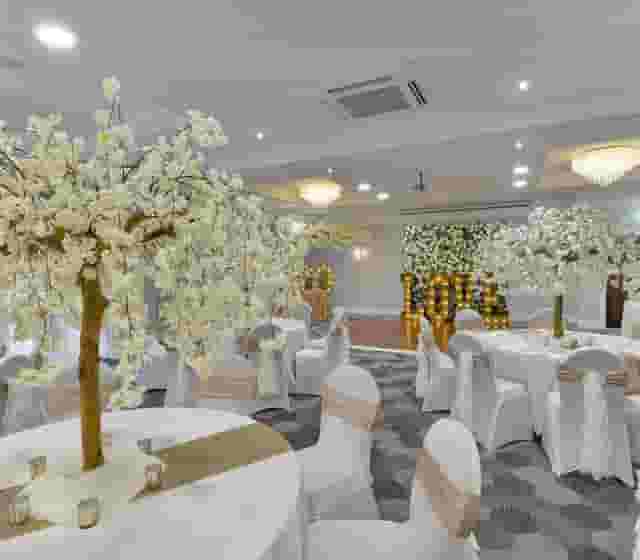
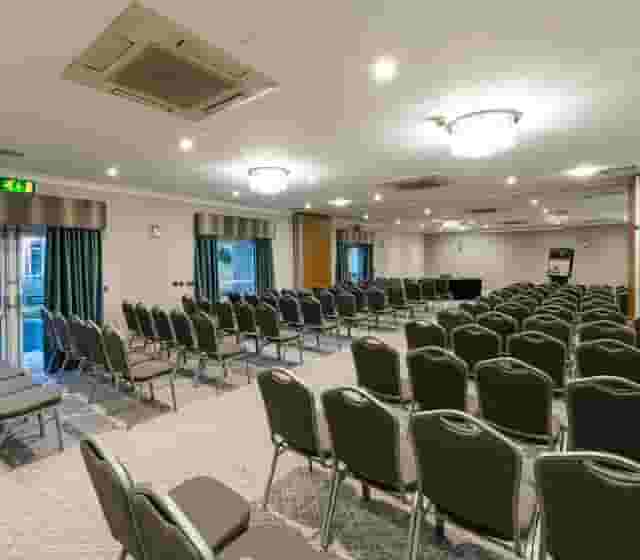
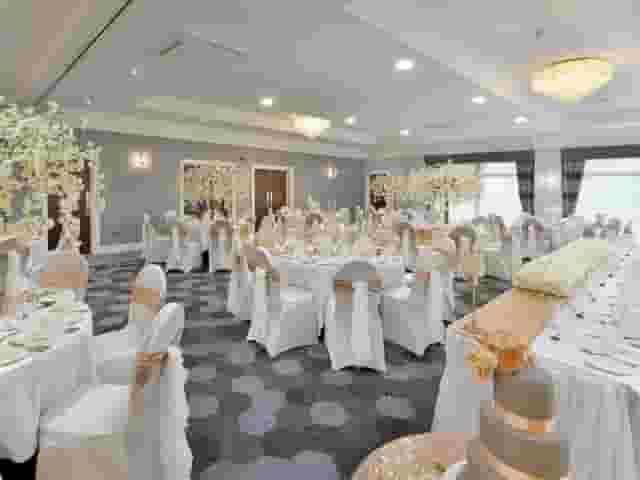
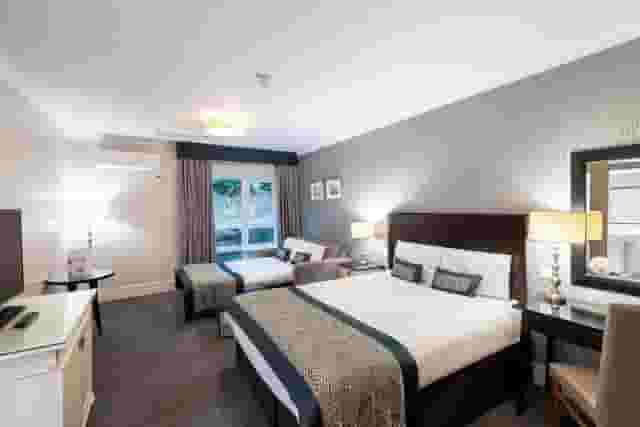

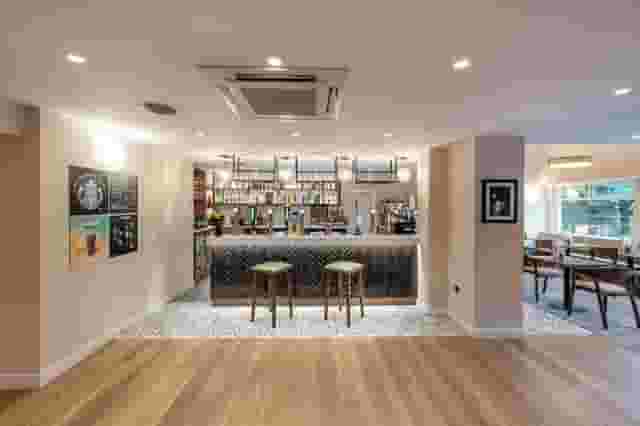
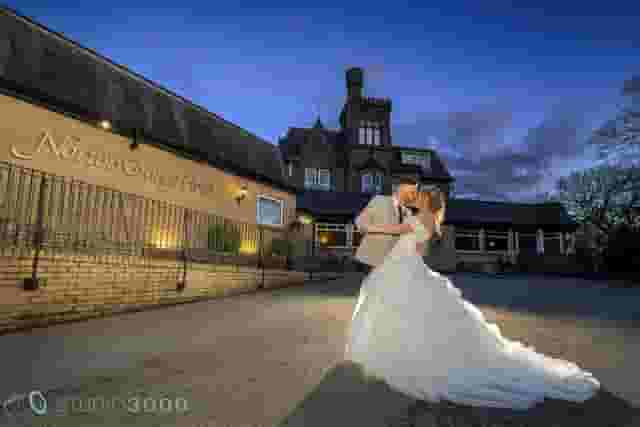
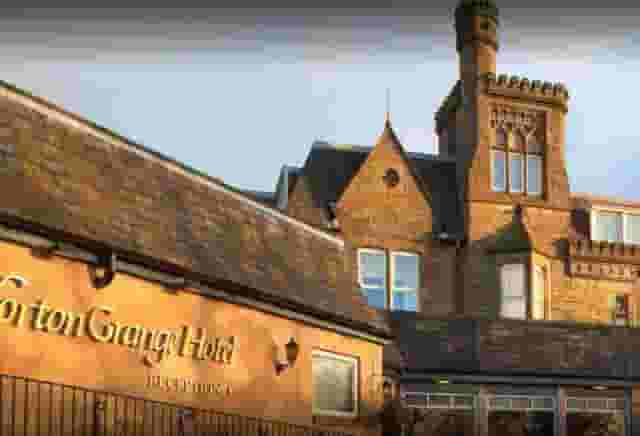

















No venues match these filters
Try widening your capacity, luxury level or event type.
Don't have time to search? We'll find it for you.
For business events that need human judgement, talk to our team. Free for events of 100+ people, budgets over £10k or ongoing programmes.


Explore more venues in Manchester










Frequently asked questions
What are Manchester's historic venue capacities?
What historic venues suit academic events?
Are historic venues in central Manchester?
Can historic venues host modern tech needs?
How to enhance a gala in a historic venue?
Other platforms search their database. We search everything.
Tell us what you need. Our deep research finds any venue, whether it's in our marketplace or not. No one else does this.
About Historic in Manchester
Unearthing Manchester's Historical Gems: A Guide to Selecting Your Perfect Venue
Choosing the right historic venue in Manchester is about more than just aesthetics; it's about finding a space that resonates with the event's purpose and the organisation's ethos. When unearthing Manchester's historical gems for your next event, consider the venue's capacity and layout to ensure it accommodates your guest list and the flow of the event. Look for venues with character and a story that aligns with your brand or event theme, such as Manchester's neo-Gothic or High Victorian Gothic architectural treasures.
Assess the technological capabilities of the venue, particularly if you're planning a conference or meeting that requires modern AV equipment. Many historic venues in Manchester have been updated with state-of-the-art facilities, ensuring a seamless blend of old-world charm and contemporary convenience. Additionally, consider the accessibility of the venue for all attendees, including those with mobility issues, and check for nearby transport links to make the journey as smooth as possible.
Remember to inquire about the venue's licensing, especially if your event involves live music or serving alcohol. Some historic venues may have restrictions that could impact your planning. Lastly, don't forget to explore the local area for accommodation options, as Manchester offers a variety of hotels that can complement the historic nature of your event.
For more inspiration on selecting a historic venue, explore similar pages such as Corporate Away Day Venues in the South East and Historic Birmingham Venues, which can offer additional insights into organising events in heritage settings.
Preserving the Past: Decor and Entertainment That Complement Manchester's Historic Venues
When organising an event in one of Manchester's historic venues, the decor and entertainment you choose are pivotal in creating an atmosphere that honours the venue's heritage. Opt for decor that accentuates the venue's architectural features without overshadowing them. Use soft, ambient lighting to highlight stone masonry or stained glass, and consider hiring period-appropriate furniture to maintain an authentic feel.
Entertainment should be selected with the venue's acoustics and history in mind. A string quartet or a jazz band can provide a sophisticated backdrop that complements the venue's era, while a guided tour or a historical reenactment can add an educational and interactive element to your event. It's essential to work with entertainers who are experienced in performing in heritage spaces and who understand the need to protect the venue's integrity.
When planning your event, liaise with the venue's management to understand any restrictions on decor and entertainment. Some venues may not permit certain types of decorations or may have sound level limitations to preserve delicate interiors. Always use non-invasive methods to secure decorations, avoiding damage to historical surfaces.
For more guidance on event planning in historic settings, consider exploring resources like Historic Birmingham Venues, which can provide further insights into balancing modern event requirements with the preservation of historical charm.
Modern Conveniences in Time-Honoured Spaces: Navigating Catering and Technology in Historic Settings
Incorporating modern conveniences into Manchester's historic venues requires a delicate balance between preserving the integrity of the space and providing contemporary comforts. Catering in such venues can be particularly challenging, as many historic sites were not designed with modern kitchen facilities in mind. Event organisers should seek caterers with experience in adapting to these unique environments, who can offer creative solutions such as mobile kitchen setups or elegant cold menus that reduce the need for extensive cooking equipment.
When it comes to technology, the juxtaposition of cutting-edge AV systems against a backdrop of historical grandeur can be striking and effective. However, it's crucial to use equipment that can be integrated seamlessly without intrusive installations. Wireless technology is particularly useful in historic venues, minimising the need for cabling that can detract from the venue's aesthetic and potentially cause damage. Projectors and screens should be positioned to avoid interference with the venue's features, and sound systems need to be tailored to the acoustics of the space to prevent reverberation and echo.
Always liaise with the venue's management to understand the logistical nuances of the space. They can provide invaluable advice on the best locations for catering setups and technology stations, ensuring that your modern additions enhance rather than compromise the historic setting. For further insights into marrying the old with the new, explore pages like Corporate Away Day Venues in the South East and Historic Birmingham Venues, which offer a wealth of knowledge on utilising historic venues to their full potential.
Ensuring a Seamless Experience: Accessibility and Logistics at Manchester's Heritage Sites
Ensuring a seamless experience for attendees at Manchester's heritage sites requires meticulous planning, particularly when it comes to accessibility and logistics. Many historic venues in Manchester are nestled in areas with narrow streets and limited parking, so it's prudent to provide guests with detailed transport options. Encourage the use of public transport where possible, and consider arranging shuttle services from nearby train stations or hotels to alleviate any travel concerns.
When assessing a venue's accessibility, take into account that some heritage buildings may not have been originally designed with modern accessibility standards in mind. Look for venues that have invested in accessibility improvements, such as ramps, lifts, or hearing loop systems. It's essential to communicate any limitations to attendees ahead of time and to have staff on hand to assist those with additional needs.
For the smooth ingress and egress of guests, confirm the availability of loading areas for equipment and decorations, especially if the venue is in a pedestrianised zone. Check the venue's policies on deliveries and setup times to ensure everything runs to schedule. Additionally, liaise with local authorities if you require road closures or parking suspensions.
Remember, the charm of a historic venue comes with its own set of logistical considerations. By proactively addressing these, you can ensure a seamless and inclusive experience that honours the grandeur of Manchester's heritage sites. For more insights into event planning in historic venues, explore resources like Historic Birmingham Venues and consider the wealth of knowledge available on Hire Space.
From Planning to Execution: Health, Safety, and Licensing Considerations for Historic Venue Events
When planning an event at a historic venue in Manchester, health, safety, and licensing are paramount to ensure not only the protection of attendees but also the preservation of the venue itself. Begin by conducting a thorough risk assessment, identifying potential hazards unique to the historic setting, such as uneven flooring, narrow staircases, or delicate fixtures. Ensure that fire safety measures are robust, with clearly marked exits and appropriate extinguishing equipment readily available.
Licensing is a critical aspect to consider, particularly if your event involves live entertainment or alcohol. Verify that the venue holds the necessary licenses and be aware of any restrictions on noise levels or event end times to comply with local regulations. If you're planning a wedding or civil ceremony, check that the venue is licensed for this purpose.
It's also essential to have a detailed health and safety plan in place, which includes provisions for first aid, emergency procedures, and crowd management. Historic venues often have specific requirements for protecting their structure and interiors, so ensure that any equipment or installations meet these guidelines.
For additional guidance on navigating the complexities of event planning in historic venues, resources such as Historic Birmingham Venues can offer valuable insights. Remember, the key to a successful event in a historic venue is meticulous planning that respects the venue's heritage while safeguarding all participants.
What our customers say
Inspiration and planning guides

Watch a real brief turn into priced, available venues in 15 minutes
Chloe Richardson has spent 17 years in events. We gave Deep Venue Research one of her briefs and filmed every step, from the first questions to availability checked at the venues she chose.

Simple Events Win: Why Restraint Beats Spectacle
Budgets are tight and audiences want connection over spectacle. The events that land in 2026 are the deliberately simple ones. Here is how to edit rather than cut, grounded in the 2026 industry data, and why the right venue does the heavy lifting.

Why UK Event Calendars Got So Tight (And How to Book Smarter)
Lead times for UK corporate events are up 39% since 2022, based on Hire Space booking data. The calendar is tighter, conversion rates fall sharply when you leave it late and the peak windows are getting more crowded. Here is what the numbers say and what to do about it.
One supplier. Every venue. Full visibility on what you spend.
Multiple venues and events. One agreement.