Filming & Photo Shoot Locations in Manchester
Explore Manchester filming locations with the technical infrastructure, lighting control and space required for private views and talks.
112 Filming Locations for Hire in Manchester




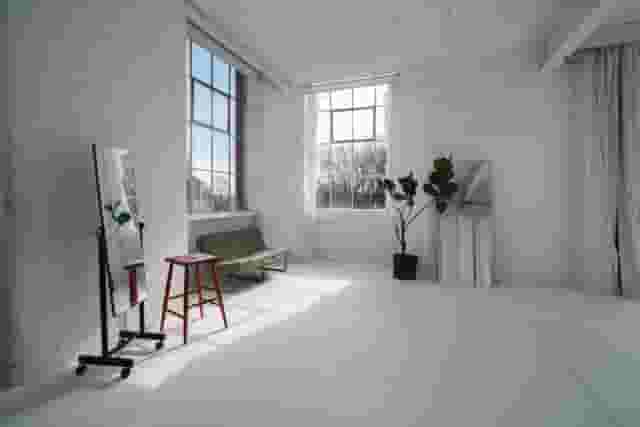


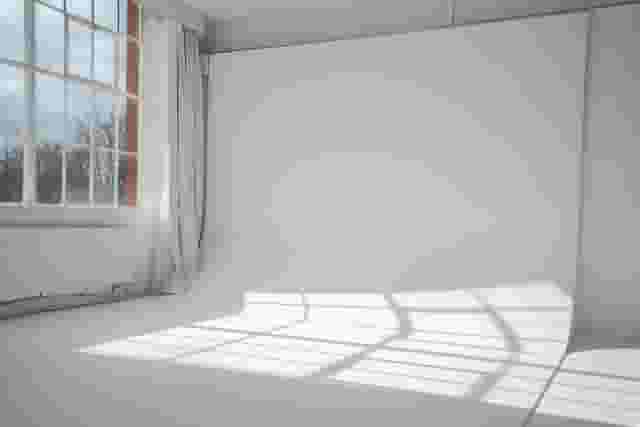


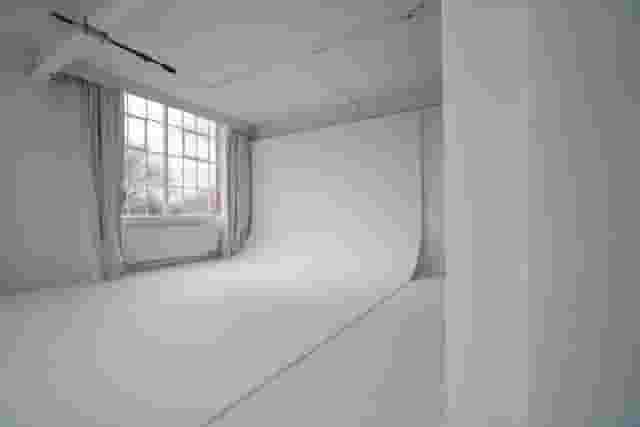









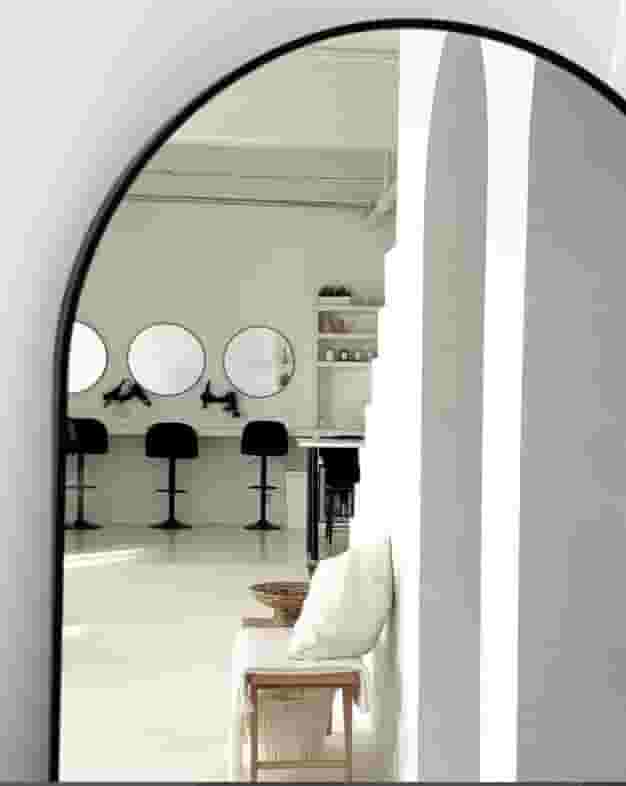



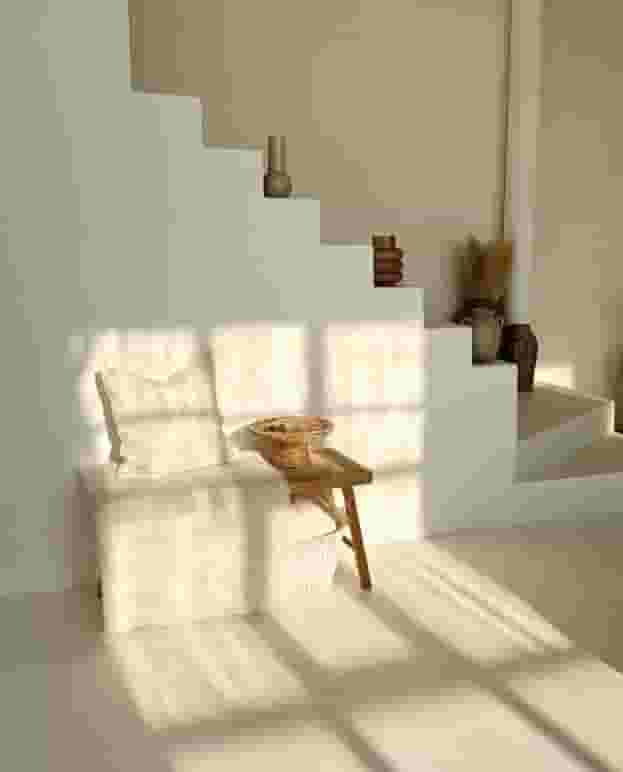
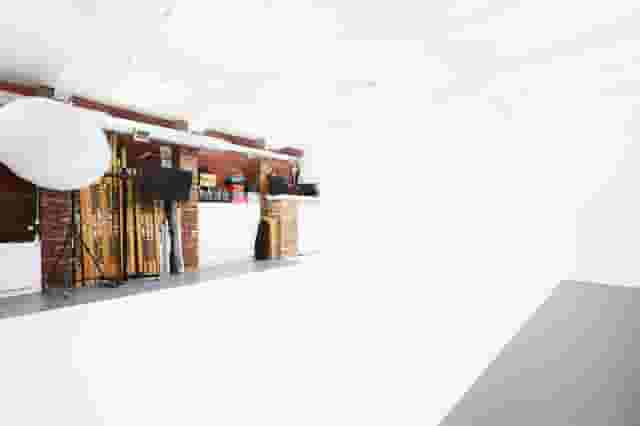












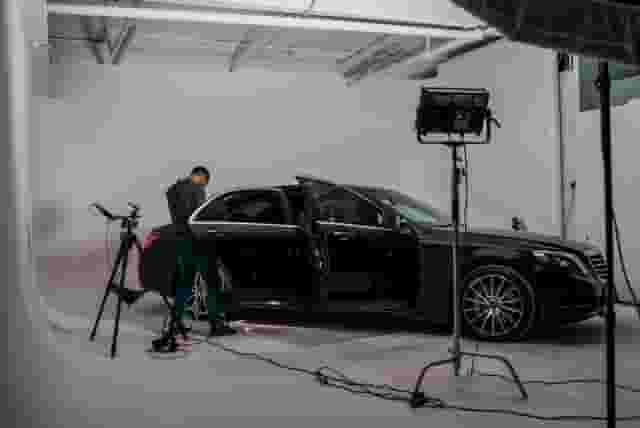
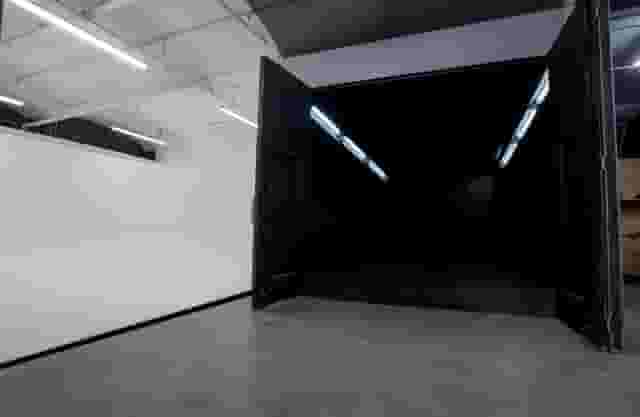

















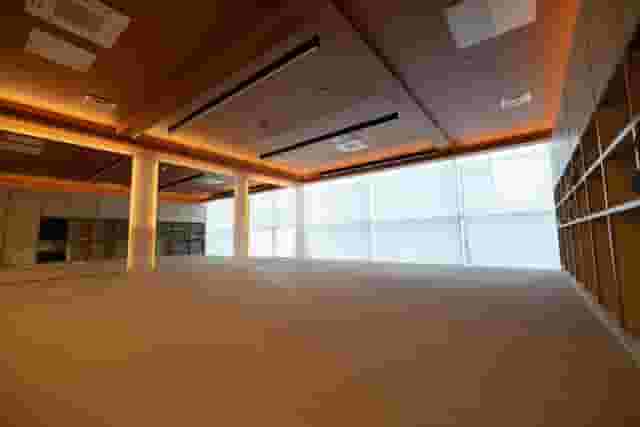
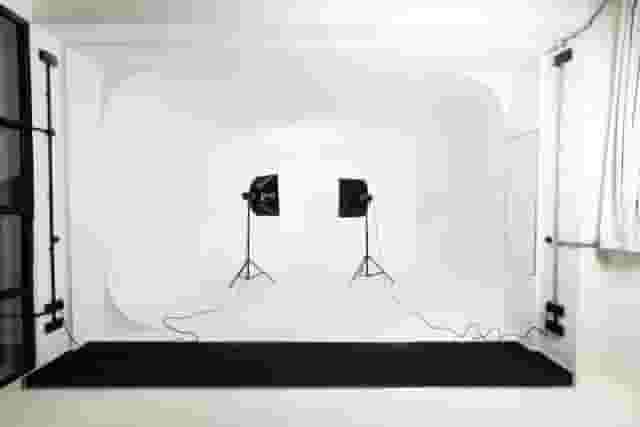
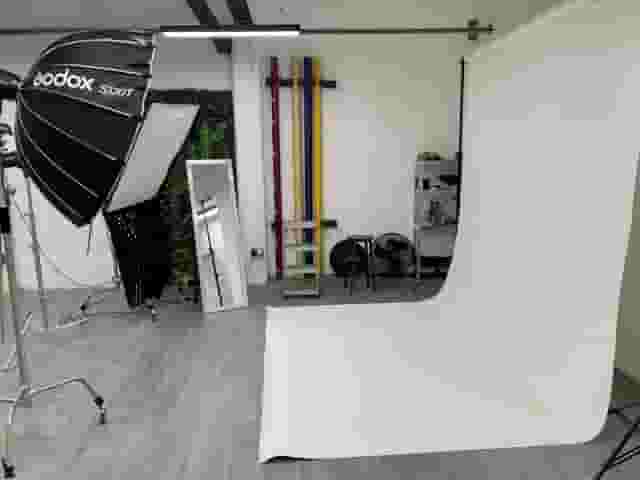
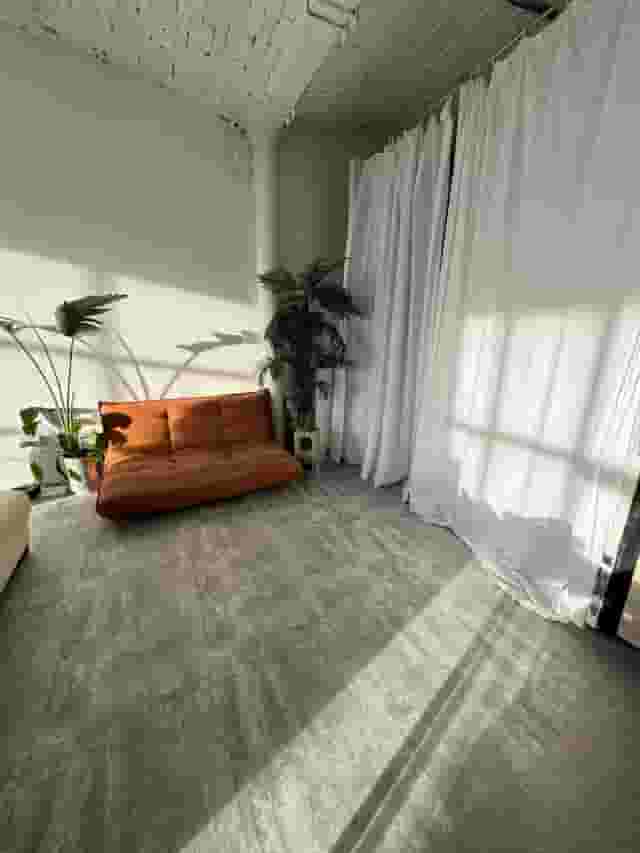
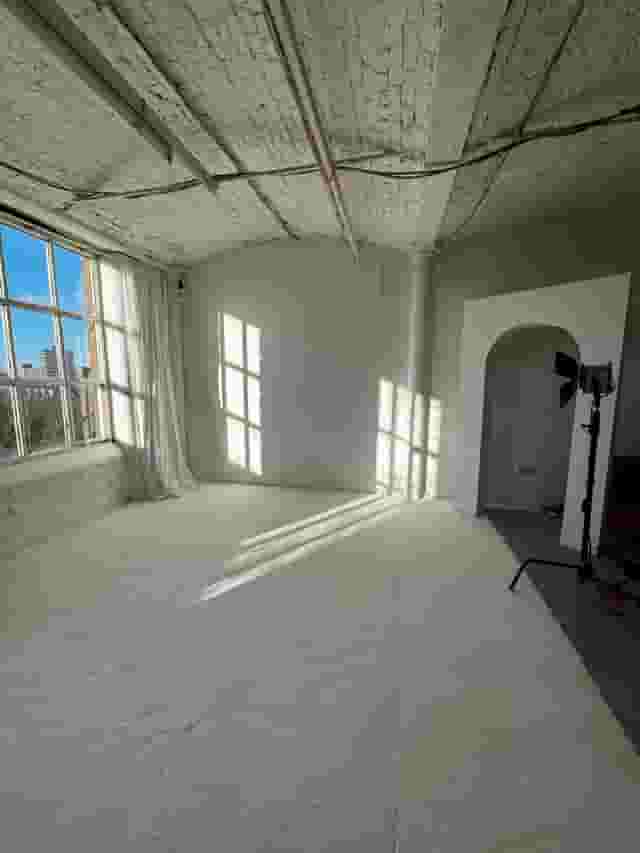
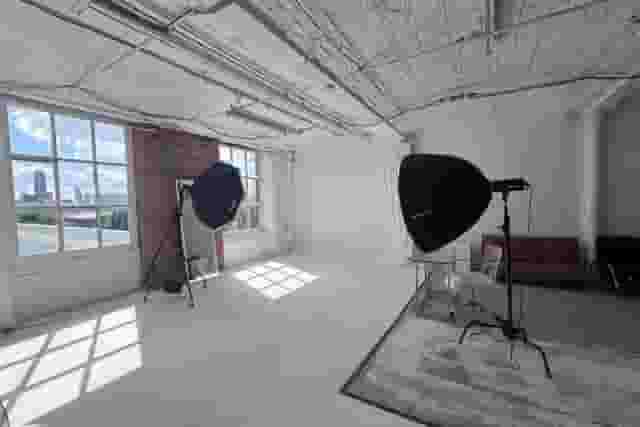




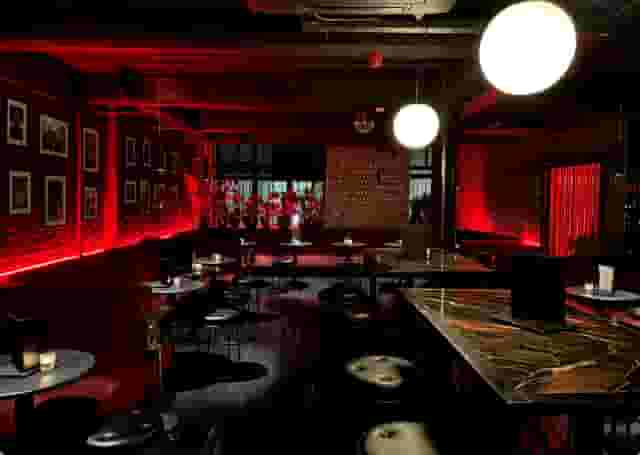
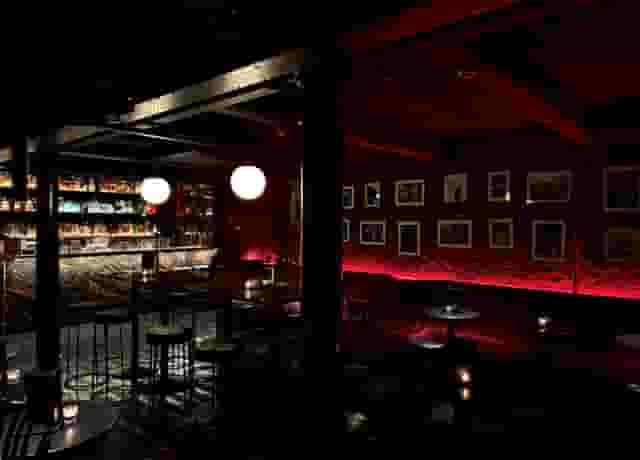
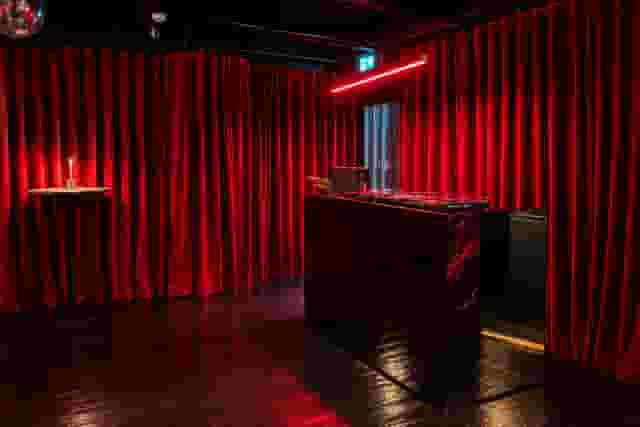



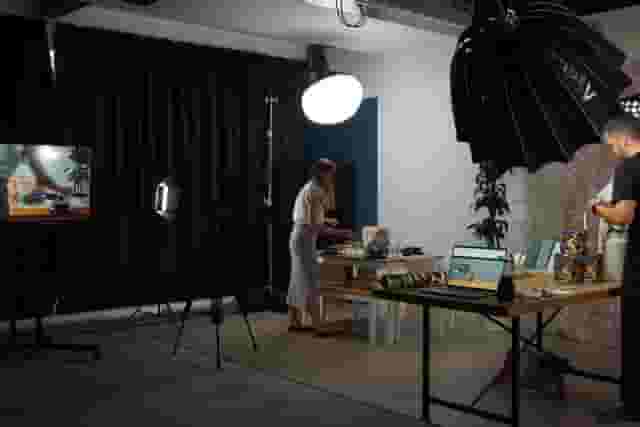
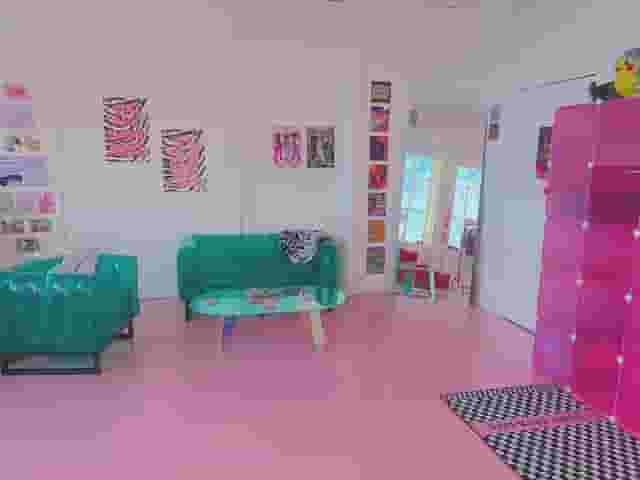
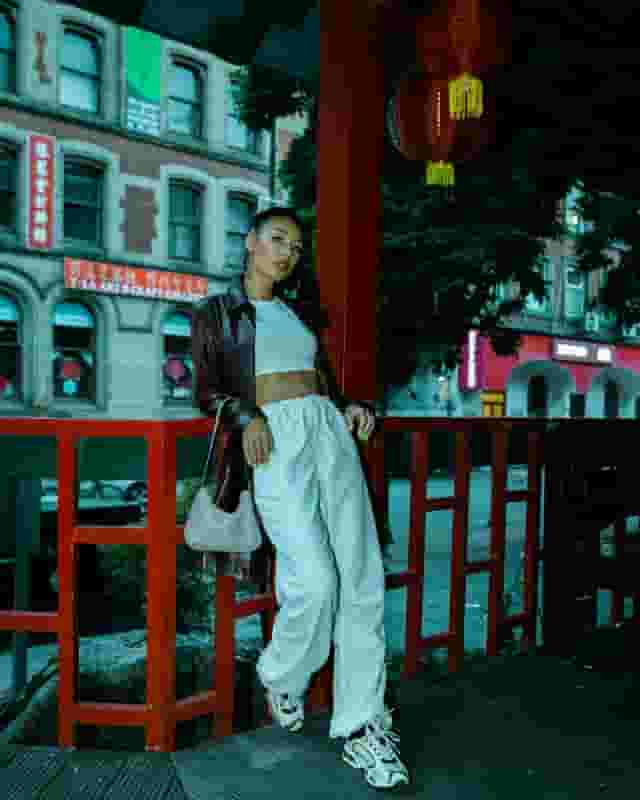
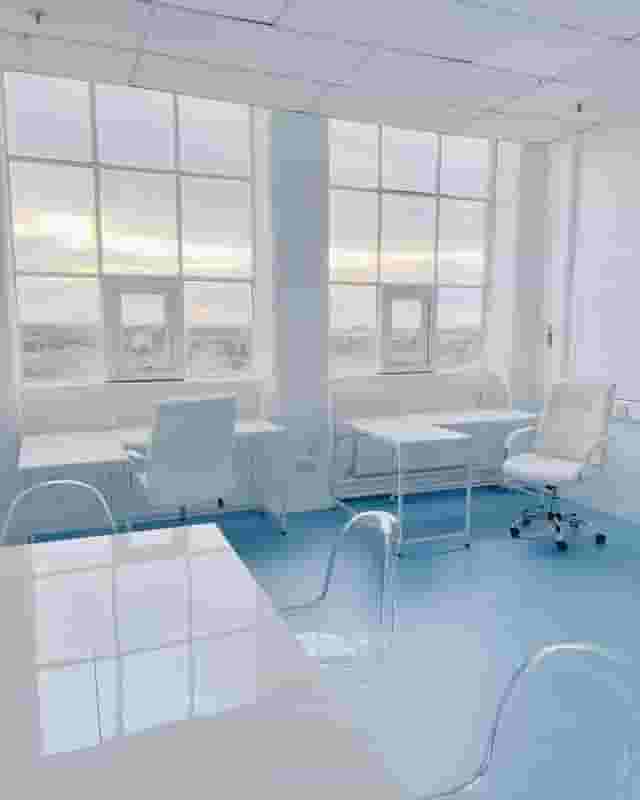



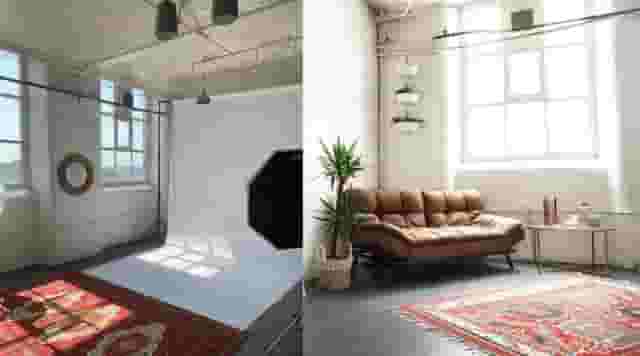
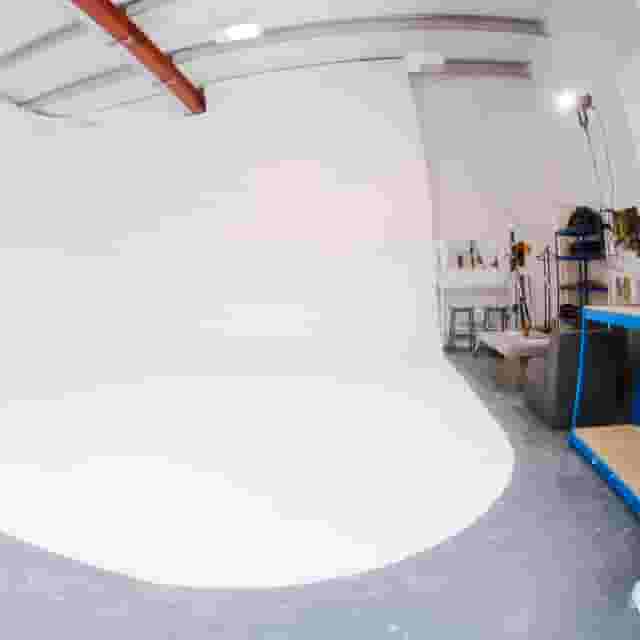
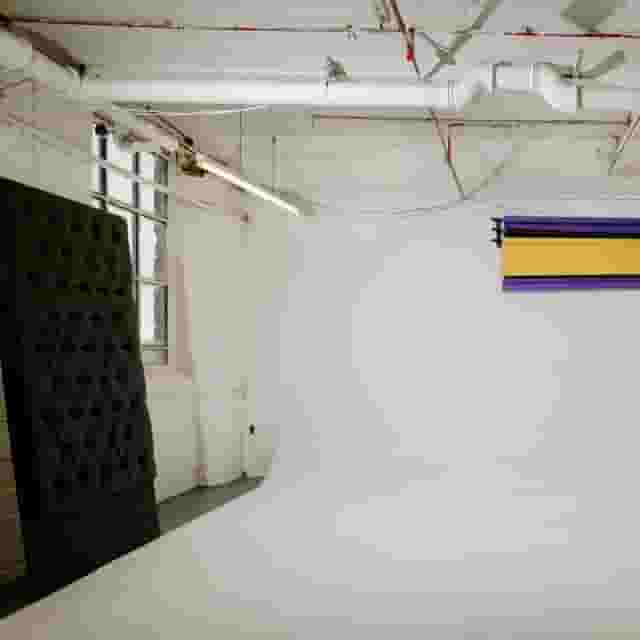
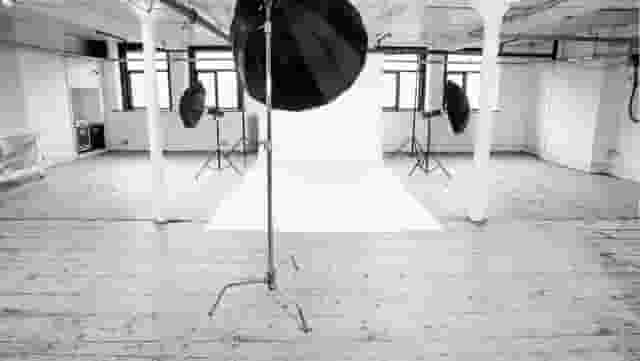






















No venues match these filters
Try widening your capacity, luxury level or event type.
Don't have time to search? We'll find it for you.
For business events that need human judgement, talk to our team. Free for events of 100+ people, budgets over £10k or ongoing programmes.




Explore more venues in Manchester


Frequently asked questions
What indoor spaces suit Manchester film shoots?
Are Manchester parks good for filming?
How to manage a film set in public areas?
Can I film in Manchester's historic buildings?
What are Manchester's filming location costs?
Other platforms search their database. We search everything.
Tell us what you need. Our deep research finds any venue, whether it's in our marketplace or not. No one else does this.
About Filming Locations in Manchester
Matching the venue style to a cultural evening
A cultural evening built around a private view, a seated talk and a drinks reception asks more from a room than a standard gathering. You are running three distinct modes in one night. Guests arrive wanting to browse work in good light, settle into rows or theatre clusters to hear a speaker clearly, and finish with a drink where conversation does not require shouting. When you look at film locations and studio spaces across Manchester, you quickly realise that spaces designed for cameras often solve these production demands better than conventional hospitality suites.
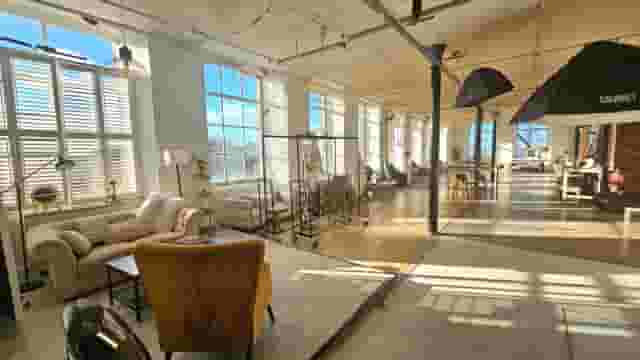
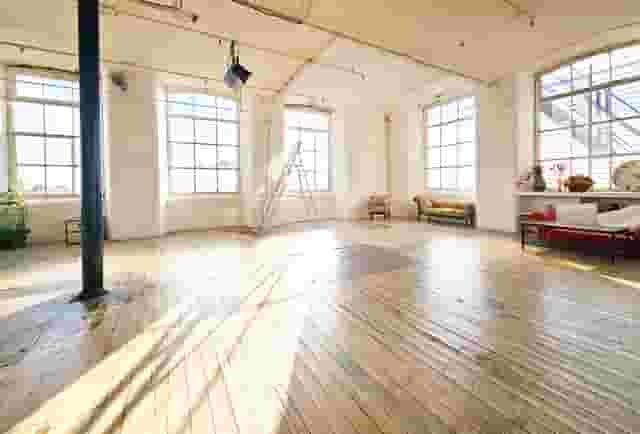
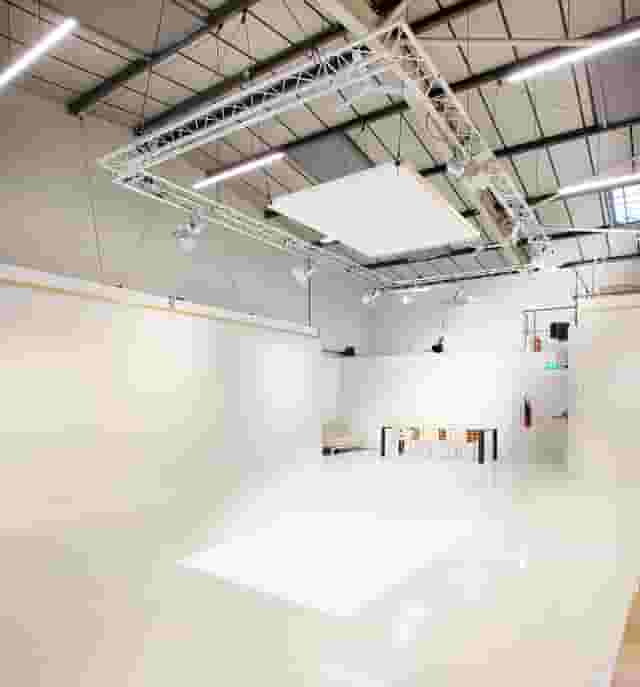
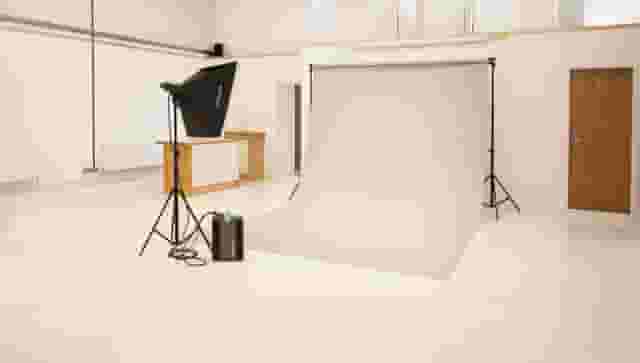
Film studios and converted industrial buildings give you absolute control over lighting, sound and staging. Manchester has a deep inventory of these spaces, ranging from repurposed cotton mills to purpose-built broadcast complexes. The right choice depends on the scale of your guest list and how raw or polished an aesthetic you want. If you are weighing up different styles, Hire Space is an event planning and venue booking platform with a team of real people beside it to handle your venue sourcing. You can use Deep Venue Research to search any venue across the city rather than just those on standard lists, going deeper than general AI tools to pinpoint spaces that match your staging needs. Shortlisting can be completed in minutes, saving days of waiting for individual studios to reply.
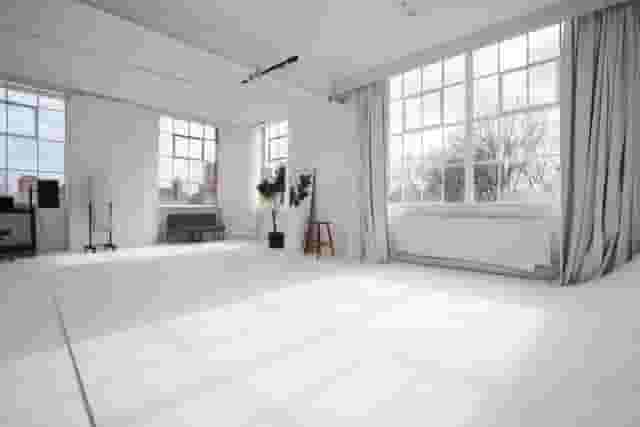
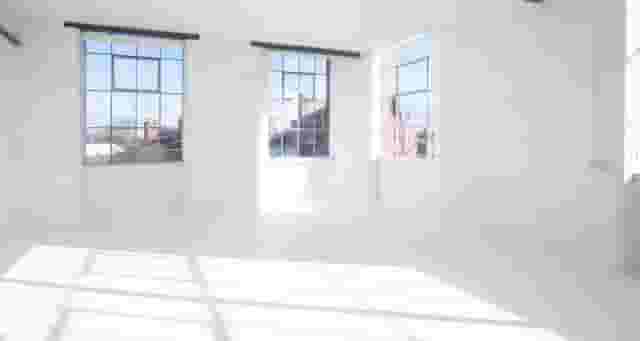
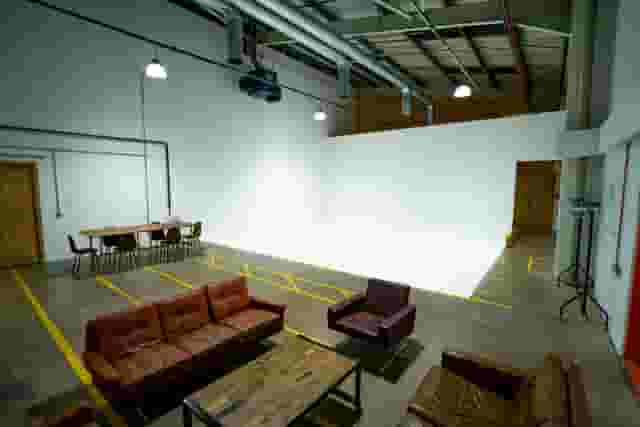
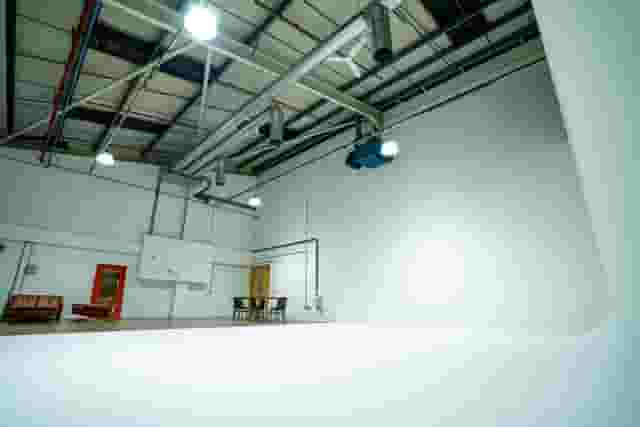
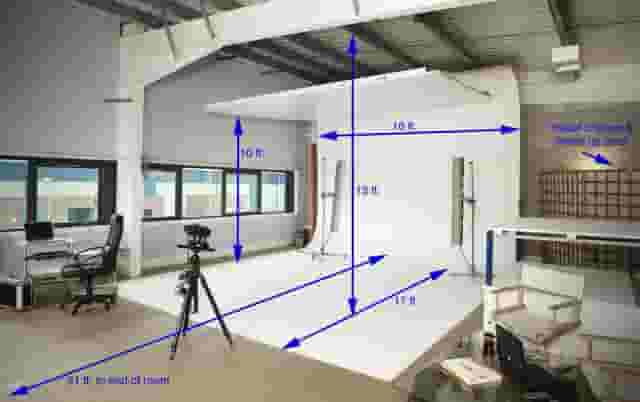
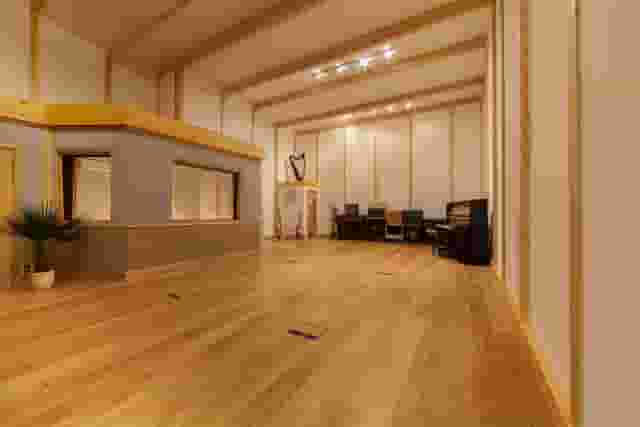
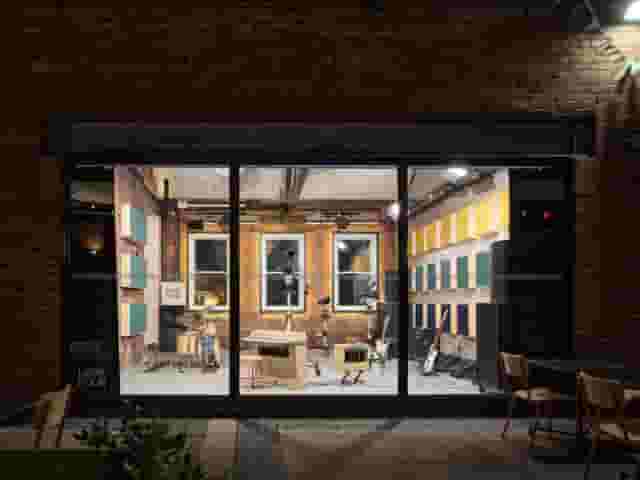
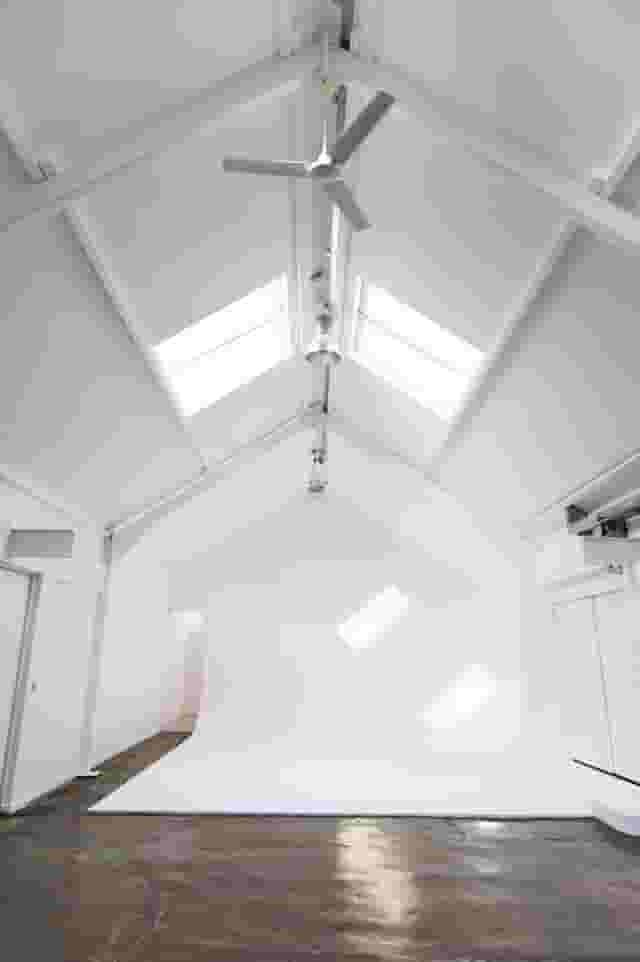
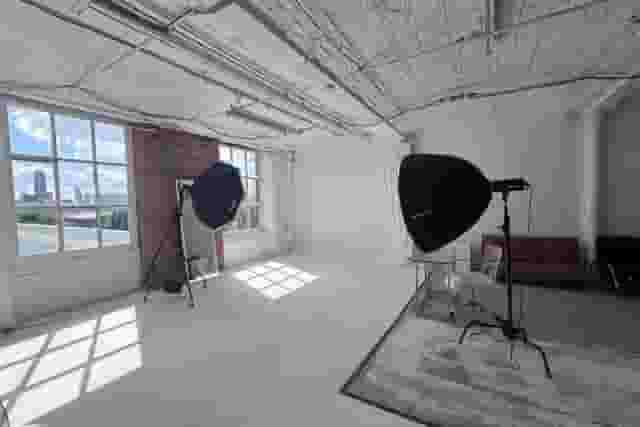
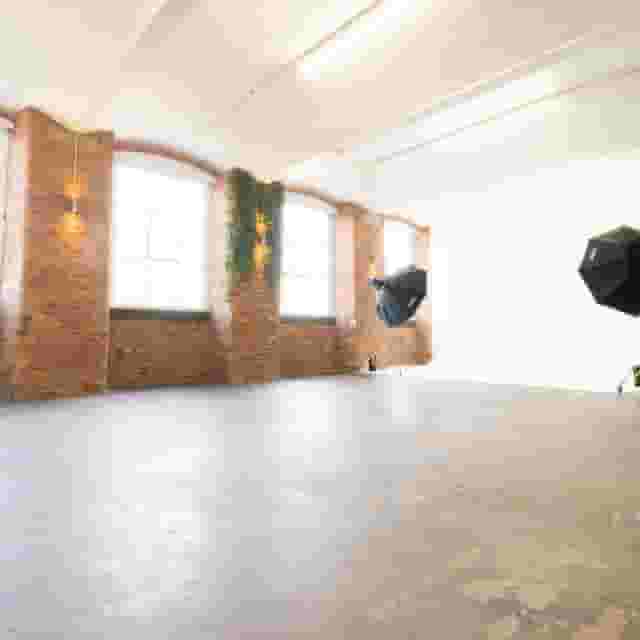
If your event brings together an intimate audience of up to 40 people for an exhibition preview and discussion, dedicated daylight photography spaces such as Studio 2 at Spectrum Studios in Ancoats offer street-level access and an immediate, gallery-like feel. For groups up to 100, spaces like the Mezzanine Studio at Big Shed provide generous floor plans and straightforward vehicle loading close to central Manchester, making it simple to bring in projection screens, temporary plinths or specialised uplighting.
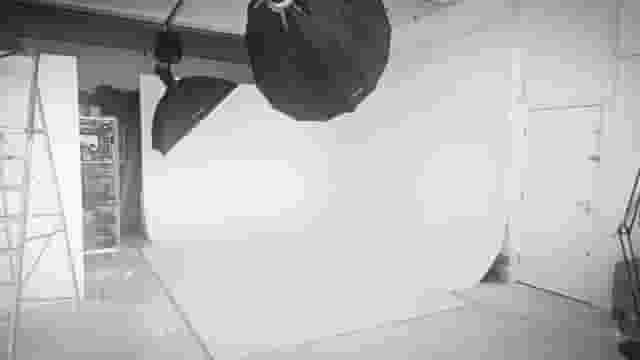
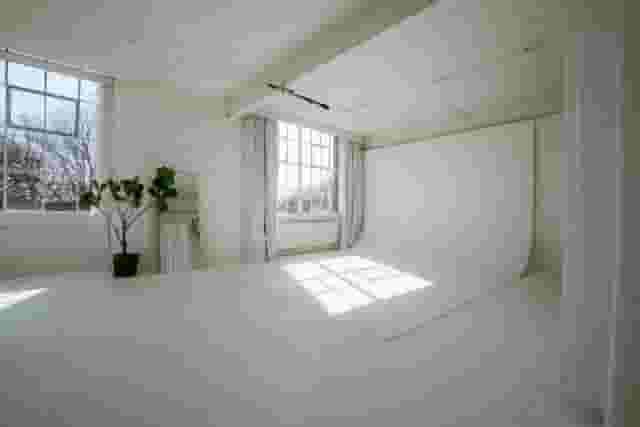
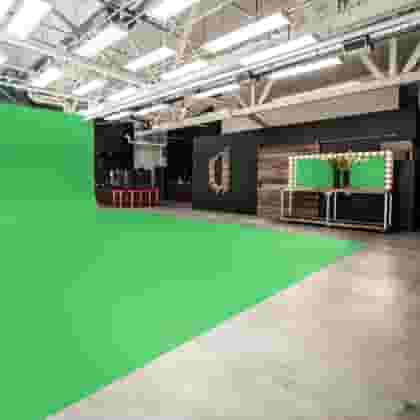
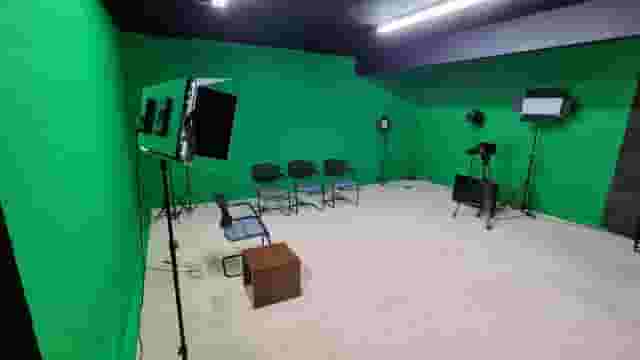
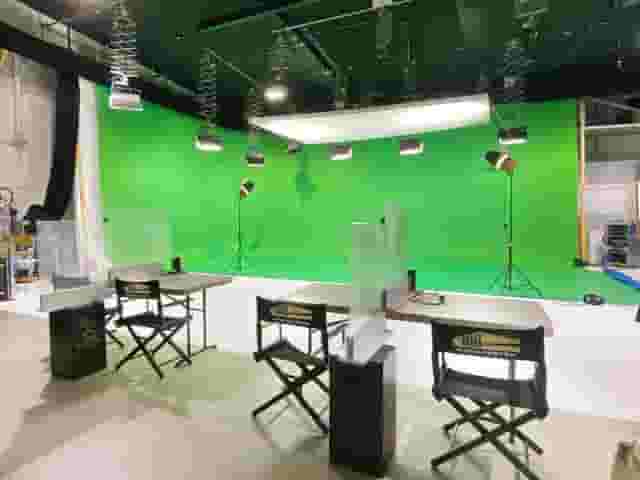
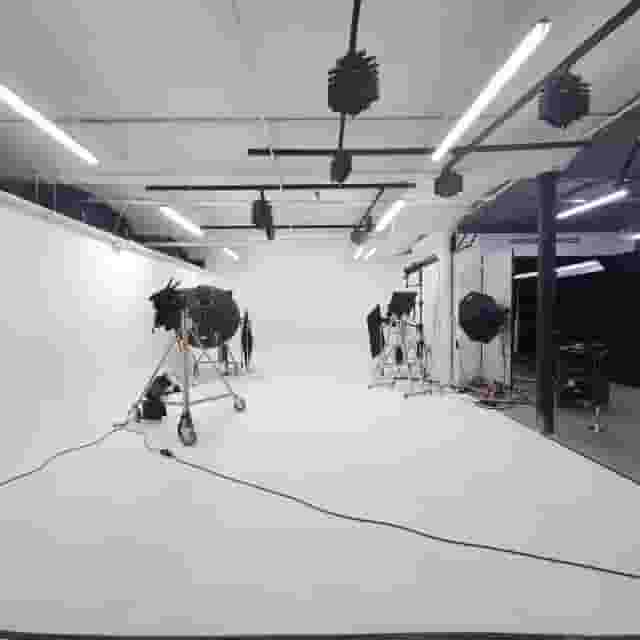
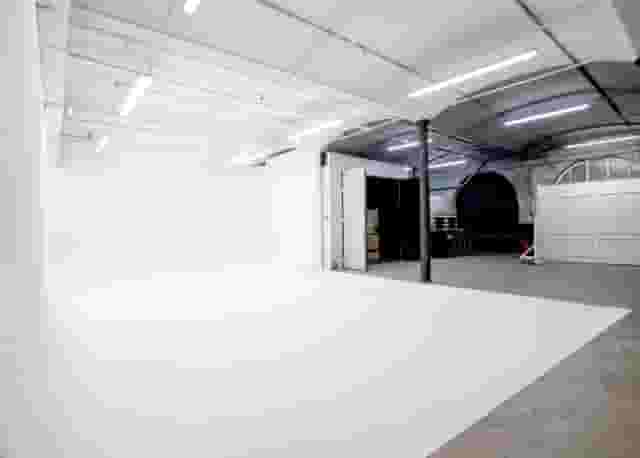
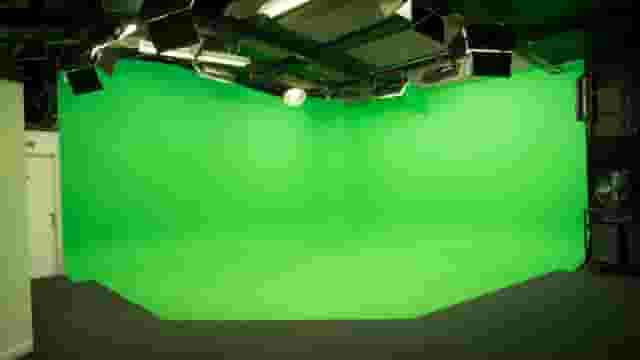
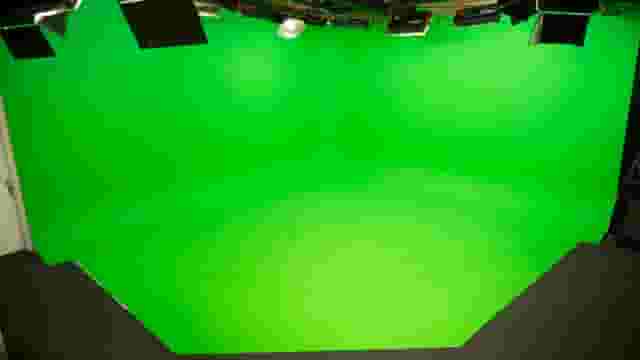
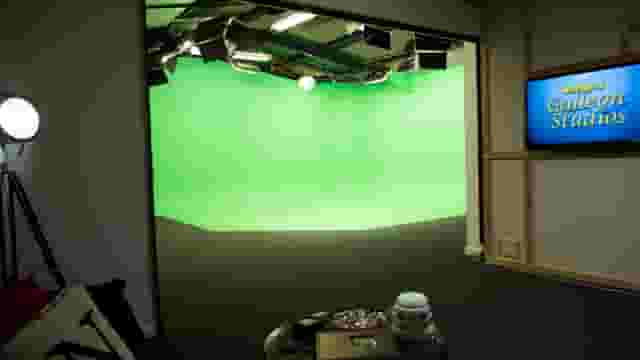
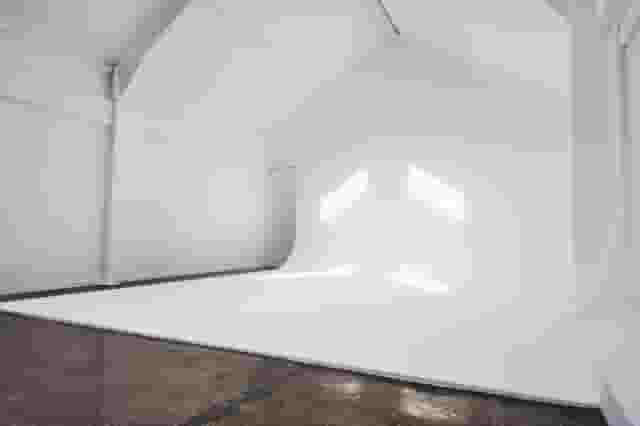
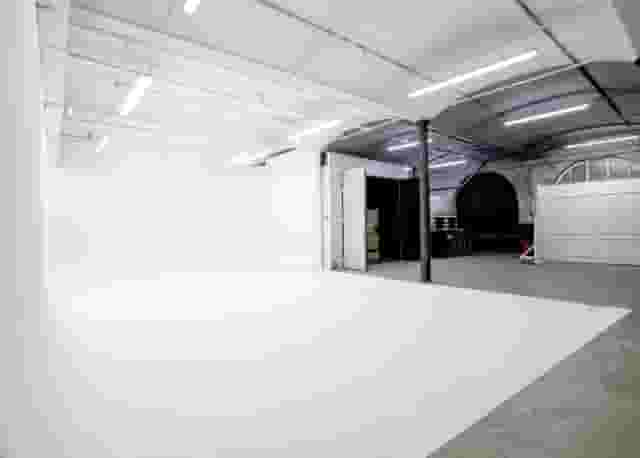
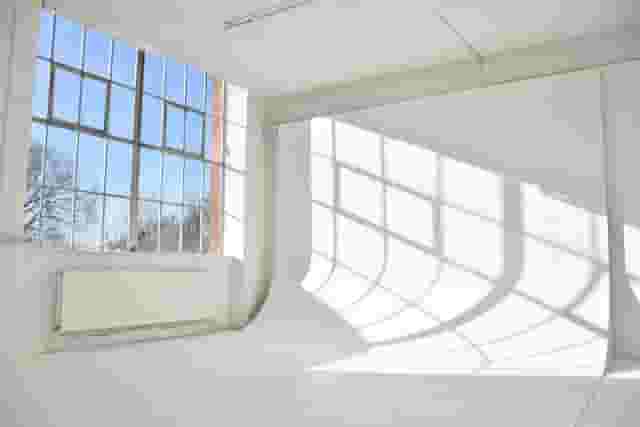
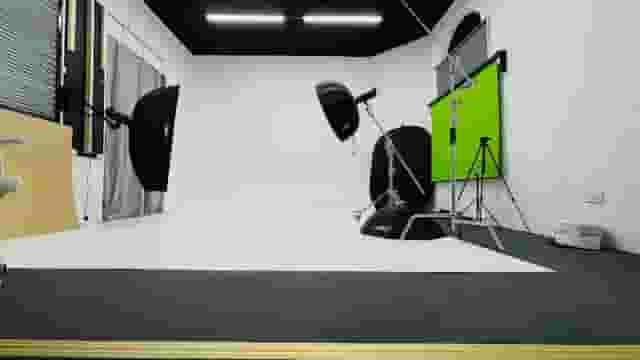
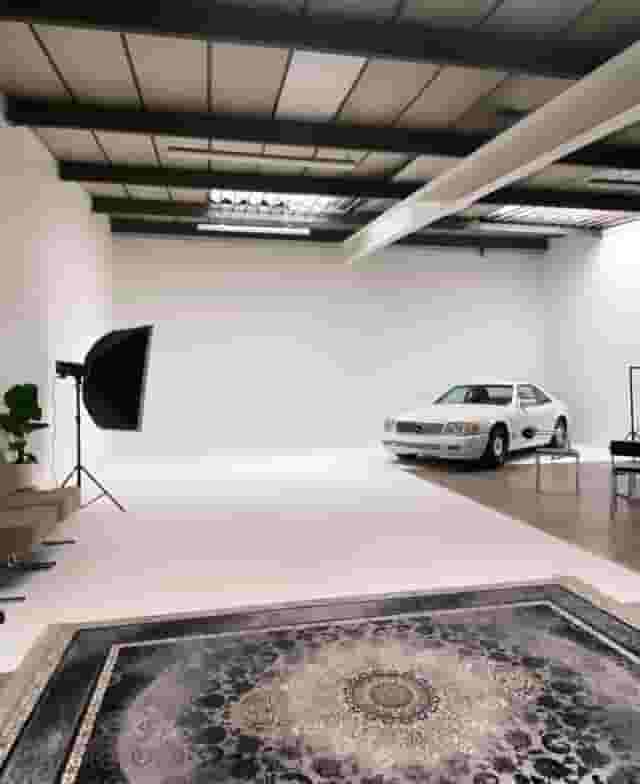
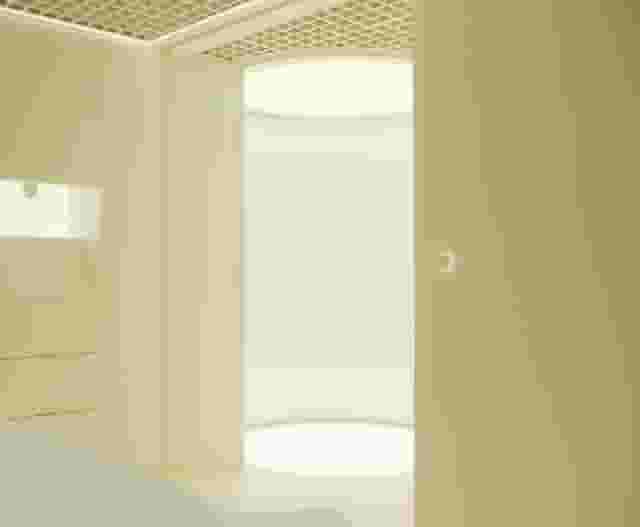
When you scale up to 200 guests, production hubs such as Green Screen Studios at The Sharp Project in east Manchester and Studio Two at [Un.titled] Studio near Media City come into play. Studio Two provides 1722 square feet of floor space with an infinity curve, giving you a clean visual backdrop for projecting digital work or setting up a presentation dais. Because these locations operate daily as working commercial shoot stages, they have high-load power supplies, three-phase outlets and high ceilings as standard.
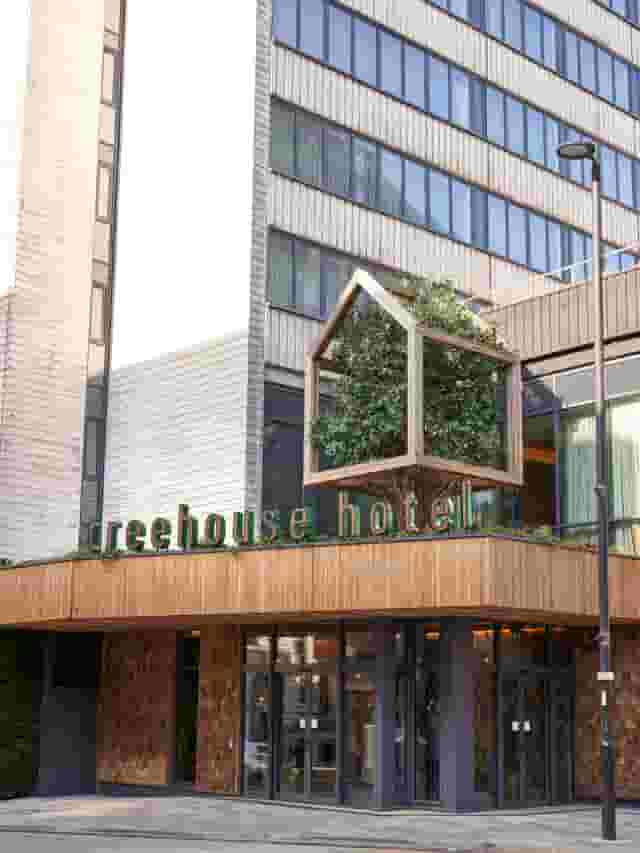
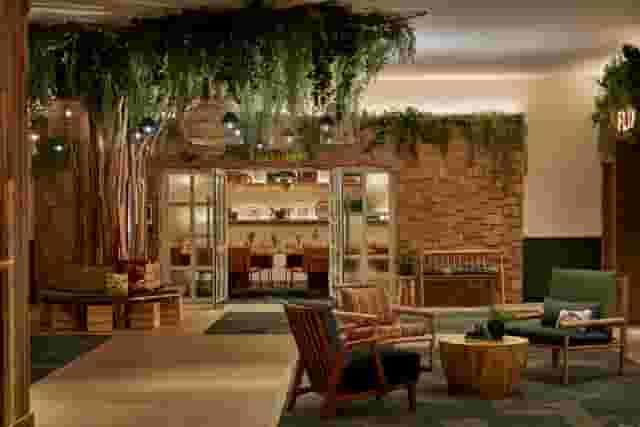
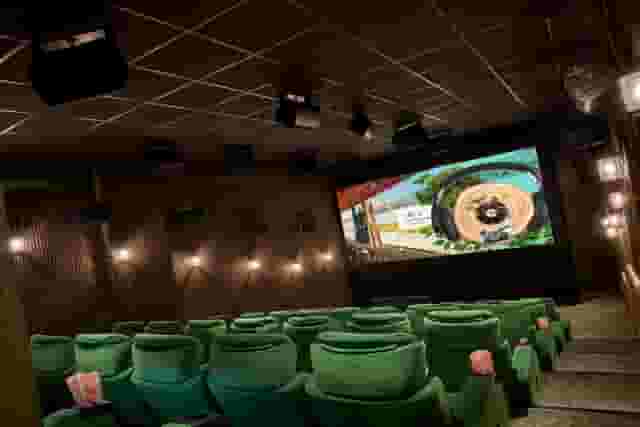
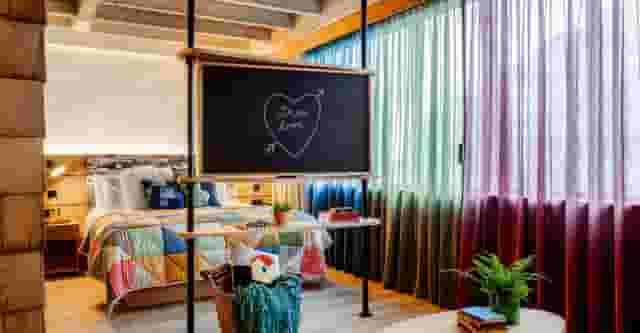
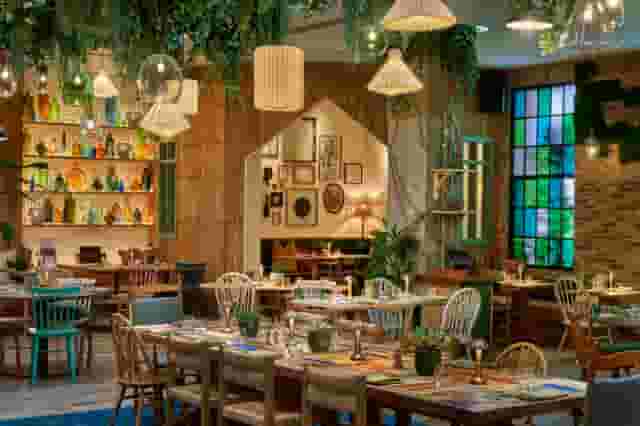
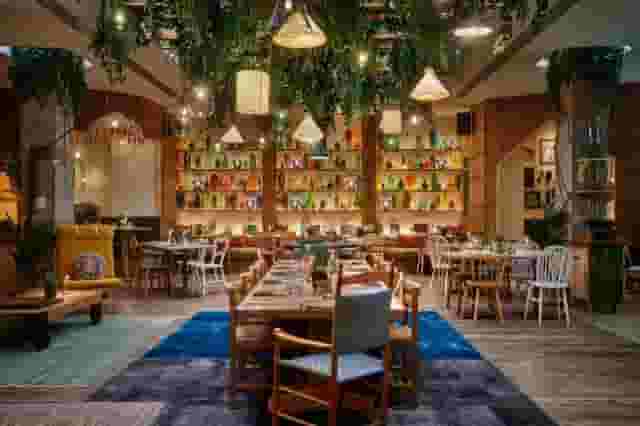
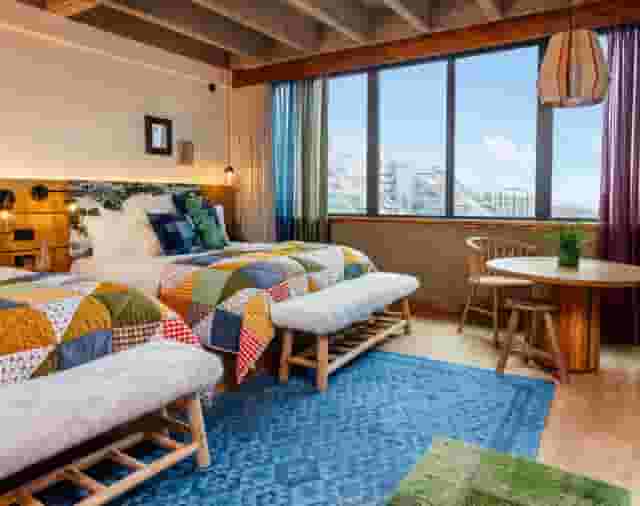
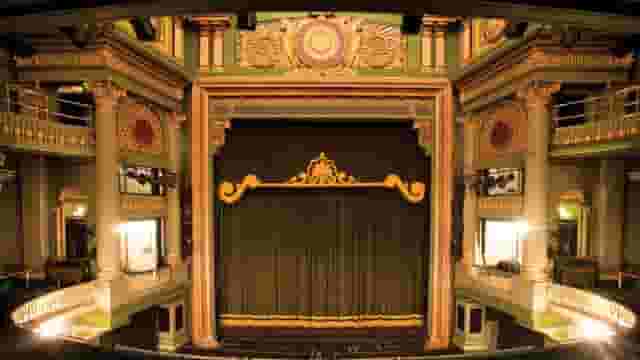
For cultural events that welcome hundreds or thousands of attendees, Manchester offers scale that few other UK cities can match. Treehouse Hotel Manchester in the Medieval Quarter accommodates receptions of up to 500 guests with an interior rich in local art and reclaimed materials, bridging hospitality and creative gallery aesthetics. For mid-tier to large audiences requiring formal auditorium acoustics, the Lyric Theatre at Lowry in Salford Quays seats up to 1730 guests with complete stage rigging and broadcast-ready production desks.
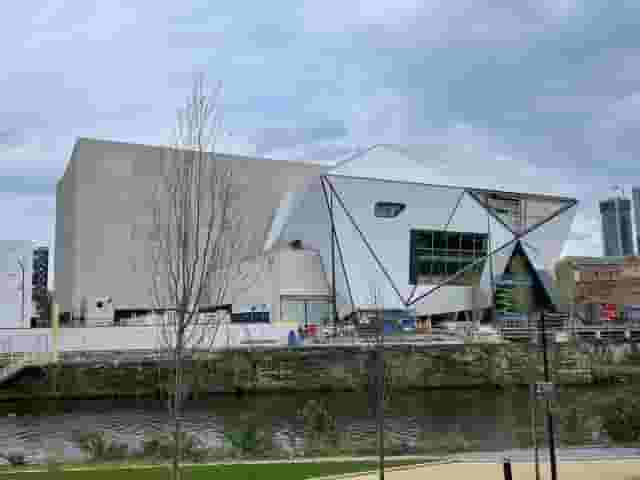
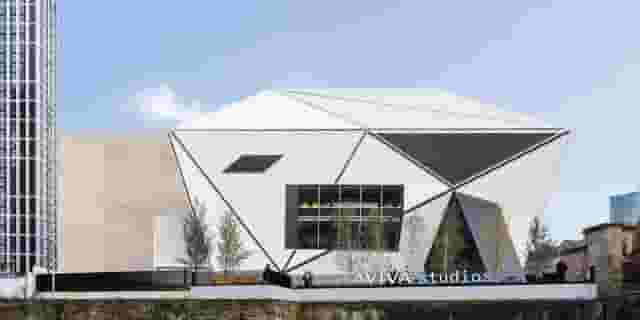
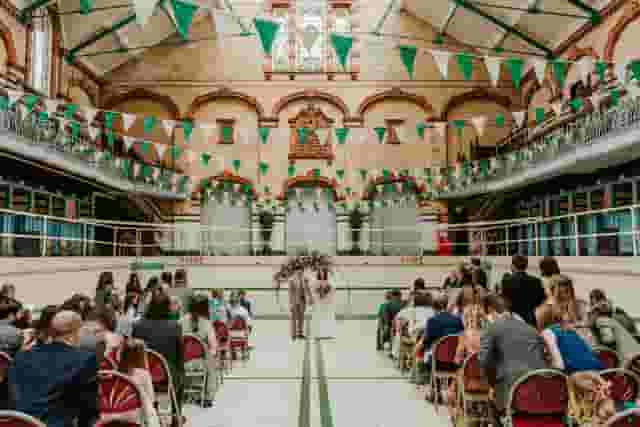
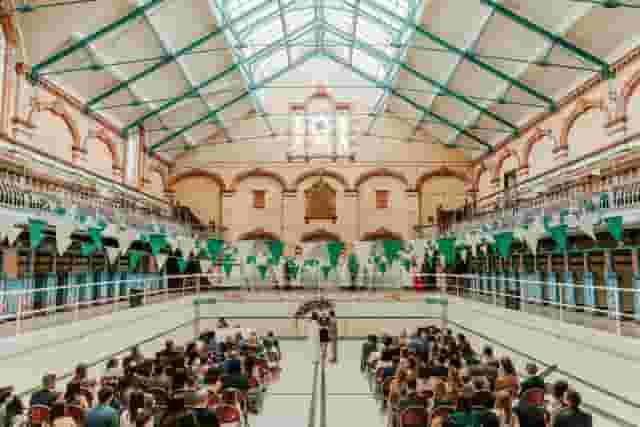
At the largest scale, industrial conversions such as The Cotton Sheds at Victoria Warehouse hold up to 3500 standing with brick and steel architecture, while the massive Warehouse at Aviva Studios handles receptions up to 5000 people under soaring industrial proportions.
| Venue | Locality | Capacity | Best suited for |
|---|---|---|---|
| Spectrum Studios (Studio 2) | Ancoats | 40 standing | Gallery viewings, boutique talks and small drink mixers |
| Big Shed (Mezzanine Studio) | Central Manchester | 100 standing | Screenings, equipment demonstrations and panel evenings |
| [Un.titled] Studio (Studio Two) | Media City | 200 standing | Art projections, visual lectures and hybrid broadcast events |
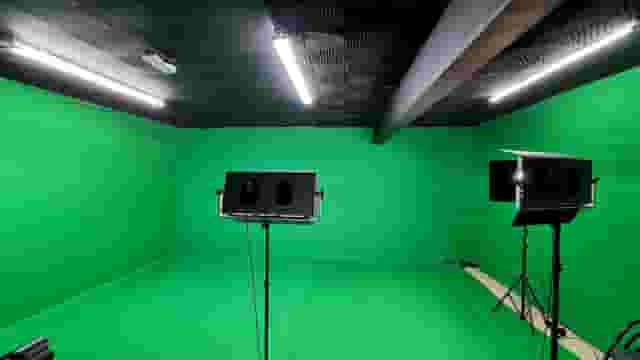
| The Sharp Project (Green Screen Studios) | East Manchester | 200 standing | Digital showcases, creative tech talks and informal receptions |
| Treehouse Hotel Manchester | Medieval Quarter | 500 reception | Design-led private views, networking and drinks |
| Lowry (Lyric Theatre) | Salford Quays | 1730 theatre | Keynote cultural lectures, film premieres and panel discussions |
| Victoria Warehouse (The Cotton Sheds) | Old Trafford | 3500 standing | Large-scale art installations and experiential exhibitions |
| Aviva Studios (Warehouse) | Central Manchester | 5000 reception | Monumental exhibitions, cultural summits and major launch evenings |
Setting the running order: private view, talk and drinks
A three-part evening fails when guests feel shuttled awkwardly between conflicting setups. The transition between browsing an exhibit, listening quietly to a speaker and mingling with a glass of wine requires deliberate zoning or a disciplined room turnaround.
Option one: zoned single-room layout
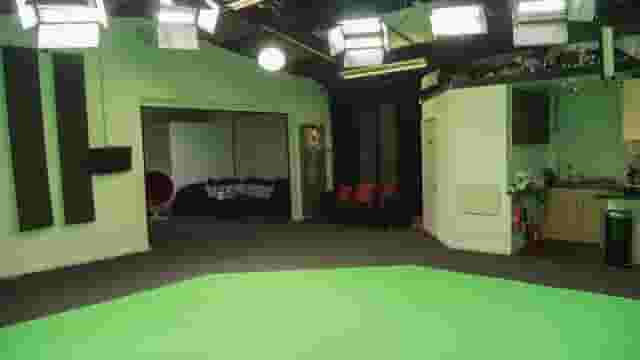
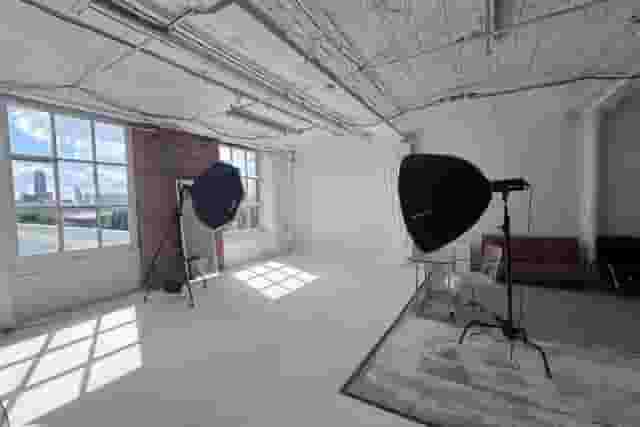
In a wide studio floor, such as the open layouts found in converted photographic warehouses, you can divide the floor into three distinct zones using lighting and temporary staging. One flank holds the display easels, plinths or hanging prints under focused spotlights. The centre or far end holds raked or flat rows of lightweight chairs facing a low riser with lectern and radio microphones. The third area, situated near the entrance or service doors, holds the bar tables and catering stations.
During the first 45 minutes, keep the house lights up on the viewing zone and bar while leaving the presentation stage in gentle shadow. When it is time for the talk, dim the gallery track lights, bring up warm wash lighting on the speaker and direct guests to take their seats. Keeping the bar closed during the talk prevents ice scoops and glassware clatter from interfering with your audio recording or audience focus.
Option two: two-space flow
If your guest count is over 150, holding the entire night in a single open room can create logistical friction. Catering staff need to clear empty glasses and prep trays of wine while your speaker is presenting. In larger production venues, placing the talk in an acoustically isolated room and holding the reception and exhibition in an adjoining studio keeps each phase distinct.
Venues with dedicated auditorium spaces or separate break-out rooms simplify this process. Guests view the installation in a reception foyer or daylight studio, walk into a blackout studio or theatre for 40 minutes of presentation, and emerge back into the main room where the bar is fully staffed and food service is underway.
Reviewing technical guidelines in resources like this piece on 360° film and photography helps you plan camera angles, guest flow and equipment footprints before locking in your floor plan.
Managing production, sightlines and live audio
Shooting video content during a live private view while delivering a public lecture creates competing technical demands. A space that looks dramatic through a camera lens might have a seven-second acoustic reverberation that turns spoken words into an unintelligible wash.
Acoustic treatment and echo
Sound stages and purpose-built film studios feature acoustic damping, insulated walls and bass trapping. That acoustic dryness is an asset for a panel talk. Your audio technician will not have to fight slap-back echo, and recordings from lapel microphones will sound crisp and clear.
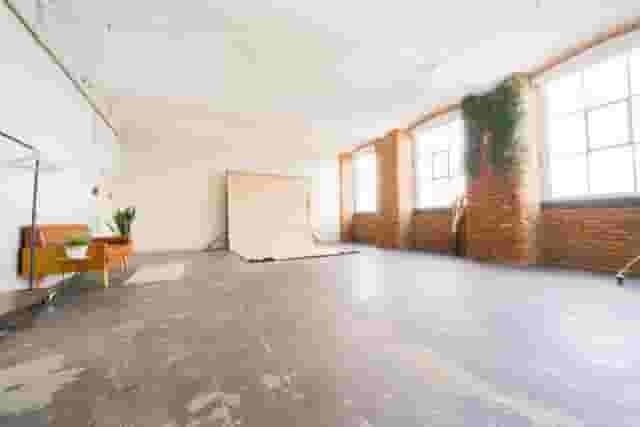
Raw industrial warehouses with bare brick, unplastered concrete and exposed steel present the opposite challenge. If you hire a venue with hard reflective surfaces, bring in pipe-and-drape velvet curtains along dead walls, lay carpet runners down the central aisles, and position directional PA speakers every five to eight metres rather than blasting sound from two large front-of-house speakers. Keeping speaker volume moderate and distributing sound evenly keeps the room intimate and stops sound waves bouncing off corrugated ceilings.
Camera placements and audience sightlines
When filming the talk, camera operators need clear sightlines that do not block the view of seated guests.
- Position fixed wide-angle cameras on risers at the back of the seating block, elevated at least 30 centimetres above standing head height.
- Place close-up roving cameras on the outer aisles, keeping the central line of sight open for attendees in the middle rows.
- Run heavy-duty rubber cable ramps over every run of audio and power cabling. Tripping over an SDI cable cuts your video feed and creates a severe safety hazard in low-lit rooms.
- Keep gallery lighting at a minimum colour rendering index of 90 so exhibited artwork looks true to life on both digital sensors and to the naked eye.
- For practical advice on coordinating production teams inside commercial shoot spaces, read our guide on filming and photography with Hire Space.
Location hire fees and production budgeting
Budgeting for a film location differs from booking a hotel conference room. Many photography studios and film stages operate on dry-hire day rates. This means the fee buys you the empty room, baseline power and access to standard bathroom facilities. You are responsible for hiring furniture, bringing in caterers, securing AV equipment and paying for waste removal.
Across the wider UK location-agency market, typical day rates for film and media spaces fall into distinct brackets based on the scale of production and disruption involved:
- commercial or advertising shoot: £1,500 to £8,000 per day (Indicative UK location-agency range; varies with property, production scale, crew size, disruption and shoot duration)
- branded content or corporate film: £1,500 to £6,000 per day (Indicative UK location-agency range; varies with property type, crew size, usage, hours and production budget)
- high-end television drama: £3,000 to £10,000 per day (Indicative UK location-agency range; larger crews, exclusivity, technical requirements and disruption can increase the fee)
- feature film: £4,000 to £15,000 per day (Indicative UK location-agency range; varies substantially with scale, location prominence, access, duration and production requirements)
When adapting these spaces for an evening event with guests, several supplementary costs will appear on your venue ledger:
| Budget Line Item | What to Clarify Before Signing |
|---|---|
| Overtime access hours | Standard shoot days run 08:00 to 18:00. Evening events require out-of-hours staffing to midnight. |
| Three-phase power hookup | Some studios charge electricity metered per kilowatt hour used. |
| Waste and refuse disposal | Dry-hire studios often mandate off-site rubbish removal by you. |
| Security and front-of-house staff | Required by licensing to manage guest check-in and emergency exits |
| Cleaning and reinstatement fee | Deep cleaning after catering and drinks receptions is mandatory. |
Always ask the location manager whether the quoted hire fee includes setup and de-rig access. If your exhibition requires complex hanging systems, lighting rigs and sound checks, you may need access from 10:00 for an event that begins at 18:30. Ensure that load-out time after guests leave is factored into your contracted hours so you avoid penalty rates.
Access, transport and neighbourhood curfews
Film locations in Manchester cluster across specific commercial and industrial zones: Ancoats, Media City, Salford, Stockport and Ardwick. Each area has distinct logistical strengths and constraints.
Ancoats and central Manchester venues benefit from proximity to Manchester Piccadilly and Victoria rail stations, alongside dense tram links. However, parking is tightly restricted and access roads can be narrow. For studios in central spots, schedule deliveries in staggered 30-minute windows. A courier unloading exhibition display plinths must not block a catering van delivering glassware.
Venues located further out, such as facilities around Media City or industrial parks in Stockport, offer generous drive-in access, roller shutters and on-site parking bays. This makes loading flight cases and heavy audiovisual equipment far easier. The trade-off is guest transit. Provide explicit walking routes from the nearest Metrolink stop, or supply private taxi booking codes to ensure attendees reach the venue comfortably in wet weather.
Check the venue licence for curfews. Many residential regeneration zones in Manchester enforce strict noise curfews:
- Music and PA systems must often shut down by 23:00.
- Outdoor courtyard access may close to drinks by 22:00 to prevent disturbance to neighbouring apartments.
- Caterers and production crews packing down equipment must finish within contracted loading hours without running loud tail-lifts past midnight.
Working with heritage buildings and filming permissions
Manchester has an exceptional architectural heritage, and many of its finest shoot locations reside inside listed 19th-century cotton mills and municipal civic halls. Hosting an evening event in a listed building demands extra care.
Historic status does not stop you hosting an event or filming a talk, but it does alter what you can touch. You will not be permitted to screw fixings into brickwork, tape gaffer tape to delicate timber floors, or suspend heavy rigging from untested beams. Always ask the building owner for their specific protective rules:
- All temporary wall partitions and display plinths must be free-standing and weighted with sandbags.
- Floor protection mats must be laid across historic floorboards during equipment load-in.
- Cable runs must be routed neatly along perimeter skirts using approved non-residue tape.
- Catering teams must use induction or electric heating equipment only, as naked flames and bottled gas are prohibited inside historic properties.
If your cultural event spills beyond the venue walls, or if you plan to film exterior arrivals, shoot street b-roll or park outside broadcast production trucks on the public highway, you will need to engage with Screen Manchester. Screen Manchester manages filming permits across council property and public roads throughout the city.
Allow at least two to three weeks of lead time if you require parking bay suspensions, traffic management, or permits to film on pavements outside the building. You must hold valid public liability insurance, submit an activity risk assessment, and agree to restore all council land to its original condition once production wraps. Taking care of these civic details early ensures your evening runs smoothly from the first guest arrival to the final equipment packdown.
What our customers say
Inspiration and planning guides

The Top 5 Photography & Filming Venues In London
It wasn't that long ago that we featured a blog on photography studios but with so many great venues joining the Hire Space stable, we knew that it was time to send James Roche out again to preview five more marvellous film and photography spaces available for hire in London! First Option Studio With a Welsh slate entrance and custom built French doors, one could never accuse this split-level studio space of being culturally exclusive. And whether you're filming a Bollywood blockbuster,

Unique Venue of the Month: Motel
Under a Victorian railway arch, just steps from Kingsland Road, lies a studio [https://hirespace.com/Spaces/London/85467/MOTEL/Whole-Venue/Events] that's the brainchild of famed photographer and filmmaker John Wright, who's worked with such big-name clients as Vanity Fair, Louis Vuitton and Sky Arts, and captured the biggest pop cultural names on camera including Rihanna, Paul McCartney and Arnold Schwarzenegger. GQ Britain's James Mullinger called the space the "best photographer's studio in Lo

Venue Review: Anomalous Space
Creative ventures across the artistic spectrum are accommodated and embraced at Anomalous Space [https://hirespace.com/Venues/London/1551/Anomalous-Space], situated stunningly close to Angel Station on Pentonville Road. The venue's name captures its uniqueness, in that it deviates from the standard, unoriginal function space that's all too common. Anomalous Space combines the most contemporary of technological facilities with Art-Deco features, all set within an authentic Georgian townhouse.
One supplier. Every venue. Full visibility on what you spend.
Multiple venues and events. One agreement.