Private Dining Rooms for Hire in Deansgate
Plan a corporate dinner in Deansgate with transparent pricing, enclosed private rooms and verified menus for teams and clients.
28 Private Dining Rooms for Hire in Deansgate


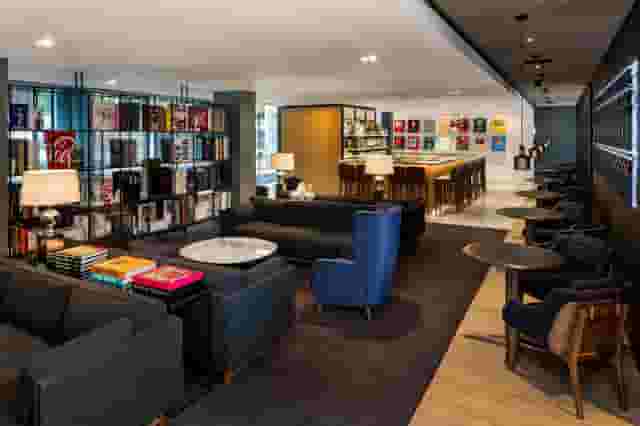
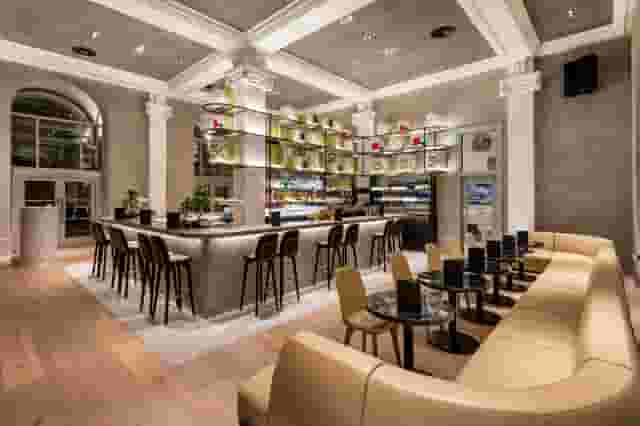
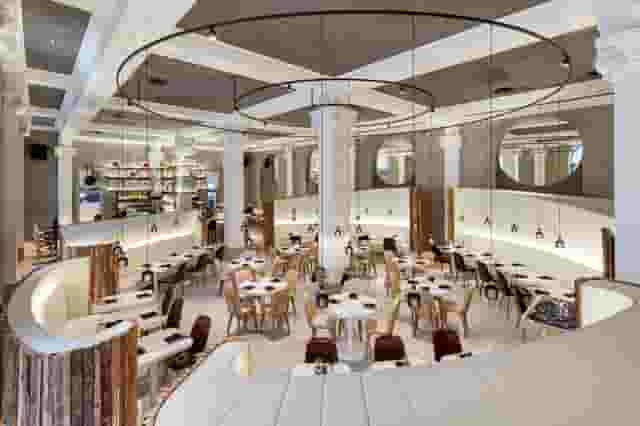
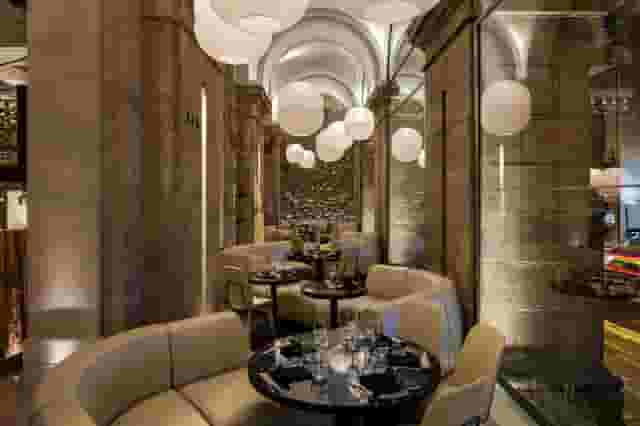
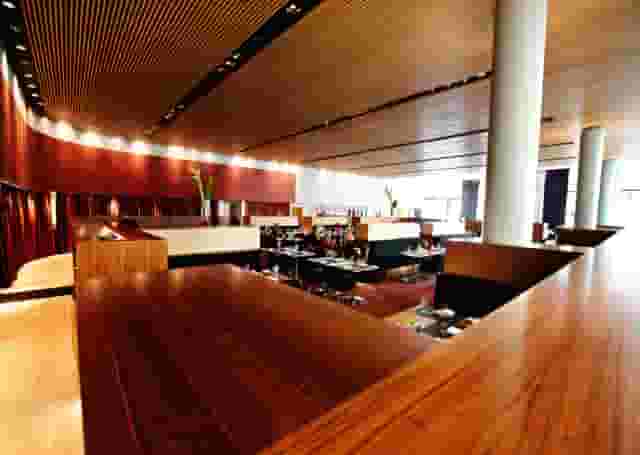
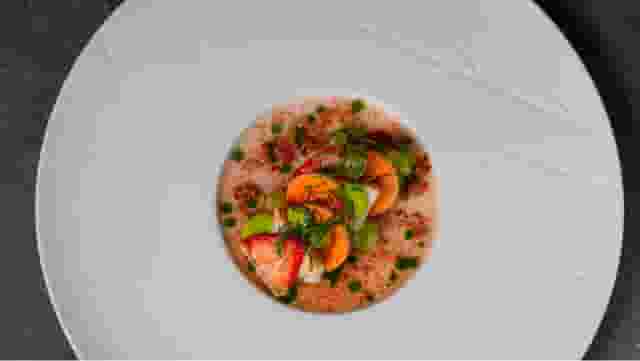

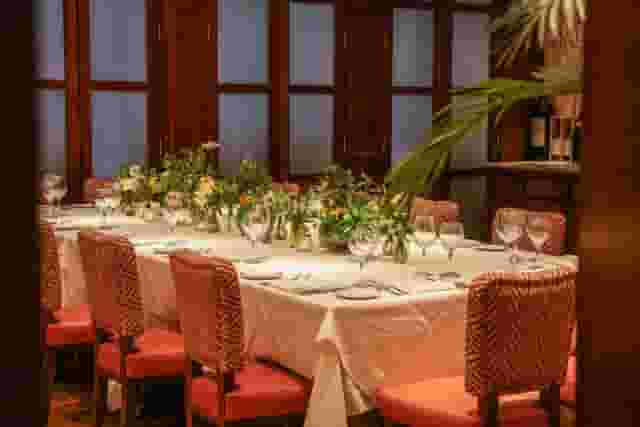
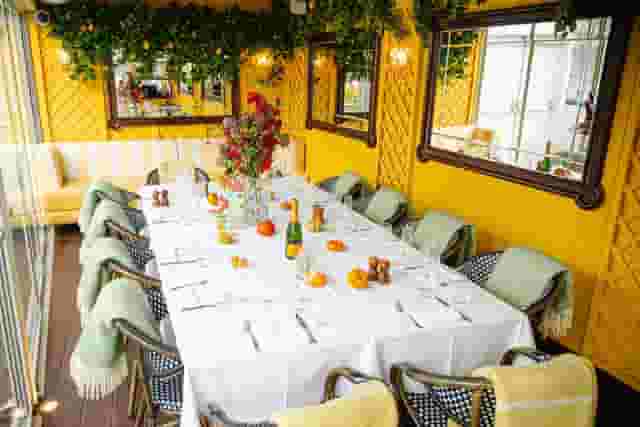
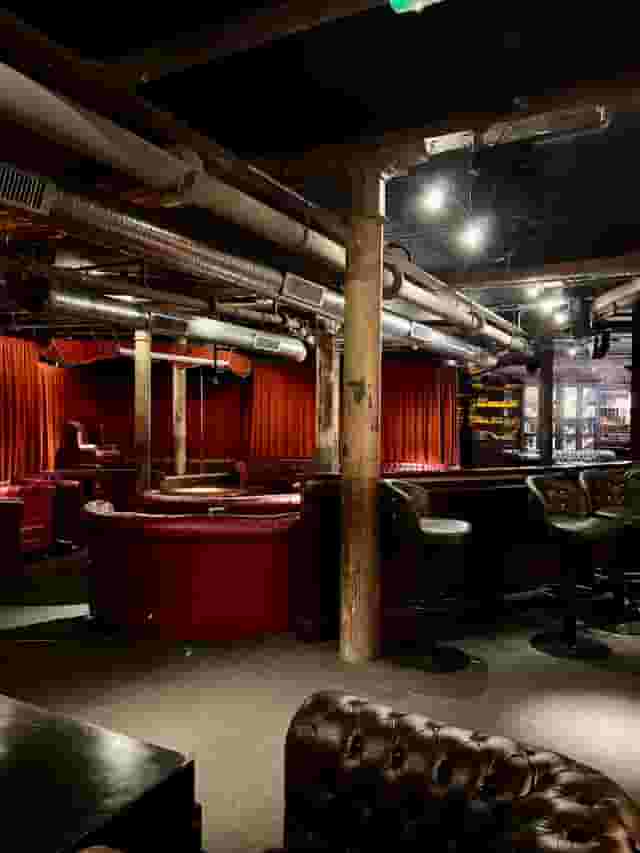
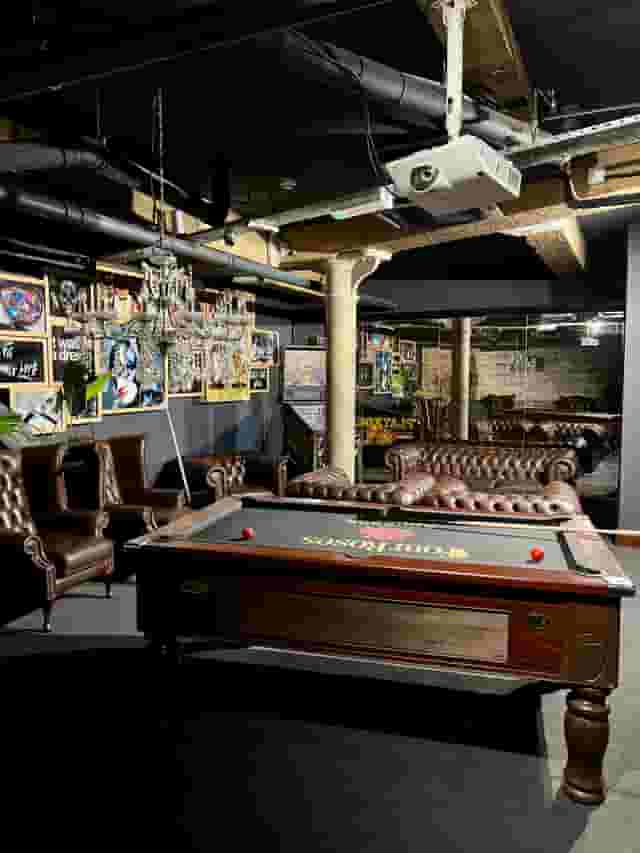
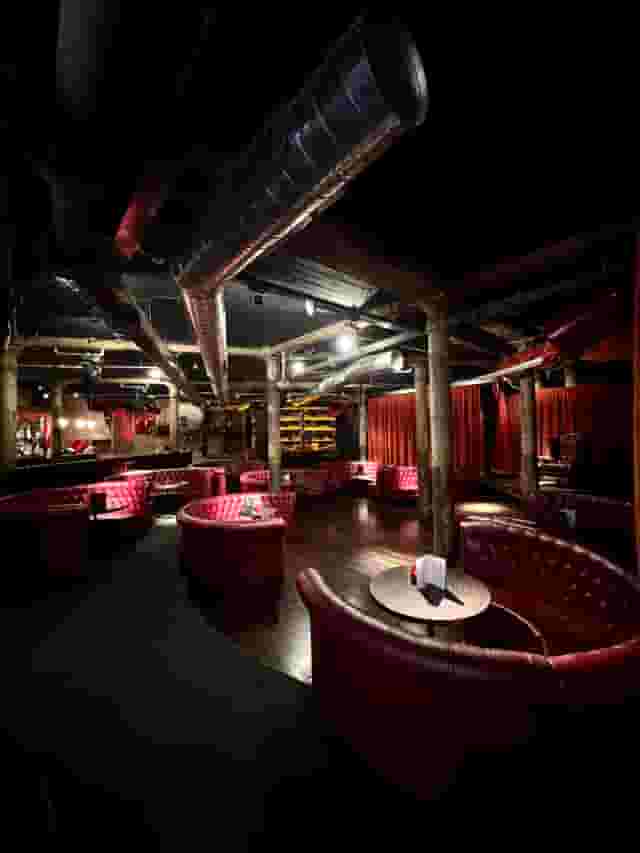
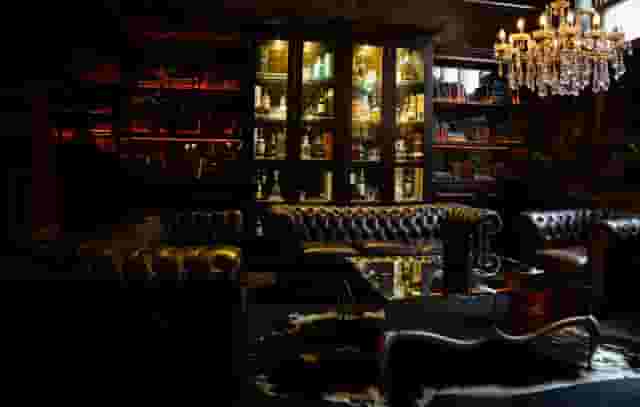


No venues match these filters
Try widening your capacity, luxury level or event type.
Don't have time to search? We'll find it for you.
For business events that need human judgement, talk to our team. Free for events of 100+ people, budgets over £10k or ongoing programmes.




Frequently asked questions
Are Deansgate venues tech-ready for events?
How to ensure privacy in Deansgate dining?
What size is ideal for Deansgate private dining?
What's the cost of Deansgate private dining?
What style suits Deansgate private dining?
Other platforms search their database. We search everything.
Tell us what you need. Our deep research finds any venue, whether it's in our marketplace or not. No one else does this.
About Private Dining Rooms in Deansgate
Choosing the right room format in Deansgate
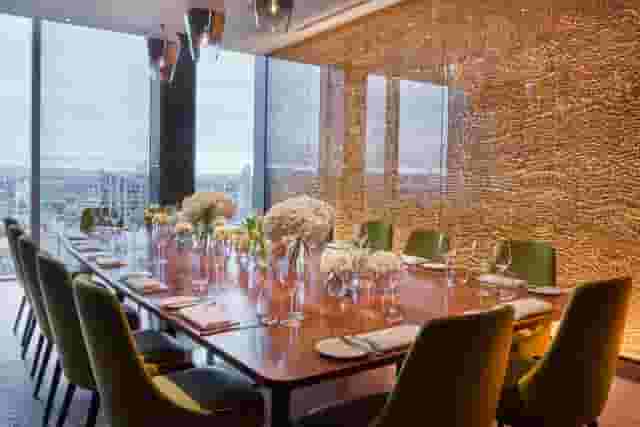
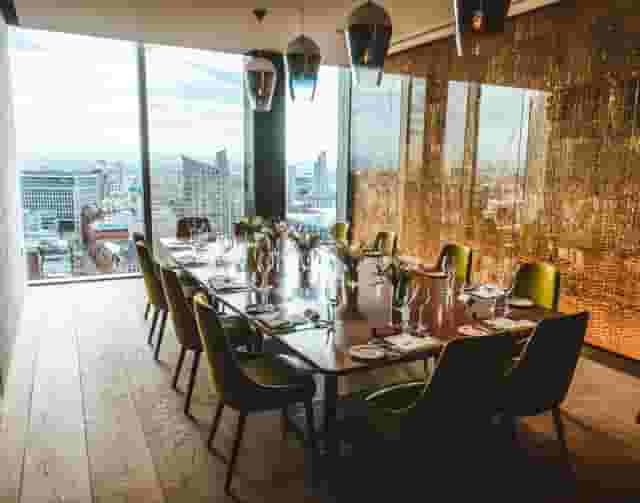
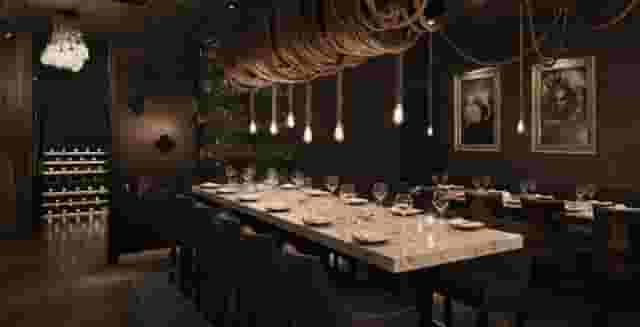
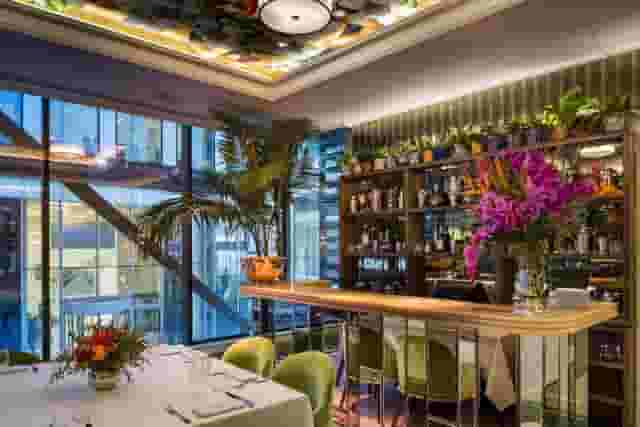
Organising a corporate dinner in central Manchester means balancing atmosphere with privacy. Deansgate and its adjoining quarters offer very different styles of private rooms, from modern glass-fronted dining spaces above the city to converted historic banking halls and dedicated hotel suites. The first operational decision is whether the occasion demands complete enclosure or if a screened off area within a busy restaurant will work.
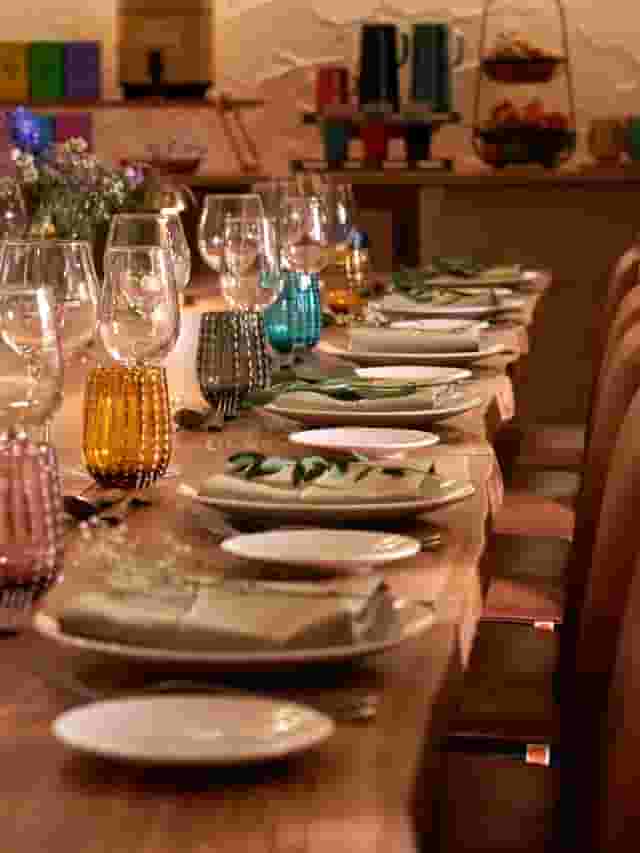
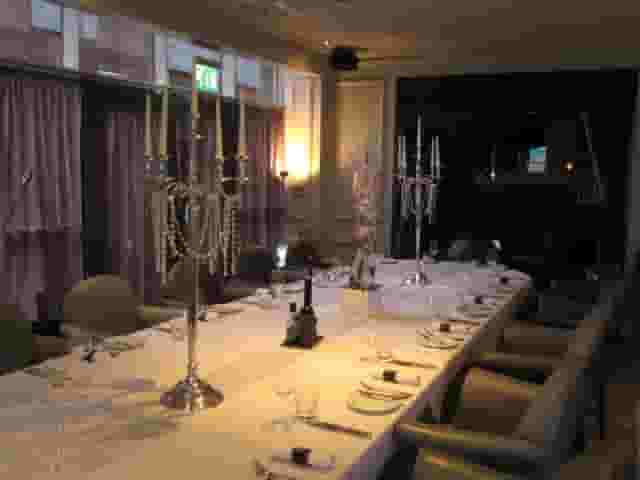
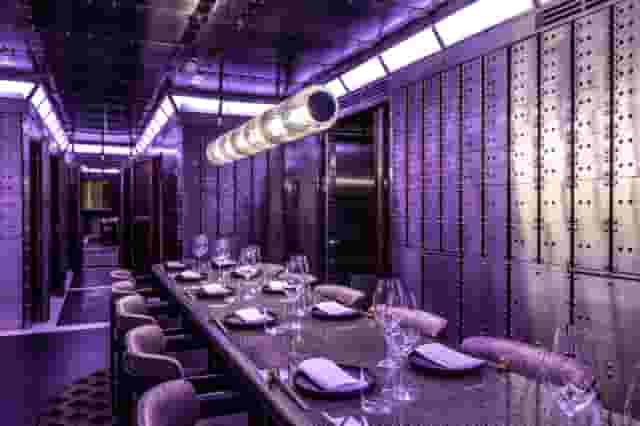
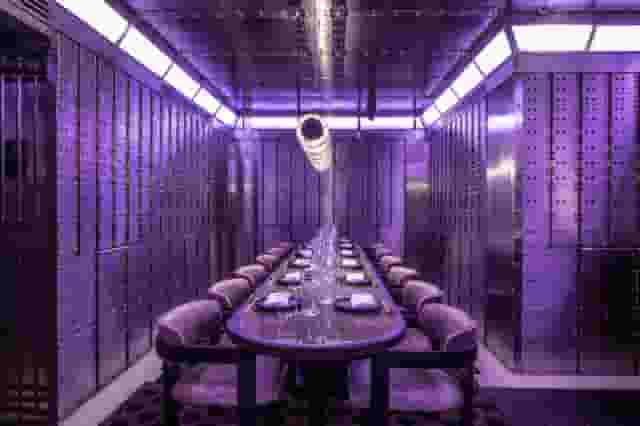
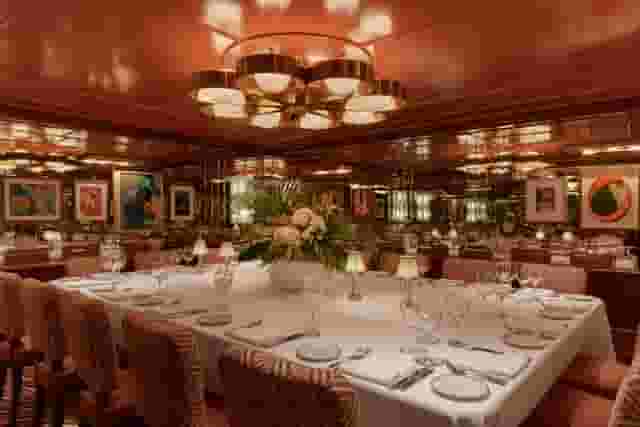
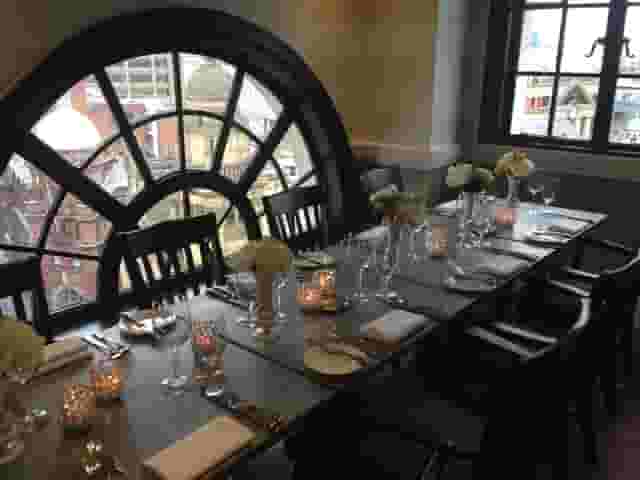
For working dinners, speeches or sensitive internal discussions, full privacy is non-negotiable. An enclosed room with solid walls and a closeable door prevents ambient noise from the main restaurant floor from interfering with conversation. It also keeps internal discussions confidential. Purpose-built private rooms often have their own facilities, dedicated service stations and separate entrances. A converted bank vault like The Vault at Lucky Cat by Gordon Ramsay seats up to 12 guests in a boardroom layout and has its own private bar, cutting out any need for attendees to navigate the public areas during service. Similarly, the dedicated Private Dining Room at The Lowry Hotel seats 22 in a quiet boardroom setting, well away from the bustle of the public bar.
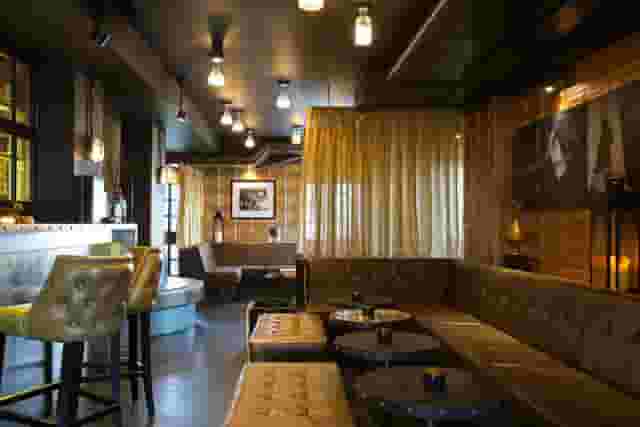
Semi-private spaces, by contrast, offer a sense of the restaurant's background energy while giving a group their own defined area. A raised platform or curtained alcove suits social team celebrations, client entertainment where confidential data is not being presented, or informal quarterly dinners. For example, the Stage Area at Manchester (Gaucho) holds up to 40 guests in a semi-private arrangement. You get the benefit of the restaurant's buzz without being lost in the main floor, but you cannot make speeches without competing against the house sound system.
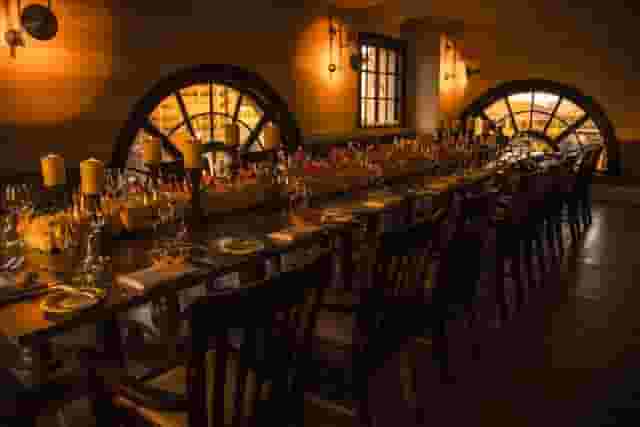
When assessing a room's physical layout, look carefully at the table geometry. A long single banquet table keeps everyone together visually, but guests can realistically only talk to the people directly opposite and beside them. Once a party grows past 16 or 18 people, splitting the room into two or three round tables of eight to 10 often creates better conversation across the group, provided the room's footprint allows table service staff to circulate freely between them.
| Dining room format | Typical group capacity | Best use case | Audio and speech suitability |
|---|---|---|---|
| Enclosed private room | 10 to 40 guests | Executive dinners, board updates, confidential client entertaining | High. Private sound, low ambient bleed, clear speech audibility |
| Semi-private mezzanine or stage | 20 to 50 guests | Informal team gatherings, celebratory client dinners, project wrap-ups | Low to moderate. Competing background music and kitchen noise |
| Large dedicated dining suite | 50 to 180 guests | Departmental annual dinners, association banquets, investor showcases | High. Independent AV systems, dedicated staff, separate bar access |
What private dining costs in Deansgate
Budgeting for private dining is rarely as simple as multiplying the menu price by the number of guests. Private rooms operate on either a fixed per-head package or, more commonly, a minimum spend threshold on food and beverage combined.
For private dining in Deansgate, data based on 10 quotes from the venues on this page indicates that pricing typically sits between £45 to £105 per head. This figure assumes a party size of about 60 guests. What you receive across that range varies significantly depending on the day of the week, the menu complexity and the style of service you agree in advance. Hire Space is an event planning and venue booking platform, supported by a team of real people who help manage the outcome. It calculates instant price estimates drawn from real booking data for your exact brief, shortlisting available rooms in minutes and recommending comparable dining spaces if a venue stretches your budget.
Towards the £45 end of the range, quotes generally cover a straightforward three-course set menu with tea and coffee, usually on an off-peak evening like a Monday or Tuesday, or for a lunchtime booking. Drinks are frequently charged on consumption on top of this figure, or limited to an entry-level house wine package.
Towards the £105 end of the spectrum, packages reflect prime Thursday and Friday evening bookings, premium ingredients, welcoming drinks and half a bottle of quality wine per diner. High-end venues such as Adam Reid @ The French, which offers boardroom seating for up to 35, or tender inside the Stock Exchange Hotel with capacity for 100 dining guests, reflect fine-dining standards where the spend per head covers ambitious kitchen preparation and structured wine pairings.
When comparing quotes across different venues, break down the numbers against these common hidden cost lines:
Minimum spend versus room hire
Restaurants in commercial districts like Deansgate and Spinningfields often waive a direct room hire charge provided your group hits an agreed food and drink total. Be cautious if your party size is uncertain. If you guarantee 30 guests at £80 per head to hit a £2,400 minimum spend, and five drop out on the day, you must still spend the £2,400 balance on upgraded wine, digestifs or post-dinner drinks. Alternatively, hotel properties often quote a separate room hire fee plus a catering package, which protects your food spend if attendance drops.
Service charges and administration
Manchester dining venues typically add an automatic discretionary service charge of 10% to 12.5% to the final bill. Check whether this fee counts towards your agreed minimum spend. At most venues it does not, meaning a £3,000 minimum spend will actually invoice at £3,375 once service is factored in. Hire Space 360 is enterprise venue and hotel procurement for companies spending £1m or more a year on meetings and events: a managed meetings and events programme, the kind procurement teams call strategic meetings management. It puts every private room, meeting space and hotel stay on a single supplier agreement with consolidated invoicing, keeping corporate dining within agreed event policy while giving finance teams live spend reporting.
AV and equipment surcharges
If your dinner involves a short presentation, a quarterly financial review or welcome remarks, clarify whether using the room's display screen or microphone carries a separate facility fee. In some restaurant rooms, bringing in external AV gear requires a venue-approved technician at an additional hourly rate.
Structuring menus and beverage service
Corporate dinners run on strict timetables. Diners often travel into Manchester Piccadilly or Victoria, arrive via the Metrolink or leave immediately after coffee to catch commuter trains home. The service schedule must work around your business goals, not run at the kitchen's default pace.
Pre-ordering and dietaries
Unless your group is fewer than eight to 10 guests, almost every venue in Deansgate will require a pre-order from a limited set menu at least seven to 14 days prior to the event. Offering guests a choice between three starters, three mains and two desserts is standard practice.
To keep service smooth:
- Collect dietary requirements, including plant-based, gluten-free, halal and severe allergies, on the initial RSVP form.
- Provide the venue with a master seating plan that clearly flags individual place settings for guests with complex allergies.
- Request silent service during any scheduled speeches. Kitchen teams will happily pause between courses, provided you agree the exact speech timings with the floor manager before guests sit down.
Wine allocation and bar logistics
Relying on open bar service ordered through waiting staff is the fastest way to blow an entertainment budget and slow down meal service. The most effective approach is to select two white wines and two red wines in advance, alongside a non-alcoholic botanical or sparkling option.
Calculate intake conservatively: allow one welcoming glass of sparkling wine or a cocktail during the initial 30 to 45 minute arrival reception, followed by half a bottle of wine per person across the meal itself. Ordering wine in advance also ensures the restaurant cellar has enough stock chilled and ready at the service station when the first course lands.
For larger dinners, such as those held at Podium Restaurant & Bar Lounge inside the Hilton Deansgate, which can seat up to 180 diners, establishing clear boundaries with the head of service regarding when wine bottles are topped up keeps consumption controlled and predictable.
Audio, visuals and room presentation
Corporate dining spaces frequently double as briefing rooms. While attendees come for food and conversation, you might need 15 minutes of executive remarks, a slide deck showing project performance, or ambient background audio that matches your company's tone.
Presentation capabilities
Many Deansgate private dining venues provide basic event technology, including guest Wi-Fi, accessible power sockets and a wall-mounted flat-screen display. This is sufficient for short slide presentations or branded visual loops. However, restaurants rarely have dedicated on-site technicians. You should confirm input connections (HDMI or USB-C), display aspect ratios and whether you need to bring your own adapters. If you intend to play video content, test whether audio can feed cleanly through the room's speakers rather than relying on laptop output.
Microphones and acoustic control
In rooms designed for 25 people or fewer, an unamplified speaking voice usually carries well, provided the room is fully enclosed and has soft furnishings, curtains or carpet to damp reverberation. In larger or more design-led spaces, high ceilings, bare brick, tiled floors or expansive glass walls can cause sound to bounce, turning multiple table conversations into a wall of noise.
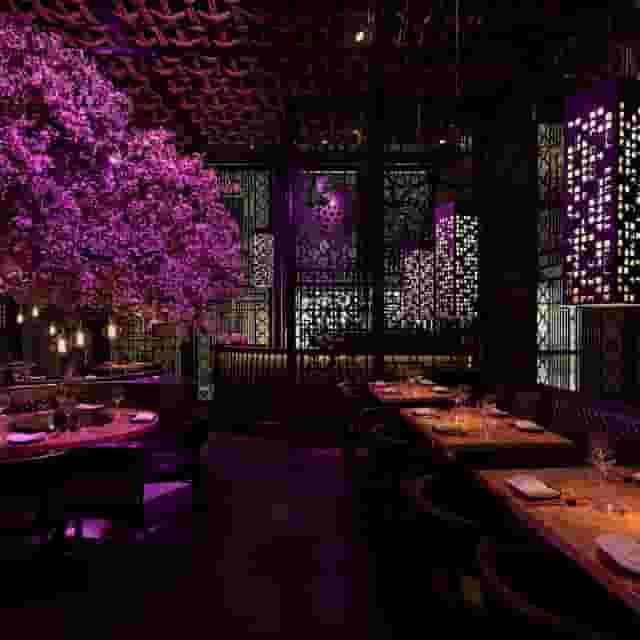
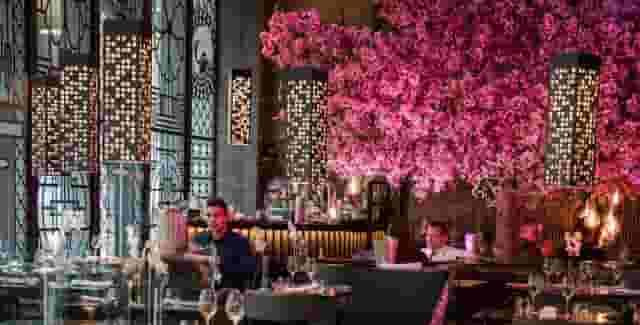
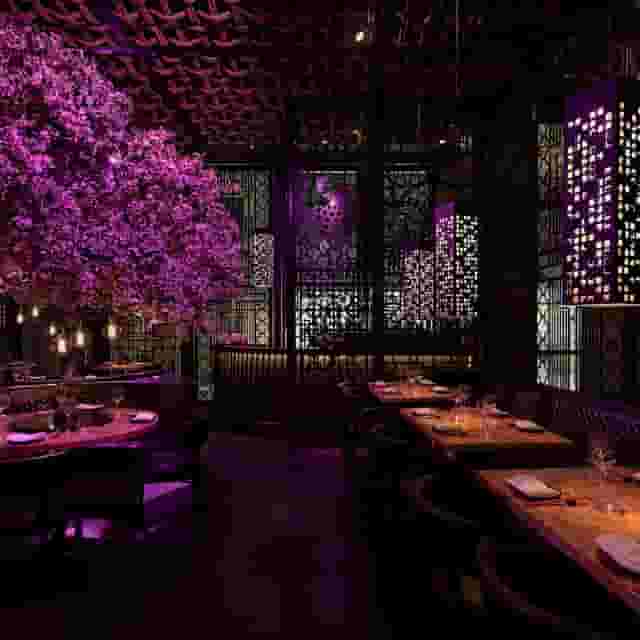
If you have 40 or more guests seated across multiple tables, such as in the private dining space at Tattu, which accommodates 40 for dinner, ask if a wireless handheld microphone is available for announcements. Even a confident speaker will strain to address 40 people over the clatter of cutlery, wine glasses and plate clearing.
Room dressings and branding
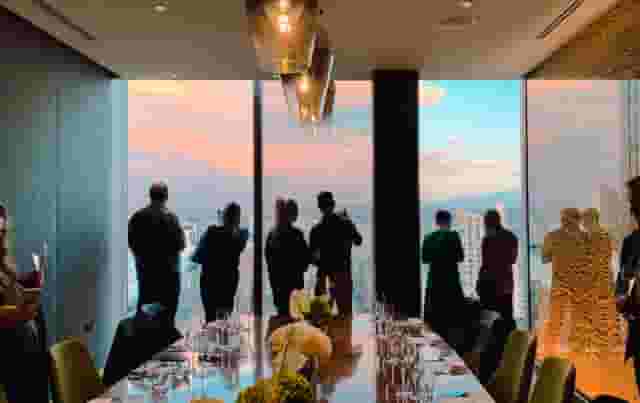
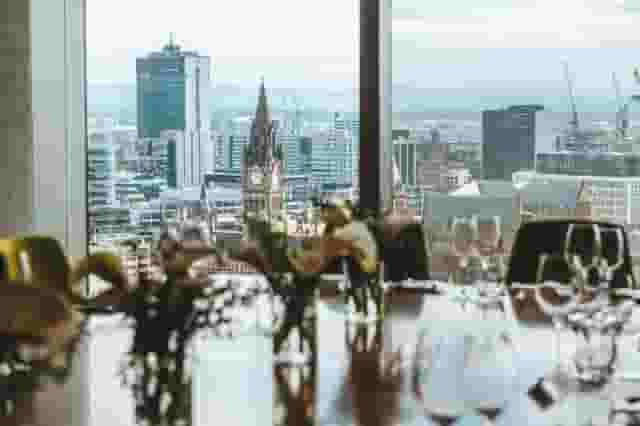
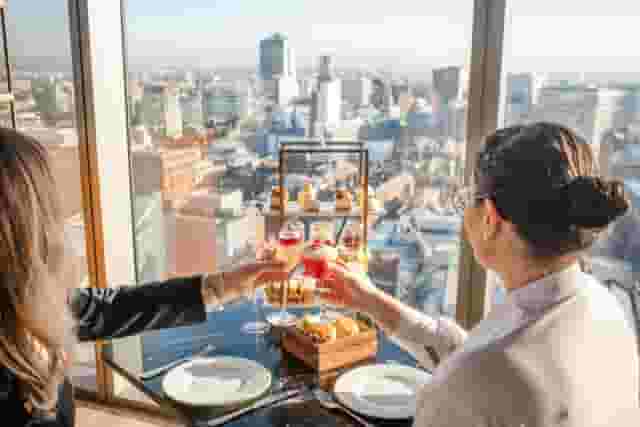
Check with the events coordinator regarding what branding elements are permitted. Freestanding pull-up banners are generally accepted in fully private rooms, but fixing items to walls, lighting installations or windows is almost universally banned in listed or design-forward buildings. High-profile spaces like Space at 20 Stories, which holds up to 90 for standing receptions and dinners with skyline views over Spinningfields, rely on their existing aesthetic; external branding often looks out of place and needs to be coordinated carefully with the venue manager.
| Operational consideration | Standard provision | What you need to ask | Potential problem to avoid |
|---|---|---|---|
| Screen and display | Wall-mounted flat-screen (HDMI connection) | Is an adapter provided? Can we test laptops before guests arrive? | Presentation fails to display on screen due to port incompatibility |
| Audio and music | House background music or Bluetooth input | Can we independently control room volume or plug in our own playlist? | Main restaurant playlist plays loudly over executive speeches |
| Lighting control | Fixed ambient lighting or dimmer switches | Are downlights positioned directly over key presentation spots? | Screen is washed out by spotlights that cannot be switched off separately |
| Table stationery | Plain white napkins, basic table numbers | Can place cards and menus be set out by venue staff prior to arrival? | Organiser left scrambling to arrange place cards 10 minutes before doors open |
Licences, timings and service flow
Timing delays during a corporate dinner are difficult to recover. If starters are served 30 minutes late, the entire evening compresses, forcing dessert into a rush or causing guests to leave before speeches conclude. Managing the operational clock starts long before the first cork is pulled.
Arrival windows and seating
Set your arrival reception for a minimum of 30 minutes and a maximum of 45 minutes. A 15 minute window is too short for late-running colleagues navigating Manchester traffic, while stretching past 45 minutes leads to guests growing hungry and wandering away from the dining room. Clear the drinks reception area promptly by having the event manager announce that dinner is served, rather than waiting for guests to notice the open dining room doors.
Licences and curfew hours
Central Manchester venues operate under varied premises licences. Properties located directly on Deansgate or within Spinningfields typically hold alcohol licences until midnight on weekdays, with some hotel lounges permitted to serve residents later.
If your dinner is followed by post-meal networking, confirm when the bar stops service and when the room must be vacated. At many private dining venues, the room must be completely clear within 30 minutes of the licence end. If your team plans to continue conversations, identify an adjoining bar area or hotel lounge where attendees can move without needing to settle individual bills under pressure from the night cleaning staff.
Transport, accessibility and guest arrival
A successful event leaves a good impression from the moment guests arrive until they reach home safely. Deansgate sits at the centre of Manchester's western commercial corridor, making it straightforward to reach if planned properly, but fraught with parking and traffic constraints.
Rail and Metrolink connections
Deansgate station provides direct regional rail services, while the Deansgate-Castlefield Metrolink stop connects directly to Piccadilly, Victoria, Manchester Airport and MediaCityUK. Venues clustered near the southern end of the street are within five minutes' walk of these platforms. Venues positioned nearer King Street or the northern end of Deansgate sit closer to St Peter's Square or Exchange Square Metrolink stations. Always specify the nearest tram stop on the digital calendar invite, rather than simply listing a postcode.
Taxis and private vehicle access
Deansgate has several pedestrianised and bus-only access zones that change vehicle routing throughout the day. Private hire drivers and black cabs cannot always drop passengers immediately outside the front entrance of certain venues. Instruct guests to use designated pick-up points on parallel thoroughfares such as Bridge Street, John Dalton Street or Quay Street to avoid driver cancellations and delays.
For guests driving, nearby multi-storey car parks in Spinningfields and Great Northern offer standard city-centre parking facilities, but spaces fill rapidly on Thursday and Friday afternoons.
Physical accessibility
Always verify step-free access from street level right through to the private dining room table and its dedicated washrooms. Historic and listed buildings in central Manchester frequently incorporate split-level layouts, raised mezzanines or narrow staircases. Ensure that lifts are in working order on the day of your event, and confirm that doors along the service route are wide enough for wheelchair users. Addressing accessibility as a core operational requirement ensures every attendee experiences an effortless, professional evening.
What our customers say
Inspiration and planning guides

Watch a real brief turn into priced, available venues in 15 minutes
Chloe Richardson has spent 17 years in events. We gave Deep Venue Research one of her briefs and filmed every step, from the first questions to availability checked at the venues she chose.

Simple Events Win: Why Restraint Beats Spectacle
Budgets are tight and audiences want connection over spectacle. The events that land in 2026 are the deliberately simple ones. Here is how to edit rather than cut, grounded in the 2026 industry data, and why the right venue does the heavy lifting.

Why UK Event Calendars Got So Tight (And How to Book Smarter)
Lead times for UK corporate events are up 39% since 2022, based on Hire Space booking data. The calendar is tighter, conversion rates fall sharply when you leave it late and the peak windows are getting more crowded. Here is what the numbers say and what to do about it.
One supplier. Every venue. Full visibility on what you spend.
Multiple venues and events. One agreement.