Wedding Venues for Hire in Camden
Explore wedding reception spaces across Camden with data-backed pricing, from waterside rooms to grand converted music halls.
8 Wedding Venues for Hire in Camden
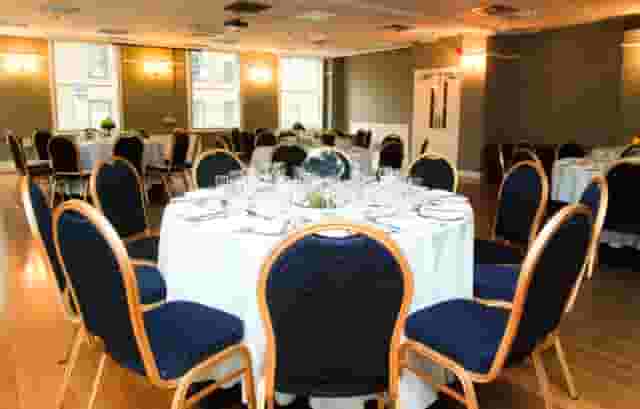
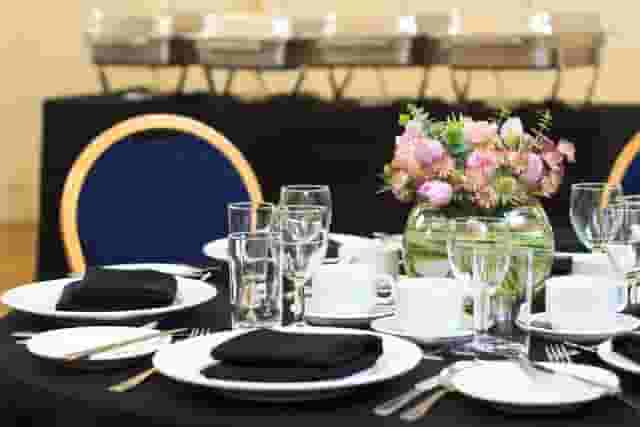

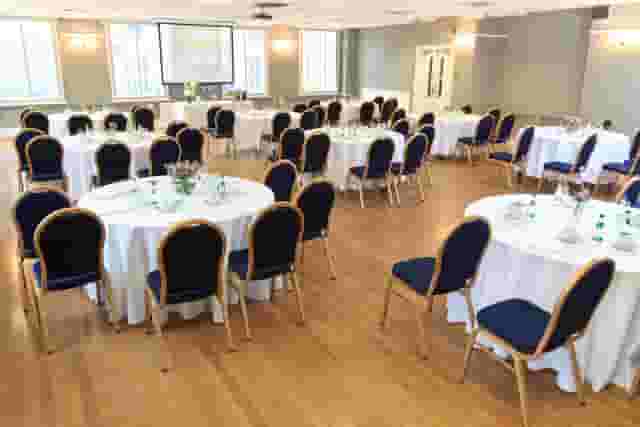
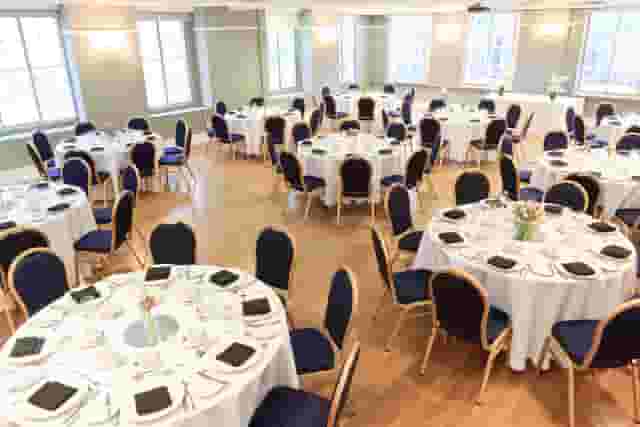






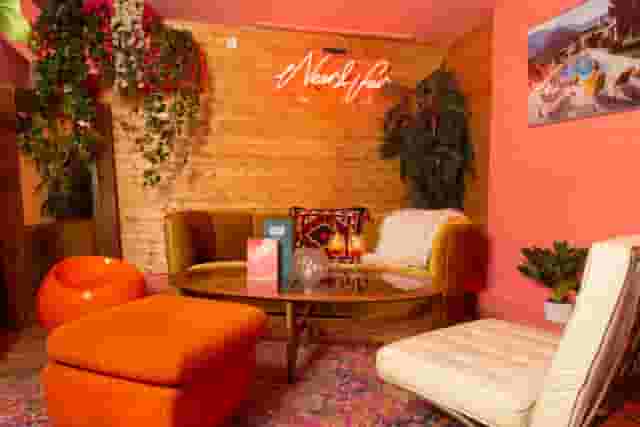
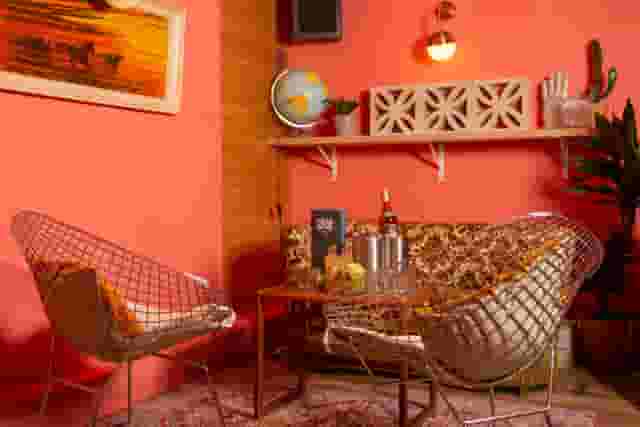
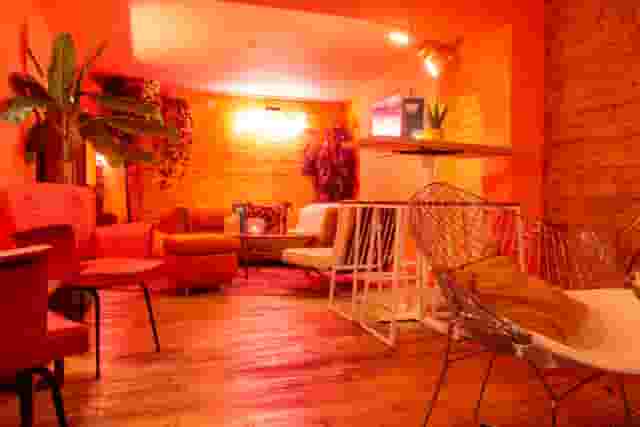
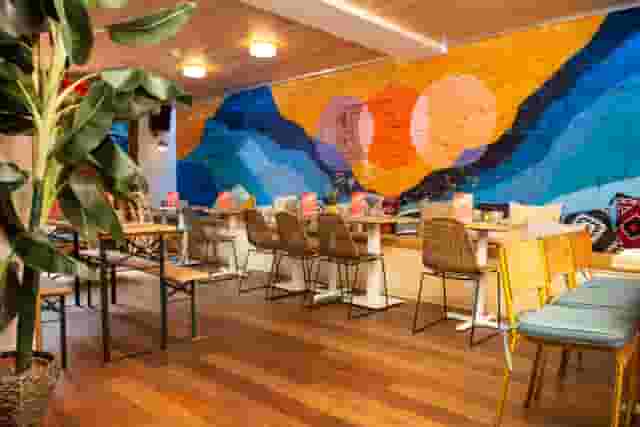
No venues match these filters
Try widening your capacity, luxury level or event type.
Don't have time to search? We'll find it for you.
For business events that need human judgement, talk to our team. Free for events of 100+ people, budgets over £10k or ongoing programmes.




Explore more venues in Camden









Frequently asked questions
What makes Camden unique for weddings?
Are Camden venues suitable for large weddings?
Can I have an outdoor wedding in Camden?
How to find a budget-friendly Camden venue?
What are Camden's best transport links for guests?
Other platforms search their database. We search everything.
Tell us what you need. Our deep research finds any venue, whether it's in our marketplace or not. No one else does this.
About Wedding in Camden
Planning a wedding reception involves balancing three distinct events within a single evening. You begin with drinks and canapés where people mingle after the ceremony, move into a seated meal with speeches, and finish with evening dancing and entertainment. Each phase requires a different room layout, sound profile and service style.
Camden offers an eclectic architectural backdrop for these transitions. The borough combines Victorian industrial heritage, canal waterfronts, traditional neighbourhood pubs, cultural institutions and regency parkland. That variety gives you room to build a wedding day that reflects your personal style rather than an off-the-shelf package. Deciding between a warehouse, a dedicated concert hall, a pub dining room or a canal-facing suite comes down to how you want the night to move from one chapter to the next.
Mapping the flow from drinks reception to evening dancing
A classic wedding reception relies on momentum. When guests arrive from your ceremony location, they want a drink in hand, somewhere to drop coats and room to greet friends without feeling crowded. After an hour or two of conversation, shifting everyone to dining tables resets the room energy for food and speeches. Once the plates are cleared, the party needs a natural pull towards the dance floor so the evening celebration does not stall.
Managing these transitions depends heavily on whether your venue has multiple spaces or requires a room turnaround.
If your reception takes place in a single open room, your caterers and venue team must carry out a flip while guests are occupied. In a large hall or converted studio, you might partition the dining area behind drapery or acoustic screens while guests take welcome drinks near the bar. Once dinner concludes, guests are directed to a lounge or outdoor terrace with evening cocktails while staff clear tables to make room for a band or DJ.
Where a venue offers multiple rooms or interconnected terraces, the progression feels effortless. Welcome drinks can take place outside or in an adjoining lounge, leaving the dining room dressed and waiting behind closed doors. Moving between rooms creates a sense of discovery throughout the evening and prevents guests from watching staff shift furniture between courses.
Architectural styles and venue types across Camden
Camden spans several distinct neighbourhoods, from the railway heritage of Chalk Farm to the leafy streets bordering Regent's Park and the bustling canal network around Camden Lock. The right setting sets the visual tone for the entire party and dictates how much production work you need to take on yourself.
Blank canvas industrial spaces and music halls
If you have a clear aesthetic vision and want control over lighting, furniture, table arrangements and entertainment production, large converted cultural spaces offer complete freedom. These venues were originally built for performance and industry, which means they come with high ceilings, generous floor space and loading access for production suppliers.
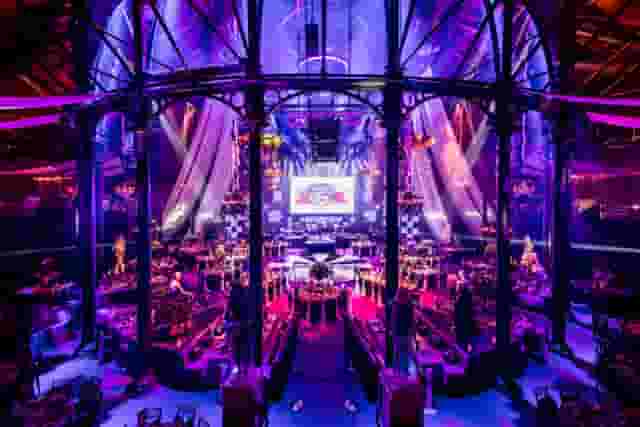
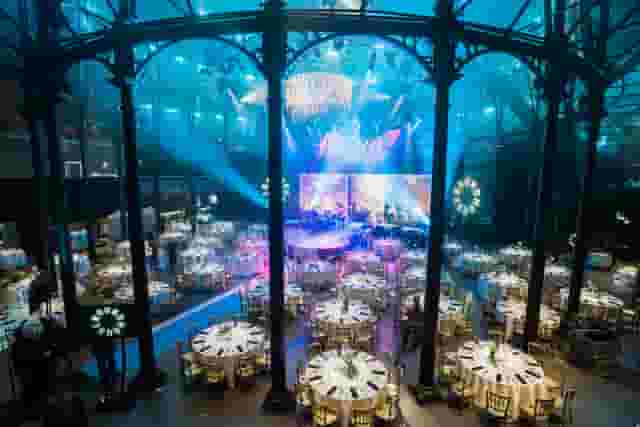
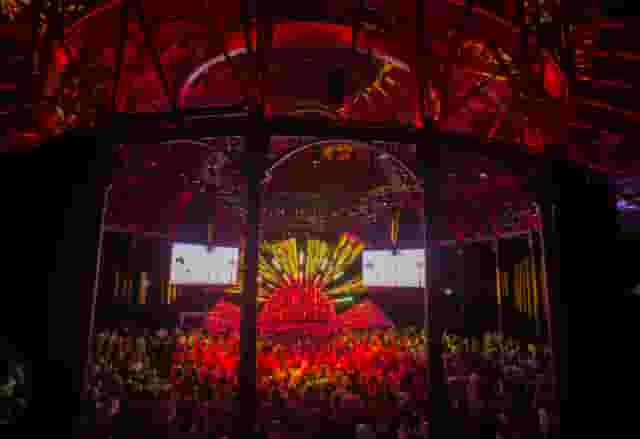
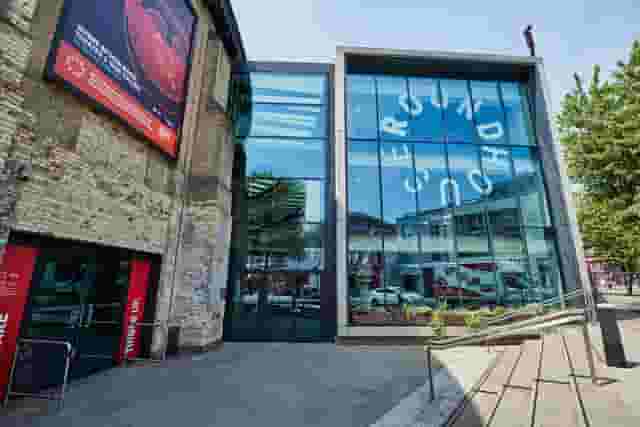
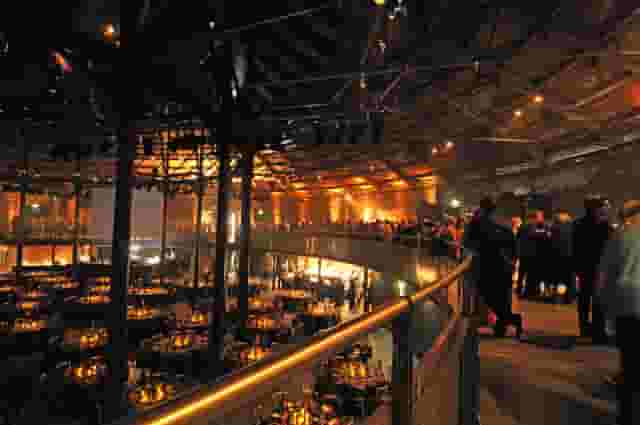
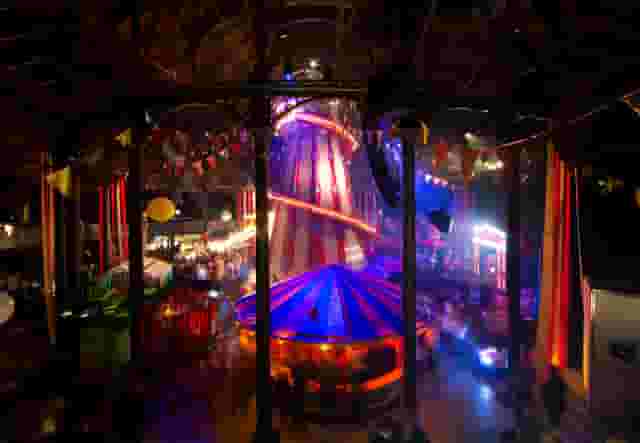
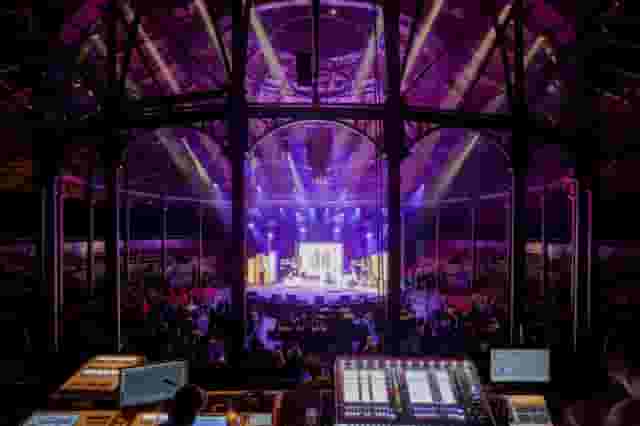
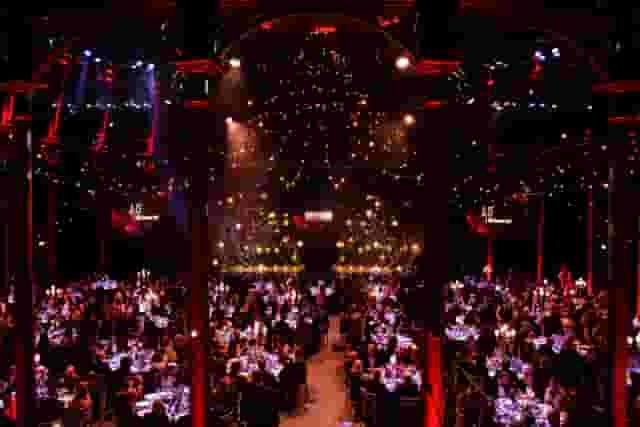
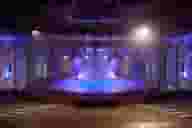
For celebrations on a major scale, Main Space at Roundhouse provides an expansive blank canvas with a standing capacity of 1800 in a historic railway building. It gives you the scale to construct bespoke stage sets, run ambitious lighting rigs and host banquets without feeling constrained by pillars or low ceilings.
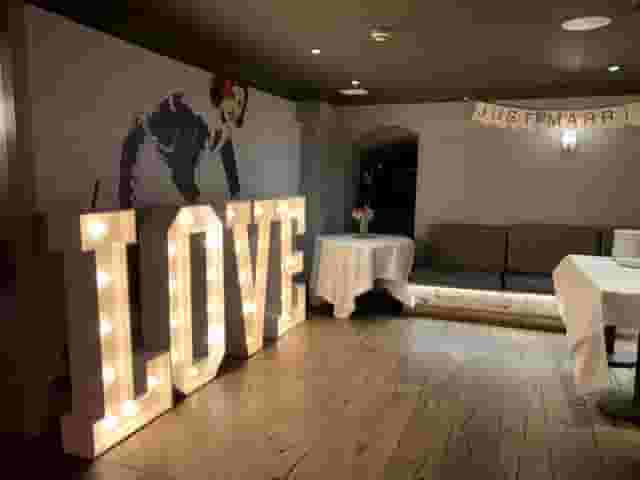
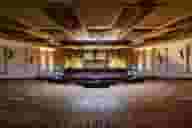
If you want historic character on a more moderate scale, Kennedy Hall at Cecil Sharp House holds up to 500 guests standing. As a grand hall featuring a painted mural and a sprung timber floor, it is particularly suited to a seated dinner followed by a live band or ceilidh, where the floor itself enhances the dancing experience.
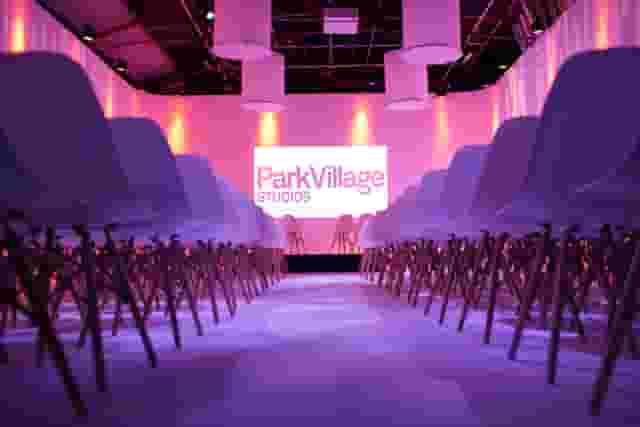
Further towards the park, Whole Venue at Park Village provides 10,000 sq. ft. of flexible space within a historic building near Regent's Park, accommodating up to 400 standing guests. Its open layout allows you to divide the floor plan into separate zones for reception drinks, formal tables and late-night dancing.
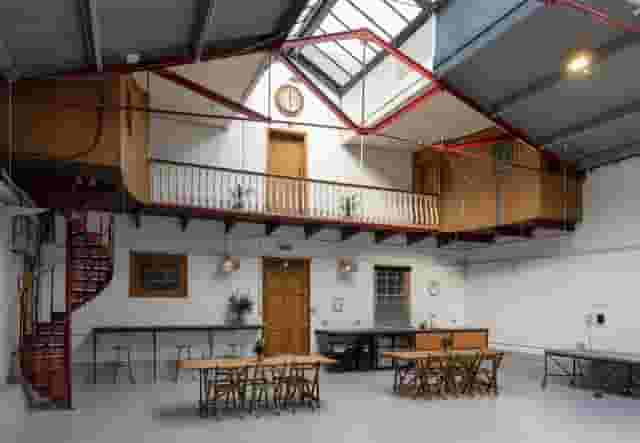
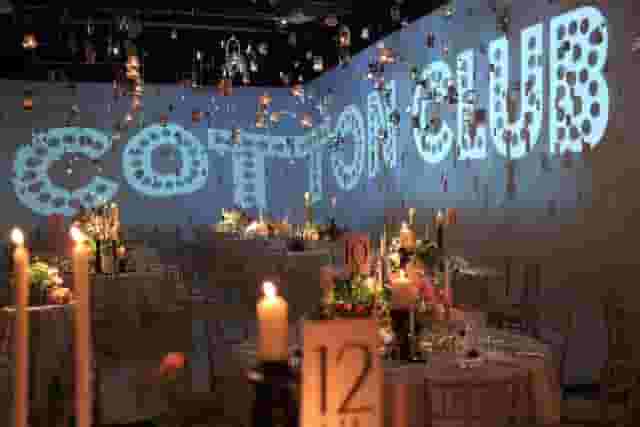
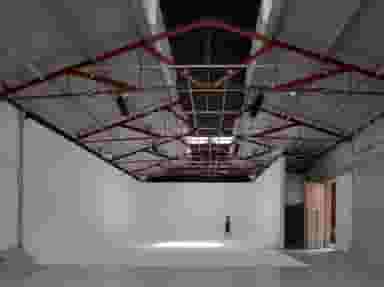
For warehouse styling with a music heritage focus, Space at The Camden Club holds up to 200 standing. Built as a warehouse venue in the heart of Camden, it includes step-free access and built-in staging that suits couples prioritising live music.
Light-filled modern suites and parkside rooms
If you prefer architectural settings with established hospitality facilities and outdoor views, waterside hotels and regency suites reduce the logistical burden. These venues provide built-in bars, commercial kitchens, dedicated staff and furniture packages as standard.
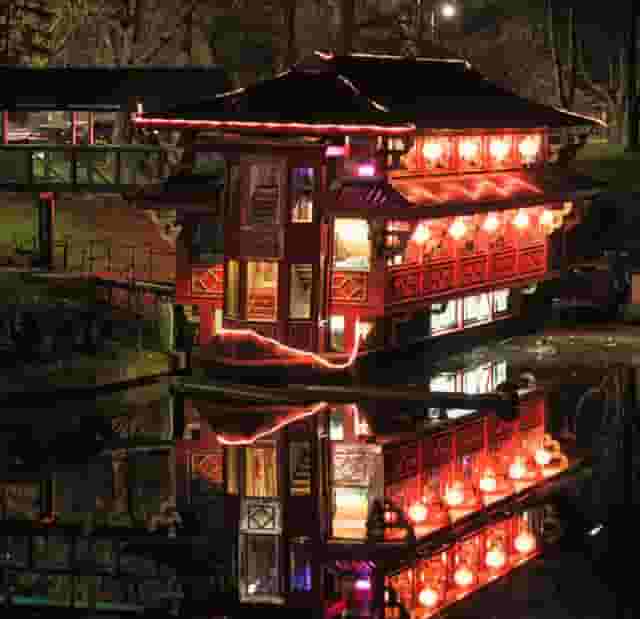
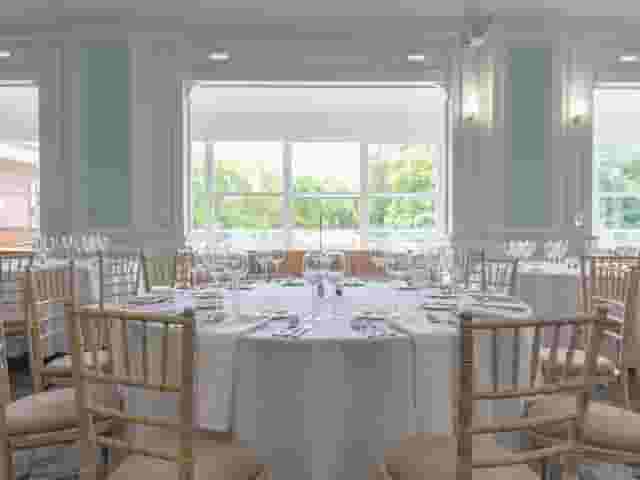
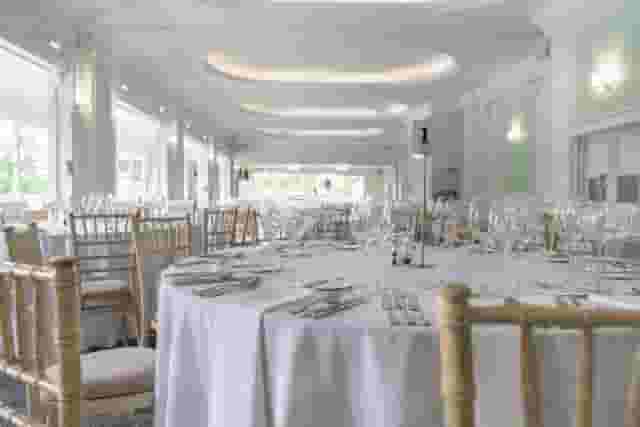
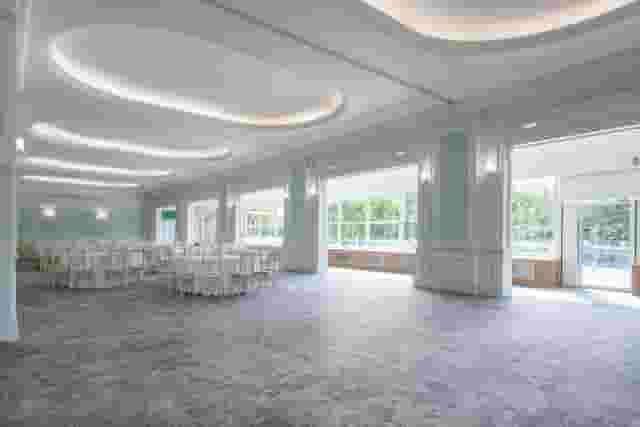
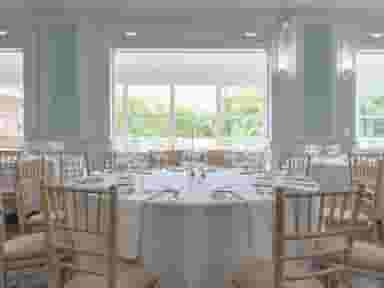
Overlooking the water, The Glasshouse on the Lock at Holiday Inn London Camden Lock holds receptions for up to 350 people. The floor-to-ceiling glass looks out over Regent's Canal, filling daytime dining with natural light and providing a reflective backdrop when evening lighting takes over.
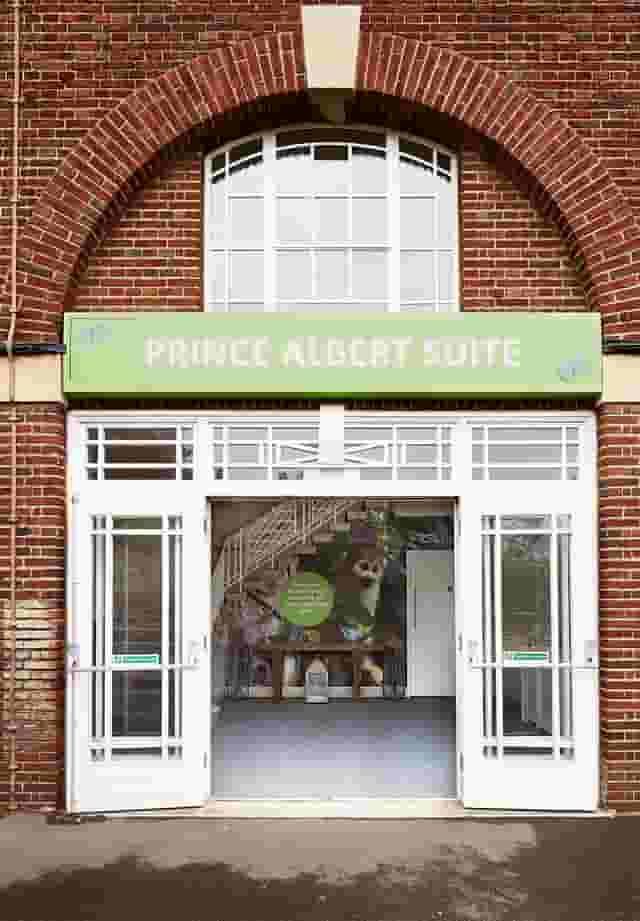
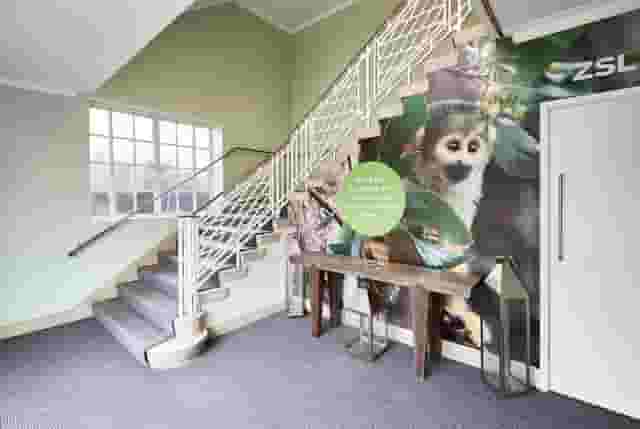
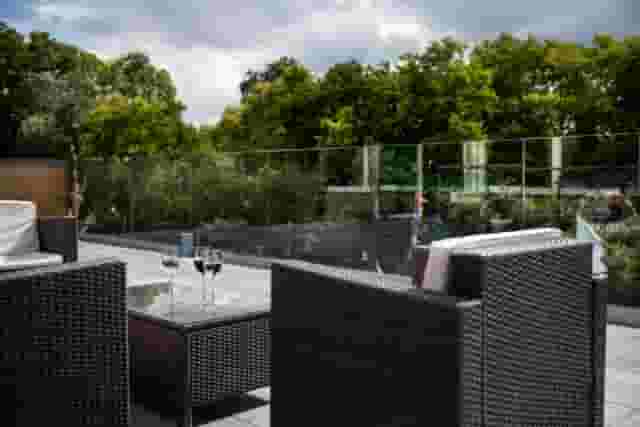
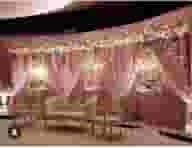
Along the northern boundary of Regent's Park, Prince Albert Suite at ZSL London Zoo offers an elegant Georgian setting with room for 300 standing guests. The suite includes an adjoining terrace, private bar and views across the surrounding wildlife grounds, which gives your drinks reception an outdoor element before dinner moves inside.
Intimate neighbourhood dining rooms and cultural venues
For guest lists under 200, hiring an entire pub floor or community institution keeps the atmosphere warm and avoids the hollow feeling of an oversized room.
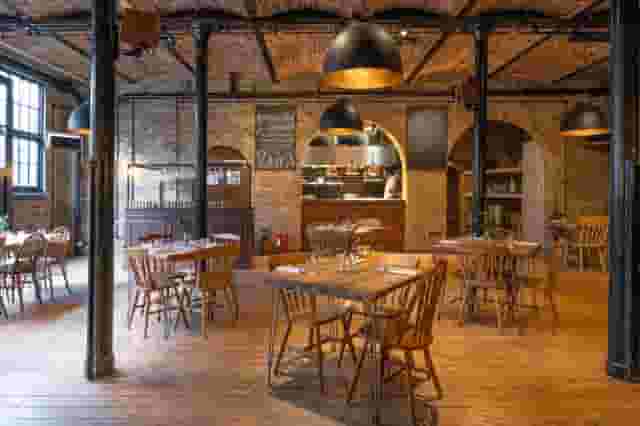
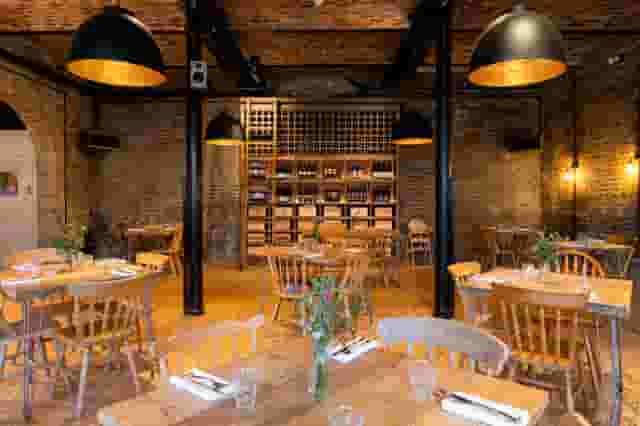
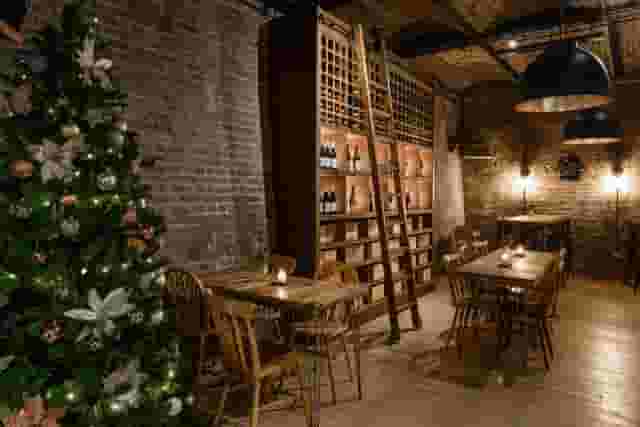
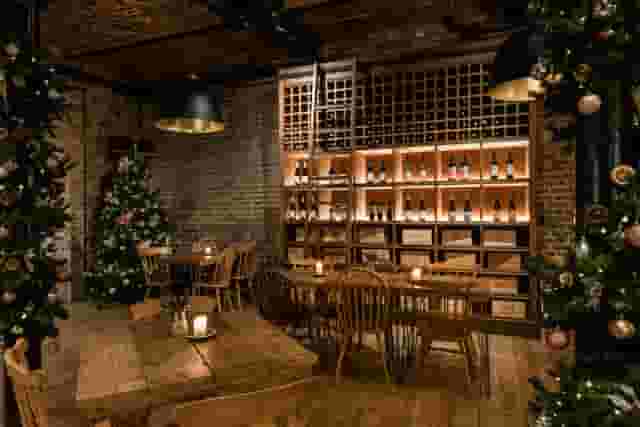
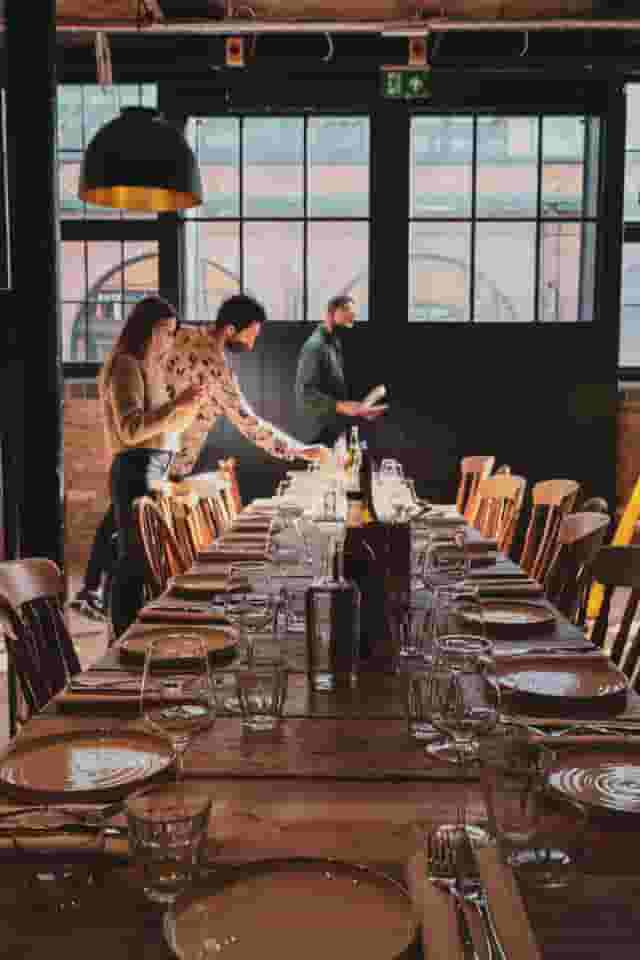
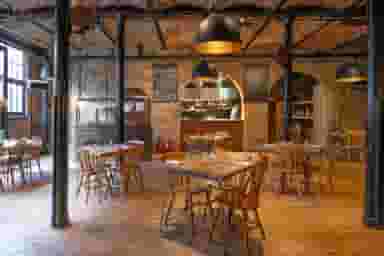
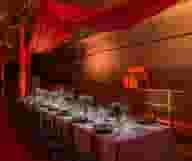
In Camden Market, The Dining Room at The Farrier provides a characterful historic pub setting. It accommodates a standing reception of up to 200 guests or a seated meal for 70, making it an effective choice for a focused dinner that rolls straight into an informal evening pub party.
Nearby, Presidential Suite at The London Irish Centre accommodates receptions of up to 150 people. The refurbished suite provides in-house modern Irish catering ranging from canapés to formal gala dinners, keeping food and service management under one roof.
| Venue | Maximum standing capacity | Seated dinner capacity | Distinctive feature |
|---|---|---|---|
| Main Space at Roundhouse | 1800 | Enquire for floor plan | Circular railway building, large-scale blank canvas |
| Kennedy Hall at Cecil Sharp House | 500 | Enquire for floor plan | Sprung wooden dance floor, historic mural |
| Whole Venue at Park Village | 400 | Enquire for floor plan | 10,000 sq. ft. historic building near Regent's Park |
| The Glasshouse on the Lock at Holiday Inn London Camden Lock | 350 | Enquire for floor plan | Floor-to-ceiling canal views, integrated hotel rooms |
| Prince Albert Suite at ZSL London Zoo | 300 | Enquire for floor plan | Georgian architecture, private outdoor terrace |
| Space at The Camden Club | 200 | Enquire for floor plan | Camden warehouse setting, step-free access, built-in stage |
| The Dining Room at The Farrier | 200 | 70 | Historic gastropub dining room, exposed brickwork |
| Presidential Suite at The London Irish Centre | 150 | Enquire for floor plan | Refurbished suite, specialised modern Irish menus |
Calculating capacity for a seated meal and dance floor
The most common mistake when evaluating reception venues is relying entirely on standing capacity figures. A room rated for 300 people standing cannot comfortably seat 300 people for a three-course dinner, let alone leave clearance for waiting staff, a cake table and evening musicians.
When you look at room dimensions, consider how each phase of the evening takes up floor space:
- Seated dining tables: Long banqueting tables generally use space more efficiently than round tables. Round tables of eight to 10 guests require generous clearance between table edges so guests can slide out chairs without blocking service lanes.
- Service corridors: Waiting staff carrying heavy trays need unimpeded routes from the kitchen or service station to every seat.
- Top table positioning: Whether you choose a traditional straight top table or sit among your guests, sightlines across the room matter during speeches.
- The dance floor footprint: A dedicated dance floor requires roughly one to two square metres for every three evening guests, assuming around a third of your party dances at any one time.
- Band and DJ staging: A four-piece or five-piece wedding band needs a minimum stage area of four metres by three metres, plus space for PA speakers, monitors and lighting stands.
Always ask venues to show you floor plans from previous wedding receptions with guest numbers identical to yours. Seeing where the bar, tables and dance floor sat on a real event stops you from booking a space that feels cramped once everyone is seated.
Food, drinks and bar logistics
Food and drink represent a major portion of your reception expenditure and shape how long guests linger at tables. Receptions in Camden generally divide into venues with in-house commercial kitchens and dry-hire properties that require external caterers.
Venues with dedicated kitchen teams, such as hotel suites, pubs and private dining clubs, simplify administration. The venue supplies kitchen staff, tableware, glassware, linen and front-of-house servers. Menus are established and proven, pricing per head is transparent from the start, and you deal with a single event coordinator for both the room and the menu.
Dry-hire warehouses and halls give you the flexibility to choose an independent caterer who can tailor a menu to your exact preferences, whether that means family-style sharing platters, formal French service or street-food stations. However, bringing in outside caterers adds coordination duties. You must confirm:
- Whether the venue has a functioning catering kitchen with extraction, hot cupboards and refrigeration, or if your caterer must hire in temporary mobile kitchen equipment.
- What power supplies exist back of house. High-draw catering ovens require dedicated 16-amp or 32-amp supplies.
- Waste management agreements. Many dry-hire halls require caterers to remove all food waste and recycling from the premises at the end of the night.
On drinks, clarify early whether the venue operates on a minimum spend, a fixed per-person drinks package or a corkage model. If you wish to bring your own wine and champagne, check corkage rates carefully. A low venue hire fee quickly becomes expensive if corkage is billed at £15 to £25 per bottle of wine.
Licences, curfews and sound limits
Because parts of Camden sit close to residential streets, local licensing regulations govern when music must stop and when venues must clear guests. Do not leave licensing questions until after contracts are signed.
When assessing evening entertainment, check three specific areas with venue managers:
- Music and alcohol curfews: Standard premises licences frequently require live bands to finish by 23:00, with recorded music and alcohol service winding down at 23:30 or midnight. If you plan to dance until 01:00 or 02:00, verify whether the venue holds a late licence or whether they can apply to Camden Council for a Temporary Event Notice (TEN).
- Noise limiters and acoustic restrictions: Converted historic halls and venues with nearby neighbours often operate electronic sound limiters. These devices measure decibel levels and cut power to the band or DJ if volume thresholds are breached. Ask what decibel level the limiter is set to and whether it measures average or peak volume. Live brass, acoustic drum kits and bass guitars can easily trip sensitive limiters if the room lacks proper soundproofing.
- Outdoor spaces and terrace curfews: If your venue has a garden, canal walkway or terrace, outdoor drinking is often curtailed earlier than indoor music, typically around 21:00 or 22:00, to prevent disturbance to local residents.
Comparing quotes and managing costs
Venue quotes arrive in varied structures. One venue may quote a single venue hire fee with nothing included, another might operate on a food and beverage minimum spend, and a third may offer a comprehensive per-head package. To make sense of these variations early on, Hire Space operates as an event planning and venue booking platform backed by a team of real people who help guide your search. It provides instant price estimates based on real booking data so you know what a space is likely to cost before you enquire, while suggesting similar venues at a lower price if an option stretches your budget.
To compare options accurately, assemble all elements into an itemised comparison covering every supplier requirement:
| Total Reception Cost component |
|---|
| Venue Hire / Minimum Spend |
| Catering and Food Service Staff |
| Drinks and Glassware |
| Furniture, Tableware and Linen Hire |
| Sound Equipment and Lighting Rig |
| Mandatory Security and Cleaning Fees |
| Service Charges and VAT |
Watch for hidden expenses that sit outside base quotes. Dry-hire venues frequently charge extra for overnight storage, waste disposal, door supervisors and kitchen access. Ask whether VAT is included in quoted prices, as commercial venue quotes frequently omit 20% VAT on initial marketing sheets. Clarify payment schedules, deposit structures and whether a refundable security deposit is held against property damage or overrunning curfews.
Transport and guest arrival
Camden is exceptionally well positioned for guest travel, which eases logistics for guests travelling across London or arriving from out of town.
The borough sits immediately adjacent to three major national and international railway termini. King's Cross and St Pancras International provide high-speed connections to the north, the east and continental Europe, while Euston connects the Midlands, north-west England and Scotland. Out-of-town guests can arrive at these stations and reach Camden venues in 10 to 15 minutes by taxi or tube.
Local transport links are dense:
- London Underground: Camden Town, Chalk Farm and Mornington Crescent sit on the Northern line, providing direct transport through central London.
- London Overground: Camden Road station connects east and west London directly, running from Stratford to Richmond.
- Buses and taxis: Regular bus routes run down Camden High Street, Chalk Farm Road and Camden Road, while black cabs and rideshare vehicles circulate constantly around the market and lock areas.
When sharing arrival notes with guests, advise against driving. On-street parking across Camden is heavily restricted, controlled by resident permit zones and expensive in public bays. Direct your guests to nearby stations and encourage the use of public transport or local taxi ranks for their journey home at the end of the night.
What our customers say
Inspiration and planning guides

Watch a real brief turn into priced, available venues in 15 minutes
Chloe Richardson has spent 17 years in events. We gave Deep Venue Research one of her briefs and filmed every step, from the first questions to availability checked at the venues she chose.

Simple Events Win: Why Restraint Beats Spectacle
Budgets are tight and audiences want connection over spectacle. The events that land in 2026 are the deliberately simple ones. Here is how to edit rather than cut, grounded in the 2026 industry data, and why the right venue does the heavy lifting.

Why UK Event Calendars Got So Tight (And How to Book Smarter)
Lead times for UK corporate events are up 39% since 2022, based on Hire Space booking data. The calendar is tighter, conversion rates fall sharply when you leave it late and the peak windows are getting more crowded. Here is what the numbers say and what to do about it.
One supplier. Every venue. Full visibility on what you spend.
Multiple venues and events. One agreement.