Minimum Spend Venues in London
Explore minimum spend venues in London suitable for 300 people.
16 Minimum Spend in venues in London



































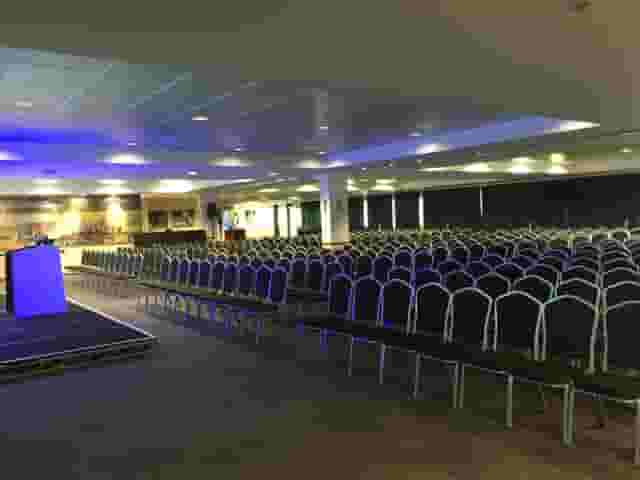
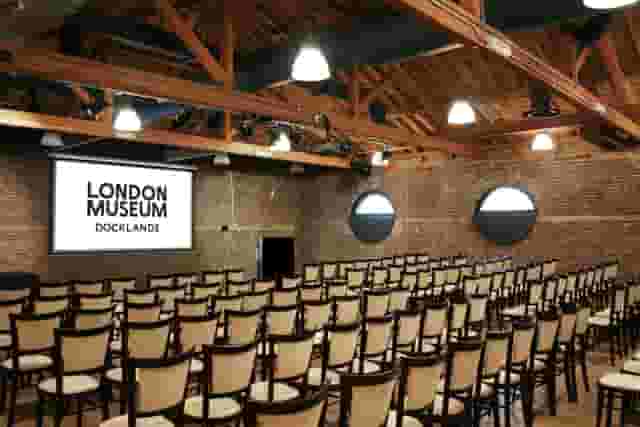

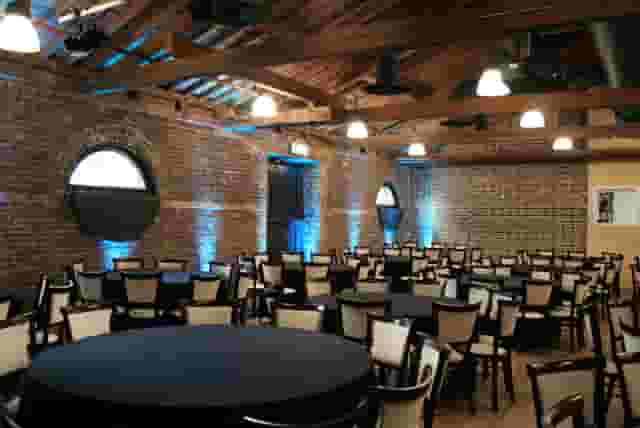


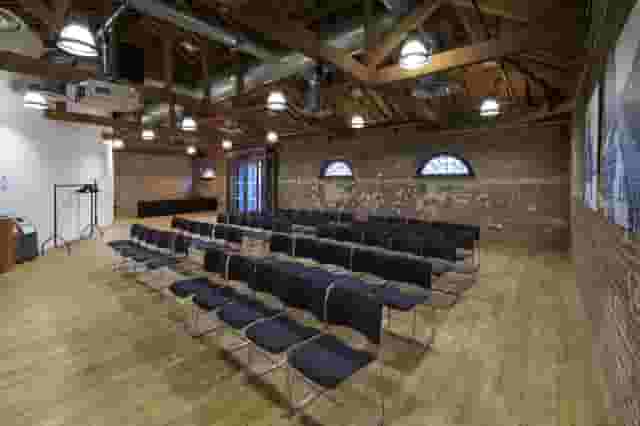







No venues match these filters
Try widening your capacity, luxury level or event type.
Don't have time to search? We'll find it for you.
For business events that need human judgement, talk to our team. Free for events of 100+ people, budgets over £10k or ongoing programmes.


Explore more venues in London




















Other platforms search their database. We search everything.
Tell us what you need. Our deep research finds any venue, whether it's in our marketplace or not. No one else does this.
About Minimum Spend in London
Why London's Minimum Spend Venues Are Perfect for Your 300-Person Event (And What Makes Them Different)
When you're planning an event for 300 people in London, minimum spend venues offer something that traditional hire fees simply can't match: flexibility and value that scales with your ambitions. Rather than paying a fixed room hire that might feel steep regardless of how much you actually spend, you're essentially getting the space for free whilst committing to a food and beverage spend that you'd likely hit anyway.
Here's what makes this model particularly brilliant for larger groups: most quality London venues require minimum spends between £15,000-£35,000 for 300 guests, which works out to roughly £50-£115 per person. When you consider that a decent three-course meal with wine in central London runs £65-£85 per head anyway, you're often getting exceptional value whilst securing premium spaces that might otherwise be out of reach.
What Sets London's Large-Capacity Minimum Spend Venues Apart
The real magic happens in the venue quality you can access. We're talking about stunning spaces like converted Victorian warehouses in Shoreditch, elegant Georgian townhouses in Mayfair, or contemporary event spaces with Thames views. These venues typically offer 400-500m² of space with 4m+ ceiling heights – perfect for creating that 'wow factor' your 300 guests will remember.
The operational benefits are equally compelling. Most minimum spend venues include dedicated event coordination, which becomes invaluable when you're managing larger numbers. You'll typically get priority booking slots, flexible setup times, and often complimentary AV equipment that would cost £2,000-£4,000 to hire separately.
Making the Numbers Work in Your Favour
Smart event planners use minimum spend strategically. If your baseline budget is £18,000 for catering, why not find a venue with a £20,000 minimum spend and upgrade to premium wines or add canapé stations? You're enhancing the experience whilst securing a spectacular venue at no additional cost.
The booking timeline is crucial too – secure these venues 3-6 months ahead for peak dates. Many venues offer 10-15% discounts for off-peak bookings (typically Tuesday-Thursday), and some will negotiate the minimum spend down by 20% for weekday events.
For corporate events, consider venues that complement your objectives. Planning a company retreat or team off-site? Look for venues with breakout spaces and natural light. The key is matching the venue's strengths to your event's specific needs whilst maximising the value from your minimum spend commitment.
The Smart Event Planner's Guide to Understanding Minimum Spend Requirements for Large Groups
Understanding minimum spend requirements isn't just about hitting a number – it's about unlocking value that most event planners miss entirely. When you're working with 300 guests, these requirements become your secret weapon for accessing premium venues that would otherwise blow your budget to smithereens.
Let me share what I've learned from booking dozens of these events: the minimum spend isn't actually a cost – it's a commitment that transforms how venues treat your booking. You're essentially saying "we're serious players," which opens doors to better service, flexibility, and often spaces that aren't even advertised publicly.
How Minimum Spend Actually Works for 300-Person Events
Here's the reality: London venues typically set minimum spends at £15,000-£35,000 for 300 guests, but this varies dramatically by day and season. Tuesday events might see minimums 30% lower than Saturday bookings, whilst December corporate parties can push requirements up to £50,000+ at premium venues.
The clever bit is understanding what counts towards your spend. Most venues include all food, beverages, service charges, and sometimes even AV hire. Some progressive venues now include room hire within the minimum spend calculation, effectively giving you the space for free once you hit your catering commitment.
I always advise clients to map their realistic spend first. A decent reception with canapés runs £25-35 per person, whilst a three-course dinner with wine hits £65-85 per head. For 300 guests, you're looking at £19,500-£25,500 just for quality catering – suddenly that £22,000 minimum spend looks rather reasonable.
The Hidden Benefits That Make It Worthwhile
What most planners don't realise is that minimum spend venues often throw in extras that would cost thousands elsewhere. We're talking dedicated event managers, priority setup times, complimentary coat check, and sometimes even upgraded AV packages. I've seen venues include £3,000 worth of lighting upgrades simply because the client committed to their minimum spend.
The negotiation sweet spot comes when you can demonstrate you'll exceed their minimum. If you're confident about hitting £28,000 on a venue with a £25,000 requirement, you've got leverage to negotiate better terms, upgraded packages, or additional services.
For larger corporate events, consider venues that align with your broader objectives. If you're planning corporate days out or need spaces that work for team off-sites in South East London, look for venues offering package deals that bundle activities with your minimum spend commitment.
The key is viewing minimum spend as an investment in experience quality rather than a hurdle to overcome.
5 Essential Steps to Secure the Best Minimum Spend Venue Deal in London for 300 Guests
Getting the best deal on a minimum spend venue isn't about haggling over price – it's about strategic timing, smart negotiation, and understanding what venues actually value. After booking countless 300-person events across London, I've developed a foolproof approach that consistently saves clients 15-25% whilst securing better terms.
Step 1: Start Your Search 4-6 Months Out (But Know When to Break This Rule)
The sweet spot for booking is 4-6 months ahead, when venues have clear availability but haven't yet filled their premium dates. However, I've secured incredible last-minute deals – sometimes 40% off minimum spends – for venues with unexpected cancellations. Keep a shortlist of 3-4 backup venues and check in monthly for sudden availability.
For corporate events, particularly team off-sites in West Sussex or company retreats, venues often offer better terms for Tuesday-Thursday bookings, sometimes reducing minimum spends from £25,000 to £18,000.
Step 2: Map Your Realistic Spend Before You Start Looking
This is where most planners go wrong – they focus on the minimum rather than their actual spend. Calculate your realistic budget: quality canapés and drinks for 300 people typically run £7,500-£10,500, whilst a three-course dinner with wine hits £19,500-£25,500. If your natural spend is £28,000, suddenly venues with £22,000 minimums become negotiation opportunities.
Step 3: Bundle Your Requirements Into Package Deals
Smart venues love clients who simplify their operations. Instead of negotiating individual elements, present your needs as a complete package: "We need the space, catering for 300, basic AV, and coat check service." Many venues will absorb smaller costs like service charges or basic lighting upgrades to secure the larger booking.
Step 4: Leverage Off-Peak Timing and Seasonal Flexibility
January-March bookings can see minimum spends drop by 20-30%, whilst venues in areas like Central London often offer better deals for Sunday events. I've negotiated £30,000 Saturday minimums down to £22,000 for Sunday bookings at identical venues.
Step 5: Secure Your Terms in Writing (Including the Extras)
Always confirm what's included in your minimum spend calculation. Some venues include service charges and VAT, others don't. Get clarity on setup times, breakdown periods, and any complimentary services. The best deals often include extras like dedicated event coordination or upgraded AV packages that would cost £2,000-£4,000 separately.
Your next step? Create a shortlist of 5-6 venues, calculate your realistic spend, and approach them with a clear brief and flexible dates. The venues that respond most enthusiastically to your requirements are usually the ones offering the best value.
Navigating London's Venue Landscape: Location, Transport and Logistics for Your Large Event
Location can make or break your 300-person event, and with minimum spend venues, you've got the luxury of choosing from London's most spectacular spaces – but only if you get the logistics right. The beauty of these larger venues is they're typically situated in well-connected areas, but managing 300 guests requires a completely different transport strategy than smaller events.
The Transport Reality Check for 300 Guests
Here's what I've learned from experience: your venue needs to be within 15 minutes' walk of a major transport hub, or you'll spend your entire event budget on guest taxis. King's Cross St Pancras, Liverpool Street, and Canary Wharf are absolute goldmines for large events – they can handle the volume of people arriving and departing without creating chaos.
For venues near these hubs, expect 60-70% of your guests to arrive by Tube, with journey times from central locations rarely exceeding 25 minutes. The remaining 30% will likely drive or take taxis, so you'll need parking solutions for at least 80-100 cars. Most premium minimum spend venues charge £8-12 per hour for parking, but some include complimentary spaces as part of their package – always worth negotiating.
Strategic Location Choices That Actually Work
Central London venues command higher minimum spends (£25,000-£35,000) but offer unbeatable accessibility. However, I've found brilliant value in areas like Shoreditch or Southbank, where minimum spends drop to £18,000-£25,000 whilst still offering excellent transport links and that 'wow factor' your guests expect.
Consider venues near multiple transport options – somewhere accessible via Tube, bus, and river services gives guests flexibility and reduces bottlenecks. The Thames Clipper services are particularly useful for venues near London Bridge or Canary Wharf, offering a memorable arrival experience that guests actually enjoy.
Managing the Logistics That Matter
For 300 guests, stagger your arrival times across 45-60 minutes to avoid overwhelming local transport. Most venues offer flexible setup times as part of their minimum spend package, so use this to your advantage. Early setup (from 2pm) helps avoid rush hour complications for both your suppliers and early-arriving guests.
Loading access becomes crucial with larger events. Venues in converted warehouses or purpose-built event spaces typically offer dedicated loading bays, whilst historic venues might require special arrangements. Always confirm vehicle access for catering trucks and AV equipment – some central London venues have restrictions that could derail your timeline.
Your next step is creating a transport brief for your shortlisted venues, including guest arrival patterns, supplier access requirements, and parking needs. The venues that respond with detailed logistics solutions are usually the ones that understand large events best.
Avoiding the 7 Most Common Mistakes When Booking Minimum Spend Venues for 300 People
I've watched brilliant event planners make costly mistakes with minimum spend venues that could've been easily avoided. The stakes are higher with 300 guests – one misstep can cost thousands or worse, leave you scrambling for alternatives just weeks before your event. Let me share the seven pitfalls I see repeatedly, and more importantly, how to sidestep them entirely.
Mistake #1: Not Understanding What Actually Counts Towards Your Minimum
This catches out even experienced planners. Some venues include VAT and service charges in their minimum spend calculation, others don't. I've seen clients think they've hit a £25,000 minimum, only to discover they're £4,000 short because VAT wasn't included. Always get a written breakdown of what counts – food, beverages, service charges, room hire, even AV equipment in some cases.
Mistake #2: Booking Too Far in Advance Without Flexibility Clauses
Whilst I recommend booking 4-6 months ahead, locking in exact numbers too early is dangerous. Guest lists for 300-person events inevitably fluctuate. Negotiate a 10-15% flexibility clause in your contract – if your numbers drop to 270, you shouldn't be penalised for the full 300-person minimum spend.
Mistake #3: Ignoring the Hidden Costs That Blow Your Budget
Minimum spend venues often seem like bargains until you factor in the extras. Security for 300 guests can cost £800-1,200, coat check services run £300-500, and upgraded AV packages hit £2,000-4,000. These aren't typically included in minimum spends, so budget an additional 15-20% for essentials.
Mistake #4: Choosing Venues Without Proper Loading Access
This is where logistics planning becomes crucial. I've seen events nearly collapse because catering trucks couldn't access venues properly. For 300 guests, you'll need multiple deliveries – food, beverages, equipment, flowers. Venues in historic buildings or narrow streets can create nightmare scenarios. Always visit during delivery hours to test access routes.
Mistake #5: Not Negotiating Package Deals for Multiple Requirements
Smart venues want to simplify operations, especially for large events. Instead of negotiating individual elements, bundle everything: "We need space, catering, basic AV, and staffing for 300 guests." Many venues will absorb smaller costs like sustainable venue certifications or upgraded lighting to secure the larger booking.
Mistake #6: Failing to Plan for Peak Transport Times
With 300 guests, transport logistics become critical. Venues near major hubs like King's Cross handle large groups well, but you need staggered arrival times. I always recommend 45-60 minute arrival windows to prevent transport chaos. Consider venues that work well for team off-sites where guests might arrive from multiple locations.
Mistake #7: Not Having a Backup Plan for Weather or Cancellations
Large events are particularly vulnerable to disruption. Always negotiate force majeure clauses and understand your cancellation terms. Some venues offer alternative dates at reduced minimum spends if weather affects outdoor elements.
Your next step? Create a detailed checklist covering these seven areas before you start venue visits. The venues that address these concerns proactively are usually the ones that understand large-scale events best.
What our customers say
Inspiration and planning guides

This Is Why London Has Such Unique Venues
At Hire Space, unusual venues [https://hirespace.com/Browse/Unusual-Event-Venues-London] are the name of the game. Passion to find a unique venue for an event seems to be unabated in London, but it's of little surprise when taking into account all the amazing spaces the capital has to offer. But just why is London filled with so many unusual venues for hire? We investigated: Romans, Saxons, Normans, Tudors and Stuarts. The Black Death, two World Wars and one Great Fire. London has seen it a

EventLAB Series: Introducing the Event
We're very excited to introduce EventLAB [https://eventlab.online/], our first two-day event designed to take event professionals through every step of the event planning process. We'll be bringing you the latest updates in the run-up to the event in our 'EventLAB Series' [https://hirespace.com/blog/tag/eventlab//], including relevant content and a little glimpse of the speakers, workshops and themes that will feature at the event. In the first instalment, we’ll explain all there is to know a

6 Reasons Why Venues Should Join Hire Space
Four years ago, we launched Hire Space to connect event venues with new customers easily via our online platform and Venue Expert service. We've come up with 6 reasons why Venue Managers might like working with Hire Space, and why venues should join the club [http://bit.ly/2kQaHEd]! 1. Best SEO in the Industry = High Web Traffic Our Marketing team has enhanced our site visibility on search engines and as a result 1.3M customers visited our web site in 2016 (7% higher than the previous year). Ou
One supplier. Every venue. Full visibility on what you spend.
Multiple venues and events. One agreement.