16 Small Meeting Rooms in venues in City Of London




No venues match these filters
Try widening your capacity, luxury level or event type.
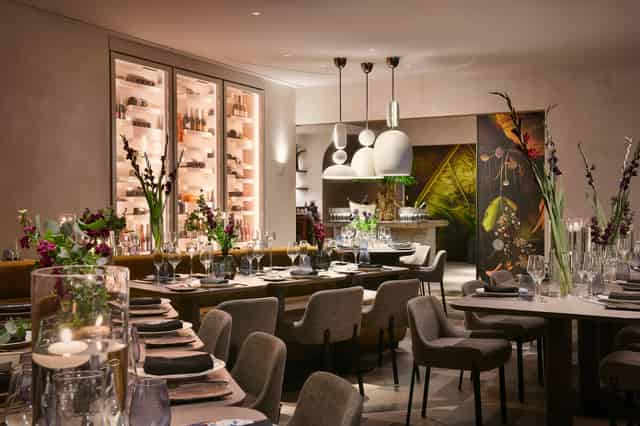
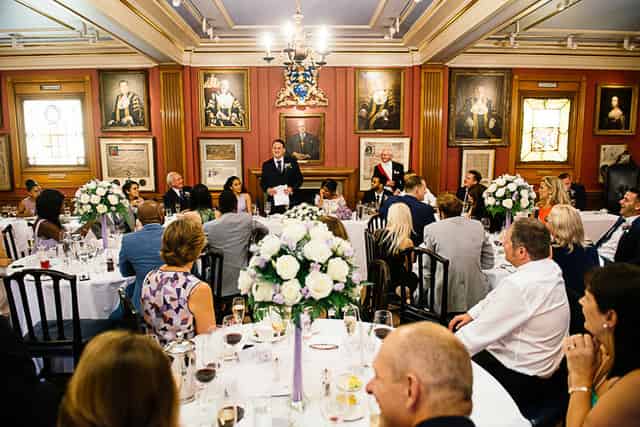
Explore small meeting rooms in the City of London for up to 50 people, perfect for professional gatherings.
No venues match these filters
Try widening your capacity, luxury level or event type.
For business events that need human judgement, talk to our team. Free for 100 person+ events organised by businesses.
Tell us what you need. Our deep research finds any venue, whether it's in our marketplace or not. No one else does this.
There's something quite magical about hosting a 50-person meeting in the heart of the City of London – and it's not just the prestige factor. After organising countless events in the Square Mile, I've witnessed firsthand how this unique environment transforms ordinary meetings into genuinely productive sessions.
The proximity to major financial institutions creates an unparalleled networking ecosystem. When your delegates step out for lunch, they're rubbing shoulders with decision-makers from Goldman Sachs, Deloitte, and countless other industry leaders. I've seen more business deals sparked during coffee breaks in the City than in formal boardrooms elsewhere. This isn't just convenient – it's commercially valuable.
What really sets City venues apart is the transport connectivity. With Liverpool Street and Bank stations within walking distance, your attendees can reach you from Canary Wharf in 15 minutes or Heathrow in 30 minutes via the Elizabeth Line. This reliability is crucial for 50-person events where late arrivals can derail your entire agenda.
The parking situation deserves a mention too – whilst spaces like NCP Barbican charge around £40 for the day, the excellent transport links mean most delegates won't need cars. This keeps your event budget focused on what matters: the venue and experience.
Small meeting rooms for 50 people in the City typically range from £800-£1,500 per day, depending on the venue's prestige and amenities. The sweet spot we've found is venues offering 60-70m² with flexible layouts – perfect for switching between presentations and breakout sessions without the logistical nightmare of larger spaces.
The City's venues excel at hybrid capabilities too, which has become essential post-pandemic. Most quality spaces now offer dedicated 100 Mbps lines and professional AV setups that actually work when your remote participants dial in.
If you're considering alternatives, Small Meeting Rooms in Clerkenwell offer similar connectivity with a more creative atmosphere, whilst Small Meeting Rooms in Liverpool Street provide that crucial transport hub advantage.
The key is booking 8-12 weeks ahead during peak periods (April-June and September-November) when corporate demand peaks. Your next step? Identify three potential venues and visit them personally – the City's character can't be captured in photos alone.
After years of watching perfectly planned meetings fall apart due to venue shortcomings, I've developed a ruthless checklist that's saved countless events. These aren't nice-to-haves – they're absolute essentials that separate professional venues from expensive disappointments.
Your venue needs a minimum 32-amp, 3-phase power supply and a dedicated 100 Mbps internet line. I've seen too many presentations crash because venues relied on shared WiFi that buckled under 50 simultaneous connections. Insist on testing the connection during peak hours – not at 9am when you're the only users.
The acoustics requirement is equally critical. Proper soundproofing panels aren't just about blocking external noise; they prevent that echo-chamber effect that makes hybrid meetings unbearable for remote participants. Venues like etc.venues Farringdon excel here with purpose-built acoustic treatments.
You need 60-70m² minimum with flexible furniture that reconfigures quickly. Theatre-style seating for 50 requires different spacing than classroom layouts for 30, and your venue should handle transitions seamlessly. Ceiling height matters too – anything under 2.5m creates a claustrophobic atmosphere that kills engagement.
HD projectors or LED screens with multiple HDMI inputs are non-negotiable, along with wireless microphones that don't cut out mid-sentence. The best City venues provide dedicated AV technicians, not just equipment. This service typically adds £200-400 to your day rate but prevents the disasters I've witnessed with DIY setups.
Zoned HVAC with individual room controls is essential – 50 people generate significant heat, and stuffy rooms kill productivity faster than poor catering. Natural light with proper blackout capabilities gives you flexibility for different session types.
Full Equality Act 2010 compliance isn't optional, and venues should provide clear fire evacuation procedures with marked exits. Public liability insurance of £5 million minimum protects everyone involved.
For venues that tick these boxes, consider Small Meeting Rooms in Barbican for their excellent technical specifications, or explore Small Meeting Rooms in Holborn for reliable infrastructure.
Your next move? Create a venue inspection checklist based on these requirements and test everything personally during your site visit. Don't rely on venue promises – verify each element works under realistic conditions.
The City's booking landscape operates on unwritten rules that can make or break your event budget. Having negotiated hundreds of venue contracts in the Square Mile, I've learned that timing isn't just about availability – it's about leverage.
Book too early (16+ weeks) and you'll pay premium rates without negotiating power. Book too late (under 4 weeks) and you're at the venue's mercy. The magic window is 8-12 weeks ahead, when venues have clarity on availability but still need to fill gaps. During peak periods (April-June, September-November), this timeline becomes even more critical as corporate demand from financial services firms drives prices up by 20-30%.
For 50-person meetings, expect day rates between £800-£1,500 in the City, with premium venues reaching £2,000+. However, these figures are starting points, not final prices.
| Cost Component | Typical Range | Negotiation Potential |
|---|---|---|
| Room hire (day rate) | £800-£1,500 | High (15-25% possible) |
| AV equipment | £200-£400 | Medium (10-15%) |
| Catering (per head) | £45-£75 | Low (5-10%) |
| Service charges | 12.5-15% | Medium (can be waived) |
Never accept the first quote – venues expect negotiation. My most effective approach? Bundle multiple elements together. Instead of negotiating room hire alone, package it with AV and catering for better overall value. Venues prefer guaranteed spend over piecemeal bookings.
Tuesday-Thursday bookings command premium rates, but Monday and Friday slots often come with 15-20% discounts. If your agenda allows flexibility, this single change can save £200-300 on a typical booking.
Most City venues require 50% deposit on booking, with balance due 7 days before the event. However, offering to pay the full amount upfront often unlocks additional discounts of 5-10%. For venues with cash flow concerns, this can be surprisingly effective.
Consider exploring Small Meeting Rooms in Farringdon for competitive rates, or Small Meeting Rooms in Waterloo if you need slightly more budget flexibility without sacrificing quality.
Your next step? Create a booking timeline working backwards from your event date, and always request quotes from three venues simultaneously – competition drives better deals.
The difference between a smooth 50-person meeting and a logistical nightmare often comes down to three critical elements that most planners overlook until it's too late. Having coordinated events across the Square Mile for over a decade, I've learned that success lies in the details that happen before your delegates even enter the room.
The City's transport web is both a blessing and a potential disaster. Liverpool Street Station handles over 66 million passengers annually, making it brilliant for accessibility but challenging during rush hours. For morning meetings, advise delegates to arrive before 8:30am or after 9:15am to avoid the peak crush. Evening events face similar constraints – the last Tube runs around midnight, but getting 50 people onto packed carriages after 5pm requires military precision.
Here's what works: provide detailed transport instructions including platform numbers and walking routes. The 5-minute walk from Bank Station to most City venues becomes 12 minutes during peak times due to pedestrian congestion. Factor this into your agenda timing.
For international attendees, the Elizabeth Line's 30-minute Heathrow connection is game-changing, but warn them about the £12.80 peak fare versus £10.90 off-peak. These details matter when you're managing 50 expense claims.
Small meeting rooms in the City face unique technical challenges. The concentration of financial institutions creates electromagnetic interference that can disrupt wireless systems. Always request hardwired internet connections for critical presentations – that dedicated 100 Mbps line isn't just about speed, it's about reliability.
Test your hybrid setup during actual business hours, not during quiet periods. I've seen perfectly functioning AV systems collapse when neighbouring offices fire up their trading floors at 7am. The best venues, like those featured in The Top 3 London Hotels With Great Meeting Rooms, invest in enterprise-grade infrastructure specifically to handle these challenges.
The City operates on financial markets' rhythms. Avoid scheduling during market opening (8am-9am) or closing (4pm-5pm) when your finance sector attendees will be distracted. Tuesday-Thursday remains optimal, but consider Monday afternoon slots for 15-20% savings if your audience allows.
For venues that excel at managing these logistics, explore Small Meeting Rooms in Fitzrovia for their proven transport links, or Small Meeting Rooms in Marylebone for reliable technical infrastructure.
Your next step? Create a detailed logistics timeline starting 48 hours before your event, including transport advisories, tech testing schedules, and contingency plans for the inevitable City disruptions.
I've watched more promising meetings crash and burn than I care to count, and the frustrating part is that most disasters are entirely preventable. After rescuing dozens of events from near-catastrophe, I've identified the five mistakes that consistently sabotage small meeting room events – and more importantly, the simple fixes that separate seasoned planners from stressed-out amateurs.
The biggest trap? Assuming 50 people means booking for exactly 50. Theatre-style seating might technically fit 50 bodies, but you'll create a sardine-tin atmosphere that destroys engagement. Smart planners book for 60-65 capacity when expecting 50 attendees, ensuring comfortable spacing and room for late additions. In 60-70m² City venues, this translates to roughly 1.2-1.4m² per person – the difference between productive discussion and claustrophobic misery.
I've seen this mistake cost events dearly. One client crammed 48 delegates into a 55m² room and spent the entire day battling stuffy air, cramped seating, and increasingly irritable participants. The venue looked perfect on paper but failed the comfort test spectacularly.
Never assume "AV included" means what you think it means. Basic projectors often lack the brightness for rooms with natural light, and wireless microphones frequently interfere with the City's dense electronic environment. Always specify HD projection (minimum 3,000 lumens), hardwired internet connections, and backup wireless systems.
The cost difference between basic and professional AV is typically £200-400, but the reliability gap is enormous. Venues that invest in enterprise-grade systems, like those highlighted in 6 Quirky London Meeting Rooms to Inspire Creative Thinking, understand this distinction.
Scheduling lunch for exactly noon seems logical until you realise the City's restaurants are slammed between 12-1pm. Smart planners either book catering in-house or schedule breaks at 11:30am or 1:15pm to avoid the rush. This simple timing shift can save 20-30 minutes of your agenda and prevent hangry delegates.
City venues face unique disruptions – from Tube strikes to security alerts that can lock down entire streets. Always identify alternative venues within walking distance and maintain contact details for backup AV suppliers. The best planners scout Small Meeting Rooms in Covent Garden or Small Meeting Rooms in Soho as contingency options.
Fifty people trying to leave simultaneously creates chaos, especially during rush hour. Stagger departures by announcing transport options 15 minutes before close, and provide clear directions to multiple stations. This prevents the bottleneck that leaves delegates with a poor final impression.
Your next move? Create a pre-event checklist covering each of these pitfalls, and always conduct a full dress rehearsal 24 hours before your meeting. Prevention beats crisis management every time.
Looking for the coolest meeting rooms in London? From stylish interiors to unique settings, here are 8 venues that will definitely elevate your next meeting!

Located in the heart of the City, Salters’ Hall combines the rich heritage of the salt trade of medieval London with contemporary surroundings. Rebuilt in 1972 by Basil Spence and now a Grade II listed building, it is a rare example of a post-war livery building and has remained largely untouched until now... Architects de Metz Forbes Knight [http://www.dmfk.co.uk/projects/load/salters-hall] (dMFK) were tasked with the project to upgrade the building whilst retaining its sense of history and al

Creative ventures across the artistic spectrum are accommodated and embraced at Anomalous Space [https://hirespace.com/Venues/London/1551/Anomalous-Space], situated stunningly close to Angel Station on Pentonville Road. The venue's name captures its uniqueness, in that it deviates from the standard, unoriginal function space that's all too common. Anomalous Space combines the most contemporary of technological facilities with Art-Deco features, all set within an authentic Georgian townhouse.
Multiple venues and events. One agreement.


