Pop Up Spaces in Central London
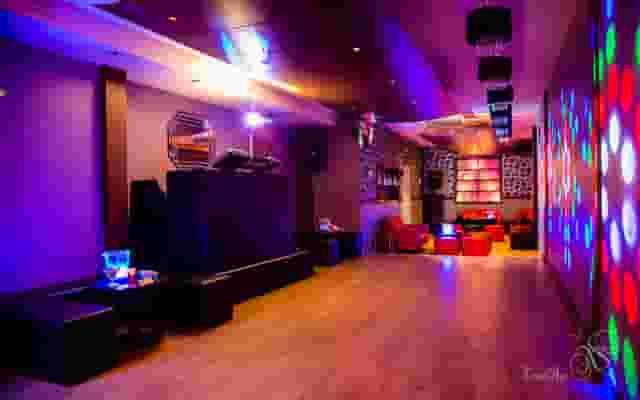
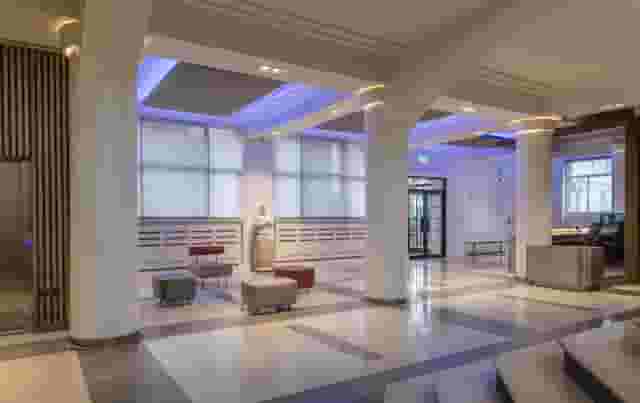
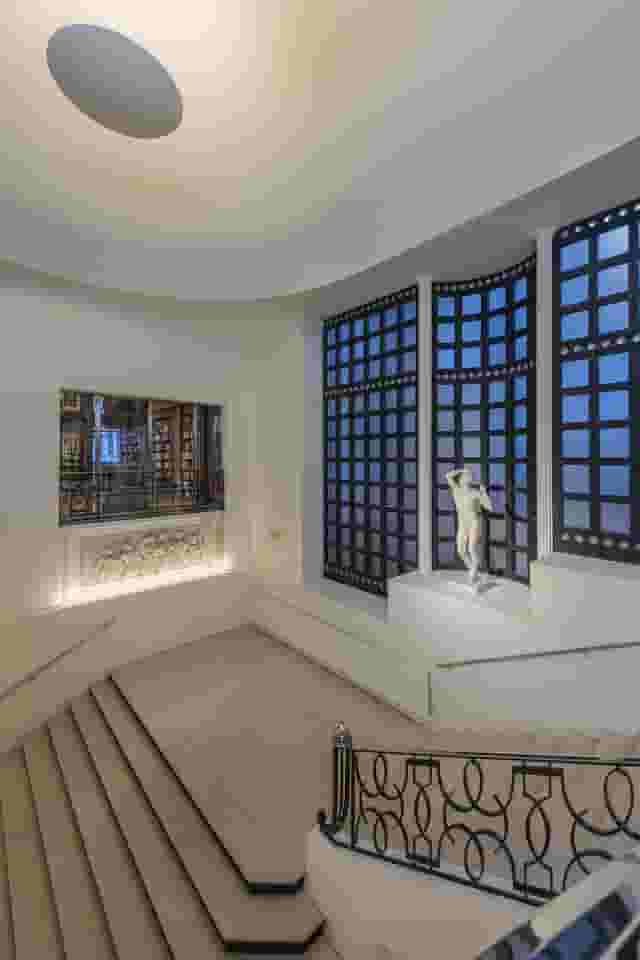
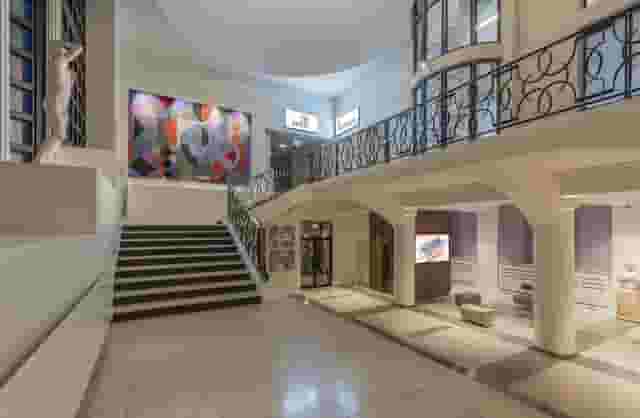
Explore top pop up spaces in Central London for events of 200 people.
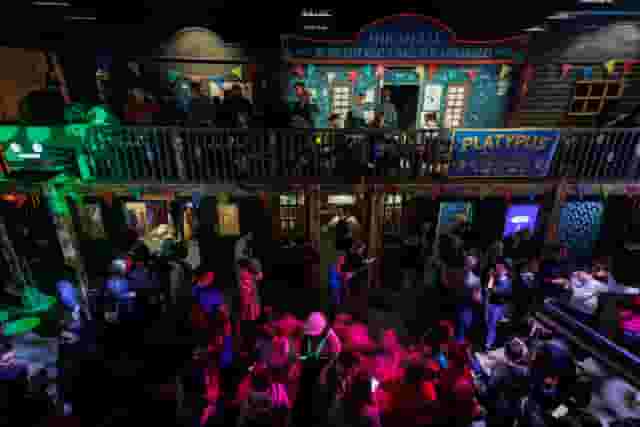
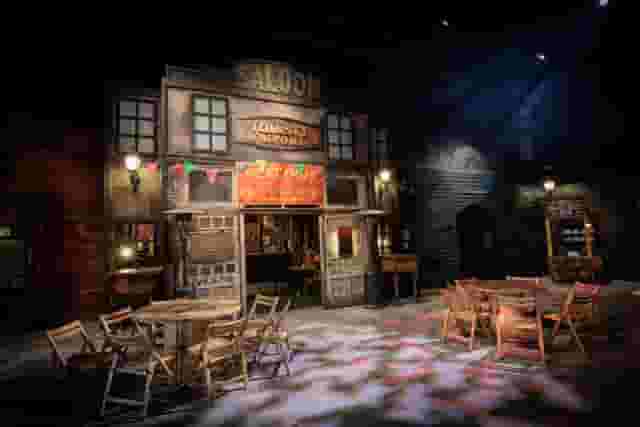
8 Pop Up Spaces in venues in Central London





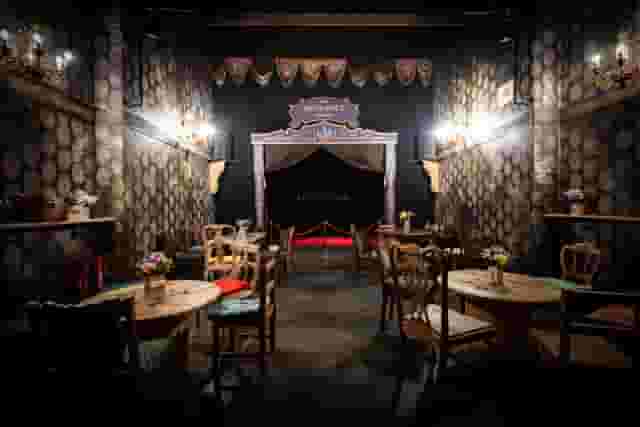
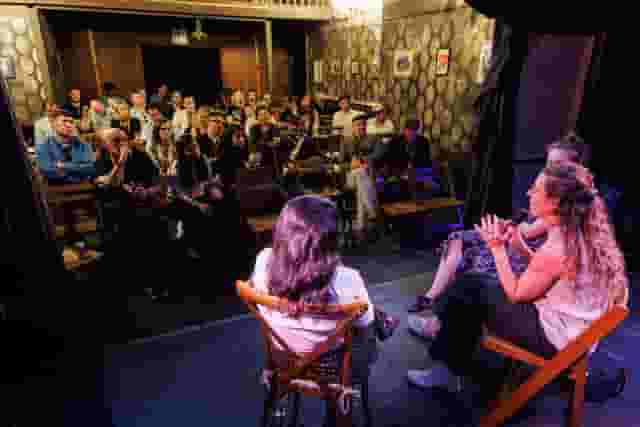
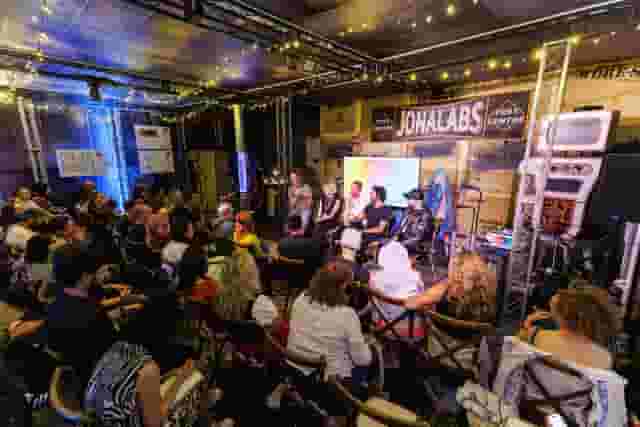

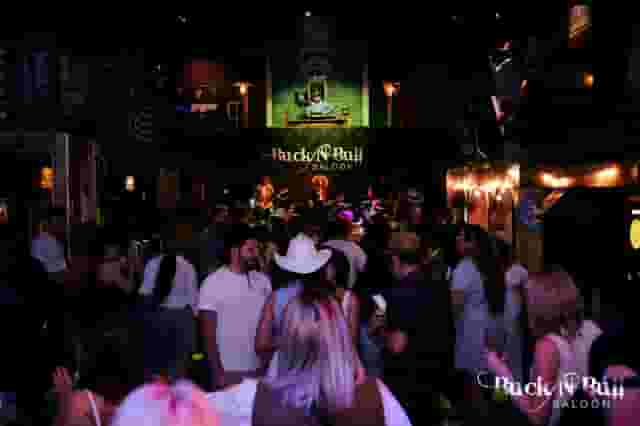


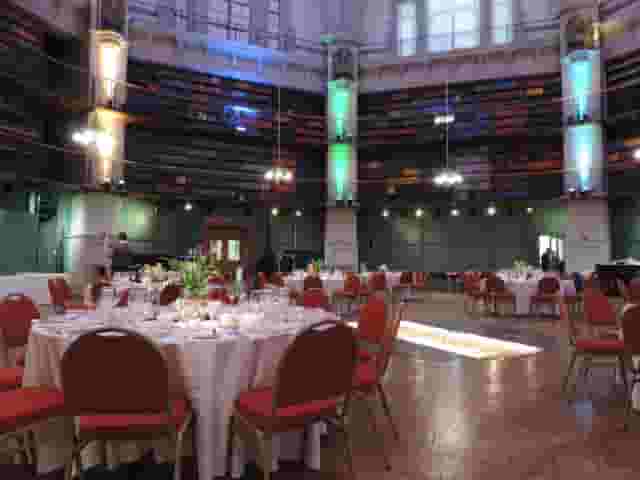
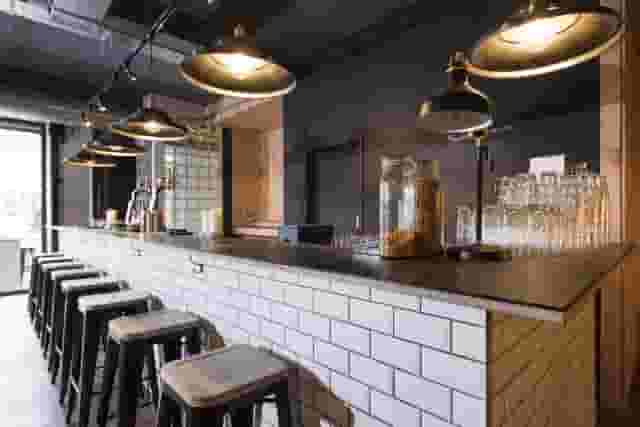



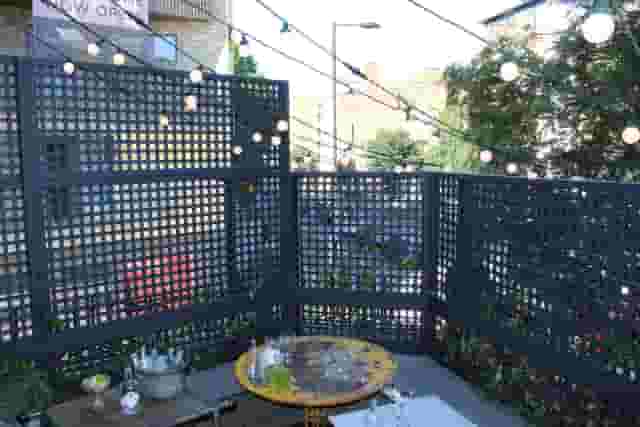
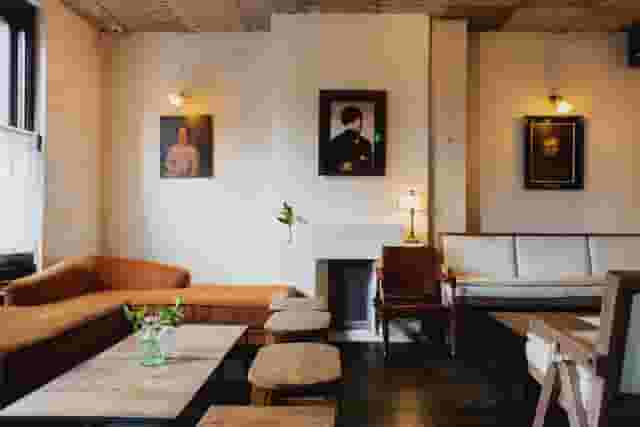


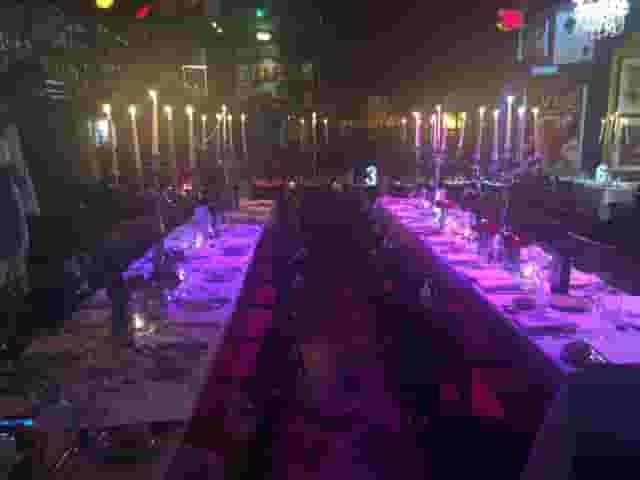
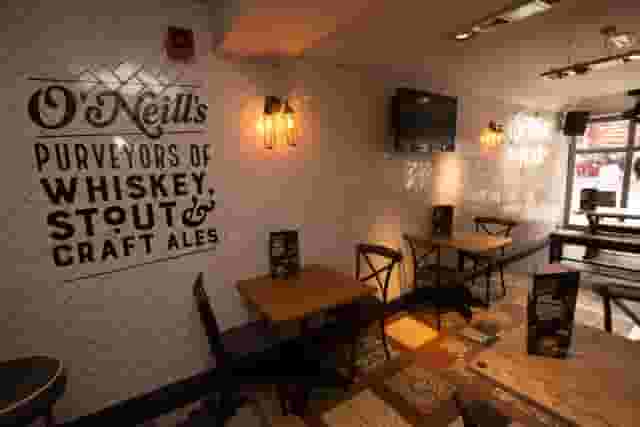
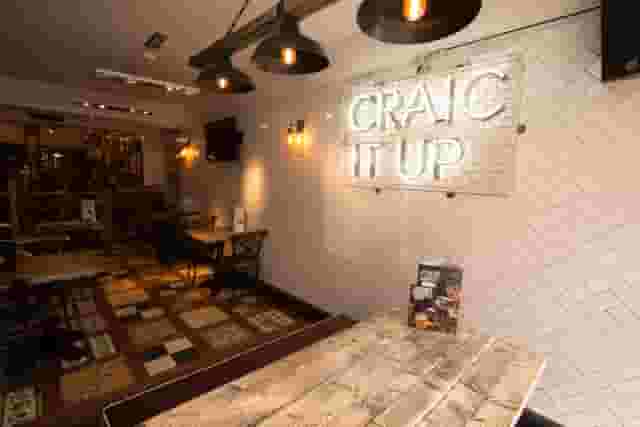
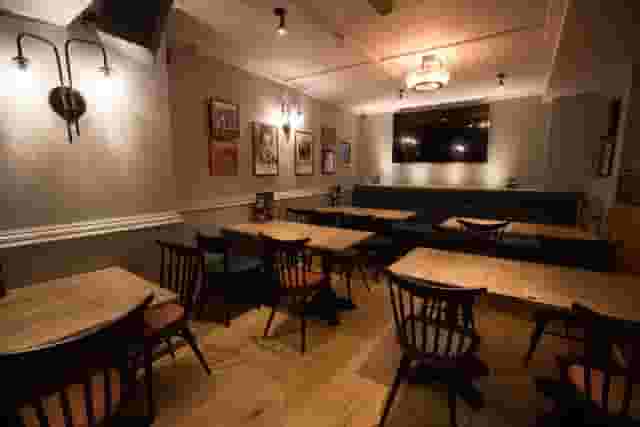

No venues match these filters
Try widening your capacity, luxury level or event type.
Don't have time to search? We'll find it for you.
For business events that need human judgement, talk to our team. Free for events of 100+ people, budgets over £10k or ongoing programmes.


Explore more venues in Central London


















Other platforms search their database. We search everything.
Tell us what you need. Our deep research finds any venue, whether it's in our marketplace or not. No one else does this.
About Pop Up Spaces in Central London
Why Central London Pop Up Spaces Are Perfect for Your 200-Guest Event (And What Makes Them Different)
When you're planning an event for 200 people in Central London, pop up spaces offer something traditional venues simply can't match: complete creative freedom combined with that coveted Zone 1 postcode. We've seen countless events transform from ordinary to extraordinary simply because the venue itself became part of the story.
The magic lies in the blank canvas approach. Unlike established venues with fixed layouts, pop up spaces typically offer 150-300 m² of completely adaptable space. You're not working around someone else's décor or permanent fixtures – you're creating an environment that's entirely yours. This flexibility becomes crucial when you're hosting 200 guests, as you can configure the space for theatre-style presentations (accommodating 150-180 people), intimate banquet seating (120-150 guests), or dynamic standing receptions where all 200 attendees can mingle comfortably.
The Central London Advantage That Actually Matters
Location isn't just about prestige – it's about practicality. Your guests can reach you from anywhere in London within 30 minutes via the tube network, and with the Elizabeth Line expansion, accessibility has improved dramatically. We've found that Central London pop up spaces typically see 15-20% higher attendance rates compared to venues in outer zones, simply because people are more willing to travel.
The real differentiator is the neighbourhood context. A London Pop Up Space in Shoreditch tells a completely different brand story than one in Mayfair, and both carry more weight than a traditional conference centre. Your venue choice becomes part of your event narrative.
What 200-Person Capacity Really Means
Here's where many planners get caught out: a space that holds 200 people standing might only accommodate 120 for a seated dinner. Pop up spaces require careful capacity planning because you're often working with raw space rather than purpose-built event facilities. The minimum ceiling height of 3 metres becomes essential – anything lower feels cramped with 200 people, and you'll struggle with proper lighting and AV setup.
Budget-wise, expect £2,000-£5,000 per day for the space alone, with premium locations commanding the higher end. Factor in that 60% of your budget goes to venue hire, 20% to equipment rental, and 20% to staffing – these aren't traditional venues with built-in facilities.
The key is viewing your pop up space as a strategic investment rather than just a venue hire. When executed well, these spaces create the kind of memorable experiences that generate genuine buzz and lasting brand impact.
The Complete Planning Timeline: From Finding Your Space to Event Day Success
The biggest mistake we see event planners make is treating pop up space booking like traditional venue hire. The reality? You need at least 12-16 weeks lead time for a 200-person event in Central London, and that's assuming you're flexible on dates. Prime locations get snapped up months in advance, particularly during peak season from June to September.
12-16 Weeks Before: The Foundation Phase
Start your search immediately. Unlike established venues with standardised packages, each pop up space requires individual negotiation. We've found that spaces suitable for 200 people typically need custom quotes because you're essentially hiring raw space plus all the infrastructure. Expect initial conversations to take 2-3 weeks as landlords assess your event type, insurance requirements, and technical needs.
Your deposit – usually 50% of the total hire cost – secures the space, but here's the insider tip: negotiate payment terms upfront. Many pop up landlords are flexible on the standard "balance due 14 days prior" if you're booking well in advance.
8-10 Weeks Before: The Technical Deep Dive
This is where pop up spaces get complex. You'll need to coordinate power supply (32 amps minimum for basic setup, 63 amps for anything involving serious AV), internet bandwidth (500 Mbps if you're live streaming), and crucially, access arrangements. Unlike hotels with loading bays, many Central London pop ups have challenging load-in situations.
Book your technical suppliers now – companies like FX Rentals get booked solid during busy periods. For 200 people, you're looking at 4 hours minimum for setup, 2 hours for breakdown, and you'll need this written into your venue agreement.
4-6 Weeks Before: Permits and Permissions
Here's where many planners get unstuck. Pop up spaces often require additional licensing beyond what traditional venues handle. If you're serving alcohol or hosting live music beyond certain hours, you'll need a Premises Licence under the Licensing Act 2003. The application process takes 28 days minimum.
Don't forget noise restrictions – most Central London boroughs have strict limits between 11 PM and 7 AM. We've seen events shut down because planners assumed pop up spaces had the same permissions as established venues.
Final 2 Weeks: The Detail Phase
Confirm your 10 m² storage allocation for equipment, finalise your risk assessments, and ensure your Public Liability Insurance (£5 million minimum) covers the specific activities planned. Many pop up landlords require sight of certificates before allowing access.
The key to success? Treat your pop up space like a temporary venue build rather than a simple booking. When you plan accordingly, these spaces deliver experiences that traditional venues simply can't match.
Navigating Costs, Permits, and Hidden Expenses in Central London Pop Up Venues
Let's talk money – because pop up space costs in Central London can catch even experienced planners off guard. The headline rate might seem straightforward at £2,000-£5,000 per day, but the real story lies in what's not included and how quickly those extras add up.
The Real Cost Breakdown (And What Nobody Tells You)
Here's what we've learned from hundreds of pop up bookings: your venue hire is just the starting point. For a 200-person event, expect to spend £80-£120 per head for a decent experience, rising to £200+ per head for premium productions. That's £16,000-£40,000+ total budget, with the venue representing roughly 40% of your spend.
The killer costs are always the infrastructure. Unlike traditional venues with built-in facilities, you're essentially building a temporary event space from scratch. Power upgrades alone can cost £800-£1,500 if the space doesn't have adequate supply – and most don't for 200-person events. We've seen planners budget £3,000 for their venue only to discover they need another £2,000 for basic electrical work.
Licensing: The Hidden Minefield
This is where pop up spaces get expensive fast. That Premises Licence we mentioned? It's not just the £315 application fee – you'll likely need a licensing consultant (£800-£1,200) because the paperwork is genuinely complex. Many Central London boroughs require additional permissions for temporary events, particularly if you're in conservation areas or near residential properties.
The real sting comes with insurance. Standard event insurance won't cut it – you need specific coverage for temporary structures and public liability that covers the unique risks of pop up venues. Budget £400-£800 for proper coverage, and don't even think about skipping this step.
Smart Negotiation Points That Actually Work
Here's an insider tip: negotiate your setup and breakdown times as part of the initial deal. Many landlords will throw in extra hours if you're booking well in advance, saving you £200-£400 in overtime charges. Also, ask about power and internet – some spaces include basic provision, others charge separately.
Consider booking during off-peak periods (January-March, November) when rates can drop by 20-30%. We've secured prime London Pop Up Space venues for significantly less simply by being flexible on timing.
The key is building a comprehensive budget from day one. Factor in 15-20% contingency for unexpected costs – trust us, there are always unexpected costs with pop up spaces. When you plan properly, these venues deliver incredible value, but only if you understand the true investment required.
Location Strategy: Choosing the Right Central London Neighbourhood for Maximum Impact
Your neighbourhood choice can make or break your 200-person pop up event – and it's about far more than just postcode prestige. We've seen identical events achieve completely different outcomes simply because one was in Shoreditch and another in Covent Garden. The location becomes part of your story, influences attendance rates, and directly impacts your operational costs.
The Attendance Mathematics You Need to Know
Here's something most planners don't realise: Central London neighbourhoods have dramatically different draw rates. Events in Zone 1 locations typically see 15-20% higher attendance than outer zones, but within Central London itself, the variations are striking. Shoreditch and King's Cross pull younger demographics effortlessly, while Mayfair and St James's command respect from corporate audiences but can feel intimidating for creative events.
For 200-person capacity, transport links become critical. Your guests need to reach you easily, and more importantly, they need to get home. Areas around major transport hubs like King's Cross St Pancras or Liverpool Street offer the best connectivity – journey times of just 15 minutes to most London destinations. This matters enormously for evening events when you're competing with people's desire to get home.
The Hidden Operational Realities
Different neighbourhoods come with vastly different operational challenges. Covent Garden offers incredible foot traffic and brand association, but loading restrictions mean your setup costs increase significantly. Many spaces require overnight setup because daytime access is impossible – that's an extra £800-£1,200 in labour costs right there.
Shoreditch pop ups often have better loading access but stricter noise restrictions due to residential proximity. We've worked with venues where sound levels must drop to 65dB after 10 PM – fine for networking events, problematic for product launches with live entertainment.
Matching Neighbourhood to Event DNA
The smartest planners choose locations that amplify their event's core message. Tech launches work brilliantly in King's Cross or Shoreditch – the area's innovation credentials become part of your narrative. Fashion events gain instant credibility in Mayfair or Marylebone, while creative showcases thrive in the grittier authenticity of areas like Bermondsey or Hackney Wick.
Consider your audience's comfort zone too. Corporate clients expect certain standards – a 5 a Side in Covent Garden venue might work perfectly for team building, but the same corporate group might feel out of place in an edgy Shoreditch warehouse.
The key is aligning location with purpose. Your neighbourhood choice should feel inevitable to your guests – like this event could only happen here. When you get that alignment right, the location becomes your most powerful marketing tool.
7 Critical Mistakes Event Planners Make with Pop Up Spaces (And How to Avoid Them)
After fifteen years of working with pop up spaces across Central London, we've seen the same costly mistakes repeated time and again. The difference between a successful 200-person pop up event and a disaster often comes down to understanding what makes these venues fundamentally different from traditional event spaces.
Mistake #1: Assuming Standard Event Timelines Apply
The biggest error? Treating pop up spaces like hotel conference rooms. We've watched planners book a stunning warehouse in Shoreditch only to discover they need 6 hours minimum for setup – not the 2 hours they'd budgeted. For 200 people, you're essentially building a venue from scratch. Factor in 4 hours setup, 2 hours breakdown, and always negotiate these times upfront. One client learned this the hard way when overtime charges added £1,200 to their final bill.
Mistake #2: Underestimating Infrastructure Requirements
Pop up spaces rarely come with adequate power for 200-person events. That beautiful raw space might only have domestic supply – fine for 50 people, catastrophic for your full production. We've seen events cancelled because planners discovered they needed 63-amp supply for their AV setup, requiring electrical work that takes weeks to arrange. Always request detailed technical specifications before signing contracts.
Mistake #3: Ignoring Neighbourhood-Specific Regulations
Each Central London borough has different rules, and pop up spaces often fall into grey areas. A client hosting a product launch in Camden discovered their venue needed additional licensing for temporary structures – a 28-day process they hadn't budgeted for. Research local requirements early, particularly around noise restrictions and alcohol licensing.
Mistake #4: Inadequate Insurance Coverage
Standard event insurance won't cover pop up venues' unique risks. You need specific coverage for temporary structures and public liability that addresses the building's non-standard use. Budget £400-£800 for proper coverage – it's not optional.
Mistake #5: Poor Load-In Planning
Central London access is challenging, and pop up spaces often have terrible loading facilities. We've seen events where equipment had to be carried up three flights of stairs because planners didn't check access routes. Visit your venue, measure doorways, and plan your logistics accordingly.
Mistake #6: Overlooking Capacity Reality
A space that holds 200 standing might only seat 120 for dinner. Pop up venues require careful capacity calculations because you're working with raw space, not purpose-built facilities. Always request detailed floor plans and calculate capacity for your specific layout.
Mistake #7: Skipping the Contingency Budget
Pop up spaces always have unexpected costs. Budget 20% contingency minimum – you'll need it for everything from additional power to last-minute equipment rental.
The key to success? Treat your London Pop Up Space as a venue build project, not a simple booking. When you plan accordingly, these spaces create unforgettable experiences that traditional venues simply can't match.
What our customers say
Inspiration and planning guides

Watch a real brief turn into priced, available venues in 15 minutes
Chloe Richardson has spent 17 years in events. We gave Deep Venue Research one of her briefs and filmed every step, from the first questions to availability checked at the venues she chose.

Simple Events Win: Why Restraint Beats Spectacle
Budgets are tight and audiences want connection over spectacle. The events that land in 2026 are the deliberately simple ones. Here is how to edit rather than cut, grounded in the 2026 industry data, and why the right venue does the heavy lifting.

Why UK Event Calendars Got So Tight (And How to Book Smarter)
Lead times for UK corporate events are up 39% since 2022, based on Hire Space booking data. The calendar is tighter, conversion rates fall sharply when you leave it late and the peak windows are getting more crowded. Here is what the numbers say and what to do about it.
One supplier. Every venue. Full visibility on what you spend.
Multiple venues and events. One agreement.