Karaoke Bars for Hire in East London
Compare East London karaoke venues with private rooms, stages and late bars to plan your next team night out.
17 Karaoke Bars for Hire in East London
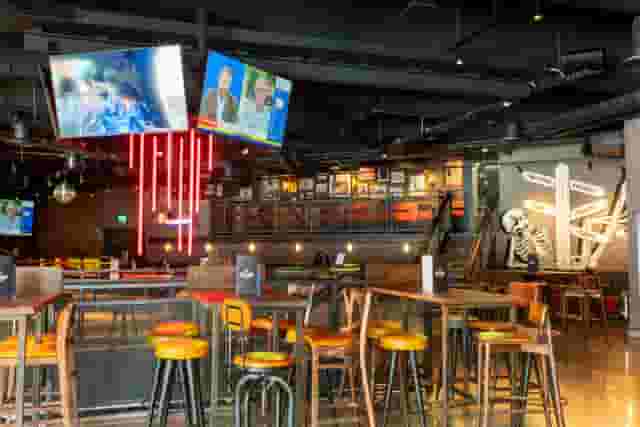
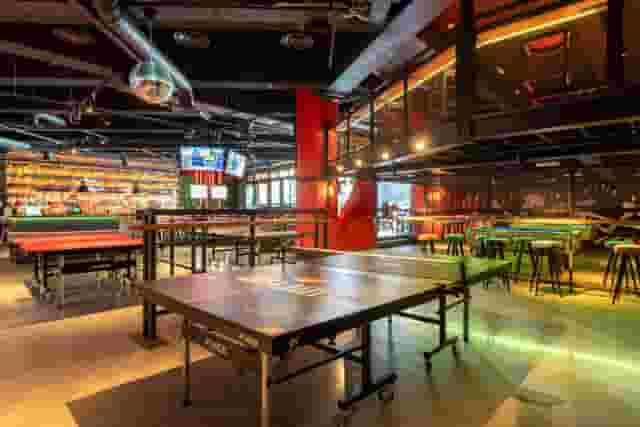
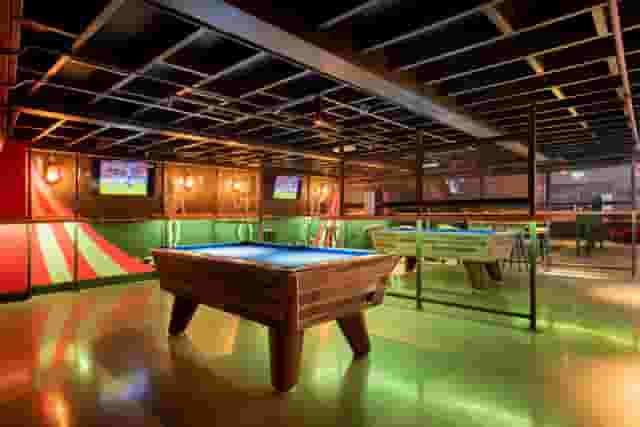
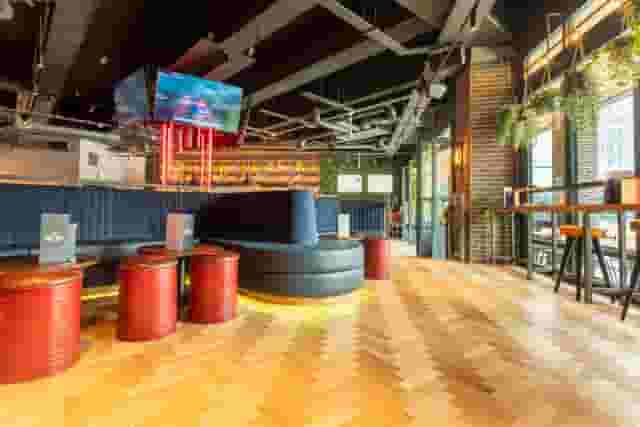
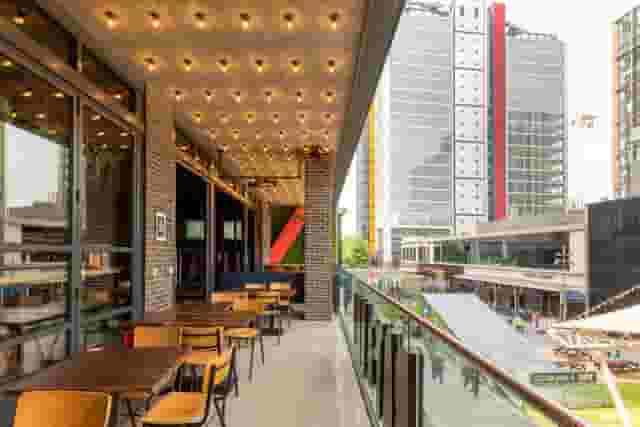
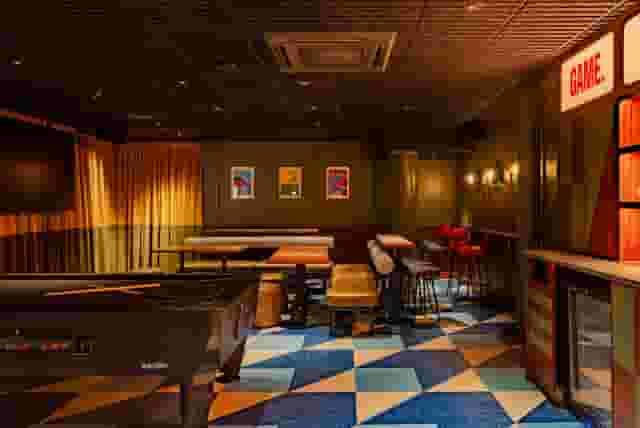
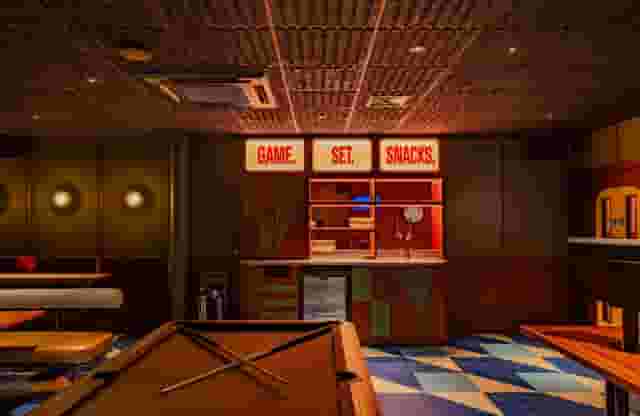
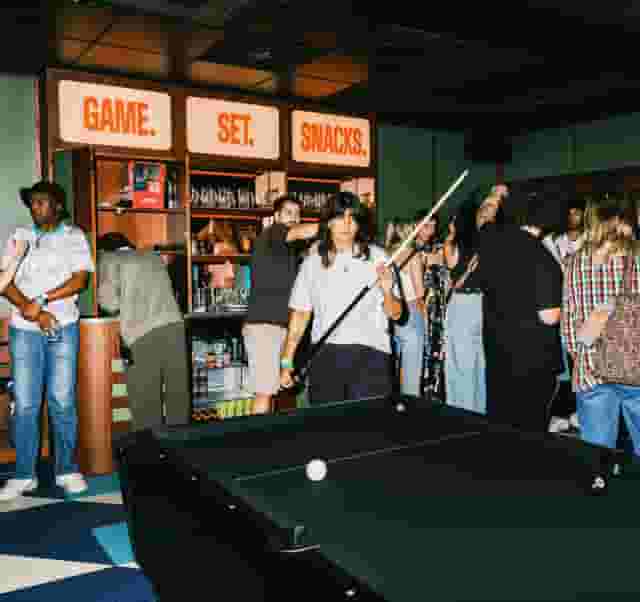





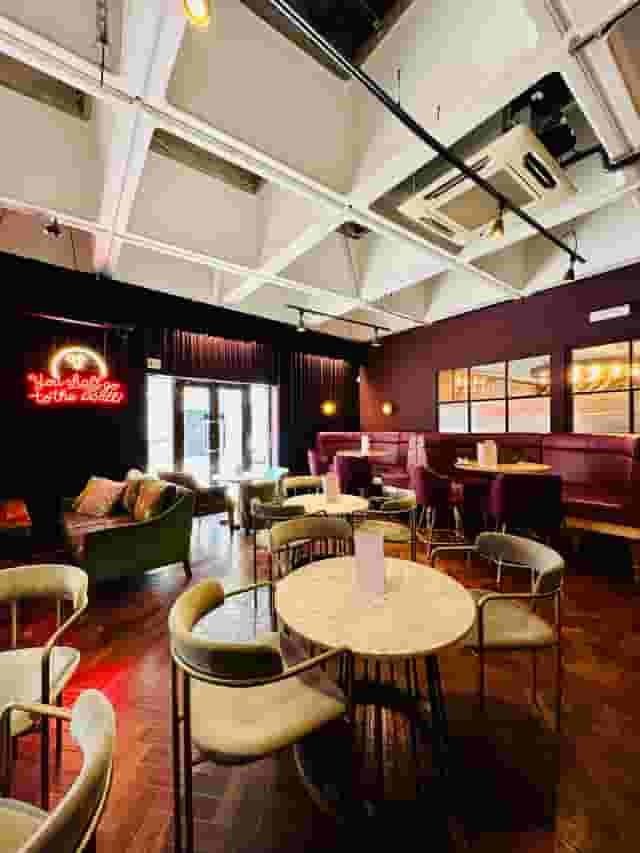
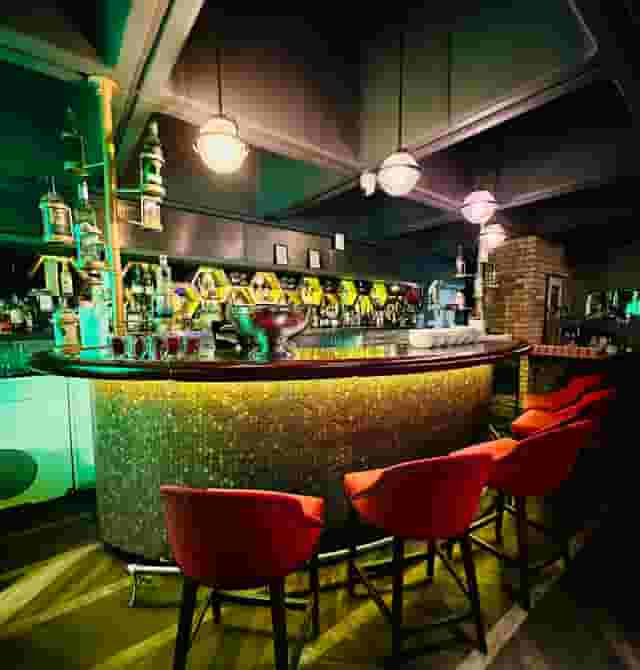
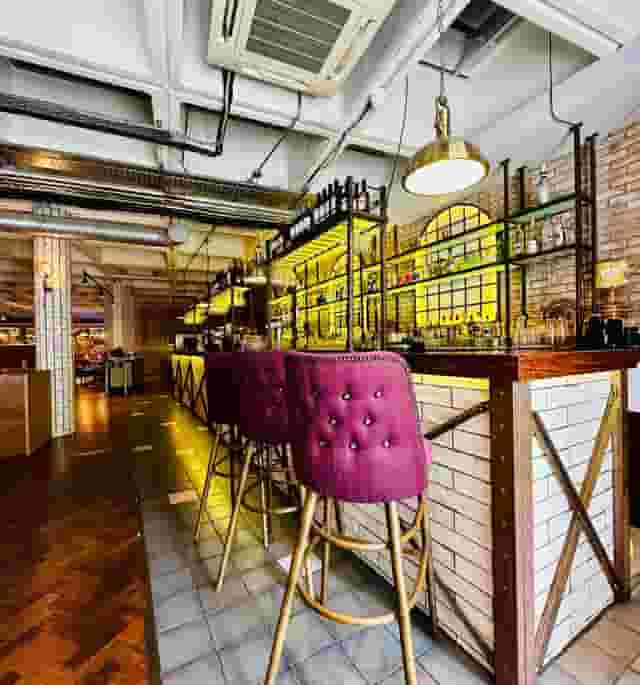
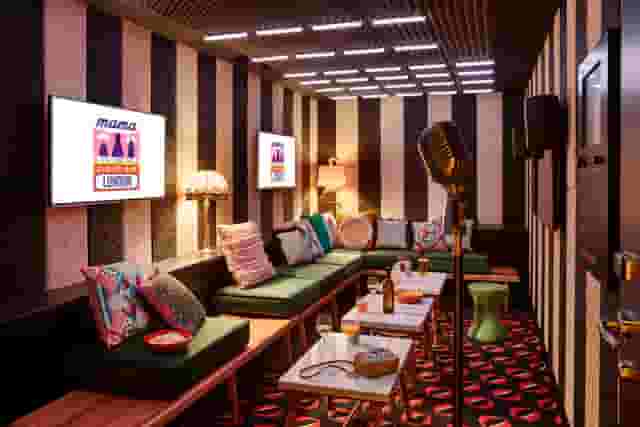











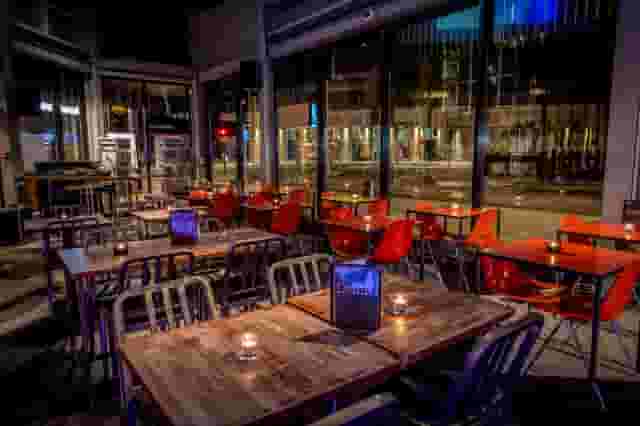
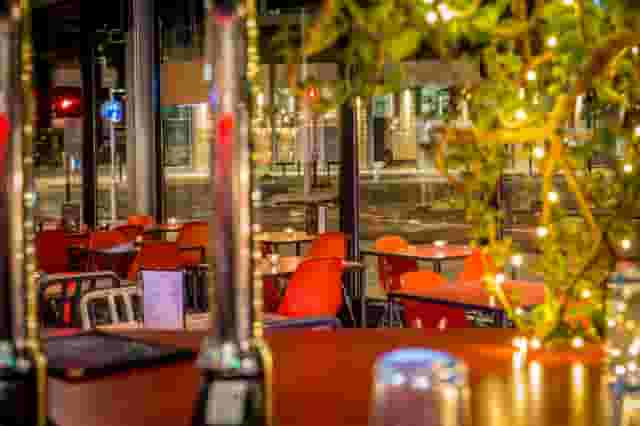

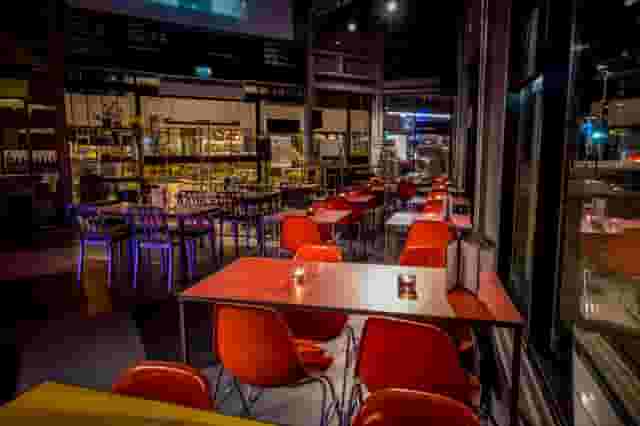
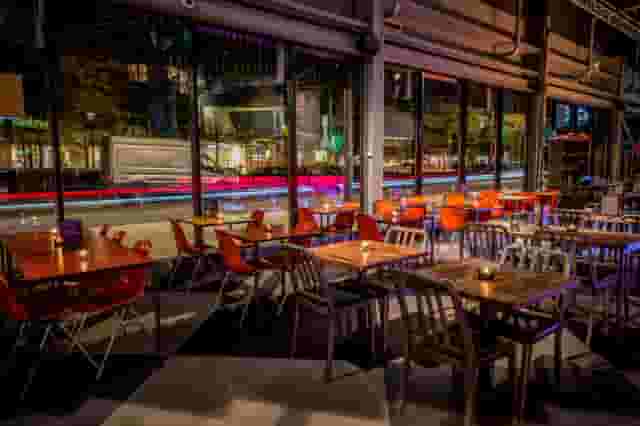
No venues match these filters
Try widening your capacity, luxury level or event type.
Don't have time to search? We'll find it for you.
For business events that need human judgement, talk to our team. Free for events of 100+ people, budgets over £10k or ongoing programmes.




Explore more venues in East London











Frequently asked questions
What's the price range for East London karaoke bars?
Can I walk in or should I book a karaoke bar in East London?
Are private karaoke booths available in East London?
What tech should East London karaoke bars have?
How do I find a karaoke bar with character in East London?
Other platforms search their database. We search everything.
Tell us what you need. Our deep research finds any venue, whether it's in our marketplace or not. No one else does this.
About Karaoke Bars in East London
Choosing between private booths and the open stage
Planning a karaoke night for a large group always starts with a layout decision. You are either putting people into private rooms or gathering everyone in front of a proper stage with a bar and room to stand. Both formats work, but they create completely different evenings.
Private booths suit intimate gatherings where guests only want to sing in front of close friends. They keep the noise contained and lower the stakes for nervous singers. The problem comes when your guest list creeps into triple figures. Private karaoke booths across East London are rarely built for crowds of 100 or more. If you book private booths for a large group, you end up splitting your party across four or five separate rooms. People spend the night wandering corridors looking for their colleagues, the atmosphere fragments and you lose the shared momentum of the event.
| Format | Best for | Vibe |
|---|---|---|
| Private Booth | 10 to 30 people | Low performance pressure |
| Open Stage & Bar | 80 to 250+ people | High energy, shared room |
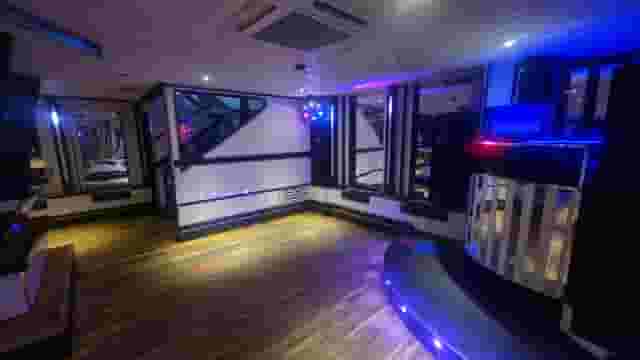
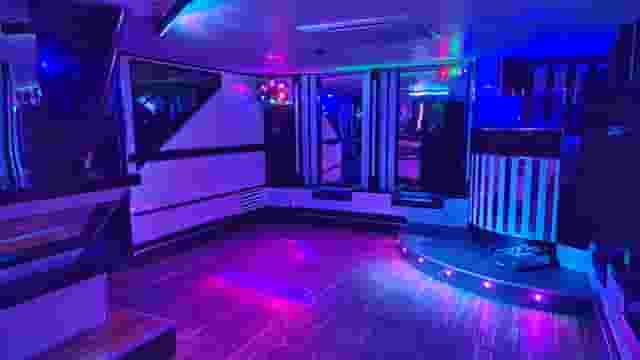
When you hire an open floor with an elevated stage, the dynamic changes. The performance becomes central entertainment for the whole room, turning the crowd into an active audience rather than isolated pockets of singers. Guests grab drinks at the bar, cheer on the brave souls on stage and dance between sets.
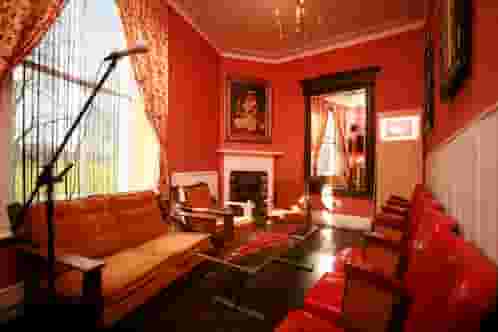
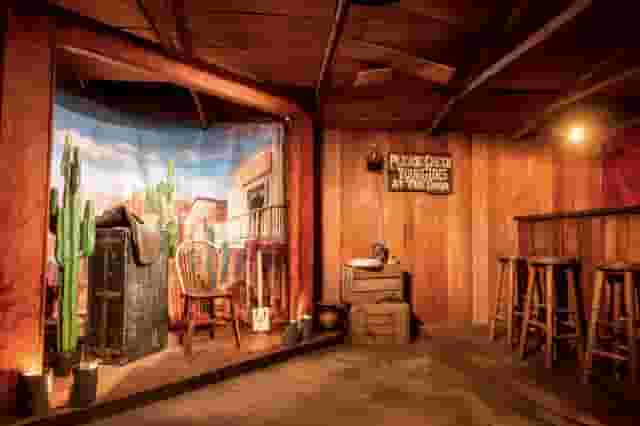
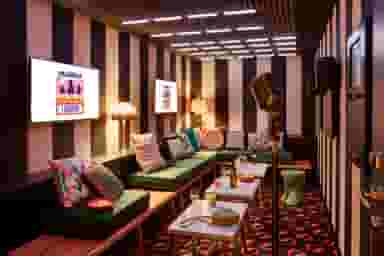
For smaller groups that still want an exclusive corner with an energetic pub atmosphere, spaces like The Playroom at The Blues Kitchen Shoreditch offer private space for up to 30 standing guests without losing access to American diner food and live music roots.
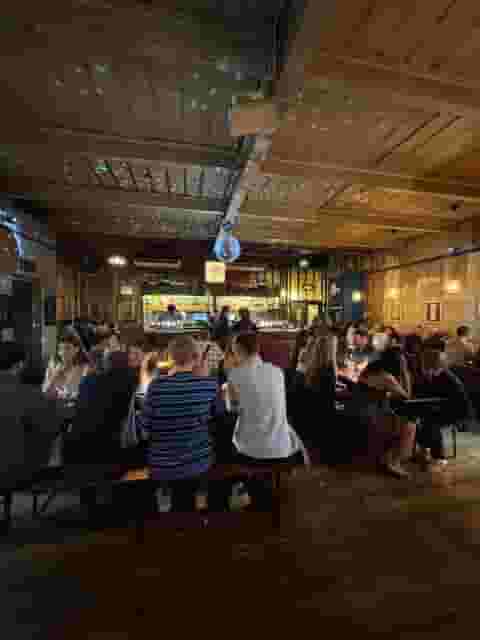
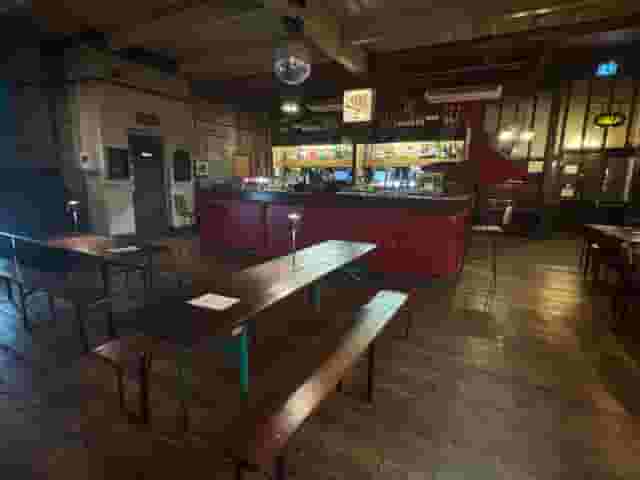
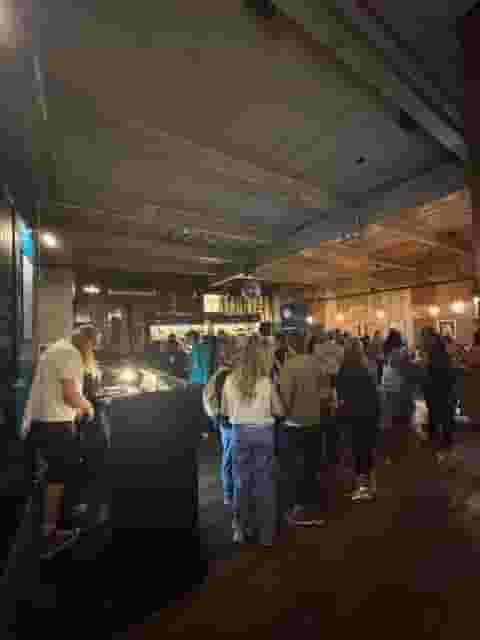
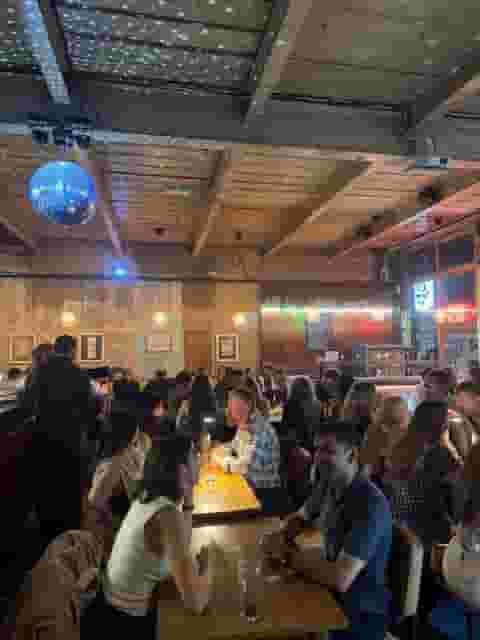
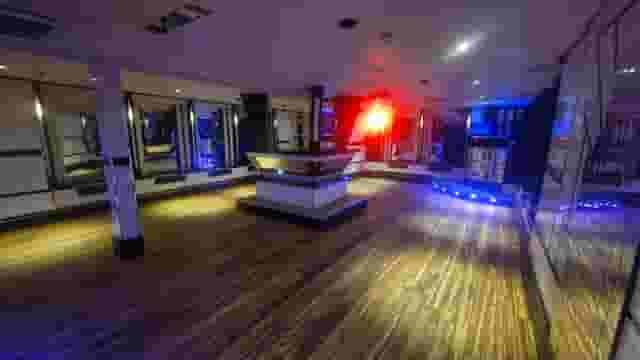
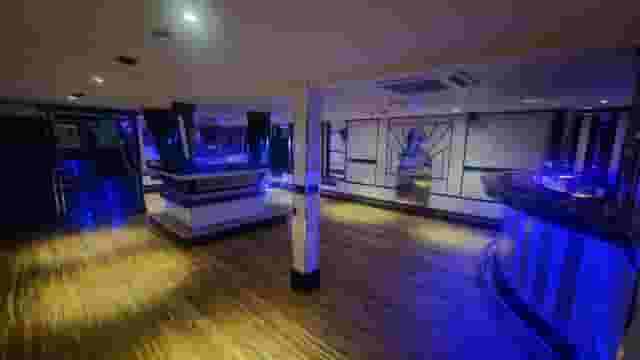
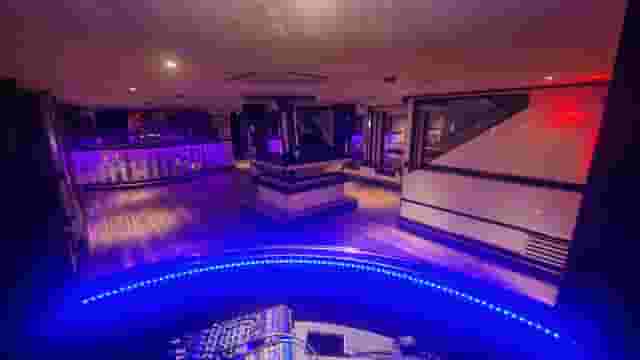
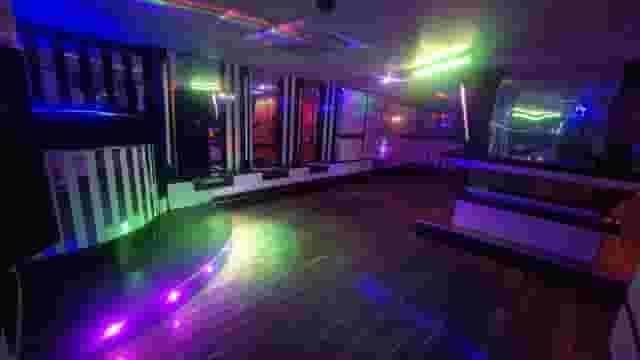
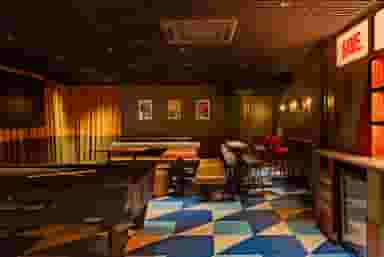
Once your headcount moves towards 100 or 150 people, whole-room takeovers become essential. In Dalston, the whole venue hire at Moustache Bar Dalston gives 120 standing guests an underground club setting complete with its own stage, dedicated sound system and private bar. A few streets away in Bethnal Green, the Downstairs Bar at Star of Bethnal Green holds up to 150 standing guests for lively, inclusive social events where singing takes centre stage.
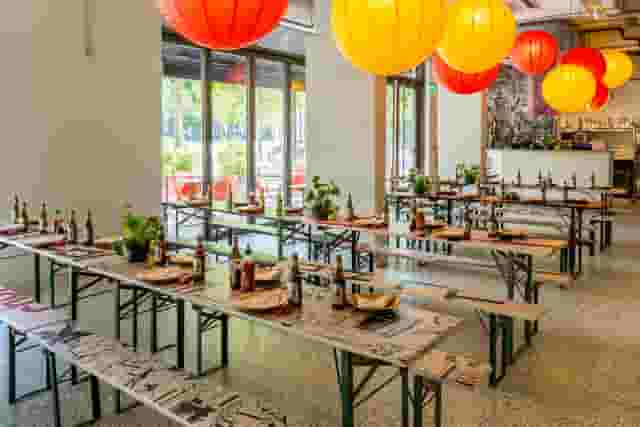
If your guest list pushes past 200, you need venues built to manage volume and movement. The basement bar at Billy Bootleggers Brick Lane accommodates 250 standing guests with an American-style dive bar feel, a dedicated stage and a full sound rig. Further east in Stratford, the main restaurant at Village Vanguard accommodates 200 reception guests in a modern industrial setting fitted with DJ decks, karaoke setups and presentation screens.
Technical essentials for live singing and stage setups
A domestic karaoke box plugged into a domestic television will not cut it when you put a singer in front of 150 people. The background chatter from a standing reception easily drowns out underpowered audio gear. If guests cannot hear the backing track clearly, they sing out of time. If they cannot hear their own voice through a monitor, they shout until they lose their voice.
Before signing a hire contract, run through the venue's audio and visual inventory with their events coordinator. You want clarity on four technical elements:
Microphones and stage monitors
Look for venues that provide at least two reliable wireless microphones on stage, with a third kept behind the bar as an immediate backup. Handing around wired microphones during duets leads to tangled cables and tripped-over stage gear.
Stage wedges or floor monitors are equally critical. In a loud room with 150 standing guests, the main speakers project sound forward into the crowd. Without a dedicated monitor speaker pointed back at the singer, the performer only hears the delayed echo bouncing off the back wall.
Lyric screens and sightlines
In small private rooms, a single wall-mounted screen works because everyone sits within two metres of it. On a performance stage, you need two distinct visual feeds:
- A confidence monitor set at stage level or hung directly in front of the performer, angled so the singer never has to turn their back on the crowd to read the words.
- Large display screens or projectors positioned across the main floor, allowing the audience to follow along and sing the choruses together.
If the venue also doubles as a sports or dining space during the day, check that screen sightlines are not blocked by hanging lighting, extraction pipes or structural pillars.
Song library access and queue management
Find out how guests pick their tracks. Physical ring binders with printed song lists feel nostalgic, but pages get torn, drinks get spilled on them and updating the track selection is impossible. Modern venues rely on digital search systems running on tablets or QR codes that guests scan on their phones.
A digital queue also prevents the dreaded booth bottleneck, where three assertive people hog the microphone for an hour while quieter guests give up and head to the bar. Ask the venue whether a staff member or resident DJ oversees the queue. Having an impartial host manage the playlist keeps track lengths reasonable, cuts dead air between songs and prevents guests from queuing ten-minute rock ballads at midnight.
| Technical component | Minimum requirement | What goes wrong without it |
|---|---|---|
| Microphones | Two wireless handheld mics | Tangled leads and tripping hazards on stage |
| Sound monitoring | Dedicated stage foldback monitor | Singer cannot hear the backing track and drifts off-key |
| Screens | One stage-facing monitor and one room screen | Performer turns their back to the audience to read lyrics |
| Queue management | Digital app or dedicated host | Song queue gets hijacked by two or three confident singers |
| Audio engineer | Venue sound tech on duty | Uncontrolled feedback screeches when guests point mics at speakers |
Balancing activities, food and stage time
Singing on stage takes confidence. Unless your group is packed with amateur performers, throwing the floor open to an empty stage at 18:30 will result in thirty minutes of nervous silence. People need time to arrive, check their coats, grab a drink and settle into the room before the first track plays.
To build momentum, consider venues that combine entertainment with other activities. Breaking the ice with casual games gets people talking and takes the pressure off the performance area early in the night.
At Bat & Ball in Stratford, The Arena room accommodates 450 reception guests with a combination of ping pong, pool and karaoke. Guests can compete over table tennis while the room fills up, gradually gravitating towards the stage as drinks flow. Similarly, the main space at All Star Lanes - Brick Lane hosts up to 500 standing guests across bowling lanes, dining booths and karaoke systems, allowing an event to roll naturally from bowling matches into an evening of live stage performances.
If you are planning an event during warmer months, pairing an indoor stage with outdoor access gives guests room to cool off after high-energy stage sets. You can read our guide on 10 of the Best Bars to Soak Up the Summer Sun to see how East London venues handle outdoor gatherings, or look through our notes on 4 London Rooftop Bars For Summer Party Entertainment for ideas on combining skyline drinks with evening entertainment.
When it comes to food, stick strictly to finger food, sliders and bowl food for a standing karaoke event. Sit-down three-course dinners kill the energy of a stage night. Once people sit down with cutlery, the room becomes quiet and self-conscious. Circulating canapes or street food stations allow guests to eat while standing, socialising and keeping their eyes on the stage.
What karaoke bar hire costs across East London
Understanding how entertainment venues charge will keep your budget realistic. Across East London, indicative pricing for entertainment venues typically sits at £45 to £89 per head. This price range is based on 6 quotes from the venues on this page for about 150 guests, and the figure assumes that party size.
Where your booking lands within that band depends heavily on the timing of your event, the catering you choose and how the venue structures its contract. To help gauge the numbers for your own celebration, Hire Space is a venue booking platform with a team of real people beside it that provides instant price estimates based on past booking data before you reach out. It can also point you towards similar spaces at a lower spend if your favourite bar looks likely to stretch your budget.
Minimum spend vs private room hire fee
Smaller private booths are frequently charged on a straight room-hire fee by the hour, usually requiring guests to buy drinks individually at the bar. For whole-venue or dedicated floor hires for 150 guests, venues switch almost universally to a minimum spend agreement.
Under a minimum spend model, you pay a set threshold across food and drink rather than a flat room fee. If your party drinks and eats enough to meet or exceed that agreed total, the space hire itself is covered. If your bar tab falls short at the end of the night, you pay the difference as a top-up charge.
What pushes costs towards the £45 end
Quotes towards the £45 end of the band usually reflect mid-week dates (such as a Tuesday or Wednesday evening) or early-evening hires that finish before the venue opens to the public at 22:00. At this price point, catering typically covers basic finger food platters or a welcome prosecco, with guests purchasing subsequent drinks themselves. Technical support may be self-serve, meaning venue staff hand you the microphones, show you how to tap the touchscreen and leave you to run the playlist.
What pushes costs towards the £89 end
Quotes towards the £89 end appear for prime dates, particularly Thursday and Friday nights in November and December. At the higher end, packages include substantial bowl food menus, multi-hour open bar arrangements covering craft beer, house wine and spirit mixers, and a dedicated venue sound technician managing microphones throughout the night.
Always check whether cleaning fees, security staff and discretionary service charges are included within your minimum spend figure or billed as separate line items on top. In spaces hosting 150 guests with a stage and bar, venues often mandate at least two security door staff, which can add a fixed surcharge if not factored into the headline quote.
| Hire factor | Lower end of cost range | Higher end of cost range |
|---|---|---|
| Day of week | Monday to Wednesday | Thursday and Friday night |
| Food structure | Light sharing platters or dry hire | Substantial bowl food or street food stations |
| Bar arrangement | Welcome drink only, then cash bar | Multi-hour unlimited beer, wine and soft drinks |
| AV support | Self-managed digital touchscreen | Dedicated live sound technician on duty |
| Security | Included in venue staffing | Mandatory security guards billed as separate line item |
Planning the run of show and managing logistics
An unguided entertainment night can run out of steam quickly if nobody takes charge of the schedule. Build an evening timetable that gives people permission to be silly without dragging out the proceedings until everyone is exhausted.
Sample evening schedule for 150 guests
- 18:30 to 19:30: Doors open. Background music plays through the house sound system. Coat check operates, welcome drinks are served and finger food circulates. Guests register their songs via the digital queue.
- 19:30 to 19:45: Host or organiser takes the microphone, welcomes the crowd and kicks off with an easy, crowd-pleasing warm-up song to break the tension.
- 19:45 to 21:00: First stage session. Solo acts, duets and confident singers take the stage. Keep songs under four minutes to get through as many people as possible.
- 21:00 to 21:30: Stage break. Late-night food or dessert bites arrive. The DJ takes over the sound system for a half-hour dance set while singers rest their voices.
- 21:30 to 22:45: Prime time group anthems. Switch the focus from solo performances to group tracks where five or six colleagues take the stage together and the entire floor sings along.
- 22:45 to 23:00: Final ensemble track, last call at the bar and wrap-up.
Licensing, sound curfews and transport
East London is known for nightlife, but licensing restrictions vary dramatically depending on the exact street. Venues in mixed residential pockets around Dalston, Hackney Central and Bethnal Green often operate under strict noise limits after 23:00, requiring sound limiters that cut power to the stage amplifiers if the room volume exceeds a preset decibel limit. If you plan to sing late into the night, ask venue management what their music licence cut-off is and whether they use sound limiters.
Transport access is another reason East London works well for group events. Venues along Brick Lane sit within an easy walk of Shoreditch High Street on the Overground and Aldgate East on the District and Hammersmith & City lines. Spaces around Dalston Junction and Bethnal Green connect directly into the Overground and Central line night tube services. Venues located out towards Stratford benefit from high-capacity transport interchanges connecting the Elizabeth line, Jubilee line, Central line and DLR, making late-night journeys home straightforward for guests travelling across London.
Confirm the cloakroom arrangements before you book. When 150 guests arrive with coats, bags and laptop cases straight from work, dumping belongings over chairs clutters the floor and creates a hazard around the stage stairs. A staffed cloakroom keeps the main floor clear, protects people's bags and lets everyone focus on enjoying the night.
What our customers say
Inspiration and planning guides

6 Top Venues For A 30th Birthday Party
If your 30th is approaching, it's the perfect excuse for having a big old birthday bash in our books - here's a whirlwind tour of 6 of our favourite venues!

5 Summer BBQ Party Venues
What better way to usher in the summer than a summer party in a great venue. With everything from rooftops to private gardens, discover London's best.

The Top 5 North London Party Venues
East London has hipsters, west London is rich and south London has sweet suburban spots, but north London is all about good times. It's where rock 'n' roll celebs call home, with a historic reputation for fun. Hire Space venue expert Laura Richards reveals the best north London party spots to live it up as the area intended. 1. House of Wolf Source: The Independent Embrace the bohemian vibes that North London has to offer - head along to Islington's recently established House of Wolf. The
One supplier. Every venue. Full visibility on what you spend.
Multiple venues and events. One agreement.