Karaoke Bars for Hire in Mayfair
Compare Mayfair karaoke venues and private rooms with instant pricing, stage setups and dedicated bar hire for your next night out.
12 Karaoke Bars for Hire in Mayfair


















No venues match these filters
Try widening your capacity, luxury level or event type.
Don't have time to search? We'll find it for you.
For business events that need human judgement, talk to our team. Free for events of 100+ people, budgets over £10k or ongoing programmes.




Explore more venues in Mayfair














Other platforms search their database. We search everything.
Tell us what you need. Our deep research finds any venue, whether it's in our marketplace or not. No one else does this.
About The Best Karaoke In Mayfair in Mayfair
Planning an evening of karaoke around Mayfair means striking a deliberate balance between polished hospitality and genuine social looseness. The neighbourhood itself sits between the clubland of St James's, the retail corridors of Oxford Street and the nightlife density of Soho. That geography shapes what an evening here feels like. Guests arriving from offices around Berkeley Square or Grosvenor Square expect high-calibre cocktail service and clean production. At the same time, singing in front of colleagues or clients requires an environment that puts people at ease rather than making them feel exposed.
A successful night depends on how you configure the room, how you pace the arrival and performance times, and how you manage the bar spend. Whether you need an intimate basement space for 30 guests or an expansive takeover for several hundred, choosing the right venue structure will dictate whether people spend the night queuing for drinks or getting up to perform.
Choosing between private booths, open stages and full takeovers
The first decision when organising karaoke in and around Mayfair is whether your crowd benefits from singing together in one large room or splitting across a cluster of dedicated booths. Both formats work well, but they produce completely different social dynamics.
Private rooms with a communal bar
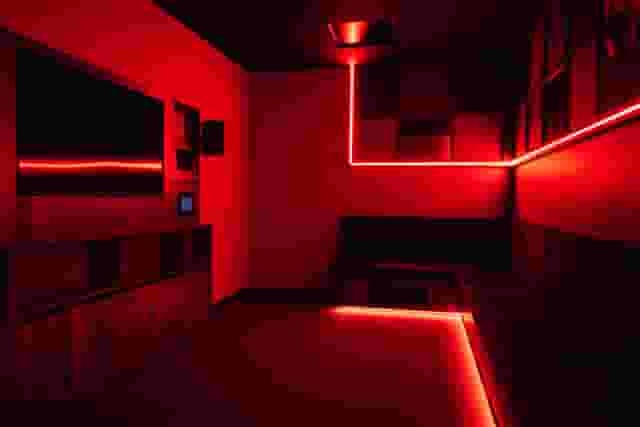
Private booths solve the biggest hurdle in amateur singing: stage fright. People who would never step onto a central stage in front of 150 peers will happily tackle power ballads behind a closed door with 12 close colleagues.
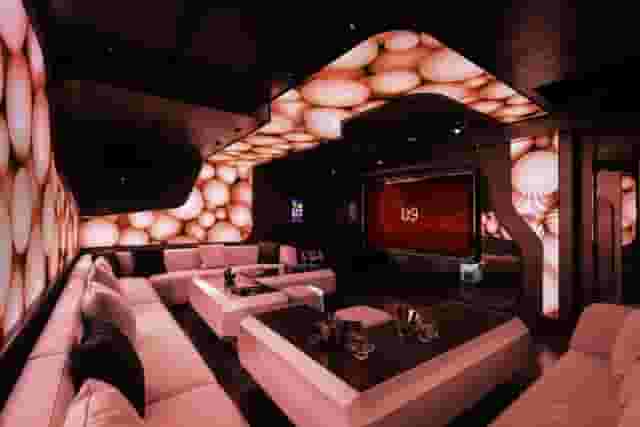
Venues built around room-based singing let guests cycle between socialising at a shared bar and ducking into soundproofed spaces to sing. Lucky Voice Soho operates on this model, offering private rooms alongside cocktail service for full takeovers of up to 160 guests. Just across from Oxford Street on the northern border of Mayfair, Moyagi provides soundproofed singing suites coupled with a central bar area for reception groups of up to 180.
This model lets guests control their own exposure. Confident performers can dominate a playlist in one room while smaller groups hold conversations over drinks in another. The trade-off is fragmentation. If your goal is a single shared moment where the whole party watches the same speeches or performances, private rooms split your headcount into small pods.
Central stage and open floor
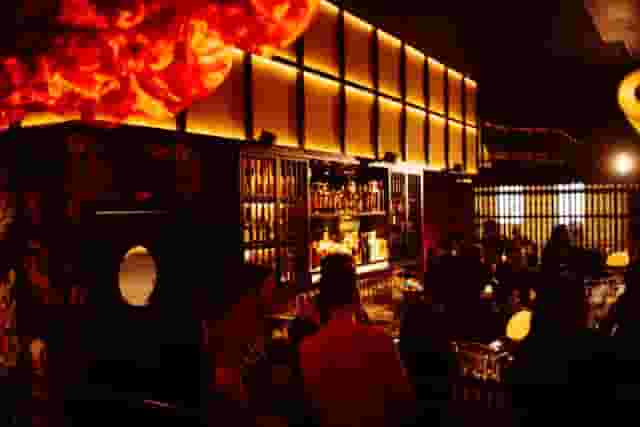
If your event needs a collective atmosphere, an open stage format keeps everyone in the same room. A central stage creates high visual energy, allows leadership to address the full crowd, and turns individual performances into collective entertainment.
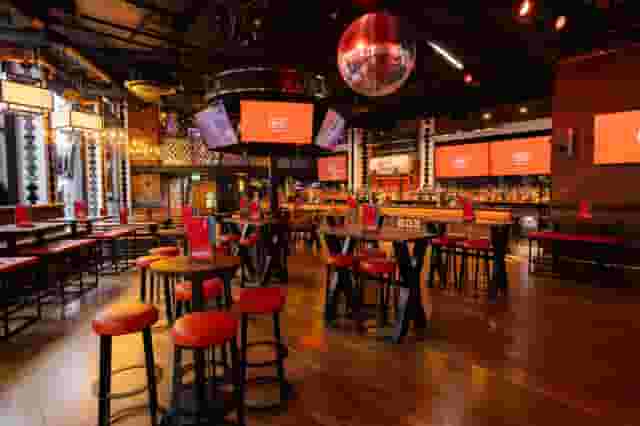
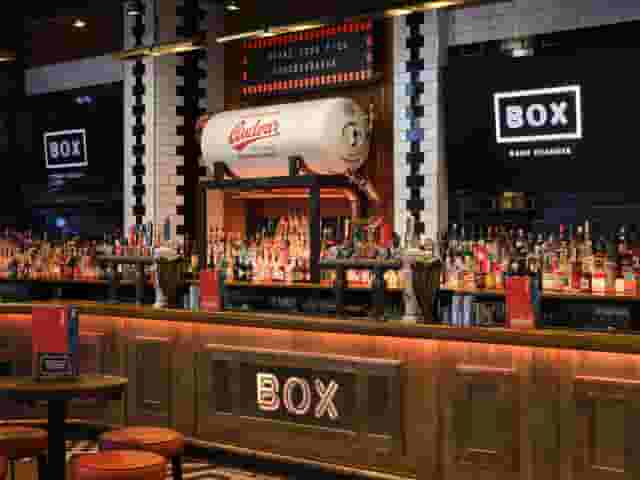
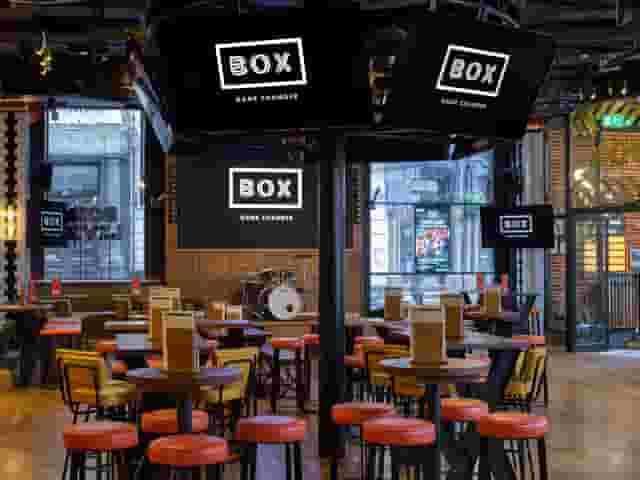
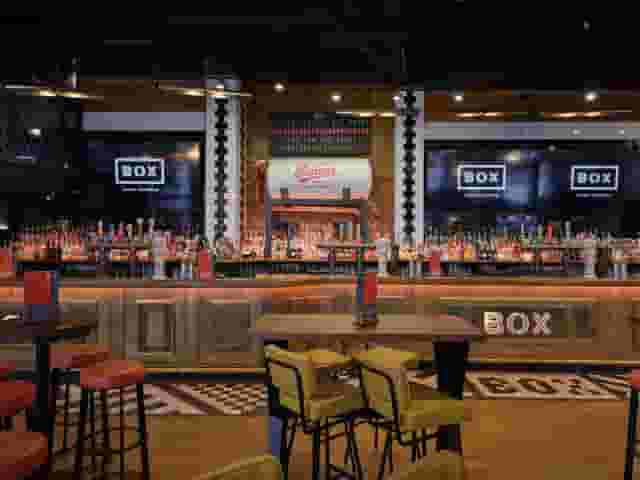
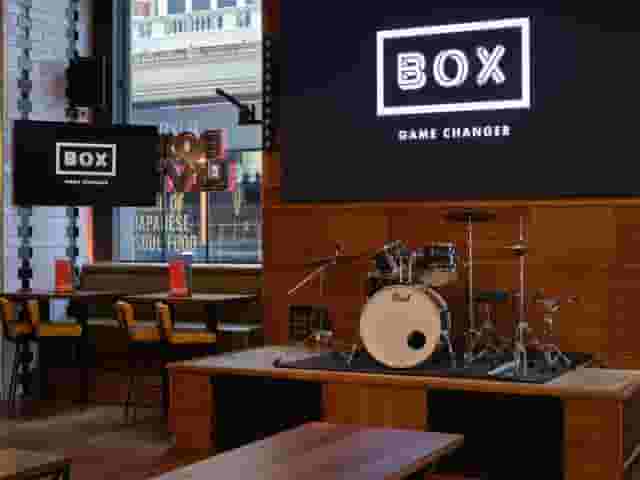
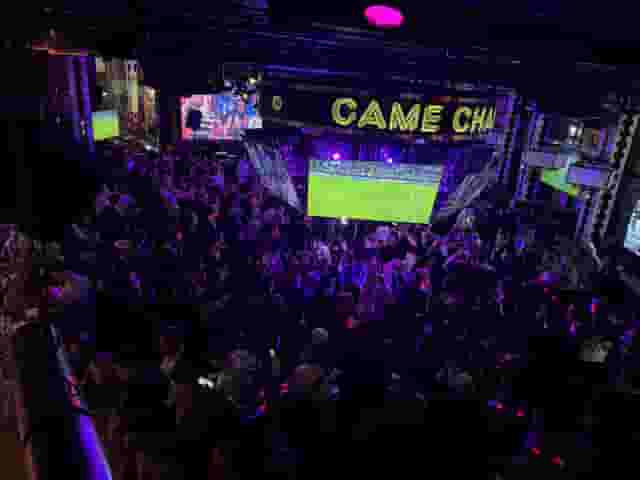
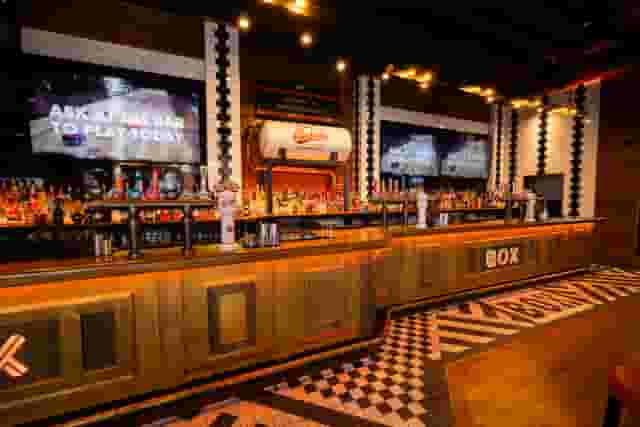
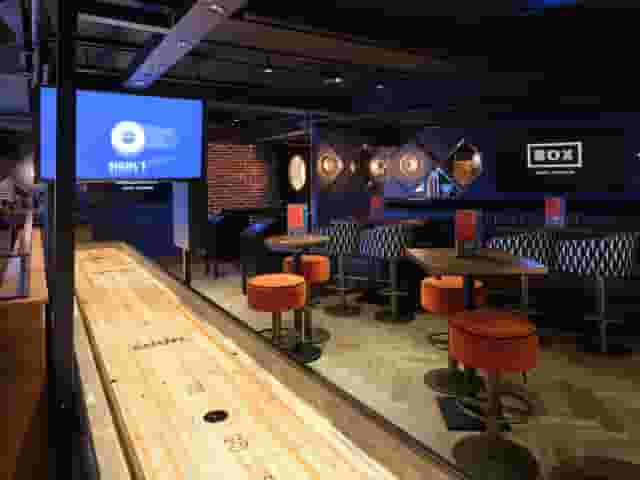
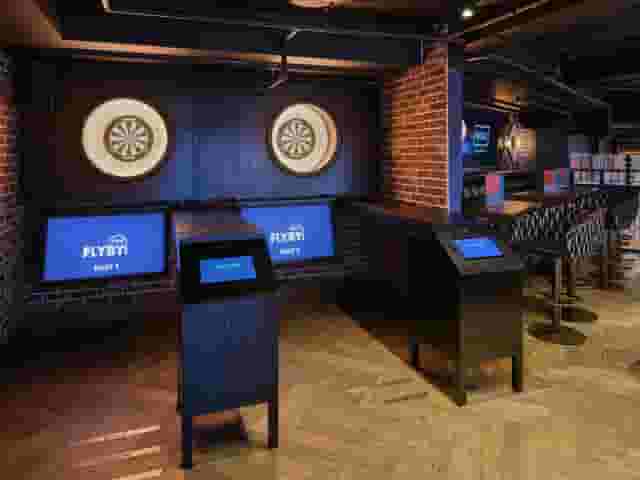
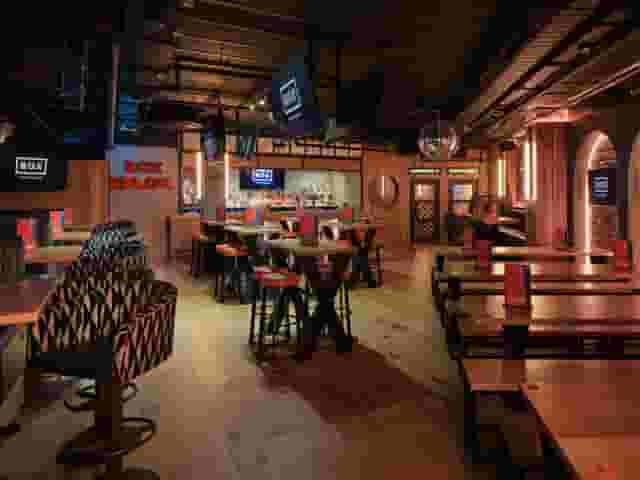
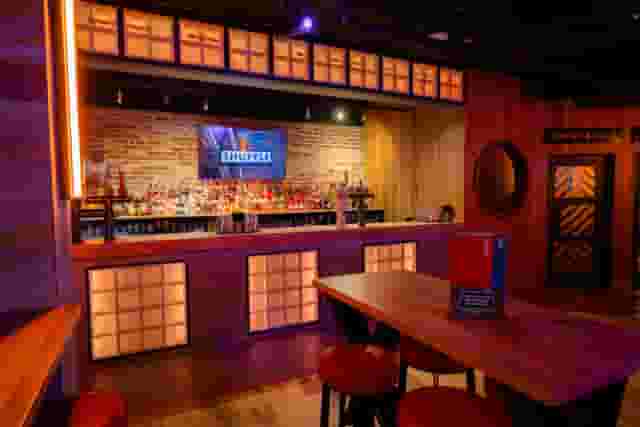
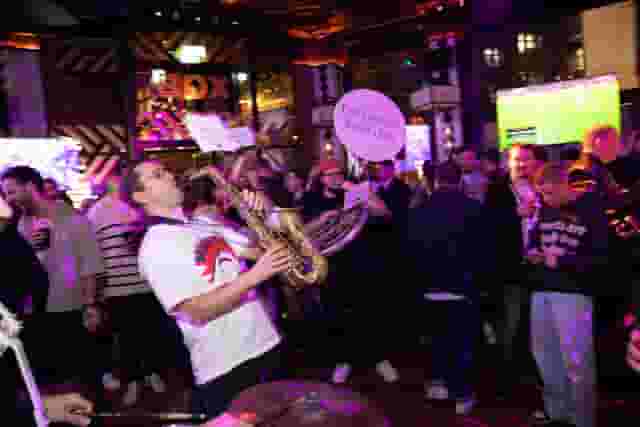
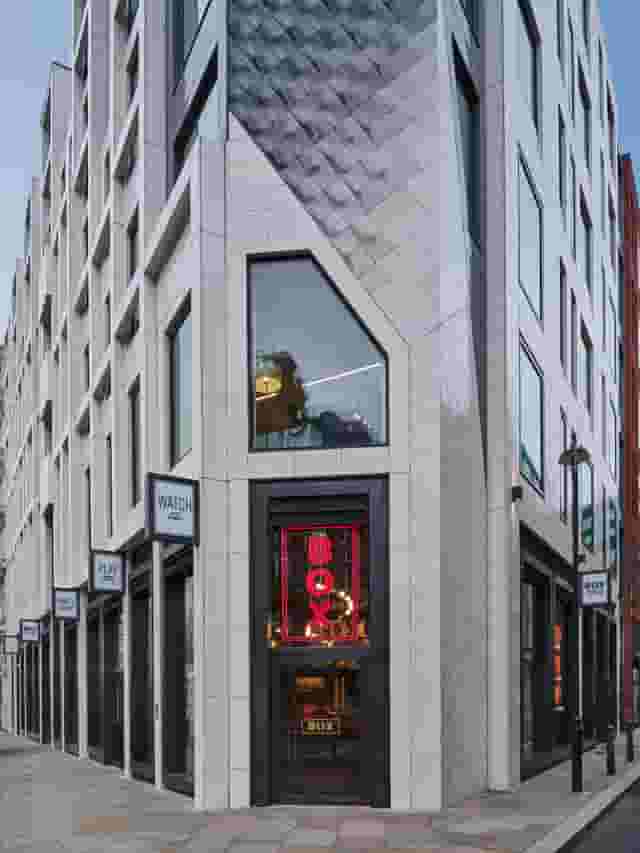
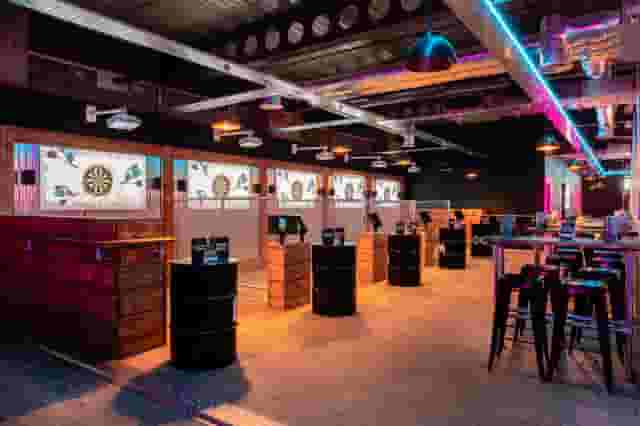
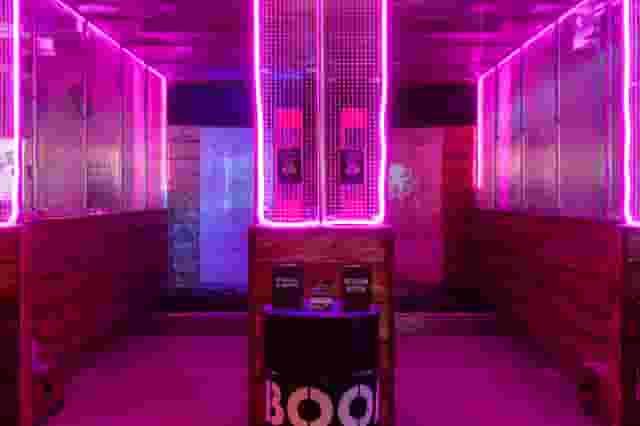
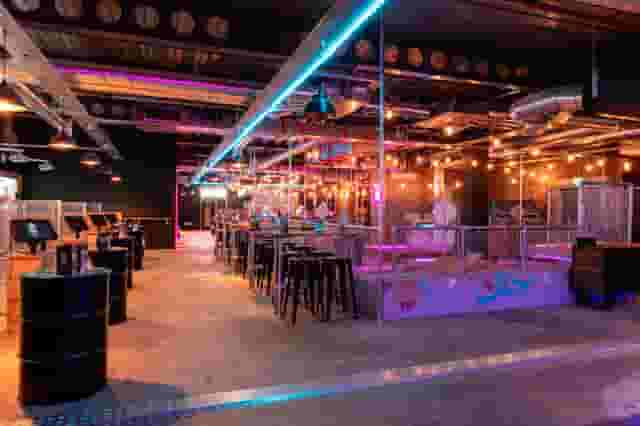
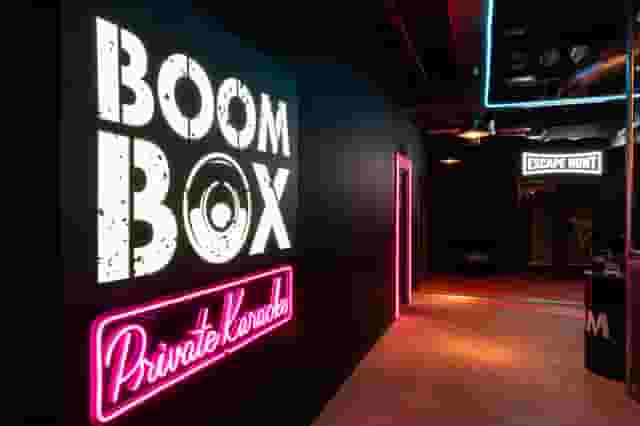
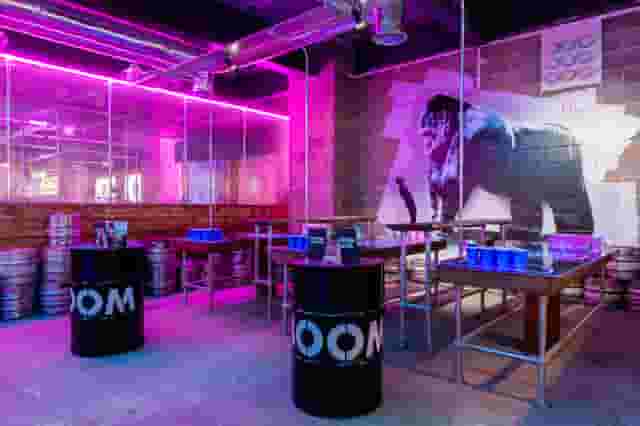
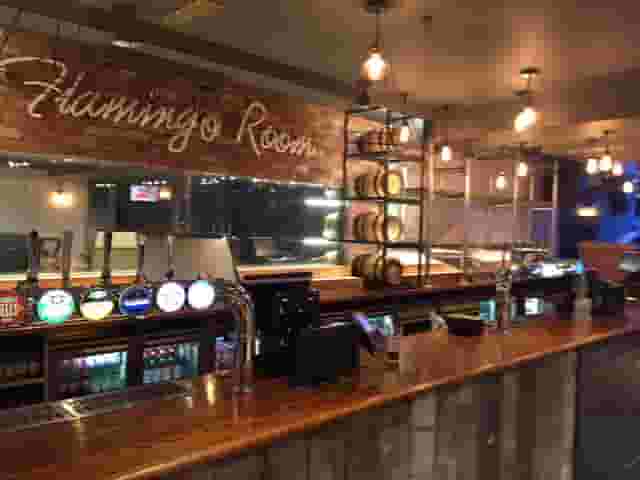
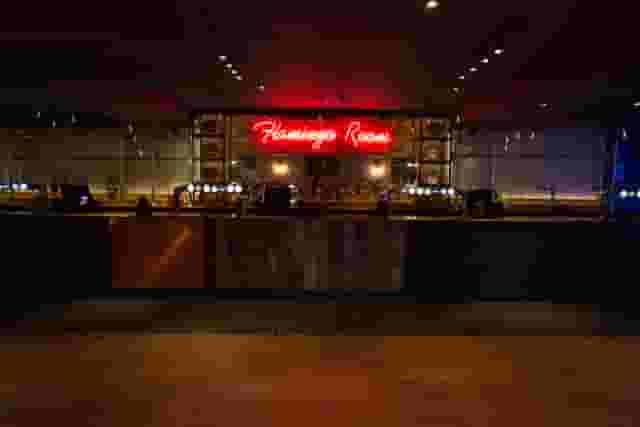
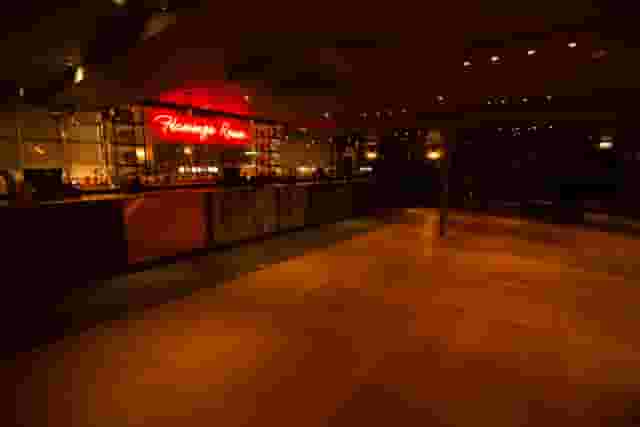
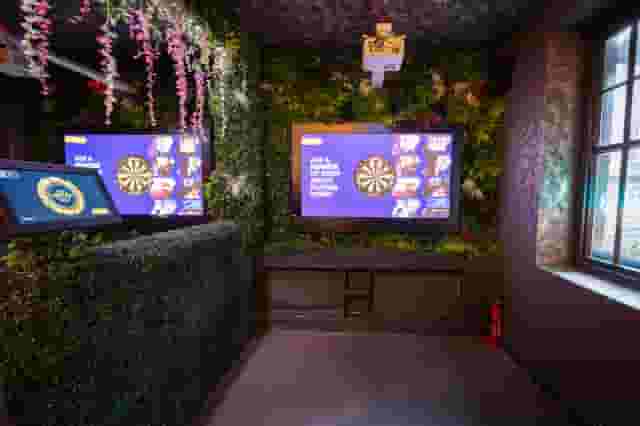
Spaces like the Flamingo Room at O'Neill's Wardour Street offer a dedicated stage, built-in sound equipment and bar space for up to 400 guests on a buffet layout. For gatherings that combine live singing with competitive bar entertainment and arcade games, Boom Battle Bar Oxford Street accommodates up to 500 guests. Larger multi-level spaces like BOX Piccadilly can hold up to 550 standing guests across private event rooms with stage facilities and screens.
Open-stage rooms require more management. If nobody volunteers to sing during the first hour, the stage stands empty and the room feels flat. You need confident hosts or an organised running order to break the ice early.
Intimate speakeasies and basement lounges
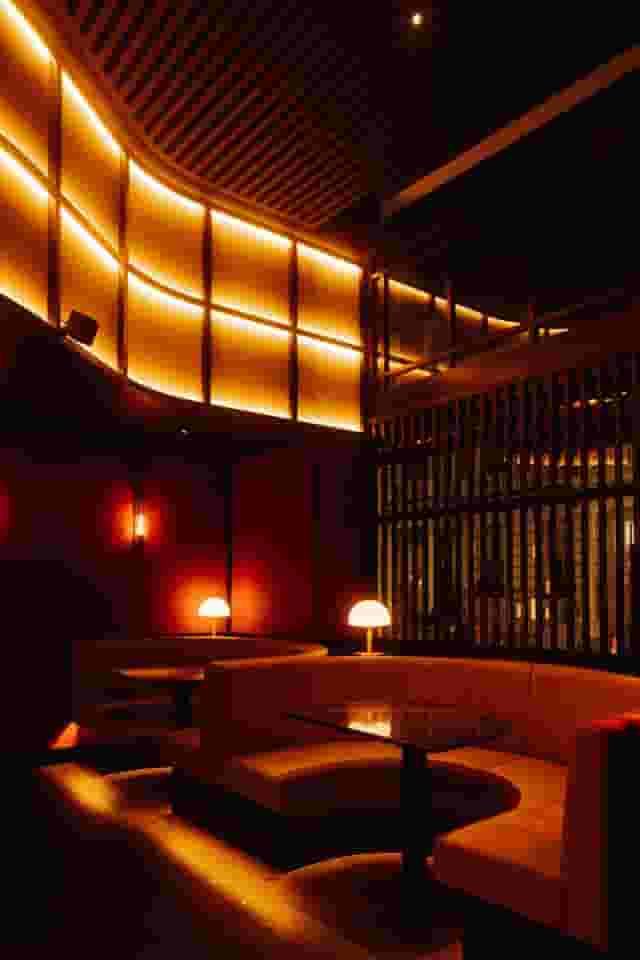
For groups between 20 and 50 people, booking an enormous hall leaves the room feeling hollow. Smaller gatherings need lower ceilings, warm lighting and tight acoustic profiles so that even a hesitant chorus fills the space.
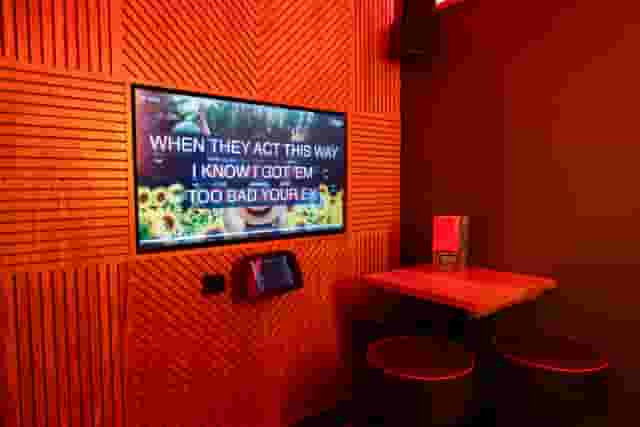
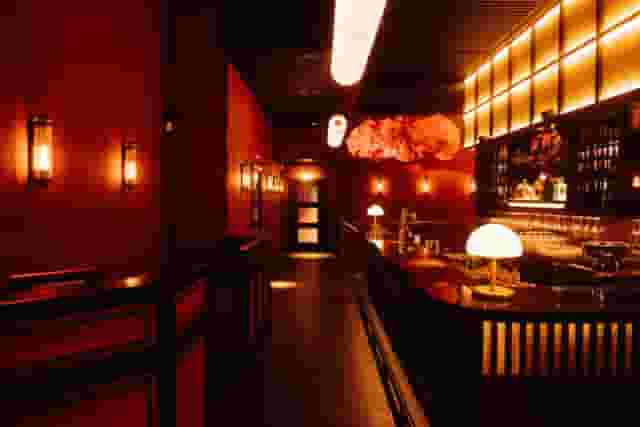
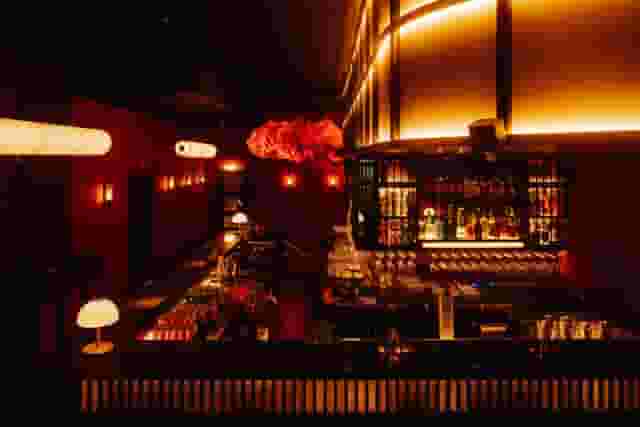
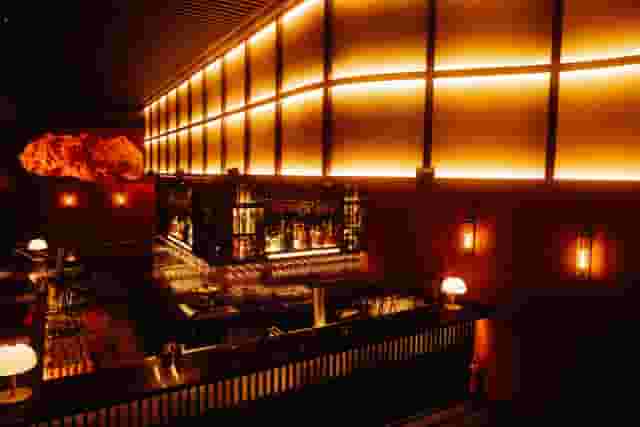
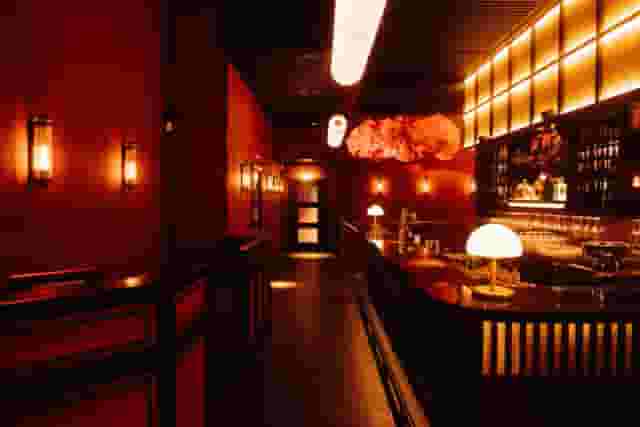
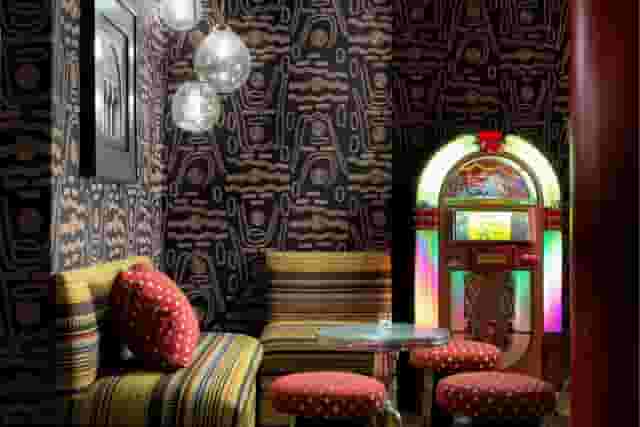
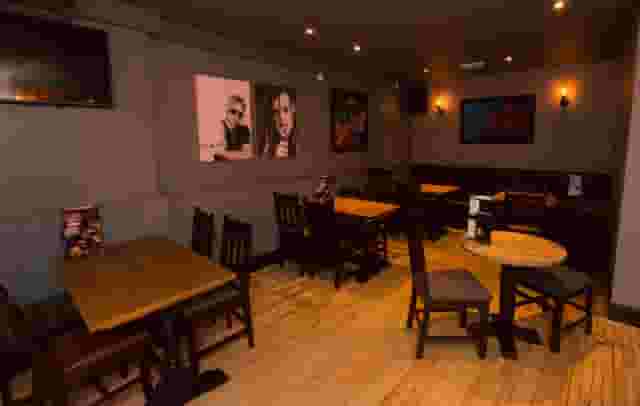
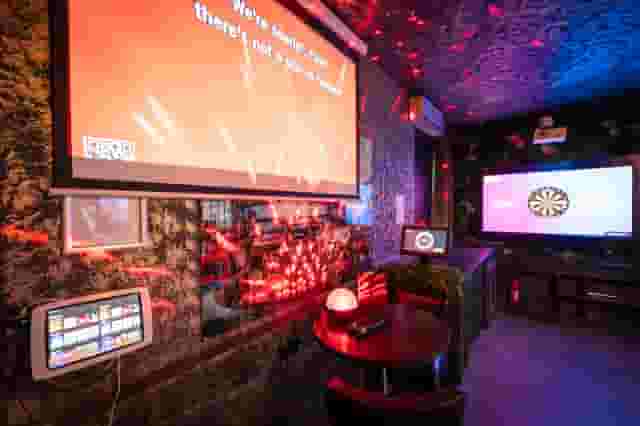
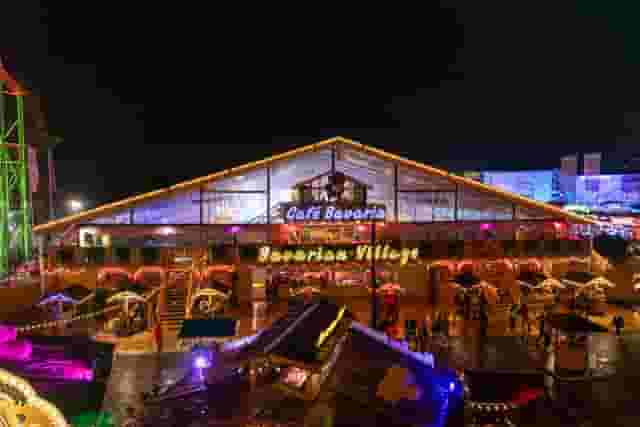
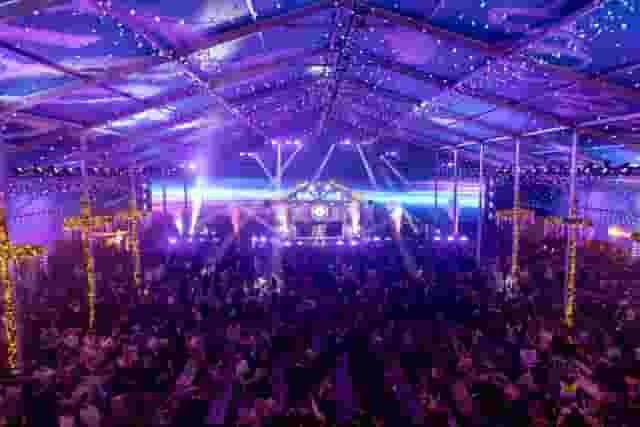
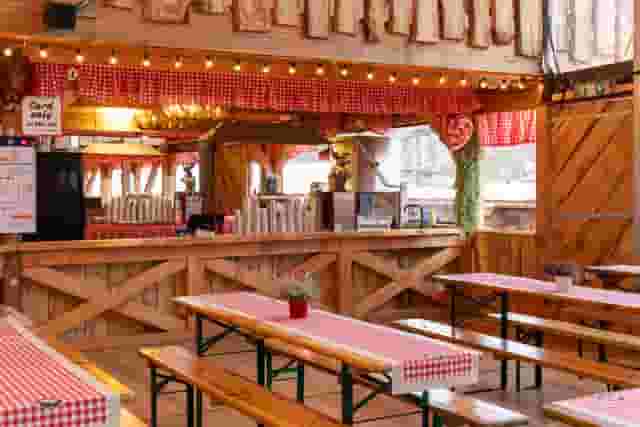
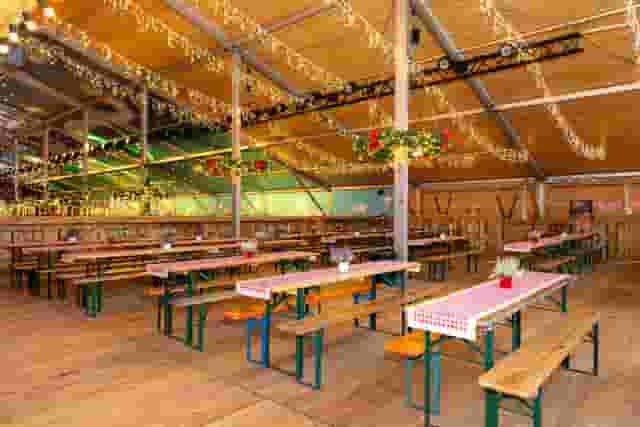
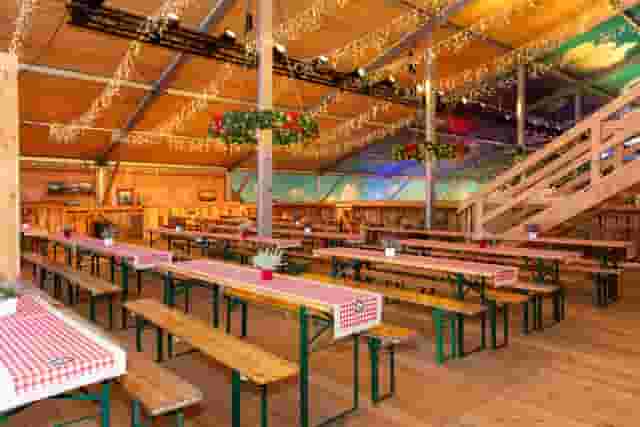
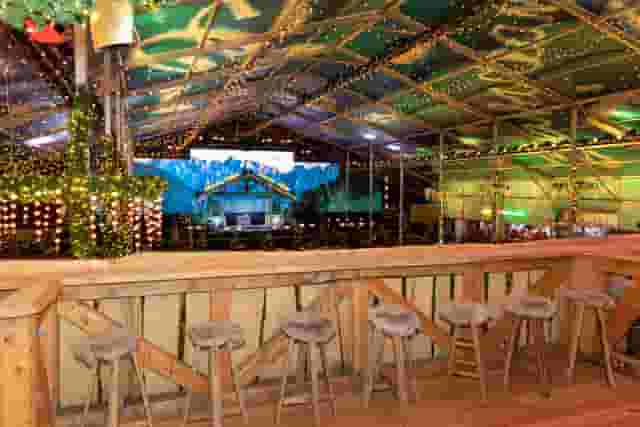
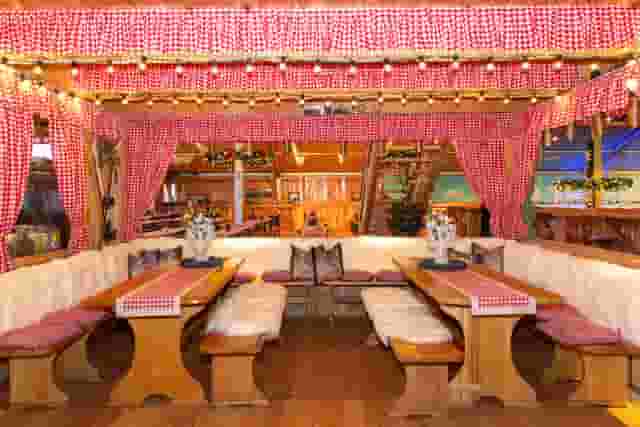
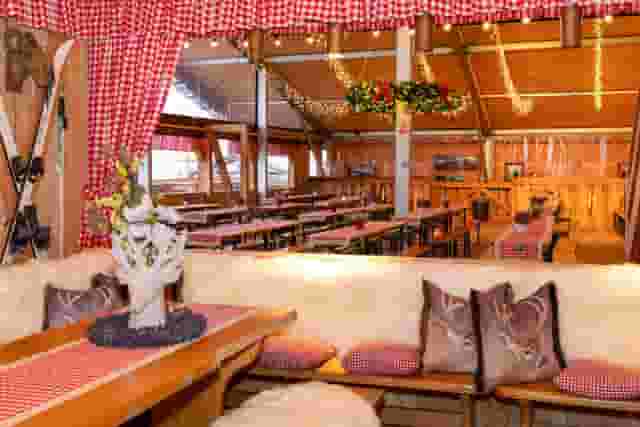
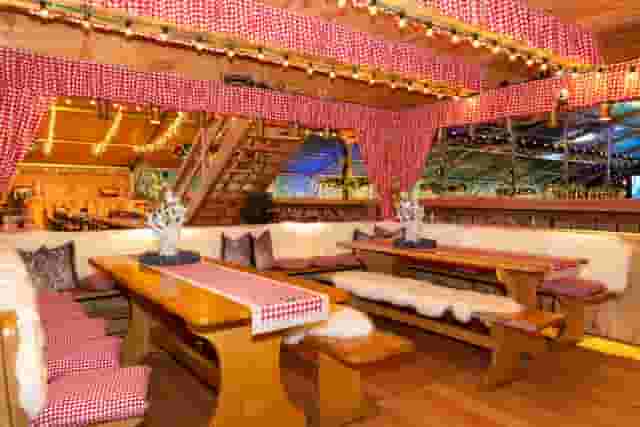
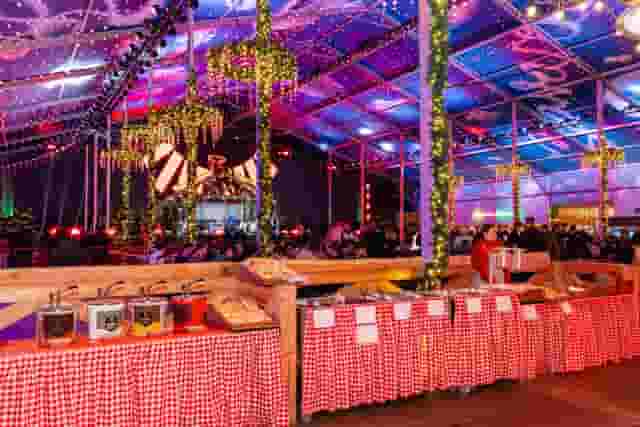
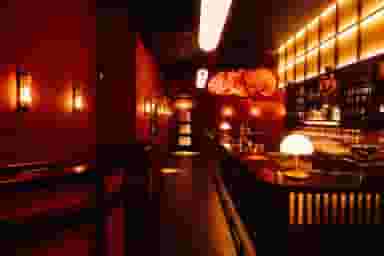
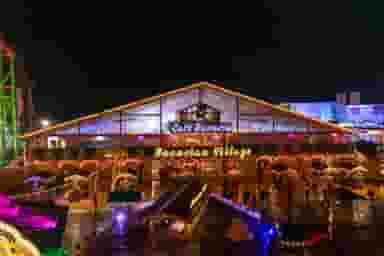
In smaller rooms, singing happens three feet from the bar counter rather than on an elevated platform. The Crimson Bar offers a dedicated cocktail lounge with a jukebox and karaoke setup for up to 50 guests, creating a house-party atmosphere. For smaller gatherings with dining and late-night drinks, ZIMA Russian Restaurant features an underground bar and karaoke space for up to 30 standing guests. When guest counts push into several hundred and call for an immersive, informal beer hall setting on the edge of Mayfair, Bavarian Village accommodates up to 600 standing guests in spaces like Cafe Bavaria.
| Venue format | Best guest count | Social dynamic | What to watch for |
|---|---|---|---|
| Private booth clusters | 80 to 180 guests | Low pressure, self-selecting groups | Party fragments across rooms |
| Open stage and standing floor | 150 to 550 guests | Shared crowd energy, central speeches | Needs confident opening acts |
| Intimate basement lounge | 20 to 50 guests | Informal, conversational | Limited room for seated dining |
Understanding the costs, minimum spends and package quotes
Budgeting for an evening entertainment venue around Mayfair differs from booking a standard pub function room or a sit-down dinner. Most spaces in this district quote either on a dry hire plus bar spend basis, a tiered minimum spend, or a structured delegate package covering drinks, food and singing time.
Based on 7 quotes from the venues on this page, pricing typically runs from £55 to £108 per head. This figure assumes a gathering of about 150 guests, reflecting indicative estimates of what these properties charge for similar private events. To help pin down what you will actually spend, venue booking platform Hire Space provides upfront cost estimates based on recent booking data, backed by a team of real people who help guide your search. If a private room turns out to be more expensive than planned, they can also suggest similar singing spots at a lower price point.
What sits at each end of the pricing range
Towards the £55 end of the range, you are typically looking at off-peak evenings (such as a Monday or Tuesday) or mid-afternoon hires where the venue's baseline trade is quieter. These agreements often provide exclusive room access, standard house draft beers, house wines and simple finger food or slider platters. Technical support is self-serve: the screens and microphones are powered on, and your guests run the digital song catalogue from a touch tablet.
Towards the £108 end of the range, quotes generally cover peak dates (such as Thursday or Friday evenings in November and December), full private takeovers, welcome cocktails on arrival, premium spirits packages and substantial grazing stations or bowl food. Higher-rate quotes also tend to factor in dedicated sound technicians, door security and cloakroom staff so that arrivals and performances run without hitches.
How venues calculate their numbers
When reviewing proposals, look carefully at the mechanism the venue uses:
- Pure minimum spend. You commit to spending a set total across the bar and kitchen. If your bar tab reaches the agreed amount, the room hire is waived. If your guests fall short, you pay the difference as a hire charge. This suits groups with healthy drinking appetites where you want flexibility on food.
- Per-person entertainment packages. The venue charges a fixed rate per guest that includes a welcome drink, two to three hours of open bar tokens or wristbands, food platters and unlimited singing time. This model makes budgeting predictable, especially when funding comes from set corporate allowances.
- Timed room hire plus consumption. Popular with booth-heavy venues, where singing rooms carry an hourly rental charge and all drinks and food run on a separate rolling tab. Watch out for time extensions: if your party wants to stay past midnight, hourly room extensions can mount rapidly.
To see how entertainment and social formats influence wider summer and outdoor party budgets across central London, take a look at our guide to 10 of the Best Bars to Soak Up the Summer Sun.
| Cost component | Standard market inclusion | What often carries a surcharge |
|---|---|---|
| Technical gear | Fixed microphones, screens, tablet catalogue | Wireless roaming mics, sound technician |
| Food service | Finger food platters, cold canapes, dry snacks | Hot bowl food, dessert stations, late-night bites |
| Staffing | Standard bar tenders, floor runners | Dedicated door security, private cloakroom attendants |
| Timings | 3 to 4 hours of singing time | Post-midnight licensing extensions |
Pacing the room: sound, sightlines and spatial layouts
A karaoke night is not a passive reception. People move constantly between the bar, the stage, the seating pockets and the song-selection screens. If you arrange the room incorrectly, you create bottlenecks that strangle the energy of the party.
Bar placement and microphone distance
Never position the main performance area directly next to the primary bar service point. When guests order drinks, they want to converse with the bartender and catch up with colleagues. If a monitor wedge is blasting high-volume vocals directly into their ear from six feet away, people cannot place orders, bar queues slow down, and guests drift towards the fire exit just to hear each other speak.
Place the performance area at the far end of the room or along an opposing wall. Keep a clear six-to-eight-foot buffer between the performers and the front row of standing guests. This gives the singer room to move without knocking into colleagues holding red wine glasses.
Seating ratios for evening entertainment
Unlike a conference or awards dinner where every guest needs an allocated seat, a karaoke evening functions best when most people are standing. High tables and bar stools encourage movement.
Aim for a seating ratio of 30% to 40% of your total guest count. For a party of 150 people, that means providing roughly 45 to 60 seats, arranged in peripheral leather banquettes or high-top clusters around the edges of the room. This ensures that tired guests or those wearing heels have a place to rest, while the central floor remains an active standing and dancing zone. If you provide seats for 100% of the room, people will sit down, stay seated, and treat the performers like a formal recital rather than an interactive party.
Technical checks you should confirm in advance
Before signing off on a contract, clarify the technical realities of the space:
- Microphone count. Confirm that the venue provides at least two functioning microphones. Duets are the lifeblood of office entertainment. A single microphone forces one singer to wait awkwardly or leads to frantic handoffs mid-verse. Four microphones are ideal for group anthems.
- Latency and monitor feedback. Ask whether the room has dedicated stage monitors. In basement bars with low ceilings, microphones pointed back towards the house speakers will generate loud audio feedback. A venue with correctly angled monitors keeps vocals clear without piercing squeals.
- Song library connectivity. Check whether the catalogue runs from an offline hard drive or a cloud-based service. Cloud services offer hundreds of thousands of tracks, including current chart releases, but require stable venue internet. If the system is offline, request a sample genre list to confirm they have the classics your crowd expects.
For organisers who want to balance indoor performance energy with fresh-air terraces and elevated views, read our roundup of 4 London Rooftop Bars For Summer Party Entertainment.
The running order: how to build momentum without early stalls
The biggest fear for any organiser booking an evening entertainment event is the dead first hour: the lights are on, people are holding one glass of wine, and nobody wants to be the first person on stage. Building a tight running order prevents that tension.
18:00 to 19:15: Arrival, background music and food service
Keep the microphones switched off for the first hour. Let guests arrive, drop their coats, grab a welcome drink and eat some food. If you put someone on stage while the room is only a third full, it feels intimidating. Use this time for background playlist music played at conversational volume. Circulate substantial canapes or bowl food early so that guests are not drinking on an empty stomach.
19:15 to 19:30: The icebreaker performance
Do not open the floor to general volunteers right away. Arrange one or two pre-selected performers before the night begins. This could be two well-known members of the team doing a recognisable duet, or an external compere who kicks off with high energy. The first song should be a crowd-pleasing classic rather than an obscure vocal showcase. Once guests see someone perform without disaster, the sign-up list fills up immediately.
19:30 to 22:00: Main performance rotation
Run a structured queue system. A digital QR code where guests can submit song requests from their phones works far better than an open scrum around the DJ booth. Call out upcoming performers one song in advance ("Sarah and James, you are up next after Mark") so that people can top up their drinks and get to the stage area without dead air between tracks.
22:00 to close: Anthems and late-night drinks
The final hour of a karaoke night should move away from solo ballads and transition into full-room chorus tracks. Think 1980s pop, 1990s rock or classic soul numbers where the entire room sings along with the chorus. Cut the song queue fifteen minutes before the venue's music curfew so the night ends on a coordinated high rather than getting abruptly cut off mid-verse by staff clearing glasses.
Licensing, curfews and getting guests home safely
Mayfair and Soho operate under strict local authority licensing policies managed by Westminster City Council. Entertainment premises must adhere tightly to their permitted hours, particularly regarding amplified live music and late-night refreshment licences.
Understanding Westminster curfews
Most standard entertainment venues in this part of town have music curfews between 23:00 and 00:00 on weekdays, with extensions to 01:00 or 02:00 on Thursdays, Fridays and Saturdays.
Ask the venue manager two specific questions:
- What time does the music have to stop?
- What time does the bar stop serving?
Often, the music licence ends 30 minutes before the bar closes to allow for an orderly wind-down. Knowing these timings prevents your headline sing-along from being cut off early.
Transport connections and departures
One of Mayfair's greatest operational strengths is transport accessibility. The district is ringed by major Underground stations: Green Park on the Jubilee, Piccadilly and Victoria lines; Bond Street on the Central, Jubilee and Elizabeth lines; Oxford Circus on the Bakerloo, Central and Victoria lines; and Piccadilly Circus on the Bakerloo and Piccadilly lines.
The Elizabeth line at Bond Street provides rapid east-west connections across London until around midnight, making it simple for guests travelling back to outer boroughs or commuter hubs like Paddington and Liverpool Street. On Friday and Saturday nights, the Night Tube operates across the Central, Jubilee, Victoria and Piccadilly lines, giving guests reliable, cost-effective travel home without relying on hailing black cabs or waiting for rideshares on crowded street corners.
When scheduling your event's finish time, check the departure patterns of your guests. If your crowd includes parents or long-distance commuters, planning your peak entertainment between 20:00 and 22:30 ensures everyone enjoys the core experience before slipping away to catch their trains.
What our customers say
Inspiration and planning guides

6 Top Venues For A 30th Birthday Party
If your 30th is approaching, it's the perfect excuse for having a big old birthday bash in our books - here's a whirlwind tour of 6 of our favourite venues!

5 Summer BBQ Party Venues
What better way to usher in the summer than a summer party in a great venue. With everything from rooftops to private gardens, discover London's best.

The Top 5 North London Party Venues
East London has hipsters, west London is rich and south London has sweet suburban spots, but north London is all about good times. It's where rock 'n' roll celebs call home, with a historic reputation for fun. Hire Space venue expert Laura Richards reveals the best north London party spots to live it up as the area intended. 1. House of Wolf Source: The Independent Embrace the bohemian vibes that North London has to offer - head along to Islington's recently established House of Wolf. The
One supplier. Every venue. Full visibility on what you spend.
Multiple venues and events. One agreement.