Private Dining Rooms for Hire in Northern Quarter
Find private dining rooms in the Northern Quarter for corporate dinners, with clear room details, set menus and data-backed price estimates.
6 Private Dining Rooms for Hire in Northern Quarter
No venues match these filters
Try widening your capacity, luxury level or event type.
Don't have time to search? We'll find it for you.
For business events that need human judgement, talk to our team. Free for events of 100+ people, budgets over £10k or ongoing programmes.




Explore more venues in Northern Quarter
Frequently asked questions
What style fits Northern Quarter dining?
What size venues suit Northern Quarter dining?
Are Northern Quarter venues tech-equipped?
How to find intimate dining in Northern Quarter?
What's the cost of Northern Quarter dining rooms?
Other platforms search their database. We search everything.
Tell us what you need. Our deep research finds any venue, whether it's in our marketplace or not. No one else does this.
About Private Dining Rooms in Northern Quarter
Matching the room to your company dinner
Organising a private business dinner requires balancing the work you need to achieve with hospitality that feels generous. A dinner for twelve senior partners talking through strategy demands an entirely different environment to a department celebration for thirty, or a client appreciation dinner where you need enough ambient energy to keep conversation lively.
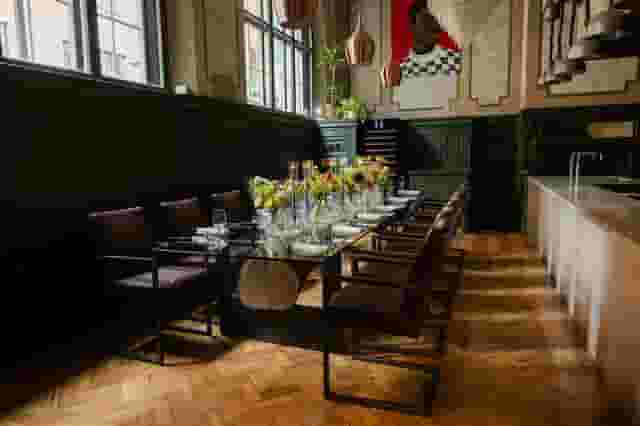
In Manchester, dining spaces split broadly into two camps. There are creative rooms featuring exposed brick, timber and warehouse details, and there are polished rooms housed inside historic commercial architecture and boutique hotels. Choosing between them comes down to who is sitting at the table and how formal the evening needs to be. To pinpoint spaces that hit the right note, event planning and venue booking platform Hire Space uses Deep Venue Research to search beyond standard directories, supported by a team of real people who build a tailored shortlist in minutes rather than days.
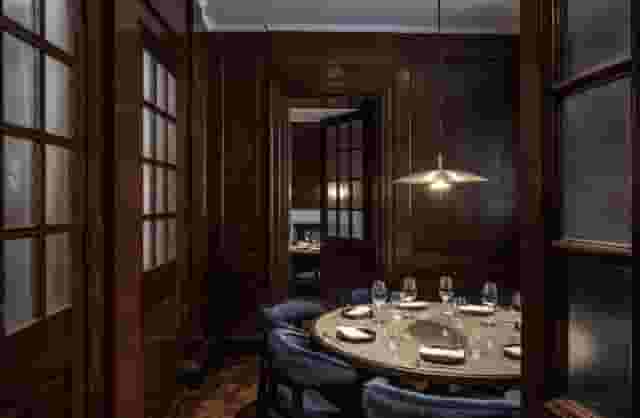
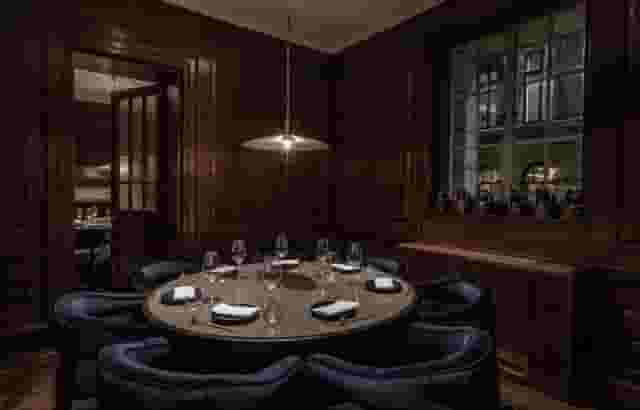
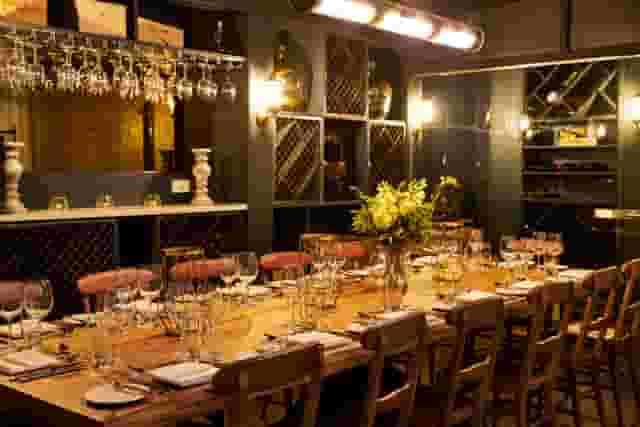
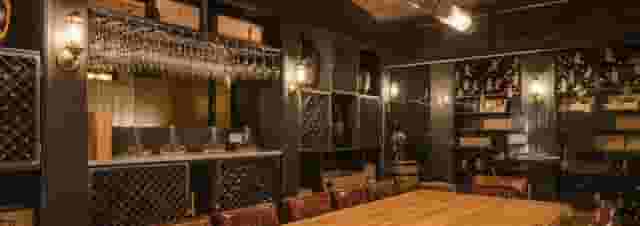
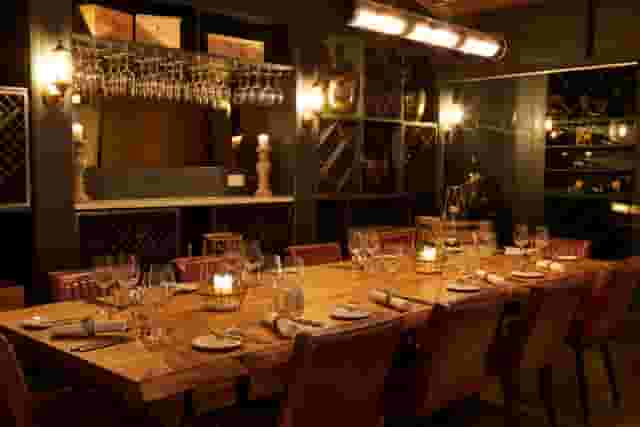
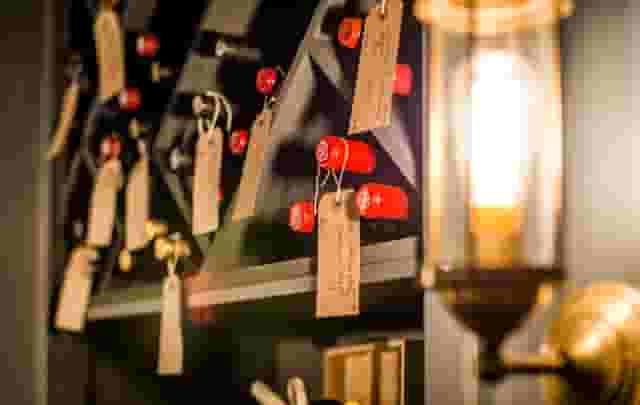
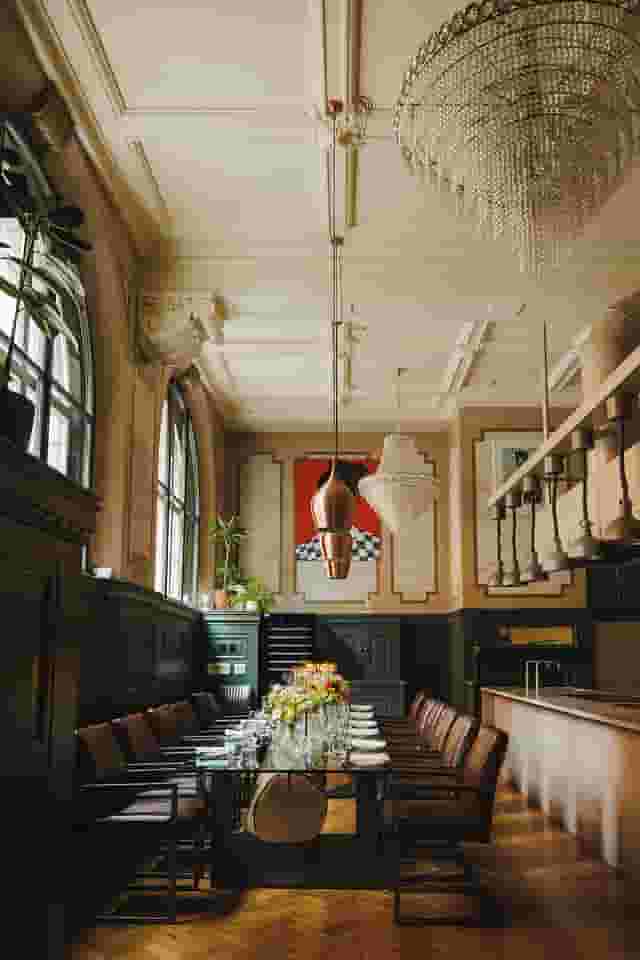
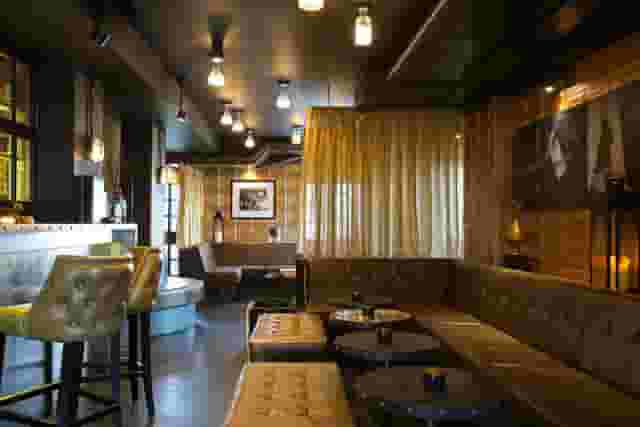
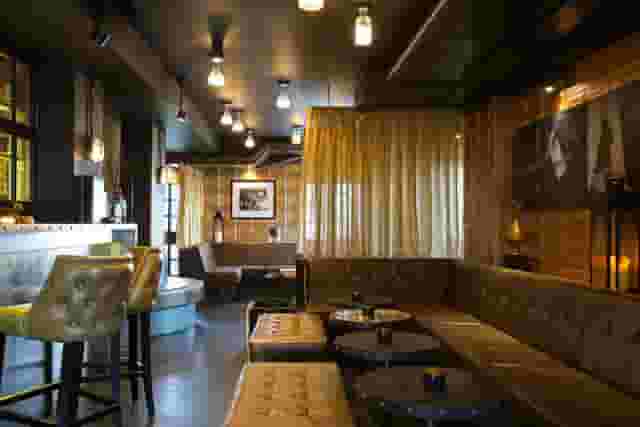
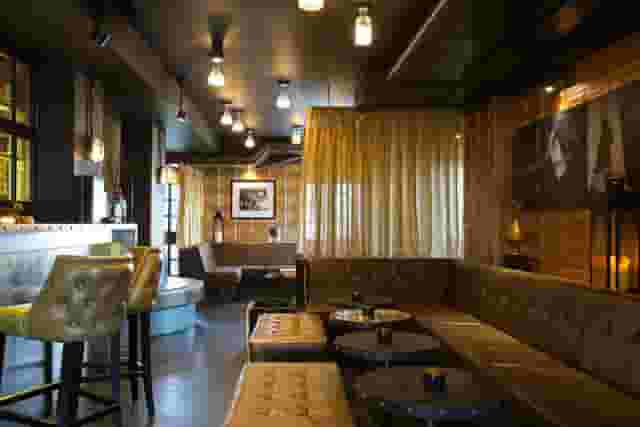
For senior executive dinners and confidential discussions, total acoustic and visual seclusion matters. You need a room with a solid closing door, dedicated staff who step in only when pouring or serving, and space to talk numbers without overspill from a main restaurant floor. An intimate, secure setting such as The Vault at Lucky Cat by Gordon Ramsay - Manchester, built into a converted bank vault with its own private bar, seats up to 12 guests around a boardroom table. When your group creeps slightly larger, a secluded space like The Wine Cellar at King Street Townhouse accommodates 14 guests seated for dinner in a Grade II listed setting.
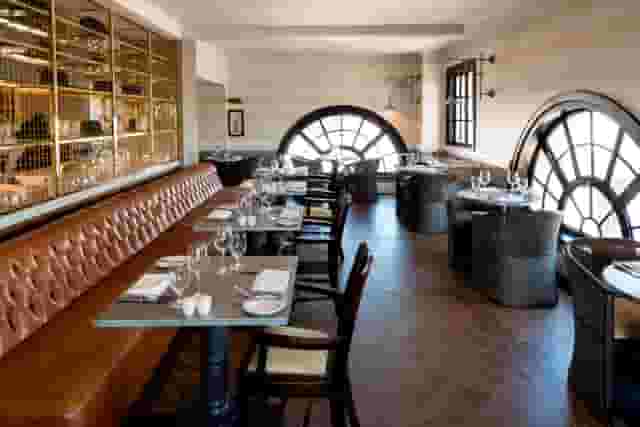
For client dinners or team milestones where you want a sense of occasion without corporate stiffness, characterful dining rooms strike the right balance. Rooms designed with decorative details and warm lighting give guests something to talk about before the first course lands. The Rose Room at Grand Pacific seats 20 for dinner, providing a dedicated setting that keeps a mid-sized party together in one space.
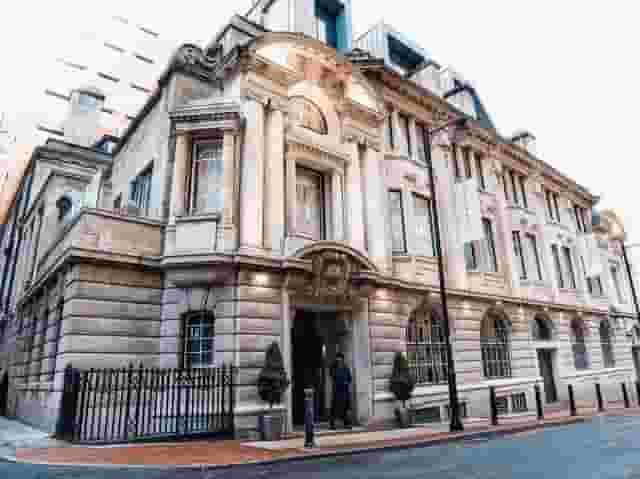
When guest numbers climb towards thirty or more, dining room layout dictates how well the evening works. A single long table keeps everyone visible, but conversation naturally splinters into clusters of four or five. Round tables encourage wider discussion across smaller groups, though they require more floor space and make room-wide announcements harder. For gatherings up to 28 guests, Honey Private Dining Room at The Rex provides a private dining setup complete with its own private bar. For larger department dinners or end of quarter celebrations, Honey Restaurant at The Rex at Hotel Gotham Manchester seats 80 for dinner in an Art Deco building with rooftop terrace access. If your schedule begins with standing drinks before moving to a separate dinner location, spaces like tender at Stock Exchange Hotel accommodate up to 150 guests for a standing reception beneath a central dome.
Structuring menus, wine service and timings
A corporate dinner runs best when the timetable controls the kitchen, not the other way around. Once ten or twelve people sit together, ordering from an à la carte menu grinds the room to a halt. The kitchen must coordinate cooking times across multiple cuts of meat and fish, service slows, and speeches or toasts get delayed while waiting for a missing side dish.
A set menu of three or four courses is the standard answer for business dining. It keeps food arriving at every seat simultaneously and guarantees the kitchen can clear plates on schedule.
To run a smooth service:
- Collect dietary requirements at least one week ahead, rather than asking around the table on arrival.
- Offer a balanced choice of two or three dishes per course, or fix the menu entirely with dedicated alternatives for vegetarian and allergy requirements.
- Align wine pairings or bottle quantities with your host's budget before the night begins, setting clear rules with the sommelier on when to top up glasses.
- Decide whether welcome drinks happen standing up or at the table, allowing at least thirty minutes for arrivals before seating guests.
If someone plans to give a short speech or present project results, schedule it between courses or immediately after the main plates are cleared. Never schedule remarks while hot food is on the table, as waiting staff will either interrupt the speaker or food will go cold.
How private dining costs work
Pricing models vary across dining rooms, which makes direct quote comparisons confusing if you only look at the headline number. Venues generally quote using one of two methods: a room hire charge with food and beverage added on top, or a minimum spend threshold.
Under a room hire agreement, you pay a fixed fee to secure the space, then select your set menu and drinks based on consumption or fixed packages. Under a minimum spend agreement, the room itself carries no separate rental charge, provided your party's combined spending on food, wine and service reaches the agreed target. If your food and wine tally falls short of that floor, the venue charges the remaining difference as room hire.
Across the wider local market, private dining room hire: £250 to £355 in total, though availability depends heavily on the day of the week and the season. Where venues operate on a minimum spend threshold, market rates typically see private dining minimum spend: £500 to £2,500 in total, depending on group size, date, exclusivity and dining requirements. For the food and drink itself, set menu with standard wine package: £40 to £100 per head across the city market.
| Pricing element | How it is charged | What to watch for |
|---|---|---|
| Room hire | Fixed flat fee | Check if this covers the whole night or a strict time block |
| Minimum spend | Floor for food and drink spend | Shortfalls are billed directly to your final invoice |
| Set menu package | Fixed rate per guest | Check if coffee, water and bread service are included |
| Wine and bar | Fixed package or on consumption | Agree whether high-end spirits can be charged to the master bill |
| Discretionary service | Percentage (typically 10% to 12.5%) | Confirm if service applies to the minimum spend or is added on top |
Always ask for an itemised proposal that breaks out food, wine packages, service charges and VAT. When comparing quotes, verify whether discretionary service charges count towards your minimum spend commitment. At many venues, service charges and VAT sit outside the minimum spend threshold entirely. Hire Space 360 is enterprise venue and hotel procurement for companies spending £1m or more a year on meetings and events: a managed meetings and events programme, the kind procurement teams call strategic meetings management. It puts every booking onto a single supplier agreement with centrally negotiated terms, replacing individual restaurant deposits and bills with consolidated invoicing. For finance teams, it delivers live spend reporting and an audit trail that keeps corporate hospitality aligned with company event policy.
Practical checks: acoustics, facilities and departures
The layout and technical provisions of a private dining room determine whether your guests stay engaged or spend the night straining to hear.
Sound and privacy
Restaurants with tiled floors, hard walls and large glass panels create echo chambers. When ten people speak at once, the background noise bounces back into the room, drowning out speakers and exhausting guests. Look for rooms with carpet, heavy curtains or soft furnishings that absorb ambient sound.
Check whether the room is fully closed off or merely screened from the main dining room. Semi-private mezzanines or curtained alcoves give a visual impression of privacy, but they do not block kitchen clatter, loud tables nearby, or restaurant music playlists. If your dinner involves proprietary project updates or sensitive corporate announcements, insist on full acoustic separation with solid doors.
Technical equipment
Private dining rooms are built primarily for dining, meaning presentation equipment is rarely standard. If your evening includes slides, a video review or a spoken address, clarify the technical setup early:
- Screen access: Check whether the room has a flat-screen display or projector, or if you need to hire an external monitor.
- Connectivity: Confirm HDMI connections and verify whether audio plays through built-in room speakers or just the laptop.
- Microphones: Rooms seating more than twenty guests may require a wireless microphone so speakers can be heard over cutlery and wine glasses.
- Independent controls: Ask whether the room has its own lighting dimmer and independent volume controls for background music.
Guest logistics and transport
A corporate dinner ends on a high note only if guests can get home without friction. Central dining locations near major transport hubs make arrivals and late-night departures straightforward. Check the walking distance to key train stations like Manchester Piccadilly or Victoria, and ensure the venue entrance is accessible for guests using taxis or rideshare services at the end of the night. If guests are travelling into town with luggage, confirm that the venue provides a secure cloakroom space so coats and bags do not clutter the dining area.
What our customers say
Inspiration and planning guides

Watch a real brief turn into priced, available venues in 15 minutes
Chloe Richardson has spent 17 years in events. We gave Deep Venue Research one of her briefs and filmed every step, from the first questions to availability checked at the venues she chose.

Simple Events Win: Why Restraint Beats Spectacle
Budgets are tight and audiences want connection over spectacle. The events that land in 2026 are the deliberately simple ones. Here is how to edit rather than cut, grounded in the 2026 industry data, and why the right venue does the heavy lifting.

Why UK Event Calendars Got So Tight (And How to Book Smarter)
Lead times for UK corporate events are up 39% since 2022, based on Hire Space booking data. The calendar is tighter, conversion rates fall sharply when you leave it late and the peak windows are getting more crowded. Here is what the numbers say and what to do about it.
One supplier. Every venue. Full visibility on what you spend.
Multiple venues and events. One agreement.