5 Training Rooms in venues in London




No venues match these filters
Try widening your capacity, luxury level or event type.
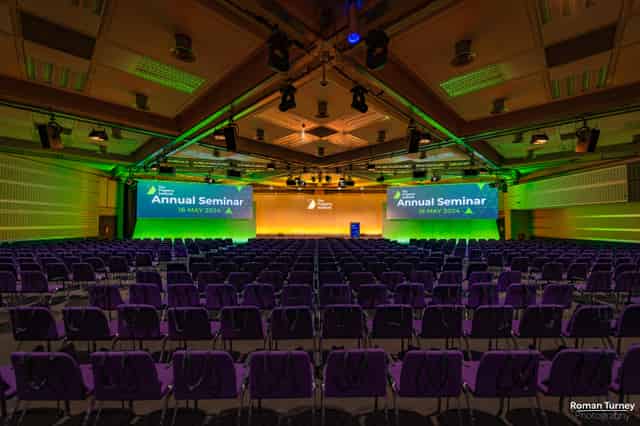
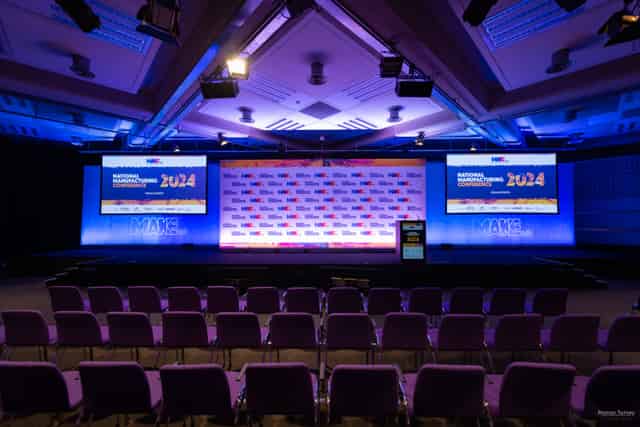
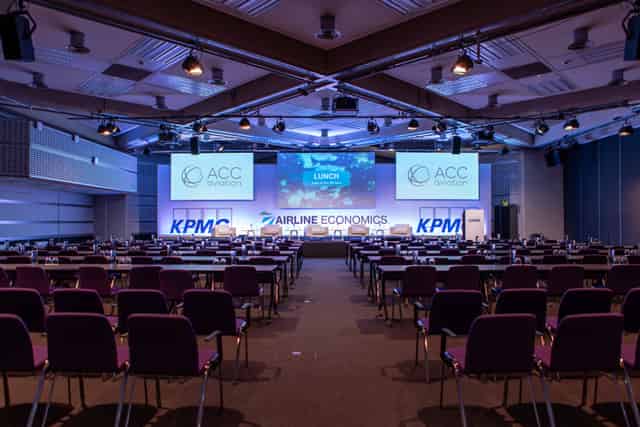
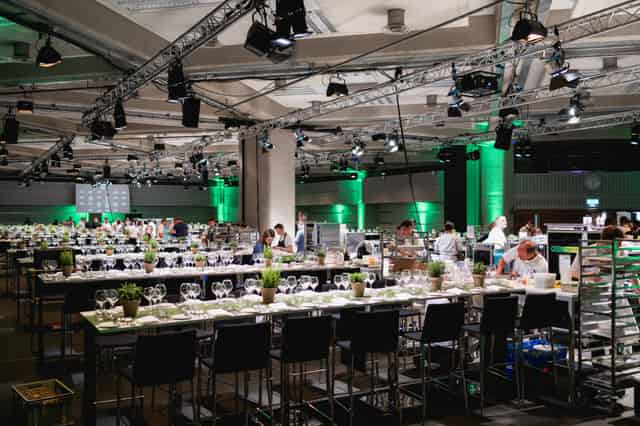
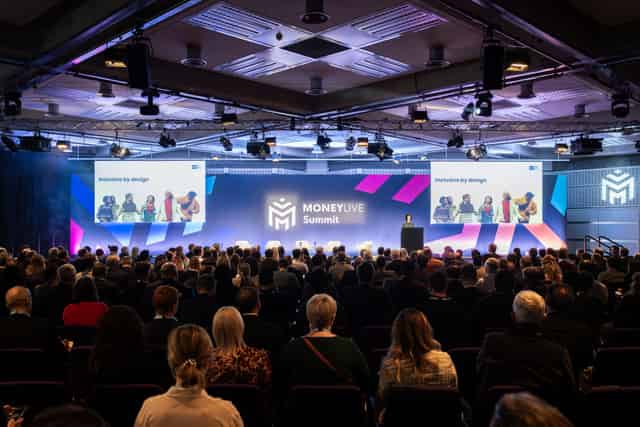
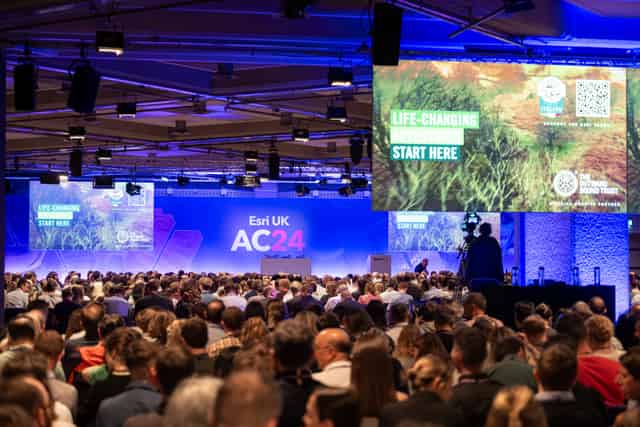
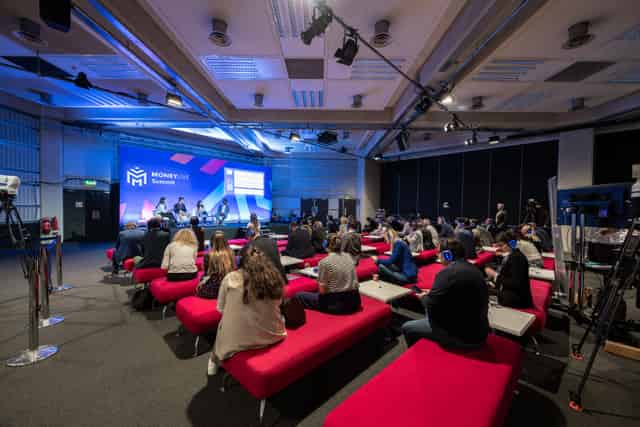
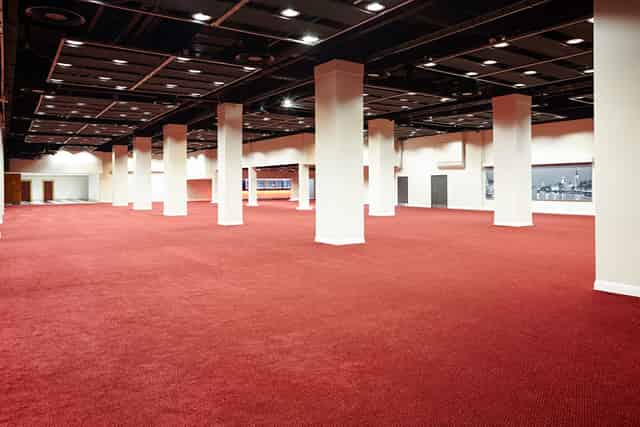
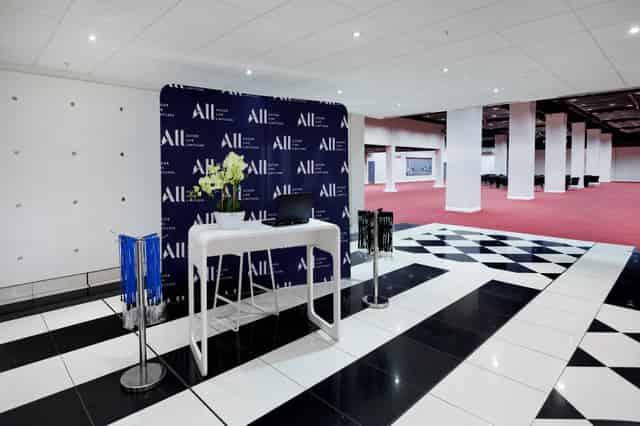
Explore top training rooms in London for 500 people. Perfect for corporate events and professional gatherings.
No venues match these filters
Try widening your capacity, luxury level or event type.
For business events that need human judgement, talk to our team. Free for 100 person+ events organised by businesses.

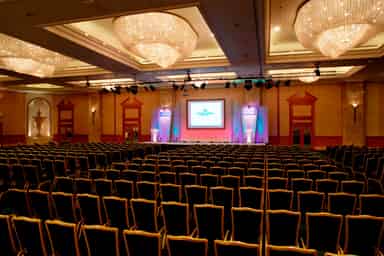
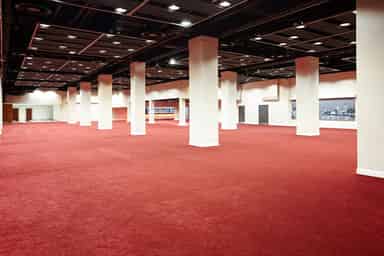





Tell us what you need. Our deep research finds any venue, whether it's in our marketplace or not. No one else does this.
The corporate training landscape has shifted dramatically, and London's leading the charge with purpose-built spaces that can genuinely handle 500+ delegates without compromising on learning outcomes. We've seen a 40% increase in demand for large-scale training venues over the past two years, and frankly, it's about time.
The game-changer isn't just the size – it's how these venues are designed. Take The QEII Centre's Mountbatten Room, which transforms from a 500-person theatre setup to breakout spaces for 50 groups of 10 in under 30 minutes. That's the kind of flexibility that makes or breaks a multi-day training programme.
Traditional conference centres often feel like aircraft hangars with chairs, but London's new generation of training spaces understand adult learning psychology. The Brewery's 550m² training hall, for instance, maintains 4.5-metre ceilings and zoned climate control – crucial when you're managing 500 people for 8+ hours. Poor ventilation kills engagement faster than a boring PowerPoint.
The technology infrastructure is where London venues truly excel. We're talking dedicated 100 Mbps lines per room, not shared hotel WiFi that crashes when everyone checks their phones. The streaming capabilities alone – with backup servers and multiple camera angles – mean your remote participants get the same experience as those in the room.
Here's what surprises most event planners: large-scale training rooms often deliver better value per delegate. A premium London venue charging £8,000 per day for 500 people works out to £16 per person – significantly less than booking multiple smaller rooms. Plus, you're getting professional AV support, dedicated catering facilities, and breakout spaces included.
The booking timeline is critical though. These venues are in high demand, particularly Tuesday through Thursday. We typically recommend securing dates 6-8 months ahead for peak periods, especially if you're planning around quarterly business reviews or annual training cycles.
For inspiration on different venue styles, check out The Top 5 Historic Meeting Rooms in London or explore Training Rooms in Central London for 200 people to understand the range available.
The key is matching your learning objectives with venue capabilities. A 500-person product launch needs different acoustics and sightlines than a skills workshop requiring breakout sessions. That's where proper venue selection becomes crucial.
After 15 years of booking large-scale training venues, we've developed a foolproof framework that prevents the disasters we've seen too many times – like 500 delegates arriving to find the venue's "flexible" layout actually requires a 4-hour changeover between sessions.
Most planners start with venue availability, but that's backwards. Map out your training journey: Will you need simultaneous breakouts? How many transitions between formats? A pharmaceutical company we worked with needed to switch from 500-person presentations to 25 groups of 20 for case studies – twice daily. That requirement immediately ruled out 60% of potential venues.
The industry standard of 1.2m² per person assumes basic theatre seating. For training with note-taking, you need 1.8m² minimum. Factor in breakout spaces, catering areas, and networking zones. A 500-person training event realistically needs 1,200-1,500m² of total space, not just the main hall.
Don't just ask "Do you have WiFi?" Demand specifics: dedicated bandwidth per concurrent user, backup internet lines, and streaming capabilities. We've seen events collapse when 500 people simultaneously accessed cloud-based training materials on shared hotel WiFi. Insist on a minimum 200 Mbps dedicated line with 4G backup.
Book a site visit during peak hours, not the quiet Tuesday morning they'll offer. Bring a colleague and test microphone coverage from the back corners. Poor acoustics in large spaces kill engagement – if people in row 30 can't hear clearly, they'll mentally check out.
Feeding 500 people isn't just about menu selection. You need multiple service points to avoid 45-minute queues, dietary requirement management systems, and timing that doesn't disrupt your training flow. Budget £25-40 per person per day for quality catering that actually supports learning energy levels.
Large venues have more flexibility than they initially admit. We typically secure 10-15% discounts by booking 6+ months ahead and offering flexible dates. Always negotiate cancellation terms – corporate training budgets can shift rapidly.
For additional venue options, explore Training Rooms in West London for 200 people or consider Training Rooms in Manchester for cost-effective alternatives.
What happens if your keynote speaker's flight is delayed? If the main AV system fails? Build buffer time into your schedule and identify backup solutions. The best venues will have redundant systems and experienced technical teams.
Schedule this exactly one week before your event, not the day before when it's too late to fix problems. Check every microphone, test every screen, and time your transitions between setups.
The venues that excel at 500-person training events understand these requirements instinctively. They'll proactively address potential issues and offer solutions you hadn't considered. That's your green flag to proceed with confidence.
Location isn't just about convenience – it's about delegate experience, budget impact, and operational success. We've seen brilliant training programmes undermined by poor venue location choices, and conversely, average content elevated by smart geographical decisions.
The transport mathematics are brutal with 500 delegates. If your venue adds an extra 20 minutes to each person's journey, you've collectively cost your organisation 167 hours of productivity just in travel time. That's why we always start with transport hub analysis, not postcode preferences.
Central London venues like those near Training Rooms in Central London for 200 people offer unmatched accessibility – King's Cross, Liverpool Street, and Oxford Circus put 80% of London within 30 minutes' travel. However, expect to pay £8,000-12,000 per day for quality 500-person spaces, plus delegate parking costs of £25-35 per day.
The real advantage isn't just transport – it's the ecosystem. Central venues typically offer superior catering partnerships, technical support teams, and backup options if things go wrong. When a major tech company's training event faced last-minute AV failures, their Bloomsbury venue had replacement equipment delivered within 45 minutes. Try getting that level of service in Zone 4.
Training Rooms in East London for 200 people and South London for 200 people offer compelling alternatives. Canary Wharf venues provide City-level facilities at 20-30% lower costs, while areas like Greenwich and Stratford offer purpose-built conference centres with dedicated parking – crucial for 500-person events.
The Excel Centre in Docklands, for instance, offers 500-person training halls from £6,000 per day with 3,000 free parking spaces. For delegates driving from outside London, this eliminates the £150+ daily parking costs that can derail training budgets.
Consider your delegate demographics first. If 60% are travelling from outside London, prioritise venues near major rail terminals. For London-based teams, focus on Tube connectivity. We use a simple rule: if more than 15% of delegates need over 45 minutes' travel time, reconsider your location.
Weather contingency matters too – venues with covered walkways from transport links prevent the soggy delegate syndrome that kills morning energy levels.
Your next step is mapping delegate postcodes against potential venues. This 30-minute exercise often reveals surprising insights about optimal locations that balance cost, convenience, and operational efficiency.
Let's talk numbers, because nothing derails a training programme faster than budget surprises. After booking hundreds of large-scale training events, we've learned that the initial venue quote is rarely the final cost – and understanding the real economics upfront prevents those awkward conversations with finance teams later.
The baseline for quality 500-person training rooms in London starts at £5,000 per day, but that's genuinely the floor. Expect to pay £6,000-8,000 for venues with proper breakout capabilities, rising to £10,000-12,000 for premium spaces like those near major transport hubs. Super luxury venues with full concierge services can reach £15,000+ daily, though the per-delegate cost often justifies itself through included services.
Here's where most budgets go sideways: the venue hire is typically only 40-50% of your total cost. AV equipment for 500 people isn't just "a few microphones" – expect £2,000-3,500 daily for professional sound, lighting, and projection systems. Many venues charge separately for technical support staff, adding another £800-1,200 per day.
Catering becomes exponentially complex at this scale. Quality training catering runs £35-50 per person daily, but the real killer is service logistics. You'll need multiple serving stations to avoid hour-long queues, potentially doubling your catering space requirements and costs.
The most effective cost control happens during contract negotiation. Book 6-8 months ahead and you'll typically secure 10-15% discounts, especially for Tuesday-Thursday slots. We've negotiated package deals including AV, catering, and parking for £85-95 per delegate per day – significantly better than itemised pricing.
Consider venues in areas like Training Rooms in South West London for 200 people or North West London for 200 people, which often provide 20-30% savings while maintaining quality standards.
| Cost Category | Budget Range | Pro Tips |
|---|---|---|
| Venue Hire | £5,000-12,000/day | Book early for discounts |
| AV Equipment | £2,000-3,500/day | Negotiate package deals |
| Catering | £35-50/person/day | Multiple service points essential |
| Parking | £15-35/person/day | Consider venues with included parking |
The smartest approach? Request all-inclusive quotes upfront. Venues that provide transparent, comprehensive pricing typically deliver better value and fewer surprises. Your finance team will thank you, and you'll sleep better knowing your budget is bulletproof.
We've witnessed some spectacular training event disasters over the years – the kind that become cautionary tales shared in hushed tones at industry events. The good news? Nearly every major pitfall is entirely preventable with proper planning. Here are the seven mistakes that consistently catch even experienced planners off guard when booking 500-person training venues.
The biggest shock for first-time large-scale planners is discovering that transforming a 500-person theatre into breakout groups takes 45-90 minutes, not the 15 minutes you've budgeted. We've seen entire afternoon sessions delayed because morning presentations overran and the venue needed an hour to reconfigure seating. Always build 60-minute buffers between major layout changes, and confirm exact changeover times in writing during your site visit.
In spaces designed for 500 people, sound doesn't distribute evenly. The back corners and areas under balconies often become acoustic dead zones where delegates struggle to hear clearly. During your venue tour, specifically test audio from these problem areas. If the venue can't demonstrate clear sound coverage throughout the space, walk away – poor acoustics kill engagement faster than any other factor.
Moving 500 people efficiently between sessions, breaks, and meals requires choreographed precision. Venues without multiple entry/exit points create bottlenecks that can add 20-30 minutes to every transition. Check for dedicated catering areas separate from main halls, multiple toilet facilities, and clear signage systems. The best venues have dedicated event coordinators who manage crowd flow professionally.
A venue's maximum capacity rarely equals its optimal training capacity. That 500-person ballroom might work for a gala dinner but becomes cramped and uncomfortable for day-long training with note-taking requirements. Insist on seeing the space configured for training, not just empty floor plans. Quality venues will show you previous training setups and provide realistic capacity recommendations.
When your presentation system fails in front of 500 delegates, you need immediate backup solutions. Always confirm venues have redundant AV systems, backup internet connections, and on-site technical support during your event hours. We've learned to specifically ask: "What happens if your main projector fails at 2pm on a Wednesday?" The answer reveals everything about their preparedness.
Feeding 500 people isn't just about ordering more sandwiches. Without multiple service points, you'll create 45-minute queues that destroy your schedule. Venues experienced with large training events typically provide 4-6 serving stations and staggered break times. For inspiration on venues that handle large groups well, explore Training Rooms in Brighton or Training Rooms in Greater Manchester for comparison.
The final mistake is accepting venue assurances without verification. Schedule your site visit during a busy period when the venue is hosting similar events. This reveals how they handle real-world pressure, staff availability, and operational challenges.
Your next step is creating a venue evaluation checklist covering these seven areas. The venues that welcome detailed scrutiny are typically the ones worth booking.
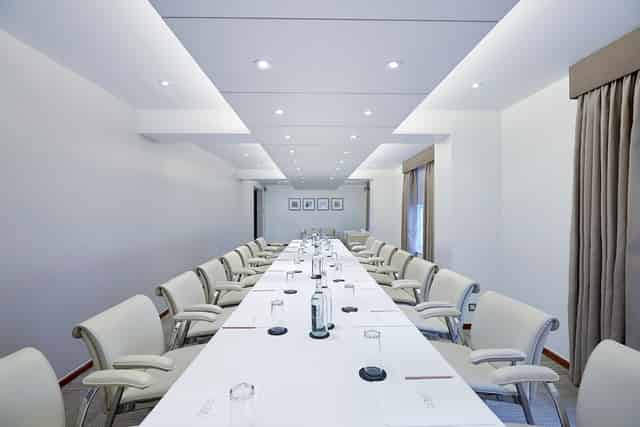
Looking for the coolest meeting rooms in London? From stylish interiors to unique settings, here are 8 venues that will definitely elevate your next meeting!

Located in the heart of the City, Salters’ Hall combines the rich heritage of the salt trade of medieval London with contemporary surroundings. Rebuilt in 1972 by Basil Spence and now a Grade II listed building, it is a rare example of a post-war livery building and has remained largely untouched until now... Architects de Metz Forbes Knight [http://www.dmfk.co.uk/projects/load/salters-hall] (dMFK) were tasked with the project to upgrade the building whilst retaining its sense of history and al

Creative ventures across the artistic spectrum are accommodated and embraced at Anomalous Space [https://hirespace.com/Venues/London/1551/Anomalous-Space], situated stunningly close to Angel Station on Pentonville Road. The venue's name captures its uniqueness, in that it deviates from the standard, unoriginal function space that's all too common. Anomalous Space combines the most contemporary of technological facilities with Art-Deco features, all set within an authentic Georgian townhouse.
Multiple venues and events. One agreement.


