Small Venues in South London
Explore small venues in South London suitable for 200 guests.
7 Small in venues in South London















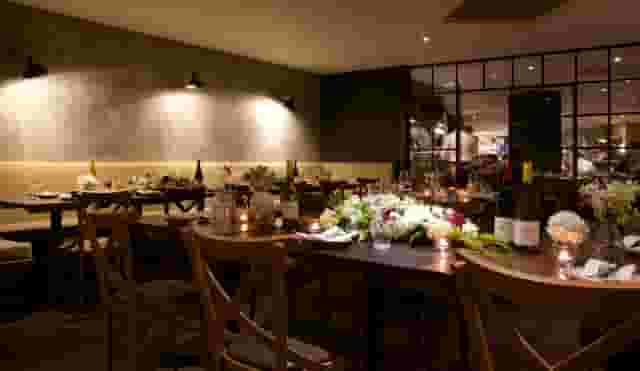
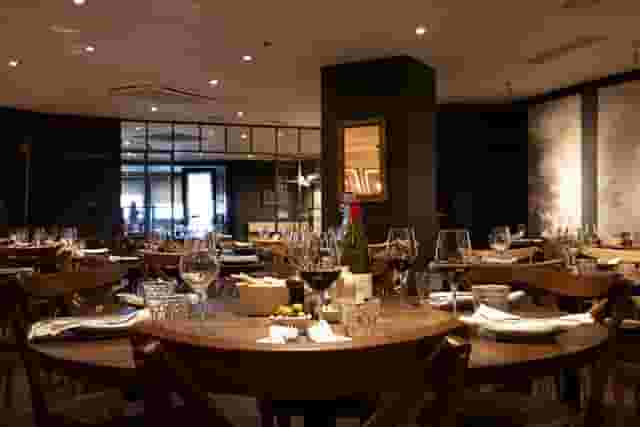
No venues match these filters
Try widening your capacity, luxury level or event type.
Don't have time to search? We'll find it for you.
For business events that need human judgement, talk to our team. Free for events of 100+ people, budgets over £10k or ongoing programmes.


Explore more venues in South London












Other platforms search their database. We search everything.
Tell us what you need. Our deep research finds any venue, whether it's in our marketplace or not. No one else does this.
About Small in South London
Why South London's Small Venues Are Perfect for Your 200-Guest Event
There's something genuinely special about South London's small venue scene that makes it absolutely brilliant for 200-guest events. Having organised countless events across the capital, I can tell you that this part of London offers a sweet spot that's hard to find elsewhere – intimate spaces with proper character, excellent transport links, and pricing that won't make your finance director wince.
The numbers tell quite a story here. Small venues in South London typically range from 150-250 m², which is absolutely perfect for your 200 guests when you're looking at theatre-style seating. What's particularly clever about these spaces is their flexibility – the same venue that seats 200 for a presentation can comfortably host 120 for a banquet or 100 for cabaret-style networking. I've seen brilliant transformations at venues like those near Clapham Junction, where morning conferences seamlessly become evening celebrations.
Transport Links That Actually Work
Here's where South London really shines – Clapham Junction gets you to Victoria in just 15 minutes, and London Bridge Station connects you to virtually everywhere. Your guests won't be stuck in traffic or wrestling with the Northern Line during rush hour. The accessibility is genuinely good too, with step-free access at major stations, which matters enormously when you're planning inclusive events.
The Budget Reality (And Why It's Good News)
Let's talk money honestly. Day delegate rates for small venues in South London typically run £50-65 for quality spaces, compared to £75+ in Central London. For a 200-person conference, that's potentially £5,000 saved on catering alone. I've negotiated deals where venues throw in evening reception space when you book the full day – something that's much harder to achieve in Small Venues in Central London for 200 people.
The licensing is straightforward too – most boroughs require a Temporary Event Notice only for events over 499 people, so you're well under that threshold. Just remember that noise restrictions typically kick in at 11 PM in residential areas.
What really sets South London apart is the character. These aren't cookie-cutter conference centres – they're converted warehouses, historic buildings, and creative spaces that give your event personality. Your guests will remember the venue as much as your content, and that's exactly what you want for building lasting business relationships.
Ready to explore your options? Start by identifying your must-have technical requirements – minimum 100 Mbps internet for streaming, proper AV setup with HD projectors, and climate control that can handle 200 people comfortably.
The Essential Planning Timeline: What Every Event Organiser Needs to Know About Small Venues
Getting your timing right is absolutely crucial when booking small venues in South London for 200 people – and I've learned this the hard way over the years. The sweet spot for securing the best venues at the best prices is typically 3-6 months ahead, though this varies dramatically depending on your event type and season.
The 12-Week Rule for Corporate Events
For corporate events, I always recommend starting your venue search 12 weeks out. This gives you proper negotiating power and access to the cream of the crop. Small venues with 200-person capacity are particularly sought after because they're not too big, not too small – they're the Goldilocks of event spaces. I've seen brilliant venues like converted warehouses in Bermondsey get booked solid 4-5 months ahead during peak season (May to September).
Here's your essential timeline breakdown:
12 weeks before: Start venue research and site visits 10 weeks before: Secure your top choice and sign contracts 8 weeks before: Finalise catering and AV requirements 6 weeks before: Submit any required licensing (TEN applications) 4 weeks before: Confirm final numbers and layout 2 weeks before: Final walk-through and contingency planning
Seasonal Considerations That Actually Matter
The pricing difference between peak and off-peak can be substantial. I've negotiated venue hire that drops from £2,000 per day in July to £1,200 in February – that's a 40% saving for essentially the same service. The catch? November to February bookings mean you're competing with Christmas parties and New Year events, so availability can be surprisingly tight.
What's particularly clever about small venues is their flexibility during shoulder seasons (March-April, October-November). Many venues offer package deals during these periods, bundling AV equipment and basic catering at rates that would make your CFO smile.
The Technical Timeline Nobody Talks About
Here's where many event organisers trip up – technical requirements for 200-person venues need longer lead times than you'd expect. If you need streaming capabilities or complex AV setups, book your technical suppliers 8-10 weeks ahead. Small venues often have preferred suppliers, and frankly, using them usually saves you both money and headaches.
For venues requiring three-phase power (63 amps per phase) or specialised lighting grids, factor in additional time for electrical surveys and potential upgrades. I've seen events nearly cancelled because organisers assumed the venue's "full AV package" included broadcast-quality streaming equipment.
The key insight? Start early, but don't panic if you're working with shorter timelines. Small venues in areas like Small Venues in South West London for 200 people often have last-minute availability, especially for weekday events. Your next step should be creating a realistic timeline that accounts for your specific technical and catering requirements.
Navigating South London's Transport Links and Local Regulations for Seamless Events
Getting your guests to and from your venue smoothly is half the battle won, and South London's transport network is genuinely one of its strongest selling points for 200-person events. I've organised events where transport logistics made or broke the entire experience, so let me share what actually works in practice.
The Transport Reality Check
Clapham Junction is your golden ticket – it's genuinely one of the busiest railway stations in Europe, with trains every 2-3 minutes during peak hours. Your guests can reach Victoria in 15 minutes, Waterloo in 12, and even Gatwick Airport in 35 minutes. For international attendees, this connectivity is absolutely crucial. I've had delegates from Frankfurt comment that getting from Heathrow to a Battersea venue was quicker than crossing central London.
London Bridge Station is equally brilliant, offering direct connections to Kent, Surrey, and Sussex. The key insight here is that small venues near these transport hubs command premium rates (£65-75 day delegate rate versus £50-60 further out), but the convenience often justifies the cost when you factor in reduced taxi expenses and happier attendees.
Parking Strategy That Actually Works
Here's the reality – parking in South London averages £3 per hour at places like NCP Brixton Market Car Park. For a 200-person event, assume 30-40% will drive, so you'll need 60-80 spaces. Most small venues don't have dedicated parking, so I always negotiate with nearby car parks for group rates. I've secured deals at £15 per day instead of the standard £25, simply by booking 50+ spaces in advance.
Borough-Specific Licensing Requirements
Each South London borough has its quirks, and getting this wrong can be expensive. Lambeth requires a Temporary Event Notice (TEN) for any event serving alcohol past 11 PM or with amplified music, even for private corporate events. The application costs £21 and takes 10 working days minimum – factor this into your timeline.
Southwark is more relaxed for daytime events but strict on noise levels after 11 PM in residential areas like Dulwich Village. I've learned to build sound limiters into contracts rather than risk complaints from neighbours.
The Last Train Trap
This catches many organisers out – last trains from central London typically run around midnight, but some South London lines finish earlier. The Overground to areas like Small Venues in South East London can stop as early as 11:30 PM on Sundays. Always check specific line timetables and consider providing shuttle buses for evening events.
Your next step should be mapping your guest origins against transport links, then selecting venues that minimise total journey time rather than just focusing on central London proximity.
Smart Budgeting Strategies: Getting Maximum Value from Your Small Venue Investment
The secret to maximising your budget with small venues in South London isn't just about finding the cheapest option – it's about understanding where to spend and where to save. After negotiating hundreds of venue contracts, I've discovered that the real savings come from strategic thinking rather than penny-pinching.
The Hidden Cost Structure Most People Miss
Here's what catches most organisers off-guard: small venues for 200 people often have minimum spend requirements that can actually work in your favour. A venue charging £1,500 minimum spend might seem expensive until you realise that includes room hire, basic AV, and catering for 80 people. Scale that up to 200 guests, and you're looking at excellent value compared to venues that charge separately for everything.
The day delegate rates I mentioned earlier (£50-65 for quality South London venues) typically include meeting space, lunch, and basic refreshments. But here's the insider tip – many venues will throw in evening reception space if you're booking a full day event. I've negotiated deals where the evening space that would normally cost £800 becomes complimentary when booking 200 day delegates.
Seasonal Pricing That Actually Makes Sense
The pricing difference between peak and off-peak is genuinely substantial. I've seen the same venue charge £2,000 per day in July drop to £1,200 in February – that's potentially £12,000 saved on a week-long conference series. But here's the clever bit: shoulder seasons (March-April, October-November) often offer the best compromise between weather, availability, and pricing.
| Season | Typical Daily Rate | Availability | Weather Risk |
|---|---|---|---|
| Peak (May-Sept) | £1,800-2,500 | Limited | Low |
| Shoulder (Mar-Apr, Oct-Nov) | £1,200-1,800 | Good | Medium |
| Off-peak (Nov-Feb) | £800-1,200 | Excellent | High |
The Package Deal Strategy
Small venues are often more flexible on packages than larger conference centres. I regularly negotiate "all-inclusive" deals that bundle venue hire, catering, AV equipment, and even transport coordination. For a recent 200-person corporate event in Bermondsey, we secured a package at £85 per delegate that would have cost £110+ if booked separately.
The key is understanding what venues struggle to fill. Weekday events in January? You've got serious negotiating power. Friday afternoon workshops? Less so, but still room for movement on extras like upgraded catering or additional AV equipment.
Where to Invest and Where to Save
Spend money on: reliable AV equipment (minimum 100 Mbps internet for streaming), quality catering (your guests will remember bad food), and proper climate control for 200 people. These aren't areas to compromise on.
Save money on: fancy décor (small venues often have character built-in), premium alcohol packages (offer wine and beer, skip the premium spirits), and excessive signage (intimate venues don't need airport-style wayfinding).
Consider exploring Small Venues in North West London for 200 people as well – sometimes crossing borough boundaries can unlock significant savings while maintaining excellent transport links.
Your next step should be creating a detailed budget breakdown that separates must-haves from nice-to-haves, then using that as your negotiating foundation with venue managers.
Avoiding the 5 Most Common Mistakes When Booking Small Venues in South London
I've watched brilliant events turn into disasters because of easily avoidable mistakes, and frankly, small venues for 200 people have their own unique pitfalls that catch even experienced organisers off-guard. Let me share the five mistakes I see repeatedly – and more importantly, how to sidestep them entirely.
Mistake #1: Underestimating Power Requirements for 200 People
This is the big one that nearly derailed a tech conference I organised in Bermondsey. Small venues often have domestic-level electrical systems, but 200 people with laptops, phones, and presentation equipment need serious power. You need minimum three-phase supply with 63 amps per phase – anything less and you'll be tripping breakers mid-presentation.
Always request an electrical survey 8 weeks before your event. I've seen venues confidently promise "full power" only to discover they meant "enough for 50 people maximum." The upgrade costs can hit £2,000-3,000 if you're caught short, versus £500-800 when planned properly.
Mistake #2: Ignoring the 3.5-Metre Ceiling Rule
Here's something that sounds technical but matters enormously – small venues need minimum 3.5-metre ceiling heights for proper AV setups. Anything lower and your rear-seated guests will be craning their necks or missing content entirely. I learned this the hard way at a converted warehouse in Clapham where the "cosy" 2.8-metre ceilings made presentations virtually unwatchable for half the audience.
Mistake #3: Overlooking Climate Control Capacity
Two hundred people generate serious heat – roughly 150 watts per person, which means your venue needs HVAC systems capable of handling 30kW of additional load. Most small venues have residential-grade systems that struggle beyond 100 people. The result? Stuffy, uncomfortable guests who'll remember your event for all the wrong reasons.
Ask specifically about zoned climate control and backup systems. Quality venues will have this sorted, but converted spaces often don't.
Mistake #4: Booking Without Understanding Borough Licensing
Each South London borough has different rules, and getting this wrong is expensive. Lambeth requires TEN applications for any amplified music or alcohol service past 11 PM, even for private corporate events. Southwark is stricter on noise levels in residential areas. I've seen events shut down at 10 PM because organisers assumed "private venue" meant "no restrictions."
Mistake #5: Failing to Plan for Accessibility Beyond "Step-Free Access"
Small venues often claim accessibility but only mean step-free entry. For 200-person events, you need accessible toilets, hearing loops, and sight-line considerations for wheelchair users. I always request detailed accessibility audits rather than accepting generic assurances.
The smart move? Create a technical requirements checklist covering power, AV, climate, licensing, and accessibility before you even start venue hunting. Consider expanding your search to include Small Venues in West London where converted industrial spaces often have better infrastructure than period buildings.
Your next step should be scheduling site visits with your AV supplier present – their technical eye will spot potential problems that venue managers might gloss over.
What our customers say
Inspiration and planning guides

This Is Why London Has Such Unique Venues
At Hire Space, unusual venues [https://hirespace.com/Browse/Unusual-Event-Venues-London] are the name of the game. Passion to find a unique venue for an event seems to be unabated in London, but it's of little surprise when taking into account all the amazing spaces the capital has to offer. But just why is London filled with so many unusual venues for hire? We investigated: Romans, Saxons, Normans, Tudors and Stuarts. The Black Death, two World Wars and one Great Fire. London has seen it a

EventLAB Series: Introducing the Event
We're very excited to introduce EventLAB [https://eventlab.online/], our first two-day event designed to take event professionals through every step of the event planning process. We'll be bringing you the latest updates in the run-up to the event in our 'EventLAB Series' [https://hirespace.com/blog/tag/eventlab//], including relevant content and a little glimpse of the speakers, workshops and themes that will feature at the event. In the first instalment, we’ll explain all there is to know a

6 Reasons Why Venues Should Join Hire Space
Four years ago, we launched Hire Space to connect event venues with new customers easily via our online platform and Venue Expert service. We've come up with 6 reasons why Venue Managers might like working with Hire Space, and why venues should join the club [http://bit.ly/2kQaHEd]! 1. Best SEO in the Industry = High Web Traffic Our Marketing team has enhanced our site visibility on search engines and as a result 1.3M customers visited our web site in 2016 (7% higher than the previous year). Ou
One supplier. Every venue. Full visibility on what you spend.
Multiple venues and events. One agreement.