Pop Up Shops in London
Explore top Pop Up Shops in London suitable for 200 people.
10 Pop Up Shops in venues in London









































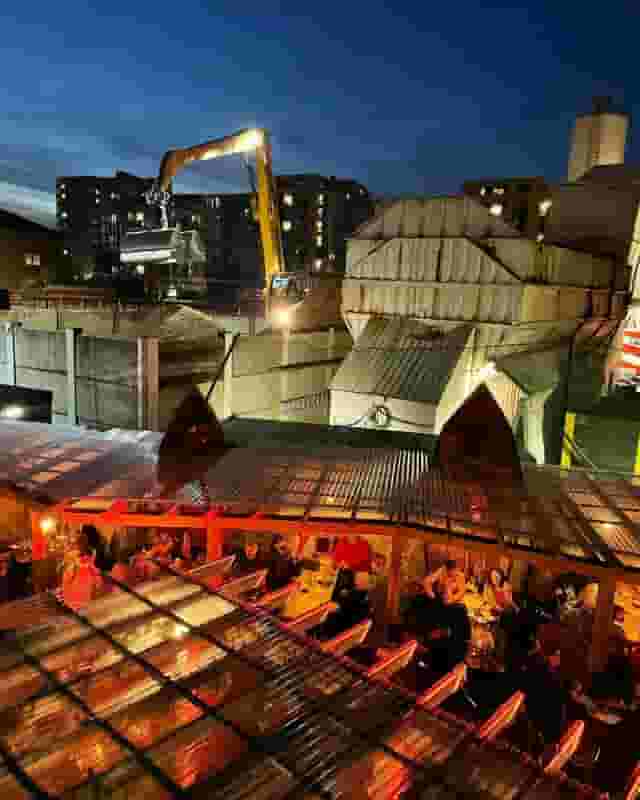
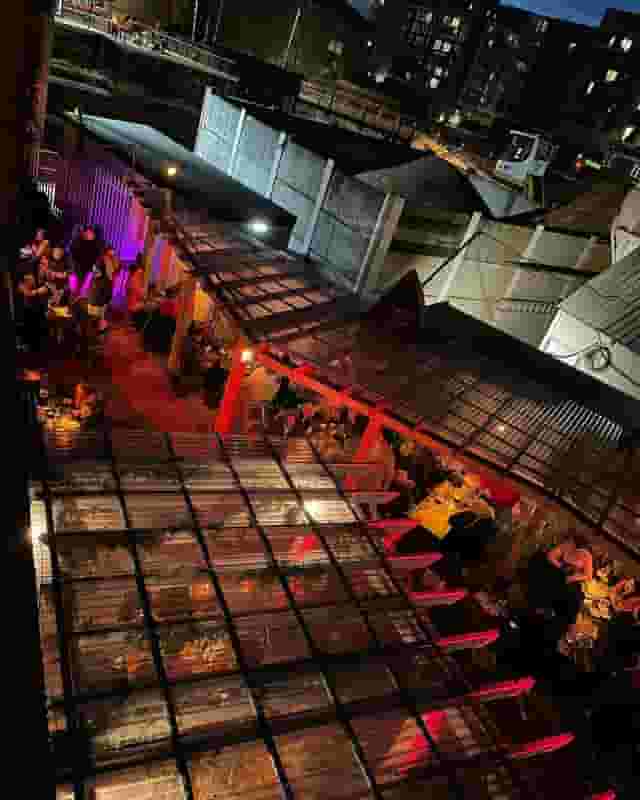


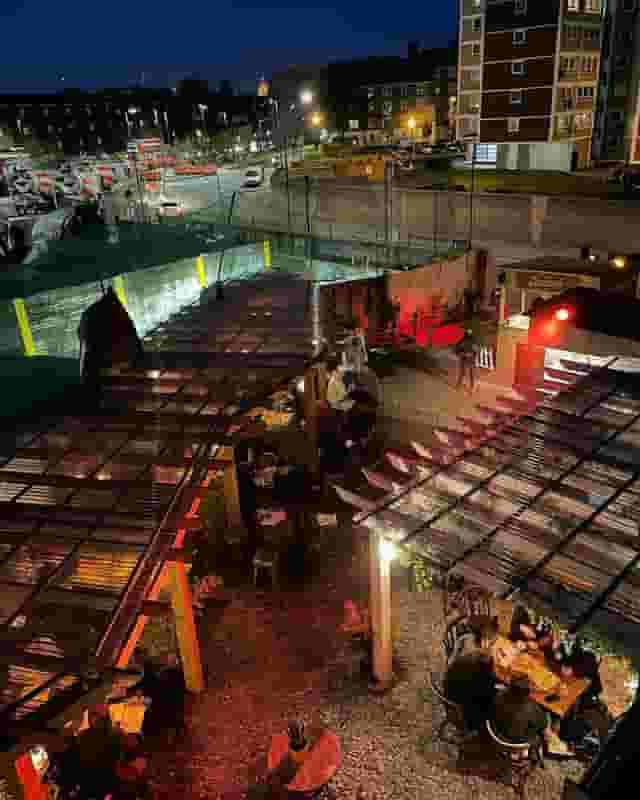




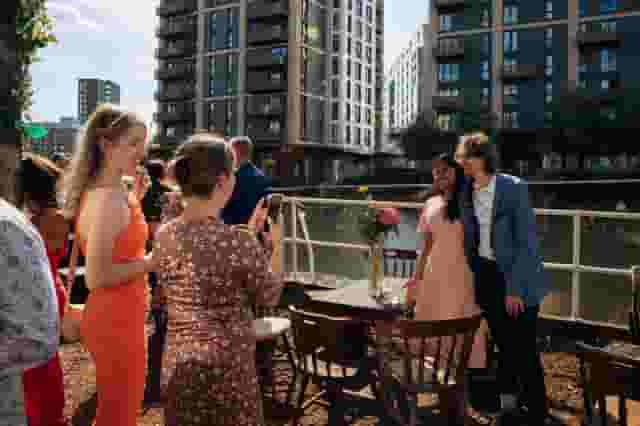


No venues match these filters
Try widening your capacity, luxury level or event type.
Don't have time to search? We'll find it for you.
For business events that need human judgement, talk to our team. Free for events of 100+ people, budgets over £10k or ongoing programmes.


Explore more venues in London









Frequently asked questions
What ceiling height required for London pop-up shops?
What space size needed for 200-person pop-up shop in London?
What staffing levels needed for 200-person London pop-up?
Which London areas offer best footfall for 200-person pop-ups?
What insurance needed for 200-person pop-up shop London?
Are pop-up shops profitable for 200 daily customers in London?
How long should a pop-up shop run for 200 customers daily?
How much stock needed for 200-customer pop-up shop?
Do pop-up shops need business rates in London?
How much does a pop-up shop cost for 200 people in London?
Other platforms search their database. We search everything.
Tell us what you need. Our deep research finds any venue, whether it's in our marketplace or not. No one else does this.
About Pop Up Shops in London
Why London's Pop-Up Shop Scene is Perfect for Your 200-Person Brand Experience
When you're planning a brand experience for 200 people, London's pop-up scene offers something truly special that you won't find anywhere else. We've seen the capital's temporary retail landscape evolve dramatically over the past decade, and frankly, it's become the gold standard for large-scale brand activations.
The numbers tell the story brilliantly. Oxford Street alone sees over 200 million visitors annually, whilst areas like Shoreditch and Fitzrovia deliver that perfect blend of 50,000-100,000 daily footfall with exactly the demographic mix most brands are chasing. What's particularly exciting is how London's infrastructure naturally supports these larger gatherings – you've got venues like Noho Studios offering 185.8m² of flexible space that can comfortably handle your 200-person capacity whilst maintaining that intimate brand connection.
The London Advantage: Scale Meets Sophistication
Here's what we've learned from organising dozens of these events: London's pop-up venues are uniquely equipped for substantial crowds. Most spaces designed for 200 people come with essential infrastructure already in place – 32 amps per phase for your lighting needs, 100 Mbps internet for seamless customer connectivity, and crucially, those 3-metre minimum ceiling heights that let you create genuinely impactful installations.
The transport links are absolutely crucial when you're expecting 200 people. King's Cross to Canary Wharf takes just 25 minutes by Tube, and with services running until midnight (plus Night Tube weekends), your guests aren't watching the clock. We've found this accessibility translates directly into higher attendance rates and longer dwell times.
Real-World Success Patterns
The most successful 200-person pop-ups we've witnessed typically run for 1-4 weeks, generating £8,000-£12,000 daily revenue with profit margins hitting 15-25%. The key is understanding London's unique rhythm – weekday commuter traffic around Liverpool Street delivers 500,000+ daily impressions, whilst weekend footfall in Covent Garden brings that premium demographic willing to spend £40-£60 per visit.
What's particularly clever about London's scene is how venues like those perfect for Corporate Days Out in London for 200 people have adapted their spaces for retail experiences. The crossover between corporate events and brand activations means you're getting professional-grade facilities at competitive rates.
The bottom line? London's pop-up infrastructure, combined with unmatched footfall and transport links, creates the perfect storm for memorable 200-person brand experiences that actually deliver measurable results.
The Essential Planning Blueprint: From Space Requirements to Staffing Your 200-Guest Pop-Up
Getting the fundamentals right for a 200-person pop-up is where we see most organisers either nail it brilliantly or watch their event crumble before it even opens. After years of troubleshooting these larger-scale activations, we've developed a foolproof blueprint that takes the guesswork out of the planning process.
Space Mathematics: The 10-Square-Foot Rule
Here's the golden rule we swear by: allocate minimum 10 square feet per person for comfortable browsing. That means your 200-guest pop-up needs at least 2,000 square feet, though we'd strongly recommend 2,500+ square feet if you're planning product demonstrations or expect queuing. The extra space isn't luxury – it's essential for managing flow and creating those Instagram-worthy moments that drive social engagement.
We've learned the hard way that ceiling height matters enormously at this scale. Those 3-metre minimums aren't just building regulations – they're what separate amateur-looking setups from professional brand experiences. Premium spaces offering 4-5 metre ceilings allow for dramatic lighting installations that can be seen across your entire space, crucial when you're managing 200 people simultaneously.
Staffing Strategy: The 8-12 Formula
Your staffing sweet spot sits between 8-12 team members for a 200-person capacity. We typically deploy 4-6 sales assistants (one per 35-40 customers), 2 dedicated cashiers to prevent bottlenecks, 1 experienced manager, and crucially, 1-3 security or crowd control staff. Don't skimp on this – London's minimum wage of £10.42/hour means you're looking at £800-£1,200 daily staff costs for 10-hour operations, but it's money well spent.
The timing matters enormously. Peak hours require maximum staffing, whilst quieter periods let you rotate teams. We've found that venues suitable for Company Retreats in Hampshire often have excellent staff coordination systems that translate beautifully to retail environments.
Technical Infrastructure That Actually Works
Power requirements scale dramatically with crowd size. You'll need 32 amps per phase minimum, but factor in additional circuits for point-of-sale systems, lighting, and customer device charging stations. Internet bandwidth of 100 Mbps handles basic operations, but if you're running live social media or interactive displays, double it.
Storage space calculation is simple: 10% of your total venue area. For a 2,000 square foot space, that's 200 square feet dedicated to stock, supplies, and staff areas. Most organisers underestimate this and end up with cluttered, unprofessional-looking spaces.
Your next step? Create a detailed floor plan showing customer flow, staff positions, and emergency exits before you even visit potential venues. This preparation transforms venue viewings from guesswork into strategic decision-making.
Navigating London's Pop-Up Hotspots: Where Your 200-Person Event Will Thrive
Location can make or break your 200-person pop-up, and after scouting hundreds of London venues, we've identified the sweet spots that consistently deliver both footfall and the right demographic mix. The key isn't just finding busy areas – it's understanding how different London districts serve different brand objectives and customer behaviours.
Central London: The Premium Play
Oxford Street remains the heavyweight champion for sheer volume, with those 200+ million annual visitors translating to roughly 500,000 daily impressions during peak periods. For 200-person pop-ups, you're looking at prime real estate costs of £200+ per person, but the conversion rates justify the investment. We've seen brands achieve 25-30% higher sales per visitor compared to outer zones, particularly for premium products where that Oxford Street cachet adds perceived value.
Regent Street offers a slightly more refined alternative with 120+ million annual visitors and better crowd management infrastructure. The wider pavements and planned retail environment mean your 200-person queues won't create the chaos you might face on busier Oxford Street sections.
The Creative Quarter: Shoreditch and Fitzrovia
Here's where things get interesting for brand activations. Shoreditch delivers 50,000-100,000 daily footfall with that coveted 25-35 demographic that drives social media engagement. The industrial spaces here naturally accommodate larger crowds, and we've found venues that seamlessly transition from corporate events – similar to those perfect for Company Retreats in Gloucestershire – into dynamic retail environments.
Fitzrovia strikes the perfect balance between accessibility and authenticity. The area's mix of media agencies and creative businesses means your 200-person activation reaches decision-makers during lunch hours and after-work periods. Venue costs typically run £120-175 per person, offering excellent value for the demographic quality.
Transport Hub Strategy: Liverpool Street and King's Cross
Liverpool Street's 500,000+ daily commuter traffic creates unique opportunities for 200-person pop-ups targeting professionals. The morning rush (7-10am) and evening peak (4-7pm) deliver concentrated exposure to high-earning demographics. King's Cross, with its regeneration bringing new mixed-use developments, offers modern spaces with excellent transport links – 25 minutes to Canary Wharf means your City workers can easily attend lunchtime or after-work activations.
The Insider's Approach
We always recommend visiting potential locations during your planned operating hours. That trendy Shoreditch space might look perfect at 2pm Tuesday, but completely different during Saturday afternoon crowds. Factor in loading access too – early morning deliveries work best in central areas before congestion builds.
Your next move? Map out three potential locations across different price points and demographics, then spend a day observing foot traffic patterns during your intended operating hours.
The Real Cost Breakdown: What You'll Actually Pay for a 200-Person Pop-Up Shop in London
Let's talk numbers, because frankly, most organisers we meet have wildly unrealistic expectations about what a proper 200-person pop-up actually costs in London. We've seen too many brilliant concepts fail simply because the budget didn't match the ambition, so here's the honest breakdown based on real projects we've delivered.
The Venue Investment: Your Biggest Line Item
Your venue hire will consume 60-70% of your total budget, and for good reason. Central London spaces capable of handling 200 people comfortably range from £2,000-£5,000 per day, with premium locations pushing £8,000+ during peak periods. We're talking about spaces like those 2,000+ square foot venues with proper infrastructure – not cramped basement rooms that'll create safety nightmares.
The pricing tiers break down quite clearly across London's zones. In Central London, you're looking at £80-£200+ per person for the full experience, whilst Greater London zones offer £60-£175+ per person. That might sound steep, but remember you're getting professional-grade facilities with 32-amp power supplies, climate control, and crucially, those 3-metre+ ceilings that make your brand installation actually work.
The Hidden Costs That Catch Everyone Out
Here's where most budgets go sideways: the additional services that venues don't always mention upfront. Security for 200-person events isn't optional – you'll need 1-3 qualified personnel at £150-£200 per day each. Public liability insurance scales with capacity, so expect £300-£800 for comprehensive coverage that actually protects you.
Business rates can be a nasty surprise if your activation runs over six months or exceeds £12,000 rateable value. Central London rates hit £15-£25 per square foot annually, which adds up quickly for larger spaces. Most short-term lets under six months dodge this, but always confirm with your venue.
The Smart Money Approach
We've learned that successful 200-person pop-ups typically allocate budgets like this: venue hire (70%), equipment and setup (15%), staffing (10%), and contingency (5%). That staffing budget covers your 8-12 team members at £10.42/hour minimum wage, realistically £800-£1,200 daily for proper coverage.
The venues that work brilliantly for Company Retreats in Hertfordshire often offer package deals that include basic equipment and setup, which can save 20-30% compared to sourcing everything separately.
Making Your Budget Work Harder
Peak periods (weekends, December) command premium rates, but weekday activations can offer 30-40% savings whilst still capturing that crucial commuter demographic. We've seen brands achieve identical results with Tuesday-Thursday activations at significantly lower costs.
Your next step? Create three budget scenarios – conservative, realistic, and ambitious – then work backwards from your expected ROI to determine which tier makes commercial sense for your brand objectives.
Insider Secrets: How to Maximize Impact and Avoid Common Pitfalls with Large-Scale Pop-Ups
After organising dozens of 200-person pop-ups across London, we've spotted the same mistakes happening repeatedly – and more importantly, discovered the insider tricks that separate wildly successful activations from expensive disappointments. The difference often comes down to understanding the unique dynamics that emerge when you're managing this scale of temporary retail experience.
The 48-Hour Rule: Your Make-or-Break Window
Here's something most organisers don't realise: the first 48 hours determine whether your 200-person pop-up becomes a destination or a ghost town. We always frontload our marketing spend into those crucial opening days, aiming for 60-70% of total promotional budget in the first week. The reason? London's social media ecosystem moves fast, and you need that initial buzz to create the queuing effect that draws more customers.
The most successful activations we've witnessed generate 150-200 social media posts within their first two days. That organic reach then sustains footfall for the remaining duration. Plan your influencer visits, press previews, and VIP launches for day one – not scattered throughout your run.
Stock Management: The 3-5x Formula That Actually Works
Stock planning for 200-person capacity requires a completely different approach than smaller pop-ups. We use the 3-5x rule: stock 3-5 times your expected daily sales volume. If you're targeting £50 average spend across 200 customers (£10,000 daily revenue), you need £30,000-£50,000 worth of inventory on-site.
The critical insight? Fast-moving items should represent 70% of your stock, with 20% buffer stock for unexpected demand spikes. London's high venue costs mean you can't afford slow-moving inventory taking up precious display space. We've seen brands lose £2,000+ daily revenue simply because they ran out of bestsellers whilst overstocking niche items.
The Flow Management Secret: Zones, Not Queues
Traditional queuing systems collapse with 200-person volumes. Instead, create distinct zones: entry/welcome (20% of space), main shopping area (60%), and checkout/exit (20%). This prevents the bottlenecks that kill customer experience and create safety concerns.
The venues that excel at this – similar to those handling Company Retreats in Lancashire – understand crowd psychology. Position your most Instagram-worthy installations near the entrance to encourage social sharing, but place purchase decisions deeper in the space where customers feel less rushed.
The Timing Intelligence Most Brands Miss
Peak hours for 200-person pop-ups aren't when you'd expect. Our data shows Tuesday-Thursday 2-4pm generates the highest conversion rates (35-40% higher than weekend peaks), whilst Saturday afternoons create volume but lower per-customer spend. Smart brands schedule their premium product launches during these weekday sweet spots.
Your next move? Create a detailed hour-by-hour staffing and stock plan, then build in 30% flexibility for those unexpected rush periods that can make or break your entire activation.
What our customers say
Inspiration and planning guides

Watch a real brief turn into priced, available venues in 15 minutes
Chloe Richardson has spent 17 years in events. We gave Deep Venue Research one of her briefs and filmed every step, from the first questions to availability checked at the venues she chose.

Simple Events Win: Why Restraint Beats Spectacle
Budgets are tight and audiences want connection over spectacle. The events that land in 2026 are the deliberately simple ones. Here is how to edit rather than cut, grounded in the 2026 industry data, and why the right venue does the heavy lifting.

Why UK Event Calendars Got So Tight (And How to Book Smarter)
Lead times for UK corporate events are up 39% since 2022, based on Hire Space booking data. The calendar is tighter, conversion rates fall sharply when you leave it late and the peak windows are getting more crowded. Here is what the numbers say and what to do about it.
One supplier. Every venue. Full visibility on what you spend.
Multiple venues and events. One agreement.