Photo Studios in London
Explore top photo studios in London suitable for events of up to 200 people.
10 Photo Studios in venues in London



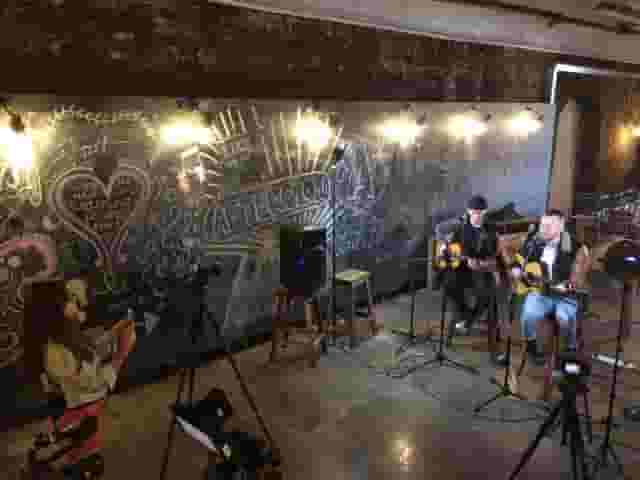
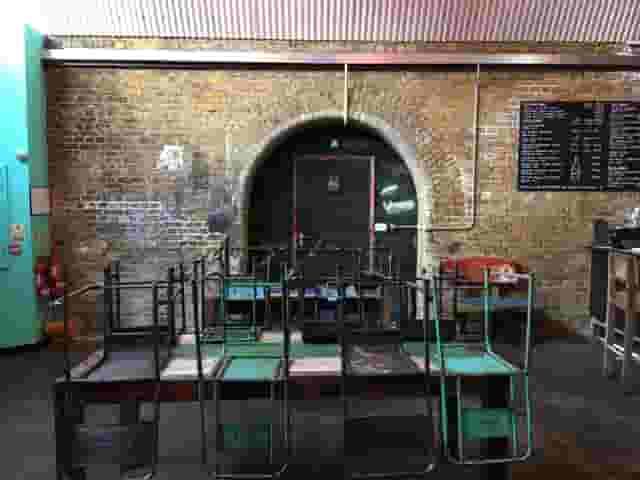
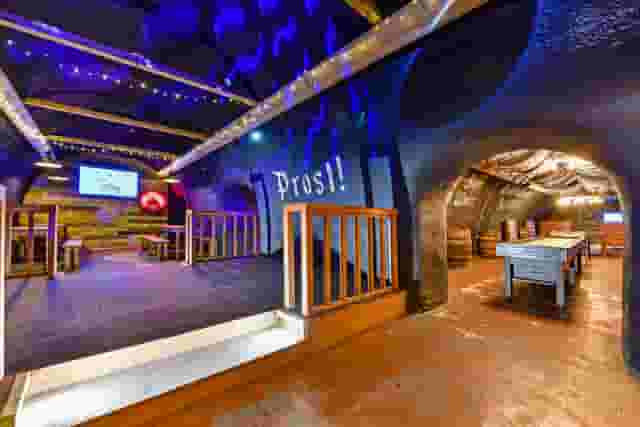
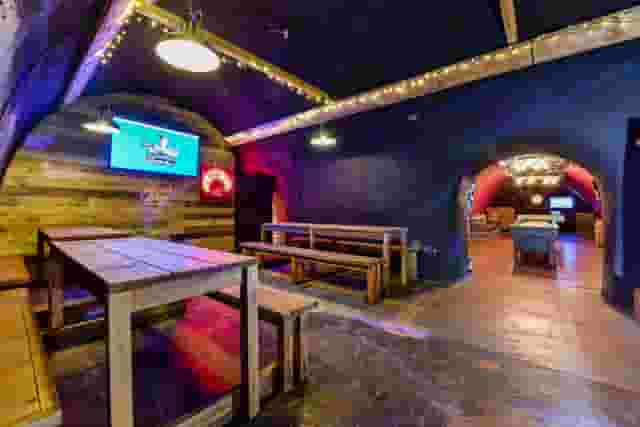
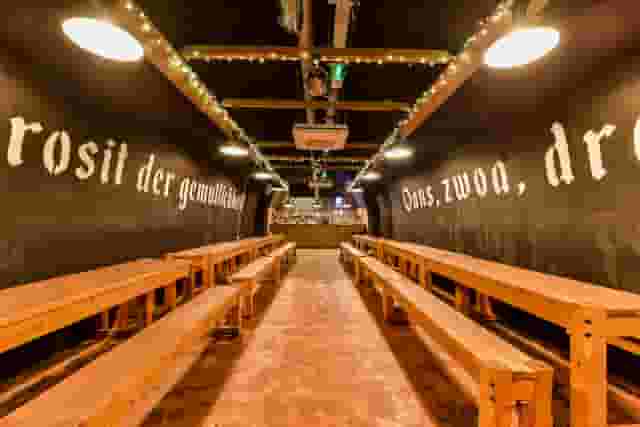
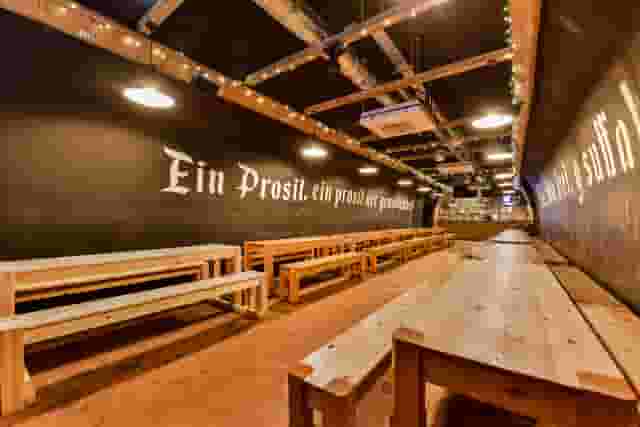


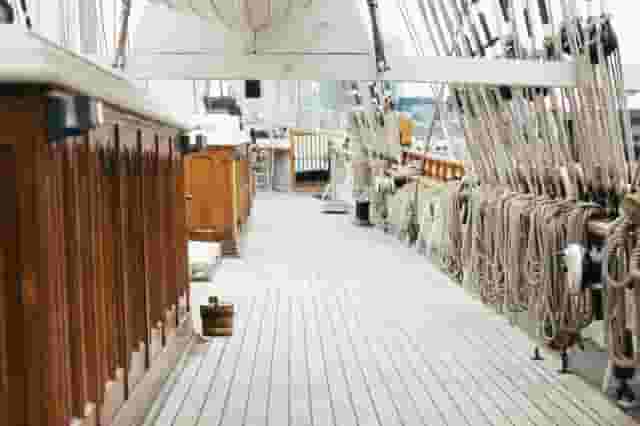
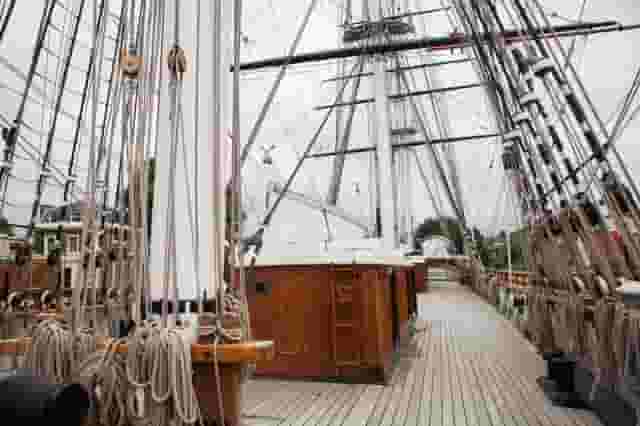
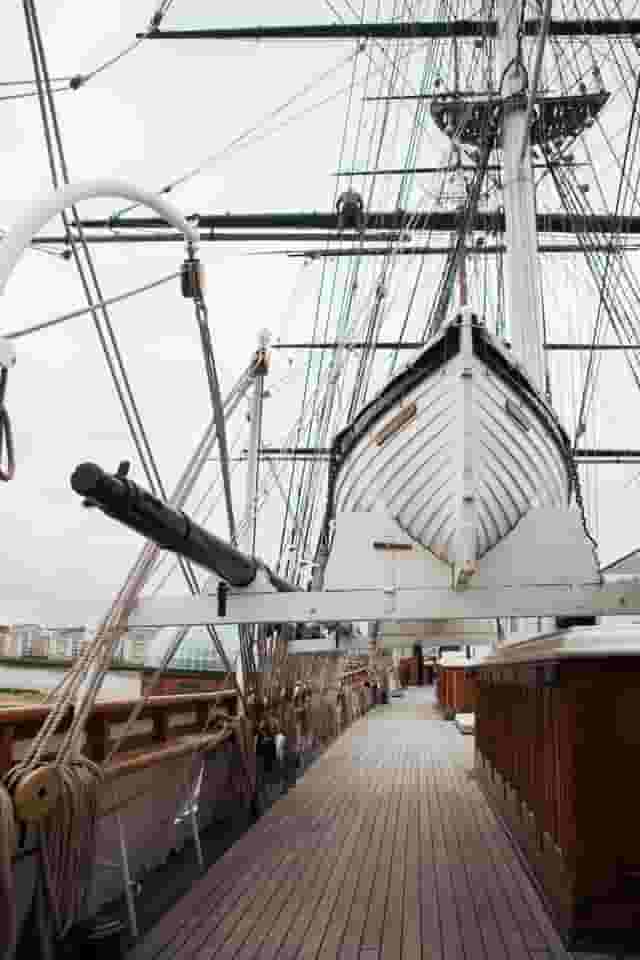
No venues match these filters
Try widening your capacity, luxury level or event type.
Don't have time to search? We'll find it for you.
For business events that need human judgement, talk to our team. Free for events of 100+ people, budgets over £10k or ongoing programmes.


Explore more venues in London




Other platforms search their database. We search everything.
Tell us what you need. Our deep research finds any venue, whether it's in our marketplace or not. No one else does this.
About Photo Studios in London
Why London's Photo Studios Are Perfect for Large-Scale Events of 200 People
When you're planning an event for 200 people, London's photo studios offer something truly special that traditional venues simply can't match. Having organised countless large-scale productions across the capital, I can tell you that these spaces are absolute game-changers for corporate launches, brand activations, and creative showcases.
The sheer versatility is what sets them apart. Take GAS Studio C, for instance – at 334m² with a 5-metre apex ceiling, it transforms seamlessly from a standing reception for 200 to an intimate banquet setup for 170. That flexibility means you're not locked into one format, which is crucial when client briefs evolve (and they always do).
What Makes London's Large Photo Studios Exceptional
The technical infrastructure in London's photo studios is frankly impressive. You'll find 3-phase 63 Amp power supplies as standard – essential when you're running multiple LED lighting rigs, AV equipment, and catering stations simultaneously. Shoreditch Studios, for example, offers both 3-phase and single-phase 63A connections, plus dedicated fibre internet up to 1 Gbps. Try getting that specification in a hotel ballroom.
The acoustic capabilities are another major advantage. Studios like Shoreditch can handle up to 98 dBA, meaning your live entertainment won't have the neighbours complaining. That soundproofing also works both ways – no external noise disrupting your presentations or filming.
Budget Reality Check
Let's talk numbers honestly. You're looking at £1,200–£1,800 per day for a quality 300-400m² studio in London. Yes, it's a significant investment, but when you factor in the included technical infrastructure, climate control, and often basic equipment, the value becomes clear. Compare that to hiring a traditional venue plus bringing in all the technical kit separately – the costs add up quickly.
For corporate events, I typically see budgets ranging from £80 per head in outer London zones to £200+ per head for premium Central London experiences. The key is matching your venue choice to your overall event objectives and budget parameters.
The beauty of London's photo studio scene is the variety. Whether you need the industrial chic of East London spaces or the polished sophistication of Central London studios, there's something that'll perfectly complement your brand story. Plus, with excellent transport links and proximity to Away Day Activities, you can easily extend your event into a full corporate experience.
Ready to explore your options? Start by defining your technical requirements and preferred location – that'll help narrow down the perfect studio for your 200-person event.
Essential Technical Requirements and Space Planning for 200-Guest Photo Studio Events
Getting the technical specifications right for a 200-person photo studio event is absolutely critical – and frankly, it's where I see most planners either nail it brilliantly or face some rather expensive surprises on the day.
The golden rule I've learned over the years is that space planning for 200 guests isn't just about square footage – it's about understanding how people move, where equipment lives, and how all your technical requirements interact. You'll need a minimum of 300m² for comfortable standing reception, but I always recommend looking at 400-500m² spaces to give yourself proper breathing room for equipment, staging areas, and those inevitable last-minute additions.
Power Planning That Actually Works
Here's where many events come unstuck: power requirements for 200 people are substantial. You're looking at needing 3-phase 63 Amp supply as your baseline, plus multiple single-phase outlets strategically positioned around the space. I've seen too many events where the catering stations are fighting with the AV equipment for power, creating both technical headaches and potential safety issues.
The smart approach is mapping your power needs during the planning phase. LED lighting rigs, PA systems, catering equipment, registration desks, charging stations – it all adds up quickly. Studios like GAS offer 1x 63A 3-phase plus 3x 63A single phase connections, which gives you the flexibility to distribute power properly without overloading circuits.
Ceiling Height and Rigging Considerations
Don't underestimate the importance of ceiling height for 200-person events. You need minimum 4 metres for basic lighting, but 5+ metres gives you proper rigging options for dramatic lighting effects or suspended branding elements. The load-bearing capacity is equally crucial – certified rigging points that can handle 500kg+ are essential if you're planning any overhead installations.
Flow and Logistics Planning
With 200 guests, crowd flow becomes a genuine consideration. You'll want separate entry and exit points where possible, dedicated areas for registration, networking zones that don't create bottlenecks, and clear sightlines throughout the space. I always sketch out the guest journey from arrival to departure – it reveals potential pinch points before they become problems.
Consider proximity to Photo Studios in Central London if transport accessibility is crucial, or explore Photo Studios in East London for more industrial-style spaces with excellent technical capabilities.
The key is creating a detailed technical rider that covers power, rigging, acoustics, and flow requirements. Share this with potential venues early – it'll save you time and help identify which studios can genuinely deliver what you need.
Navigating London's Photo Studio Market: Costs, Locations, and Booking Strategies
The London photo studio market can feel overwhelming when you're hunting for the right space for 200 guests – trust me, I've been there. The good news is that once you understand the market dynamics, you can navigate it like a pro and secure genuinely excellent value.
Understanding London's Studio Geography
Location absolutely matters when you're hosting 200 people. Central London studios command premium rates – we're talking £1,800+ per day – but they offer unbeatable transport links and that prestigious postcode your stakeholders expect. I've found that venues near King's Cross or Liverpool Street work brilliantly for corporate events, giving guests easy access from multiple tube lines.
East London, particularly around Shoreditch and Hackney, offers fantastic value without compromising on quality. You'll typically save 20-30% on venue costs whilst getting access to some genuinely cutting-edge spaces with excellent technical specifications. The industrial aesthetic also photographs beautifully for social media content.
For comparison, Photo Studios in West London tend to offer a middle ground – slightly more accessible than Central London but with that polished, corporate-friendly environment many clients prefer.
Booking Timeline and Strategy
Here's where experience really pays off: book 8-12 weeks ahead for standard dates, but extend that to 16+ weeks for peak periods (September-November and January-March). Studios suitable for 200 people are genuinely limited in London, so popular dates disappear quickly.
The smart money books Tuesday-Thursday for corporate events. You'll often secure 15-20% better rates than weekend bookings, plus your guests won't be battling weekend crowds on public transport. I've negotiated some excellent deals by being flexible on specific dates within a preferred week.
Negotiation Tactics That Actually Work
Don't just accept the first quote – there's almost always room for movement, especially for 200-person bookings. Studios want to fill their larger spaces, so they're often willing to bundle equipment, extend setup times, or throw in additional services. I've secured complimentary green rooms, extended power allocations, and even basic catering packages by asking the right questions.
Multi-day bookings offer serious leverage. If you need setup and breakdown days, negotiate these as a package rather than individual day rates. Studios prefer guaranteed occupancy over single-day bookings.
Consider exploring Photo Studios in Manchester or Photo Studios in Birmingham if your event doesn't require a London location – you'll often get significantly more space and technical capability for your budget.
Start your search with a clear brief covering capacity, technical requirements, and budget parameters. This helps venues provide accurate quotes and saves everyone time on unsuitable options.
Managing the Logistics: Power, Equipment, and Flow for 200-Person Productions
Managing a 200-person production in a photo studio is where the rubber meets the road – and honestly, it's where I've seen the most spectacular successes and the most avoidable disasters. The difference usually comes down to understanding that photo studios operate fundamentally differently from traditional event venues.
Power Distribution Strategy for Large Productions
The biggest mistake I see planners make is treating power like it's unlimited. With 200 guests, you're running multiple systems simultaneously: LED lighting grids drawing 15-20 amps, PA systems requiring dedicated circuits, catering stations needing 32-amp connections, and registration desks with laptops and printers. That's before considering phone charging stations and any live streaming equipment.
I always create a power map during site visits, marking every outlet and calculating load distribution. Studios like Shoreditch offer 3-phase 63A plus single-phase 63A connections, but you need to plan how that power reaches every corner of your event. Extension leads snaking across guest areas aren't just unsightly – they're genuine safety hazards with 200 people moving around.
The smart approach is clustering high-power equipment near main distribution points and using qualified electricians for any temporary installations. Yes, it adds £800-1,200 to your budget, but it's infinitely cheaper than dealing with power failures mid-event.
Equipment Logistics and Storage Solutions
Photo studios typically allocate 10-15% of floor space for equipment storage, but with 200-person events, that's rarely sufficient. You'll need dedicated areas for catering prep, AV control desks, registration materials, guest bags, and emergency supplies. I've learned to negotiate additional storage space during booking – most studios have adjacent rooms or mezzanine areas they can make available.
The key is creating distinct zones: guest areas, technical areas, and service corridors. This prevents your technical crew from disrupting guest experience whilst maintaining access for equipment changes or emergency situations.
Guest Flow Management
With 200 people in a photo studio, crowd psychology becomes crucial. Unlike purpose-built event venues, studios weren't designed for large gatherings, so you need to actively manage movement patterns. I typically designate 30% of floor space for circulation, create multiple conversation zones to prevent clustering, and ensure clear sightlines to exits.
Consider the journey from arrival to departure: registration bottlenecks, bar queues, presentation viewing areas, and networking spaces. Each transition point needs careful planning to prevent congestion.
For venues with excellent transport links, explore Photo Studios in Central London to minimise guest travel complications, or consider Away Day Activities to extend your event experience.
Start by creating detailed floor plans showing power distribution, equipment placement, and guest flow patterns – this becomes your operational bible on event day.
Expert Solutions to Common Challenges When Hosting 200 Guests in Photo Studios
After organising dozens of 200-person events in London's photo studios, I can tell you that certain challenges crop up repeatedly – but they're all entirely solvable with the right approach. The key is anticipating these issues during planning rather than scrambling to fix them on the day.
The Acoustics Balancing Act
Photo studios are designed for controlled sound environments, which creates a unique challenge when hosting 200 guests. The soundproofing that keeps external noise out also means sound behaves differently inside. I've walked into events where conversations felt muffled despite excellent PA systems, simply because the acoustic treatment was absorbing too much ambient energy.
The solution is strategic sound zoning. Use the studio's natural acoustic properties to your advantage – create intimate conversation areas in more acoustically treated zones, whilst positioning presentations and entertainment in areas with more reflective surfaces. Most quality studios can handle up to 98 dBA, but you need to balance amplified content with natural conversation levels.
Climate Control for Dense Occupancy
Here's something venue brochures don't mention: 200 people generate serious heat. Each person produces roughly 100 watts of body heat, plus you've got lighting rigs, catering equipment, and AV systems all contributing to thermal load. I've seen perfectly planned events become uncomfortably warm within 90 minutes of doors opening.
The trick is pre-cooling the space and working with venue technicians to adjust HVAC settings throughout the event. Studios with proper climate control systems can handle this, but you need to brief them on your expected occupancy patterns. If you're planning a standing reception followed by a seated presentation, the thermal requirements change significantly.
Managing the Inevitable Equipment Conflicts
Photo studios come equipped with professional lighting and rigging, but it's designed for photography, not events. Your event lighting designer might want to use different positions, your AV team needs power in specific locations, and your caterers require access that conflicts with existing studio setup.
I always schedule a technical walkthrough with all suppliers present – lighting, AV, catering, and venue technical staff. This reveals conflicts early and allows collaborative problem-solving. Most studios are remarkably flexible, but they need advance notice to reconfigure their standard setup.
The Loading Bay Reality Check
Studios typically have excellent loading access for equipment, but they're designed for photography gear, not event logistics. When you're bringing in catering for 200 people, furniture, AV equipment, and décor, the loading schedule becomes critical.
Create a detailed delivery timeline with 30-minute windows for each supplier. I've found that early morning deliveries (7-9am) work best, avoiding both traffic congestion and conflicts with other venue users.
For venues with excellent logistics access, consider Photo Studios in East London which often offer superior loading facilities, or explore Photo Studios in West London for more traditional event-friendly infrastructure.
Start by creating a comprehensive risk register covering acoustics, climate, equipment, and logistics – then work through solutions with your venue team well before event day.
What our customers say
Inspiration and planning guides

Proposal Requests Are Now On Hire Space!
It's now even easier to find the perfect venue for your event with Hire Space. The UK's leading venue website has just launched its new Request For Proposal (RFP) functionality, meaning that whatever size, style or sort of event you're hoping to put on, we can help make it a reality. Quick and Easy With our quick and easy online form, event planning can be a breeze. Just enter the date and time of your event as well as your budget. You can then input further details on the type of event you'r

Here's Why PR and Marketing Agencies Use Hire Space
In this blog, we'll dive into why PR and marketing agencies use Hire Space, highlighting its benefits and how it supports the delivery of successful events.

How Is Hire Space Free?
It can be difficult to get your head around. You have access to thousands of unique venues from across the UK, you can contact them in seconds, and you aren't charged even a penny. In fact, you'll probably end up saving money. Too good to be true, right? Actually, no. We've worked out a way to make sure we never need to charge our customers anything. Let us explain. 1. Here's how Hire Space works You're after a venue. You go onto Hire Space, discover your favourites, and contact them quickl
One supplier. Every venue. Full visibility on what you spend.
Multiple venues and events. One agreement.