Concert Venues in London
Explore top concert venues in London suitable for 50 guests.
16 Concert in venues in London








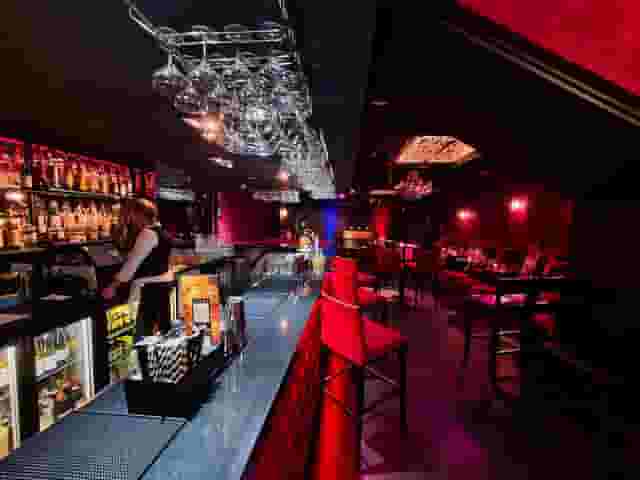
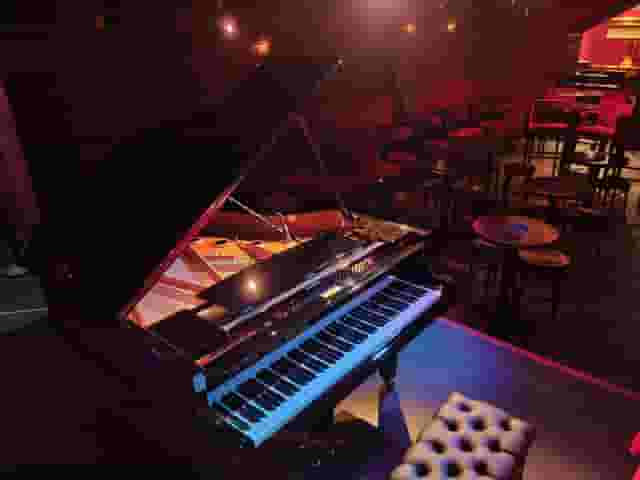
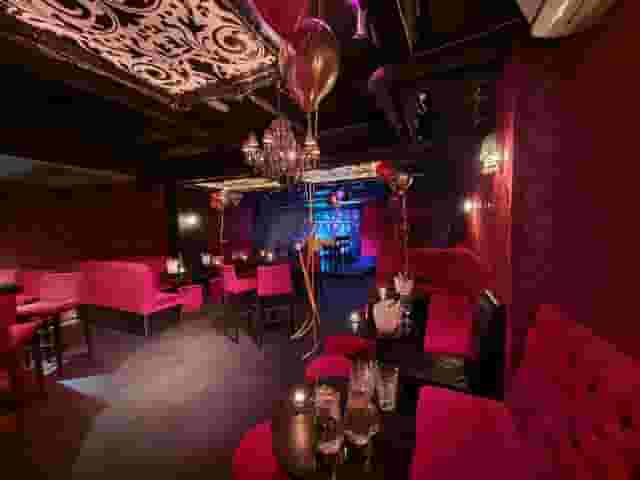
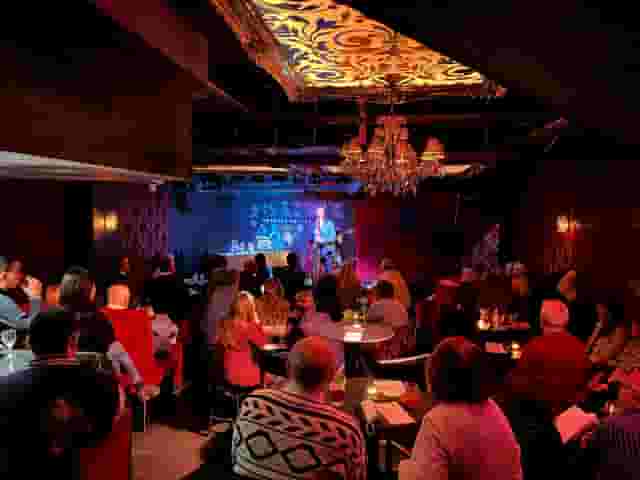




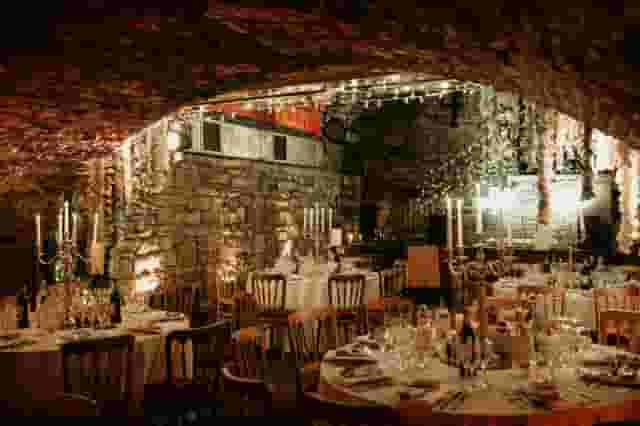
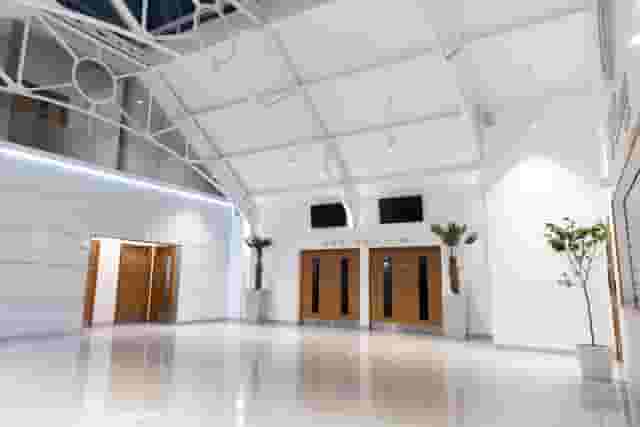
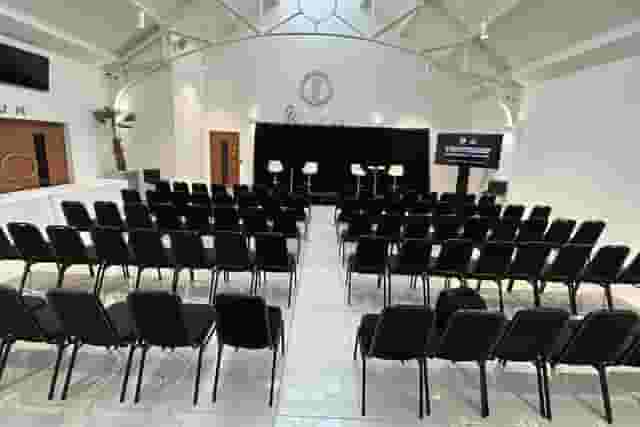




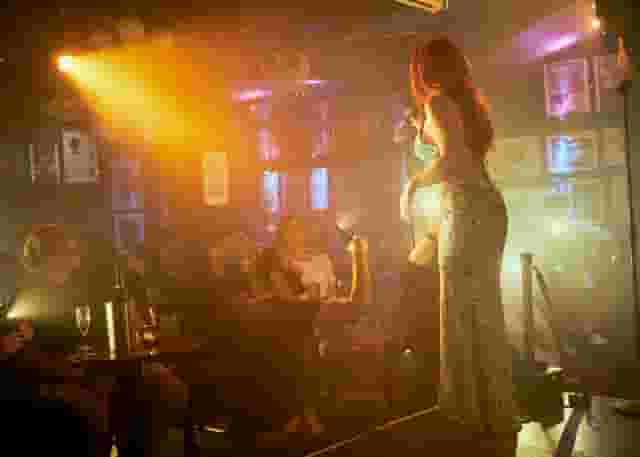



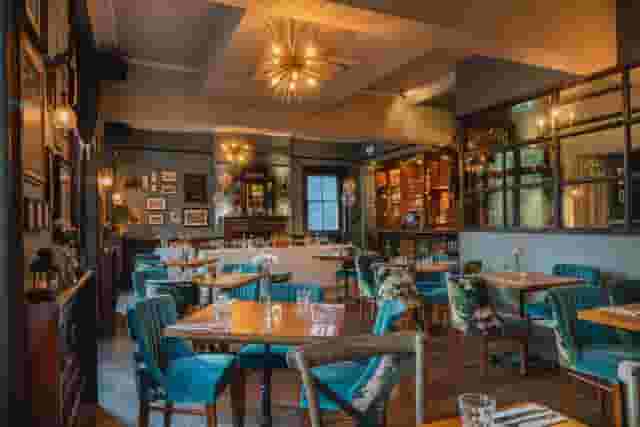
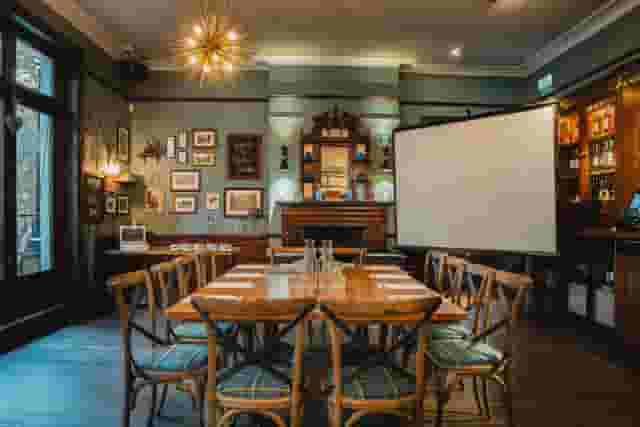

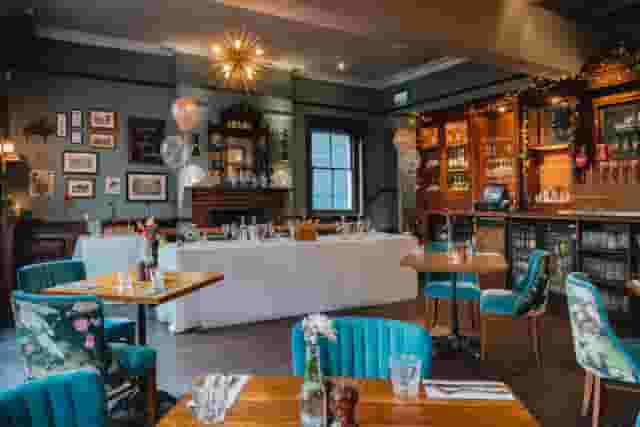

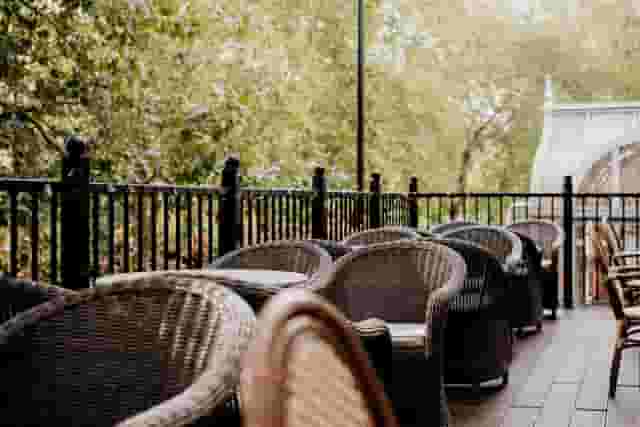














No venues match these filters
Try widening your capacity, luxury level or event type.
Don't have time to search? We'll find it for you.
For business events that need human judgement, talk to our team. Free for events of 100+ people, budgets over £10k or ongoing programmes.


Explore more venues in London


















Other platforms search their database. We search everything.
Tell us what you need. Our deep research finds any venue, whether it's in our marketplace or not. No one else does this.
About Concert in London
Why London's Intimate Concert Venues Are Perfect for Your 50-Person Music Event
There's something magical about intimate concert venues that you simply can't replicate in larger spaces. When you're planning a music event for 50 people, London's smaller concert venues offer an authenticity and connection that transforms performances from mere entertainment into unforgettable experiences.
The beauty of these intimate spaces lies in their ability to create genuine artist-audience connection. In venues like The Green Note in Camden, with its cosy 60m² footprint, every guest feels like they're part of something special rather than just another face in the crowd. You'll find that artists often prefer these settings too – there's an energy that comes from being able to see individual faces and reactions that simply doesn't exist in larger venues.
What Makes 50-Person Venues Commercially Brilliant
From a practical standpoint, these venues are incredibly cost-effective for organisers. You're looking at venue hire costs ranging from £2,000 to £8,000 for exclusive use, depending on location and prestige – significantly more manageable than the £20,000+ you'd face for premium larger spaces. The intimate scale also means your catering, security, and technical requirements are proportionally smaller, keeping your overall budget realistic.
The acoustic advantages are remarkable too. In a 50-person venue with proper 3m+ ceiling heights and acoustic treatment, every note carries perfectly without the need for massive sound systems. You'll typically need just a basic PA setup with mixer and microphones – equipment that most venues already have installed.
Strategic Advantages for Event Success
These venues excel at creating the kind of memorable experiences that generate genuine word-of-mouth marketing. When guests feel they've witnessed something exclusive and personal, they become advocates for your brand or cause. We've seen corporate clients use intimate concert venues for product launches that feel more like exclusive previews than traditional presentations.
The booking timeline is also more flexible than larger venues. While major concert halls require 6-12 months advance booking, intimate venues often accommodate requests with just 2-3 months' notice, perfect for those last-minute opportunities or seasonal campaigns.
London's diverse music scene means you'll find venues that match any genre or aesthetic – from jazz clubs in Soho to indie spaces in Shoreditch. Each brings its own character and established audience, adding authenticity to your event that hired spaces simply can't match.
Your next step should be identifying 3-4 venues that align with your musical style and budget, then visiting them during actual performances to experience the atmosphere firsthand.
5 Essential Technical Requirements Every Small Concert Venue Must Have
Getting the technical side right can make or break your intimate concert experience. After years of working with London's smaller venues, I've learned that the difference between a memorable performance and a disaster often comes down to five critical technical elements that many organisers overlook until it's too late.
Power Supply That Won't Let You Down
Your venue absolutely must have at least 32 amps of single-phase power supply. I can't tell you how many events I've seen compromised because organisers assumed the standard domestic supply would suffice. For a 50-person concert venue, you'll typically be running a PA system, stage lighting, and potentially recording equipment simultaneously. The Green Note learned this lesson the hard way during their early days – now they've got dedicated circuits that can handle professional audio equipment without tripping breakers mid-performance.
Most reputable venues will have this sorted, but always ask specifically about power capacity during your site visit. If they can't give you exact amp ratings, that's a red flag.
Acoustic Treatment Beyond Basic Soundproofing
Here's where many venues fall short: they focus on keeping sound in rather than making it sound good inside. Proper acoustic treatment includes both soundproofing panels and bass traps, which are essential for that crisp, professional sound quality your audience expects. In a 60m² space, you need strategic placement of absorption materials to prevent echo and standing waves that can muddy the mix.
The ceiling height matters enormously too – anything under 3 metres will compress the sound and make vocals feel claustrophobic. I always recommend venues with 3.5m+ ceilings for the best acoustic experience.
Climate Control That Actually Works
Nothing kills the vibe like a sweaty, uncomfortable audience. With 50 people in an intimate space, body heat builds up quickly. Your venue needs HVAC systems with adjustable thermostats that can maintain comfortable temperatures throughout the performance. This is particularly crucial for corporate events where you're trying to impress clients.
Professional-Grade Internet Connectivity
Don't underestimate this one. You need minimum 20 Mbps bandwidth for live streaming, social media updates, and payment processing. Many older venues still rely on basic broadband that can't handle multiple devices simultaneously.
Adequate Storage and Load-In Access
Finally, ensure there's proper storage space (at least 10% of the total venue area) and reasonable load-in access. You'll be surprised how much equipment even a small concert requires, and narrow staircases or awkward doorways can turn setup into a nightmare.
Before signing any contract, insist on a technical walkthrough with your sound engineer present. It's the only way to spot potential issues before they become expensive problems.
Navigating London's Licensing Laws and Venue Regulations for Live Music
The licensing maze for live music in London can feel overwhelming, but understanding the essentials will save you from costly mistakes and last-minute panic. Having navigated these waters for countless events, I can tell you that the key is getting your paperwork sorted early – and knowing exactly what you're responsible for versus what the venue handles.
The Premises License: Your Foundation
Every concert venue in London needs a premises license under the Licensing Act 2003, specifically including live music permissions. For your 50-person event, this is typically the venue's responsibility, but you absolutely must verify this during your initial enquiries. I've seen organisers assume everything was covered, only to discover three days before their event that the venue's license didn't include live amplified music after 9pm.
Most established concert venues will have comprehensive licenses covering live music, recorded music, and alcohol sales. However, if you're considering unconventional spaces or pop-up locations, you might need to apply for a Temporary Event Notice (TEN) yourself. These cost £21 and must be submitted at least 10 working days in advance – though I always recommend at least three weeks to avoid complications.
Noise Restrictions That Actually Matter
London's noise regulations are strictly enforced, particularly in residential areas. Most venues must comply with noise limits that typically restrict loud amplified music after 10pm on weekdays and 11pm on weekends. For intimate venues, this rarely poses problems since acoustic performances naturally stay within acceptable levels.
However, if you're planning anything with drums or electric guitars, discuss sound limiting with your venue manager. Many smaller venues use sound limiters that automatically cut power if decibel levels exceed council limits – something that can literally kill your performance mid-song.
Insurance and Safety Requirements
Your venue should carry public liability insurance of at least £5 million, but don't assume this covers your event entirely. If you're bringing in external performers or equipment, you'll likely need additional coverage. Fire safety certificates and first aid provisions are mandatory, and venues must provide clear evacuation routes for your 50 guests.
Getting It Right From Day One
Start your licensing conversation during your first venue visit. Ask to see their actual license document – not just verbal confirmation. Check the permitted hours, capacity limits, and any specific conditions. If anything seems unclear, contact the local council's licensing department directly.
Your next step should be creating a licensing checklist for each potential venue, ensuring you've verified every requirement before making your final booking decision.
Smart Budgeting Strategies for Booking Concert Venues in London's Competitive Market
The secret to securing brilliant concert venues without breaking the bank isn't just about finding the cheapest option – it's about understanding how London's venue pricing actually works and timing your approach strategically. After negotiating hundreds of venue contracts, I've learned that the difference between paying £2,000 and £8,000 for the same quality space often comes down to when and how you book.
Understanding London's Venue Pricing Tiers
Concert venues in London typically fall into clear pricing brackets based on location and exclusivity. In Central London, you're looking at £5,000-£15,000 for premium venue hire, while Greater London venues (Zones 2-5) offer similar quality for £4,000-£12,000. The sweet spot for 50-person intimate concerts often lies in Zone 2 venues – places like Hackney or Clapham that offer excellent transport links without the Central London premium.
Here's what most organisers don't realise: venue pricing fluctuates dramatically based on demand patterns. Tuesday through Thursday bookings can cost 30-40% less than weekend slots, and venues are often willing to negotiate significantly for off-peak times. I've secured £6,000 venues for £3,500 simply by being flexible with dates.
The 60-Day Sweet Spot Strategy
Most intimate venues have a booking sweet spot around 60-90 days in advance. Book too early, and you'll pay premium rates without negotiating power. Leave it too late, and you're competing with last-minute corporate bookings that can afford to pay top dollar. At the 60-day mark, venues know their calendar gaps and are motivated to fill them.
Hidden Costs That Catch Everyone Out
The venue hire is just the beginning. Factor in technical requirements (PA systems typically add £300-£500), security deposits (usually 20% of total cost), and potential overtime charges if your event runs beyond agreed hours. Many venues also charge for additional cleaning if you're serving food or drinks.
Smart organisers bundle their requirements during initial negotiations. Instead of accepting the base quote, ask for package deals that include basic sound equipment and extended hours. Venues prefer predictable, all-inclusive bookings and will often discount bundled services.
Leveraging London's Seasonal Patterns
January through March offers the best value, with venues eager to fill quiet winter calendars. Summer months command premium pricing, but September and October provide excellent weather with more reasonable rates. If you're planning corporate entertainment, avoid December entirely – venues know companies have year-end budgets to spend.
Your next step should be identifying 5-6 potential venues across different zones, then approaching them with flexible date ranges to leverage the best possible rates.
Avoiding the 7 Most Common Mistakes When Choosing Your Perfect Concert Space
The difference between a concert that guests rave about for months and one that becomes a cautionary tale often comes down to seemingly small details that experienced organisers know to check. I've watched brilliant performances fall flat because of avoidable venue mistakes, and I've seen average acts elevated by perfect space selection. Here are the seven pitfalls that catch even seasoned event professionals off guard.
Mistake #1: Ignoring the Load-In Reality
The most expensive mistake I see is underestimating load-in logistics. That charming basement venue in Soho might look perfect online, but if your sound engineer has to carry a PA system down two flights of narrow Victorian stairs, you're looking at additional labour costs and potential equipment damage. Always ask about lift access, door widths (minimum 80cm for standard equipment), and whether there's dedicated parking for load-in. Factor in an extra £200-£400 for difficult access venues.
Mistake #2: Overlooking Acoustic Dead Spots
In intimate 50-person venues, acoustic dead spots can ruin the experience for 20% of your audience. During your site visit, walk the entire space while someone speaks from the performance area. Pay particular attention to corners and areas behind pillars – these are where sound often gets trapped or lost entirely. Venues like those featured in our guide to unconventional conference venues often have unique architectural features that create unexpected acoustic challenges.
Mistake #3: Misjudging Capacity vs. Comfort
Just because a venue holds 50 people doesn't mean 50 people will be comfortable. The difference between theatre-style seating (50 capacity) and cabaret-style (30 capacity) is enormous for audience experience. For standing concerts, allow 0.5m² per person minimum – anything tighter feels claustrophobic and impacts your guests' enjoyment.
Mistake #4: Forgetting About Sightlines
In smaller venues, even minor sightline issues become major problems. A single pillar can block views for 15-20 guests. Always check sightlines from the worst seats in the house, not just the premium spots the venue manager will show you.
Mistake #5: Underestimating Technical Power Needs
Many organisers assume basic power supply will suffice, then discover their chosen venue can't handle professional audio equipment without tripping breakers. This is particularly common in converted spaces or older buildings. Verify 32-amp capacity minimum, and ask about dedicated circuits for audio equipment.
Mistake #6: Ignoring Neighbourhood Dynamics
That trendy Shoreditch venue might seem perfect until you realise it's surrounded by residential flats with noise-sensitive neighbours. Check local noise restrictions and recent complaint history – venues in areas with active residents' associations often face stricter enforcement.
Mistake #7: Skipping the Dress Rehearsal Visit
Never book based solely on daytime visits. The atmosphere, acoustics, and even practical elements like lighting change dramatically between afternoon viewings and evening performances. If possible, attend an actual event at your shortlisted venues.
Your next step should be creating a venue assessment checklist covering these seven areas, then scheduling evening visits to your top three choices to experience them as your guests will.
What our customers say
Inspiration and planning guides

The Top 5 Community Workshop Venues In London
London is full of grand buildings, impressive architecture and iconic landmarks but there is are also a number of fantastic community centres and event spaces that are underused and in our opinion, under-appreciated. Hire Space began with the idea of promoting and celebrating such venues so without further ado, James Roche brings you five top community workshop spaces for hire in London! The Hall at St James the Less [https://hirespace.com/Venues/443/Camden-City-Learning-Centre?utm_source=The%2

The Top 3 Trending Venues In Soho
From casual pubs to exclusive clubs, Soho is definitely a kingdom for the cool kids. That’s not to say we can’t all enjoy its many wonders – you just need to know where to start. Hire Space’s James Roche is here to help with ‘Three Slamming Soho Spots!’ Avalon Soho According to legend, Avalon was an island paradise to which Arthur was carried after his death. If you ignore the part about the deceased King and forgive the absence of palm trees and coconuts, then you’d have to admit that this p

London's Top 5 Christmas Meals
The kids are all laughing, the gifts have been exchanged, Grandpa’s on to his fifth sherry and singing Jingle Bells in the background – it’s Christmas Day and everyone is having a merry old time. Everyone, that is, but the chef. Organising a festive feast can be exhausting and it’s a fair bet that whoever has been entrusted with this enormous task will spend more time cursing and sweating away than actually enjoying the day as they should. Our gastronomic guide, James Roche is here to help. Here
One supplier. Every venue. Full visibility on what you spend.
Multiple venues and events. One agreement.