Basement Venues in London
Explore top basement venues in London suitable for 300 guests on Hire Space.
22 Basement in venues in London












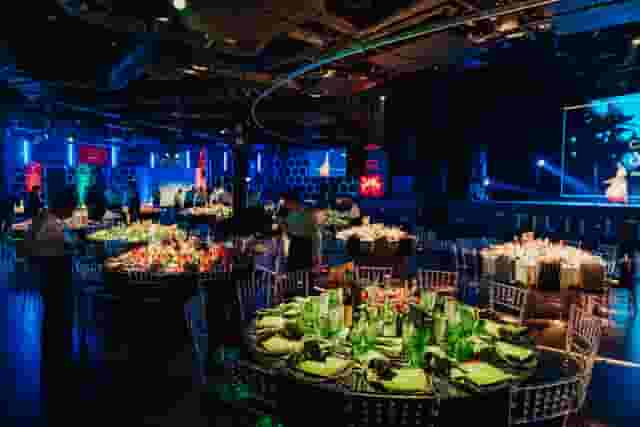
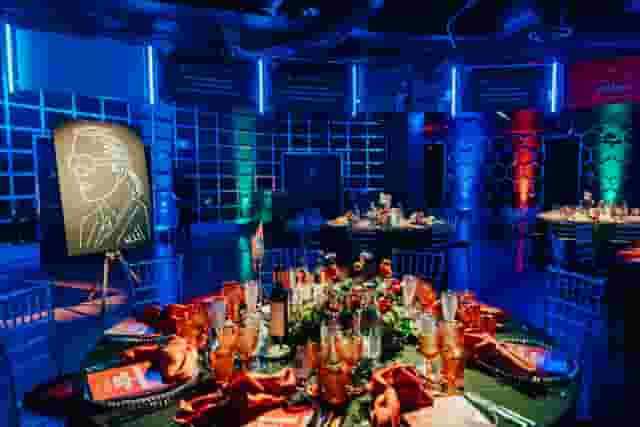
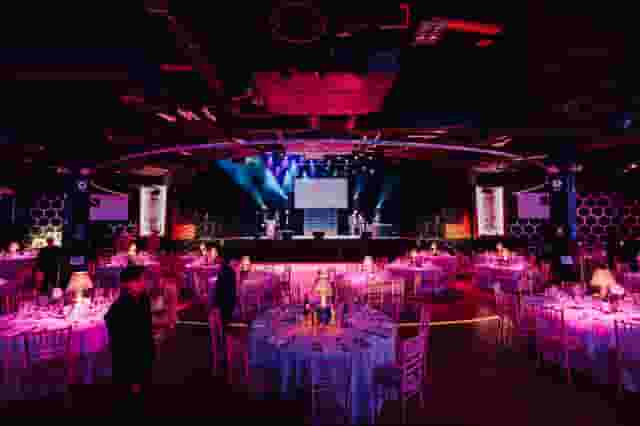







































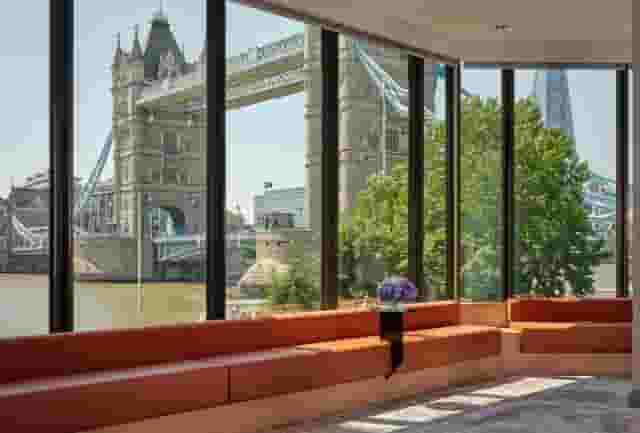
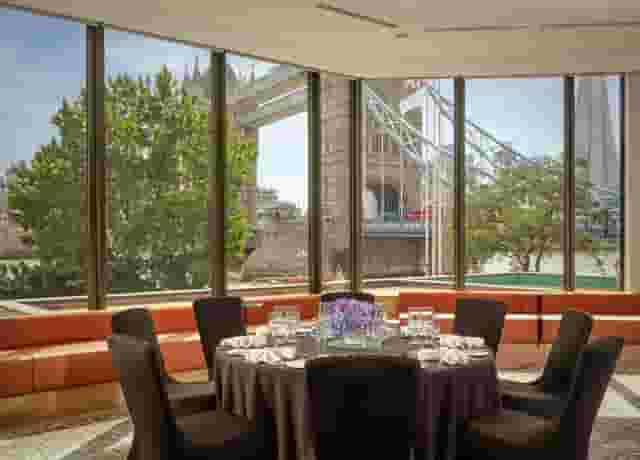

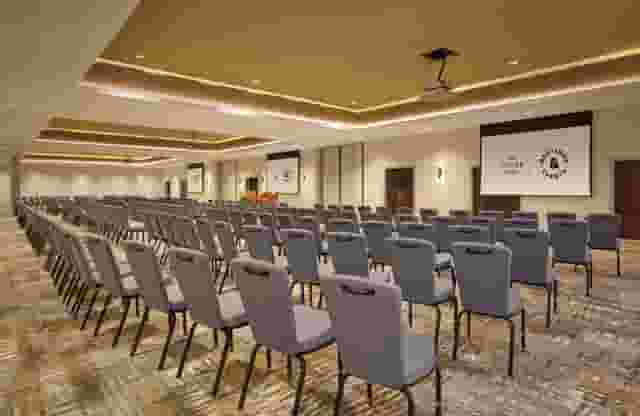
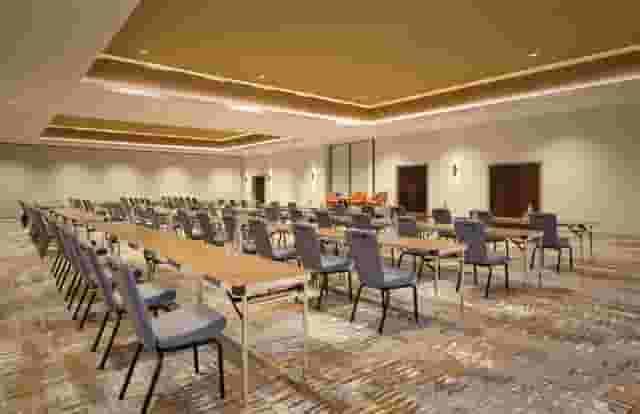




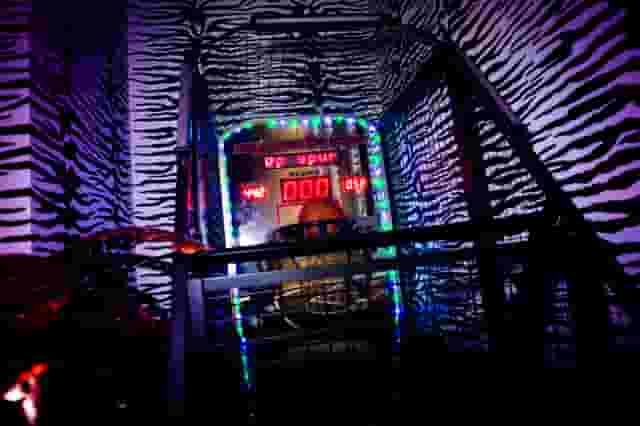


No venues match these filters
Try widening your capacity, luxury level or event type.
Don't have time to search? We'll find it for you.
For business events that need human judgement, talk to our team. Free for events of 100+ people, budgets over £10k or ongoing programmes.




Explore more venues in London

















Other platforms search their database. We search everything.
Tell us what you need. Our deep research finds any venue, whether it's in our marketplace or not. No one else does this.
About Basement in London
Why London's Underground Scene Makes Basement Venues Perfect for Your 300-Guest Event
There's something genuinely magical about London's basement venues that you simply can't replicate above ground. Having organised countless events in these subterranean spaces, I can tell you they offer a unique intimacy and atmosphere that transforms any gathering into something memorable.
London's basement scene has evolved dramatically over the past decade. What started as converted Victorian cellars and wartime shelters has become a sophisticated network of purpose-built event spaces. The city's rich underground heritage – from the old Tube stations to historic wine vaults – creates venues with genuine character and stories to tell your guests.
The Practical Magic of Going Underground
For 300-person events, basement venues offer distinct advantages that surface-level spaces struggle to match. The natural sound insulation means you can host lively product launches or corporate gatherings without worrying about noise complaints. I've seen events run until 2am in central London basements where the same wouldn't be possible in ground-floor venues.
The controlled environment is another game-changer. No weather concerns, consistent lighting conditions, and that cosy, exclusive feeling that makes guests feel they're part of something special. When you're planning a company retreat or major announcement, this atmosphere can be worth its weight in gold.
Size Matters: Finding True 300-Person Capacity
Here's where many event planners get caught out – not all "basement venues" can genuinely accommodate 300 people comfortably. You'll need spaces of at least 400-500m² with minimum 3-metre ceiling heights. The Vaults in Waterloo, for instance, offers around 450m² and can handle 300 theatre-style or 350 standing.
Budget-wise, expect to invest £2,000-£5,000 per day for venues that can truly handle your numbers, with premium spaces in Zone 1 reaching £8,000+ during peak periods. The investment often pays dividends though – these venues typically include robust AV systems and climate control that surface venues charge extra for.
Making the Most of London's Underground Advantage
The key is understanding that basement venues aren't just about the space – they're about creating an experience. The best ones leverage their unique character while providing modern functionality. Look for venues with proper accessibility provisions (lifts, not just stairs) and adequate storage – you'll need at least 40-50m² for equipment and catering prep.
Ready to explore London's underground scene? Start by visiting potential venues during similar events to understand how they handle crowds and acoustics in practice.
Essential Planning Considerations When Your Event Goes Below Ground Level
Planning an event in a basement venue isn't just about booking a space below street level – it's about understanding the unique logistics that come with going underground. After years of managing events in London's subterranean spaces, I've learned that the devil really is in the details when you're hosting 300 people beneath the city.
Access and Logistics: Your First Challenge
The biggest consideration most planners overlook is actually getting everyone and everything down there safely. With 300 guests, you're looking at serious crowd flow management. Most basement venues have limited entry points – often just one or two staircases or a single lift. This creates natural bottlenecks that can turn arrival into a 45-minute ordeal if not properly managed.
I always recommend staggered arrival times for large groups. Build in 30-45 minutes for guest arrival rather than the usual 15-20 minutes you'd allow for ground-level venues. The Vaults, for instance, can handle the numbers once everyone's down there, but getting 300 people through their entrance requires careful choreography.
For equipment and catering, factor in additional delivery time and costs. Most suppliers charge extra for basement access – expect 20-30% more for catering delivery and AV setup. The narrow staircases and tight corners mean some larger equipment pieces might not fit at all. Always do a site visit with your key suppliers before confirming bookings.
Technical Infrastructure That Actually Works
Basement venues for 300 people need serious technical backbone. You'll need three-phase power with minimum 100 amps per phase – anything less and you'll be tripping circuits mid-event. The confined space means heat builds up quickly, so robust HVAC systems aren't optional, they're essential.
Wi-Fi becomes critical when you're literally underground. Mobile signal can be patchy, so ensure the venue provides enterprise-grade internet with at least 100 Mbps bandwidth. For corporate events requiring live streaming or social media engagement, this isn't negotiable.
Emergency Planning and Safety Protocols
Here's where basement venues require extra diligence. Fire safety regulations are stricter, and evacuation procedures more complex. Ensure your venue has proper emergency lighting, clear signage, and staff trained in basement-specific evacuation procedures. With 300 people, you need multiple exit routes – never book a venue with only one way out.
The key is working with venues that understand these challenges and have systems in place. Don't just ask about capacity – ask about their crowd management protocols and emergency procedures. Your guests' safety depends on getting this right from the start.
Navigating London's Basement Venue Regulations and Safety Requirements for Large Groups
The regulatory landscape for basement venues hosting 300 people is significantly more complex than your typical ground-floor space, and frankly, it's where many event planners come unstuck. Having navigated countless licensing applications and safety inspections, I can tell you that understanding these requirements upfront will save you both time and potentially thousands in last-minute compliance costs.
Licensing Requirements That Actually Matter
Every basement venue accommodating 300 people needs a comprehensive premises licence covering entertainment, alcohol sales, and late-night refreshment. What catches many planners off-guard is that basement venues often face additional scrutiny from local authorities. Camden and Westminster councils, for instance, require enhanced noise management plans for underground venues, even though you'd think being below ground would solve noise issues.
The licensing process typically takes 8-12 weeks, but basement venues can face extended review periods. I've seen applications delayed by 16 weeks when councils request additional structural reports or fire safety assessments. Always factor this into your planning timeline – you can't just assume the venue's existing licence covers your specific event requirements.
Fire Safety: Where Basement Venues Get Serious
Here's where the regulations become genuinely stringent. For 300-person capacity, you'll need minimum two independent escape routes, emergency lighting systems with 3-hour battery backup, and fire detection systems that meet BS 5839 standards. The confined nature of basement spaces means evacuation times are longer – typically 4-6 minutes versus 2-3 minutes for ground-level venues.
Most importantly, your venue must have a current fire risk assessment specifically covering your event type and capacity. Generic assessments won't cut it for large gatherings. The London Fire Brigade has become increasingly strict about basement venue compliance, particularly after several high-profile incidents in converted spaces.
Accessibility Compliance You Can't Ignore
The Equality Act 2010 requirements are particularly challenging for basement venues. You'll need lift access capable of handling wheelchair users and emergency evacuation procedures for guests with mobility issues. Many older basement venues struggle with this – some beautiful converted Victorian cellars simply can't accommodate modern accessibility requirements for 300-person events.
Before committing to any venue, request their current accessibility audit and emergency evacuation plan. If they can't provide these documents immediately, that's a red flag. Consider venues like those used for corporate gatherings that have already navigated these compliance requirements successfully.
The key is working with venues that view compliance as a partnership, not a burden. Ask potential venues about their most recent safety inspection and what improvements they've made. Their response will tell you everything about their professionalism and your event's success prospects.
Smart Budgeting Strategies for Basement Venues That Actually Accommodate 300 People
Let's talk money – because basement venues for 300 people aren't cheap, and there's no point pretending otherwise. After budgeting dozens of these events, I've learned that the upfront costs might make you wince, but the hidden savings and unique value often balance the books in ways you wouldn't expect.
The Real Numbers You Need to Know
For genuine 300-person basement venues in London, you're looking at £2,000-£5,000 per day as your starting point, with premium Zone 1 locations reaching £8,000+ during peak periods. That might seem steep, but here's the insider perspective: these venues typically include robust technical infrastructure that would cost you £2,000-£3,000 extra at surface-level spaces.
The Vaults in Waterloo, for example, includes professional lighting rigs, three-phase power, and climate control in their base rate. Compare that to hiring a marquee where you'd pay separately for generators, heating, and weather protection – suddenly that £4,500 daily rate looks rather reasonable.
Where Basement Venues Actually Save You Money
The controlled environment is your biggest cost advantage. No weather contingencies mean no marquee sides, no emergency heating, and no last-minute venue changes. I've saved clients £3,000-£5,000 on weather-related backup plans alone by choosing basement venues for their corporate events.
Sound insulation is another hidden saving. You can run events until 2am without noise complaints, eliminating the need for expensive alternative late-night venues. For product launches or company celebrations, this extended timeline often justifies the premium pricing.
Smart Negotiation Strategies That Work
Basement venues have unique cost structures that savvy planners can leverage. Many struggle with weekday bookings due to access challenges for corporate events. Offer Tuesday-Thursday dates and you'll often secure 15-20% discounts, even during busy seasons.
Bundle multiple elements in your negotiation. Since basement venues invest heavily in AV infrastructure, they're often willing to include technical support, basic lighting packages, or extended setup time at no extra cost. I've negotiated deals where venues threw in £1,500 worth of technical services simply because they wanted to showcase their capabilities.
The Hidden Costs to Budget For
Factor in 20-30% extra for supplier access fees – caterers and AV companies charge premiums for basement delivery. Allow £500-£800 for additional security, as emergency procedures are more complex with 300 people underground.
Start your venue search 12-16 weeks ahead to avoid premium last-minute pricing, and always request itemised quotes that separate venue hire from additional services. This transparency helps you negotiate more effectively and avoid surprise costs on event day.
Avoiding the 5 Most Common Mistakes When Booking London Basement Venues for Major Events
After organising events in London's basement venues for over a decade, I've watched brilliant planners make the same costly mistakes repeatedly. The underground event scene has its own rules, and what works perfectly for surface-level venues can become expensive disasters when you're 20 feet below street level with 300 guests.
Mistake #1: Assuming All "300-Capacity" Venues Are Actually Suitable
This is the big one that catches everyone out. I've seen venues advertise 300-person capacity based on fire regulations, but the reality is cramped, uncomfortable conditions that kill your event atmosphere. Always ask for the breakdown: theatre-style seating typically maxes out at 250 comfortable seats in most basement spaces, while standing receptions can genuinely handle 350 if there's proper circulation space.
The Vaults can legitimately accommodate 300 theatre-style because of their 450m² footprint and 3.2-metre ceilings. Compare that to converted Victorian cellars with 2.4-metre ceilings – technically legal for 300 people, practically claustrophobic. Always visit during a similar-sized event to see how the space actually feels.
Mistake #2: Underestimating Access and Logistics Complexity
Here's where budgets explode without warning. Most planners allocate standard delivery timeframes, then discover their AV company needs three hours instead of one to navigate narrow staircases with equipment. Catering suppliers routinely add 25-30% surcharges for basement access, and some refuse the job entirely.
I learned this lesson the hard way during a product launch where our staging company couldn't fit the main screen through the venue's entrance. We ended up hiring specialist rigging equipment and paying overtime rates – an unexpected £2,800 expense that could've been avoided with proper site surveys.
Mistake #3: Overlooking Mobile Signal and Connectivity Issues
Nothing kills a corporate event faster than guests unable to share content or access presentations. Underground venues often have patchy mobile coverage, and many older basement spaces lack enterprise-grade Wi-Fi infrastructure. For 300 people simultaneously accessing social media or streaming content, you need dedicated bandwidth that many venues simply can't provide.
Always test connectivity during your site visit using multiple devices and networks. If the venue can't guarantee 100 Mbps minimum, factor in additional connectivity solutions or consider how this limitation affects your event format.
Mistake #4: Inadequate Emergency Planning and Crowd Management
With 300 people underground, evacuation becomes genuinely complex. I've seen events where guests took 12 minutes to exit during a false alarm – far longer than the 4-6 minutes that safety regulations assume. The confined space and limited exit routes create bottlenecks that surface venues don't face.
Work only with venues that have documented crowd management procedures and trained staff. Ask to see their most recent emergency drill reports and evacuation timing data. If they can't provide this information immediately, walk away.
Mistake #5: Failing to Account for Climate Control Challenges
Three hundred people in an enclosed basement space generate enormous heat – roughly equivalent to running 30 electric heaters continuously. I've attended events where temperatures reached 28°C within two hours, making the space unbearable despite expensive catering and entertainment.
Ensure your venue has HVAC systems rated for your actual occupancy, not just the space size. Ask about their climate control track record during similar events and whether they have backup cooling systems. This isn't just about comfort – overheated guests leave early, killing your event's energy and objectives.
The key to avoiding these pitfalls is treating basement venue selection as a specialist skill, not just another booking. Start your search early, ask detailed
What our customers say
Inspiration and planning guides

This Is Why London Has Such Unique Venues
At Hire Space, unusual venues [https://hirespace.com/Browse/Unusual-Event-Venues-London] are the name of the game. Passion to find a unique venue for an event seems to be unabated in London, but it's of little surprise when taking into account all the amazing spaces the capital has to offer. But just why is London filled with so many unusual venues for hire? We investigated: Romans, Saxons, Normans, Tudors and Stuarts. The Black Death, two World Wars and one Great Fire. London has seen it a

EventLAB Series: Introducing the Event
We're very excited to introduce EventLAB [https://eventlab.online/], our first two-day event designed to take event professionals through every step of the event planning process. We'll be bringing you the latest updates in the run-up to the event in our 'EventLAB Series' [https://hirespace.com/blog/tag/eventlab//], including relevant content and a little glimpse of the speakers, workshops and themes that will feature at the event. In the first instalment, we’ll explain all there is to know a

6 Reasons Why Venues Should Join Hire Space
Four years ago, we launched Hire Space to connect event venues with new customers easily via our online platform and Venue Expert service. We've come up with 6 reasons why Venue Managers might like working with Hire Space, and why venues should join the club [http://bit.ly/2kQaHEd]! 1. Best SEO in the Industry = High Web Traffic Our Marketing team has enhanced our site visibility on search engines and as a result 1.3M customers visited our web site in 2016 (7% higher than the previous year). Ou
One supplier. Every venue. Full visibility on what you spend.
Multiple venues and events. One agreement.