Private Dining Rooms for Hire in Glasgow
Find private dining rooms in Glasgow for client entertaining and team dinners, with fixed menus, paired wines and clear upfront pricing.
4 Private Dining Rooms for Hire in Glasgow
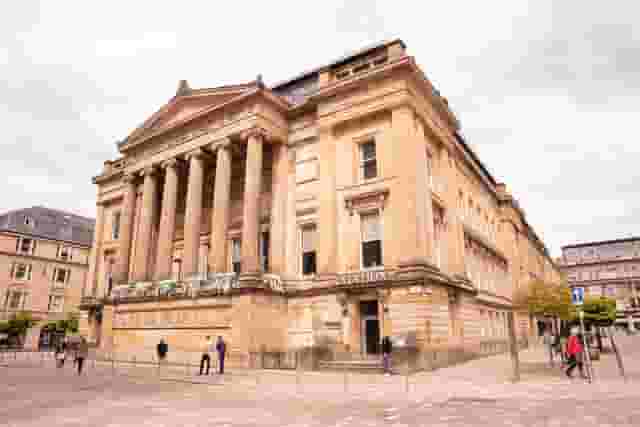
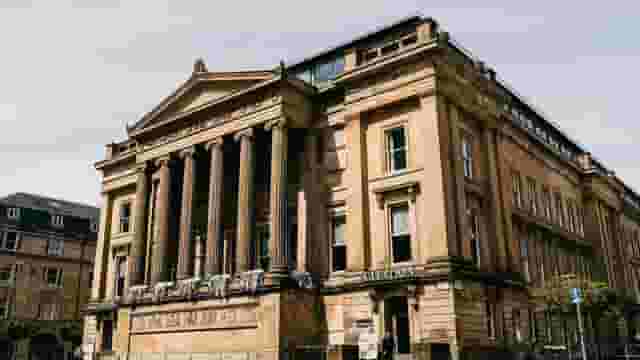
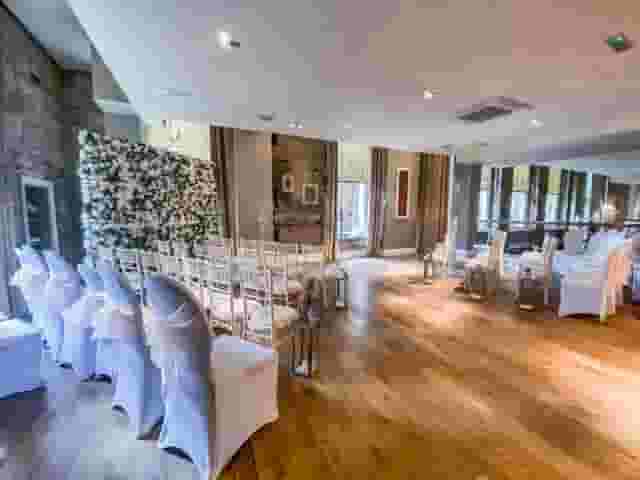
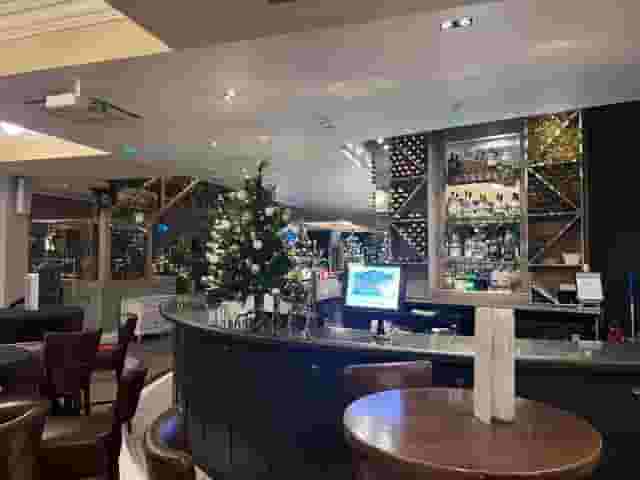
No venues match these filters
Try widening your capacity, luxury level or event type.
Don't have time to search? We'll find it for you.
For business events that need human judgement, talk to our team. Free for events of 100+ people, budgets over £10k or ongoing programmes.




Frequently asked questions
What size should a Glasgow private room be?
What's the cost of private dining in Glasgow?
How to select a Glasgow private dining venue?
What are Glasgow's unique dining venues?
Are tech facilities available in dining rooms?
Other platforms search their database. We search everything.
Tell us what you need. Our deep research finds any venue, whether it's in our marketplace or not. No one else does this.
About Private Dining Rooms in Glasgow
Choosing the right style of private dining room in Glasgow
Organising a business dinner means balancing formality with conversation. In Glasgow, private dining spaces divide broadly into two categories: dedicated rooms tucked inside commercial restaurants and standalone event spaces equipped with private kitchens. Each carries clear trade-offs in privacy, atmosphere and operational control.
Restaurant private dining rooms offer access to an established kitchen and an active cellar, which keeps planning straightforward. Guests get restaurant-grade cooking without your team needing to arrange external caterers or hire front-of-house staff. The compromise is exclusivity. Some restaurant spaces are separated from the main dining room only by a heavy curtain, a decorative screen or a mezzanine balustrade. For a confidential board dinner, client pitch or senior leadership discussion, ambient kitchen noise and chatter from adjacent tables quickly become disruptive. When evaluating a restaurant room, ask whether the room has a solid door, floor-to-ceiling walls and dedicated service staff who are not splitting their attention across the public dining floor.
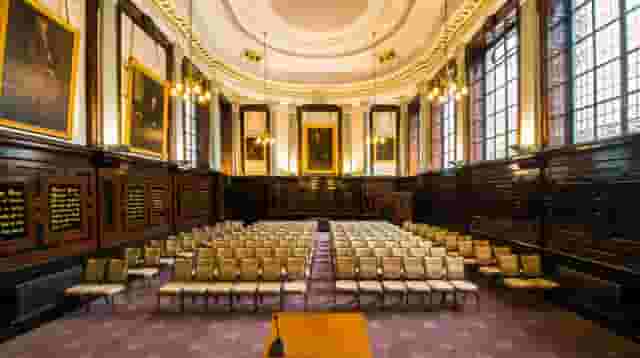
Standalone private spaces and venue hire rooms provide total perimeter control. Across Glasgow, these settings range from restored historic buildings, ornate halls and former churches to cinema-inspired spaces and rooms focused on Scottish food, whisky or local history. These rooms give you exclusive use of the space, allowing private pre-dinner drinks and speeches without outside interruption. They do, however, require careful coordination around kitchen facilities, set menus and table setup times.
Consider how your guests will travel to the venue. City centre locations near Glasgow Central and Queen Street stations keep walking distances short for guests travelling from Edinburgh or further afield. West End locations offer characterful historic settings but require clearer transport directions and advance planning for taxis at the end of the night.
Sizing, layouts and floor space calculations
A recurring pitfall in corporate private dining is accepting a venue's maximum stated capacity without checking the furniture footprint. Venues frequently market rooms based on standing cocktail numbers or tightly packed communal benches. A comfortable business dinner requires space for seated guests, service staff carrying hot trays, coat storage and presentation space.
For a seated group of sixty guests, look for roughly 80 to 100 square metres of usable dining space. The total footprint depends on how tables are configured:
- Single long boardroom tables suit small discussions under twenty guests, keeping sightlines direct and shared conversation easy.
- Multiple parallel banquet tables or sprint tables work well for groups of thirty to sixty, creating a communal atmosphere while leaving clear central aisles.
- Round tables seating eight to ten guests suit peer-to-peer networking, letting every table talk internally without straining across wide table centres.
| Guest count | Layout style | Usable floor area guideline |
|---|---|---|
| 50 guests | Banquet layout | About 81 square metres |
| 60 guests | Banquet or rounds | Roughly 80 to 100 square metres |
| 100 guests | Banquet layout | About 135 square metres |
Published event planning guidance places a banquet layout for fifty guests at about 81 square metres and for one hundred guests at about 135 square metres. These numbers assume clear circulation space. Always inspect the room floor plan to confirm that service aisles remain unobstructed once chairs are pushed back from tables. Check that doors, emergency exits and paths to restrooms remain completely clear.
If your evening includes an arrival drinks reception, do not squeeze it between dining tables. A crowded room leaves guests standing awkwardly against place settings while staff pour drinks. If floor space is tight, confirm whether the venue has an adjacent lounge, bar area or ante-room where guests can gather for the first thirty minutes before moving to their seats.
Structuring the dinner, menus and drinks service
Corporate dinners follow a tighter schedule than leisure meals. An evening typically needs to fit into a three-hour window: arrival drinks, seated dinner, brief remarks and departure. Set menus protect this schedule. Ordering a la carte for groups larger than twelve slows restaurant kitchens significantly, creating uneven gaps between courses and throwing off the evening's timetable.
Most venues provide a fixed three-course set menu or a limited choice menu where guests choose from two or three options per course in advance. Pre-ordering food at least seven days before the dinner speeds up kitchen operations, cuts down food waste and lets the chef manage dietary restrictions properly. When collecting dietary requirements from guests, ask for specific allergies and preferences in your initial RSVP form. Glasgow venues handle vegetarian, vegan and gluten-free catering routinely, but kitchens need advance notice to source dedicated ingredients and avoid cross-contamination.
Drinks service requires clear ground rules. Wine pairing options elevate the meal, but managing wine distribution is what keeps the budget and pace intact. Decide whether drinks will be poured by waitstaff or placed directly onto tables. Having staff top up glasses guarantees attentive hospitality, though it can accelerate wine consumption unexpectedly.
If your group wants arrival drinks, select one white wine, one red wine and an interesting non-alcoholic option rather than opening a full bar immediately. A full open bar creates queues, fragments conversation and makes billing unpredictable. For post-dinner drinks, check venue closing times and alcohol licensing restrictions. Some central venues can serve alcohol until midnight or 1am, while residential neighbourhood venues may require background music down and final orders called earlier.
Managing speeches, presentations and audiovisual equipment
Many corporate dinners incorporate formal remarks, leadership updates or award presentations between courses. Restaurant dining rooms are often poorly equipped for spoken audio because hard surfaces like wood floors, tiled walls and large windows generate sound reflections that muddle speech.
Ask the venue about technical capabilities before confirming a booking:
- Microphones and amplification. In a room seating sixty people, a speaker competing against kitchen clatter, street noise and cutlery will strain their voice. Confirm whether the room has a handheld wireless microphone or an integrated PA system, or if you need to hire an external speaker unit.
- Display screens and projection. If someone is presenting slides, ask whether the room has an installed flat screen or projector with HDMI connectivity. Check where the screen sits relative to the tables. Guests should not have to twist uncomfortably in their seats for twenty minutes to see a presentation.
- Power supplies and network access. Check the location of wall sockets if laptops need charging during presentations. Verify that the room has stable Wi-Fi that does not drop out when multiple guests connect their phones simultaneously.
Always clarify who operates the equipment. In restaurant dining rooms, floor staff are trained for food and beverage service, not audiovisual troubleshooting. If your event depends on flawless presentation timing, test your laptop connection during the site visit and assign someone from your own team to manage slide transitions. Schedule presentations either before the starter or after the main course plates have been fully cleared. Conducting speeches while staff clear heavy plates and serve hot food disrupts both the speaker and the service flow.
Comparing quotes, minimum spends and contracts
When reviewing proposals for Glasgow private rooms, comparing bottom-line numbers directly can be misleading. Venues structure their charges in two distinct ways: a room hire fee plus catering costs, or a minimum spend threshold.
A minimum spend requires your party to spend an agreed total on food and beverages across the evening. If your food and wine selections meet or exceed that figure, no separate room hire fee applies. If your group falls short, the venue bills the difference as room hire. Minimum spends are common on peak corporate dining nights such as Thursdays and Fridays in November and December. A pure room hire model charges a flat rate for exclusive use of the space, with catering and drinks charged separately per person.
Across the wider market, published Glasgow examples indicate that a set-menu or group-dining package: £25 to £85 per head. The lower end covers a structured set menu without stated wine inclusion, while the higher end reflects an inclusive private dining package with house wine, welcome drinks and multiple courses. Total costs move based on the menu complexity, day of the week, seasonality, minimum guest numbers and package inclusions. To navigate these pricing variables, event planning platform Hire Space combines historical booking data with a team of real people who own the outcome, offering instant price estimates for your brief before you contact venues. If a chosen space exceeds your target budget, the team also suggests similar private rooms across Glasgow at a lower price point.
To evaluate proposals accurately, insist that venues provide an itemised breakdown covering separate lines:
- Food menu cost per head, including bread, sides and tea or coffee.
- Stated wine and soft drink package allocations per person.
- Room hire or exclusivity fees, if applicable.
- Discretionary service charges, which typically run between 10% and 12.5% in Scottish venues.
- Overtime staffing rates if your dinner runs past the contracted finish time.
Review the deposit structure and cancellation schedule carefully. Venues generally require a non-refundable deposit to secure the date, with final balance payment and confirmed guest counts due between seven and fourteen days before the event. Make sure your contract specifies what happens if attendance numbers drop close to the date, ensuring you are not paying full food rates for guests who cancel at the last minute. Hire Space 360 is enterprise venue and hotel procurement for companies spending £1m or more a year on meetings and events: a managed meetings and events programme, the kind procurement teams call strategic meetings management. The service places every booking onto a single agreement with pre-negotiated terms, routing all payments through consolidated invoicing rather than individual venue deposits. Dedicated venue sourcing experts ensure every booking complies with internal event policy, while procurement teams receive complete spend reporting across all departments.
What our customers say
Inspiration and planning guides

Watch a real brief turn into priced, available venues in 15 minutes
Chloe Richardson has spent 17 years in events. We gave Deep Venue Research one of her briefs and filmed every step, from the first questions to availability checked at the venues she chose.

Simple Events Win: Why Restraint Beats Spectacle
Budgets are tight and audiences want connection over spectacle. The events that land in 2026 are the deliberately simple ones. Here is how to edit rather than cut, grounded in the 2026 industry data, and why the right venue does the heavy lifting.

Why UK Event Calendars Got So Tight (And How to Book Smarter)
Lead times for UK corporate events are up 39% since 2022, based on Hire Space booking data. The calendar is tighter, conversion rates fall sharply when you leave it late and the peak windows are getting more crowded. Here is what the numbers say and what to do about it.
One supplier. Every venue. Full visibility on what you spend.
Multiple venues and events. One agreement.