6 Meeting Rooms in venues in Central London
No venues match these filters
Try widening your capacity, luxury level or event type.
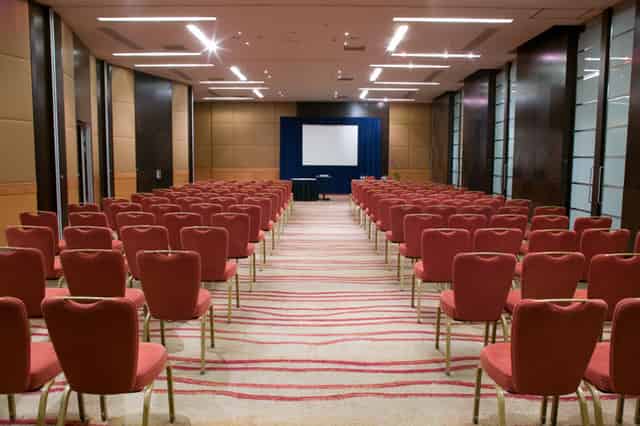
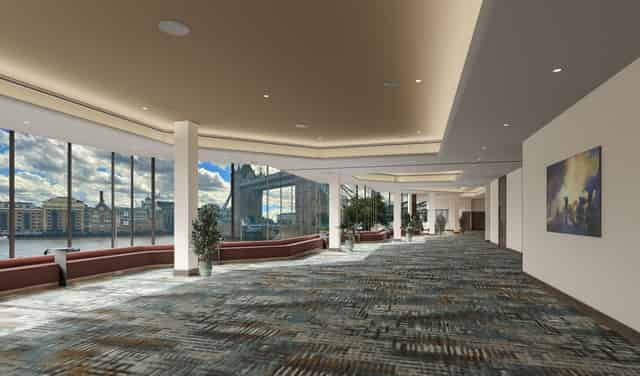
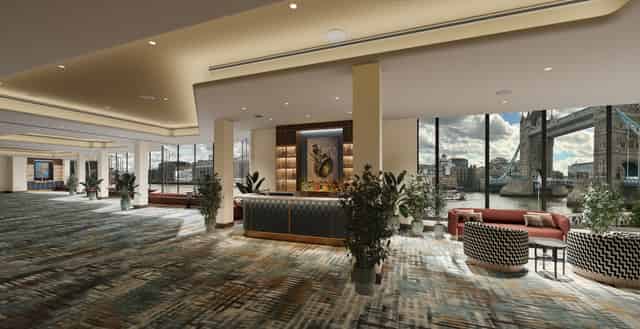
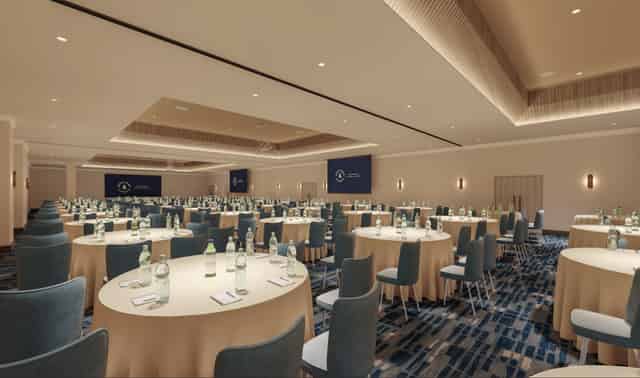
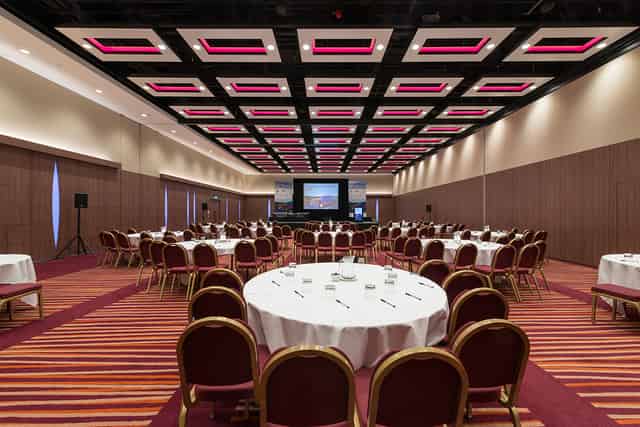
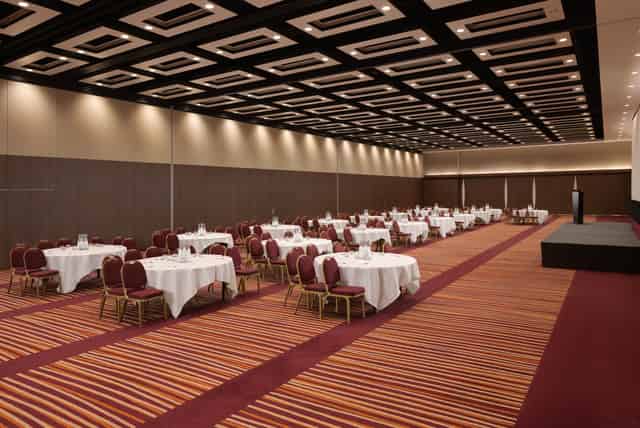
Explore spacious meeting rooms in Central London for up to 300 people. Perfect for corporate events and professional gatherings.
No venues match these filters
Try widening your capacity, luxury level or event type.
For business events that need human judgement, talk to our team. Free for 100 person+ events organised by businesses.
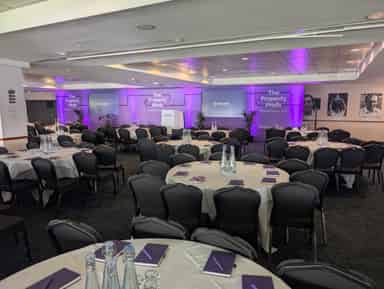
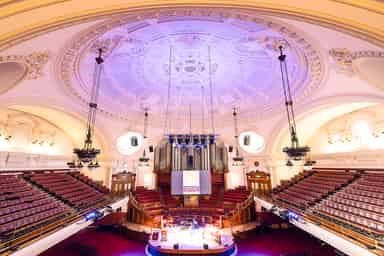
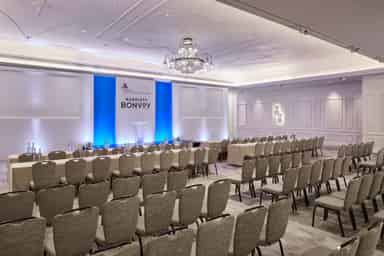
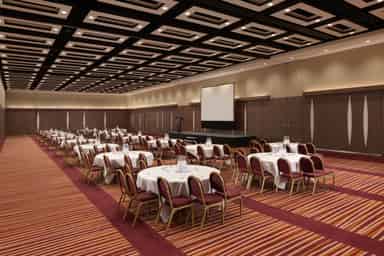



Tell us what you need. Our deep research finds any venue, whether it's in our marketplace or not. No one else does this.
The landscape for large-scale corporate meetings has shifted dramatically, and frankly, it's about time. We're seeing a fundamental change in how companies approach their biggest gatherings, moving away from sterile conference centres towards spaces that actually inspire meaningful collaboration.
The numbers tell the story perfectly - venues accommodating 300+ delegates are reporting 40% higher booking rates compared to pre-2020 levels, with companies willing to invest significantly more for the right experience. We're talking budgets ranging from £15,000 to £35,000 for premium Central London venues, and clients are increasingly viewing this as essential investment rather than overhead.
The hybrid revolution has completely changed the game. Modern Meeting Rooms in Central London now require sophisticated streaming infrastructure that can seamlessly blend physical and virtual attendees. I've seen venues like The Queen Elizabeth II Centre investing heavily in dedicated fibre-optic lines and professional-grade broadcast equipment - it's no longer optional.
But here's what's really interesting: companies are prioritising experience over cost savings. The old approach of cramming 300 people into the cheapest available space is dead. Instead, we're seeing demand for venues that offer multiple breakout areas, flexible layouts, and spaces that can transform throughout the day. Think Meeting Rooms in Covent Garden or Meeting Rooms in Mayfair - locations that add gravitas to your corporate narrative.
The infrastructure requirements have become incredibly sophisticated. We're talking minimum 100 Mbps dedicated bandwidth, three-phase power supply with 63 amps per phase, and ceiling heights of at least 3.5 metres for proper AV setups. The venues that can't meet these specs are simply being left behind.
What's particularly exciting is how venues are embracing sustainability. The most forward-thinking spaces are integrating carbon-neutral catering, renewable energy systems, and waste reduction programmes that actually enhance rather than compromise the delegate experience.
The bottom line? If you're still thinking about large meetings the old way, you're missing a massive opportunity. The venues that understand this transformation are the ones securing the premium bookings and building long-term client relationships. Your next 300-person meeting could be the catalyst for reimagining how your organisation approaches corporate gatherings entirely.
After organising hundreds of large-scale meetings, I can tell you that the difference between a successful 300-person event and an absolute disaster often comes down to the planning fundamentals you establish in those crucial first weeks.
The reality is that most event planners underestimate the complexity of managing this scale. You're not just booking a bigger room - you're orchestrating a completely different type of event with unique logistical challenges that can make or break your corporate objectives.
Start your venue search at least 12 weeks out, particularly for Central London locations. The premium venues that can genuinely handle 300 delegates - spaces like those found in Meeting Rooms in Westminster or Meeting Rooms in Bloomsbury - are typically booked solid during peak corporate seasons (May-July and November-December).
Here's your essential checklist for the initial venue assessment:
Space Requirements:
Technical Infrastructure:
Budget for the unexpected extras that venues don't always mention upfront. Security personnel (minimum one per entrance), additional cleaning for extended setups, and overtime charges for technical support can add £3,000-£5,000 to your final bill. I've seen too many events go over budget because these weren't factored in initially.
The catering logistics alone require serious consideration. For 300 people, you'll need service stations every 50 metres to avoid queuing chaos, and your venue needs proper kitchen facilities - not just warming kitchens that many smaller spaces offer.
The most successful large meetings I've organised use flexible room configurations that evolve throughout the day. Morning plenary in theatre style, afternoon breakouts in classroom format, evening networking in cocktail setup. Venues like Meeting Rooms in Farringdon excel at these transitions because they've invested in modular furniture and moveable walls.
Your next step? Create a detailed brief that includes your exact delegate journey from arrival to departure. This single document will help you identify the right venue and avoid costly surprises later.
Location isn't just about prestige - it's about practical logistics that can make or break your 300-person event. I've learned this the hard way after watching perfectly planned meetings crumble because delegates couldn't actually get to the venue efficiently.
The transport mathematics are brutal but simple: with 300 attendees, you need multiple transport hubs within walking distance. A single tube station simply can't handle that volume during rush hour without creating chaos. This is why venues near King's Cross St Pancras or Liverpool Street Station consistently outperform more glamorous locations - they offer genuine transport redundancy.
Central London's premium meeting spaces command £15,000-£35,000 for full-day hire, but location within Zone 1 can justify these rates through delegate time savings alone. Consider this: if your 300 delegates save just 20 minutes each on their commute by choosing Meeting Rooms in Victoria over a suburban alternative, you've saved 100 hours of collective productivity - easily worth several thousand pounds in corporate terms.
The sweet spots we consistently recommend are areas with multiple transport links: Meeting Rooms in Waterloo benefit from mainline rail, underground, and bus connections, whilst Meeting Rooms in Barbican offer that perfect blend of accessibility and corporate gravitas.
Here's what venue sales teams won't tell you: Central London parking for 300 people is essentially impossible. Budget £12-£15 per hour at facilities like NCP Covent Garden, but realistically, only 10-15% of your delegates will drive. The venues that succeed with large corporate meetings actively discourage driving and instead provide detailed public transport guidance.
Peak booking periods (May-July, November-December) see rates increase by 25-40%, but location becomes even more critical. During these busy months, Meeting Rooms in Clerkenwell or Meeting Rooms in Charing Cross offer better availability than obvious choices like Mayfair or Westminster.
The venues that consistently deliver for large meetings understand that location success isn't about the postcode - it's about seamless delegate experience from door to door. Your next step should be mapping actual journey times from your key delegate locations during your event hours, not just checking the nearest tube station.
The biggest misconception about large-scale meeting room budgets is that you need to compromise on quality to stay within reasonable limits. After negotiating hundreds of these deals, I can tell you that the venues charging £25,000+ for 300-person capacity often deliver worse value than those at £15,000-£18,000 - you just need to know where to look and how to negotiate.
The key is understanding venue economics from their perspective. Large meeting rooms have massive overhead costs - heating, lighting, and staffing a 300+ capacity space costs roughly the same whether you have 150 or 300 delegates. This creates genuine negotiation opportunities that most event planners miss entirely.
January and February bookings can save you 30-40% on standard rates, but here's the insider trick: venues also offer significant discounts for Tuesday-Wednesday bookings during peak months. I've secured premium Meeting Rooms in Belgravia for £12,000 on a Wednesday that would cost £22,000 on a Thursday.
The sweet spot for large venue negotiations is booking 8-10 weeks ahead. Too early and you pay premium rates for prime dates; too late and you're stuck with whatever's available. Venues start getting nervous about filling large spaces around this timeframe and become much more flexible on pricing.
Never negotiate room hire in isolation. Bundle your requirements - venue, catering, AV, and accommodation if needed. A £15,000 room hire becomes much more attractive to venues when you're also spending £8,000 on catering and £5,000 on technical support. I've seen total package savings of 20-25% using this approach.
Consider venues slightly outside the obvious Central London hotspots. Meeting Rooms in Soho or Meeting Rooms in West End often provide identical delegate experiences at 15-20% lower costs than Mayfair equivalents.
Ask about complimentary add-ons during negotiations. Many venues will throw in welcome coffee, basic AV equipment, or extended setup time rather than reduce their headline rate. These extras can save £2,000-£3,000 while allowing the venue to maintain their published pricing structure.
The most successful budget strategy I've used? Present venues with a realistic total budget figure upfront, then let them propose how to maximise value within that envelope. You'll be surprised how creative venue sales teams become when they understand your constraints clearly.
Your next step should be creating a detailed cost breakdown that includes all potential extras - security, overtime, additional cleaning - so you can negotiate a genuine all-inclusive rate that won't surprise you later.
The costliest mistakes in large venue booking aren't the obvious ones - they're the seemingly minor oversights that compound into budget disasters. I've watched companies blow through £50,000+ budgets because they missed fundamental details that experienced planners take for granted.
The harsh reality is that booking a 300-person meeting room involves exponentially more complexity than smaller events, and the financial consequences of getting it wrong are severe. One poorly negotiated contract clause or missed technical requirement can add £10,000 to your final bill faster than you'd believe possible.
The biggest budget killer I see repeatedly is inadequate setup time. A 300-person space requires minimum 4-6 hours for proper room configuration, AV testing, and catering preparation. Venues charge £200-£400 per hour for extended access, so that "quick morning setup" can cost £2,400 before your event even begins. Always negotiate setup time into your base package rather than paying overtime rates.
Just because a venue claims 300-person capacity doesn't mean it's comfortable for 300 people. Theatre-style seating at maximum capacity leaves zero room for networking, registration areas, or basic delegate movement. I've seen events where 280 delegates felt cramped in spaces that theoretically held 350. Budget for 20% less than stated capacity to ensure genuine comfort.
Many venues oversell their AV capabilities. A space might have "full AV support" but lack the power supply for professional lighting rigs or the bandwidth for reliable streaming. Always request detailed technical specifications upfront - three-phase power, dedicated internet lines, and backup systems aren't standard everywhere. Discovering limitations on event day can cost £5,000+ in emergency equipment rental.
For 300 people, you need multiple service points and proper kitchen facilities, not just warming stations. Venues like Meeting Rooms in Marylebone understand this complexity, but many spaces simply can't handle the logistics. Poor catering flow creates hour-long queues that destroy your agenda timing.
Large venue contracts often include punitive cancellation clauses - 50-100% penalties within 8 weeks of your event. With corporate priorities shifting rapidly, this inflexibility can be financially devastating. Always negotiate tiered cancellation terms that reflect genuine business realities.
Transport logistics for 300 people require serious planning. Venues near single transport hubs create bottlenecks during arrival and departure. Consider spaces like Meeting Rooms in Victoria that offer multiple transport options to distribute delegate flow effectively.
Many venues demand £5 million public liability insurance, but their standard requirements might not cover your specific event type. Review insurance clauses carefully - additional coverage can cost £1,000+ if arranged last-minute.
Your next step should be creating a comprehensive venue brief that addresses each of these potential pitfalls before you start your search. Prevention is always cheaper than correction.
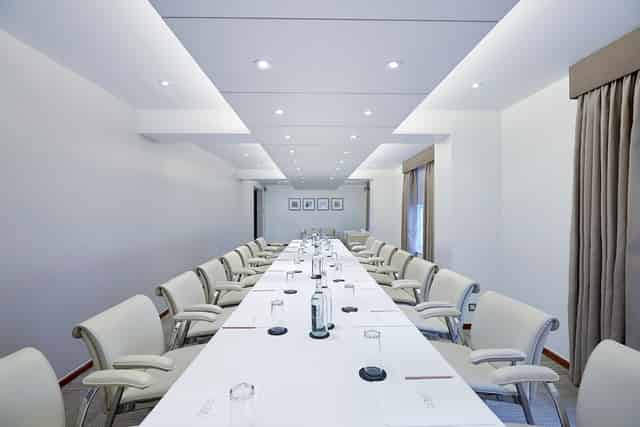
Looking for the coolest meeting rooms in London? From stylish interiors to unique settings, here are 8 venues that will definitely elevate your next meeting!

Located in the heart of the City, Salters’ Hall combines the rich heritage of the salt trade of medieval London with contemporary surroundings. Rebuilt in 1972 by Basil Spence and now a Grade II listed building, it is a rare example of a post-war livery building and has remained largely untouched until now... Architects de Metz Forbes Knight [http://www.dmfk.co.uk/projects/load/salters-hall] (dMFK) were tasked with the project to upgrade the building whilst retaining its sense of history and al

Creative ventures across the artistic spectrum are accommodated and embraced at Anomalous Space [https://hirespace.com/Venues/London/1551/Anomalous-Space], situated stunningly close to Angel Station on Pentonville Road. The venue's name captures its uniqueness, in that it deviates from the standard, unoriginal function space that's all too common. Anomalous Space combines the most contemporary of technological facilities with Art-Deco features, all set within an authentic Georgian townhouse.
Multiple venues and events. One agreement.


