46 Theatres in venues in Central London































No venues match these filters
Try widening your capacity, luxury level or event type.
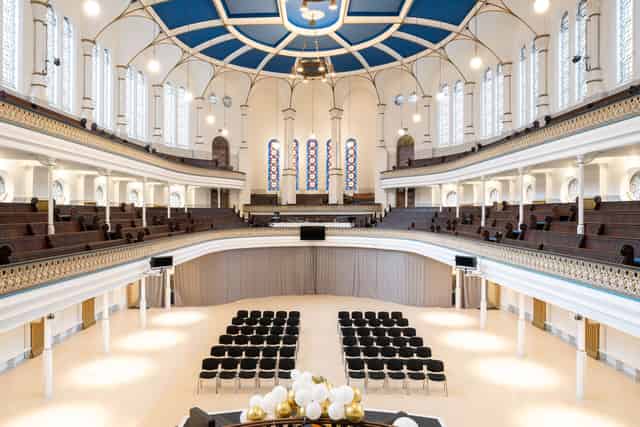
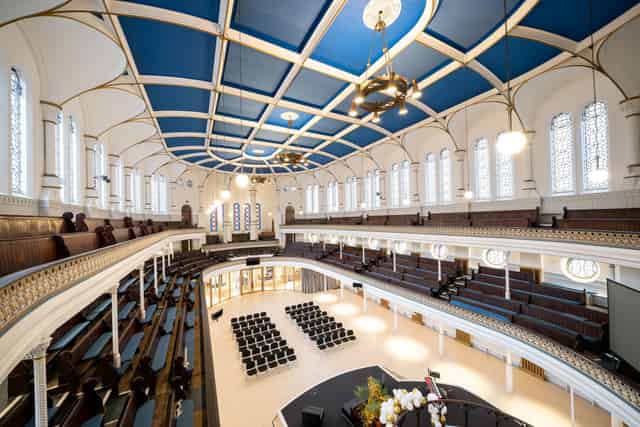
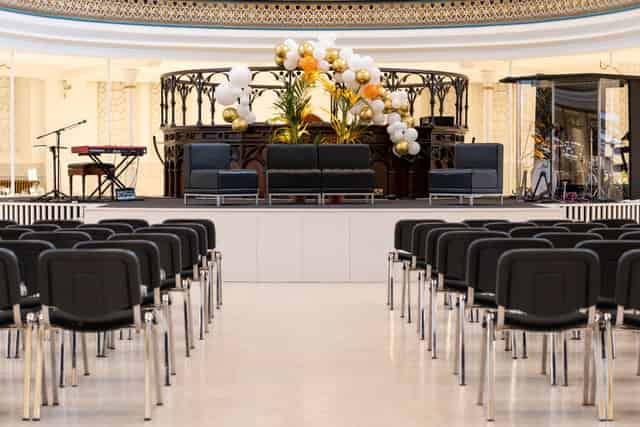
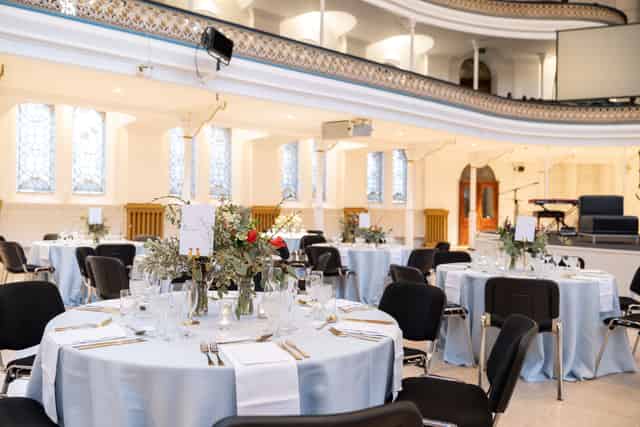
Explore top theatres in Central London suitable for events with 200 attendees.
No venues match these filters
Try widening your capacity, luxury level or event type.
For business events that need human judgement, talk to our team. Free for 100 person+ events organised by businesses.


Tell us what you need. Our deep research finds any venue, whether it's in our marketplace or not. No one else does this.
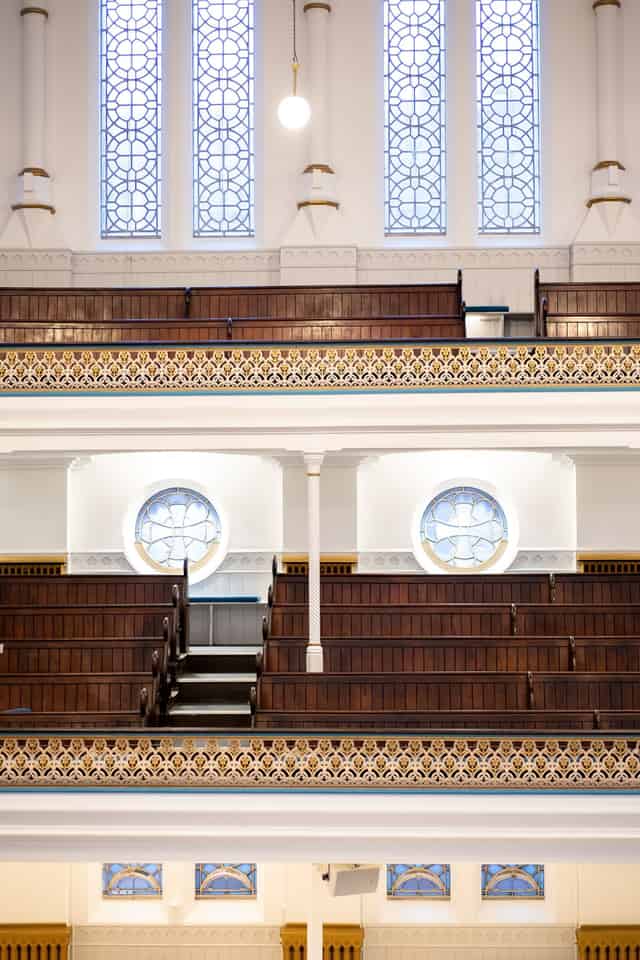
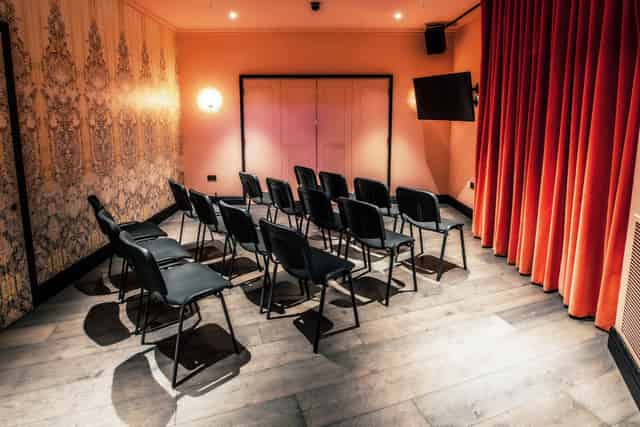
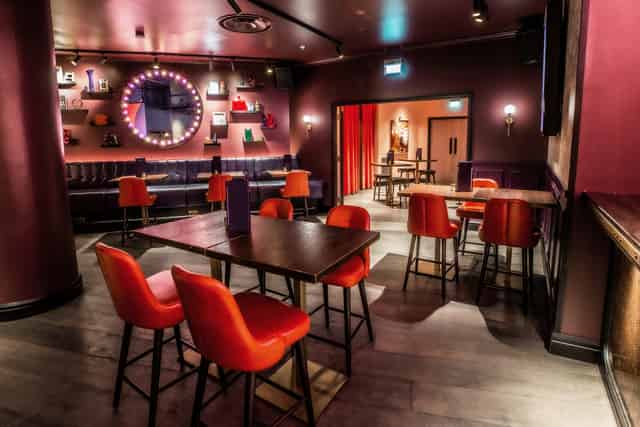
There's something magical about hosting your event in a space where countless performances have captivated audiences for decades. Central London's historic theatres offer an unmatched combination of grandeur and practicality that's particularly well-suited for 200-person gatherings – they're intimate enough to feel personal yet spacious enough to accommodate your entire guest list comfortably.
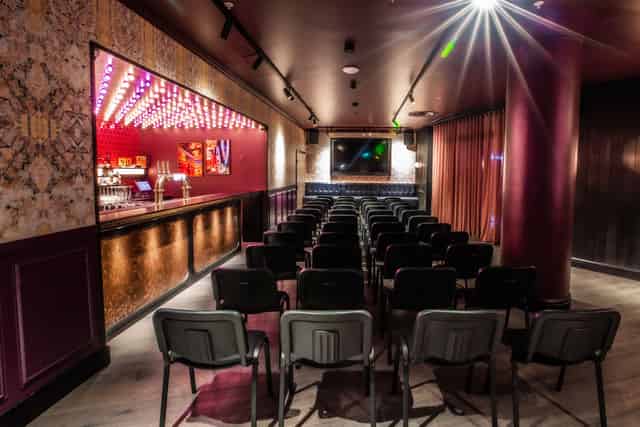
The beauty of these venues lies in their flexible configurations. Most theatre spaces designed for around 200 people can seamlessly transform from traditional theatre seating for presentations to cabaret-style arrangements for networking events, or even standing receptions for product launches. We've seen venues like those near Theatres in Covent Garden adapt brilliantly for everything from corporate conferences to awards ceremonies.
What sets theatre venues apart is their built-in technical infrastructure. These spaces come equipped with professional lighting grids, sophisticated sound systems, and staging capabilities that would cost thousands to install elsewhere. The typical 200-capacity theatre space features ceiling heights of 4.5-6 metres, allowing for dramatic lighting effects and clear sightlines from every seat – something you simply can't achieve in a standard conference room.
The acoustic design is another game-changer. These venues are engineered for perfect sound distribution, meaning your keynote speaker will be heard clearly whether they're addressing the front row or the back. No need for additional microphone hire or worrying about dead spots in the room.
Central London's theatre district puts you within walking distance of major transport hubs like King's Cross St Pancras and Liverpool Street Station. Your guests can reach the venue within 15 minutes from most central locations, and the area's rich cultural heritage adds gravitas to any corporate event. The proximity to high-end restaurants and hotels also makes it easier to extend your event into evening entertainment.
For inspiration on maximising your venue's impact, check out our guide on Mirror Mirror: Reflecting Your Brand in Your Event Venue, which explores how theatrical spaces can amplify your brand message.
Ready to explore your options? Start by identifying venues that match your specific capacity needs, then book site visits to experience the atmosphere firsthand – it's the only way to truly appreciate what these remarkable spaces can offer your event.
Before you fall in love with a venue's stunning Victorian architecture or prime Covent Garden location, let's talk about the technical backbone that'll make or break your event. We've seen too many brilliant events stumble because someone overlooked the power requirements or assumed the existing sound system would handle their specific needs.
Your 200-person theatre venue needs serious electrical capacity – we're talking 3-phase power with at least 63A supply to handle professional lighting, sound equipment, and any additional AV kit you're bringing in. Most historic theatres have been upgraded to meet modern demands, but always verify this during your site visit. Ask specifically about dedicated circuits for your equipment; you don't want your presentation cutting out because the house lights are on the same circuit.
Internet connectivity is equally crucial. Insist on minimum 100 Mbps symmetrical bandwidth with both wired and Wi-Fi options. If you're planning any live streaming or hybrid elements, test the connection during peak hours – what works perfectly at 10am might struggle when the entire West End is online at 2pm.
Here's where theatre venues offer exceptional value. The built-in sound systems in 200-capacity spaces typically feature 2-4kW PA systems with subwoofers and monitor speakers – equipment that would cost £3,000-£5,000 to hire separately. However, don't assume the existing setup suits your event format. A system perfect for theatrical performances might need adjustment for corporate presentations or panel discussions.
The lighting grid is your secret weapon. With rigging points at 6+ metres height, you can create dramatic effects impossible in standard conference venues. Professional LED fixtures with dimming capabilities are standard, but discuss your specific requirements early – some venues charge extra for complex lighting designs.
Theatre HVAC systems are designed for full capacity, maintaining 18-22°C even with 200 people generating heat. However, older venues sometimes struggle with humidity control, particularly during summer months. If you're hosting in July or August, factor in additional ventilation costs – typically £200-£400 for portable units.
For venues across different areas, explore options in Theatres in North London or Theatres in West London where newer facilities might offer superior climate control.
Create a detailed technical rider covering power requirements, internet needs, and equipment specifications. Share this with venues at least 6 weeks before your event – it'll save you from nasty surprises and help negotiate better rates when venues know exactly what they're providing.
The moment your guests step off the tube at Leicester Square or Covent Garden, they're already immersed in London's cultural heartland – and that's precisely the atmosphere you want for your 200-person event. Central London's theatre district isn't just about prestige; it's about practical advantages that can genuinely enhance your event experience and simplify logistics.
Your guests will thank you for choosing a location with genuine transport options. Most Central London theatres sit within a 10-minute walk of multiple tube lines – the Northern, Piccadilly, and Central lines all converge in this area, meaning attendees from Heathrow can reach you in 45 minutes, while those coming from Canary Wharf need just 20 minutes via the Central line.
We've found that venues near major stations like Tottenham Court Road or Leicester Square see significantly better attendance rates – typically 15-20% higher than comparable venues in less connected areas. The psychological barrier of "difficult to reach" venues is real, particularly for evening events when people are weighing up whether to attend or head straight home.
For parking, budget around £12-15 per hour at nearby NCP facilities, though we'd strongly recommend encouraging public transport use. The Q-Park on Chinatown offers slightly better rates at £10 per hour after 6pm, perfect for evening events.
Here's something most event planners overlook: the area's restaurant and bar density creates natural networking opportunities. With over 200 restaurants within a 5-minute walk of most theatre venues, your guests can easily extend conversations over dinner. We've seen this work particularly well for corporate events where relationship-building is key – attendees often suggest continuing discussions at nearby establishments like Rules or The Ivy.
The cultural cachet matters too. Hosting in the same district as the National Theatre and Royal Opera House adds gravitas to corporate presentations and product launches. It signals that your organisation values quality and tradition – something that resonates particularly well with international clients.
Theatre district venues excel at managing arrival flows. Unlike conference centres where everyone arrives simultaneously, theatre spaces are designed for staggered arrivals over 30-45 minutes. This reduces congestion and creates a more relaxed atmosphere for networking.
Consider exploring options in Theatres in City of London for a more business-focused atmosphere, or Theatres in London Bridge for excellent transport links to South London.
Book your venue visit during peak commuting hours to experience the transport reality your guests will face – it's the only way to make an informed decision about accessibility.
Let's be honest about theatre venue costs in Central London – you're looking at £1,500-£3,500 for a day's dry hire of a 200-capacity space, with premium venues pushing towards £7,000+ for full-service packages. But here's what most event planners miss: the real value lies in understanding exactly what you're getting for that investment and how to maximise every pound.
Unlike standard conference venues that nickel-and-dime you for every piece of equipment, theatre hire often includes substantial technical infrastructure. That £2,500 day rate typically covers professional lighting grids, sound systems, and staging that would cost £3,000-£5,000 to hire separately. We've seen clients save 40% on their total event budget by choosing theatres over seemingly cheaper alternatives that require extensive equipment hire.
The key is asking for a detailed breakdown during negotiations. Many venues bundle AV, technical support, and front-of-house staff into their packages, but they're often willing to unbundle if you're bringing your own team. This flexibility can save £800-£1,200 on a typical 200-person event.
Theatre venues follow distinct seasonal patterns that smart planners exploit. January through March offers the best rates – typically 20-30% below peak pricing – as venues recover from the Christmas rush. Conversely, avoid October through December when corporate Christmas parties drive prices up significantly.
Weekday bookings offer another advantage. Tuesday through Thursday rates are standard, but Monday and Friday often come with 15-20% discounts as venues try to fill quieter periods. For evening events, consider 6pm starts rather than 7pm – many venues offer reduced rates for earlier finishes that allow their regular programming to continue.
Here's an insider tip: theatre venues hate empty dates more than reduced rates. If you're flexible with dates, present 3-4 options spanning different months. We've secured 25% discounts simply by offering to fill a venue's quiet Tuesday in February rather than their preferred Thursday in May.
For repeat bookings, establish annual partnerships. Venues often provide 10-15% discounts for clients committing to multiple events, plus priority booking for premium dates. This works particularly well if you're planning quarterly board meetings or annual conferences.
Consider exploring Theatres in South London or Theatres in East London for comparable quality at 20-30% lower rates than prime Central London locations.
For a £10,000 theatre event budget, allocate 40% to venue costs, 30% to technical and staffing, 20% to catering, and 10% contingency. This ratio ensures you're not overspending on the space while neglecting the elements that create memorable experiences.
Always request a detailed quote breakdown and compare like-for-like services – it's the only way to make informed decisions in this complex market.
We've seen brilliant corporate events derailed by seemingly minor oversights that could have been avoided with proper planning. Theatre venues, while offering exceptional value and atmosphere, come with unique considerations that catch even experienced event planners off guard. Let's walk through the most costly mistakes we encounter – and more importantly, how to sidestep them entirely.
Here's the mistake that costs clients thousands: underestimating load-in complexity. Theatre venues typically have restricted access hours – often 9am-5pm for deliveries – and many historic buildings have narrow staircases or single-door access points. We've watched catering teams struggle for hours trying to manoeuvre equipment through Victorian-era backstage areas designed for actors, not corporate AV rigs.
Always conduct a load-in walkthrough with your suppliers present. Measure doorways, stairwell widths, and lift capacities. That stunning 200-capacity theatre might have a gorgeous auditorium, but if your staging company can't get their equipment through a 1.2-metre backstage door, you're facing emergency hire costs of £2,000+ for smaller, more expensive alternatives.
Theatre venues operate under premises licences that may not cover your specific event type. A venue licensed for live performance might need additional permissions for corporate presentations with alcohol service, particularly if you're planning evening networking. This process takes 4-6 weeks minimum and costs £200-£500 in application fees.
The music licensing trap catches many planners too. Playing background music during networking requires PRS/PPL licences that some venues haven't secured for corporate events. Factor in £150-£300 for temporary licensing, or risk hefty fines that can reach £20,000 for unlicensed music use.
Theatre sound systems are optimised for live performance, not corporate presentations. The acoustics that make a singer's voice soar can turn a PowerPoint presentation into an echo-filled nightmare. Always test your presentation setup during the site visit – what sounds perfect in an empty venue can become unintelligible with 200 people present.
Similarly, theatre lighting designed for dramatic effect might not provide adequate illumination for networking or dining. Budget £400-£800 for additional lighting if your event includes detailed presentations or photography.
Many historic theatres have limited wheelchair access or accessible toilet facilities that don't meet modern corporate event standards. With 15% of the UK population having some form of disability, this isn't just about compliance – it's about ensuring all your guests can participate fully.
For venues with better accessibility, consider exploring Theatres in North West London or Theatres in South West London, where newer facilities often exceed minimum requirements.
Create a detailed venue questionnaire covering load-in procedures, licensing status, technical specifications, and accessibility features. Share this with potential venues before site visits – it'll save time and help identify deal-breakers early. For complex events, consider hiring a venue specialist who understands theatre-specific challenges.
Remember, the goal isn't to avoid theatre venues – they offer unmatched atmosphere and value. It's about planning intelligently to harness their strengths while mitigating their unique challenges.

It's now even easier to find the perfect venue for your event with Hire Space. The UK's leading venue website has just launched its new Request For Proposal (RFP) functionality, meaning that whatever size, style or sort of event you're hoping to put on, we can help make it a reality. Quick and Easy With our quick and easy online form, event planning can be a breeze. Just enter the date and time of your event as well as your budget. You can then input further details on the type of event you'r

Need the perfect venue? Want to get it as easily and quickly as possible? Here's what you should do. Just fill in this lightning-quick form, and the world experts in UK venues will dedicate themselves to finding exactly what you're looking for. And they won't charge you a penny to do it. Here's how it works. 1. Click your event [https://hirespace.com/Ask-An-Expert] Whatever your event is, we've got you covered. 2. Pop in the details [https://hirespace.com/Ask-An-Expert] The essentials of

Take a look at some of the best designed events venues in London - so eye catching that you won't be able to forget them.
Multiple venues and events. One agreement.


