Corporate Days Out in London
Discover ideal Corporate Days Out in London for 300 people. Engage your team with unique experiences and venues.
22 Corporate Days Out in venues in London




































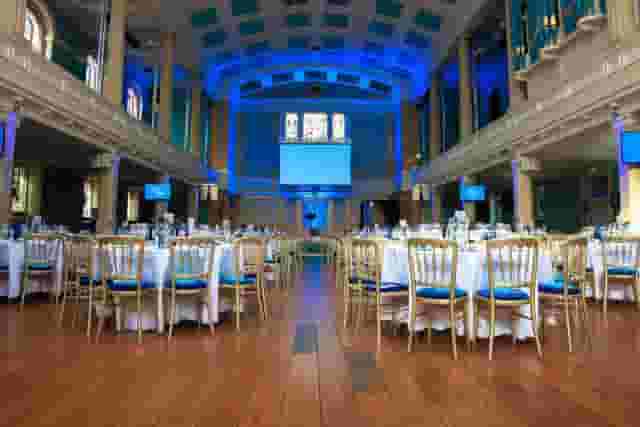
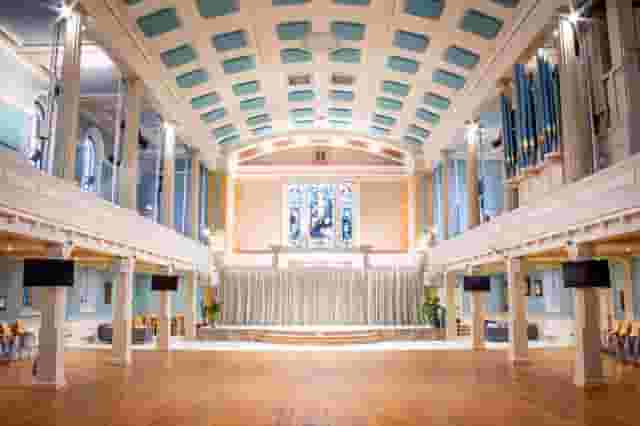
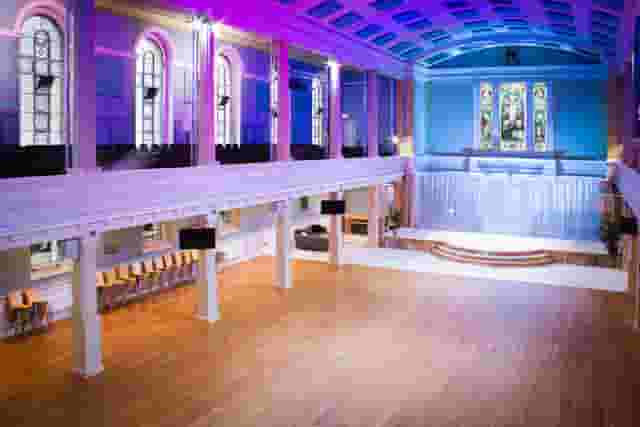
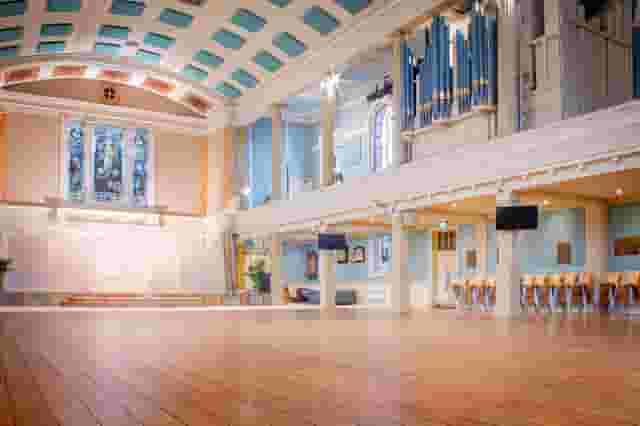

























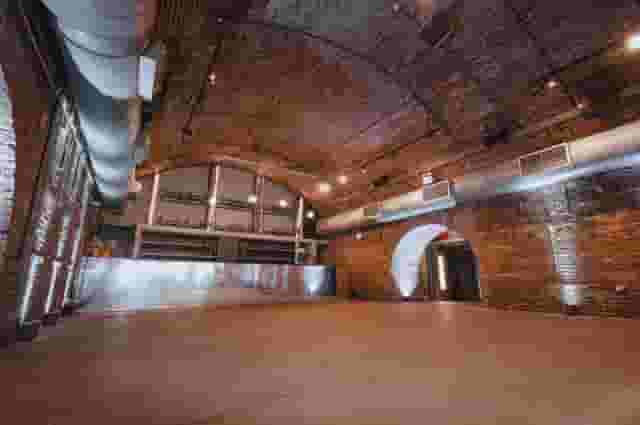



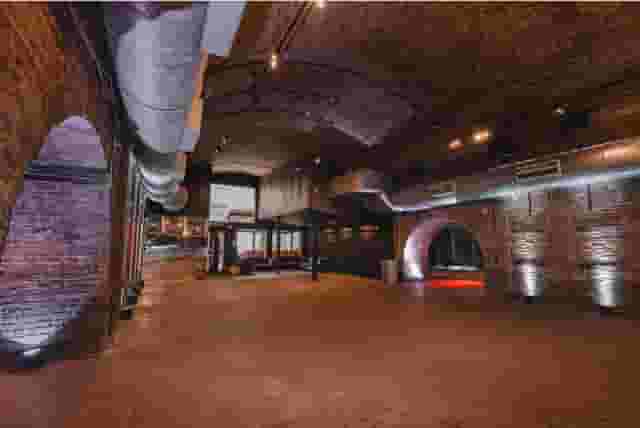



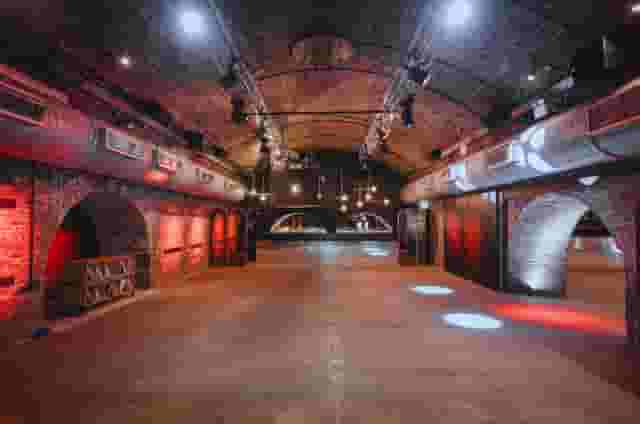

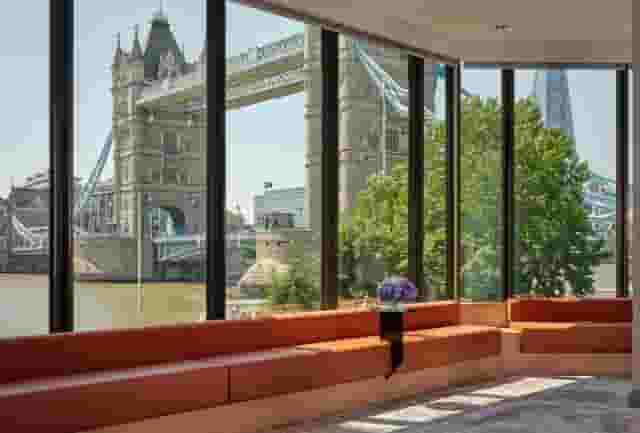


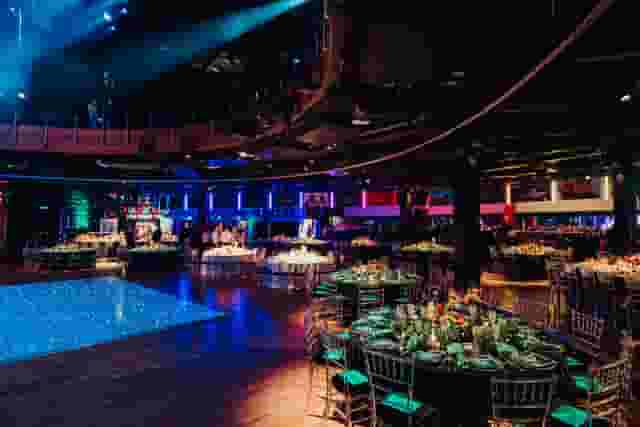
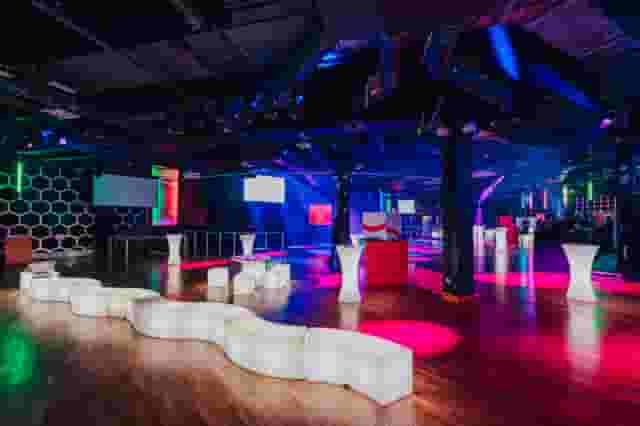
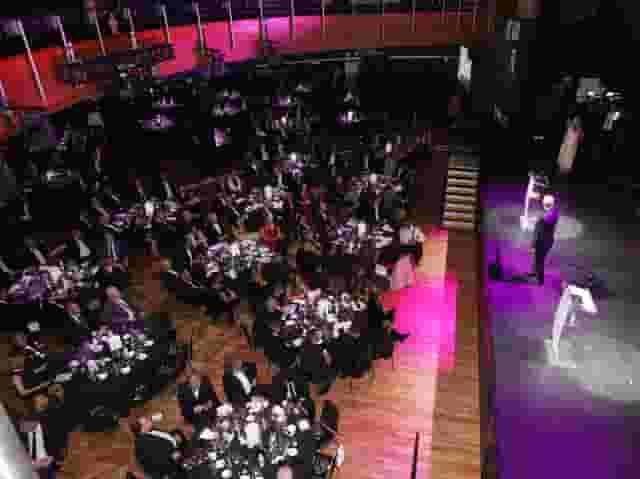
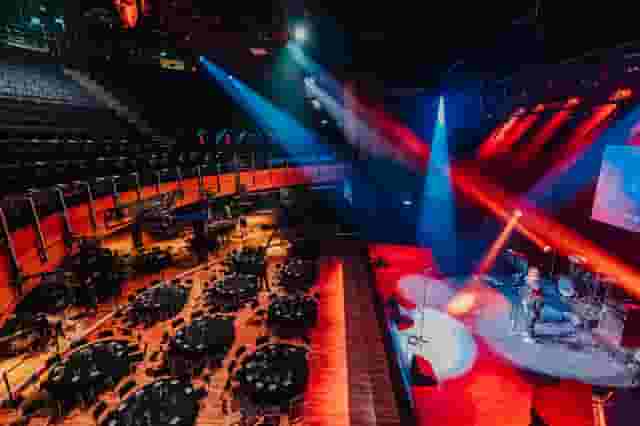






No venues match these filters
Try widening your capacity, luxury level or event type.
Don't have time to search? We'll find it for you.
For business events that need human judgement, talk to our team. Free for events of 100+ people, budgets over £10k or ongoing programmes.




Explore more venues in London














Other platforms search their database. We search everything.
Tell us what you need. Our deep research finds any venue, whether it's in our marketplace or not. No one else does this.
About Corporate Days Out in London
Why London's Corporate Day Out Scene is Perfect for Groups of 300 (And What Makes It Different)
When you're tasked with organising a corporate day out for 300 people, London isn't just another option – it's genuinely the gold standard. Having coordinated dozens of these large-scale events across the capital, I can tell you that London's unique combination of world-class venues, seamless transport links, and sheer variety makes it unmatched for groups of this size.
The numbers speak for themselves: London boasts over 400 venues capable of hosting 300+ delegates, with spaces ranging from £5,000 to £15,000 per day depending on location and amenities. What sets London apart isn't just the quantity – it's the quality and diversity. You've got everything from converted Victorian warehouses in Shoreditch to sleek conference centres in Canary Wharf, each offering the essential 400-600m² footprint your group needs.
What Makes London Different for Large Corporate Groups
The transport infrastructure is where London truly shines. With major hubs like King's Cross, Liverpool Street, and Canary Wharf all within 25 minutes of each other, your delegates can arrive from anywhere in the UK without the logistical nightmare you'd face elsewhere. I've seen events where teams travelled from Edinburgh, Manchester, and Bristol, all converging seamlessly at a single London venue.
But here's what really matters for groups of 300: London's venues are built for scale. Most offer theatre-style seating for 300, banquet arrangements for 250, and cabaret setups for 200 – giving you the flexibility to adapt your format throughout the day. The technical infrastructure is equally impressive, with dedicated 100 Mbps internet lines and 63-amp power supplies as standard.
| Venue Type | Capacity Range | Average Day Rate | Key Benefits |
|---|---|---|---|
| Historic Buildings | 250-400 | £8,000-£12,000 | Character & prestige |
| Modern Conference Centres | 300-500 | £10,000-£15,000 | Latest tech & facilities |
| Converted Warehouses | 200-350 | £6,000-£10,000 | Flexible layouts |
The real game-changer? London's corporate day out scene has evolved to understand exactly what groups of 300 need. Venues routinely handle crowd management, offer dedicated networking spaces, and provide separate catering prep areas to avoid disruption – details that smaller venues simply can't accommodate.
For inspiration on maximising your venue's impact, check out our guide on reflecting your brand in your venue, and if you're considering a smaller test run first, explore corporate days out for 50 people to understand the scalability differences.
Ready to dive into the practical planning steps? Let's explore how to turn London's advantages into a flawlessly executed event.
The 5 Essential Planning Steps That Make or Break Large-Scale Corporate Days Out in London
After organising corporate days out for groups this size across London for over a decade, I've learned that success hinges on five critical steps – and the order matters more than you might think. Skip one, and you'll find yourself scrambling at 2am the night before your event.
Step 1: Lock Down Your Date 12-16 Weeks Ahead
Here's the reality check: venues that can genuinely accommodate 300 people are booked solid, especially Wednesday to Friday when most corporate events happen. I've seen brilliant events fall flat because organisers waited until 8 weeks out, only to discover their top three venue choices were unavailable. The sweet spot for booking is 12-16 weeks ahead, which gives you access to premium venues and better negotiating power on rates.
Step 2: Define Your Space Requirements Beyond Just Numbers
"We need space for 300" isn't enough detail for London venues. You need to specify: theatre seating for presentations, breakout areas for 8-10 teams of 30, networking space for pre-event mingling, and separate catering zones. Most successful events I've coordinated use a 60/40 split – 60% formal presentation space, 40% flexible networking and activity areas. This typically translates to 500-600m² minimum, with 4m+ ceiling height for proper AV setup.
Step 3: Budget Realistically (And Add 20% Contingency)
London day rates for 300-person venues range from £8,000-£15,000, but that's just the starting point. Factor in catering (£45-£80 per head), AV equipment (£2,000-£4,000), transport coordination, and activities. A realistic total budget sits between £35,000-£60,000 for a full day experience. I always recommend adding 20% contingency – trust me, you'll need it for last-minute additions or upgrades.
Step 4: Coordinate Transport Like a Military Operation
With 300 people converging on one location, transport becomes your biggest logistical challenge. I create detailed arrival schedules staggered over 45 minutes, coordinate with venue loading bays for any equipment deliveries (book these for 6-8am to avoid congestion), and always have backup plans for Tube delays. Consider venues near major transport hubs like King's Cross or Canary Wharf – the 25-minute maximum journey time between these hubs makes coordination infinitely easier.
Step 5: Plan Your Day's Flow in 15-Minute Blocks
Large groups need structure. I map out every 15-minute segment: arrival and registration (45 minutes), welcome presentation (30 minutes), first activity rotation (90 minutes), networking lunch (75 minutes), and so on. This level of detail prevents the dreaded "milling about" that kills energy in big groups.
For more insights on creating memorable experiences, explore our guide to unconventional conference venues that can handle groups this size.
Next, let's tackle the venue selection process itself – because knowing what to look for can save you months of back-and-forth.
Navigating London's Venue Landscape: Where to Find Spaces That Actually Work for 300 People
Finding a venue that genuinely works for 300 people isn't just about ticking the capacity box – it's about understanding London's venue ecosystem and knowing where the hidden gems actually are. After years of scouting locations across the capital, I've learned that the best spaces for groups this size often aren't the obvious choices.
The Reality of London's Large-Capacity Venues
Here's what most people don't realise: only about 15% of London's event venues can properly accommodate 300 people without feeling cramped or compromising on experience. The sweet spots are purpose-built conference centres, converted industrial spaces, and select historic buildings that have been thoughtfully renovated. Think The Brewery in the City with its 778m² Porter Tun, or the converted warehouses in King's Cross that offer the flexibility large corporate groups desperately need.
The key is understanding the difference between "can fit 300" and "works brilliantly for 300." I've seen too many events squeezed into spaces that technically meet capacity requirements but lack proper breakout areas, adequate toilets (you need at least 12 for a group this size), or sufficient power supply for your AV needs.
Where to Focus Your Search
Central London powerhouses like Canary Wharf and the City offer the most reliable options, with day rates typically £10,000-£15,000. These venues understand corporate requirements and have the infrastructure sorted – dedicated loading bays, multiple entry points, and staff experienced in crowd management.
Emerging areas like King's Cross and Stratford are goldmines for value. The regeneration projects have created stunning spaces with modern facilities at £8,000-£12,000 per day. Plus, the transport links are exceptional – King's Cross connects to six Tube lines and major rail networks.
Historic venues can be spectacular but require careful vetting. Many beautiful buildings simply weren't designed for modern corporate needs. Always ask about lift capacity, accessibility compliance, and whether they can handle your catering requirements without disrupting the main event flow.
For inspiration on maximising venue impact, check out our insights on historic meeting rooms and unconventional conference venues that excel with larger groups.
The venue landscape might seem overwhelming, but with the right approach, you'll find spaces that don't just accommodate your group – they elevate your entire event experience. Now, let's talk about the financial realities and how to budget smartly for success.
The Real Costs and Smart Budgeting Strategies for Corporate Days Out in London
Let's be brutally honest about corporate day out budgets – I've seen too many brilliant events derailed because someone underestimated the true costs of hosting 300 people in London. The headline venue rate is just the beginning, and understanding the full financial picture upfront will save you from those awkward conversations with finance teams later.
Breaking Down the Real Numbers
When venues quote £8,000-£15,000 for the day, that's your baseline – but it typically covers just the space and basic facilities. For a group of 300, you're looking at a realistic total budget of £45,000-£75,000 once you factor in everything that actually makes the day work.
Here's where the costs really add up: catering runs £50-£85 per person for a full day (that's £15,000-£25,500 right there), professional AV setup costs £3,000-£5,000 for the quality you need, and transport coordination can easily hit £2,000-£4,000 if you're arranging coaches or managing complex logistics. Don't forget the hidden essentials – registration staff, security for crowd management, and insurance upgrades for events this size.
Smart Budgeting Strategies That Actually Work
The most successful corporate days out I've coordinated follow the 50/30/20 rule: 50% on venue and catering, 30% on activities and entertainment, 20% contingency and extras. This split ensures you're not cutting corners on the fundamentals while leaving room for those value-adding touches that make events memorable.
Timing is everything for costs. Book Tuesday-Thursday events to avoid weekend premiums, and consider shoulder seasons (March-April, September-October) when venues are more negotiable. I've secured 15-20% discounts simply by being flexible with dates and booking during quieter periods.
Negotiate package deals rather than itemising everything separately. Many venues offer day delegate rates that bundle space, catering, and basic AV for £120-£180 per person – often better value than piecing together individual elements.
For more insights on creating impactful experiences within budget, explore our guide on corporate event trends for 2025 and discover how company retreats in Greater London can offer alternative approaches for large groups.
The key is building your budget around the experience you want to create, not just the space you need to fill. With realistic expectations and smart planning, you can deliver exceptional value without breaking the bank – which brings us to the practical challenges you'll inevitably face.
Expert Solutions to the 7 Most Common Challenges When Organising Corporate Days Out for 300
After coordinating hundreds of large-scale corporate events across London, I can tell you that the same seven challenges crop up time and again when you're dealing with groups of 300. The good news? Each one has a proven solution, and knowing them in advance transforms potential disasters into minor hiccups.
Challenge 1: The Registration Bottleneck That Kills Your Schedule
With 300 people arriving within a 45-minute window, registration becomes your first major test. I've seen events delayed by an hour because organisers underestimated this process. The solution? Plan for one registration station per 50 people – that's six stations minimum. Each needs two staff members: one for check-in, one for directing people and handling queries. Budget £1,200-£1,800 for professional registration staff, and always have a "VIP fast-track" lane for senior executives who inevitably arrive last-minute.
Challenge 2: Catering Logistics That Actually Feed Everyone
Feeding 300 people isn't just about ordering more food – it's about flow management. Standard buffet setups create chaos with groups this size. Instead, use multiple serving stations (minimum four) positioned around your venue's perimeter. Each station should serve 75 people maximum, with identical menus to avoid the dreaded "queue envy." Allow 90 minutes for lunch service, not the 60 minutes most venues suggest.
Challenge 3: AV Systems That Work for the Back Row
In venues accommodating 300, the people at the back are often 40+ metres from your main screen. Standard conference AV simply doesn't cut it. You need dual projection systems with screens positioned at 45-degree angles, plus wireless microphones with a range of at least 100 metres. Professional AV companies charge £4,000-£6,000 for setups this scale, but it's non-negotiable for audience engagement.
Challenge 4: Breakout Space Mathematics
Here's where most organisers stumble: 300 people don't divide neatly into workshop groups. Plan for 8-10 breakout spaces of 25-35 people each, not 6 groups of 50. Smaller groups generate better participation and are easier to manage. Each breakout needs 40m² minimum, with moveable furniture and independent AV capabilities.
Challenge 5: Transport Coordination Without the Chaos
Stagger arrivals across 45 minutes, not 30. Create three arrival windows: 8:30-8:45am for senior leadership, 8:45-9:00am for main groups, 9:00-9:15am for stragglers. Share detailed transport information including backup Tube routes – when the Central line fails (and it will), your attendees need alternatives.
Challenge 6: Emergency Planning for Scale
With 300 people, you're legally required to have qualified first aiders on-site and clear evacuation procedures. Most venues provide this, but verify their crowd management experience. I always insist on a pre-event walkthrough with venue security to identify potential bottlenecks.
Challenge 7: Keeping Energy High Throughout the Day
Large groups lose momentum faster than smaller ones. Plan energy breaks every 90 minutes, not just traditional coffee breaks. Consider interactive elements like live polling or quick networking rotations to maintain engagement.
For more insights on creating memorable large-scale experiences, explore our guide to perfect product launch locations and discover how cinema venues work brilliantly for conferences of this scale.
The key to success? Anticipate these challenges during your planning phase, not on the day itself. With proper preparation, your 300-person corporate day out becomes a showcase of seamless organisation rather than a logistical nightmare.
What our customers say
Inspiration and planning guides

5 Summer BBQ Party Venues
What better way to usher in the summer than a summer party in a great venue. With everything from rooftops to private gardens, discover London's best.

Corporate Christmas Parties: Top 10 Tips for Perfection
Plan the perfect corporate Christmas party with our top 10 tips! From finding the ideal venue to festive themes and entertainment, we’ve got everything you need to make your event amazing.

6 Networking Venues That'll Seal the Deal
Networking is a key tool in today's competitive business world: it's often a necessary activity when trying to secure the right contacts, gain new employment or generally advance professionally. But in order to successfully rub elbows, you'll need an inspiring venue – such as one of these slick spaces. 1. Lee Valley VeloPark [https://hirespace.com/Spaces/London/107652/Lee-Valley-VeloPark/Velodrome-Track-Centre/Business] Stratford Few venues can claim to have been a part of the 2012 London Ol
One supplier. Every venue. Full visibility on what you spend.
Multiple venues and events. One agreement.