22 Training Rooms in venues in Central London







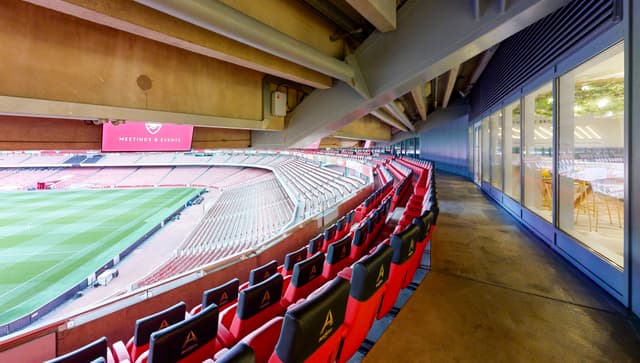
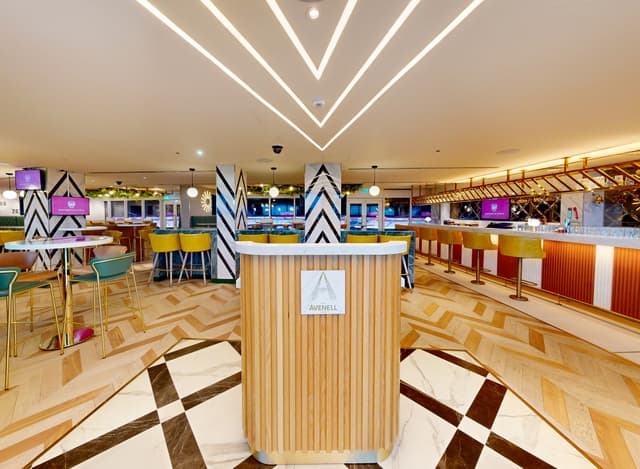
No venues match these filters
Try widening your capacity, luxury level or event type.
Discover top training rooms in Central London for 200 people that cater to all your event needs.
No venues match these filters
Try widening your capacity, luxury level or event type.
For business events that need human judgement, talk to our team. Free for 100 person+ events organised by businesses.

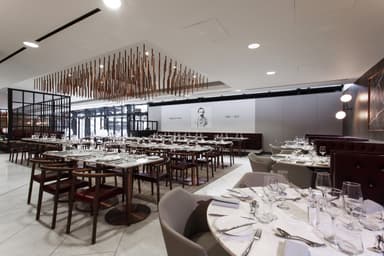
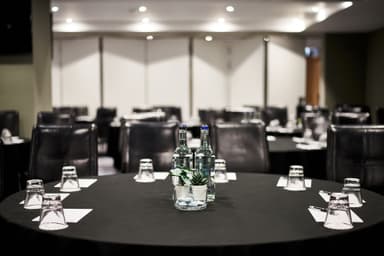










Tell us what you need. Our deep research finds any venue, whether it's in our marketplace or not. No one else does this.
When you're planning a training event for 200 people, Central London isn't just convenient—it's strategically brilliant. After organising countless large-scale training sessions across the capital, I've seen firsthand why this location consistently delivers results that other areas simply can't match.
The transport connectivity alone is worth its weight in gold. Your delegates can reach venues like King's Cross or London Bridge from virtually anywhere in the UK within three hours, and that's before we even consider the Elizabeth Line's game-changing impact on accessibility. We've found that attendance rates for Training Rooms in Central London typically run 15-20% higher than comparable events in outer zones, purely because people can actually get there without the stress.
Here's what most people don't realise: a training room for 200 isn't just a scaled-up meeting room. These spaces need a minimum of 180-220 m² with proper acoustic treatment—something you'll find in venues like the Upper Room at King's House, which offers that perfect blend of industrial character and modern functionality. The ceiling height matters enormously too; anything under 3.5 metres feels oppressive with that many people, and you'll struggle with ventilation and AV rigging.
The technical infrastructure is where Central London truly shines. Most venues here offer enterprise-grade WiFi with minimum 200 Mbps symmetrical bandwidth—essential when you've got 200 devices connecting simultaneously. Compare this to Training Rooms in North West London for 200 people, where connectivity can be patchy, and you'll appreciate the difference.
Budget-wise, expect £1,500-£3,000 per day for a quality 200-person training room in Central London. Yes, it's significantly more than Training Rooms in South London, but the ROI justifies it. Higher attendance, better engagement, and the professional credibility of a Central London address often translate to measurably better training outcomes.
The key is understanding that these venues operate differently. Most require 25-50% deposits, and the best spaces book 8-12 weeks ahead during peak training season (September-November and January-March). Book early, negotiate package deals that include AV and catering, and always visit in person—the difference between a good training room and a great one becomes obvious the moment you walk in.
After years of watching training events succeed or fail based on venue choice, I've identified five non-negotiables that separate truly functional 200-person training rooms from spaces that'll leave you scrambling on event day. Miss any of these, and you're setting yourself up for problems that no amount of brilliant content can fix.
Your venue needs a minimum 180-220 m² of usable space—not including storage or breakout areas. I've seen too many organisers get caught out by venues that quote total square footage including corridors and facilities. The real test? Can you comfortably fit 200 people in theatre-style seating with clear sightlines to a 4-metre screen, then reconfigure for breakout sessions without moving mountains?
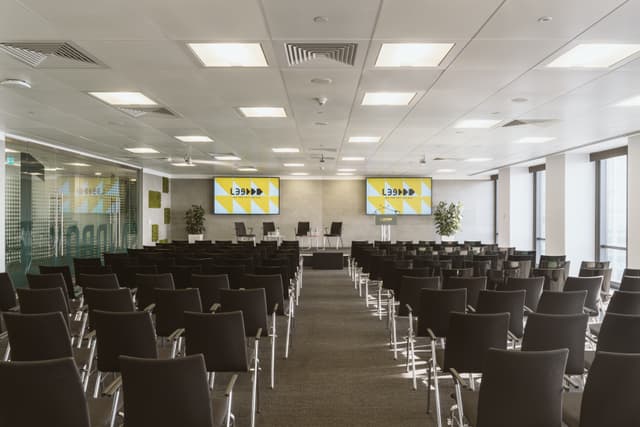
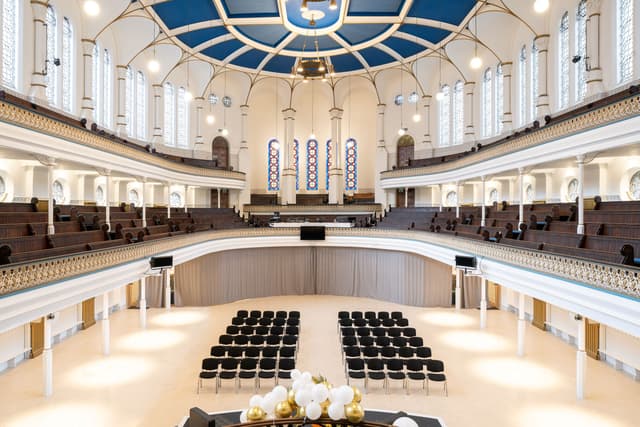
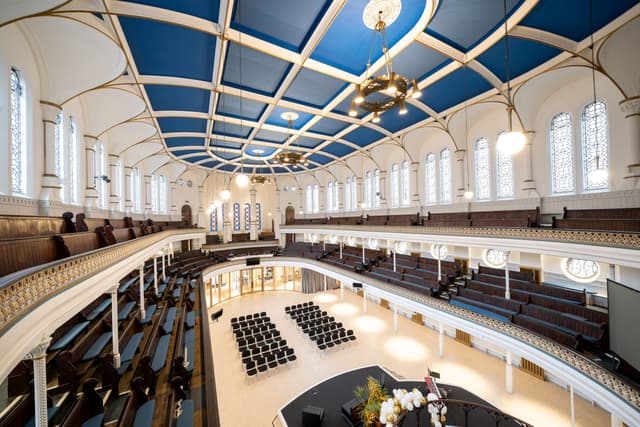
King's House's Upper Room exemplifies this perfectly at 182.5 m². The industrial windows and high ceilings prevent that claustrophobic feeling you get in cramped spaces, whilst the open-plan design allows for quick reconfigurations between sessions.
Here's where many venues fall short: you need enterprise-grade WiFi with minimum 200 Mbps symmetrical bandwidth, not the standard business package most venues offer. With 200 people streaming, downloading materials, and video calling simultaneously, anything less creates a digital traffic jam that kills engagement.
The AV setup must include 4K projection or LED walls visible from the back row, wireless microphone systems with at least 4 channels, and proper acoustic treatment. Those exposed brick walls might look trendy, but they create echo chambers that make speakers unintelligible beyond row 10.
Two hundred people generate serious heat—approximately 20kW worth. Your venue needs HVAC systems with individual zone control maintaining 20-22°C, plus backup ventilation. I've witnessed training sessions where temperatures hit 28°C by lunch, turning engaged delegates into drowsy zombies.
Central London's transport connectivity isn't just convenient—it's commercially essential. Venues near major hubs like King's Cross or London Bridge typically see 15-20% higher attendance rates than comparable spaces in outer zones. When comparing options, also consider Training Rooms in City of London for that extra corporate gravitas.
The final requirement that separates amateur from professional venues: dedicated event coordination staff, on-site technical support, and proper storage facilities (minimum 20-30 m² for materials and catering supplies).
Before committing to any venue, insist on a site visit during a similar-sized event. You'll quickly spot which venues truly understand large-scale training logistics versus those just hoping to fill their calendar.
The logistics of moving 200 people through Central London for a training event can make or break your day before the first session even begins. I've learned this the hard way—watching perfectly planned content crumble because delegates arrived stressed, late, or couldn't find the venue. Here's how to orchestrate the moving parts like a pro.
Your biggest challenge isn't finding a venue—it's ensuring everyone can actually reach it. Central London's transport density is your secret weapon, but you need to think strategically. Venues within 400 metres of major stations like King's Cross or Liverpool Street are worth their premium because they eliminate the "lost delegate" problem that plagues events in less connected areas.
Here's a reality check: expect 15-20% of your delegates to arrive via different transport modes than planned. Build this into your timeline by scheduling registration 45 minutes before your first session, not the usual 30. We've found this buffer eliminates the domino effect of late starts that can derail entire training programmes.
For venues near London Bridge or similar hubs, provide clear walking directions with landmarks—"Exit 3, turn left at Pret, venue is the glass building opposite Boots." Trust me, "200 metres from the station" means nothing to someone unfamiliar with the area.
Two hundred people connecting simultaneously will crash standard venue WiFi faster than you can say "please log in." Insist on dedicated bandwidth allocation—minimum 1 Mbps per delegate for basic connectivity, 2 Mbps if you're running interactive sessions or streaming content.
The power requirements often catch people off guard. You'll need multiple charging stations throughout the space, not just at the back. Calculate roughly 1.5 devices per delegate (phone, laptop, tablet), and ensure your venue has sufficient floor boxes to avoid the cable spaghetti that creates trip hazards.
Peak training season runs September-November and January-March, when corporate budgets are fresh and people are motivated. Book 8-12 weeks ahead during these periods, but consider the shoulder months for better rates and availability.
Tuesday-Thursday remains the sweet spot for attendance, with Tuesday morning starts showing the highest engagement levels. Avoid Monday mornings (travel delays) and Friday afternoons (mental checkout begins around 2 PM).
For venues comparison, Training Rooms in London Bridge offer excellent transport links but can get congested during rush hour, while Training Rooms in West London might offer easier parking but longer journey times for most delegates.
The golden rule? Always conduct a logistics dry run two weeks before your event. Walk the route from the nearest station, test the WiFi with multiple devices, and time your setup requirements. This 30-minute investment prevents hours of event-day stress.
Let's talk numbers, because I've seen too many training budgets blown by hidden costs and unrealistic expectations. The headline figure for a 200-person training room in Central London—£1,500-£3,000 per day—is just the starting point. The real art lies in understanding what drives these costs and where you can actually negotiate.
Your venue hire typically represents just 40% of your total budget. For a quality Central London space accommodating 200 delegates, expect £2,000-£2,500 for the room itself. But here's where it gets interesting: AV and technical support will add another £800-£1,200, catering runs £25-£45 per head (so £5,000-£9,000 for 200 people), and staffing costs another £600-£1,000 for event coordination and technical support.
I've learned to budget £50-£65 per delegate as a day rate for basic venues, £75-£85 for premium spaces, and £120+ for super luxury locations with all the bells and whistles. These figures include room hire, basic AV, and standard catering—essentially your delegate day rate.
The biggest mistake I see? Skimping on technical infrastructure to save £500, then watching engagement plummet because the WiFi can't handle 200 simultaneous connections. Invest in enterprise-grade connectivity and professional AV—it's the difference between a training session and a memorable learning experience.
Seasonal pricing can save you serious money. Summer months (June-August) often see 20-30% discounts as corporate training demand drops. Similarly, venues like those in Training Rooms in East London or Training Rooms in South East London offer comparable facilities at 15-25% lower rates, though you'll sacrifice some of Central London's transport convenience.
Here's an insider tip: venues hate empty days more than discounted bookings. If you're flexible with dates, ask about their "distressed inventory"—last-minute availability often comes with 20-40% discounts. Multi-day bookings also unlock better rates; three consecutive days typically costs less than three separate bookings.
Always negotiate package deals. Bundling room hire, AV, and catering often saves 10-15% compared to itemised pricing. And don't forget to ask about repeat client discounts—venues value long-term relationships.
The key is building relationships with venue managers. They'll remember clients who pay promptly, treat their spaces respectfully, and provide clear briefs. These relationships translate into better rates, priority booking, and flexibility when things inevitably need adjusting.
Start your venue search 10-12 weeks ahead with a clear budget range. Be upfront about your constraints—good venue managers will work within your parameters rather than oversell you into budget-busting territory.
I've watched brilliant training programmes fail spectacularly—not because of poor content, but because of avoidable booking blunders that could've been prevented with a bit of insider knowledge. After organising hundreds of large-scale training events, these seven mistakes crop up repeatedly, and they're all entirely preventable.
The most expensive error? Booking a room that's technically big enough but practically useless. I've seen organisers book 180 m² spaces thinking they're sorted, only to discover that includes storage areas, awkward pillars, or unusable corners. For 200 people, you need 180-220 m² of genuinely usable floor space, plus separate areas for registration, catering, and breakouts. Always ask for detailed floor plans and visit during a similar-sized event.
Here's where good intentions meet harsh reality: standard business WiFi cannot handle 200 simultaneous connections. I've witnessed training sessions grind to a halt when delegates couldn't access materials or participate in interactive polls. Insist on enterprise-grade connectivity with minimum 200 Mbps symmetrical bandwidth, and always request a tech test two weeks before your event.
The sweet spot for booking Central London training venues is 8-12 weeks ahead. Book earlier, and you're paying premium rates without knowing your final numbers. Leave it later, and you're stuck with subpar venues or eye-watering last-minute pricing. Peak training season (September-November, January-March) requires the full 12-week lead time.
Not all Central London locations are created equal. A venue that's "only 10 minutes from the station" can become a 25-minute trek during rush hour or bad weather. Factor in that 15-20% of delegates will arrive via different routes than expected. Venues near major hubs consistently show higher attendance rates—something to consider when comparing Training Rooms in North East London with central options.
Two hundred people generate approximately 20kW of heat. I've seen training rooms hit 28°C by lunch, turning engaged delegates into drowsy zombies. Ensure your venue has proper HVAC systems with zone control, not just basic air conditioning.
Most organisers budget for event time but forget logistics. Complex AV setups for 200-person events need 3-4 hours minimum, and breakdown takes another 2-3 hours. Factor this into your venue hire period and budget.
Corporate training plans change—budgets get cut, key speakers cancel, or external factors intervene. Understand your cancellation terms upfront. Most venues require 30-60 days notice for partial refunds, but terms vary dramatically.
The smartest approach? Create a venue checklist covering space, tech, transport, and terms. Visit shortlisted venues during similar events, and always build contingency time and budget. Your future self will thank you when everything runs smoothly.
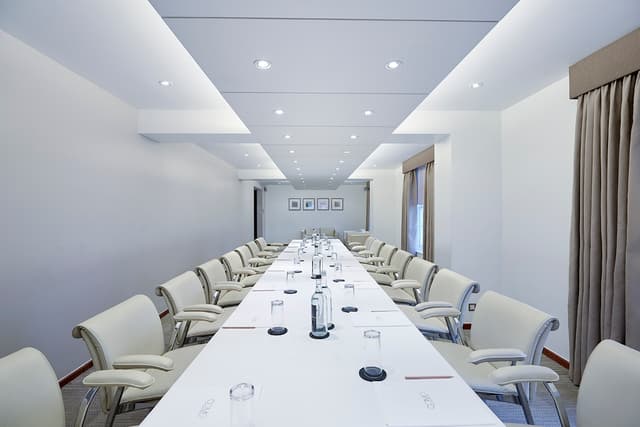
Looking for the coolest meeting rooms in London? From stylish interiors to unique settings, here are 8 venues that will definitely elevate your next meeting!

Located in the heart of the City, Salters’ Hall combines the rich heritage of the salt trade of medieval London with contemporary surroundings. Rebuilt in 1972 by Basil Spence and now a Grade II listed building, it is a rare example of a post-war livery building and has remained largely untouched until now... Architects de Metz Forbes Knight [http://www.dmfk.co.uk/projects/load/salters-hall] (dMFK) were tasked with the project to upgrade the building whilst retaining its sense of history and al

Creative ventures across the artistic spectrum are accommodated and embraced at Anomalous Space [https://hirespace.com/Venues/London/1551/Anomalous-Space], situated stunningly close to Angel Station on Pentonville Road. The venue's name captures its uniqueness, in that it deviates from the standard, unoriginal function space that's all too common. Anomalous Space combines the most contemporary of technological facilities with Art-Deco features, all set within an authentic Georgian townhouse.
Multiple venues and events. One agreement.


