9 Modern Conference in venues in Central London
No venues match these filters
Try widening your capacity, luxury level or event type.
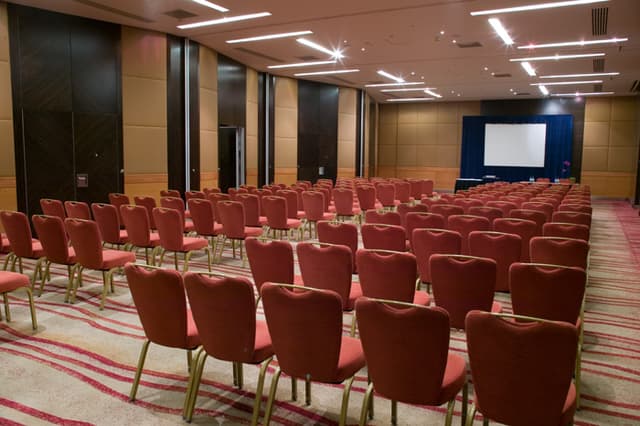
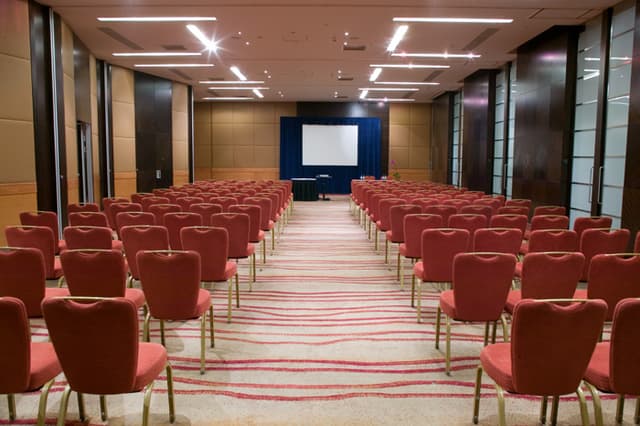
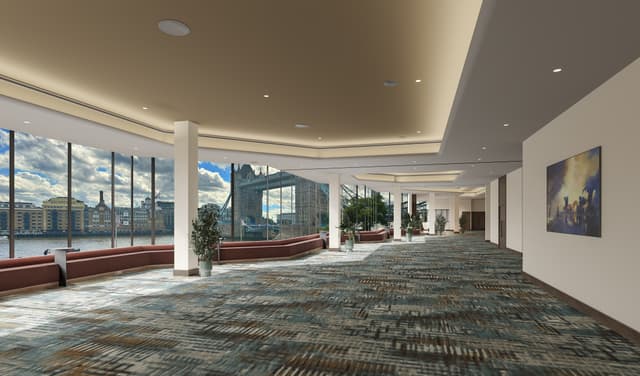
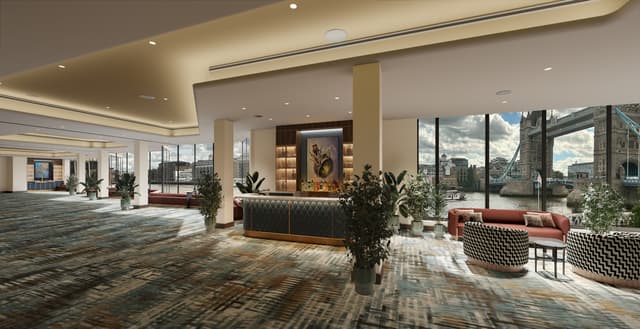
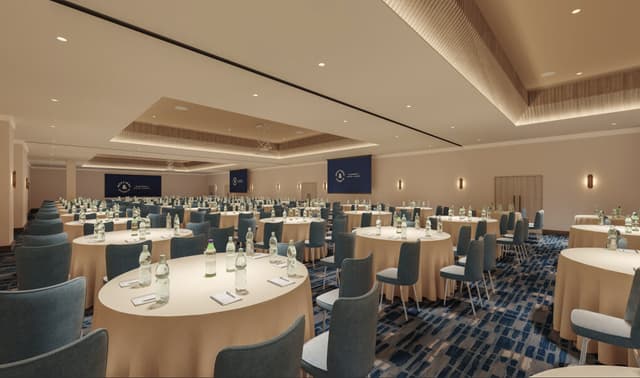
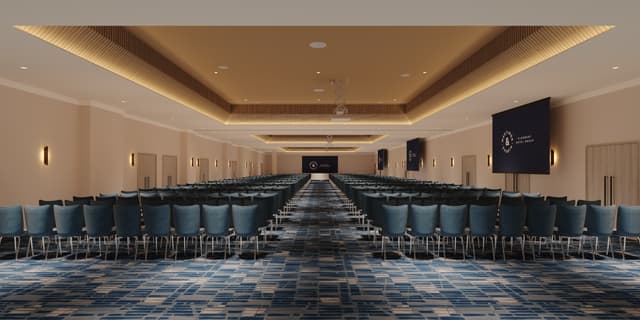
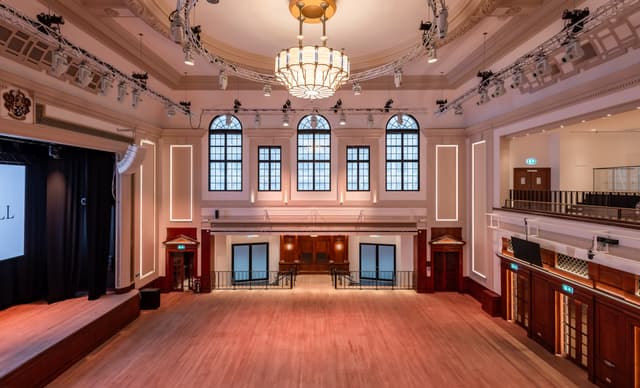
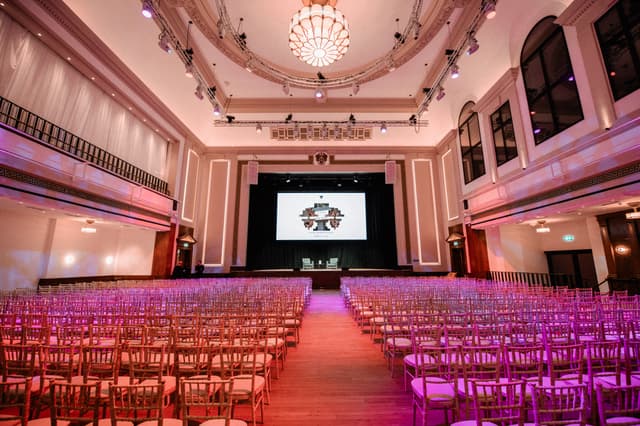
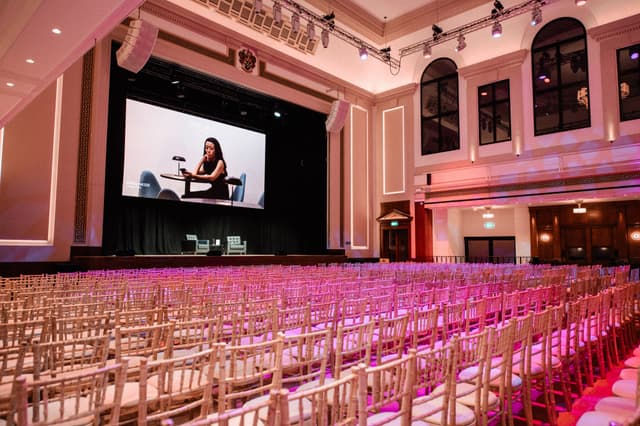
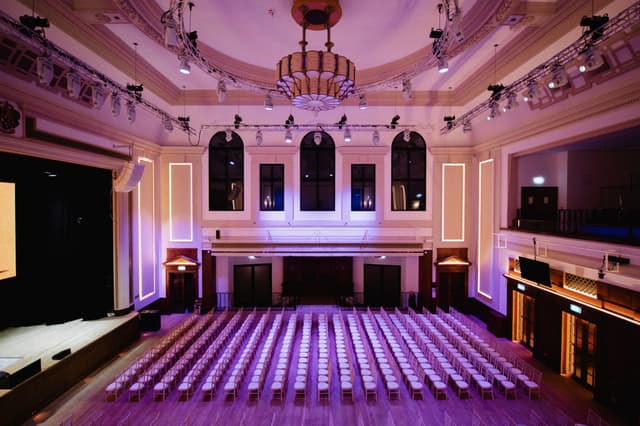
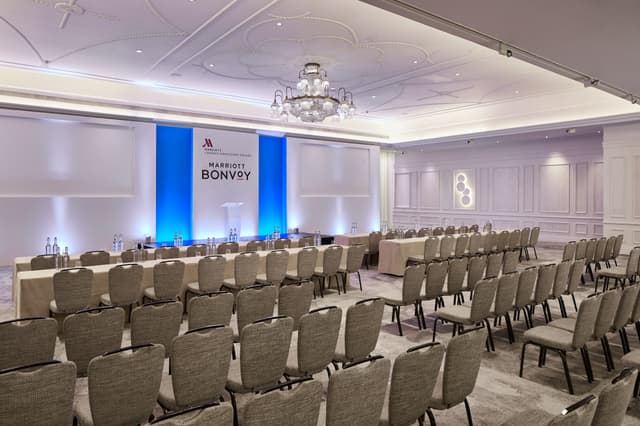
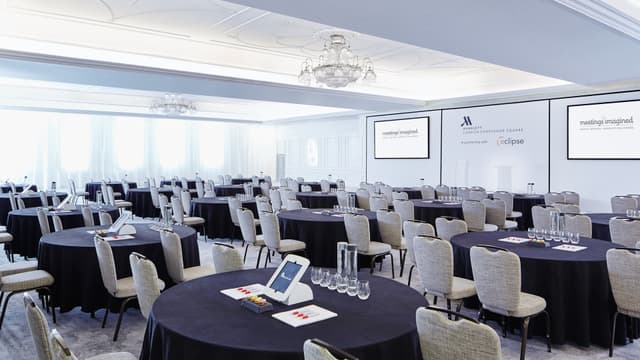
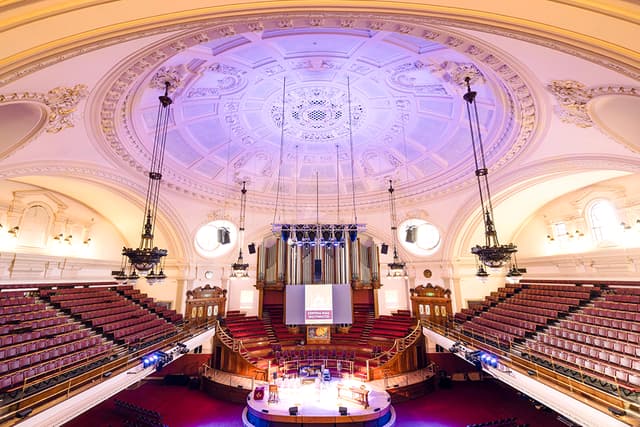
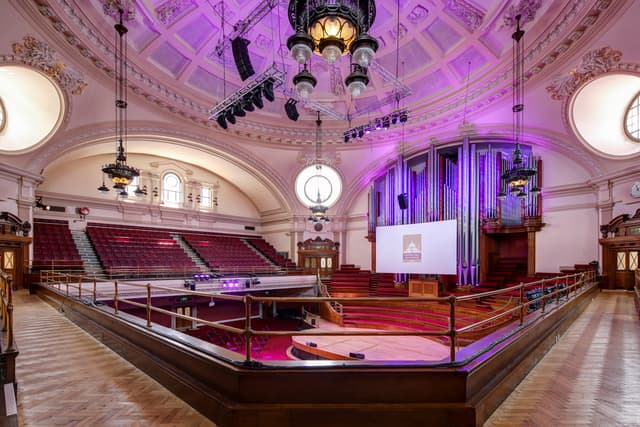
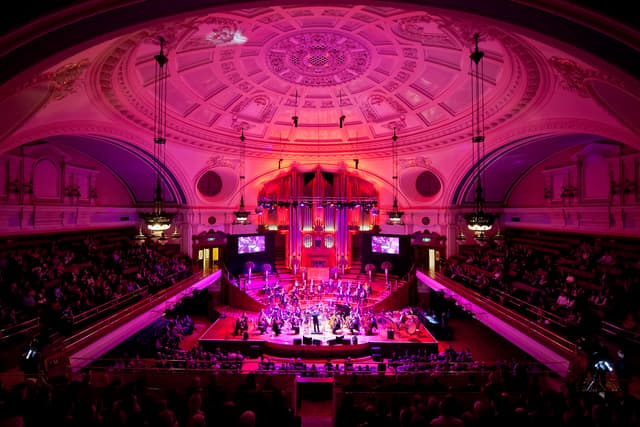
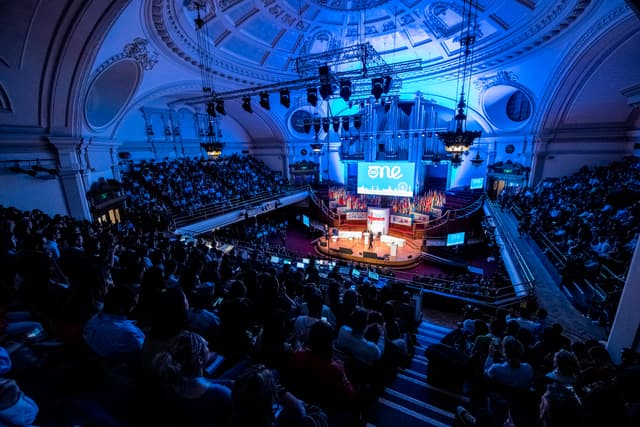
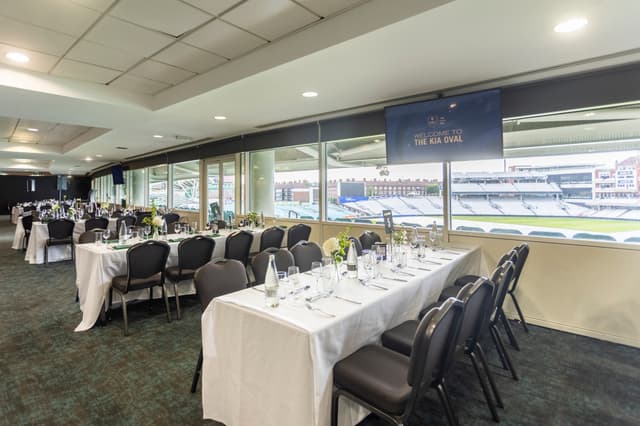
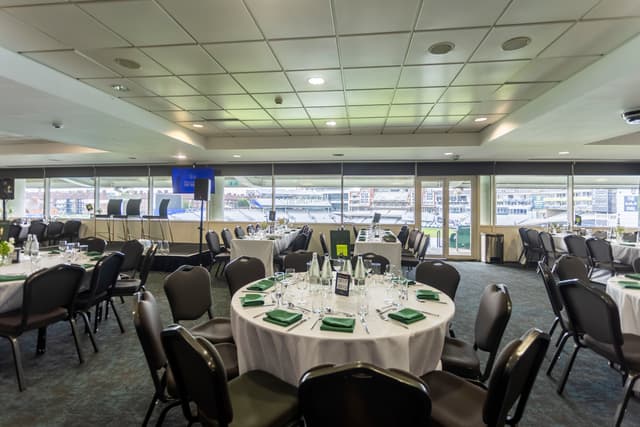
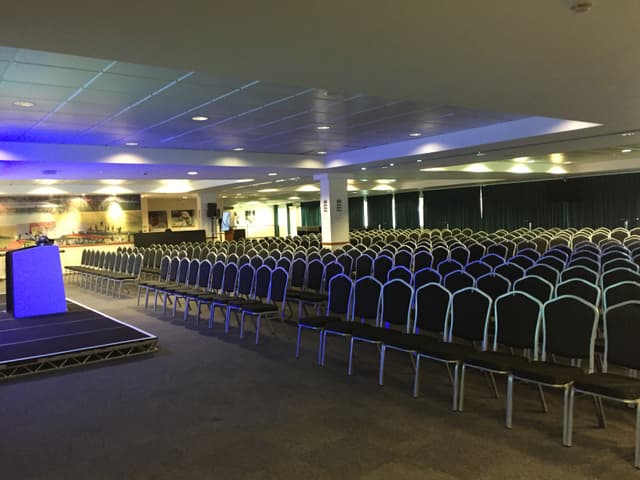
Explore modern conference venues in Central London for up to 300 people, featuring state-of-the-art facilities.
No venues match these filters
Try widening your capacity, luxury level or event type.
For business events that need human judgement, talk to our team. Free for 100 person+ events organised by businesses.
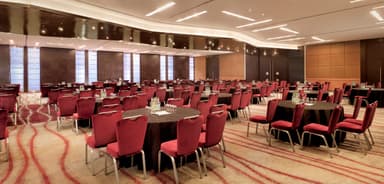
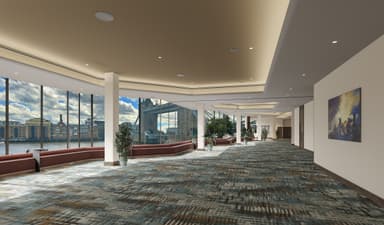
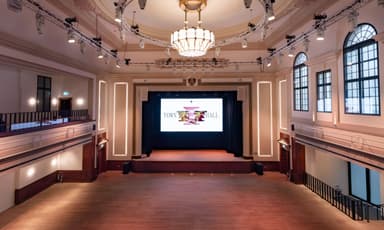
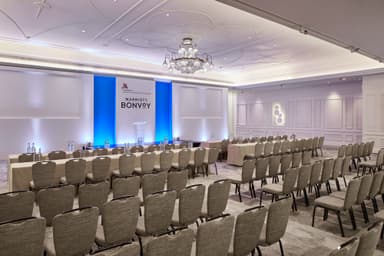



Tell us what you need. Our deep research finds any venue, whether it's in our marketplace or not. No one else does this.
When you're planning a conference for 300 delegates, Central London isn't just convenient—it's strategically brilliant. I've organised dozens of large-scale corporate events across the capital, and there's something uniquely powerful about hosting your conference in the heart of London that smaller venues simply can't match.
The numbers speak for themselves: Central London's modern conference venues typically offer 400-500 m² of flexible space, easily accommodating your 300 guests in theatre-style seating whilst maintaining the professional atmosphere that serious business demands. What's particularly impressive is how these venues have evolved—many now feature minimum 4-metre ceiling heights specifically designed for sophisticated AV setups, something you'll absolutely need for engaging presentations to larger audiences.
Here's where Central London truly shines for 300-person events. Your delegates can reach venues like those in Fitzrovia or Marylebone within 10 minutes from King's Cross via the Victoria Line. The Heathrow Express delivers international attendees to Paddington in just 15 minutes—crucial when you're coordinating arrivals from multiple time zones.
Modern conference venues in Central London have invested heavily in the infrastructure that 300-person events demand. We're talking dedicated 100 Mbps internet lines (not shared WiFi), three-phase power supplies with at least 100 amps, and zoned HVAC systems that can handle the heat generated by 300 bodies plus equipment. I've seen too many events fail because venues couldn't cope with the technical demands of scale.
The pricing reflects this quality: expect £15,000+ for a full day hire at premium Central London venues, though this often includes essential AV equipment and technical support. Compare this to smaller venues for 50 people where you might pay £5,000-£8,000 but need significant additional technical investment.
There's an undeniable gravitas to hosting your conference in Central London. When you're bringing together 300 senior professionals, the venue location sends a message about your event's importance. Areas like Westminster or the City of London carry weight that suburban alternatives simply can't match.
Your next step? Start your venue search 6-8 months ahead, particularly if you're planning for peak conference season (May-July or November-December). The best Central London venues for 300-person events book up quickly, and you'll want time to negotiate those all-important technical specifications.
After years of troubleshooting technical disasters at large conferences, I can tell you that the difference between a seamless 300-person event and an absolute nightmare often comes down to infrastructure that most organisers never think to check. When you're dealing with this scale, the technical requirements aren't just bigger—they're fundamentally different.
Your venue needs a minimum three-phase power supply with 100 amps capacity. I've watched conferences grind to a halt when venues couldn't handle the simultaneous load of projectors, lighting, catering equipment, and 300 laptops all charging at once. Don't just ask about power—ask to see the electrical specifications.
For internet, demand a dedicated 100 Mbps line, not shared building WiFi. When 300 delegates are simultaneously accessing presentations, checking emails, and live-tweeting, shared connections collapse faster than you'd believe. The best venues in areas like Clerkenwell and Bloomsbury now offer redundant internet connections as standard.
Here's where many venues fall short: they'll promise AV support but can't deliver the sophisticated setup that 300-person conferences demand. You need HD projectors with HDMI inputs, professional sound systems with wireless microphone capabilities, and—crucially—proper acoustics. Soundproofing panels and carpeted floors aren't luxury touches; they're essential for speech clarity in large spaces.
| Essential AV Requirement | Minimum Specification | Why It Matters |
|---|---|---|
| Ceiling Height | 4 metres minimum | Proper sight lines and AV mounting |
| Sound System | Professional mixing desk + wireless mics | Clear audio for 300+ people |
| Projection | HD projectors with backup | Visibility from back rows |
| Streaming Setup | HD cameras + encoders | Hybrid event capabilities |
With 300 people generating heat, plus equipment running all day, you need zoned HVAC systems with individual controls. I've seen delegates literally walking out of overheated conference rooms. The venue should demonstrate how their climate control handles capacity loads—not just promise it works.
You'll need at least 50 m² of secure storage space for registration materials, catering supplies, and technical equipment. Many modern conference venues now offer dedicated pre-event setup areas, which can save you thousands in additional hire time.
Before you sign anything, insist on a technical walkthrough with the venue's AV team. Ask specific questions about power distribution, internet redundancy, and backup systems. The venues that can answer these confidently are the ones that understand large-scale conference delivery.
When you're coordinating 300 delegates from across the UK and internationally, transport logistics become absolutely critical—and frankly, this is where Central London's modern conference venues truly earn their premium pricing. I've managed events where poor transport planning cost more in delegate frustration and late arrivals than we saved on venue hire.
Central London's transport infrastructure is genuinely built for large-scale corporate events. King's Cross St Pancras and Liverpool Street Station serve as your primary delegate funnels, with King's Cross offering direct connections to Edinburgh (4.5 hours), Manchester (2 hours), and international Eurostar services. For venues in Fitzrovia or Marylebone, delegates can reach you within 10 minutes via the Victoria Line—crucial when you're managing tight conference schedules.
The Heathrow Express delivers international attendees to Paddington in 15 minutes, making Central London venues particularly attractive for multinational conferences. I always advise clients to factor this accessibility into their venue selection—it's worth paying £15,000+ for a Central London venue when the alternative means delegates spending 90 minutes navigating London's transport system.
Let's be honest about parking: you won't accommodate 300 cars in Central London, nor should you try. NCP Car Park Covent Garden charges approximately £12 per hour, and that's if spaces are available. Instead, work with venues that offer group transport solutions or partner with local transport providers for shuttle services from major stations.
Modern conference venues must comply with the Equality Act, but for 300-person events, basic compliance isn't enough. You need venues with multiple accessible entrances, lift capacity that can handle conference flow, and accessible toilet facilities that won't create bottlenecks. Venues in areas like Westminster and the Bank area typically offer superior accessibility infrastructure due to their corporate focus.
Create detailed arrival instructions for each transport method, including walking times from stations. Book group rates with taxi companies for VIP delegates, and always have a venue contact available on arrival day for transport queries. The venues that understand large-scale logistics will provide dedicated arrival coordination—a service worth every penny when you're managing 300 delegates.
The harsh reality of budgeting for 300-person modern conference venues in Central London is that most organisers underestimate costs by 30-40%. I've seen too many events compromised because the initial budget didn't account for the true cost of quality infrastructure at this scale.
For a full-day hire of a modern conference venue accommodating 300 delegates in Central London, you're looking at £15,000-£25,000 as your baseline. That's before catering, which typically runs £55-£75 per delegate for a day delegate rate at premium venues, or £120+ at super luxury locations. So for 300 people, add another £16,500-£36,000 for comprehensive catering packages.
Here's what catches most organisers off-guard: the technical requirements for 300-person events often double your AV costs compared to smaller conferences. Professional sound systems, HD projection visible from the back rows, and streaming capabilities for hybrid events can easily add £8,000-£12,000 to your budget. Venues in Westminster or Marylebone often include basic AV in their hire fee, but "basic" rarely meets the demands of 300-delegate presentations.
Security deposits for large venues typically run 25% of your total hire cost—that's £5,000-£7,500 tied up months before your event. Many venues also charge for extended setup time, which is almost inevitable with 300-person conferences. Factor in £2,000-£3,000 for additional setup days.
Parking coordination becomes a significant expense at this scale. While street parking is virtually impossible, arranging group transport or shuttle services from major stations can cost £3,000-£5,000 but saves delegate frustration and ensures punctual arrivals.
Allocate 40% of your budget to venue hire, 35% to catering, 15% to AV and technical requirements, and reserve 10% for contingencies. This ratio works consistently for modern conference venues at the 300-person scale.
Book during off-peak periods (January-February) for 20-30% savings, or consider Tuesday-Wednesday events rather than Thursday peak times. Venues are often willing to include additional AV equipment or extend setup time when booking multiple days or committing to annual events.
Your next step: request detailed cost breakdowns from at least three venues, including all potential additional charges. The venues that provide transparent, comprehensive quotes are typically the ones that deliver without budget surprises.
After organising hundreds of large-scale conferences, I can tell you that the mistakes that sink 300-person events aren't the obvious ones—they're the seemingly minor oversights that cascade into major problems. The difference between a seamless conference and a logistical nightmare often comes down to five critical errors that even experienced organisers make.
The biggest mistake I see is booking venues for event hours only. A 300-person conference needs minimum 4-6 hours setup time the day before, not the morning of. Registration alone for 300 delegates takes 90 minutes with proper staffing. I've watched organisers pay £3,000+ in overtime charges because they didn't factor in realistic setup requirements. Always book your venue for the day before your event starts.
Modern conference venues look impressive, but many can't handle the weight of staging, AV equipment, and 300 chairs without structural considerations. I've seen events relocated 48 hours before because venues couldn't support the technical requirements. Always request load-bearing specifications and measure doorway widths for equipment access—standard conference staging requires 2.5-metre minimum door widths.
Post-pandemic, 40% of conference attendees expect hybrid options, but most venues aren't properly equipped. Don't assume "AV support" includes streaming capabilities. You need dedicated HD cameras, professional encoders, and separate internet bandwidth for streaming—typically adding £8,000-£12,000 to your budget. Venues in Clerkenwell and Bloomsbury are leading the way with purpose-built hybrid infrastructure.
With 300 delegates, Murphy's Law multiplies exponentially. Always have backup venues identified, alternative catering options confirmed, and emergency contact protocols established. I maintain relationships with venues that can accommodate last-minute 300-person events—it's saved clients thousands when primary venues faced unexpected issues.
Large conferences create bottlenecks that smaller events never face. Registration queues, toilet facilities, and catering service points need careful planning. Calculate 1 toilet per 75 delegates minimum, and ensure catering can serve 300 people within 45 minutes to maintain schedule integrity.
Your next step: Create a detailed venue requirements checklist covering technical specifications, setup timelines, and contingency plans. The venues that can address every point confidently are the ones that understand large-scale conference delivery. Don't compromise on these fundamentals—they're what separate successful 300-person conferences from expensive disasters.
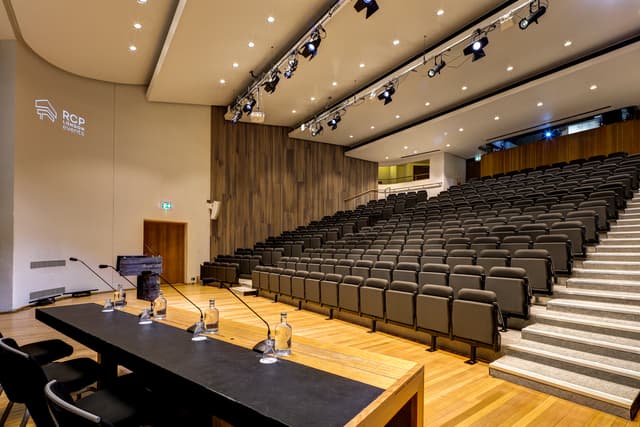
Discover 5 standout London, UK conference venues with outside space. Compare capacities, amenities and layouts for summer conferences, outdoor networking and fresh-air breakouts. Plan your next corporate event with ease.

On a blustery winter's day in January 1649, the deposed King Charles I was beheaded by the victorious rebels of the Civil War. And the bloody execution took place just outside of our Unique Venue of the Month. Not many venues can claim to be of such historical significance, but Banqueting House [https://hirespace.com/Spaces/London/42821/Banqueting-House/Main-Hall/Weddings] – the only remaining part of the Palace of Whitehall, where English monarchs used to reside – played a major part in Briti

Located in the heart of the City, Salters’ Hall combines the rich heritage of the salt trade of medieval London with contemporary surroundings. Rebuilt in 1972 by Basil Spence and now a Grade II listed building, it is a rare example of a post-war livery building and has remained largely untouched until now... Architects de Metz Forbes Knight [http://www.dmfk.co.uk/projects/load/salters-hall] (dMFK) were tasked with the project to upgrade the building whilst retaining its sense of history and al
Multiple venues and events. One agreement.


