Chapel Wedding Venues for Hire in London
Compare London chapel wedding venues with real pricing data, floor plans and verified availability to host your ceremony, meal and reception.
7 Chapel Wedding Venues for Hire in London

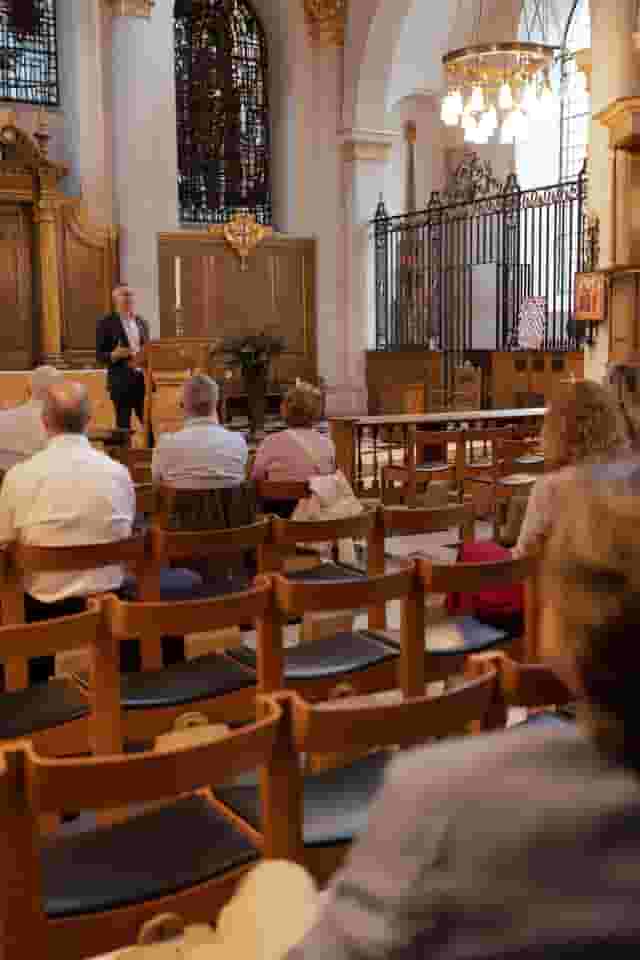

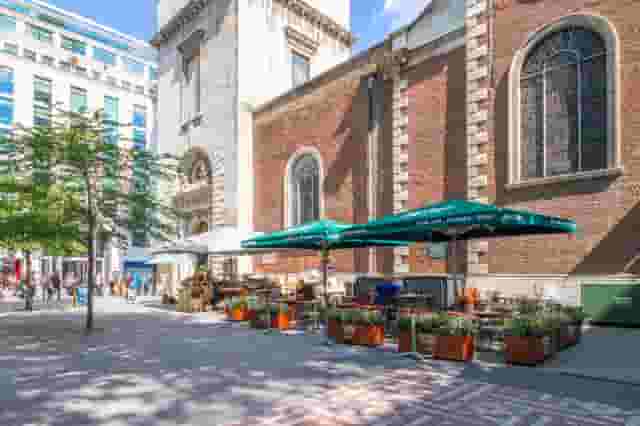







No venues match these filters
Try widening your capacity, luxury level or event type.
Don't have time to search? We'll find it for you.
For business events that need human judgement, talk to our team. Free for events of 100+ people, budgets over £10k or ongoing programmes.




Explore more venues in London






Frequently asked questions
Are London chapels tech-equipped?
How to ensure exclusivity at a chapel?
What size guest list suits a chapel?
What defines a London chapel venue?
How to access London chapel venues?
Other platforms search their database. We search everything.
Tell us what you need. Our deep research finds any venue, whether it's in our marketplace or not. No one else does this.
About Wedding Chapel in London
Choosing a chapel setting for a full wedding day
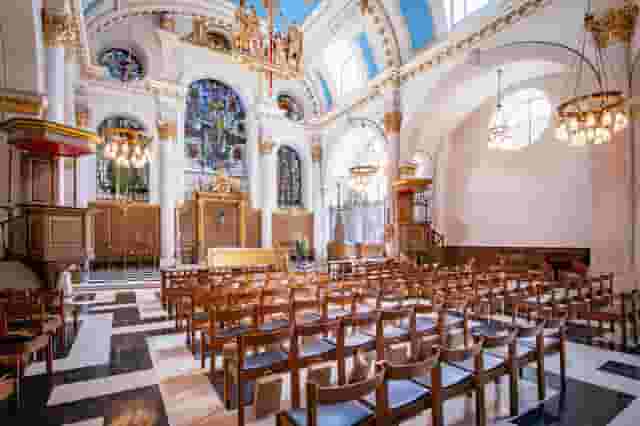
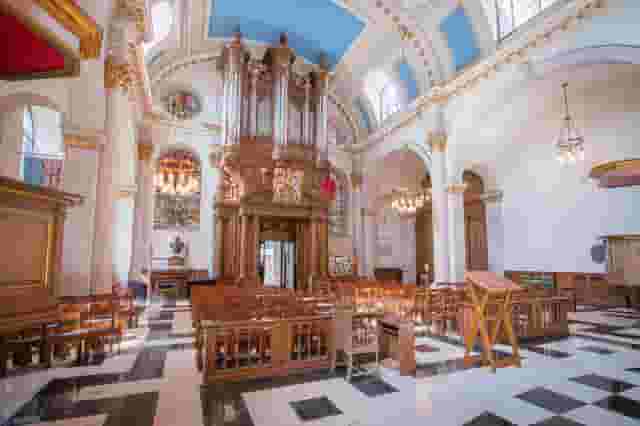
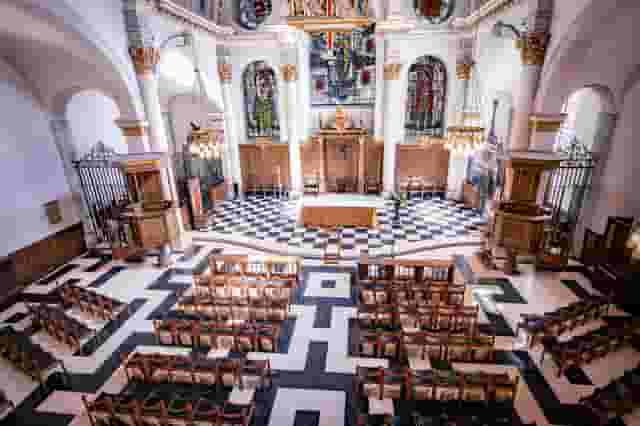
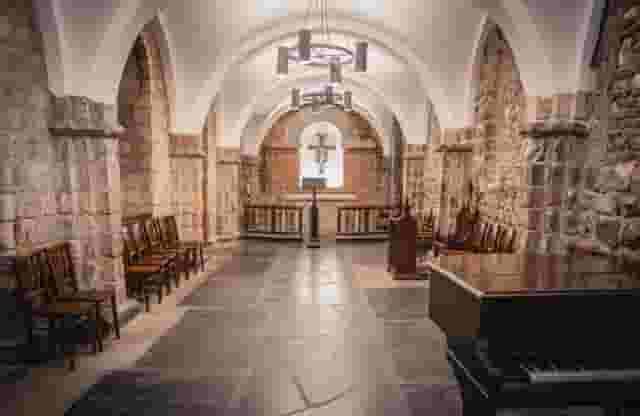
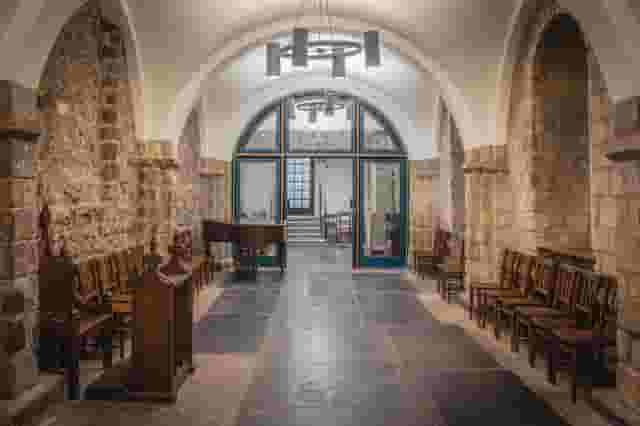
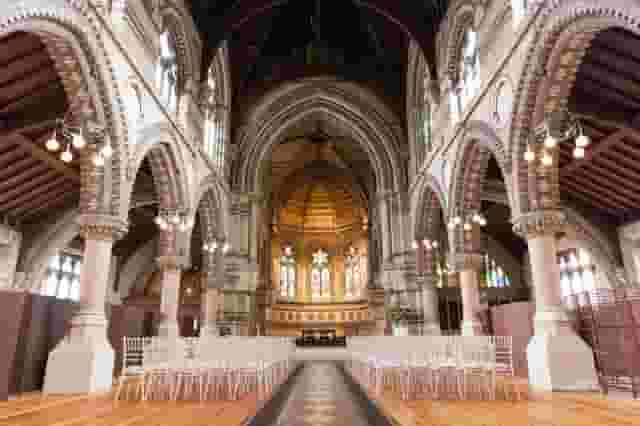
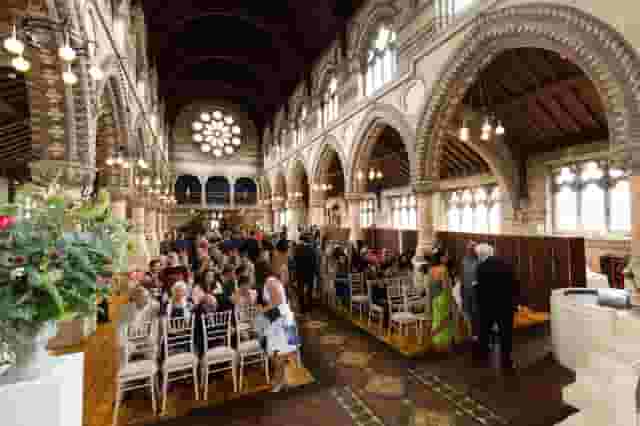
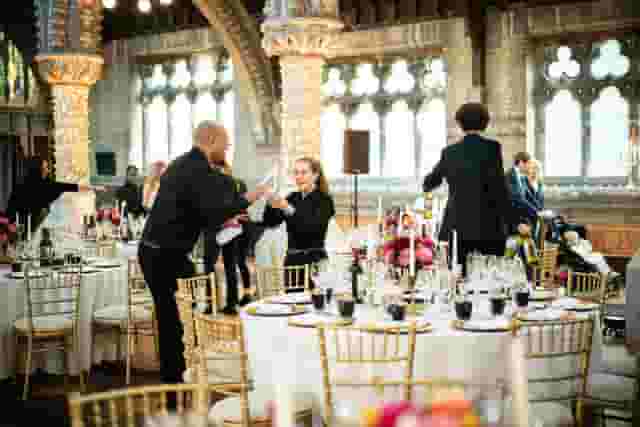
Holding a wedding reception in a London chapel gives the day an immediate sense of scale. Lofty vaulted ceilings, stone arches, tall stained glass windows and historic woodwork create an atmosphere that modern banqueting suites rarely replicate. A full celebration typically brings together three distinct phases: an afternoon drinks reception, a seated wedding breakfast and evening music with dancing. Making that flow work inside a historic ecclesiastical building requires careful planning around layouts, acoustics and building regulations.
London offers several distinct styles of chapel and church spaces. Consecrated, active places of worship may hold religious services but operate under strict parish rules regarding alcohol, decor and late-night entertainment. Other spaces are historic secular halls or deconsecrated buildings that retain soaring ecclesiastical architecture while functioning as flexible private venues. Understanding which category a venue falls into will define how much freedom you have with catering, bar service and music.
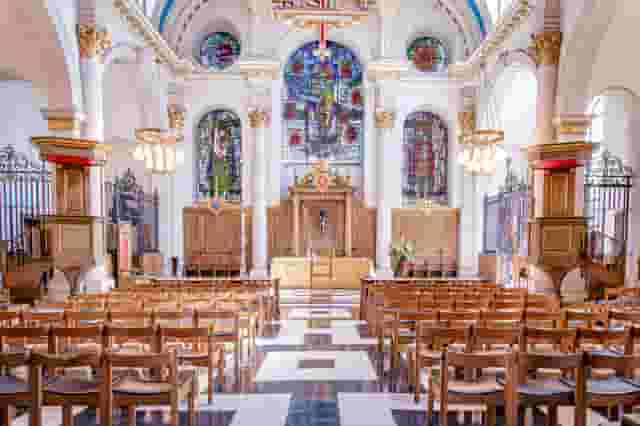
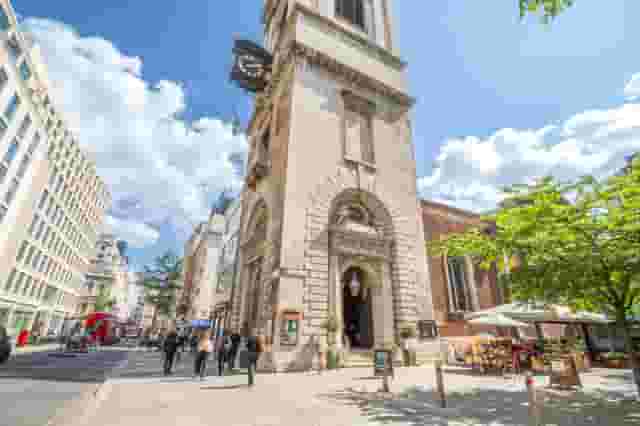
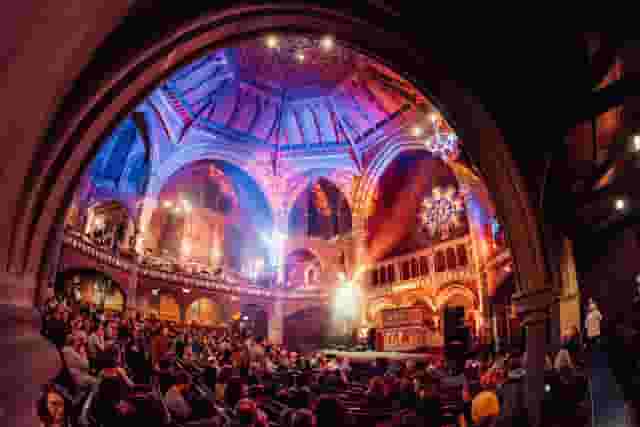
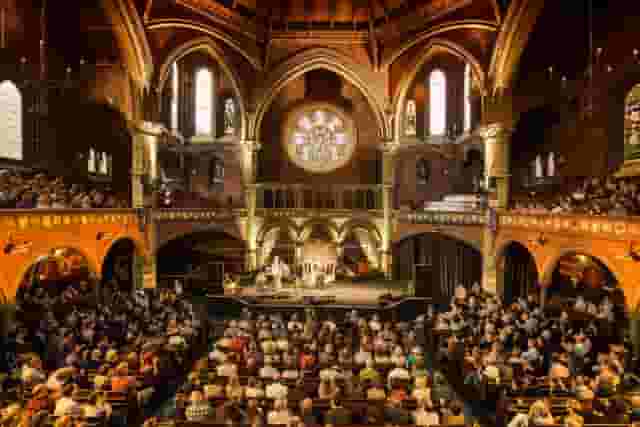
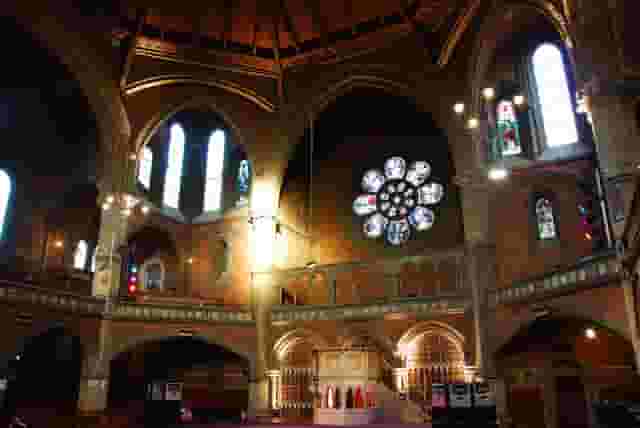
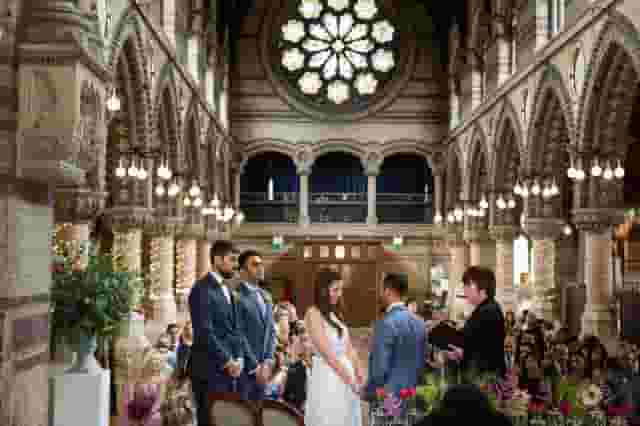
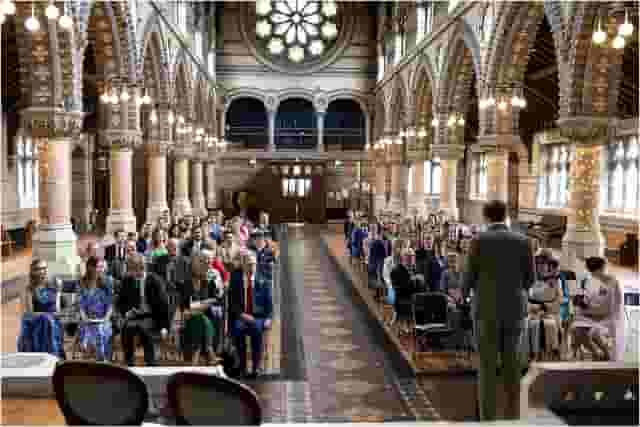
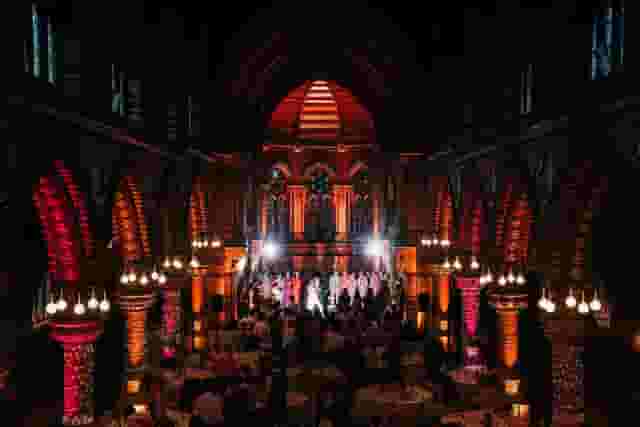
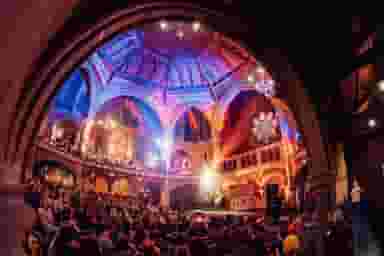
For ceremonies that move straight into an evening party, large church venues offer dramatic backdrops. Union Chapel in Islington provides a 19th-century Gothic setting with a capacity of 400 guests in a theatre layout, making it well suited to large gatherings where music and performance play a central role. If you want a traditional church atmosphere in the heart of the City, St Mary-le-Bow on Cheapside accommodates up to 300 guests for a standing reception beneath its decorative ceiling, with its Wren Vestry and Vestibule offering distinct anterooms for arrivals and preparation.
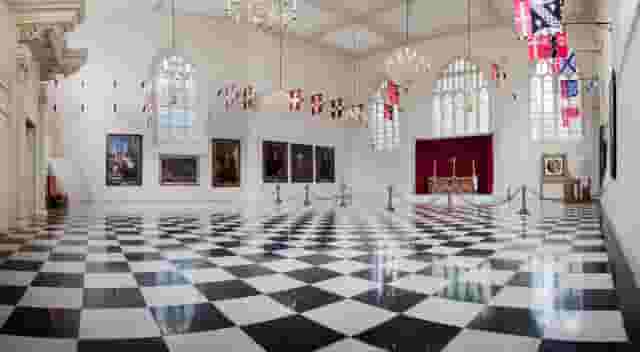
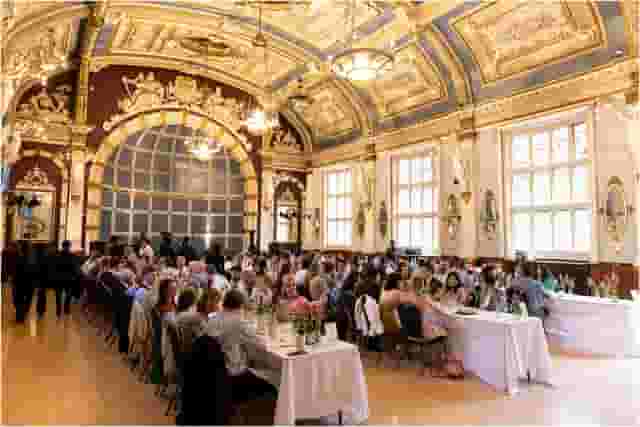
Other venues offer ecclesiastical character alongside dedicated dining spaces. The Priory Church at Museum of the Order of St John in Clerkenwell accommodates 250 guests standing in an airy, historic church hall that works naturally for drinks receptions and seated dinners alike. For grand Victorian proportions, the Great Hall at Honourable Society of Lincoln's Inn in High Holborn accommodates up to 300 guests in a theatre layout, pairing church-like stained glass and timber roof arches with the operational support of a dedicated events team. Before narrowing down your search, reading Hire Space's Ultimate Guide to Finding The Perfect Wedding Venue in London will help you benchmark these historic spaces against other styles across the capital.
Planning the flow from drinks to dinner and dancing
A successful wedding reception balances momentum with comfort. Moving 100 or more guests between drinks, dinner and dancing feels effortless when a venue offers interconnected rooms. When everything happens inside a single vaulted nave, that progression requires deliberate staging.
Drinks receptions and guest arrivals
After the ceremony, guests need an intuitive place to gather for drinks and canapes while photographs are taken. If your chapel consists of a single large space, planners often arrange decorative screens or pipe-and-drape partitions to keep the dining tables hidden from view. Alternatively, venues with dedicated entrance vestibules or courtyards allow guests to enjoy their first drink away from the main hall. The Vestibule at St Mary-le-Bow functions well for arrivals, keeping coats and greeting lines separated from the main nave until service begins.
Seated dining layouts
Chapel architecture naturally guides seating plans. High ceilings and central aisles encourage long banquet tables, which fit the geometry of a nave far better than scattered round tables. Long tables also make efficient use of floor space, leaving wider walkways for waiting staff. Historic floors made of flagstone or timber may be uneven, so table levellers are an essential item for your catering team to carry during setup.
The evening turnaround and dancefloor
The most complex operational moment in a single-space chapel is the turnaround between the meal and the evening party. While guests step into a side room or exterior courtyard for coffee and cocktails, the venue team must clear tables, reposition furniture and expose the dancefloor. In venues with separate function suites, this disruption is avoided entirely. At The Landmark London in Marylebone, the Empire Room accommodates up to 250 guests for a reception with high ceilings and warm lighting, allowing dining and evening entertainment to transition smoothly across adjacent hotel spaces. Similarly, Prince Philip House in Westminster accommodates up to 250 guests standing across versatile rooms that let you separate the drinks reception from the evening party.
| Reception phase | Single nave layout | Multi-room venue |
|---|---|---|
| Drinks reception | Nave entrance with partition screens | Dedicated vestibule or cloister garden |
| Seated meal | Central nave using banquet-style tables | Main hall or adjoining dining suite |
| Evening dancing | Fast turnaround of central dining floor | Separate evening room or cleared nave |
| Bar location | Mobile bar positioned along side aisle | Dedicated bar area outside main hall |
What London chapel weddings cost
Wedding budgets in London vary depending on whether a venue provides in-house catering or operates on a dry-hire basis. Pricing across chapel-style wedding venues typically sits at £125 to £215 per head. This figure is based on 13 quotes from the venues on this page for about 100 guests, and the calculation assumes that party size. To explore realistic numbers for your own brief, Hire Space is an event planning and venue booking platform backed by a team of real people who support your venue sourcing from start to finish. It provides instant price estimates calculated from actual booking data so you can see what a chapel is likely to cost before getting in touch, and suggests similar historic spaces if a setting stretches your budget.
What this figure covers depends heavily on the operating model of the building:
- Dry-hire fees: Historic chapels and trust-owned churches frequently charge a flat venue hire fee for access to the building. You then bring in approved suppliers for catering, furniture, lighting and production.
- Package rates: Venues with established hospitality partners, such as civic halls or hotel suites, wrap room hire, three-course dining, table linen and drinks allowances into a combined per-head rate.
- Staffing and security: Because historic buildings contain delicate stonework and valuable fixtures, venues often require specialist security guards, fire marshals and site supervisors, charged by the hour.
- Cleaning and waste management: Many ecclesiastical venues do not have commercial disposal facilities on site, requiring caterers to pack down and remove all food waste and recycling at the end of the night.
Towards the £125 end of the range, packages generally reflect streamlined dining with set menus, existing venue furniture and daytime-focused timings. Moving towards the £215 end of the range, quotes commonly include extended evening access, champagne receptions, multi-course dining with wine pairings, dedicated sound engineers and full room transformations.
When comparing estimates, ask suppliers for an itemised breakdown that separates building hire from service costs. For detailed advice on what hidden fees to look out for during early site visits, review The Top Questions To Ask On Your Venue Site Visit.
| Cost component | What is typically included | Additional expenses to check |
|---|---|---|
| Venue hire | Access to main hall and licensed spaces | Early supplier access and late exit fees |
| Catering and drinks | Three-course meal, reception drinks and wine | Corkage charges and kitchen setup tents |
| Production and AV | Basic ambient lighting and speech microphones | Acoustic sound limiters, staging and DJ power |
| Event staffing | Door supervisors and duty venue manager | Cloakroom attendants and overnight cleaners |
Managing sound, acoustics and lighting in stone halls
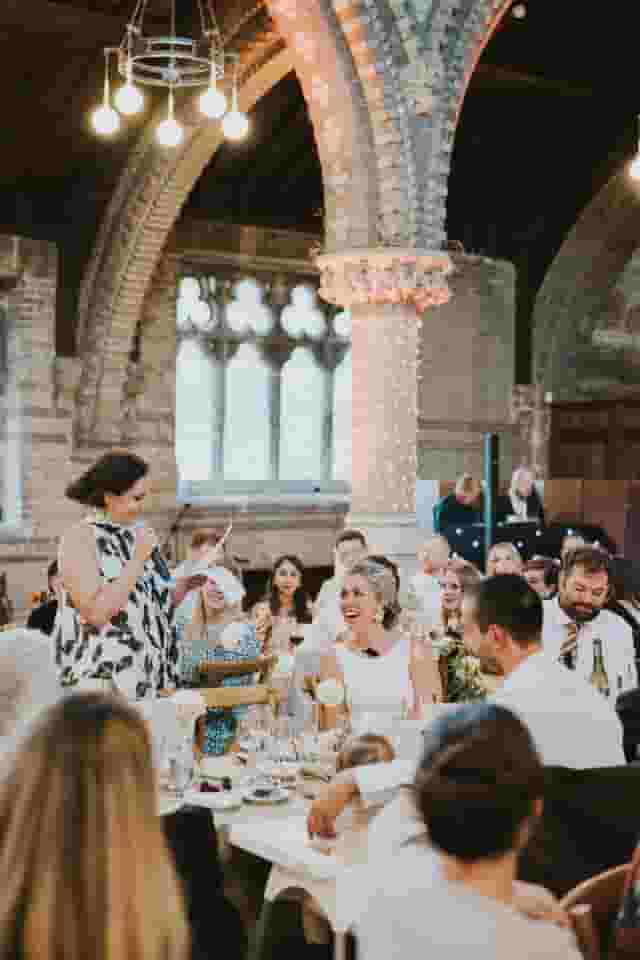
Ecclesiastical buildings were constructed to amplify spoken sermons and choral singing. Stone walls, marble floors and vaulted wooden ceilings create natural reverberation. While this resonance sounds wonderful during a choral ceremony or classical string quartet, it presents real challenges for speeches, amplified bands and DJ sets.
Controlling acoustics for speeches
Echo can make speeches difficult to understand. Standard public address systems placed at the front of a deep nave will often bounce sound off distant stone surfaces, creating a muddled delivery. To solve this, hire an audio supplier who uses distributed sound systems. By placing multiple small speakers on low volume along the length of the seating area, sound reaches guests clearly without needing to be pushed loudly from the front.
Entertainment and sound limiters
Live evening entertainment requires careful coordination. Many historic chapels and churches sit within residential neighbourhoods or conservation zones, meaning they operate under strict sound limiters. These devices cut power to musicians or DJs if volume thresholds are exceeded. Ask the venue manager about maximum decibel limits and whether live brass, acoustic drums or subwoofers are permitted. At Union Chapel, the venue's rich background as an active live-music and performance space means the hall is already configured for exceptional audio delivery, whereas smaller historic churches may require you to bring in specialist acoustic drapes.
Transforming stone spaces with lighting
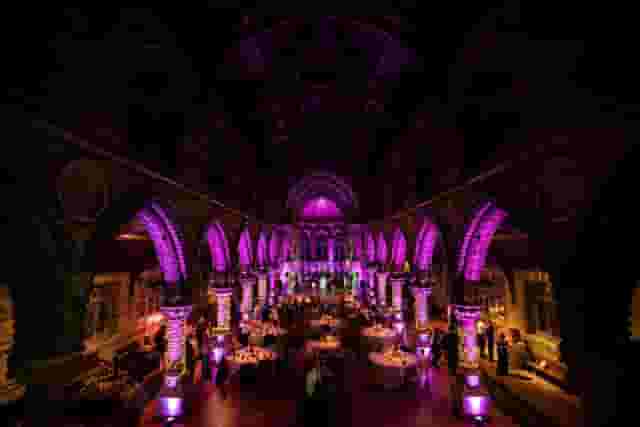
Most chapels do not allow adhesives, nails or fixtures to be attached to historic masonry, woodwork or monuments. This rule rules out hanging heavy floral installations directly from walls. Instead, lighting forms the most effective tool for transforming the atmosphere from daytime formality to an evening party. Uplighters positioned at the base of stone pillars highlight the vertical architecture, while warm pin-spotting draws attention to table centres during dinner. When night falls, wash lighting in deeper tones can shift the mood instantly without disturbing the fabric of the building.
Licences, exclusivity and historic building rules
Chapels bring specific regulatory considerations that differ from standard event spaces. Knowing what permissions exist in advance will prevent surprises weeks before the wedding.
Civil ceremony licensing versus religious blessings
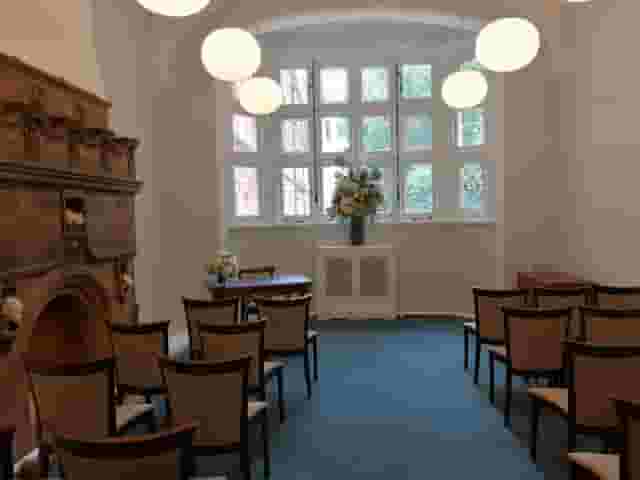
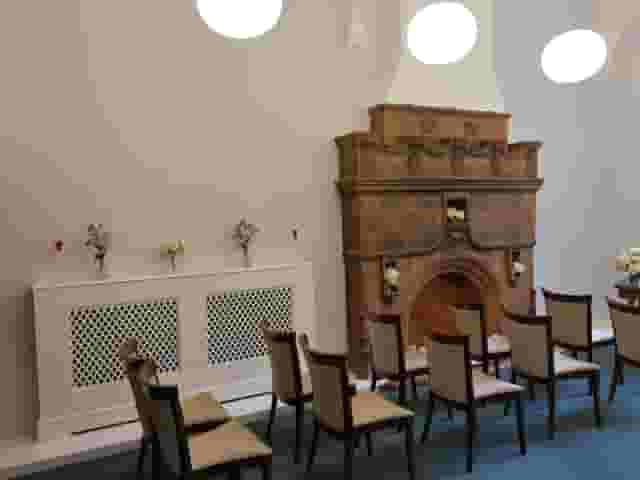
A venue that looks like a chapel is not automatically licensed for a civil wedding. Active places of worship are licensed for religious rites conducted by authorised clergy, which may require you to demonstrate an existing parish connection. Secularised chapels and civic halls, by contrast, often hold civil wedding licences issued by the local council, allowing local registrars or authorised celebrants to conduct ceremonies without religious content. For example, The Reading Room at 113 Chancery Lane offers a Grade II listed setting licensed for ceremonies and receptions for up to 210 guests, featuring a grand staircase and ample daylight without parish restrictions. At Carlton House Terrace near St James's Park, the Beatrice Webb Room, Gallery and Music Room accommodate up to 150 guests for civil ceremonies and celebrations in grand architectural surroundings. Always verify whether a space holds a civil premises licence or whether a religious ceremony or blessing is required.
Clarifying private hire and public access
Some historic churches, monuments and museums remain open to the public during normal operating hours. When booking, ask the venue coordinator to confirm in writing which rooms, entrance gates, garden paths and restroom facilities are private to your wedding party. Check whether tourists or parishioners will have access to any portion of the site during setup, photography or arrivals. In places such as the Priory Church at Museum of the Order of St John, you can reserve private access for up to 250 standing guests, but you should establish when exterior courtyards transition to private use.
Protecting fragile interiors
Historic venues enforce strict rules designed to protect antique floorboards, stained glass and stone carving. Standard guidelines include:
- Strict prohibitions on naked flames, requiring LED candles rather than open wax tapers on dining tables.
- Bans on confetti, rice or smoke machines inside the building, with outdoor confetti limited to biodegradable dried petals.
- Limits on red wine service during standing receptions to avoid stains on untreated limestone floors.
- Restrictions on stilettos, requiring guests to wear heel protectors to prevent pitting soft timber or historic tiles.
Accessibility, guest arrivals and central London logistics
Historic architecture often comes with practical transport considerations. Many chapels feature broad flights of stone entrance steps, heavy oak doors and narrow interior corridors designed centuries before modern accessibility standards were established.
Step-free access and circulation
When reviewing a venue in person, walk the journey a guest with reduced mobility would take. Look for level side entrances, external ramps and lift access between the main hall and restroom facilities. In central London venues, accessible toilets may be located on a lower basement level requiring a lift pass. Venues such as Honourable Society of Lincoln's Inn and modernised properties like The Landmark London offer integrated step-free routes that allow every guest to move easily between the ceremony, dinner and dancefloor.
Public transport and guest departures
Central London chapels benefit from dense rail, underground and bus links, which simplifies travel for guests. For venues located inside the City of London, such as St Mary-le-Bow on Cheapside or Stationers' Hall near St Paul's, tube stations are only a short walk away. Stationers' Hall can host up to 400 guests for standing receptions, making it practical for guests travelling from mainline rail terminals across town.
However, street parking in these central zones is virtually non-existent during the day, and delivery loading bays are tightly enforced by local councils. Make sure your wedding transport plan accounts for these restrictions:
- Instruct wedding cars and mini-buses on designated drop-off points where stopping is permitted without blocking traffic.
- Check whether suppliers have access to an off-street loading bay, and confirm loading time slots to prevent parking fines.
- Share public transport directions and local black cab ranks with your guests in advance, particularly if evening music ends after midnight when tube services begin to taper.
By matching the right building style to your guest numbers and working methodically through acoustics, layouts and operational guidelines, a London chapel reception delivers a wedding day with lasting character and effortless flow.
What our customers say
Inspiration and planning guides

3 Affordable Wedding Venues In London
Planning a wedding in London can be as dreamy as it is daunting, especially when trying to keep costs reasonable without compromising on the venue. Fortunately, London boasts an array of stunning yet affordable wedding venues that cater to every taste and budget. So let's dive in!

Venue Review: Theatre Royal Drury Lane
Theatre Royal Drury Lane is a phoenix. Amazingly, the first time it burned down was after the Great Fire Of London - it survived that fire. But six years later, it was burnt to a crisp. But it rose, rebuilt, only a few years later - only to be destroyed once again, in 1794. And in 1809, having been rebuilt again, it caught alight, and Theatre Royal burned down again. It's a story of fire, turmoil, and resurrection. Theatre Royal still stands today, more beautiful than ever. Source: seanm

9 Glorious Glass Venues in London
London is a city that knows how to make an impression, and when it comes to hosting events, why settle for anything less than spectacular? Enter London’s glorious glass venues!
One supplier. Every venue. Full visibility on what you spend.
Multiple venues and events. One agreement.