Wedding Venues in Liverpool
Explore wedding venues across Liverpool, from historic waterfront halls to Baltic Triangle warehouses with space for dining and dancing.
33 Wedding in venues in Liverpool






















No venues match these filters
Try widening your capacity, luxury level or event type.
Don't have time to search? We'll find it for you.
For business events that need human judgement, talk to our team. Free for events of 100+ people, budgets over £10k or ongoing programmes.




Explore more venues in Liverpool


Frequently asked questions
What should I avoid in a Liverpool wedding venue?
What historic venues suit a Liverpool wedding?
How do I choose a private venue near Liverpool?
Are there modern wedding spaces in Liverpool?
Other platforms search their database. We search everything.
Tell us what you need. Our deep research finds any venue, whether it's in our marketplace or not. No one else does this.
About Wedding in Liverpool
Matching your wedding style to Liverpool's architecture
Liverpool has one of the most concentrated collections of historic civic buildings in Britain, sitting alongside reclaimed dockside warehouses and contemporary hotel terraces. When you plan a wedding reception with welcome drinks, a seated dinner and evening dancing, the physical layout of the building dictates how the celebration moves from one chapter to the next.
Grand civic halls and heritage landmarks
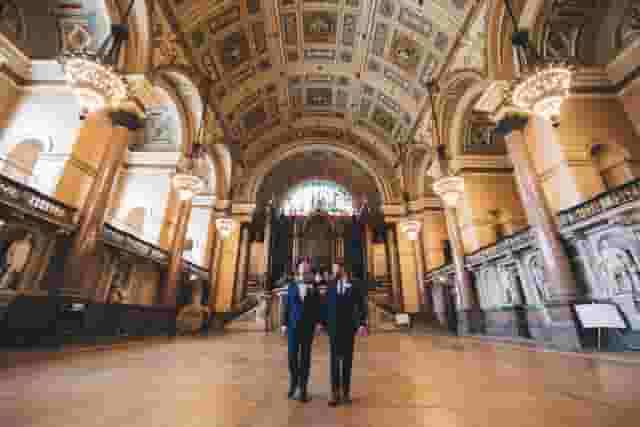
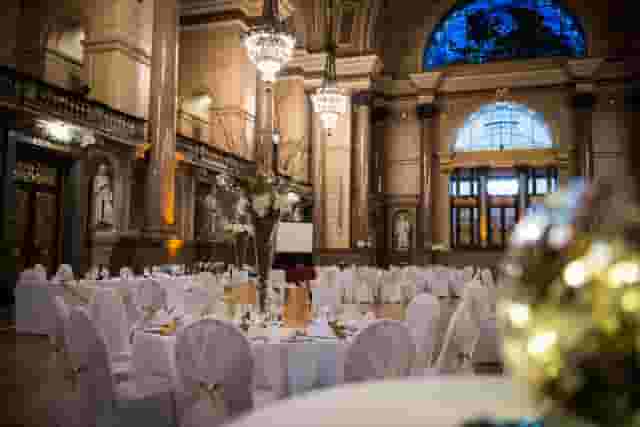
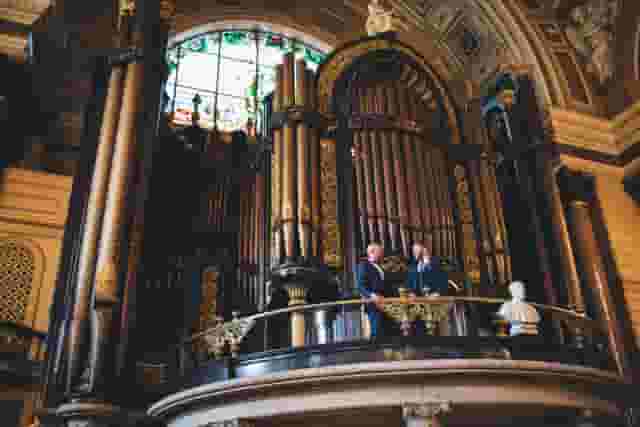
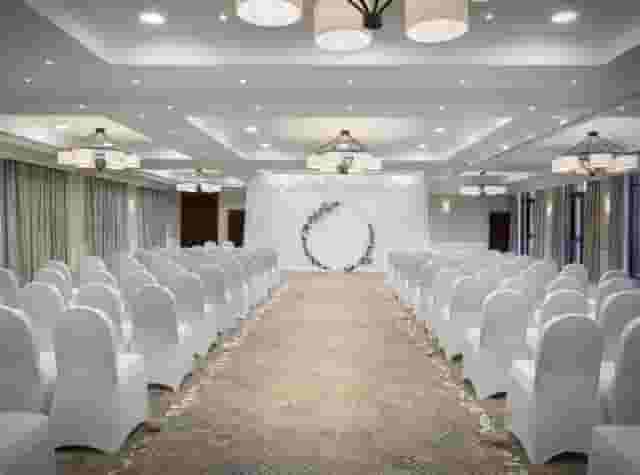
If you want soaring ceilings and classical scale, the city centre offers public architecture that was built specifically to impress. St George's Hall is the benchmark for this scale. The Great Hall accommodates up to 800 guests in a theatre layout, with chandeliers and a vaulted ceiling that give a reception an immediate sense of occasion. A hall of this size works best when you have a guest list large enough to fill the floor, or when you use pipe and drape systems to create distinct zones for dining and dancing.
Further towards the commercial quarter, Liverpool Town Hall provides a classic Georgian setting. The Main Ballroom holds up to 300 guests for a standing reception under crystal chandeliers. Heritage spaces like this come with clear architectural character, meaning you spend less of your budget on dressing the room. The trade-off is often strict conservation rules. You will need to check restrictions on naked flames, hanging decorations and the types of adhesive your suppliers can use.
Along the waterfront, Royal Liver Suite inside the Royal Liver Building gives you access to one of the city's most recognisable addresses, with room for up to 200 guests for an evening reception overlooking the Mersey. Nearby, Oh Me Oh My, a restored former bank opposite the waterfront, balances grand financial architecture with a relaxed dining room feel, holding up to 512 guests for standing events.
Converted warehouses and creative quarters
Couples looking for a blank canvas often head south of the centre into the Baltic Triangle. This district is defined by red-brick industrial spaces that allow for complete decorative freedom.
Hinterlands offers a 10,500 square foot converted warehouse with its Event Hall, accommodating up to 560 standing guests. Industrial spaces give you total control over lighting rigs, stage locations, external caterers and late-night sound levels. However, taking on a blank canvas means you are responsible for hiring every fork, table, speaker and service bar. If you love project management, it is rewarding. If you want an easy week leading up to the day, an all-inclusive hotel might suit you better.
Contemporary hotels and garden rooms
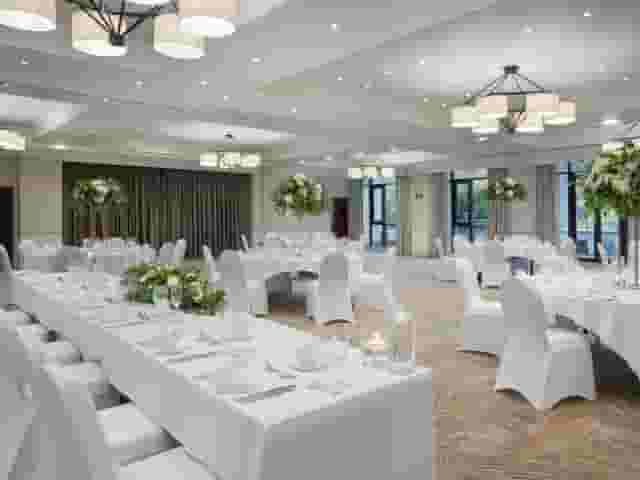
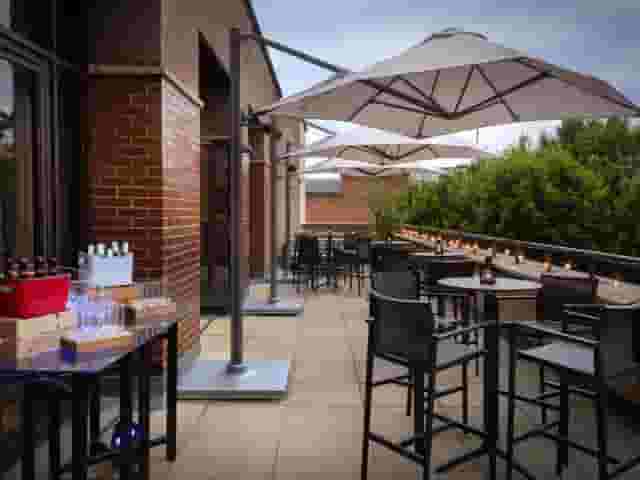
Hotel venues simplify the wedding day by keeping the meal, the party and guest bedrooms under one roof. In the Georgian Quarter, Hope Street Hotel features the Fifth two suite, which takes up to 150 guests for a reception and includes two outdoor terraces with skyline views across the city. Having dedicated outdoor space is a distinct advantage during summer drinks receptions, giving guests fresh air between dinner courses.
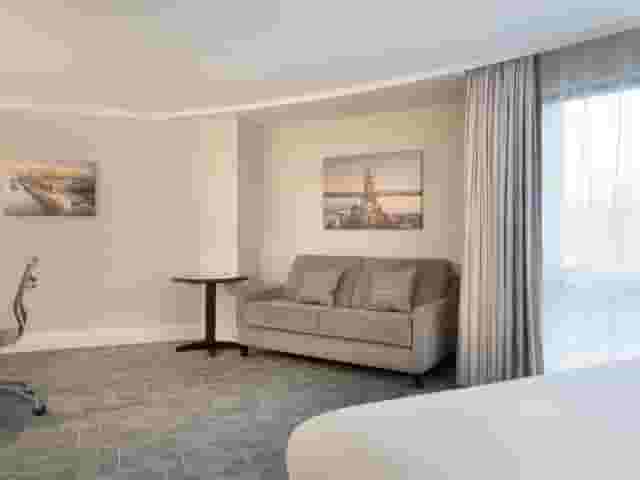
In the retail core, Hard Days Night Hotel offers the Zygmant Suite, designed for wedding receptions with room for up to 180 guests for a buffet. Hotel setups typically include an on-site kitchen, established service teams and built-in sound systems, which cuts down your supplier admin.
If you prefer to move away from the city streets towards green surroundings, Thornton Manor Country Estate Wedding Venue in Wirral offers the Garden Room, holding up to 150 guests in a theatre layout inside a historic estate setting. Country estates give you dedicated grounds for photography, though you must account for transport logistics when moving guests across the river from central Liverpool.
Planning the flow from drinks reception to evening dancing
A classic wedding reception moves through three distinct phases: standing drinks with canapes, a seated three-course meal, and an evening party with live music or a DJ. The physical transition between these phases is where many wedding days lose momentum.
The single room turnaround problem
If your venue hosts your seated meal and your evening dancing in the exact same room, you face a room turnaround. After speeches finish, the venue team must clear dining tables, rearrange chairs, set up the dance floor and allow the band or DJ to soundcheck. This process usually takes 45 to 60 minutes.
If your venue does not have a separate bar, foyer or terrace, your guests will be left standing awkwardly around the perimeter while waiting staff carry dirty linen and musicians haul flight cases through the room.
When evaluating spaces, ask where guests will go between dinner and the first dance:
- Does the building have an adjoining bar or mezzanine where guests can order drinks while the main room is reset?
- Can your band load their equipment in through a separate service door earlier in the day, or must they carry amplifiers past your dinner tables?
- How long does the venue team need to clear tables and lay out the dance floor?
- Is the lighting in the reception area independently dimmable, or does the space stay at dinner brightness all evening?
Venues with separate rooms make this transition imperceptible. Guests leave dining tables and walk straight into an already-prepared party room, keeping the energy high.
Sound limits and band setups
Live music brings a wedding reception to life, but heritage buildings and city-centre venues often operate under tight sound limits. Victorian civic buildings with stone floors and vaulted plasterwork can suffer from harsh acoustic flutter. A five-piece brass band in a stone hall can produce an overwhelming wall of noise that drowns out conversation.
Many venues with residential neighbours install sound limiters. These automated devices monitor decibel levels and cut the power to the stage if the band exceeds the threshold for more than a few seconds. If your chosen band relies on an acoustic drum kit, they may struggle to play under a strict limiter. Always check whether your venue has a decibel cap, and share that limit with your musical acts before paying a deposit.
Understanding venue hire models and reception costs
Budgeting for a wedding reception in Liverpool requires unpicking how different venues structure their pricing. Some venues quote a single flat rate that includes the room, food and staffing, while others charge for the bare walls and leave the rest to you. To take the guesswork out of the figures, venue booking platform Hire Space provides instant price estimates calculated from real booking data, giving you a clear idea of what a room will cost before you make contact. Supported by a team of real people who help guide the process, it can also suggest similar local alternatives at a lower price if your preferred setting sits over budget.
Package rates against dry hire
Understanding the core hire model helps you compare quotes accurately:
- All-inclusive packages: Common in city hotels, these charge a fixed rate per guest. The fee covers room hire, welcome drinks, a three-course dinner, table wine, evening food and dedicated staffing. They offer predictable costs and simple planning, though menu customization is often limited.
- Dry hire: Typical of converted warehouses, heritage halls and municipal buildings. You pay an upfront hire fee for access to the room for a set number of hours. Everything else, including catering, bars, security, tables, linen and cleanup, must be brought in and paid for separately.
- Minimum spend: Common in independent restaurants and cocktail bars. You pay no room hire fee, provided your guests spend an agreed total across food and drink over the course of the evening.
To help evaluate your options, compare the common venue models across practical reception criteria:
| Feature | Converted warehouse (dry hire) | City-centre hotel (package) | Historic civic hall (dry hire) |
|---|---|---|---|
| Catering flexibility | Complete choice of external suppliers | Fixed in-house kitchen and set menus | Approved panel of caterers only |
| Furniture and tableware | Must be hired separately from suppliers | Included as standard with the room | Often requires separate furniture hire |
| Staffing and coordination | Organiser hires independent event staff | Dedicated banqueting team on site | Venue provides security; you hire waiters |
| Setup and breakdown window | Usually generous, often full-day access | Strict turnaround times around check-in | Limited access around public visiting hours |
| Corkage options | Typically zero corkage or flexible bar hire | Standard corkage fees or venue wine lists | Varies by council and heritage rules |
Uncovering hidden reception expenses
When reviewing initial figures from venues, check the small print for items that alter the real cost of the day:
- Kitchen access fees: If you choose a dry-hire space, external caterers need power, running water, prep tables and refrigeration. Some venues charge an extra facility fee for caterers to use their prep kitchens.
- Corkage and bar minimums: Bringing your own wine can save money, but only if the venue charges a reasonable corkage fee per bottle. Check whether corkage applies to sparkling wine for toasts as well as table wine.
- Late licence extensions: A standard premises licence often ends music and alcohol service at 23:00 or midnight. If you want the party to run until 01:00 or 02:00, venues usually charge an hourly fee for extended licensing and late-night security staff.
- VAT and service charges: Check whether quoted room hire figures include VAT, and ask whether a mandatory service charge (often 10% to 12.5%) will be added to the final catering bill.
Before you commit, reading the top questions to ask on your venue site visit will help you identify potential operational snags before signing a contract. You can also consult our ultimate guide to finding the perfect wedding venue for deeper advice on managing wedding contracts and supplier negotiations.
Practical logistics: licences, transport and guest comfort
A wedding reception succeeds when the practical details work quietly in the background. Ensuring guests can reach the venue easily, stay comfortable throughout the day and find a way home at night prevents frustration.
City centre transport and rail access
Liverpool is well connected by rail, with Liverpool Lime Street station providing direct links to London, Manchester and the wider North West. Central venues like St George's Hall sit directly opposite the station concourse, making arrival simple for guests travelling from outside Merseyside.
Venues located along the waterfront or in the commercial district are easily reachable via Merseyrail stations at Moorfields and James Street. If you select a venue in the Baltic Triangle, such as Hinterlands, advise guests that the area is a 15 to 20-minute walk from Lime Street, or a short taxi ride. Providing local cab numbers or rideshare advice on your invitations helps guests avoid delays between the ceremony and the welcome drinks.
If guests are driving, parking in central Liverpool requires planning. Street parking is restricted throughout the city centre, so point drivers toward multi-storey car parks around Mount Pleasant, Queen Square or Liverpool ONE.
Licences, curfews and late finishes
Nobody likes a party that ends abruptly. When negotiating venue terms, verify the exact wording of the premises licence:
- Last orders at the bar: This is often 15 to 30 minutes before music must stop.
- Music curfew: City-centre venues with hotel bedrooms above or residential neighbours nearby often enforce a strict midnight cutoff for live bands and DJs.
- Building exit time: Check when guests must physically leave the premises. If your licence runs until midnight, the venue may expect all guests to have departed by 00:30 so staff can secure the doors.
If you want an extended celebration, look for spaces with late licences or venues that allow temporary event notices (TENs) to extend drinking hours.
Accessibility and room comfort
Older historic buildings and converted industrial spaces present distinct accessibility considerations:
- Step-free access: Ensure elderly guests or those using wheelchairs can reach the dining room, bar and toilets without negotiating flights of stairs. While modern hotels provide lift access throughout, listed civic buildings may rely on secondary service lifts or ramped side entrances.
- Heating and cooling: Victorian halls with soaring ceilings take hours to heat in mid-winter. Converted warehouses with metal roofs can trap heat during midsummer heatwaves. Ask the venue coordinator how temperature is controlled during seasonal extremes.
- Restroom capacity: For a reception of 100 to 200 guests, long queues for restrooms will disrupt the flow of the evening. Ensure the venue has enough cubicles near the party room rather than down multiple corridors.
Walking through the venue with your schedule in mind helps you spot practical issues early. Focus on the flow of your guests, the clarity of your contracts and the comfort of the space, and you will build a reception that runs smoothly from the first glass of champagne to the final dance.
What our customers say
Inspiration and planning guides

3 Affordable Wedding Venues In London
Planning a wedding in London can be as dreamy as it is daunting, especially when trying to keep costs reasonable without compromising on the venue. Fortunately, London boasts an array of stunning yet affordable wedding venues that cater to every taste and budget. So let's dive in!

Venue Review: Theatre Royal Drury Lane
Theatre Royal Drury Lane [https://hirespace.com/Spaces/London/11681/Theatre-Royal-Drury-Lane/Grand-Saloon/Weddings] is a phoenix. Amazingly, the first time it burned down was after the Great Fire Of London - it survived that fire. But six years later, it was burnt to a crisp. But it rose, rebuilt, only a few years later - only to be destroyed once again, in 1794. And in 1809, having been rebuilt again, it caught alight, and Theatre Royal [https://hirespace.com/Spaces/London/11681/Theatre-Royal

9 Glorious Glass Venues in London
London is a city that knows how to make an impression, and when it comes to hosting events, why settle for anything less than spectacular? Enter London’s glorious glass venues!
One supplier. Every venue. Full visibility on what you spend.
Multiple venues and events. One agreement.