Concert Venues in London
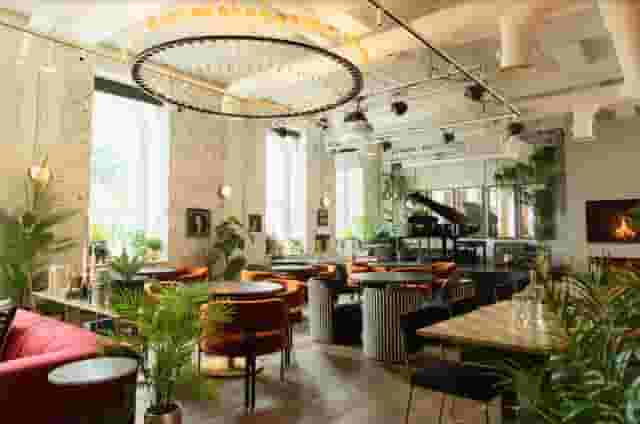
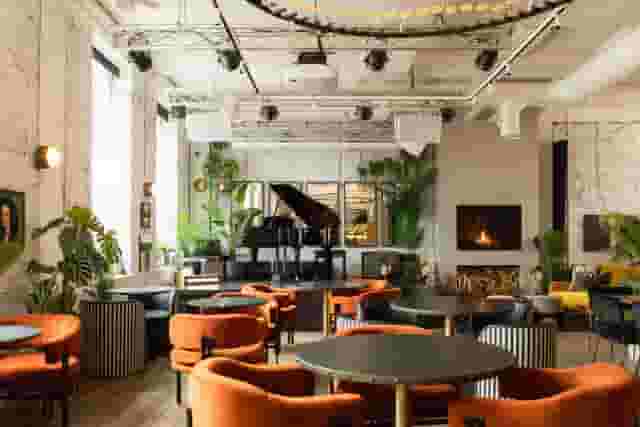
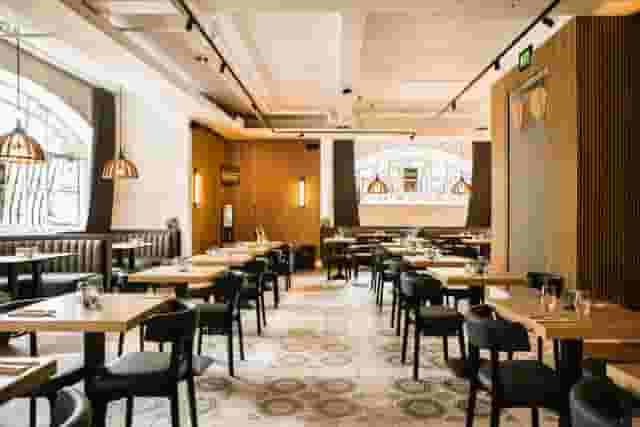
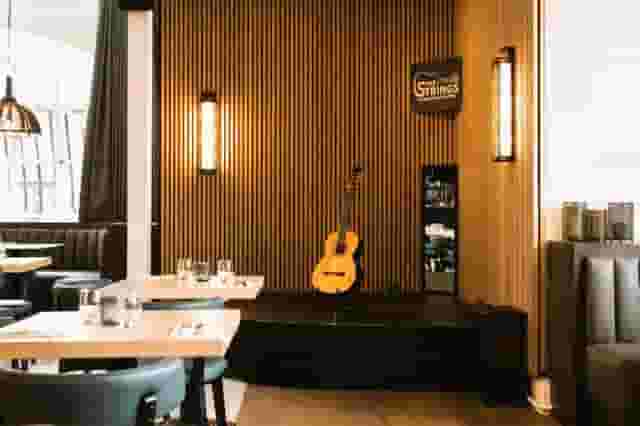
Explore top concert venues in London suitable for 100 guests.
16 Concert in venues in London
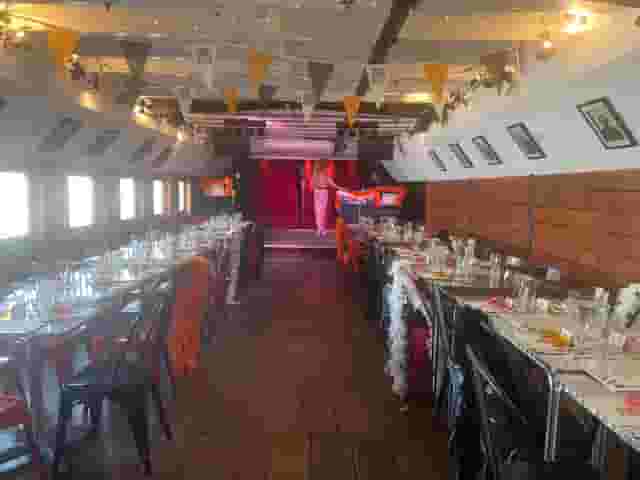

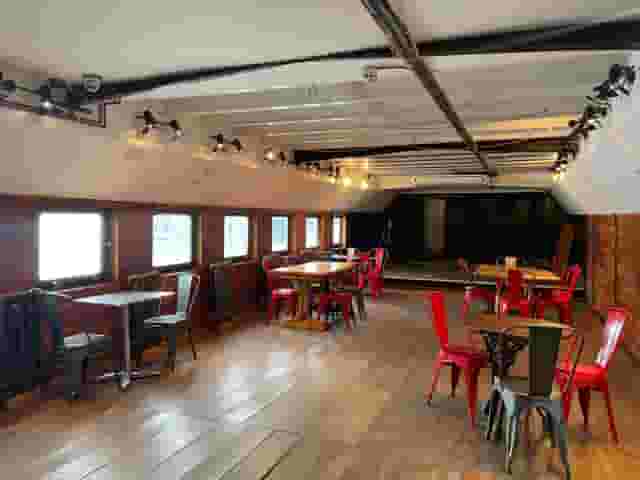
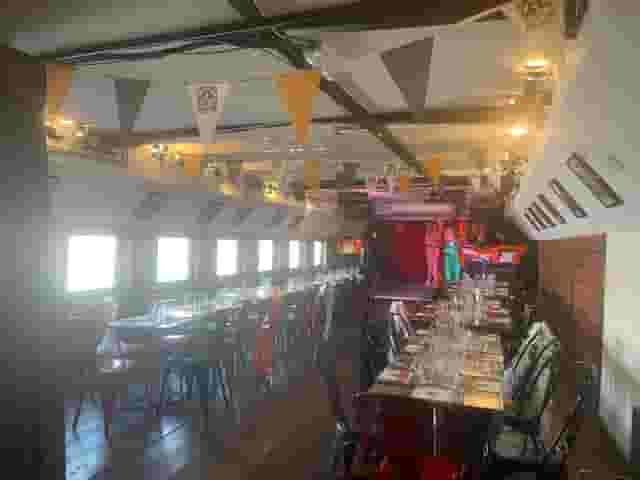




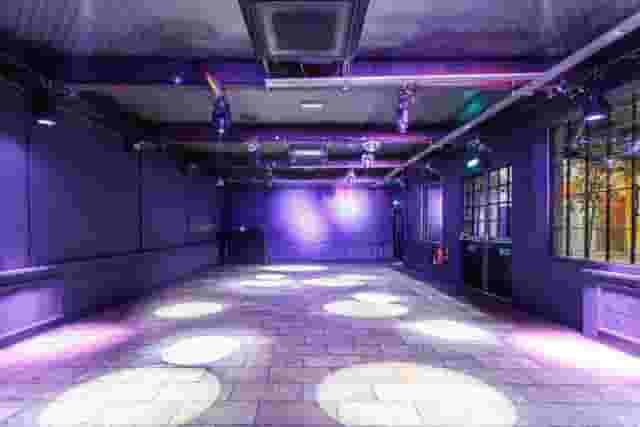























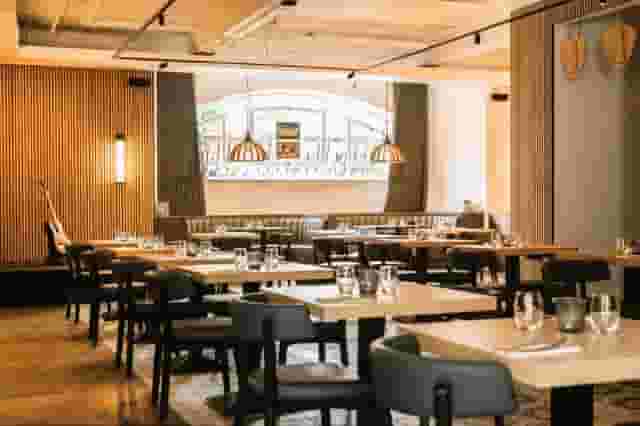
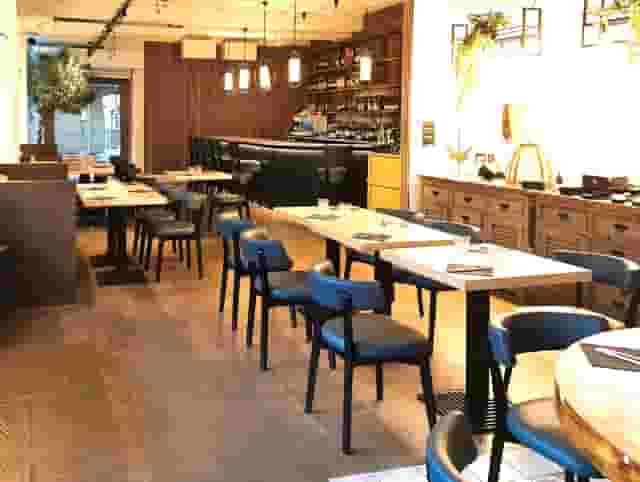
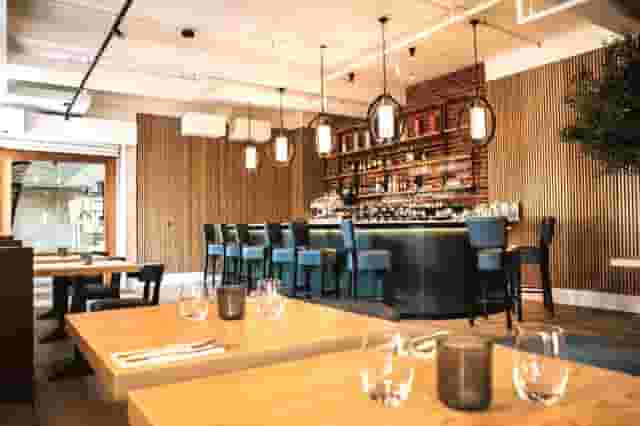
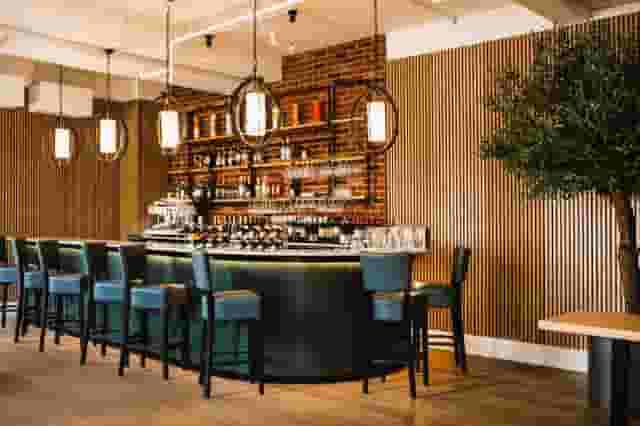
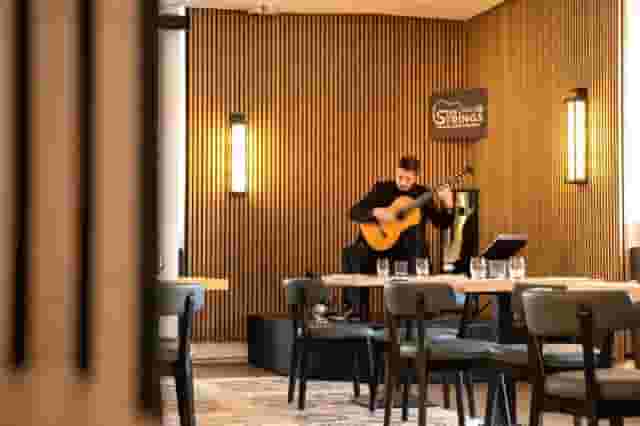
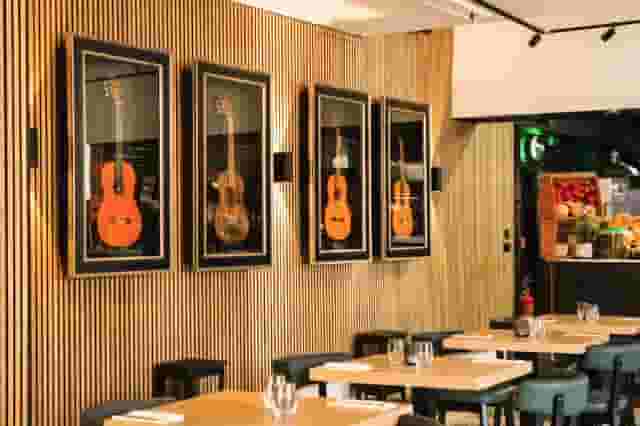
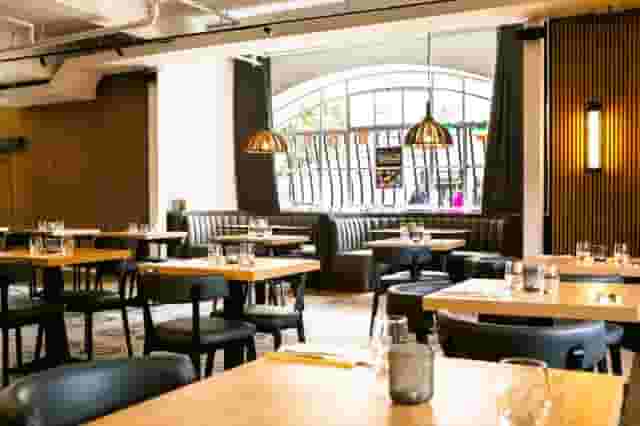
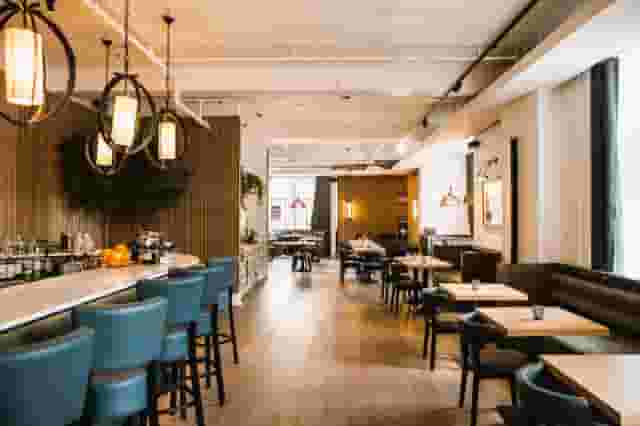









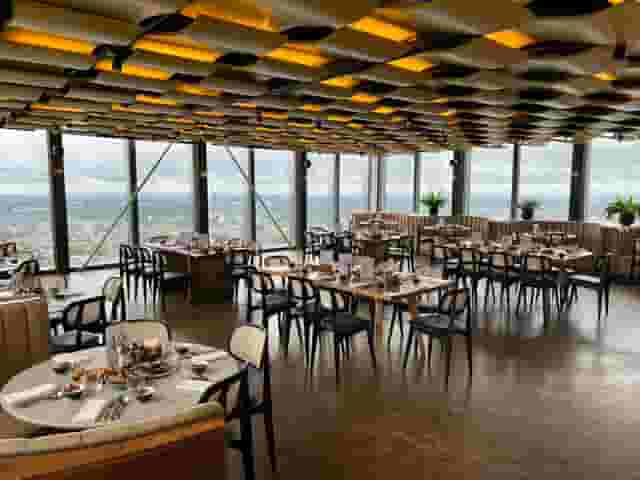
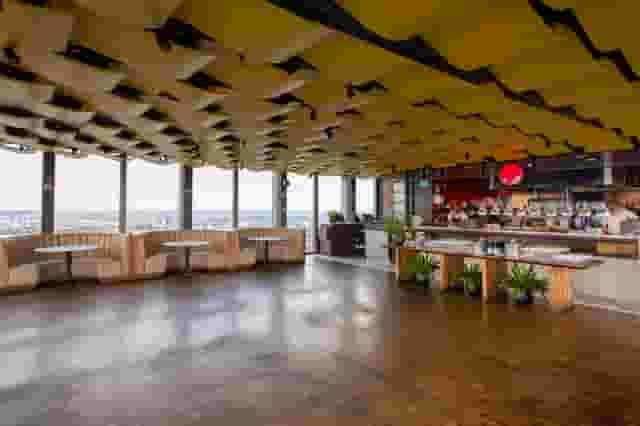

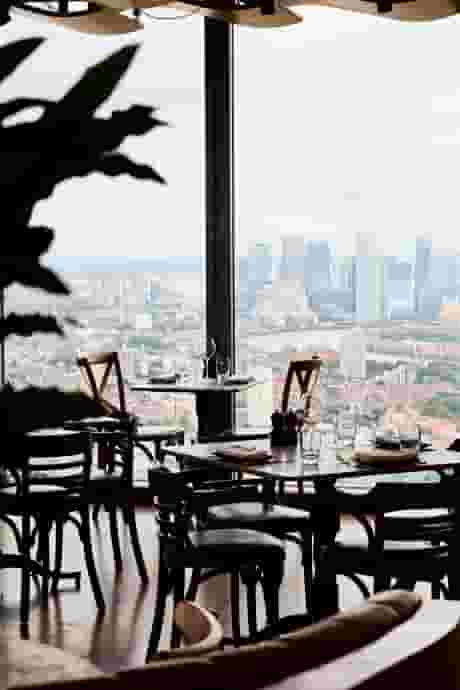





No venues match these filters
Try widening your capacity, luxury level or event type.
Don't have time to search? We'll find it for you.
For business events that need human judgement, talk to our team. Free for events of 100+ people, budgets over £10k or ongoing programmes.


Explore more venues in London
















Other platforms search their database. We search everything.
Tell us what you need. Our deep research finds any venue, whether it's in our marketplace or not. No one else does this.
About Concert in London
Why London's Intimate Concert Venues Are Perfect for 100-Person Events
There's something magical about intimate concert venues that larger spaces simply can't replicate. When you're planning a live music event for around 100 people in London, you're hitting that sweet spot where every guest feels connected to the performance whilst maintaining the energy that makes concerts truly memorable.
We've found that 100-capacity venues offer the perfect balance between intimacy and atmosphere. Unlike massive arenas where half your audience might as well be watching from another postcode, these smaller spaces create genuine connection. Every seat becomes a good seat, and performers can actually make eye contact with their audience – something that transforms the entire experience.
The Technical Advantages of Smaller Concert Spaces
London's intimate concert venues typically range from 100-150 m², which might sound compact, but it's acoustically ideal. The Courtyard Theatre in Hoxton, for instance, demonstrates how proper ceiling heights (minimum 3.5m) and thoughtful acoustic treatment create crystal-clear sound without the echo issues you'd face in larger spaces.
Your technical requirements become much more manageable too. A quality PA system with line array speakers and a 16-channel digital mixing desk will easily fill the space without breaking your budget. We're talking about venues that need three-phase power with 63 amps per phase – substantial enough for professional lighting rigs, but not the industrial-scale requirements of major venues.
Budget Considerations That Actually Make Sense
Here's where intimate venues really shine financially. You're looking at daily hire rates between £500-£1,000 for quality spaces, compared to the £5,000-£15,000 minimum spends you'd face for exclusive venue hire at larger establishments. This pricing structure means you can invest more in the actual performance, better catering, or enhanced production values.
The beauty of 100-person capacity is flexibility in layout too. Theatre-style seating accommodates exactly 100, but you can switch to standing for 120 or create a more relaxed banquet setup for 60 with cabaret tables. This adaptability means one venue can serve multiple event styles – perfect if you're planning a series of concerts or want to offer VIP experiences alongside general admission.
Much like planning corporate days out in London for 100 people, the key is finding venues that offer professional facilities without the intimidation factor of massive spaces. Your next step should be visiting potential venues during similar events to experience the acoustics and atmosphere firsthand.
Essential Technical Requirements Every 100-Capacity Concert Venue Must Have
Getting the technical side right can make or break your concert, and we've seen too many promising events fall flat because organisers underestimated what's actually needed for a quality 100-person show. The good news? The requirements are far more achievable than you might think, and getting them right transforms your event from amateur hour to professional production.
Power and Electrical Infrastructure That Won't Let You Down
Your venue absolutely must have three-phase power with a minimum of 63 amps per phase – this isn't negotiable if you want professional lighting and sound. We've walked into supposedly "concert-ready" venues that only had domestic single-phase supply, which meant choosing between decent lighting or proper sound amplification. Always ask to see the electrical specifications upfront, and if they can't provide them immediately, that's usually a red flag.
Most quality venues will have dedicated power outlets positioned strategically around the performance area. Look for venues with at least six 32-amp outlets – you'll need them for your mixing desk, amplifiers, lighting rig, and backup equipment. The last thing you want is extension leads snaking across your venue floor.
Sound Systems That Actually Fill the Space Properly
Here's where many venues fall short: they'll claim to have a "professional sound system" but what they actually mean is a couple of speakers on stands. For 100 people, you need line array speakers or a properly configured point-source system that can deliver clear audio to every corner without being painfully loud at the front.
Your mixing console should have at least 16 channels – trust us on this. Even a simple acoustic duo will need multiple microphones, and you'll want separate channels for any backing tracks or interval music. Digital desks are preferable because they offer better flexibility and built-in effects processing.
Climate Control That Keeps Everyone Comfortable
This might sound obvious, but 100 people in a confined space generate serious heat, especially when they're dancing or standing close together. Your venue needs HVAC systems capable of maintaining 18-22°C throughout the event. We've seen brilliant performances ruined because the venue became unbearably stuffy within the first hour.
The acoustic treatment is equally crucial – look for venues with proper soundproofing panels and bass traps. Without these, your beautiful intimate concert becomes a noise complaint waiting to happen. Much like choosing venues for team off-sites in North London, the technical infrastructure needs to support your event goals seamlessly.
Before signing any contracts, insist on a technical walkthrough with your sound engineer present. This small investment in time will save you countless headaches later.
Navigating London's Licensing Laws and Venue Regulations for Live Music
The licensing maze for live music in London can feel overwhelming, but here's the reality: most venues that market themselves as "concert-ready" should already have the necessary permissions in place. The trick is knowing exactly what to ask for and understanding where your responsibilities begin and theirs end.
The Premises License: Your Non-Negotiable Starting Point
Every venue hosting live music needs a premises license that specifically covers "regulated entertainment." This isn't just a box-ticking exercise – it determines everything from your maximum capacity to your latest finish time. We always ask to see the actual license document, not just verbal assurances, because the devil's in the detail.
Most 100-capacity venues will have licenses allowing music until 11pm on weekdays and midnight on weekends, but some central London locations have stricter conditions due to residential complaints. Camden Assembly, for example, has different noise restrictions depending on the day of the week. Always check the specific conditions attached to each venue's license – they're legally binding and can't be waived just because your headline act wants an encore.
Noise Restrictions That Actually Matter
London's noise regulations have tightened considerably, and venues for 100 people often face stricter scrutiny than larger establishments because they're frequently in mixed-use buildings. The standard limit is typically 65dB measured at the nearest residential property, but this varies by borough.
Here's an insider tip: ask venues about their relationship with local noise officers. Venues that regularly host live music will have established protocols and often invest in professional sound limiting equipment. If they seem vague about noise management, that's a warning sign.
Your Insurance and Safety Obligations
While the venue handles premises liability, you'll need public liability insurance of at least £5 million for your event. This covers everything from equipment damage to audience injuries. Many venues now require proof of insurance before confirming bookings – it's become as standard as paying your deposit.
Fire safety certificates and emergency evacuation procedures are the venue's responsibility, but you need to understand the capacity limits and ensure your event setup doesn't block emergency exits. We've seen events shut down mid-performance because additional equipment reduced the available exit width below legal requirements.
Much like planning team off-sites in South London, the key is getting all documentation sorted well in advance. Start your licensing conversations at least 8-12 weeks before your event date – this gives you time to address any issues without panic-booking alternative venues at premium rates.
Smart Budgeting Strategies for Booking Concert Venues in London's Competitive Market
The London concert venue market moves fast, and knowing how to navigate pricing can mean the difference between securing your perfect space and watching your budget spiral out of control. We've seen organisers make costly mistakes simply because they didn't understand how venue pricing actually works in practice.
Understanding the Real Cost Structure
Your venue hire is just the starting point – typically £500-£1,000 per day for quality 100-capacity spaces. But here's what catches people out: the additional costs that venues don't always mention upfront. Technical support often adds £200-£400, security requirements can be another £150-£300, and if you need extended setup time, you're looking at additional hourly rates of £50-£100.
The smart approach is requesting a comprehensive quote that includes everything. We always ask venues to break down their "all-in" pricing, including any mandatory add-ons like cleaning fees or equipment insurance. This transparency helps you compare venues properly rather than being surprised by hidden costs later.
Timing Your Booking for Maximum Value
Here's an insider secret: venue pricing fluctuates more than most people realise. Friday and Saturday nights command premium rates, but Thursday evenings often offer 20-30% savings whilst still attracting good audiences. Similarly, venues are often more flexible on pricing during traditionally quieter months like January and February.
Book 8-12 weeks in advance for the best rates, but don't panic if you're working to shorter timelines. Venues sometimes offer last-minute deals to fill gaps in their calendar, especially for weeknight slots. We've secured excellent venues at 40% discounts just three weeks before events.
Negotiation Strategies That Actually Work
Most venue managers have some flexibility, particularly if you're booking multiple dates or can offer guaranteed minimum spends on bar sales. The key is understanding what venues value beyond just the hire fee. Offering to promote the venue to your network, providing professional photography they can use for marketing, or booking during their quieter periods all create negotiating leverage.
Consider package deals too. Many venues offer better rates if you bundle catering, technical support, and extended access times. This approach often works out cheaper than sourcing everything separately, plus it simplifies your logistics considerably.
Much like planning corporate days out in London for 100 people, the key is building relationships with venue managers who understand your needs and budget constraints. Start by visiting venues in person – this personal connection often leads to better deals and more flexible terms than purely online negotiations.
Avoiding Common Pitfalls When Hosting Concerts for 100 People in London
After fifteen years of watching brilliant concerts succeed and promising ones fail spectacularly, we've noticed the same mistakes crop up repeatedly. The frustrating thing is that most of these pitfalls are entirely avoidable with proper planning – and the consequences of getting them wrong can be devastating for both your reputation and your budget.
The Sound Check Disaster That Ruins Everything
Here's the mistake we see most often: organisers book a venue for 7pm start time and expect to do their sound check at 6:30pm. With 100 people filing in, this creates chaos. Professional concerts need at least 2-3 hours for proper sound checking and line testing, especially in intimate venues where every audio imperfection is magnified.
We always recommend booking venue access from 3pm for evening shows. This gives you time to set up properly, test every microphone and instrument, and crucially, check sound levels at different points around the venue. Remember, in a 100-150 m² space, the difference between front row and back row acoustics can be dramatic without proper balancing.
Capacity Miscalculations That Create Safety Issues
The legal capacity might say 100, but that doesn't account for your equipment footprint. A proper stage setup, mixing desk position, and emergency access routes typically reduce your actual audience capacity to around 85-90 people. We've seen venues forced to turn away paying customers because organisers didn't factor in equipment space when selling tickets.
Always do a physical walkthrough with your full equipment list. Measure your stage area, mixing desk position, and any merchandise tables. Most venues are happy to help with this planning – they'd rather avoid overcrowding issues on the night.
The Licensing Time Bomb
Even venues with proper entertainment licenses can have specific conditions that catch you out. Some central London venues have noise restrictions that kick in earlier on certain days, or capacity limits that change based on your event setup. We once saw a brilliant acoustic night shut down at 10pm because the venue's license had different conditions for amplified versus acoustic performances.
Request a copy of the venue's actual premises license at least four weeks before your event. Don't just take their word for operating hours – read the conditions yourself. Much like planning team off-sites in South East London, the devil's in the detail when it comes to compliance requirements.
Your next step should be creating a detailed timeline that includes setup, sound check, doors open, performance, and breakdown times. Share this with your venue manager well in advance – they'll often spot potential issues you've missed and can suggest solutions before they become problems.
What our customers say
Inspiration and planning guides

The Top 5 Community Workshop Venues In London
London is full of grand buildings, impressive architecture and iconic landmarks but there is are also a number of fantastic community centres and event spaces that are underused and in our opinion, under-appreciated. Hire Space began with the idea of promoting and celebrating such venues so without further ado, James Roche brings you five top community workshop spaces for hire in London! The Hall at St James the Less [https://hirespace.com/Venues/443/Camden-City-Learning-Centre?utm_source=The%2

The Top 3 Trending Venues In Soho
From casual pubs to exclusive clubs, Soho is definitely a kingdom for the cool kids. That’s not to say we can’t all enjoy its many wonders – you just need to know where to start. Hire Space’s James Roche is here to help with ‘Three Slamming Soho Spots!’ Avalon Soho According to legend, Avalon was an island paradise to which Arthur was carried after his death. If you ignore the part about the deceased King and forgive the absence of palm trees and coconuts, then you’d have to admit that this p

London's Top 5 Christmas Meals
The kids are all laughing, the gifts have been exchanged, Grandpa’s on to his fifth sherry and singing Jingle Bells in the background – it’s Christmas Day and everyone is having a merry old time. Everyone, that is, but the chef. Organising a festive feast can be exhausting and it’s a fair bet that whoever has been entrusted with this enormous task will spend more time cursing and sweating away than actually enjoying the day as they should. Our gastronomic guide, James Roche is here to help. Here
One supplier. Every venue. Full visibility on what you spend.
Multiple venues and events. One agreement.