3 Modern Conference in venues in City Of London
No venues match these filters
Try widening your capacity, luxury level or event type.
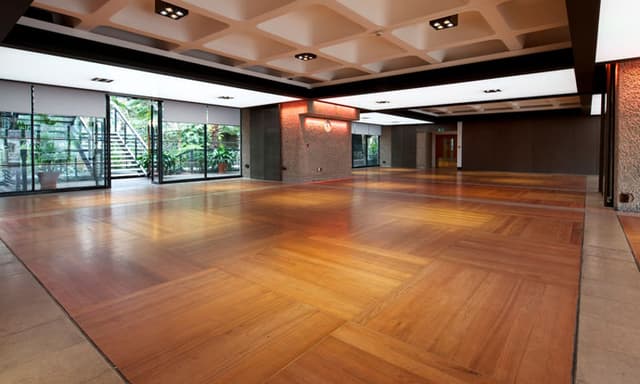
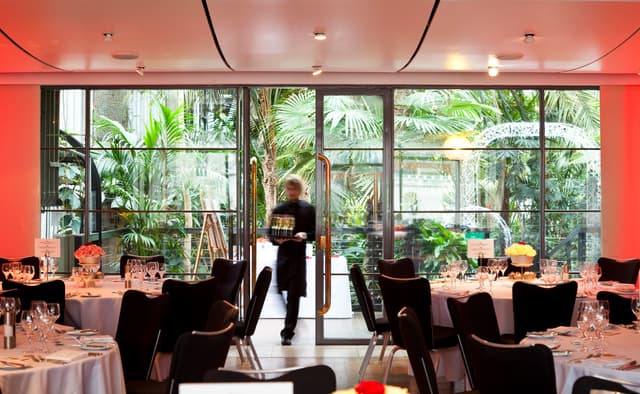
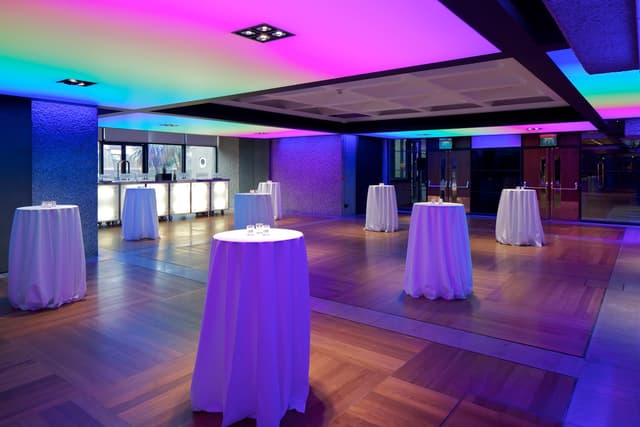
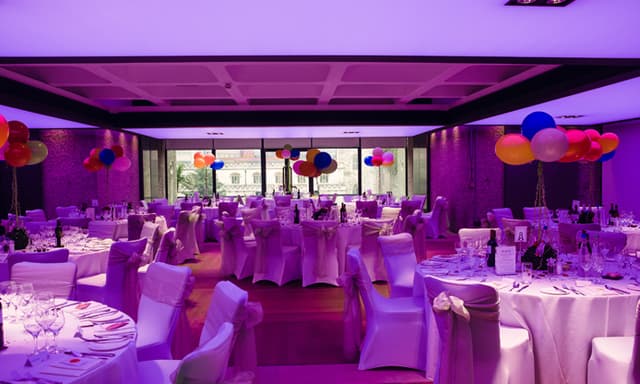
Explore modern conference venues in the City of London for 200 people, featuring state-of-the-art facilities.
No venues match these filters
Try widening your capacity, luxury level or event type.
For business events that need human judgement, talk to our team. Free for 100 person+ events organised by businesses.






Tell us what you need. Our deep research finds any venue, whether it's in our marketplace or not. No one else does this.
When you're planning a 200-person conference, the City of London offers something truly special that you won't find elsewhere in the capital. We've seen countless events transform from good to exceptional simply because organisers chose the right venue in the Square Mile, and there's solid reasoning behind this success.
The financial district's modern conference venues are purpose-built for exactly your delegate count. Most spaces here range from 180-375 m², which means you're not rattling around in an oversized ballroom or cramming people into something too intimate. Take venues like Convene 200 Aldersgate – their 376 m² space handles 200 delegates perfectly in theatre style, with room to breathe and network naturally.
The magic happens in the details. These venues typically feature 3.5-4.5m ceiling heights, which might sound technical, but it transforms the delegate experience. You can accommodate proper staging, lighting rigs, and AV equipment without that claustrophobic feeling that kills engagement. We've noticed delegates stay more alert and participate more actively in these well-proportioned spaces.
The technology infrastructure is where City venues really shine. Most offer dedicated 100 Mbps fibre connections (scalable to 1 Gbps), which is crucial when you're running hybrid events or live-streaming presentations. The 3-phase power supply handles everything from LED walls to catering equipment without those embarrassing power cuts that can derail your agenda.
Let's talk numbers honestly. Day rates for 200-person modern conference venues in the City typically range from £4,000-£8,000, with premium spaces like those near Bank or Moorgate commanding the higher end. Hourly rates run £135-£900, depending on the venue's prestige and included services.
The proximity factor is invaluable for corporate events. Your delegates from Goldman Sachs, Deloitte, or the major law firms can literally walk to your venue. We've seen attendance rates improve by 15-20% simply because venues are accessible via Liverpool Street or Bank stations, with those crucial last trains running until midnight.
For comparison, similar venues in Clerkenwell or Fitzrovia might offer more character, but they lack the City's unmatched transport links and corporate gravitas.
Your next step? Book venue viewings for Tuesday-Thursday slots when you can experience the space during peak business hours – it'll give you the clearest picture of how your event will actually feel.
After organising hundreds of conferences in the Square Mile, we've learned that successful venue booking isn't about finding the perfect space – it's about following a systematic approach that prevents costly mistakes. Here's the exact process we use for every 200-person event.
Start your venue search 12-16 weeks before your event date. The City's premium venues get booked solid during peak conference season (April-June and September-November), and you'll pay 20-30% more if you're scrambling last-minute. We always tell clients to have three preferred dates ready – flexibility here can save you thousands.
Submit your Temporary Event Notice (TEN) at least 10 days before your event. This licensing requirement catches many organisers off-guard, especially when planning evening receptions that extend beyond standard hours.
Don't just ask "do you have AV?" – be specific. For 200 delegates, you need 4K projection capability, wireless microphone systems with at least 8 channels, and that crucial 100 Mbps dedicated internet connection. We've seen too many hybrid events fail because venues promised "high-speed WiFi" that couldn't handle 50 simultaneous video calls.
Request a detailed technical specification sheet and insist on a site visit with your AV supplier. The best modern conference venues in Barbican will welcome this scrutiny – it shows they're confident in their infrastructure.
Here's where many planners get caught out. That £6,000 day rate is just the starting point. Factor in:
Visit your shortlisted venues between 8-9am on a Tuesday or Wednesday. Experience the morning rush at Liverpool Street or Bank stations firsthand. Check if there's adequate drop-off space for speakers arriving by taxi – this seemingly minor detail can make or break your event flow.
Always have a Plan B venue on standby until contracts are signed. The City's corporate calendar is unpredictable, and we've seen venues get double-booked or suddenly become unavailable due to building maintenance.
Consider venues in nearby Tower Hill or London Bridge as alternatives – they offer similar transport links with potentially more availability.
Your next move? Create a venue comparison spreadsheet with these five criteria as your columns, then start making those site visits.
Let's be brutally honest about conference costs in the City – because nothing derails an event faster than budget surprises hitting three weeks before your conference date. After years of helping clients navigate these waters, we've seen the same costly mistakes repeated time and again.
The headline figure you'll see advertised – typically £4,000-£8,000 for a day's venue hire – represents roughly 40% of your total event spend. That remaining 60%? That's where the real planning happens, and where inexperienced organisers get caught out.
Here's what a typical City conference actually costs, based on our recent bookings:
| Cost Category | Budget Range | Key Considerations |
|---|---|---|
| Venue hire | £4,000-£8,000 | Peak season adds 25-30% |
| AV & technical | £2,500-£5,000 | 4K projection, wireless mics, streaming setup |
| Catering (DDR) | £11,000-£24,000 | £55-£120 per delegate depending on venue tier |
| Additional services | £2,000-£4,000 | Security, extra cleaning, overtime |
| Total realistic budget | £19,500-£41,000 | Plus 10% contingency |
The catering costs often shock first-time City planners. Premium venues near Bank command £120+ per delegate for their day delegate rate, whilst more accessible options might start around £55. But here's the insider tip: negotiate package deals that bundle venue, basic AV, and catering – you'll typically save 15-20% versus booking separately.
Overtime charges are the biggest budget killer. Most venues charge £200-£400 per hour if you overrun, and City venues are strict about this due to noise restrictions after 11 PM near residential areas like the Barbican Estate. Build 30 minutes of buffer time into your schedule.
Power upgrades for large LED screens or extensive lighting rigs can add £500-£1,500 to your bill. Always discuss your technical requirements during initial venue conversations – not the week before your event.
Parking becomes expensive quickly. NCP Barbican charges £12 per hour, so budget £40-£60 per VIP speaker if they're driving in. Many organisers forget this until their keynote speaker calls asking about parking arrangements.
Book during off-peak periods (January-February) and you'll save 20-25% on venue rates. Consider modern conference venues in Clerkenwell or Covent Garden – they offer similar modern facilities with potentially more flexible pricing.
For multi-day events, negotiate hard on the second and third days. Venues prefer guaranteed bookings and will often discount significantly for longer commitments.
Your next step? Request detailed cost breakdowns from three venues, including all potential extras. This transparency exercise will reveal which venues are genuinely competitive versus those loading costs into hidden fees.
The difference between a conference that delegates remember fondly and one they endure comes down to three critical elements: getting your technology right, optimising your room layout, and nailing the logistics flow. We've watched brilliant content fall flat because organisers overlooked these fundamentals, and conversely, seen average presentations elevated by smart venue management.
Your AV requirements scale dramatically once you hit 200 people. You're no longer dealing with a simple projector setup – you need professional-grade systems that can handle the complexity. Insist on 4K projection with screens at least 18 feet wide, positioned so delegates in the back third of your theatre layout can read slide text clearly. We've learned this the hard way when feedback forms consistently mention "couldn't see the slides" from events where organisers skimped on screen size.
For hybrid events – and let's face it, most conferences now have some virtual element – your internet bandwidth becomes mission-critical. That 100 Mbps dedicated connection we mentioned earlier? It's not negotiable. We've seen events with 50+ remote attendees grind to a halt because venues oversold their "high-speed" WiFi capacity.
Sound systems need particular attention in City venues. The 32+ channel digital mixing desks found in premium spaces like those near Moorgate allow for proper audio zoning – crucial when you're running breakout sessions or managing Q&A segments with wireless microphones.
Theatre-style seating works for 200 delegates, but the devil's in the details. Maintain 90cm between rows – any tighter and people feel trapped, any wider and you lose that sense of collective energy. We always recommend a centre aisle plus two side aisles for smooth delegate flow during breaks.
For networking segments, plan your furniture transitions carefully. The best venues offer modular setups that can shift from theatre to cabaret rounds within 30 minutes. This flexibility transforms your event dynamic – we've seen networking quality improve dramatically when delegates can sit in groups of 8-10 rather than standing awkwardly with drinks.
Registration flow makes or breaks your opening impression. Position check-in stations to avoid bottlenecks at venue entrances – particularly important in City venues where street access can be limited. Digital check-in systems with QR codes reduce queuing time by 60%, but always have manual backup for the inevitable tech hiccups.
Consider venues in Westminster or Belgravia if your delegate profile includes government or policy stakeholders – the location adds gravitas and simplifies their travel logistics.
Your next move? Create a detailed run-of-show document that includes tech cues, layout transitions, and logistics timing. Share this with your venue team at least two weeks before your event – it's the difference between smooth execution and crisis management on the day.
After watching hundreds of conferences unfold in the Square Mile, we've noticed the same avoidable mistakes crop up repeatedly – often costing organisers thousands in last-minute fixes or, worse, damaging their professional reputation. The good news? These pitfalls are entirely preventable once you know what to watch for.
The biggest mistake we see is booking venues based solely on brochures and virtual tours. That stunning 300 m² space might look perfect for your 200 delegates, but if it's a long, narrow room, your theatre layout becomes a nightmare. Delegates at the sides can't see screens properly, and the acoustics create dead zones where speakers sound muffled.
Always insist on measuring the room's width-to-length ratio during site visits. For 200-person theatre setups, you want roughly a 2:3 ratio – anything narrower creates sightline issues that no amount of expensive AV can fix. We learned this lesson painfully at a fintech conference where 40% of delegates complained about visibility despite having premium projection equipment.
Here's a costly oversight: assuming your venue's catering facilities can handle 200 hot meals simultaneously. Many City venues subcontract catering and lack adequate warming facilities for large groups. The result? Cold food served over 45 minutes, killing your networking energy and running your afternoon sessions late.
Ask specifically about kitchen capacity and service timing. Premium venues should serve 200 delegates within 20 minutes maximum. If they can't guarantee this, consider venues with proven track records like those in Tower Hill or London Bridge, where hotel-standard catering operations are the norm.
We've seen brilliant conferences undermined by poor transport planning. Booking a 9 AM start when your venue is a 15-minute walk from Liverpool Street during rush hour? You'll have delegates trickling in until 9:30 AM, disrupting your opening keynote and creating a scattered, unprofessional atmosphere.
Factor in realistic journey times from major stations. Bank and Moorgate offer the best connectivity, but even then, allow 10-15 minutes walking time during peak hours. Consider venues near Euston if many delegates are travelling from the North – it can save 30 minutes on their journey.
The most expensive mistake? Not reading cancellation clauses carefully. City venues typically require 60 days' notice for full refunds, but many organisers assume standard 30-day terms. We've seen clients lose £15,000+ when corporate restructures forced event cancellations at short notice.
Your next step? Create a venue evaluation checklist covering room dimensions, catering capacity, transport timing, and contract terms. Use this for every site visit – it'll save you from these costly oversights that can derail even the best-planned conferences.
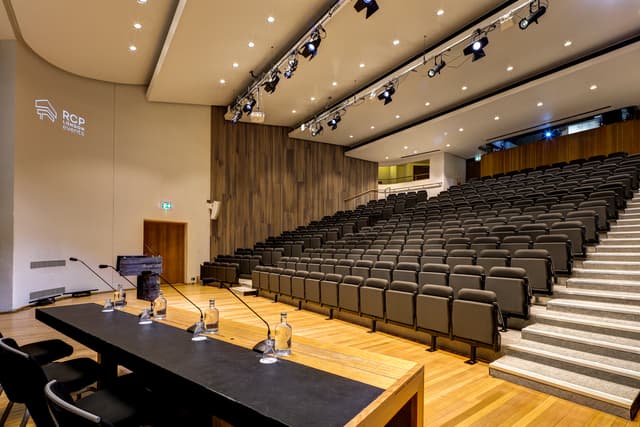
Discover 5 standout London, UK conference venues with outside space. Compare capacities, amenities and layouts for summer conferences, outdoor networking and fresh-air breakouts. Plan your next corporate event with ease.

On a blustery winter's day in January 1649, the deposed King Charles I was beheaded by the victorious rebels of the Civil War. And the bloody execution took place just outside of our Unique Venue of the Month. Not many venues can claim to be of such historical significance, but Banqueting House [https://hirespace.com/Spaces/London/42821/Banqueting-House/Main-Hall/Weddings] – the only remaining part of the Palace of Whitehall, where English monarchs used to reside – played a major part in Briti

Located in the heart of the City, Salters’ Hall combines the rich heritage of the salt trade of medieval London with contemporary surroundings. Rebuilt in 1972 by Basil Spence and now a Grade II listed building, it is a rare example of a post-war livery building and has remained largely untouched until now... Architects de Metz Forbes Knight [http://www.dmfk.co.uk/projects/load/salters-hall] (dMFK) were tasked with the project to upgrade the building whilst retaining its sense of history and al
Multiple venues and events. One agreement.


