8 Meeting Rooms in venues in City Of London

No venues match these filters
Try widening your capacity, luxury level or event type.
Explore top meeting rooms in the City of London for 200 people.
No venues match these filters
Try widening your capacity, luxury level or event type.
For business events that need human judgement, talk to our team. Free for 100 person+ events organised by businesses.





Tell us what you need. Our deep research finds any venue, whether it's in our marketplace or not. No one else does this.
When you're tasked with finding the perfect meeting room for 200 people, there's honestly nowhere quite like the City of London. After organising countless large-scale corporate events here, I can tell you that this square mile offers something truly special – and the numbers back it up.
The financial district's unique positioning means you're not just booking a room; you're securing access to the UK's most influential business network. With major banks, law firms, and consultancies all within walking distance, your attendees can easily combine meetings with client visits or follow-up discussions. We've seen this proximity drive attendance rates up by 15-20% compared to venues in outer zones.
What sets City venues apart is their technical sophistication. Most Meeting Spaces in City of London are purpose-built for corporate use, featuring the 32 AMP power supplies and 100+ Mbps internet speeds that 200-person hybrid events demand. You'll find rooms ranging from 150-165m² with proper acoustic treatment – crucial when you're managing that many voices and potential distractions.
The transport links are genuinely game-changing. Liverpool Street and Bank stations put you within 15 minutes of Canary Wharf and 30 minutes of Heathrow via the Elizabeth Line. For international attendees, this connectivity is worth its weight in gold – and often justifies the premium pricing.
Let's talk numbers honestly. You're looking at £4,000-£8,000 per day for quality 200-person meeting rooms in the City, with premium venues reaching £10,000+. Yes, it's a significant investment, but consider this: the average delegate day rate here runs £55-£120+ depending on the venue tier, which often includes AV, catering, and technical support that would cost thousands separately elsewhere.
The key is booking during off-peak periods (January-February) when rates can drop by 20-30%. We've secured fantastic deals for clients by being flexible with dates and leveraging relationships with venues like those featured in our guide to The 5 Most Inspiring Meeting Rooms In London.
Your next step? Start your search 3-4 months ahead for peak season bookings, and always request a site visit. The City's venues vary dramatically in character, from historic Guildhall spaces to ultra-modern facilities, and seeing them firsthand will help you match the environment to your meeting's objectives.
Planning a 200-person meeting isn't just about finding a big room – it's about orchestrating a complex logistical dance that can make or break your event. After years of managing these large-scale gatherings, I've developed a blueprint that consistently delivers results, and I'm sharing the essentials that separate successful events from costly disasters.
Your venue needs a minimum 150m² for comfortable theatre-style seating, but here's what most planners miss: you need an additional 15-25m² of storage space for registration materials, catering staging, and AV equipment. The ceiling height matters more than you'd think – anything under 3.5m feels oppressive with 200 people, and you'll struggle with proper AV rigging.
I always insist on venues with individual climate control. Trust me, managing temperature for 200 bodies in a confined space is crucial – we aim for 20-22°C, but you'll need systems that can adjust quickly as occupancy builds throughout the day.
Power supply is where many events fail spectacularly. You need minimum 32 AMP circuits with multiple 13 AMP sockets distributed every 3-5 metres. I've seen £50,000 conferences grind to a halt because someone assumed standard office power would suffice for professional AV equipment.
Internet bandwidth is equally critical – 100 Mbps symmetrical is your baseline, but scale to 500+ Mbps if you're streaming or running hybrid sessions. The Small Meeting Rooms in Liverpool Street area often have excellent connectivity due to the financial district's infrastructure demands.
Book your venue 3-4 months ahead, but start your technical planning 6-8 weeks out. You'll need minimum 4 hours for setup and breakdown – more if you're incorporating complex branding or staging. Factor in Temporary Event Notices (TENs) if serving alcohol, submitted at least 10 days prior.
Here's an insider tip: always negotiate a pre-event site visit with your AV team. The difference between a room that looks perfect on paper and one that actually works for 200 people can be dramatic. Check sightlines from the back row, test acoustics with background noise, and verify that emergency exits won't create bottlenecks.
Your next move should be creating a detailed floor plan with your venue coordinator, marking power points, screen positions, and traffic flow patterns. This single document will save you hours of stress on event day and ensure your 200 attendees have the professional experience they expect.
Getting 200 people to the right place at the right time in the City of London requires military-level precision, but the rewards are worth it. The transport infrastructure here is genuinely world-class, though you need to understand its rhythms to avoid the pitfalls that can derail even the best-planned events.
Liverpool Street and Bank stations are your golden tickets – they handle over 500,000 passengers daily, so your 200 attendees won't strain the system. However, timing is everything. The morning rush (8:00-9:30am) can add 15-20 minutes to journey times, while the evening peak (5:00-6:30pm) creates similar delays. I always schedule large meetings to start at 10:00am or 2:00pm to avoid these bottlenecks.
For international attendees, the Elizabeth Line connection to Heathrow is a game-changer – 30 minutes door-to-door from Terminal 5. But here's what most planners miss: the last trains run around midnight, with Night Tube services limited. If you're planning evening networking, factor in taxi costs of £40-60 to central hotels, or consider venues near Meeting Rooms in Westminster for better late-night transport links.
Forget about finding 200 parking spaces – it's not happening. Instead, negotiate group rates with NCP Car Park London Barbican at £40 per day for pre-booked spaces. We typically secure 20-30 spaces for senior executives and international visitors, while encouraging public transport for everyone else.
The smart move is partnering with venues that offer valet parking services. Some premium City locations can arrange this for £60-80 per vehicle, which sounds expensive until you factor in the time saved and professional impression created.
The City's digital backbone is exceptional – most venues offer dedicated fibre connections with 500+ Mbps speeds. This matters enormously for 200-person hybrid events where you might have 50+ people joining remotely. The Small Meeting Rooms in Barbican area particularly excels here, benefiting from the financial district's infrastructure investments.
Power distribution becomes critical at this scale. Insist on venues with underfloor power access every 3-5 metres – you'll need multiple charging stations, AV equipment, and registration technology running simultaneously. I've learned to always request a power audit during site visits, checking actual amp capacity rather than trusting specifications.
Your next step should be creating a detailed arrival schedule, staggering attendee arrival times across 30-45 minutes to prevent lobby congestion. Share specific transport instructions including platform numbers and walking routes – these small details make the difference between a smooth start and chaos.
The sticker shock is real when you first see quotes for 200-person meeting rooms in the City – £4,000-£8,000 per day feels eye-watering until you understand what you're actually buying. After negotiating hundreds of these deals, I've cracked the code on getting exceptional value without compromising on quality, and the savings can be substantial.
Most venues quote room hire separately from essentials, which is where budgets explode. That £5,000 daily rate suddenly becomes £12,000 when you add professional AV (£2,500), catering for 200 (£3,500), and technical support (£1,000). The smart play is requesting all-inclusive packages upfront – venues often discount bundled services by 15-20% to secure the booking.
Here's an insider secret: venues with in-house catering teams offer better value than those requiring external suppliers. The markup on external catering can reach 40%, while in-house teams typically add 20-25%. This alone can save £800-1,200 on a 200-person event.
January and February are golden months – demand drops 30-40% after the Christmas rush, and venues are hungry for bookings. I've secured premium City locations for £3,200 per day that would cost £6,500 in October. Tuesday-Thursday bookings command premium rates, but Monday and Friday can offer 20% discounts, especially for venues targeting the corporate market.
The 48-hour rule works brilliantly for flexible planners. Venues often have last-minute cancellations and will offer significant discounts rather than lose the revenue entirely. I've seen 40% reductions for bookings made within two days, though this obviously requires backup options.
Multi-day bookings unlock serious discounts – venues prefer guaranteed occupancy over single-day events. A three-day conference might cost £18,000 instead of £24,000 for individual daily rates. Similarly, repeat business relationships can reduce costs by 10-15% annually.
Consider venues in emerging areas like those featured in Meeting Rooms in Clerkenwell – you'll get 90% of the City's prestige at 70% of the cost. The transport links are excellent, and your budget stretches significantly further.
Payment terms matter more than most realise. Offering to pay 50% upfront instead of the standard 25% can unlock 5-8% discounts, while annual payment schedules for regular events can reduce costs further.
Your next move should be requesting quotes from 4-5 venues simultaneously, being transparent about your comparison shopping. Venues will often match or beat competitors' pricing to secure large bookings, especially during quieter periods.
I've watched brilliant event planners make catastrophic mistakes that turned £8,000 budgets into £15,000 disasters, and the worst part is that every single one was completely avoidable. After managing hundreds of large-scale meetings in the City, I've identified the seven costliest errors that consistently catch even experienced professionals off guard.
The biggest mistake? Assuming "fully equipped meeting room" means broadcast-quality AV for 200 people. Standard venue AV is designed for 20-30 attendees – scale that to 200 and you'll need professional sound systems, multiple screens, and wireless microphone arrays that venues charge £2,500-4,000 extra. Always request detailed AV specifications during initial enquiries, not after you've signed contracts.
I learned this the hard way when a client's quarterly review needed last-minute streaming capabilities. The venue's "included" AV couldn't handle hybrid functionality, and emergency equipment rental cost £3,800 for a single day.
Here's what venues don't tell you: their quoted catering assumes 80% attendance and standard dietary requirements. With 200 confirmed attendees, you'll actually need catering for 220-230 people to account for last-minute additions and dietary alternatives. Vegetarian, vegan, and allergen-free options often cost 20-30% more per head, turning a £35 per person lunch into £45+ when properly calculated.
The smart move is building 15% contingency into catering numbers from day one. It's cheaper than emergency additions at £60+ per head on event day.
Serving alcohol to 200 people requires Temporary Event Notices (TENs) submitted 10 days minimum before your event. Miss this deadline and you're facing a completely dry event or emergency licensing fees of £500-1,200. Even worse, some City venues have noise restrictions after 11pm that can shut down networking sessions without proper permits.
Most planners book 4-hour setup windows for 200-person events, but complex AV rigging, registration systems, and branding installation actually needs 6-8 hours. Venues charge overtime at 150-200% of standard rates, turning a £6,000 room hire into £9,000+ with extended access fees.
The venues featured in 6 Exquisite Meeting Spots in London often offer more flexible setup arrangements, but you need to negotiate these upfront.
Standard venue insurance doesn't cover your event content, equipment, or delegate liability. Professional event insurance costs £200-400 but protects against claims that could reach £50,000+ if someone's injured or equipment's damaged. Some Meeting Rooms in Victoria require specific coverage levels that must be arranged weeks in advance.
Your next step should be creating a comprehensive checklist covering AV specifications, catering calculations, licensing requirements, setup timelines, and insurance coverage before requesting any venue quotes. This single document will save you thousands and prevent the stress of last-minute crisis management.
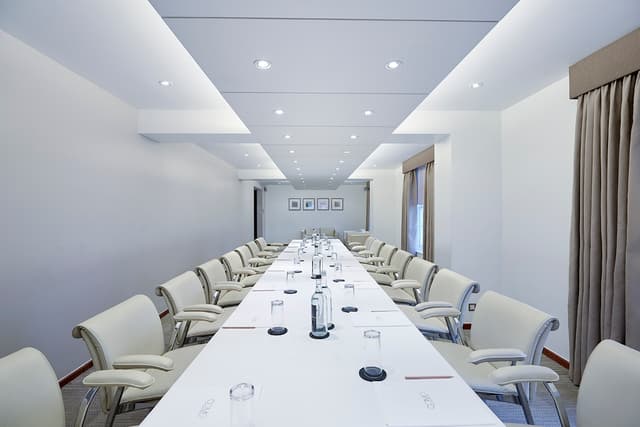
Looking for the coolest meeting rooms in London? From stylish interiors to unique settings, here are 8 venues that will definitely elevate your next meeting!

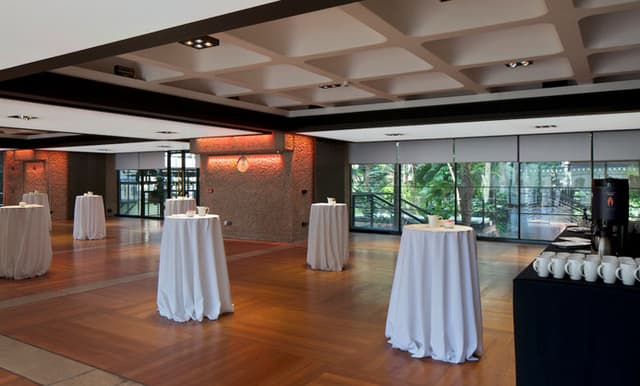
Located in the heart of the City, Salters’ Hall combines the rich heritage of the salt trade of medieval London with contemporary surroundings. Rebuilt in 1972 by Basil Spence and now a Grade II listed building, it is a rare example of a post-war livery building and has remained largely untouched until now... Architects de Metz Forbes Knight [http://www.dmfk.co.uk/projects/load/salters-hall] (dMFK) were tasked with the project to upgrade the building whilst retaining its sense of history and al

Creative ventures across the artistic spectrum are accommodated and embraced at Anomalous Space [https://hirespace.com/Venues/London/1551/Anomalous-Space], situated stunningly close to Angel Station on Pentonville Road. The venue's name captures its uniqueness, in that it deviates from the standard, unoriginal function space that's all too common. Anomalous Space combines the most contemporary of technological facilities with Art-Deco features, all set within an authentic Georgian townhouse.
Multiple venues and events. One agreement.


