9 Unique Conference in venues in Central London
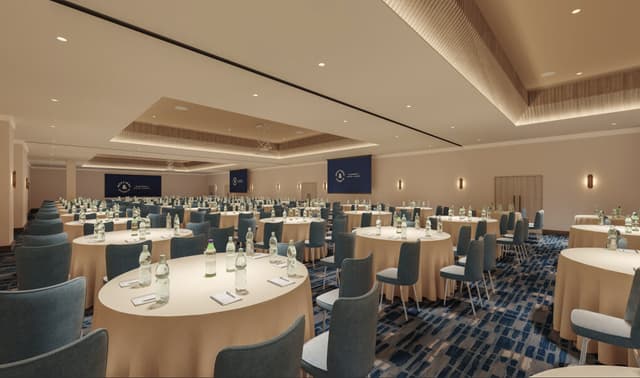
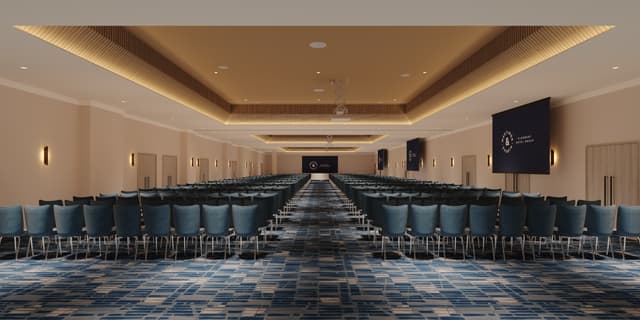
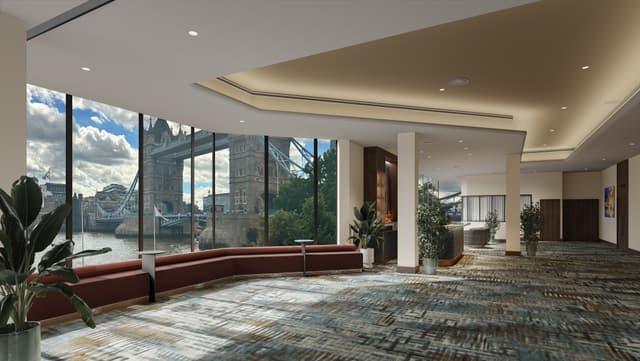
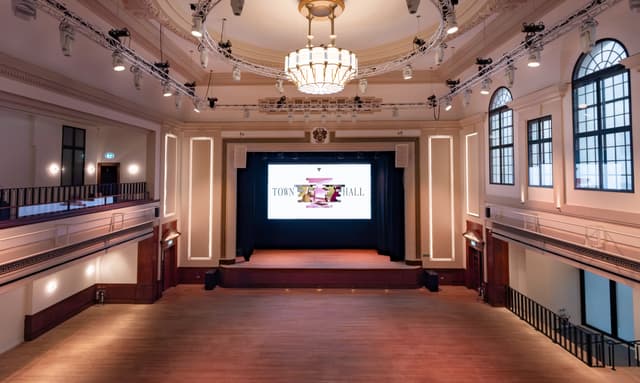
No venues match these filters
Try widening your capacity, luxury level or event type.
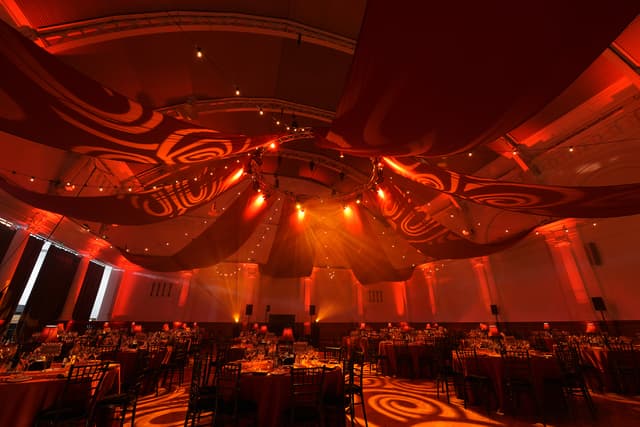
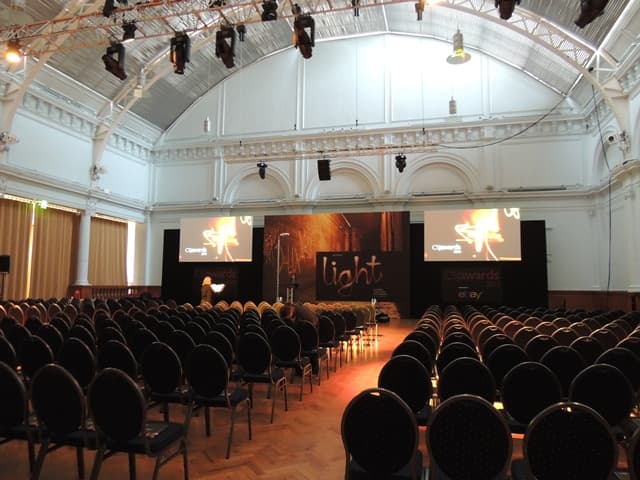
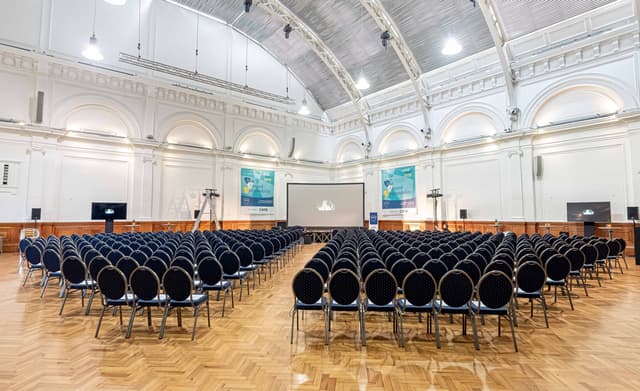
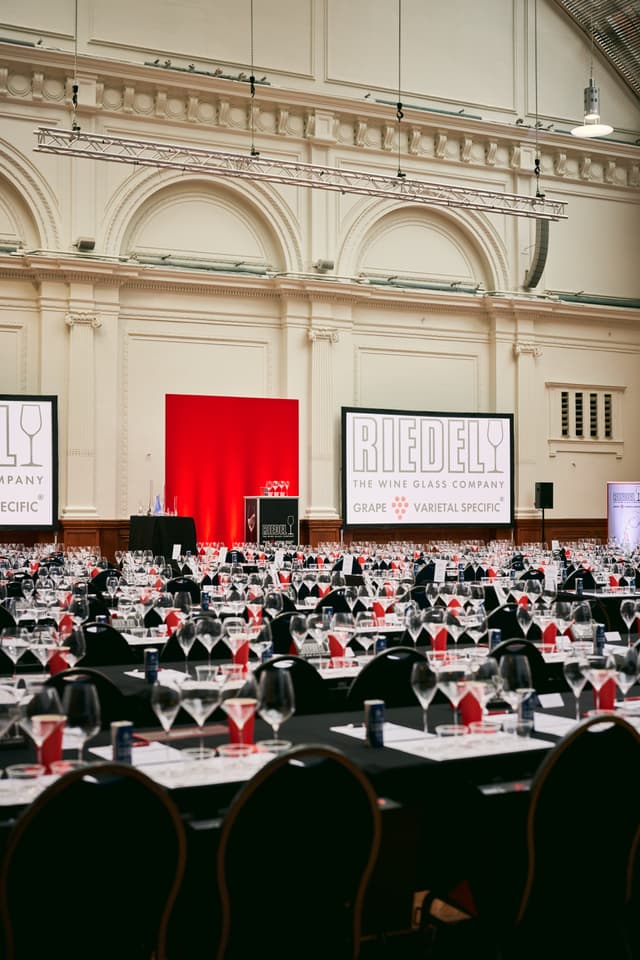
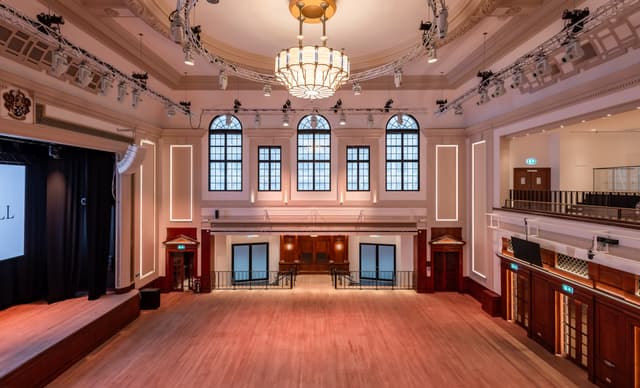
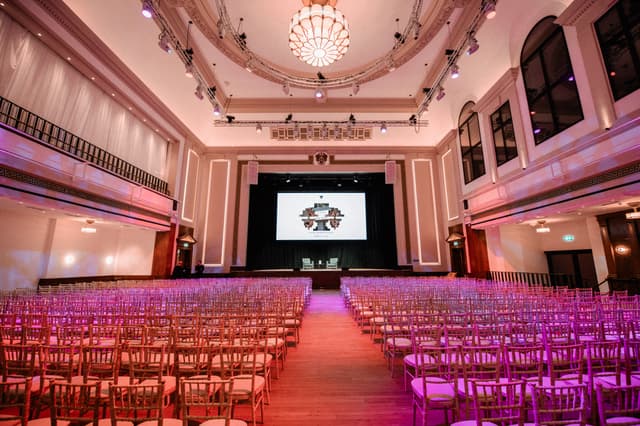
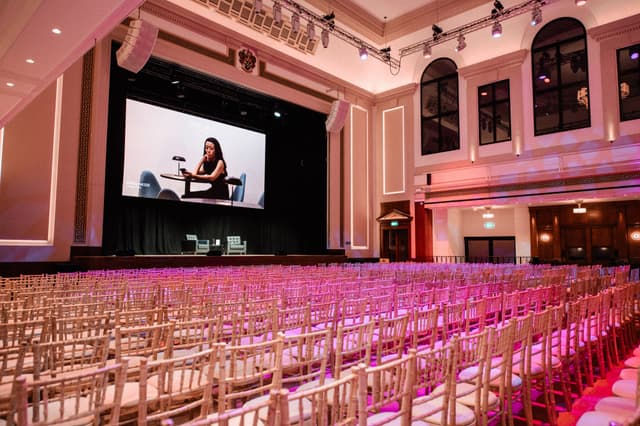
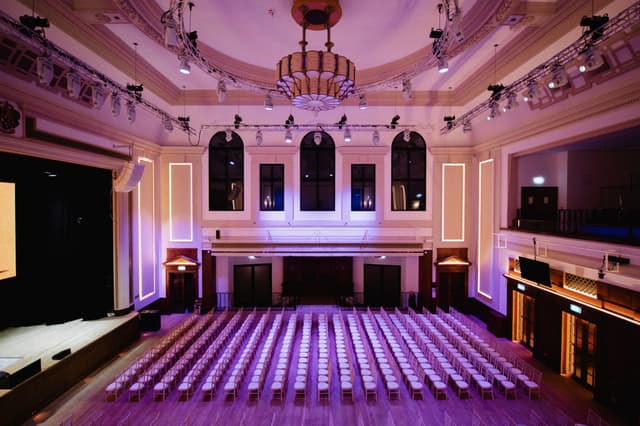
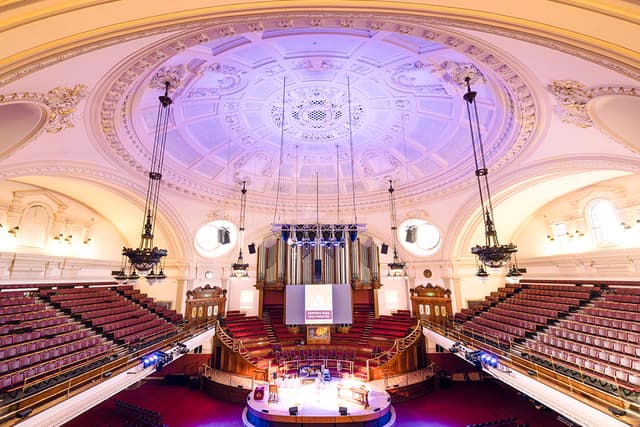
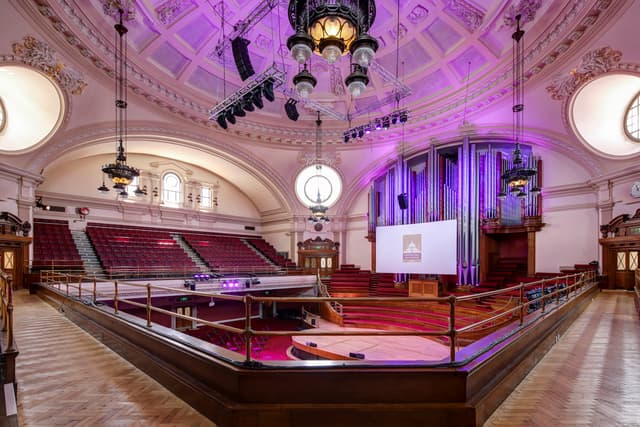
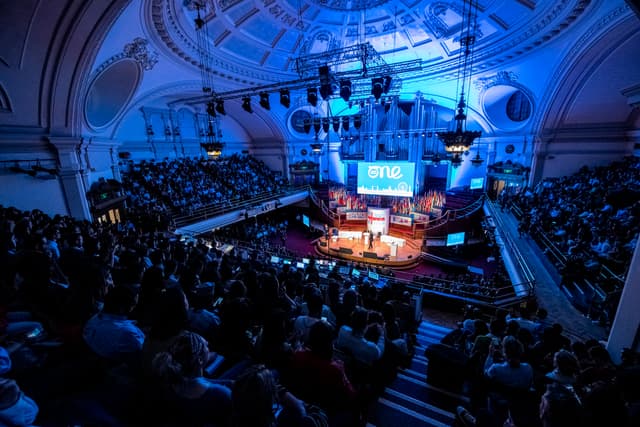
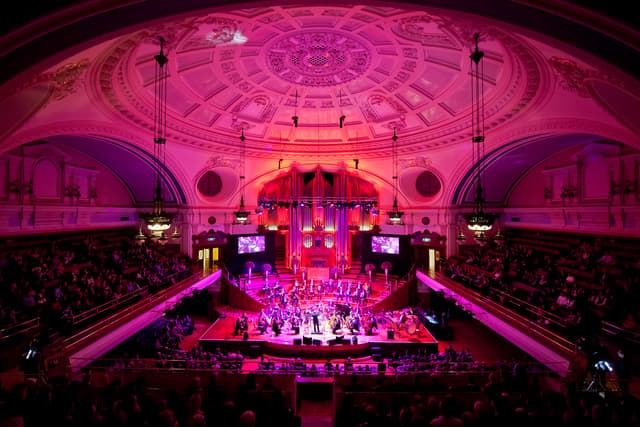
Explore unique conference venues in Central London suitable for 300 people on Hire Space.
No venues match these filters
Try widening your capacity, luxury level or event type.
For business events that need human judgement, talk to our team. Free for 100 person+ events organised by businesses.


Tell us what you need. Our deep research finds any venue, whether it's in our marketplace or not. No one else does this.
When you're planning a conference for 300 people, you're not just looking for a room – you're creating an experience that'll have delegates talking long after they've left. Central London's unique conference venues offer something that traditional hotel conference centres simply can't match: character, inspiration, and that all-important 'wow factor' that transforms a standard corporate gathering into something memorable.
I've seen firsthand how the right venue can completely change the energy of an event. Take the Old Bailey's historic courtrooms or the contemporary galleries in Fitzrovia – these spaces naturally encourage networking and engagement in ways that sterile conference rooms never could. Your delegates aren't just attending another meeting; they're experiencing something distinctive that reflects your organisation's forward-thinking approach.
What makes Central London particularly brilliant for 300-person events is the sheer variety of spaces that can handle this capacity whilst maintaining their unique character. Unlike smaller venues that might feel cramped or lose their charm with larger groups, Central London's distinctive spaces – from converted Victorian warehouses in Clerkenwell to modern architectural marvels in the City of London – are purpose-built or expertly adapted to accommodate substantial gatherings without compromising on atmosphere.
The logistics work brilliantly too. Central London's transport infrastructure means your 300 delegates can arrive from across the capital and beyond with minimal fuss. King's Cross St Pancras and Liverpool Street Station are within 10 minutes of most unique venues, whilst the upcoming full Crossrail operation will make accessibility even smoother by 2024.
Let's talk numbers honestly – unique conference venues for 300 people in Central London typically start around £15,000 for a full day, with premium spaces reaching £25,000-£35,000. Yes, it's a significant investment, but consider what you're getting: a venue that becomes part of your event's story, enhanced delegate engagement, and often better retention rates than standard conference facilities.
The key is booking 6-8 months ahead, particularly for peak periods (May-July and November-December). I've negotiated better rates by being flexible with dates and considering venues in emerging areas like Farringdon, where you'll find exceptional spaces at more competitive prices.
Your next step? Start by identifying 3-4 venues that align with your brand values and event objectives, then arrange site visits to experience the space firsthand.
After organising countless conferences in London's most distinctive spaces, I've learned that not all unique venues are created equal when it comes to handling 300 delegates effectively. The charm of a converted Victorian warehouse means nothing if your AV setup fails or delegates can't hear the keynote speaker from the back of the room.
The most successful unique conference venues for 300 people offer flexible layouts that can transition seamlessly between different event formats. You'll need a minimum of 400-500 m² with ceiling heights of at least 4 metres – anything lower and your lighting rigs will feel oppressive. I've seen too many events cramped into characterful spaces that simply weren't designed for large corporate gatherings.
Look for venues that can accommodate theatre-style seating for 300, banquet rounds for 200, and classroom layouts for 150. The best spaces, like those in Bloomsbury or Fitzrovia, offer modular furniture solutions that allow quick transitions between formats within an hour.
Here's where many unique venues fall short – they've got the character but lack the technical backbone. Insist on a minimum 100 Mbps dedicated internet line with redundancy options. For 300 people, you'll need at least three-phase power supply with 100 amps per phase, plus a sound system output of minimum 10kW to ensure everyone can hear clearly.
| Essential Tech Feature | Minimum Requirement | Why It Matters |
|---|---|---|
| Internet Bandwidth | 100 Mbps dedicated | Supports live streaming and delegate devices |
| Power Supply | Three-phase, 100 amps | Prevents equipment failures during peak usage |
| Sound System | 10kW output minimum | Ensures clear audio for 300+ attendees |
| Climate Control | Zoned HVAC | Maintains comfort across large spaces |
The devil's in the details with large-scale events. Ensure there's at least 50 m² of secure storage space for registration materials, delegate bags, and catering equipment. Fire exits must be accessible within one minute's walk from any point in the venue, and you'll need one staff member per ten guests during peak registration periods.
Consider venues in areas like Holborn where parking options exist – NCP Car Park Covent Garden charges around £12 per hour, which adds up quickly for VIP attendees who prefer to drive.
Your next move should be creating a technical requirements checklist and sharing it with potential venues during initial enquiries – this separates the venues that can genuinely handle your event from those that'll promise the world but deliver disappointment.
Getting 300 delegates to a unique conference venue in Central London isn't just about picking somewhere with good transport links – it's about orchestrating a seamless arrival experience that sets the tone for your entire event. I've learned this the hard way after watching delegates arrive flustered and late because we hadn't properly considered the logistics of moving large groups through London's transport network.
The key insight most event planners miss is that your delegates won't all arrive at once. Typically, you'll see 40% arrive between 8:30-9:00am, another 40% between 9:00-9:30am, and the remainder trickling in until your start time. This staggered arrival actually works in your favour when you're using venues near major transport hubs like King's Cross St Pancras or Liverpool Street Station.
For venues in areas like Liverpool Street, you're perfectly positioned for delegates arriving from across the network. The Elizabeth Line's full operation means someone from Heathrow can reach your venue in under 30 minutes, whilst delegates from Essex and Kent have direct connections via the mainline services.
I always map out where our 300 delegates are travelling from before finalising venue selection. If 60% are coming from South London, venues in Charing Cross or near Waterloo make perfect sense. For a tech conference with delegates from Shoreditch and Canary Wharf, consider unique spaces in Bank where the Central, Northern, and DLR lines converge.
Here's what catches most organisers out: unique venues often have more complex access arrangements than standard hotels. That converted warehouse in Clerkenwell might be stunning, but if it's a 10-minute walk from Farringdon Station through narrow streets, you'll need clear wayfinding and potentially shuttle services for delegates with mobility requirements.
Budget around £2,000-£3,000 for professional signage and wayfinding for 300-person events in unique venues. Consider hiring local traffic marshals during peak arrival times – it costs around £200 per marshal for a four-hour shift but prevents the chaos of 300 people trying to find an unmarked entrance.
Your next step should be conducting a 'delegate journey audit' – walk the route from the nearest three transport hubs to your shortlisted venues during morning rush hour, timing each journey and noting potential bottlenecks.
Let's cut through the marketing fluff and talk real numbers – because when you're planning a conference for 300 people in one of Central London's unique venues, understanding the true cost structure is crucial for making smart decisions and avoiding nasty surprises.
The baseline reality is this: you're looking at £15,000-£35,000 for venue hire alone, but that's just the starting point. What catches most organisers off-guard is how quickly the extras add up with unique venues. Unlike chain hotels with standardised packages, distinctive spaces often require bespoke solutions that can double your initial budget if you're not careful.
Here's where I see budgets spiral: that stunning converted gallery in Fitzrovia might quote £18,000 for the day, but then you discover they don't have in-house AV. Suddenly you're looking at £8,000-£12,000 for external technical production, plus another £3,000 for additional power supply upgrades to handle your equipment load.
Catering becomes particularly complex with unique venues. Whilst hotel conference centres offer delegate day rates from £55-£120, unique spaces often work with external caterers charging £35-£65 per head for lunch alone. Factor in morning coffee, afternoon refreshments, and evening drinks, and you're easily hitting £100+ per delegate just for food and beverage.
I've learned to allocate budgets using the 60-25-15 rule for unique conference venues: 60% for venue and core services, 25% for production and technical requirements, and 15% contingency. This approach has saved me countless times when venues in areas like Barbican require specialist acoustic treatments or when listed buildings need additional safety measures.
The smartest money-saving strategy? Book during January-February when rates drop by 20-30%. I've secured premium venues that would cost £28,000 in June for £19,000 in February. Consider venues in emerging areas too – Farringdon offers exceptional unique spaces at 15-20% below prime Central London rates.
Always negotiate package deals that include basic AV, furniture, and staffing. Most unique venues have preferred supplier lists that can offer 10-15% discounts when booked together. Request detailed breakdowns of all potential additional charges upfront – from cleaning fees to security deposits.
Your next step should be creating a comprehensive budget spreadsheet that includes venue hire, production, catering, transport, and a realistic 15% contingency fund before approaching venues for quotes.
After 15 years of booking unique conference venues across Central London, I've watched brilliant events turn into disasters because of five predictable mistakes that organisers make time and again. The frustrating thing is, these pitfalls are entirely avoidable if you know what to look for – and more importantly, what questions to ask before you sign that contract.
That stunning rooftop space in Holborn might photograph beautifully, but can it actually handle 300 people comfortably? I've seen organisers book venues based on maximum capacity figures that assume everyone's standing shoulder-to-shoulder. For conferences, you need 1.2-1.5 m² per person for theatre seating, plus circulation space. A venue claiming 300 capacity might only comfortably seat 220 for a full-day conference.
Always request detailed floor plans showing different layout configurations. If they can't provide CAD drawings with precise measurements, that's a red flag.
Unique venues often prioritise aesthetics over functionality. That converted Victorian warehouse might have stunning exposed brick walls, but terrible acoustics that require £15,000 worth of sound dampening for 300 delegates to hear properly. I've learned to budget an additional 30-40% on top of quoted venue hire specifically for technical upgrades in characterful spaces.
Insist on a full technical survey before booking. Any venue worth its salt should provide detailed specifications for power supply, internet bandwidth, and acoustic properties.
Listed buildings and converted spaces often have complex licensing requirements that standard hotels handle automatically. I once had a client nearly cancel their event 48 hours before because we discovered their chosen venue in Clerkenwell didn't have the correct premises license for their planned evening reception.
Request copies of all relevant licenses during your initial enquiry – premises license, music license, and any special use permissions. Factor in 8-12 weeks for new license applications if required.
Unique venues can present accessibility challenges that modern conference centres solve by design. That basement gallery might be atmospheric, but if there's no lift access, you're excluding delegates with mobility requirements. Similarly, venues with limited toilet facilities become problematic when you're hosting 300 people for 8+ hours.
The biggest mistake? Leaving venue selection until 3-4 months before your event. Unique venues for 300 people book up 6-12 months in advance, particularly during peak conference season (May-July, November-December). Last-minute bookings often mean settling for substandard spaces or paying premium rates.
Your next step should be creating a venue evaluation checklist covering capacity, technical specs, licensing, accessibility, and booking timeline – then stick to it religiously, regardless of how impressive the initial venue tour feels.

It's now even easier to find the perfect venue for your event with Hire Space. The UK's leading venue website has just launched its new Request For Proposal (RFP) functionality, meaning that whatever size, style or sort of event you're hoping to put on, we can help make it a reality. Quick and Easy With our quick and easy online form, event planning can be a breeze. Just enter the date and time of your event as well as your budget. You can then input further details on the type of event you'r

Need the perfect venue? Want to get it as easily and quickly as possible? Here's what you should do. Just fill in this lightning-quick form, and the world experts in UK venues will dedicate themselves to finding exactly what you're looking for. And they won't charge you a penny to do it. Here's how it works. 1. Click your event [https://hirespace.com/Ask-An-Expert] Whatever your event is, we've got you covered. 2. Pop in the details [https://hirespace.com/Ask-An-Expert] The essentials of

Take a look at some of the best designed events venues in London - so eye catching that you won't be able to forget them.
Multiple venues and events. One agreement.


