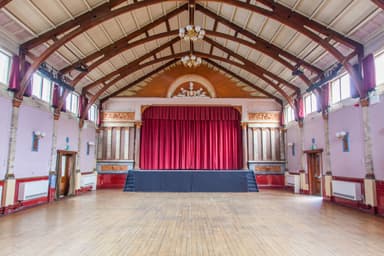
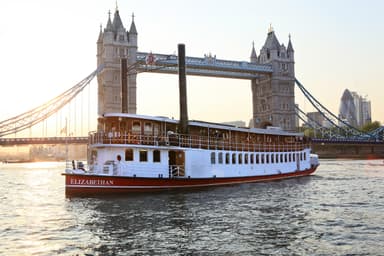
2 Small in venues in South East London
No venues match these filters
Try widening your capacity, luxury level or event type.
Explore small venues in South East London suitable for 200 guests.
No venues match these filters
Try widening your capacity, luxury level or event type.
For business events that need human judgement, talk to our team. Free for 100 person+ events organised by businesses.





Tell us what you need. Our deep research finds any venue, whether it's in our marketplace or not. No one else does this.
There's something genuinely special about South East London's small venue scene that makes it absolutely brilliant for 200-person events. Having organised countless events across the capital, I can tell you that this area offers a unique blend of character, accessibility, and value that's hard to match elsewhere.
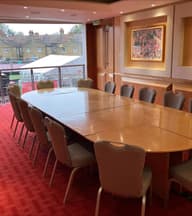
The beauty of small venues in South East London lies in their intimate scale – you're looking at spaces typically ranging from 150-250 m², which creates that perfect sweet spot for engagement. Unlike massive conference centres where your 200 guests can feel lost, these venues foster genuine connection. Think about venues like The Gallery at 10 Union Street, where the 200 m² space naturally encourages networking and interaction.
The transport links are genuinely impressive. With London Bridge Station just 15 minutes from Peckham Rye, your guests from the City or Canary Wharf can arrive effortlessly. We've found that corporate clients particularly appreciate this – especially the tech startups and creative agencies who've made South East London their home base.
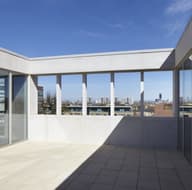
From a practical standpoint, you're looking at day rates between £1,500 to £5,000 for outdoor terraces and flexible event spaces. Compare this to Small Venues in Central London for 200 people, where similar spaces can easily cost 40-50% more. The value proposition becomes even stronger when you factor in the vibrant local culture – your guests aren't just attending an event, they're experiencing an area that's genuinely buzzing with creativity.
Here's what we've learned about 200-person events in small venues: they work brilliantly for workshops, product launches, and corporate celebrations where you want everyone to feel included. The typical layout options – theatre style for 200, banquet for 120, or cabaret for 100 – give you real flexibility to match your event's objectives.
The upcoming Bakerloo Line extension by 2029 will only enhance accessibility, making these venues even more attractive for forward-thinking event planners. When you're considering How to Choose the Perfect Birthday Party Venue or planning corporate events, South East London's small venues offer that rare combination of character, convenience, and cost-effectiveness that makes events truly memorable.
Ready to explore your options? Start by identifying venues with the right ceiling height (minimum 3.5m for AV) and power supply (three-phase, 63 amps) to ensure your technical requirements are covered from day one.
Planning a 200-person event in a small venue requires a completely different approach than larger spaces – and honestly, that's where the magic happens. After years of working with venues across South East London, I've developed a systematic approach that ensures every square metre works hard for your event.
The first thing you'll want to do is get your hands on the venue's technical specifications. For 200 people, you need a minimum of 3.5m ceiling height for proper AV setup – trust me on this one. I've seen too many events where the projector placement was compromised because someone didn't check this basic requirement. Your power needs are equally critical: ensure the venue has three-phase supply with at least 63 amps per phase, especially if you're planning hybrid elements or extensive lighting.
Here's a practical checklist I use for every small venue assessment:
| Layout Style | Capacity | Space Required | Best For |
|---|---|---|---|
| Theatre | 200 | 150-200 m² | Presentations, launches |
| Banquet | 120 | 180-220 m² | Dinners, celebrations |
| Cabaret | 100 | 200-250 m² | Networking, workshops |
One thing that's unique about small venues is the setup timeline. Unlike massive conference centres with dedicated loading bays, you're often working with limited access windows. Book your setup time at least 48 hours before your event – venues like those around Peckham and Bermondsey typically have shared loading zones that get busy quickly.
For South East London specifically, factor in the traffic patterns. Weekday deliveries between 7-9 AM and 4-6 PM can add significant time to your logistics. I always recommend scheduling deliveries for mid-morning or early afternoon when possible.
The beauty of small venues is their flexibility, but this means you need to be more strategic about your tech setup. Ensure your venue has minimum 100 Mbps internet bandwidth – particularly important if you're streaming or running hybrid elements. Many South East London venues have upgraded their infrastructure recently, but it's worth confirming during your site visit.
Consider venues that offer integrated solutions rather than trying to piece everything together. This approach not only saves money but reduces the risk of technical hiccups on the day.
Your next step? Create a detailed floor plan that accounts for natural light control – those adjustable blinds or blackout curtains are essential for presentations. Once you've got your layout sorted, you can focus on the finer details that make small venue events truly shine.
Getting your 200 guests to and from South East London venues is genuinely one of the area's strongest selling points – but only if you plan it properly. Having coordinated transport for hundreds of events across this patch, I can tell you that the connectivity is brilliant, but there are some insider tricks that'll make your life much easier.
London Bridge Station is your golden ticket here. It's the gateway that connects South East London to virtually everywhere your guests need to come from. The 15-minute journey from London Bridge to Peckham Rye opens up venues that would otherwise feel remote to City workers. I've found this particularly valuable when working with financial firms from Canary Wharf – they can hop on the DLR to London Bridge, then straight through to your venue.
What's brilliant about this connectivity is how it expands your venue options without compromising accessibility. Compare this to Small Venues in North West London for 200 people, where transport links can be more fragmented, and you'll appreciate why South East London punches above its weight.
Here's where small venues require different thinking. Unlike massive conference centres with dedicated coach parking, you're working with street-level access. Canada Water Station offers step-free access – crucial if you've got delegates with mobility requirements. For evening events, check those last train times: services typically run until midnight from central London, giving you flexibility for networking drinks.
Parking is the reality check. Street parking costs around £3/hour, and spaces are limited. I always advise clients to emphasise public transport in their invitations and provide detailed journey instructions. Consider partnering with local hotels like The Hoxton Southwark for out-of-town guests – it's a short journey to most venues and adds a touch of boutique charm to the experience.
What sets South East London apart is the genuine vibrancy that surrounds your event. Borough Market is practically on your doorstep, offering pre-event dining options that feel authentically London. This cultural richness means your event becomes part of a broader experience – guests often extend their visit to explore the area.
The upcoming Bakerloo Line extension by 2029 will transform accessibility even further, making venues around Peckham and beyond even more attractive for forward-thinking planners.
Your next move? Map out three different transport routes for your key guest demographics, then choose venues that work for at least two of them. This approach ensures maximum attendance while showcasing South East London's unique character.
The pricing landscape for small venues in South East London is refreshingly transparent once you know what to look for – and frankly, it's one of the best-kept secrets for savvy event planners. After negotiating hundreds of venue contracts across this area, I can tell you that understanding the market dynamics will save you thousands while securing better spaces.
Let's talk numbers. Day delegate rates for small venues typically range from £50-£65 for premium spaces, with super luxury options pushing £100+. But here's where it gets interesting for 200-person events: many venues offer better value through minimum spend arrangements rather than per-head pricing. I've secured venues like those around Bermondsey for £8,000-£12,000 total spend, which works out brilliantly when you factor in catering and bar revenue.
The seasonal patterns are your friend here. November to February sees rates drop by 20-30%, while May to September commands premium pricing. I always advise clients to book off-peak if possible – not just for cost savings, but because venues are more flexible with terms and setup times.
Here's an insider tip that's saved my clients serious money: book 90 days out. Too early, and you're paying peak rates without negotiating power. Too late, and you're competing with last-minute corporate bookings from Canary Wharf firms. The 90-day window gives you leverage while ensuring availability.
For small venues specifically, consider package deals that include AV and basic catering. Venues like those in the Peckham area often bundle services at rates that beat piecing everything together separately. A typical package might include venue hire, basic PA system, and light refreshments for around £15,000 – excellent value for a 200-person event.
Small venue owners are often more flexible than corporate chains. I've successfully negotiated extended setup times, complimentary Wi-Fi upgrades, and even reduced rates for midweek bookings. The key is understanding their business model – many rely on repeat bookings and referrals, so building relationships pays dividends.
Consider exploring Small Venues in South West London for 200 people as comparison points during negotiations. Having alternatives strengthens your position while ensuring you're getting market-rate pricing.
Your next step? Create a budget that allocates 60% to venue and catering, 25% to AV and production, and 15% contingency. This split works particularly well for small venues where the intimate setting reduces the need for extensive production elements while maximising the impact of quality catering and service.
The difference between a smooth 200-person event and an absolute nightmare often comes down to anticipating the unique challenges that small venues present. After dealing with everything from power failures to overcrowding disasters, I've compiled the most critical pitfalls that catch even experienced planners off guard – and more importantly, how to avoid them entirely.
Here's the mistake I see most often: assuming that a venue's 200-person capacity works for every layout. That theatre-style capacity of 200 quickly drops to 120 for banquet seating, and if you're planning networking elements, you'll need even more space per person. I learned this the hard way at a Bermondsey venue where we had to turn away 30 guests because the cocktail reception layout simply couldn't accommodate the numbers safely.
Always request detailed floor plans showing different configurations. For 200-person events, ensure you have at least 1.2 m² per person for networking events, and factor in space for registration, catering stations, and emergency exits. The fire safety certificate will specify maximum occupancy – never exceed this, regardless of what the venue sales team suggests.
Small venues often promise the world on AV capabilities, but the reality can be sobering. I've arrived at venues where the "state-of-the-art sound system" was a single speaker that couldn't reach the back rows. Before signing any contract, insist on a technical site visit during a similar event if possible.
The power supply issue is particularly critical. Many converted spaces in South East London have domestic-level electrical systems that can't handle professional lighting rigs or multiple projectors simultaneously. Always confirm three-phase power availability and test load capacity during your site visit. Budget £2,000-£3,000 for external power generation if the venue's supply is inadequate.
This is where small venues can become expensive quickly. Many operate under basic premises licenses that don't cover amplified music after 11 PM or outdoor events. I've seen events shut down by Southwark Council because the venue didn't have proper Temporary Event Notices (TENs) in place. Always verify licensing 60 days before your event – TEN applications take time and cost around £21 each.
For events involving How to Find a Sustainable Venue for Your Event: A Guide for Event Organisers, check environmental compliance requirements early. Some venues have restrictions on waste disposal or noise levels that could impact your plans.
South East London's outdoor terraces are gorgeous, but London weather is unpredictable. Always have an indoor backup plan, even for summer events. I recommend venues with flexible indoor-outdoor flow, allowing you to adapt on the day. Budget an additional 15% for weather contingencies – marquees, heaters, or alternative catering arrangements can add up quickly.
Your next step? Create a comprehensive venue checklist covering capacity verification, technical specifications, licensing requirements, and weather contingencies. This systematic approach prevents costly surprises and ensures your 200-person event runs flawlessly from start to finish.

At Hire Space, unusual venues [https://hirespace.com/Browse/Unusual-Event-Venues-London] are the name of the game. Passion to find a unique venue for an event seems to be unabated in London, but it's of little surprise when taking into account all the amazing spaces the capital has to offer. But just why is London filled with so many unusual venues for hire? We investigated: Romans, Saxons, Normans, Tudors and Stuarts. The Black Death, two World Wars and one Great Fire. London has seen it a

We're very excited to introduce EventLAB [https://eventlab.online/], our first two-day event designed to take event professionals through every step of the event planning process. We'll be bringing you the latest updates in the run-up to the event in our 'EventLAB Series' [https://hirespace.com/blog/tag/eventlab//], including relevant content and a little glimpse of the speakers, workshops and themes that will feature at the event. In the first instalment, we’ll explain all there is to know a

Four years ago, we launched Hire Space to connect event venues with new customers easily via our online platform and Venue Expert service. We've come up with 6 reasons why Venue Managers might like working with Hire Space, and why venues should join the club [http://bit.ly/2kQaHEd]! 1. Best SEO in the Industry = High Web Traffic Our Marketing team has enhanced our site visibility on search engines and as a result 1.3M customers visited our web site in 2016 (7% higher than the previous year). Ou
Multiple venues and events. One agreement.