Auditoriums in London
Explore top auditoriums in London suitable for events of up to 200 people.
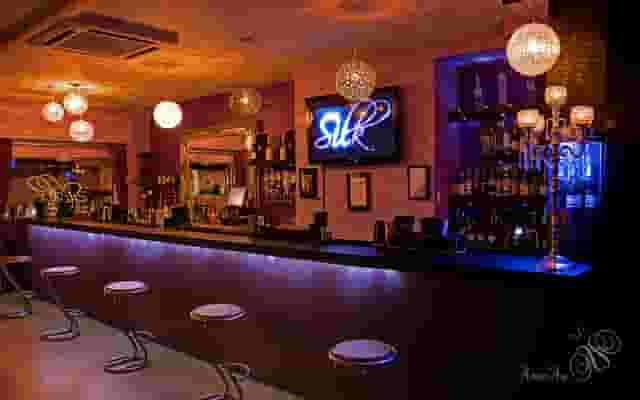
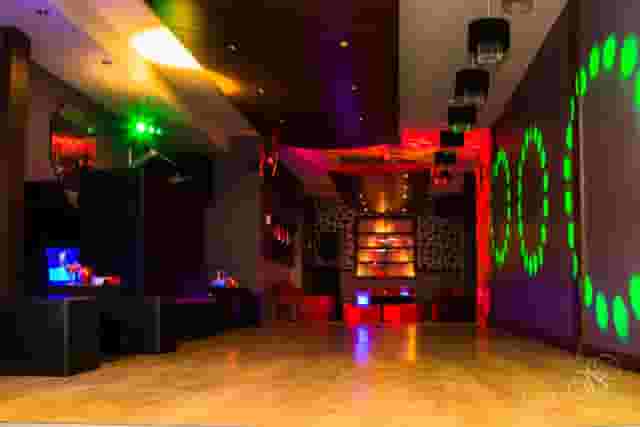
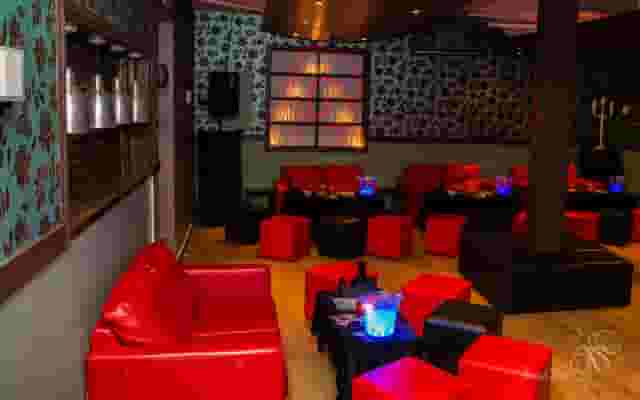
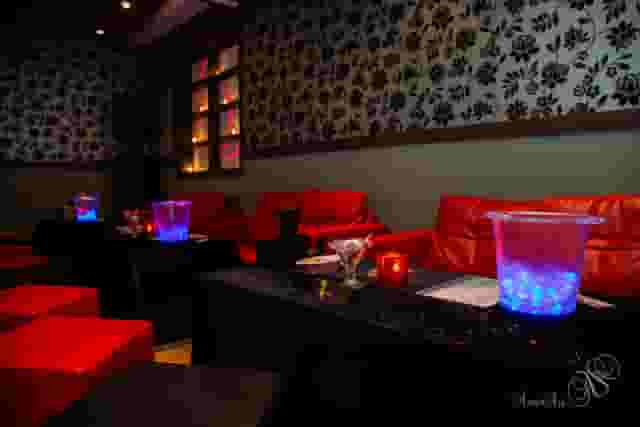
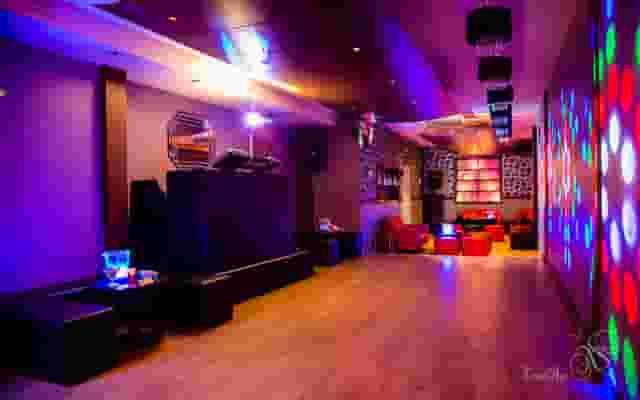
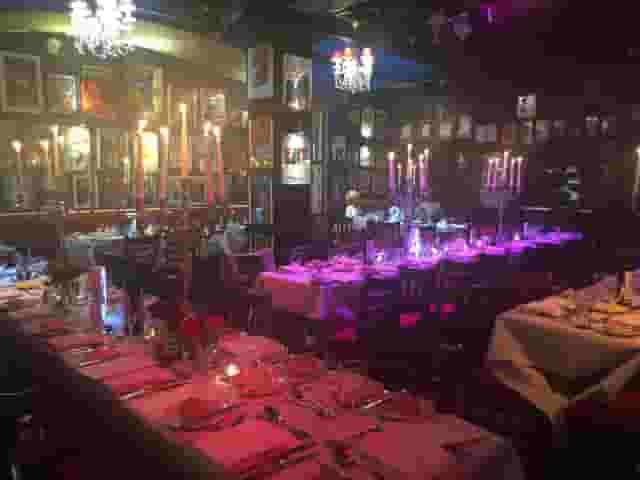
4 Auditoriums in venues in London
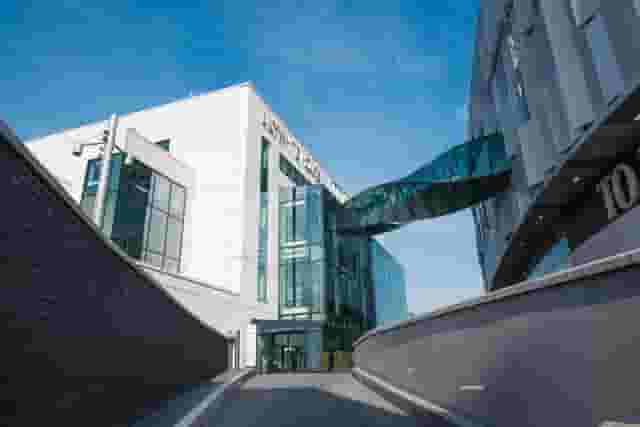
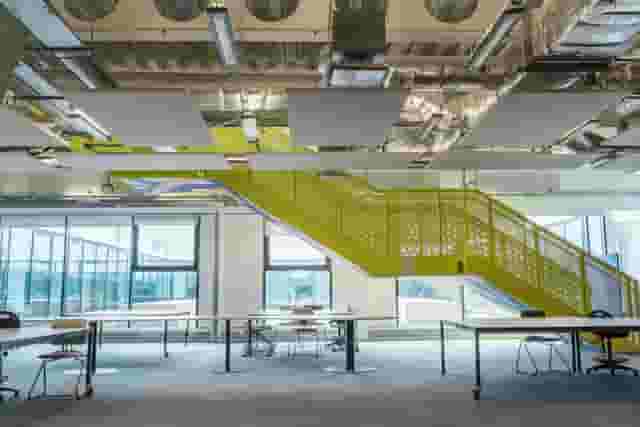
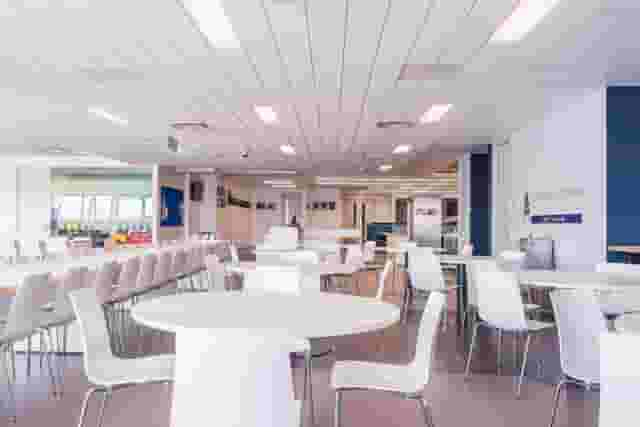

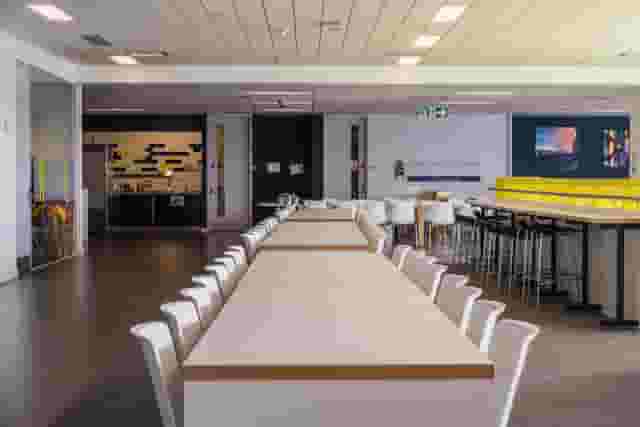
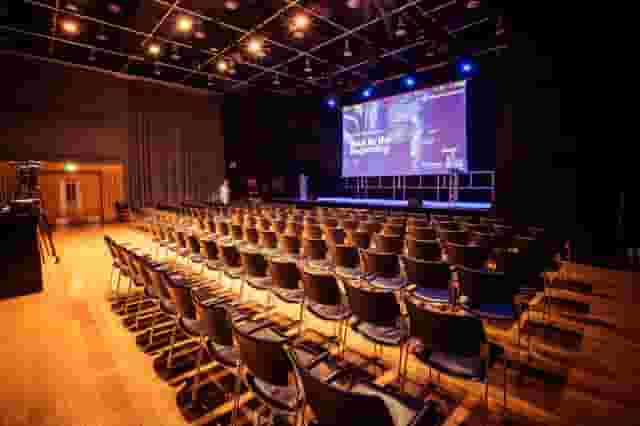
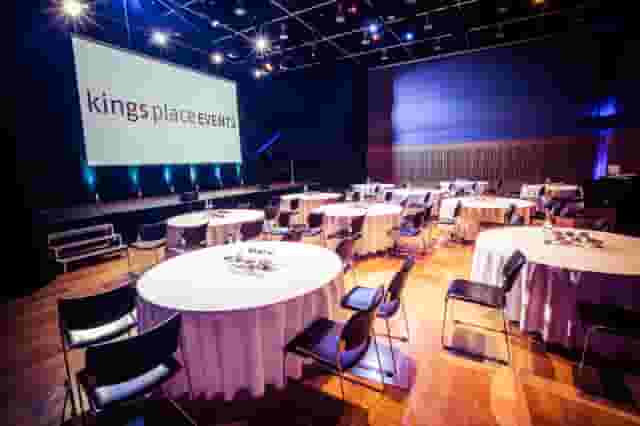
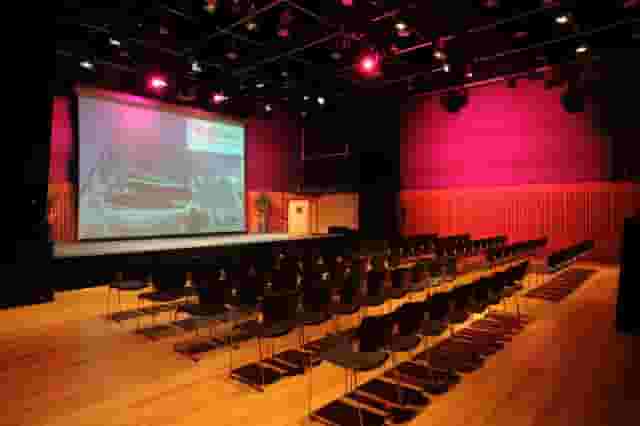
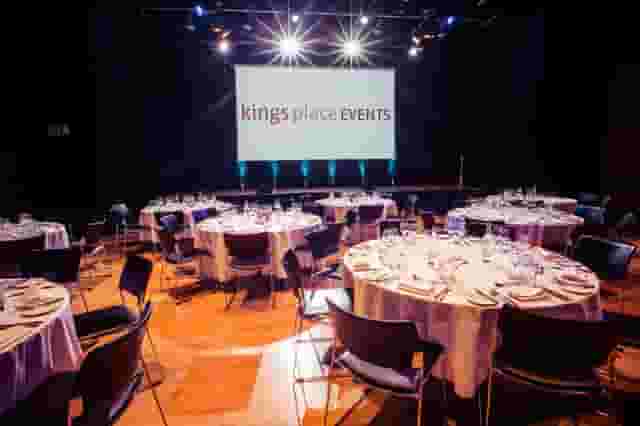

No venues match these filters
Try widening your capacity, luxury level or event type.
Don't have time to search? We'll find it for you.
For business events that need human judgement, talk to our team. Free for events of 100+ people, budgets over £10k or ongoing programmes.


Explore more venues in London










Other platforms search their database. We search everything.
Tell us what you need. Our deep research finds any venue, whether it's in our marketplace or not. No one else does this.
About Auditoriums in London
Why London's 200-Seat Auditoriums Are Perfect for Your Next Corporate Event
When you're planning a corporate event for 200 people, London's auditoriums hit that sweet spot between intimate engagement and impressive scale. I've organised countless events in this capacity range, and there's something magical about that 200-person threshold – it's large enough to create genuine buzz and energy, yet small enough to maintain meaningful connections.
The numbers tell the story perfectly. A 200-seat auditorium typically occupies around 180-220 m², giving you excellent acoustics without the echo issues you'd face in larger venues. Your delegates can actually hear each other during Q&A sessions, and speakers don't need to project their voices to the back of Wembley Stadium. The technical setup is manageable too – you're looking at a 2-4kW PA system rather than the massive line arrays needed for arena-sized events.
What Makes London's 200-Capacity Auditoriums Commercially Brilliant
From a budget perspective, these venues offer exceptional value. You're typically looking at £1,000-£2,500 per day for the space itself, with AV packages running £300-£800 daily. Compare that to larger venues where costs can easily hit £5,000+ just for the room, and you'll see why savvy event planners gravitate towards this size.
The booking timeline works in your favour too. Unlike iconic venues that require 12-18 months advance notice, quality 200-seat auditoriums often have availability 3-6 months out. I've even secured excellent spaces with just 8 weeks' notice during quieter periods.
Technical Advantages That Actually Matter
Here's where London's auditoriums really shine for corporate events. Most venues in this capacity range come with 63A three-phase power supply and 100 Mbps internet as standard – perfect for hybrid events or live streaming. The ceiling heights typically range from 4.5-6 metres, giving you proper sightlines without the cavernous feel of larger spaces.
The acoustic treatment in purpose-built auditoriums is spot-on for this size. You get proper sound absorption and diffusion, meaning your keynote speaker's message reaches every seat clearly. No one's straining to hear or dealing with that awful echo that plagues converted conference rooms.
For corporate events specifically, consider venues near transport hubs like King's Cross or Liverpool Street. Your delegates can reach these locations within 25 minutes from most London areas, and you'll have excellent hotel options nearby for out-of-town attendees.
The key is booking early enough to secure your preferred date, but not so early that you're paying premium rates. Sweet spot? Four to six months ahead for most corporate events, though company retreats often require longer lead times during peak seasons.
The Essential Technical Checklist Every Event Planner Needs for London Auditoriums
Right, let's talk about the technical bits that can make or break your 200-person auditorium event. I've learned this the hard way – there's nothing quite like discovering your venue's PA system can't handle wireless microphones properly when your CEO is about to deliver the keynote.
Power and Connectivity: The Foundation of Success
First things first – power supply. You absolutely need a minimum 63A three-phase supply for a 200-seat auditorium. I can't stress this enough. Standard domestic supply simply won't cut it when you're running professional lighting, AV equipment, and climate control simultaneously. Always ask to see the electrical specifications upfront.
Internet connectivity is equally crucial. Demand at least 100 Mbps symmetrical bandwidth – not just download speed. If you're planning hybrid events or live streaming (and frankly, most corporate events should consider this), you'll need that upload capacity. I've seen too many events stumble because the venue's "high-speed WiFi" couldn't handle 50 people trying to access presentation materials simultaneously.
Audio-Visual Requirements That Actually Work
For 200 people, you're looking at a 2-4kW PA system with proper coverage. The key specification here is the delay speakers – make sure the venue has front fills and delay speakers positioned correctly. Without these, people in the back rows will hear an annoying echo effect that ruins the experience.
Projection is where many venues cut corners. Insist on HD minimum, though 4K is becoming standard for professional presentations. The screen size should be at least 6 metres wide for proper visibility from all 200 seats. And here's a pro tip – always request a site visit during daylight hours to check how natural light affects screen visibility, even with blackout curtains.
Climate Control and Acoustics
HVAC systems need to maintain 20-22°C whilst operating quietly – this is non-negotiable for auditoriums. A room full of 200 people generates significant heat, and noisy air conditioning will compete with your speakers. The system should have humidity control too, particularly important for product launch events where equipment sensitivity matters.
Acoustic treatment is where purpose-built auditoriums shine over converted spaces. Look for venues with proper sound-absorbing panels, bass traps, and diffusers. Carpeted floors and upholstered seating help enormously with sound quality.
Your Pre-Event Technical Walkthrough
Schedule a technical rehearsal at least 48 hours before your event. Test every microphone, check sightlines from different seating areas, and run through your presentation slides on the actual projection system. This isn't just about equipment – it's about ensuring your conference venue delivers the professional experience your delegates expect.
Most importantly, confirm backup plans for critical systems. What happens if the main projector fails? Is there redundant internet connectivity? These conversations separate professional venues from amateur operations.
Navigating London's Auditorium Booking Process: Insider Tips from 15 Years of Event Planning
The booking process for London auditoriums can feel like navigating a maze, especially when you're dealing with venues that cater specifically to that 200-person sweet spot. Here's what I've learned from countless bookings – and a few painful mistakes along the way.
Timing Your Booking for Maximum Leverage
Most event planners think they need to book 12 months ahead, but that's not always the smartest strategy for 200-seat auditoriums. The optimal booking window is actually 4-6 months out. Book too early, and you'll pay premium rates without negotiating power. Too late, and you're stuck with whatever's available.
I've found the best deals happen during what I call the "venue anxiety period" – roughly 3-4 months before your event date. Venues start worrying about empty calendars, and suddenly those non-negotiable rates become surprisingly flexible. I once secured a £2,200 venue for £1,400 simply by booking during this window.
The Real Cost Breakdown You Need to Know
Here's where most planners get caught out – the headline rate is just the beginning. For a typical 200-seat auditorium in London, expect the venue hire to represent about 40% of your total costs. The remaining 60% breaks down as: 30% for AV and staffing, 20% for catering, and 10% for miscellaneous charges that always seem to appear.
Those "miscellaneous" charges? They include overtime fees (£150-300 per hour if you run late), cleaning surcharges for events with catering, and damage deposits that can reach £1,000. Always ask for a comprehensive quote that includes these potential extras upfront.
Negotiation Strategies That Actually Work
Venue managers have more flexibility than they initially let on, particularly for 200-capacity events. These bookings are their bread and butter – not too small to be unprofitable, not so large they need months of planning. Use this to your advantage.
The magic phrase I use? "What can you do to make this work within our budget?" Rather than asking for a discount, you're inviting them to problem-solve with you. Often, they'll throw in AV equipment, extend your hire hours, or waive setup fees.
Consider booking multiple events with the same venue. I've negotiated 15-20% discounts for clients committing to quarterly company retreats at the same location.
The Contract Details That Matter Most
Pay particular attention to cancellation terms and force majeure clauses. Standard contracts often require 60 days' notice for full refunds, but I've negotiated this down to 30 days for regular clients. Also, ensure your contract specifies exact technical specifications – don't accept vague promises about "professional AV equipment."
Always insist on a site visit before signing. This isn't just about seeing the space – it's about meeting the team who'll support your event and understanding their capabilities. The best sustainable conference venues often have passionate teams who'll go above and beyond, but you'll only discover this through face-to-face meetings.
Your next step? Create a shortlist of three venues and schedule site visits within the same week. This gives you immediate comparison points and strengthens your negotiating position when venues know they're competing for your business.
Hidden Costs and Smart Budget Strategies for 200-Person Auditorium Events
Let me share something that'll save you from the budget shock I experienced early in my career – that £1,500 auditorium quote can easily become £3,200 once all the "extras" are added. The good news? Once you know where these costs hide, you can plan for them or negotiate them away entirely.
The Sneaky Extras That Add Up Fast
Overtime charges are the biggest culprit. Most venues quote 8-hour hire periods, but your event rarely fits neatly into that window. Setup typically takes 4 hours, your event runs 6 hours, and breakdown needs 2 hours – that's already 12 hours. At £200-300 per overtime hour, you're looking at an extra £800-1,200 just for running slightly long.
Technical support is another hidden cost that catches planners off-guard. That "included AV package" often means equipment only – not the technician to operate it. Budget £300-500 per day for a qualified AV technician, because trust me, you don't want to be troubleshooting microphone feedback during your CEO's keynote.
Security and staffing requirements can blindside you too. Many venues require minimum staffing levels for 200-person events – typically 2 front-of-house staff, 1 security officer, and 1 technical support person. At £150-300 per person per day, this adds £600-1,200 to your budget.
Smart Strategies That Actually Save Money
Here's where experience pays dividends. Book your auditorium for Tuesday through Thursday – you'll save 20-30% compared to Monday or Friday rates. Venues know corporate events cluster midweek, so they price accordingly.
Consider split bookings for multi-day events. Rather than booking consecutive days at premium rates, book Tuesday and Thursday with a gap day. You'll often pay less overall, and your delegates appreciate the break between intensive sessions.
Negotiate package deals that bundle venue, AV, and catering. I've secured comprehensive packages for £85-95 per delegate per day – significantly less than booking components separately. These conference packages often include hidden value like complimentary WiFi upgrades and extended setup time.
The Budget Allocation That Works
Based on hundreds of 200-person auditorium events, here's the allocation that prevents nasty surprises:
| Cost Category | Percentage | Typical Range |
|---|---|---|
| Venue Hire | 35% | £1,000-2,500 |
| AV & Technical | 25% | £800-1,500 |
| Staffing | 20% | £600-1,200 |
| Catering | 15% | £500-1,000 |
| Contingency | 5% | £200-400 |
Always maintain that 5% contingency – it's saved me countless times when venues discover "essential" charges they forgot to mention initially.
Your next move? Request itemised quotes from three venues, including all potential extras. This transparency exercise often reveals which venues are genuinely competitive versus those padding their base rates with inevitable add-ons.
5 Common Auditorium Mistakes That Could Ruin Your Event (And How to Avoid Them)
I've watched brilliant events crumble because of preventable mistakes, and honestly, it's heartbreaking when months of planning unravel in the first hour. The good news? These disasters follow predictable patterns, and once you know what to watch for, they're entirely avoidable.
Mistake #1: Ignoring Sightline Issues in 200-Seat Configurations
This is the big one that catches even experienced planners. In a 200-seat auditorium, you've got people sitting up to 25 metres from your stage, and standard presentation screens simply don't cut it. I learned this the hard way during a product launch where the back third of delegates couldn't read the financial projections clearly.
The fix? Insist on screens at least 6 metres wide, and always request a sightline test from the worst seats in the house. Most quality venues will accommodate this during your site visit. If they won't, that tells you everything about their commitment to your event's success.
Mistake #2: Underestimating Climate Control for 200 People
Two hundred people generate roughly 20kW of heat – equivalent to running 20 electric heaters simultaneously. I've seen events where the temperature climbed to 28°C within an hour, turning professional conferences into endurance tests. Delegates start fidgeting, concentration drops, and your carefully planned agenda becomes secondary to basic comfort.
Always verify the HVAC system can maintain 20-22°C with full occupancy. Ask specifically about noise levels too – nothing ruins a keynote like air conditioning that sounds like a jet engine.
Mistake #3: Inadequate Audio Coverage for the Full Capacity
Here's where many venues cut corners. They'll install a basic PA system that works fine for 100 people but creates dead spots and echo issues at full 200-person capacity. The result? Half your audience strains to hear, while the other half deals with uncomfortable volume levels.
Demand a demonstration of the audio system at full capacity during your site visit. Professional systems should include delay speakers and proper coverage mapping. If the venue can't demonstrate this, consider it a red flag.
Mistake #4: Overlooking Load-In Logistics
Two hundred people means significant equipment, catering, and setup requirements. I've seen events delayed by hours because venues couldn't accommodate the necessary load-in schedule. Loading bays, service lifts, and access routes become critical considerations that many planners overlook until it's too late.
Confirm load-in procedures during your initial venue discussions. How many vehicles can access simultaneously? What's the maximum load capacity for service lifts? These details matter enormously for corporate events requiring extensive setup.
Mistake #5: Failing to Plan for Hybrid Event Requirements
Post-2020, most corporate events need hybrid capabilities, but many 200-seat auditoriums weren't designed for this. Inadequate internet bandwidth, poor camera positioning, and lighting that works for in-person audiences but creates terrible video quality for remote participants.
If hybrid delivery is essential, verify the venue has dedicated streaming capabilities with proper lighting for cameras and sufficient upload bandwidth – minimum 50 Mbps for quality streaming.
Your next step? Create a venue checklist covering these five areas and use it during every site visit. The venues that welcome detailed technical discussions are the ones that'll deliver flawless events.
What our customers say
Inspiration and planning guides

Proposal Requests Are Now On Hire Space!
It's now even easier to find the perfect venue for your event with Hire Space. The UK's leading venue website has just launched its new Request For Proposal (RFP) functionality, meaning that whatever size, style or sort of event you're hoping to put on, we can help make it a reality. Quick and Easy With our quick and easy online form, event planning can be a breeze. Just enter the date and time of your event as well as your budget. You can then input further details on the type of event you'r

The World's Easiest Way To Find The Perfect Venue
Need the perfect venue? Want to get it as easily and quickly as possible? Here's what you should do. Just fill in this lightning-quick form, and the world experts in UK venues will dedicate themselves to finding exactly what you're looking for. And they won't charge you a penny to do it. Here's how it works. 1. Click your event [https://hirespace.com/Ask-An-Expert] Whatever your event is, we've got you covered. 2. Pop in the details [https://hirespace.com/Ask-An-Expert] The essentials of

Event Design That Will Wow Your Guests
Take a look at some of the best designed events venues in London - so eye catching that you won't be able to forget them.
One supplier. Every venue. Full visibility on what you spend.
Multiple venues and events. One agreement.