1 Theatres in venues in London Bridge
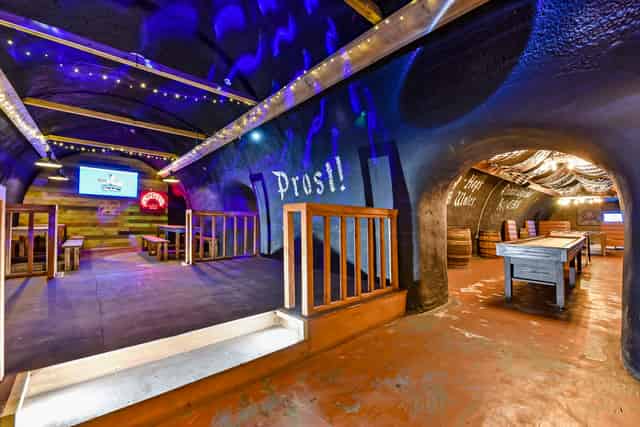
No venues match these filters
Try widening your capacity, luxury level or event type.
Explore theatres in London Bridge perfect for events with 200 guests.
No venues match these filters
Try widening your capacity, luxury level or event type.
For business events that need human judgement, talk to our team. Free for 100 person+ events organised by businesses.
Tell us what you need. Our deep research finds any venue, whether it's in our marketplace or not. No one else does this.
There's something magical about hosting a corporate event in a theatre – and when you're planning for 200 people in London Bridge, you've hit the sweet spot for both intimacy and impact. We've found that this capacity works brilliantly because it's large enough to create genuine buzz and energy, yet small enough that every attendee feels part of the experience rather than lost in a sea of faces.
The location itself is a game-changer. London Bridge Station connects you to virtually everywhere – your delegates from Canary Wharf are just 10 minutes away on the Jubilee Line, whilst those coming from Oxford Circus can reach you in 15 minutes. This accessibility means higher attendance rates, which we've seen translate to better engagement and ROI for our clients.
Unlike larger venues that can feel impersonal, theatres designed for around 200 people offer that perfect balance of grandeur and connection. The technical infrastructure is typically more sophisticated than smaller spaces – you'll find professional lighting grids with minimum 6-metre heights, integrated sound systems capable of 2-4kW output, and proper backstage facilities that larger conference centres often lack.
The pricing reflects this premium positioning. Expect to budget £1,500-£3,500 for dry hire, though we've seen packages reach £7,000+ when you factor in technical support, staffing, and catering. It's not cheap, but the impact per pound is exceptional – particularly for product launches or high-stakes presentations where you need to make a lasting impression.
What sets this area apart is the cultural gravitas. Your guests aren't just attending another corporate event – they're experiencing something in the shadow of Tower Bridge, minutes from Borough Market. This context elevates the entire experience, making it more memorable and shareable.
The infrastructure here is built for events. Local suppliers like White Light Ltd specialise in theatre-grade AV equipment, and the concentration of venues means competitive pricing and availability. Plus, with The Shard Quarter expansion coming in 2024, the area's profile is only going to grow.
For your next major announcement or client event, consider how theatres in London Bridge can transform a standard corporate gathering into something genuinely special. The combination of technical excellence, cultural cachet, and practical accessibility makes it an investment worth making.
I've learned the hard way that not all theatres are created equal – especially when you're dealing with the specific demands of a 200-person corporate event. The difference between a smooth, professional experience and a technical nightmare often comes down to asking the right questions before you sign that contract.
First things first – power supply. You absolutely need 3-phase power with at least 63A capacity. I've seen too many events compromised because someone assumed the venue could handle professional lighting and AV equipment, only to discover they're working with domestic-grade electrical systems. For 200 people, you're looking at significant power demands: professional lighting rigs, sound systems capable of 2-4kW output, projection equipment, and all the ancillary tech that makes modern events work.
The internet infrastructure is equally critical. Minimum 100 Mbps symmetrical – both upload and download – is non-negotiable if you're planning any live streaming, real-time polling, or even just reliable Wi-Fi for your delegates. We've found that venues often oversell their connectivity, so always ask for a speed test report from peak usage times.
Ceiling height is where many venues fall short. You need minimum 4.5-6 metres to accommodate proper lighting rigs and ensure good sightlines from the back rows. The floor space should be around 150-300 m², but more importantly, check the load-bearing capacity – you need at least 500 kg/m² to safely accommodate staging, equipment, and your full audience.
Storage is often overlooked but absolutely essential. Budget for 10-15% of your event space area for equipment, props, and the inevitable last-minute additions. Without proper storage, you'll find tech cases cluttering your event space or, worse, blocking fire exits.
| Essential Feature | Minimum Specification | Why It Matters |
|---|---|---|
| Lighting Grid | 12+ rigging points at 6m+ height | Flexible design options, professional appearance |
| Sound System | 2-4kW with subwoofers and monitors | Clear audio for 200 people without feedback |
| Climate Control | HVAC maintaining 18-22°C | Audience comfort during long presentations |
| Acoustic Treatment | Soundproofing + reverberation control | Professional audio quality, no external noise |
The venues that truly understand corporate events will have a dedicated control room – not just a corner with a mixing desk. This separation is crucial for managing complex AV requirements without disrupting your event flow.
Before you commit, ask for a technical specification sheet and, if possible, visit during a similar event. The venues worth your investment will welcome this scrutiny – it's the ones that deflect technical questions you should avoid. For more insights on choosing venues that reflect your brand's standards, check out our guide on reflecting your brand in your venue.
Remember, cutting corners on technical specifications to save a few hundred pounds often costs thousands in the long run through equipment rental, additional staffing, or worse – a failed event that damages your reputation.
The beauty of London Bridge for theatre events isn't just the venues themselves – it's the ecosystem that surrounds them. Having organised dozens of events in this area, I can tell you that the logistical advantages here can make or break your event's success, particularly when you're coordinating 200 people from across London and beyond.
London Bridge Station is your secret weapon. It's not just another transport hub – it's the convergence point that makes your event accessible to virtually everyone. Your Canary Wharf delegates reach you in 10 minutes on the Jubilee Line, whilst Oxford Circus attendees are just 15 minutes away. But here's what most event planners miss: the station handles over 50 million passengers annually, which means the infrastructure is built to cope with volume and delays.
For evening events, this connectivity becomes even more crucial. Last trains from London Bridge run around midnight on weekdays and later at weekends – giving you flexibility for networking drinks or extended presentations without the panic of delegates missing their last connection. We've found this particularly valuable for product launches where you want to create that relaxed, celebratory atmosphere afterwards.
Parking is admittedly challenging, with NCP London Bridge costing around £8 per hour or £30 for the day. However, most of your 200 delegates will arrive by public transport anyway – the area's connectivity means driving is often the slower option.
Peak demand in London Bridge theatres follows a predictable pattern: weekends and evenings command premium rates year-round, whilst weekday mornings and afternoons offer better value. For corporate events, this works in your favour – Tuesday to Thursday morning slots often come with 20-30% discounts compared to evening rates.
The seasonal considerations are worth noting too. Q4 and summer months see increased competition from both corporate and cultural events, pushing rates higher. If you're flexible with timing, January to March offers the best combination of availability and pricing.
The cultural context here is unmatched. Your delegates aren't just attending another corporate event – they're experiencing something in the shadow of Tower Bridge, minutes from Borough Market. This location adds gravitas to your event that a generic conference centre simply can't match.
Local suppliers understand the theatre environment. Companies like White Light Ltd specialise in theatre-grade equipment and know these venues intimately. This local expertise often translates to smoother setup, better technical support, and competitive pricing through established relationships.
The upcoming Shard Quarter expansion will only enhance the area's appeal, potentially increasing foot traffic and business opportunities by 2024. For venues that understand both corporate needs and cultural heritage, explore theatres in the City of London as well – the connectivity between these areas makes them natural partners for multi-day events or delegate accommodation planning.
Here's the reality about theatre budgeting that most event planners discover too late: that £2,500 day rate you've been quoted is just the starting point. After organising countless theatre events for 200-person audiences, I've learned that the true cost typically runs 60-80% higher than the initial quote – and that's not venues trying to catch you out, it's simply the nature of theatre hire.
Let's break down what a realistic budget looks like. Your £2,500 base hire quickly becomes £4,000-£5,000 once you factor in the essentials. Technical support runs £800-£1,200 for the day – and trust me, you need it. These aren't conference centres with plug-and-play AV; theatres require specialists who understand lighting boards, sound mixing, and the quirks of each venue's systems.
Staffing is another significant line item. Front of house, security, and technical crew typically add £600-£1,000 to your bill. The good news? This investment shows. Professional theatre staff understand crowd flow, emergency procedures, and how to maintain that special atmosphere that makes theatre events memorable.
Then there's the equipment you didn't know you needed. Staging modifications, additional microphones, projection screens – these "extras" often add £500-£800. One client learned this the hard way when their product launch required a runway-style setup that wasn't part of the standard theatre configuration.
Based on our experience with 200-capacity theatre events, here's how to allocate your budget effectively:
The contingency isn't pessimism – it's realism. Theatre events often require last-minute adjustments that conference venues handle as standard. Need to adjust lighting for your brand colours? That's additional programming time. Want to use the venue's piano for your presentation? That's tuning and positioning costs.
Here's where experience pays dividends. Venues are often flexible on off-peak bookings – Tuesday to Thursday mornings can save you 20-30%. Multi-day bookings also unlock better rates, particularly if you're combining rehearsal time with your main event.
For repeat clients, we've negotiated annual packages that include technical support and basic equipment. This approach works particularly well for companies running quarterly presentations or regular client events.
The key is transparency about your total budget upfront. Venues would rather work with you to create a package within your means than lose the booking entirely. For more insights on maximising venue value, particularly for product launches, consider how the right venue investment can transform your entire event ROI.
Remember: cheap theatre hire usually means expensive surprises later. Budget realistically from the start, and you'll avoid the stress of mid-planning cost escalations.
After two decades of theatre bookings gone wrong – and thankfully, many more gone right – I've seen the same costly mistakes repeated time and again. The frustrating thing is they're all completely avoidable with a bit of insider knowledge. Here are the five pitfalls that catch even experienced event planners off guard.
This is the big one. I've watched clients book based purely on capacity and location, only to discover their "theatre" is actually a converted warehouse with basic lighting and domestic-grade sound. Real theatre venues have specific technical infrastructure – 3-phase power, professional lighting grids at 6+ metres, and acoustic treatment that makes the difference between amateur and professional presentation quality.
Always ask for technical specifications upfront. If they can't provide detailed power requirements, lighting positions, and sound system capabilities, you're not dealing with a proper theatre venue.
Theatre events need significantly more preparation than conference rooms. We typically book venues for 12 hours to accommodate 4 hours of setup, your 4-hour event, and 4 hours of breakdown. Trying to squeeze everything into an 8-hour window invariably leads to rushed setup, stressed staff, and compromised presentation quality.
The cost difference between 8 and 12 hours is usually £300-500, but the impact on your event quality is immeasurable. Factor this into your initial budget rather than treating it as an optional extra.
This catches corporate clients regularly. Theatre venues require premises licenses under the Licensing Act 2003 for performances beyond certain hours or capacities. If your event includes live music, dramatic presentations, or runs past standard hours, you need proper licensing in place.
Most established venues handle this, but always confirm in writing. We've seen events shut down by local authorities because licensing wasn't properly arranged – not a conversation you want to have with 200 delegates already seated.
Theatre venues, particularly historic ones, can have complex accessibility challenges. Beyond basic wheelchair access, consider hearing loops, accessible toilets, and clear evacuation routes. The Equality Act 2010 requirements are non-negotiable, and venues should provide detailed accessibility statements.
For 200-person events, you'll statistically have delegates with various accessibility needs. Planning for this from the start prevents last-minute scrambling and ensures everyone can fully participate.
This is perhaps the most expensive mistake. Photos and specifications tell you nothing about acoustics during a presentation, sightlines from the back rows, or how the venue handles crowd flow during breaks. If possible, attend another event at your shortlisted venues.
Can't manage a site visit? At minimum, ask for references from recent corporate clients with similar capacity requirements. Reputable venues will happily provide these – it's the ones that won't that should concern you.
The venues that understand corporate theatre events will welcome detailed questions and site visits. For more guidance on selecting venues that truly understand your needs, explore our insights on unconventional conference venues that deliver exceptional experiences.
Remember: the goal isn't just to avoid disasters – it's to create events that your delegates will remember for all the right reasons.

It's now even easier to find the perfect venue for your event with Hire Space. The UK's leading venue website has just launched its new Request For Proposal (RFP) functionality, meaning that whatever size, style or sort of event you're hoping to put on, we can help make it a reality. Quick and Easy With our quick and easy online form, event planning can be a breeze. Just enter the date and time of your event as well as your budget. You can then input further details on the type of event you'r

Need the perfect venue? Want to get it as easily and quickly as possible? Here's what you should do. Just fill in this lightning-quick form, and the world experts in UK venues will dedicate themselves to finding exactly what you're looking for. And they won't charge you a penny to do it. Here's how it works. 1. Click your event [https://hirespace.com/Ask-An-Expert] Whatever your event is, we've got you covered. 2. Pop in the details [https://hirespace.com/Ask-An-Expert] The essentials of

Take a look at some of the best designed events venues in London - so eye catching that you won't be able to forget them.
Multiple venues and events. One agreement.


