10 Conference in venues in West London
No venues match these filters
Try widening your capacity, luxury level or event type.
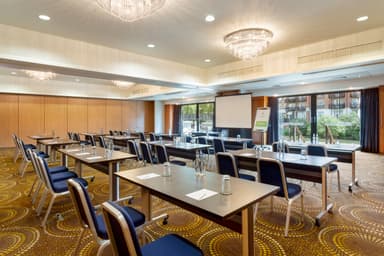
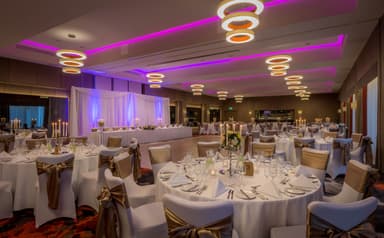
Explore top Conference Venues in West London suitable for 300 people.
No venues match these filters
Try widening your capacity, luxury level or event type.
For business events that need human judgement, talk to our team. Free for 100 person+ events organised by businesses.








Tell us what you need. Our deep research finds any venue, whether it's in our marketplace or not. No one else does this.
When you're planning a conference for 300 delegates, West London offers something truly special – it's that sweet spot where accessibility meets sophistication. Having organised countless events across the capital, I can tell you that West London consistently delivers on the three things that matter most: transport links that actually work, venues with proper infrastructure, and that professional atmosphere your attendees expect.
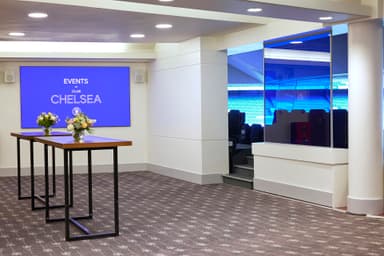
The numbers speak for themselves. With Paddington Station as your gateway and the Elizabeth Line now fully operational, your delegates can reach venues like Conference Venues in Kensington Chelsea within 15 minutes from Heathrow – crucial when you're hosting international speakers. The transport connectivity alone saves you hours of logistical headaches.
Here's what I've learned from years of venue hunting: 300-person conferences need venues that can handle the complexity without feeling overwhelming. West London's conference venues typically offer 300-400m² of flexible space with proper 4-metre ceiling heights – essential for your AV setup. Unlike cramped city centre options, venues in areas like Hammersmith and Ealing give you breathing room for networking areas and breakout spaces.
The pricing structure works in your favour too. Expect to budget £5,000-£15,000 for a full-day hire, significantly less than central London equivalents. I've seen clients save 30-40% by choosing West London venues without compromising on quality or accessibility.
What really sets West London apart is the technical infrastructure. Most venues here were purpose-built or extensively renovated with modern conferences in mind. You'll find dedicated three-phase power supplies, 100 Mbps internet as standard, and proper acoustic treatment – not afterthoughts, but integral design features.
The cultural landscape adds another dimension. Your delegates can explore everything from the Royal Botanic Gardens at Kew to the vibrant Notting Hill scene, making West London conferences feel less corporate and more experiential.
For your next 300-person conference, consider exploring 6 Exceptional West London Venues for Conferences to see how other event professionals have maximised this area's unique advantages. The combination of accessibility, infrastructure, and atmosphere makes West London an increasingly smart choice for mid-scale corporate events.
After organising dozens of 300-person conferences across West London, I've developed what I call the "300 Rule" – at this scale, everything becomes exponentially more complex, but the rewards are worth it when you get the framework right. The difference between a smooth conference and a logistical nightmare often comes down to three critical planning phases that most organisers underestimate.
Here's something that might surprise you: 300-person conferences need a minimum 12-week booking window, not the 6-8 weeks you'd use for smaller events. West London's premium venues like those in Kensington Chelsea get booked solid during peak season (May-July and November-December). I've seen brilliant events fall flat because organisers left venue booking too late and ended up with subpar alternatives.
Your venue requirements checklist should include: minimum 300m² main space, dedicated breakout areas totalling 150m², proper loading access for exhibition materials, and crucially – three-phase power supply at 63 amps per phase. Most venues can handle 100-person setups with standard power, but 300 delegates with full AV requirements will trip circuits if you're not careful.
At 300 people, you're entering hybrid event territory whether you planned for it or not. Budget for dedicated streaming infrastructure – expect £3,000-£5,000 for professional hybrid capabilities. The venues I recommend in Paddington typically offer built-in streaming facilities, saving you significant setup costs.
Your minimum tech requirements should include: HD projectors with 6,000+ lumens (essential for large spaces), line array speaker systems with subwoofers, and dedicated registration technology using QR code scanning. Don't forget the control room – you'll need a separate space for your tech team to monitor everything without disrupting the main event.
Here's where 300-person events get interesting – you need to think like a small festival organiser. Plan for 20% more catering than your headcount suggests; large groups create different consumption patterns. Budget £65-£75 per delegate for day rates at premium West London venues, though you can negotiate better rates for midweek bookings.
The key is creating multiple touchpoints throughout your venue. Consider exploring The Top 10 Large Conference Venues in London for inspiration on how successful large-scale events manage delegate flow and engagement.
Start your venue search now – the best West London conference venues for 300 people book up faster than you'd expect, especially during corporate event season.
Getting 300 delegates to the same place at the same time sounds straightforward until you're actually doing it. I've learned this the hard way – nothing kills conference momentum quite like half your attendees arriving 45 minutes late because they couldn't find the venue or got stuck in West London's notorious traffic patterns.
The golden rule for 300-person events is simple: your venue choice determines your transport strategy, not the other way around. When I'm scouting Conference Venues in Hammersmith Fulham, I always check the 8:30am arrival scenario first. Can 300 people realistically get there by 9am without chaos? The answer shapes everything else.
Here's what's transformed West London conferences since 2022: the Elizabeth Line has cut journey times from Heathrow to central West London venues by 60%. Your international speakers can now reach venues in Paddington in just 15 minutes from the airport. For domestic delegates, it's equally impressive – Liverpool Street to Ealing Broadway in 25 minutes during peak hours.
But here's the insider tip: Elizabeth Line stations get absolutely rammed between 8:15-8:45am. If your conference starts at 9am, send arrival instructions suggesting delegates aim for 8:00am or 9:15am arrival slots. I've seen this simple scheduling tweak reduce delegate stress levels dramatically.
Let's talk about the elephant in the room – parking for 300 people in West London. Westfield London offers the most reliable large-scale parking at around £8 per day, but you're looking at a 10-minute walk to most nearby venues. For venues in Kensington Chelsea, street parking is virtually impossible for groups this size.
My recommendation? Negotiate with your venue for a coach drop-off arrangement. Many West London venues have loading bays that can accommodate 2-3 coaches during morning arrival windows. It's often more cost-effective than individual parking and creates a better arrival experience.
The biggest transport challenge isn't getting people to West London – it's that final 500 metres from transport hub to venue door. Always provide detailed walking directions with landmarks, not just postcodes. For venues near Notting Hill, mention the distinctive architecture or nearby shops as reference points.
Consider exploring London's 8 Best Hybrid Ready Conference Venues for venues that have mastered large-group logistics. The best West London conference venues for 300 people have already solved these transport puzzles – learn from their experience rather than reinventing the wheel.
Here's something that catches most organisers off-guard: 300-person conferences don't just cost three times more than 100-person events – they often cost five times more due to hidden complexity factors. After negotiating dozens of these contracts across West London, I've cracked the code on where the real savings lie and, more importantly, where cutting corners will cost you dearly.
The sweet spot for booking West London conference venues is 16-20 weeks ahead for peak season events. I've consistently secured 15-25% discounts by booking this far in advance, particularly for venues in Hammersmith and Shepherds Bush where competition is fierce. The key is understanding that venue managers would rather lock in revenue early than gamble on last-minute bookings.
Your budget should follow the 40-30-20-10 rule: 40% venue hire (£6,000-£12,000), 30% catering (£65-£75 per delegate), 20% AV and technology (£4,000-£8,000), and 10% contingency. Don't let anyone tell you otherwise – at 300 people, you need professional AV support, not DIY solutions.
Here's where most people get stung: minimum spend requirements. Premium venues often require £15,000-£25,000 minimum spend regardless of your actual needs. However, venues in areas like Ealing typically offer more flexible arrangements, especially for Tuesday-Wednesday bookings when demand drops significantly.
The magic phrase is "multi-year partnership potential." Even if you're only planning one event, venues respond differently when they sense ongoing business. I've secured room hire reductions by bundling accommodation packages for out-of-town delegates – venues often have partnerships with nearby hotels that benefit everyone.
Timing your negotiation matters enormously. January and February are golden months for securing better rates as venues are hungry for bookings after the Christmas lull. Avoid negotiating during peak season (May-July) unless you're booking 12+ months ahead.
Service charges can add 12.5-15% to your final bill – always clarify whether quotes include this. Loading and breakdown fees often aren't mentioned until contracts arrive, typically £200-£500 for 300-person setups. Security requirements for evening events can add another £800-£1,200, particularly for venues near high-profile areas.
For comprehensive insights on maximising your conference budget, explore The Top 10 Large Conference Venues in London where successful organisers share their cost-saving strategies.
Start your venue negotiations early – the best deals in West London go to organisers who understand the venue's business cycle and plan accordingly.
I've watched brilliant conferences crumble because organisers made predictable mistakes that could've been avoided with proper planning. At 300 people, the margin for error shrinks dramatically – what works for smaller events can spectacularly backfire when you're dealing with this scale. Let me share the seven pitfalls I see repeatedly, and more importantly, how to sidestep them entirely.
The biggest disaster I've witnessed? A fintech conference in Kensington Chelsea where 300 delegates queued for 45 minutes because they had two registration desks. At this scale, you need minimum four registration points with dedicated staff, plus a separate VIP check-in area. Budget £1,200-£1,500 for professional registration technology – QR code scanning systems process delegates in under 30 seconds versus 3-4 minutes for manual check-in.
Here's something that catches organisers off-guard: many West London venues have different capacity limits for different activities. A venue might accommodate 300 for theatre-style seating but only 250 for networking with exhibition stands. Always confirm your specific setup capacity in writing – I've seen events forced to turn away pre-registered delegates because organisers assumed capacity was universal.
At 300 people, lunch becomes a logistical operation, not just a meal break. Standard buffet setups create 20-minute queues that kill networking momentum. Successful venues like those in Hammersmith Fulham use multiple serving stations with identical menus – aim for one serving point per 75 delegates. Pre-order systems reduce queuing by 60% but require 48-hour advance notice.
Sound engineering becomes critical at 300 people. I've attended conferences where the back third couldn't hear properly because organisers used equipment designed for 150-person events. Insist on line array speaker systems with subwoofers – expect to budget £2,500-£4,000 for proper audio coverage in 300m² spaces.
The biggest complaint from 300-person conference delegates? Nowhere to take calls or have private conversations. Plan for 25% of your capacity in breakout areas – that's 75 people worth of quiet space. Venues without adequate breakout facilities force networking into corridors, creating fire safety issues.
Large venues require professional signage systems. Delegates shouldn't need to ask directions more than once. Budget £800-£1,200 for comprehensive directional signage, including digital displays for session room changes.
At 300 people, Murphy's Law multiplies. Always have backup plans for AV failures, catering delays, and speaker no-shows. The most successful conferences I've seen maintain 15% budget contingency and detailed crisis management protocols.
For more insights on managing large-scale events effectively, explore London's 8 Best Hybrid Ready Conference Venues where venue managers share their expertise on avoiding these common pitfalls.
Start your risk assessment early – identifying potential problems now saves you from crisis management on event day.
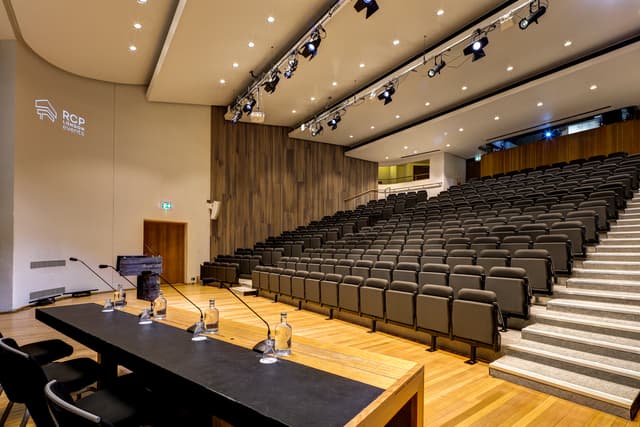
Discover 5 standout London, UK conference venues with outside space. Compare capacities, amenities and layouts for summer conferences, outdoor networking and fresh-air breakouts. Plan your next corporate event with ease.

On a blustery winter's day in January 1649, the deposed King Charles I was beheaded by the victorious rebels of the Civil War. And the bloody execution took place just outside of our Unique Venue of the Month. Not many venues can claim to be of such historical significance, but Banqueting House [https://hirespace.com/Spaces/London/42821/Banqueting-House/Main-Hall/Weddings] – the only remaining part of the Palace of Whitehall, where English monarchs used to reside – played a major part in Briti

Located in the heart of the City, Salters’ Hall combines the rich heritage of the salt trade of medieval London with contemporary surroundings. Rebuilt in 1972 by Basil Spence and now a Grade II listed building, it is a rare example of a post-war livery building and has remained largely untouched until now... Architects de Metz Forbes Knight [http://www.dmfk.co.uk/projects/load/salters-hall] (dMFK) were tasked with the project to upgrade the building whilst retaining its sense of history and al
Multiple venues and events. One agreement.


