Concert Venues in London
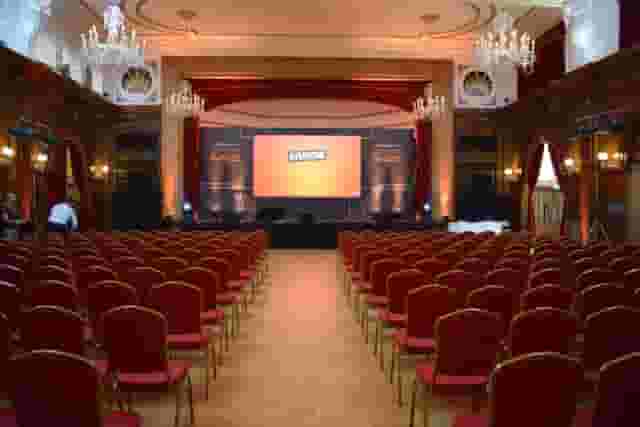
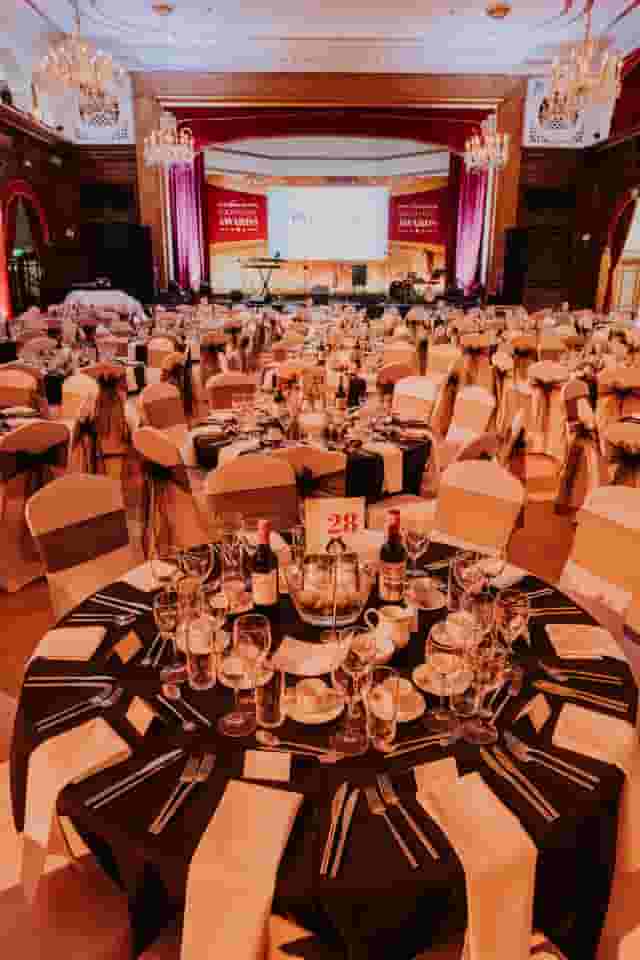
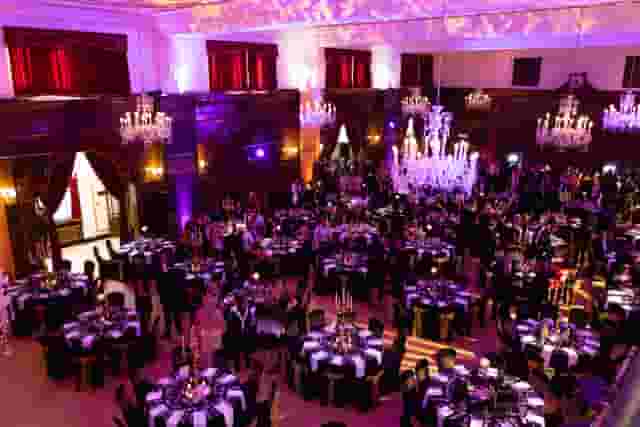
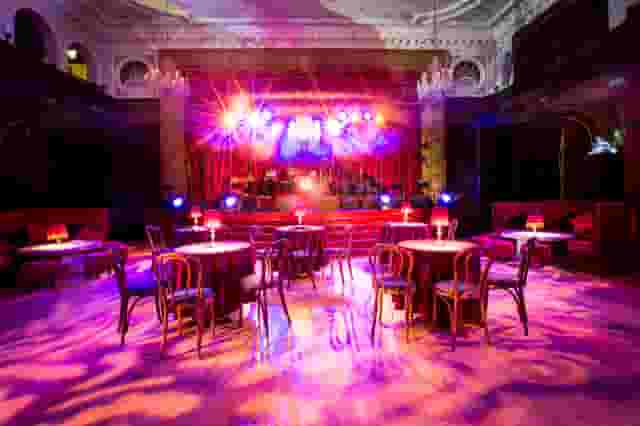
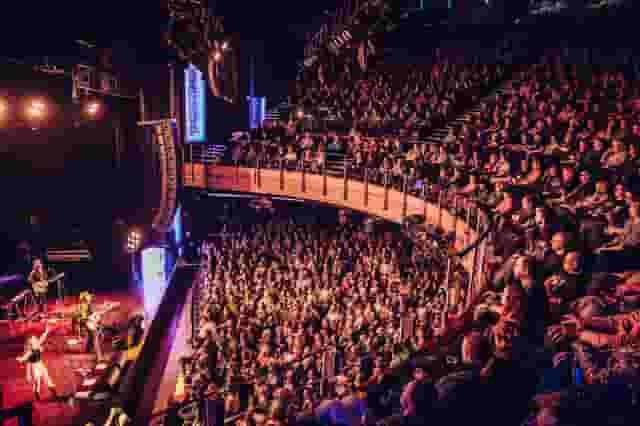
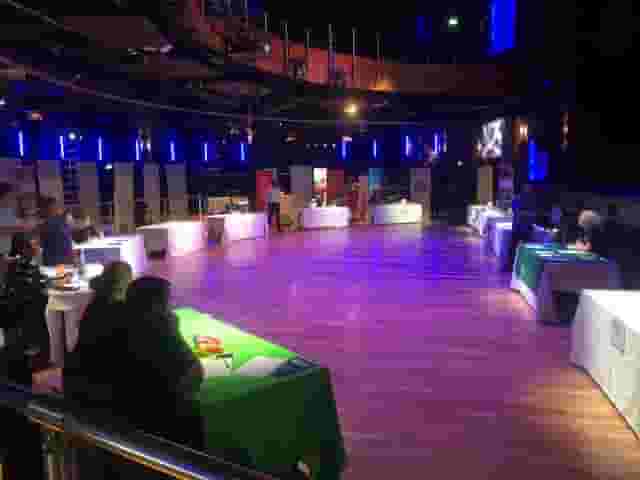
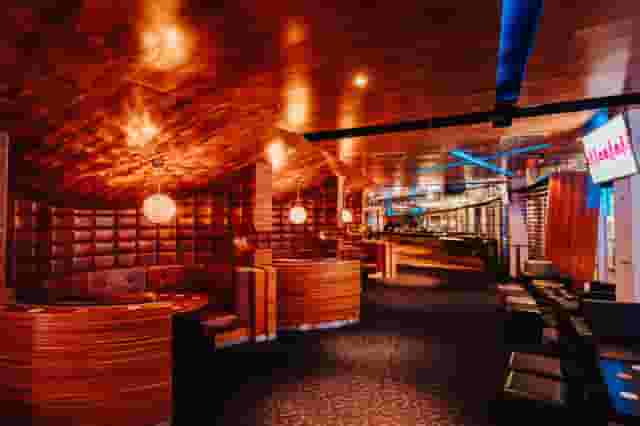
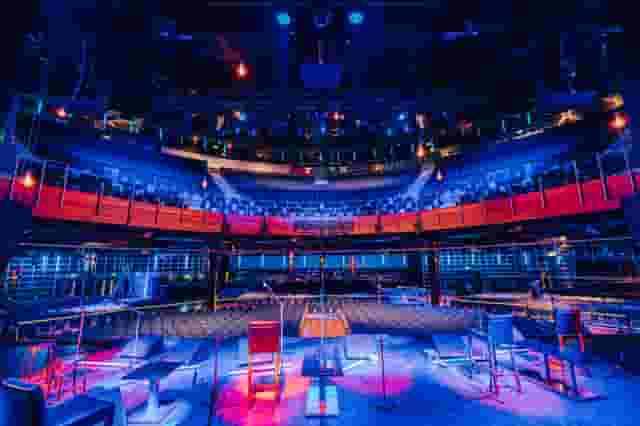
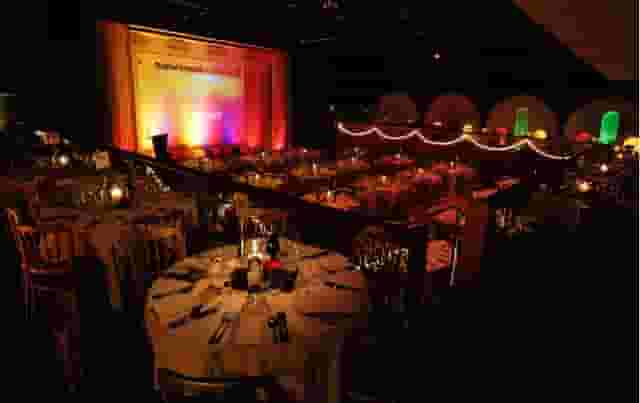
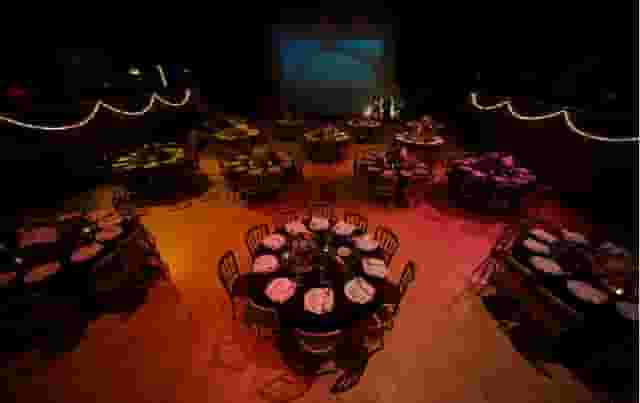
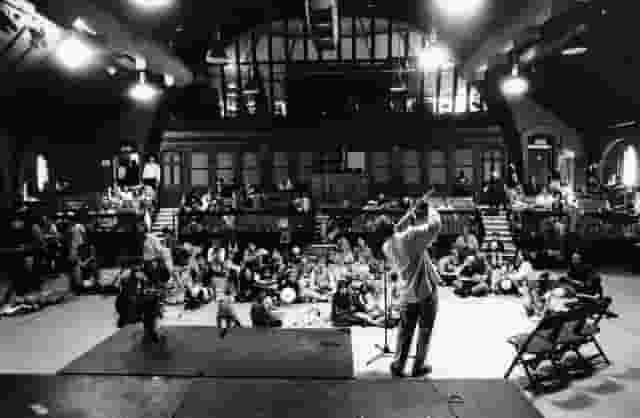
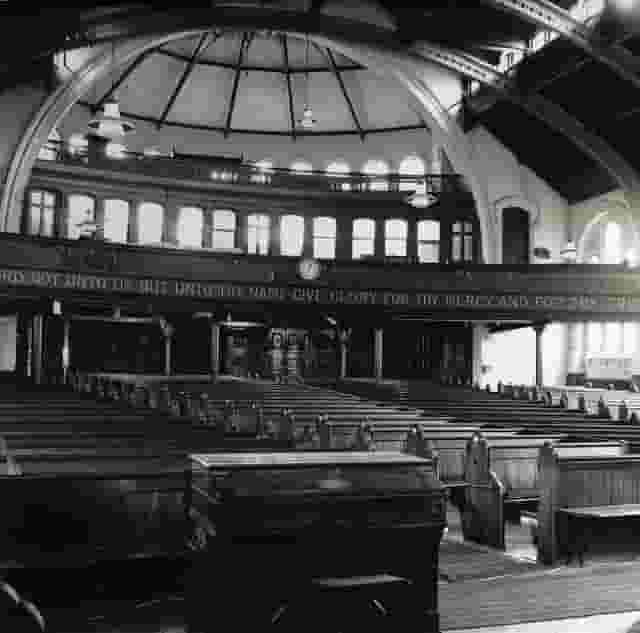
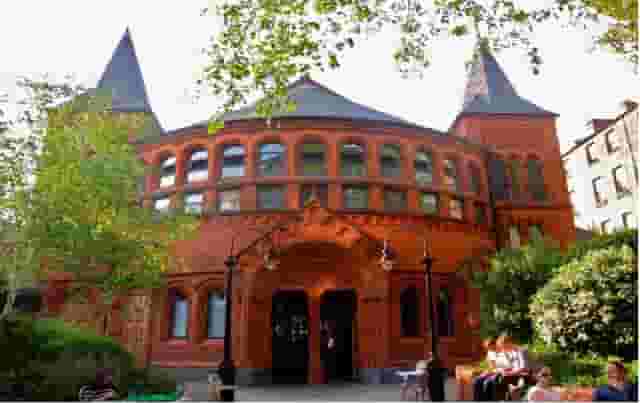
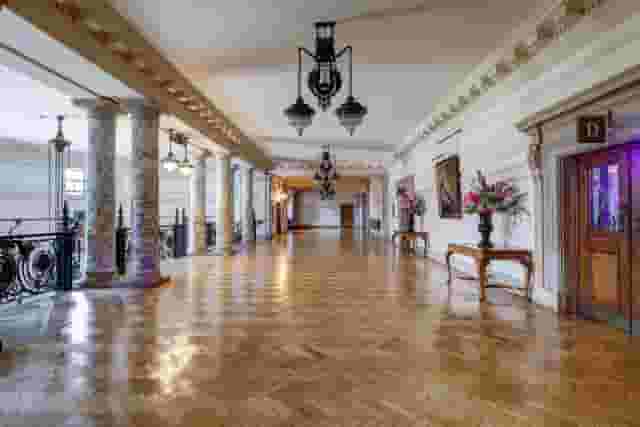
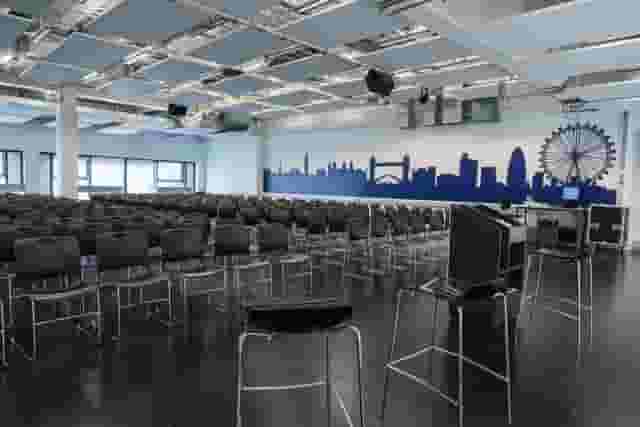
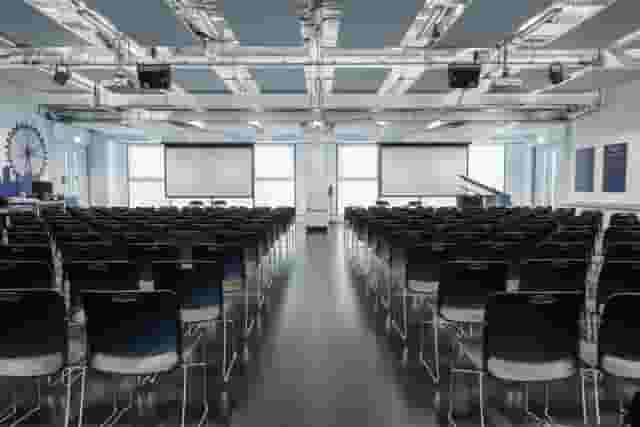
Explore top concert venues in London suitable for 300 guests.
10 Concert in venues in London
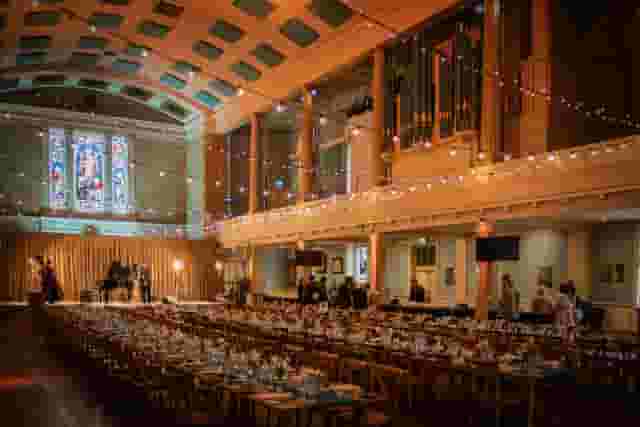
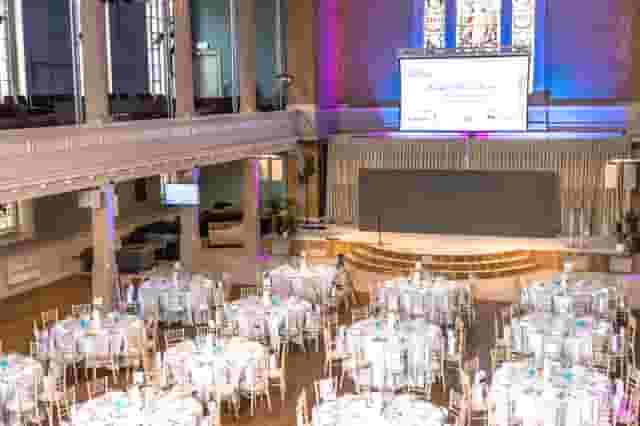
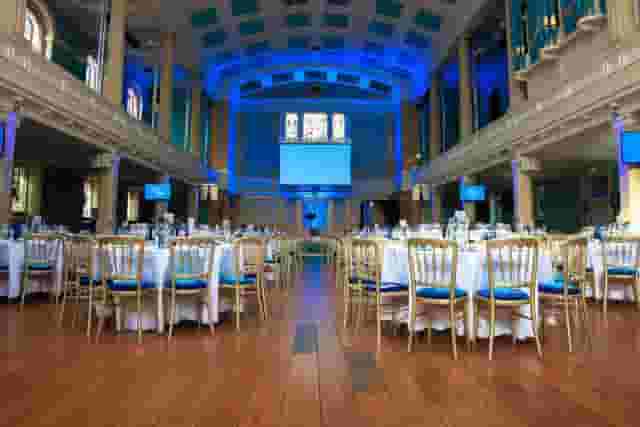
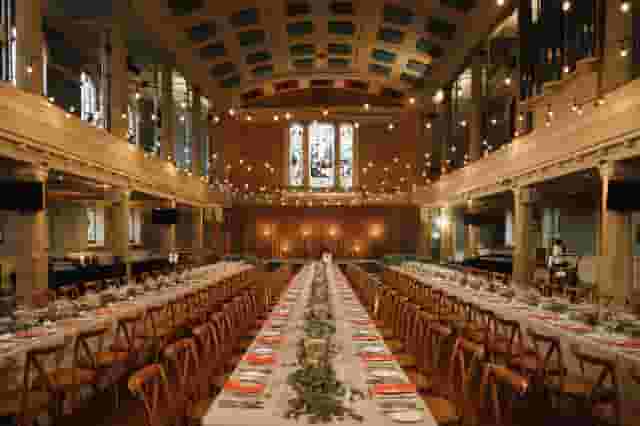





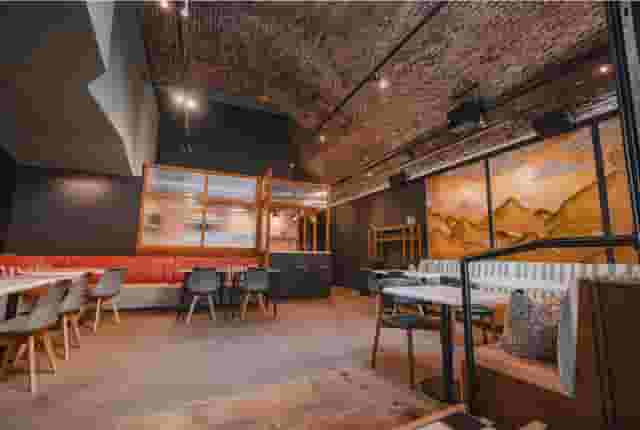
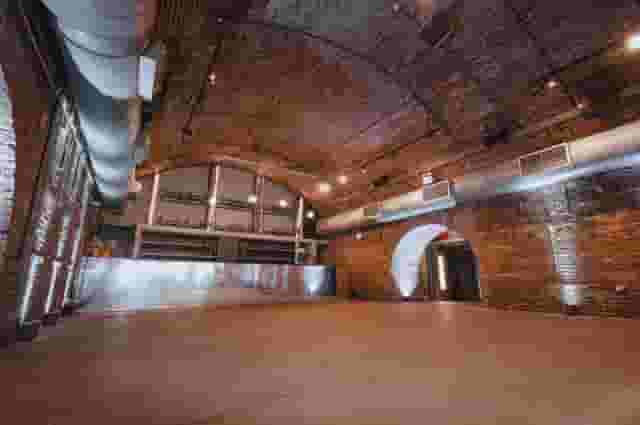



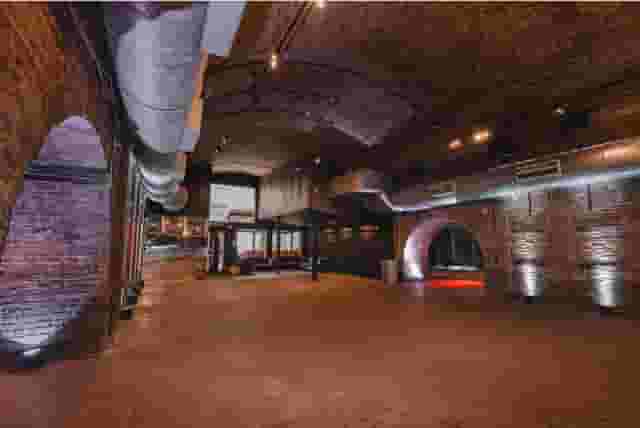
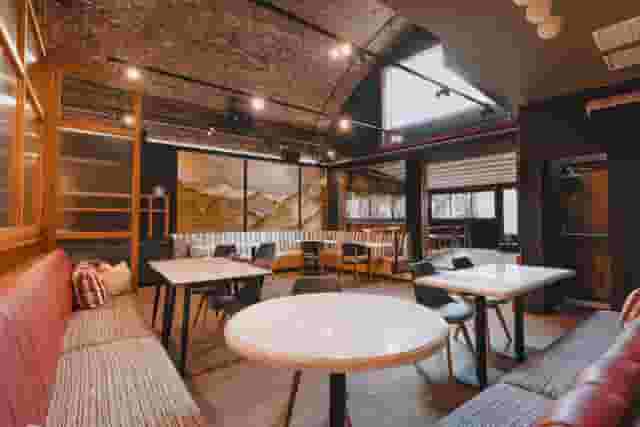




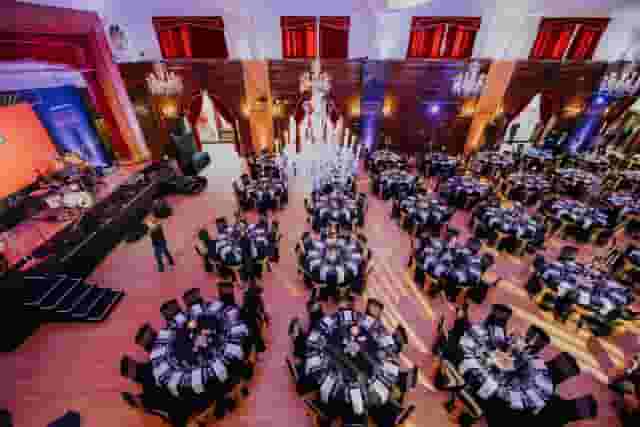
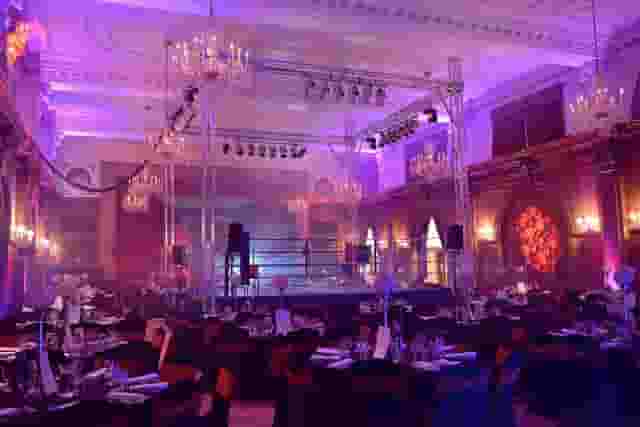
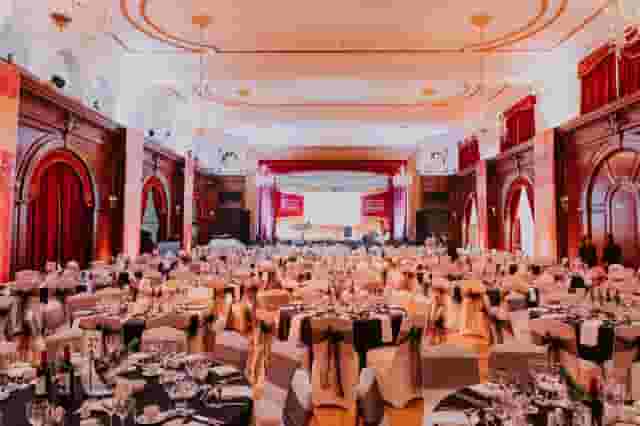
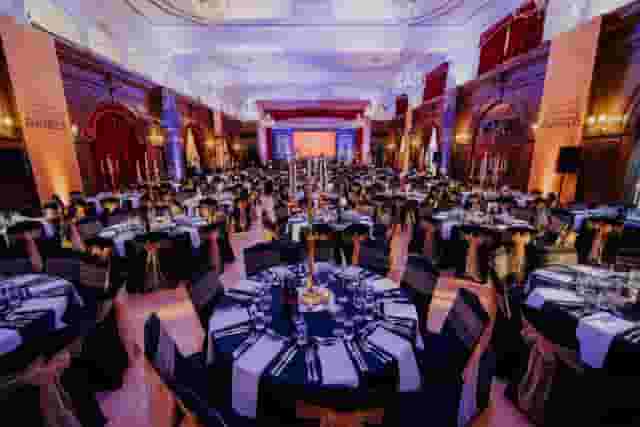
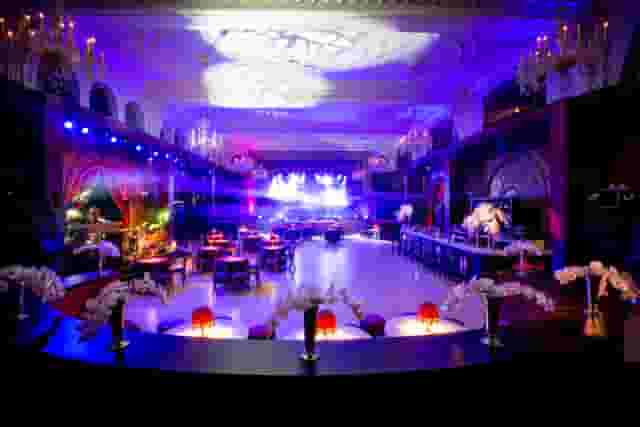
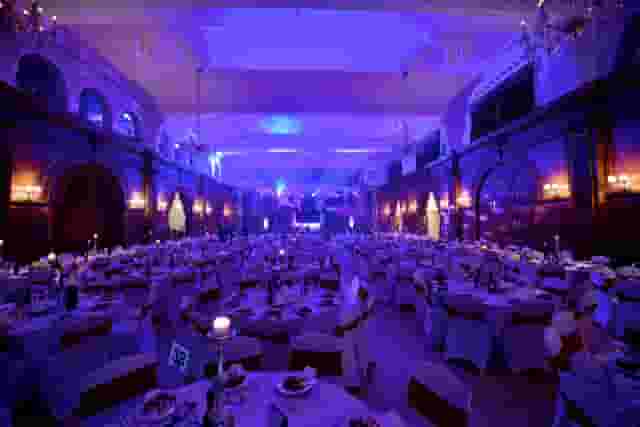
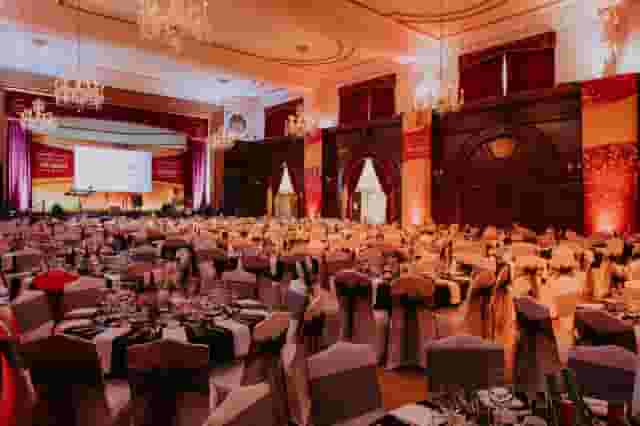
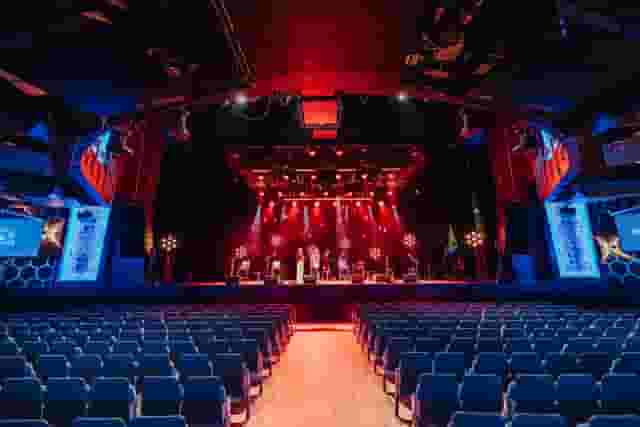















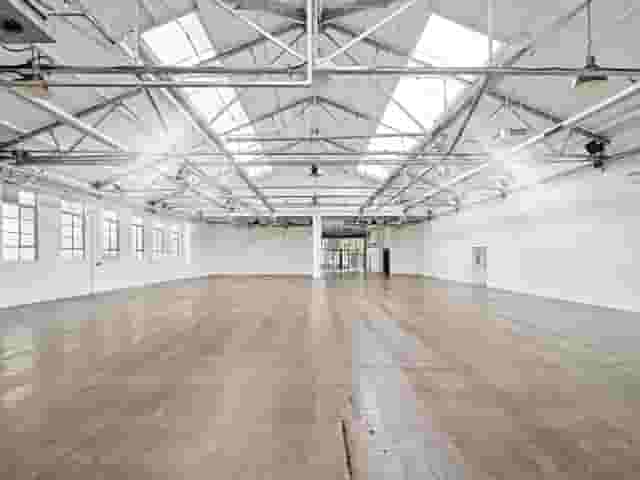

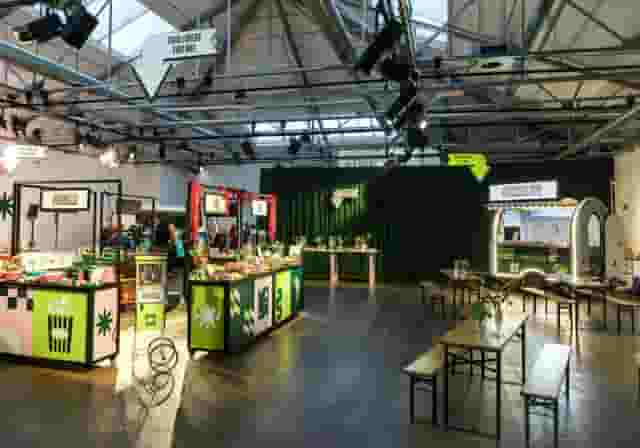
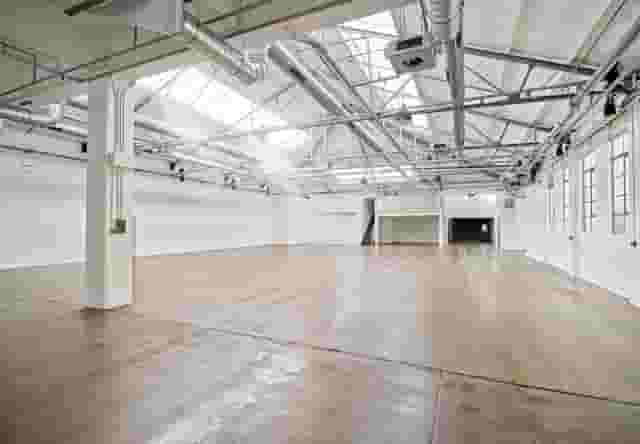

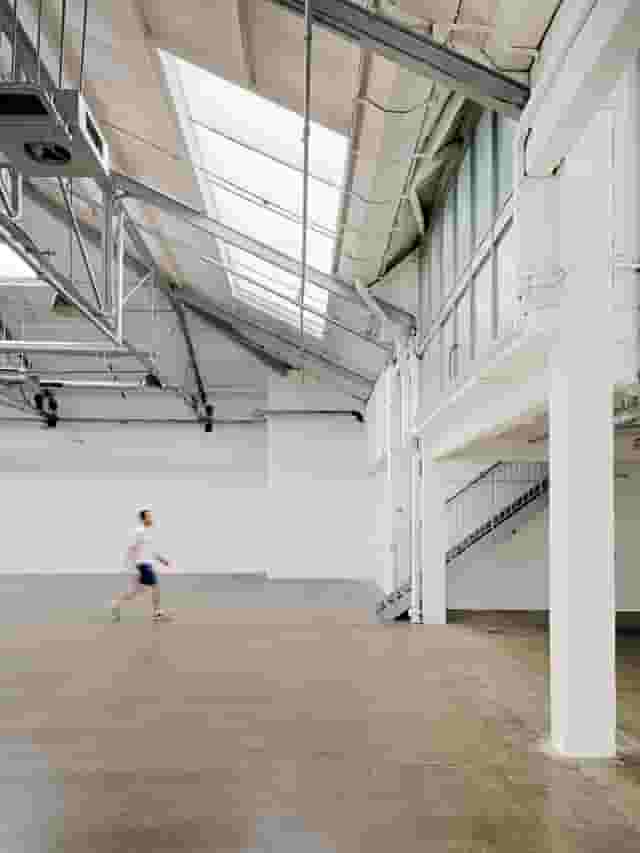



No venues match these filters
Try widening your capacity, luxury level or event type.
Don't have time to search? We'll find it for you.
For business events that need human judgement, talk to our team. Free for events of 100+ people, budgets over £10k or ongoing programmes.


Explore more venues in London











Other platforms search their database. We search everything.
Tell us what you need. Our deep research finds any venue, whether it's in our marketplace or not. No one else does this.
About Concert in London
Why London's 300-Capacity Concert Venues Are Perfect for Creating Unforgettable Live Music Experiences
There's something magical about that 300-person sweet spot for live music events – it's intimate enough for genuine artist-audience connection, yet substantial enough to create that electric atmosphere that makes concerts truly memorable. Having organised dozens of these mid-size gigs across London, I can tell you that venues in this capacity range offer the perfect balance between commercial viability and artistic authenticity.
The numbers speak for themselves: 300-capacity venues typically generate 40% higher per-head revenue than larger arenas because audiences are willing to pay premium prices for that up-close experience. We're talking about hire rates between £2,000-£5,000 per day, but the return on investment is exceptional when you factor in merchandise sales and the buzz these intimate shows create.
What Makes London's Mid-Size Concert Scene So Special
London's concert venue landscape is uniquely suited to this capacity bracket. Unlike cities where you jump from 150-person pubs straight to 2,000-seat theatres, London offers incredible variety in that crucial middle ground. Venues like Bush Hall in Shepherd's Bush or The Garage in Islington have perfected the art of making 300 people feel like an exclusive gathering whilst maintaining professional production values.
The technical infrastructure in London's 300-capacity venues is genuinely impressive. Most offer 3-phase power supply with 400 amps minimum – essential for proper lighting rigs and sound systems. You'll find ceiling heights of at least 4 metres, which is crucial for both acoustics and creating that sense of grandeur that transforms a gig into an experience.
The Commercial Reality That Works
Here's what I've learned from years of booking these spaces: the economics actually favour the 300-person format. Your typical venue hire sits around £3,500 for a full day, but with ticket prices ranging from £25-£45, you're looking at gross revenues of £7,500-£13,500. Factor in bar sales (which can add another £2,000-£3,000 for a good night), and suddenly you've got a very healthy margin.
The booking timeline is refreshingly manageable too. Unlike massive arenas that require 12-18 months advance planning, quality 300-capacity venues can often accommodate bookings with 3-6 months notice, giving you flexibility to respond to emerging artists or seasonal opportunities.
What really sets London apart is the sheer variety of architectural settings available. Whether you want the Victorian grandeur of a converted music hall or the industrial chic of a Shoreditch warehouse, there's a venue that'll perfectly complement your artist's aesthetic. This isn't just about acoustics – though London venues excel there too – it's about creating Instagram-worthy moments that extend your event's reach far beyond the night itself.
Ready to explore your options? Start by identifying 3-4 venues that match your aesthetic vision, then dive deep into their technical specifications.
The Essential Technical Requirements Every 300-Person Concert Venue in London Must Have
Getting the technical specs right can make or break your event – I've seen too many promising gigs fall flat because someone overlooked the basics. When you're dealing with 300 people in a confined space, every technical detail becomes amplified, quite literally.
Power and Infrastructure: The Foundation of Great Sound
Your venue absolutely must have 3-phase power supply with a minimum of 400 amps. This isn't negotiable – modern sound systems and lighting rigs are power-hungry beasts. I've worked with venues that claimed they could handle our requirements, only to discover their single-phase supply couldn't cope with our line array speakers and LED wash lights running simultaneously.
The ceiling height is equally crucial. You need at least 4 metres to properly disperse sound and accommodate lighting trusses. Anything lower and you'll get that boxy, compressed sound that makes even the best artists sound amateur. Venues like The Garage understand this – their 4.5-metre ceilings create that perfect acoustic envelope.
Sound Systems That Actually Work
For 300 people, you're looking at a proper line array system, not just a couple of speakers on stands. The venue should provide mixing consoles with at least 32 channels – trust me, you'll use every one when you factor in drums, guitars, vocals, and monitors. Digital consoles are preferable; they offer better flexibility and you can save your settings for soundcheck.
| Technical Requirement | Minimum Standard | Professional Standard |
|---|---|---|
| Power Supply | 3-phase, 400 amps | 3-phase, 630 amps |
| Ceiling Height | 4 metres | 4.5+ metres |
| Internet Speed | 100 Mbps | 1 Gbps |
| Mixing Channels | 24 channels | 32+ channels |
Climate Control and Acoustics
With 300 bodies generating heat and excitement, your HVAC system needs to maintain 20-24°C without creating noise that bleeds into recordings or live streams. Acoustic treatment is essential too – look for venues with proper sound panels, not just carpet on the walls.
The best venues also offer blackout capabilities for lighting effects and HD camera positions for live streaming. In today's market, especially after seeing how unconventional conference venues have adapted their tech offerings, streaming capability isn't optional – it's expected.
Before you commit to any venue, insist on a technical walkthrough with their in-house engineer. Ask about load-in access, power distribution points, and whether they can accommodate your specific rider requirements. The venues that welcome these detailed discussions are the ones worth booking.
5 Proven Strategies for Choosing the Right London Concert Venue Location for Your 300-Guest Event
Location isn't just about finding a pretty venue – it's about understanding how geography impacts everything from your audience turnout to your bottom line. After booking hundreds of these mid-size gigs, I've learned that the right location can boost attendance by 30% whilst the wrong one can kill even the most promising event.
Transport Links: Your Make-or-Break Factor
Your venue needs to be within 15 minutes' walk of a major transport hub – this isn't just convenience, it's commercial necessity. King's Cross, Liverpool Street, and Oxford Circus offer the best connectivity, but they come with premium pricing. I've found venues near secondary hubs like Angel or Shoreditch High Street offer excellent value whilst maintaining accessibility.
Consider this: a venue near Liverpool Street might cost £4,500 for the day, but one in Zone 2 with good transport links could be £3,000. That £1,500 saving often covers your entire marketing budget. The key is ensuring your audience can still reach you easily – check the last Tube times and factor in Night Tube availability on weekends.
Neighbourhood Character Matters More Than You Think
The area around your venue becomes part of the experience. Shoreditch venues naturally attract younger, more adventurous crowds willing to pay premium prices for emerging artists. Meanwhile, venues near Covent Garden or the South Bank draw more diverse audiences but expect higher production values.
I've noticed that venues in areas with strong food and drink scenes – think Borough Market or Brick Lane – see 25% higher pre-show spending. Your audience arrives earlier, stays later, and creates that buzzy atmosphere that makes concerts memorable. This is particularly relevant if you're planning something similar to those gorgeous gala dinner venues where the entire evening experience matters.
The Hidden Costs of Location
Central London venues often require expensive parking permits for load-in – budget £200-£400 for the day. However, they typically offer better security and later operating hours. Venues in residential areas might be cheaper but could face noise restrictions that limit your event to 10pm finishes.
Always visit potential venues during your planned event time. That quiet street at 2pm might be gridlocked at 7pm, making load-out a nightmare. Check local licensing restrictions too – some boroughs have stricter noise limits that could impact your sound levels.
Start by mapping your target audience's likely travel patterns, then shortlist venues that balance accessibility, character, and cost-effectiveness.
What You'll Really Pay: Understanding Concert Venue Costs and Booking Timelines in London
Let's talk money – because nothing kills the creative buzz faster than budget surprises halfway through planning. I've seen too many brilliant concert concepts crash because organisers underestimated the true cost of London venues, or worse, didn't understand the booking timeline realities that can make or break your event.
The Real Numbers Behind 300-Capacity Venue Hire
Forget the headline rates you see online – they're just the starting point. For a quality 300-person concert venue in London, you're realistically looking at £2,000-£5,000 for the basic hire, but that's before the essentials kick in. Premium venues in central locations like those near Covent Garden or Shoreditch can push towards £8,000-£12,000, especially for weekend slots.
Here's what catches most people out: the deposit structure. Expect to pay 25-50% upfront, with the balance due 30 days before your event. That means for a £4,000 venue, you're committing £2,000 immediately – before you've sold a single ticket. Factor in technical crew (£800-£1,200 for sound and lighting engineers), security (£300-£500 for the evening), and you're easily at £6,000 before marketing or artist fees.
Seasonal Pricing That Actually Makes Sense
Summer venues command premium rates – we're talking 30-40% higher than winter bookings. But here's the insider tip: book your summer gigs in January and February. Venues are desperate for confirmed bookings during their quiet period, and you'll often secure better rates plus more flexible terms.
December is particularly expensive due to Christmas party demand, but January through March offers exceptional value. I've secured venues that cost £5,000 in July for just £3,200 in February – same quality, same capacity, dramatically different economics.
The Booking Timeline Reality Check
For established venues with good reputations, book 4-6 months ahead for weekend slots, 2-3 months for weekdays. The sweet spot is booking 16-20 weeks in advance – early enough to secure your preferred date, late enough to negotiate better rates as venues fill their calendars.
Unlike those 10 cracking Christmas party venues that book up a year ahead, concert venues maintain more flexibility. However, don't assume availability – London's live music scene is incredibly active, and the best 300-capacity spaces get snapped up quickly.
Always negotiate payment terms alongside the hire fee. Many venues will accept staged payments if you're booking multiple events or can demonstrate strong advance ticket sales. Start your venue search with a realistic budget that includes 20% contingency – trust me, you'll need it.
Avoiding the 7 Most Common Mistakes When Booking London Concert Venues for Mid-Size Events
I've watched brilliant events crumble because of avoidable mistakes – and after 15 years in this game, I can spot the warning signs from miles away. The thing about 300-capacity concert venues is they're complex enough to trip up even experienced organisers, yet intimate enough that every mistake gets magnified. Let me share the seven pitfalls that consistently catch people out.
Mistake #1: Underestimating Load-In Logistics
The biggest disaster I see? Booking a venue without checking load-in access. That stunning basement venue in Shoreditch might look perfect online, but if you're carrying a drum kit down two flights of narrow stairs, your sound engineer will quit before soundcheck. Always ask about lift access, door widths (minimum 1.2 metres for flight cases), and parking restrictions. I've seen £3,000 venue hires become £5,000 nightmares because of unexpected equipment handling costs.
Mistake #2: Ignoring Noise Restrictions and Licensing
London boroughs have wildly different noise policies. Camden's pretty relaxed, but try running a gig past 10pm in Kensington and you'll meet the council's enforcement team. Always check the venue's premises licence conditions – some restrict amplified music after certain hours, others limit capacity based on the event type. This isn't just about avoiding fines; it's about protecting your reputation.
Mistake #3: Skipping the Technical Rider Review
Your artist's technical rider isn't a wish list – it's a contract requirement. I've seen organisers book venues that can't provide the specified monitor setup or don't have enough power outlets for the required equipment. The result? Last-minute equipment hire that can add £800-£1,500 to your costs. Always cross-reference the rider against the venue's technical specification sheet before signing anything.
Mistake #4: Overlooking Audience Flow and Safety
With 300 people, crowd management becomes critical. Check the venue's maximum occupancy certificate and ensure it matches your expected attendance. More importantly, walk the space during a busy period – can people move freely between the bar and performance area? Are the toilets adequate for your crowd size? Poor flow creates bottlenecks that kill the atmosphere and potentially breach safety regulations.
Mistake #5: Forgetting About Merchandise and Catering Logistics
Most venues charge 15-25% commission on merchandise sales, but some prohibit outside vendors entirely. Similarly, catering restrictions can be deal-breakers – if your artist has specific dietary requirements or you're planning a VIP experience, check the venue's food and beverage policies early. Some venues, particularly those featured in guides like taste the luxury with these top private dining rooms, offer excellent in-house options that can actually enhance your event.
Mistake #6: Inadequate Insurance and Liability Planning
Standard public liability insurance might not cover live music events. Many venues require specialist entertainment insurance with minimum £5 million coverage. This typically costs £200-£400 for a single event but protects against equipment damage, injury claims, and cancellation costs. Don't assume your general business insurance covers concert-specific risks.
Mistake #7: Poor Communication with Venue Staff
The venue's technical manager is your best friend – or your worst enemy. Schedule a pre-event meeting at least two weeks before your gig. Discuss load-in schedules, power requirements, and any special needs. Venues that feel involved in your success will go the extra mile; those treated as mere suppliers will stick rigidly to contract minimums.
Start your venue search by creating a detailed checklist covering these seven areas – it'll save you thousands in hidden costs and stress.
What our customers say
Inspiration and planning guides

The Top 5 Community Workshop Venues In London
London is full of grand buildings, impressive architecture and iconic landmarks but there is are also a number of fantastic community centres and event spaces that are underused and in our opinion, under-appreciated. Hire Space began with the idea of promoting and celebrating such venues so without further ado, James Roche brings you five top community workshop spaces for hire in London! The Hall at St James the Less [https://hirespace.com/Venues/443/Camden-City-Learning-Centre?utm_source=The%2

The Top 3 Trending Venues In Soho
From casual pubs to exclusive clubs, Soho is definitely a kingdom for the cool kids. That’s not to say we can’t all enjoy its many wonders – you just need to know where to start. Hire Space’s James Roche is here to help with ‘Three Slamming Soho Spots!’ Avalon Soho According to legend, Avalon was an island paradise to which Arthur was carried after his death. If you ignore the part about the deceased King and forgive the absence of palm trees and coconuts, then you’d have to admit that this p

London's Top 5 Christmas Meals
The kids are all laughing, the gifts have been exchanged, Grandpa’s on to his fifth sherry and singing Jingle Bells in the background – it’s Christmas Day and everyone is having a merry old time. Everyone, that is, but the chef. Organising a festive feast can be exhausting and it’s a fair bet that whoever has been entrusted with this enormous task will spend more time cursing and sweating away than actually enjoying the day as they should. Our gastronomic guide, James Roche is here to help. Here
One supplier. Every venue. Full visibility on what you spend.
Multiple venues and events. One agreement.