2 Meeting Rooms in venues in City Of London
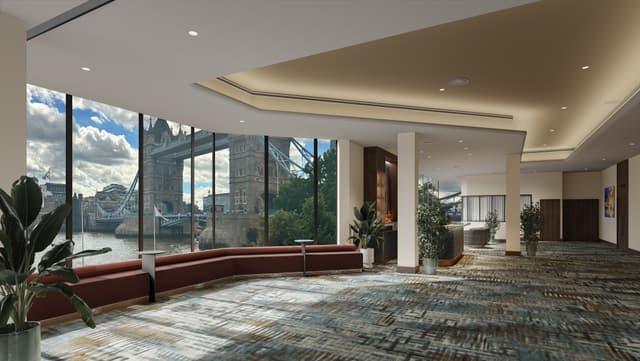
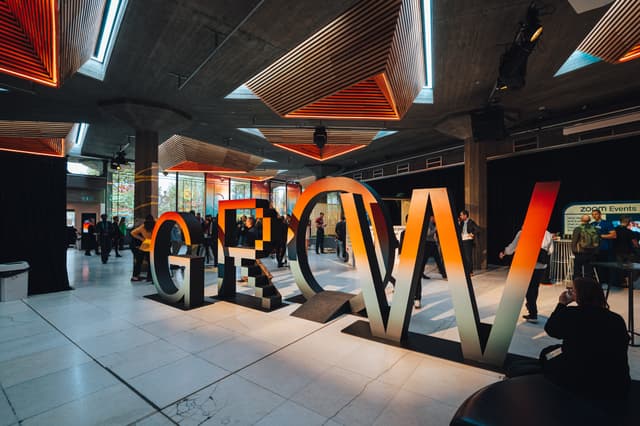
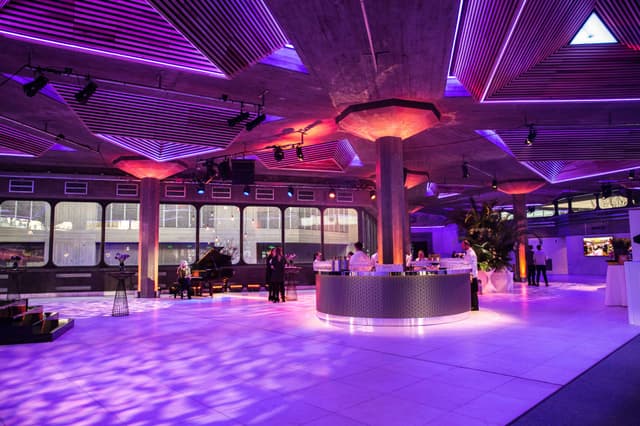
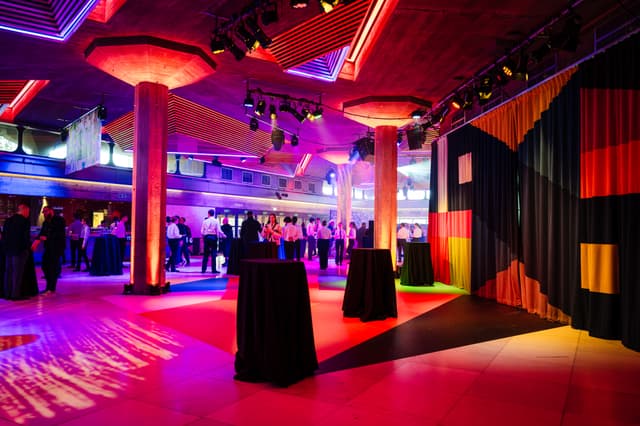
No venues match these filters
Try widening your capacity, luxury level or event type.
Explore top meeting rooms in the City of London for up to 500 people.
No venues match these filters
Try widening your capacity, luxury level or event type.
For business events that need human judgement, talk to our team. Free for 100 person+ events organised by businesses.




Tell us what you need. Our deep research finds any venue, whether it's in our marketplace or not. No one else does this.
When you're tasked with organising a meeting for 500 people, there's nowhere quite like the City of London to deliver that perfect blend of prestige and practicality. Having organised countless large-scale corporate events here over the years, I can tell you that the Square Mile offers something truly unique – it's where business gets done, and your attendees know it.
The numbers speak for themselves: with over 500,000 people working within just 1.12 square miles, the City boasts the highest concentration of decision-makers anywhere in Europe. Your delegates won't need to travel far – most will be within a 15-minute walk or tube ride from venues like The Brewery or Guildhall. This proximity translates into higher attendance rates and, crucially, more engaged participants who haven't spent their morning battling across London.
What sets the City apart isn't just its postcode prestige – it's the robust infrastructure that can handle your 500-person event without breaking a sweat. The transport links are genuinely exceptional: Liverpool Street and Bank stations can funnel thousands of people efficiently, whilst the new Elizabeth Line means your Heathrow-flying executives reach venues in under 30 minutes.
From a practical standpoint, venues here are built for scale. Most meeting rooms accommodating 500 people offer 400-600m² of space with 4-meter minimum ceiling heights – essential for proper AV setups. The power infrastructure is typically 200 amps, three-phase, which means your tech team won't be scrambling for additional supply mid-event.
Yes, you'll pay more – expect £10,000+ per day for quality 500-person capacity – but there's genuine value here. The calibre of venues attracts serious corporate clients, meaning your networking opportunities extend far beyond your immediate attendees. We've seen deals worth millions struck in the corridors of City venues, simply because the right people were in the right place.
The proximity to major financial institutions also means world-class catering suppliers and AV specialists are readily available. Companies like Seasoned Events have honed their craft serving the exacting standards of investment banks and law firms.
For events requiring that extra gravitas – board presentations, investor meetings, or high-stakes negotiations – the City's reputation does half your work for you. When you're considering alternatives like Meeting Rooms in Mayfair or exploring Meeting Rooms in Victoria, remember that location credibility can be worth every penny of that premium.
Right, let's get into the nitty-gritty of actually making this happen. After years of orchestrating large-scale meetings in the City, I've developed what I call the "500-person blueprint" – a systematic approach that prevents those heart-stopping moments when everything could go sideways.
For 500-person events in the City, you need a minimum 12-week lead time – and that's being optimistic. The best venues like The Brewery or Guildhall are often booked 6-9 months ahead, particularly during peak seasons (April-June and September-November). I've seen too many event planners scramble in January thinking they'll secure prime City venues for a May conference.
Your booking timeline should look like this: venue secured by week 1, catering confirmed by week 4, AV requirements locked by week 6, and delegate communications starting week 8. The City's premium venues won't hold dates without deposits – typically 25% upfront – so budget approval needs to happen early.
Here's where many planners trip up: 500 people doesn't just mean finding a room that holds 500. You need to think in configurations. Theatre-style seating works for presentations, but if you're planning breakout sessions, you'll need classroom setup (250 capacity) or banquet rounds (350 capacity). Most City venues offer flexible 400-600m² spaces, but reconfiguration between sessions takes 45-60 minutes minimum.
| Layout Style | Capacity | Space Required | Setup Time |
|---|---|---|---|
| Theatre | 500 | 400m² | 2 hours |
| Classroom | 250 | 450m² | 3 hours |
| Banquet | 350 | 500m² | 4 hours |
Don't assume the venue's standard AV package will cut it. For 500 people, you need dedicated 100 Mbps bandwidth minimum – shared WiFi will crash during peak usage. Most City venues can provide this, but it's often an additional £2,000-£3,000 charge.
Sound coverage is critical too. The acoustics in large City meeting rooms can be challenging – you'll want STC ratings of at least 50 to prevent echo. I always recommend site visits during busy periods to test audio quality properly.
If you're considering smaller alternatives, Seminar Rooms in City Of London for 200 people might offer more intimate settings, whilst Small Meeting Rooms in Clerkenwell provide excellent value for breakout sessions.
The key is building buffer time into every element – because in the City, when 500 busy professionals are involved, there's no room for "nearly ready."
The venue selection process for 500-person meetings in the City isn't just about finding the biggest room – it's about understanding the subtle dynamics that separate successful events from expensive disasters. Having walked through dozens of City venues with clipboard in hand, I can tell you that the devil really is in the details.
Not all City meeting spaces are created equal, and the pricing reflects this reality. Your budget will likely fall into three distinct tiers: venues charging £5,000-£8,000 per day typically offer solid infrastructure but basic amenities, whilst the £10,000-£15,000 bracket gets you premium locations with dedicated event teams. The top tier – £15,000+ – includes iconic spaces like Guildhall where the venue itself becomes part of your event's story.
What many planners miss is the operational differences between these tiers. Lower-priced venues often require you to bring in external suppliers, whilst premium spaces have established partnerships with caterers and AV specialists. This can actually save money in the long run – I've seen "budget" venues end up costing more once you factor in coordination fees and supplier markups.
Within the Square Mile, proximity to transport hubs dramatically affects attendance rates. Venues within 200 metres of Bank or Liverpool Street stations consistently see 15-20% higher attendance than those requiring longer walks. This matters enormously when you're dealing with senior executives whose time is precious.
Consider the morning rush dynamics too. A venue near Moorgate might seem convenient, but the station gets overwhelmed between 8:30-9:30am. I always recommend venues with multiple transport options – places accessible via both tube and bus routes give delegates flexibility when services are disrupted.
Before committing to any venue, insist on testing the WiFi during peak hours. Many City buildings share bandwidth across multiple floors, and what works fine at 2pm might collapse when 500 people simultaneously check emails at 9am. Ask for dedicated bandwidth guarantees in writing.
Power supply is equally critical. Older City buildings sometimes struggle with modern AV demands – I've witnessed events where projectors dimmed during peak usage. Always request a power audit showing available capacity versus your requirements.
For alternative options that might better suit specific needs, Small Meeting Rooms in Barbican offer excellent value for breakout sessions, whilst The Top 3 London Hotels With Great Meeting Rooms provides insights into venues with integrated accommodation.
The key is viewing venue selection as risk management – every decision should reduce the chances of something going wrong when 500 people are watching.
Let's talk money – because budgeting for 500-person City meetings requires a completely different approach than your typical corporate gathering. Over the years, I've helped clients save tens of thousands whilst others have overspent catastrophically, and the difference usually comes down to understanding how City venue pricing actually works.
Most planners focus solely on the headline venue hire fee, but that's just the starting point. For quality 500-person spaces in the City, you're looking at £10,000-£15,000 for the room alone, but the hidden costs can easily double this figure. Dedicated bandwidth typically adds £2,000-£3,000, professional AV setup runs £3,000-£5,000, and if you need climate control adjustments for large crowds, expect another £1,000-£2,000.
Here's where smart negotiation comes in: venues often bundle these extras at better rates than itemised pricing. I always ask for a "full technical package" quote rather than building costs piecemeal. The savings can be substantial – sometimes 20-30% off individual component pricing.
January and February are your golden months for City venue negotiations. Venues are hungry for bookings after the Christmas lull, and you'll find much more flexibility on pricing and terms. I've secured £15,000 venues for £11,000 simply by booking in February for September events.
Conversely, avoid booking during peak periods (April-June, September-November) unless budget isn't a constraint. During these months, venues can afford to be inflexible, and you'll pay full rates with minimal negotiation room.
Most City venues require 25% deposits, but here's an insider tip: negotiate staged payments instead. Rather than £3,750 upfront on a £15,000 booking, propose £1,500 at signing, £2,250 at 8 weeks, and balance on arrival. This protects your cash flow and gives you leverage if issues arise.
For smaller gatherings or breakout spaces, consider Small Meeting Rooms in Bloomsbury or Small Meeting Rooms in Holborn which often offer better value for subsidiary sessions.
With 500 attendees, the financial risk is enormous. Always negotiate cancellation terms that protect against force majeure events, but also consider what happens if key speakers withdraw. I've seen £20,000 events cancelled because a CEO couldn't attend, leaving organisers liable for full costs.
The smartest approach? Build contingency funds of 15-20% into your initial budget, then use any savings for enhanced delegate experience rather than returning unused funds.
After orchestrating dozens of large-scale City meetings, I've witnessed every possible disaster – and trust me, when 500 people are involved, small mistakes become expensive catastrophes. The good news? Most pitfalls are entirely preventable if you know what to watch for.
The biggest shock for first-time large event organisers is the sheer logistics of getting 500 people through registration. I've seen queues snake around Guildhall because organisers assumed their usual 2-desk setup would suffice. For 500 attendees, you need minimum 6-8 registration points, each requiring dedicated power and WiFi access. Budget an extra £1,500-£2,000 for additional registration infrastructure – it's cheaper than dealing with 200 frustrated executives at 9am.
Here's where many planners get caught out: venues quote "maximum capacity" but fire regulations often reduce this significantly. A 500-person theatre setup might only accommodate 350 for banquet dining due to exit route requirements. Always request written confirmation of capacity for your specific layout, and factor in 10% buffer for safety compliance.
Scheduling breaks during rush hour (8:30-9:30am, 5:30-6:30pm) creates transport nightmares for delegates. I learned this the hard way when 500 people tried leaving a Bank venue at 5:45pm – the station couldn't cope, and we had delegates stuck underground for 45 minutes. Schedule key sessions to avoid these windows, or choose venues with multiple transport options like those near Small Meeting Rooms in Farringdon which offer excellent connectivity.
Standard catering calculations don't scale linearly. For 500 people, you need 15-20% more food per person than smaller events because service takes longer, and people eat more whilst waiting. Budget £45-£65 per person for quality City catering, and insist on multiple service points to prevent bottlenecks.
Venue WiFi that works perfectly for 50 people often crashes with 500 simultaneous users. Always demand dedicated bandwidth testing during peak usage periods. I've seen presentations fail because organisers trusted venue assurances without verification.
The standard 1:10 staff-to-attendee ratio becomes inadequate for events over 300 people. You need 1:8 minimum, with dedicated roles for registration, technical support, and crowd management. This typically adds £2,000-£3,000 to staffing costs but prevents operational chaos.
With 500 attendees, Murphy's Law operates at scale. Always have backup plans for key speakers, alternative AV setups, and emergency evacuation procedures. The 5 Ways to Make your Meetings More Memorable guide offers excellent contingency strategies.
The key is treating large-scale events as complex operations requiring military-level planning – because when 500 busy professionals are involved, there's no room for improvisation.
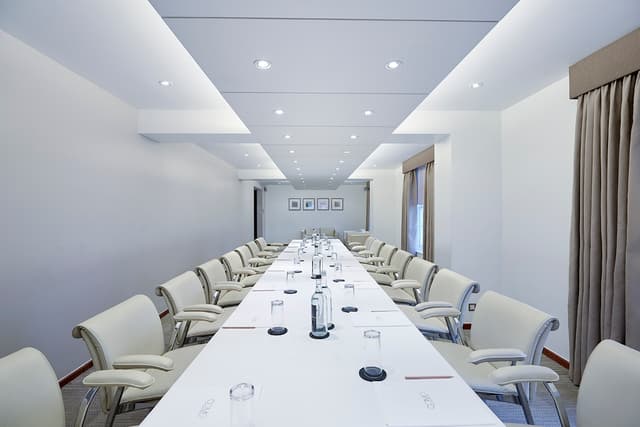
Looking for the coolest meeting rooms in London? From stylish interiors to unique settings, here are 8 venues that will definitely elevate your next meeting!

Located in the heart of the City, Salters’ Hall combines the rich heritage of the salt trade of medieval London with contemporary surroundings. Rebuilt in 1972 by Basil Spence and now a Grade II listed building, it is a rare example of a post-war livery building and has remained largely untouched until now... Architects de Metz Forbes Knight [http://www.dmfk.co.uk/projects/load/salters-hall] (dMFK) were tasked with the project to upgrade the building whilst retaining its sense of history and al

Creative ventures across the artistic spectrum are accommodated and embraced at Anomalous Space [https://hirespace.com/Venues/London/1551/Anomalous-Space], situated stunningly close to Angel Station on Pentonville Road. The venue's name captures its uniqueness, in that it deviates from the standard, unoriginal function space that's all too common. Anomalous Space combines the most contemporary of technological facilities with Art-Deco features, all set within an authentic Georgian townhouse.
Multiple venues and events. One agreement.


