Sustainable Conference Venues for Hire in North West London
Compare sustainable conference venues across North West London with tiered auditoriums, efficient AV facilities and transparent pricing data.
27 Sustainable Conference Venues for Hire in North West London





















No venues match these filters
Try widening your capacity, luxury level or event type.
Don't have time to search? We'll find it for you.
For business events that need human judgement, talk to our team. Free for events of 100+ people, budgets over £10k or ongoing programmes.




Explore more venues in North West London







Frequently asked questions
Can outdoor spaces enhance sustainability?
How can I verify a venue's sustainability?
What defines a sustainable venue in NW London?
Are NW London venues well-connected?
What tech should sustainable venues offer?
What tech amenities do sustainable venues offer?
How do venues balance modern amenities with sustainability?
What public transport options serve NW London conference venues?
What eco-certifications indicate a sustainable venue?
What energy-efficient features are common in NW London venues?
Which factors impact sustainable venue pricing?
How much does a sustainable delegate day cost in NW London?
How do NW London venues reduce their carbon impact?
What sustainable catering options are provided?
How do venues support eco-friendly event logistics?
Other platforms search their database. We search everything.
Tell us what you need. Our deep research finds any venue, whether it's in our marketplace or not. No one else does this.
About Sustainable Conferences in North West London
What makes a conference venue genuinely sustainable
Booking a conference venue with credible environmental standards requires looking past generic marketing. In North West London, historic buildings, purpose-built academic spaces and modern transport hubs sit side by side. Each approaches sustainability differently, and an organiser needs to know which operational practices produce measurable carbon savings.
A truly sustainable venue manages its impact across energy, water, waste, transport, catering, procurement and accessibility. Instead of relying on broad statements, look for venues that measure and report their ongoing performance. Standard frameworks give you a concrete benchmark:
- BREEAM or BREEAM In-Use certifies building design and ongoing operational efficiency.
- ISO 20121 sets management standards specifically for event sustainability.
- ISO 14001 covers organisational environmental management systems.
- Green Tourism certification provides an audited rating for meetings and hospitality venues.
Always verify the scope of any accreditation. A property might hold a BREEAM rating for its base construction, but that does not guarantee the in-house catering team composts food waste or that the production company runs low-energy equipment. Ask the venue team for their certificate number, expiry date and the findings of their latest audit. Request their written sustainability policy and check which initiatives apply directly to your conference day. For guidance on structuring your own event framework, read our guide on how to set and measure green goals with isla.
Energy efficiency inside the meeting rooms is the next priority. Look for spaces fitted with LED lighting, daylight harvesting sensors and smart climate control that can be zoned room by room. Venues that run off renewable electricity tariffs or generate on-site solar power significantly reduce the footprint of high-draw AV rigs.
Balancing plenary stages and breakout requirements
A full-day corporate conference needs a clear spatial flow: an acoustic plenary hall for keynotes, distinct rooms for workshops or panel sessions, dedicated exhibition or catering space, and step-free access throughout. North West London offers distinct architectural styles that handle this division of space in different ways.
Dedicated auditoriums and campus venues
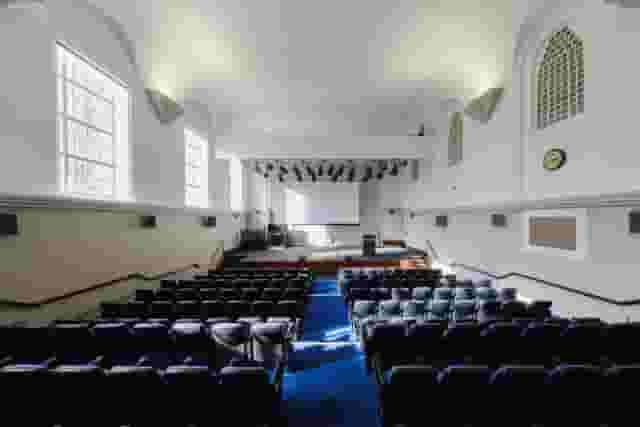
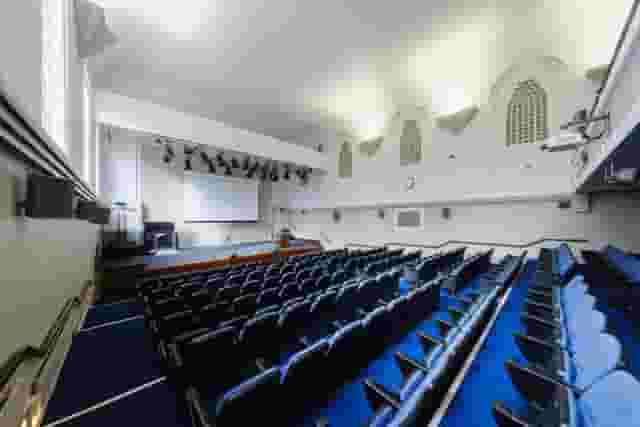
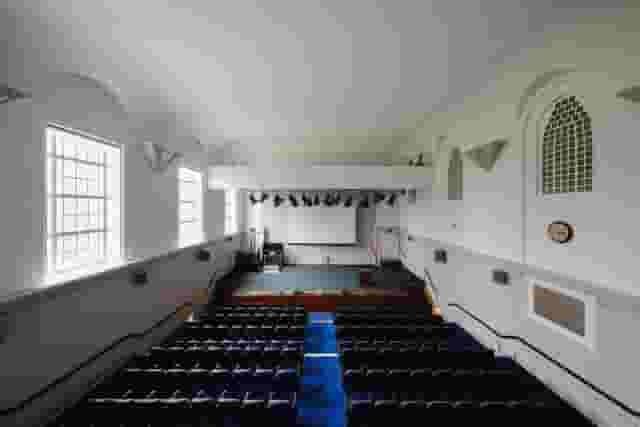
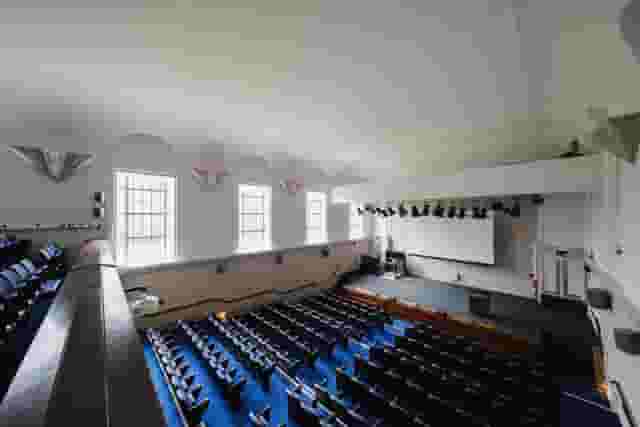
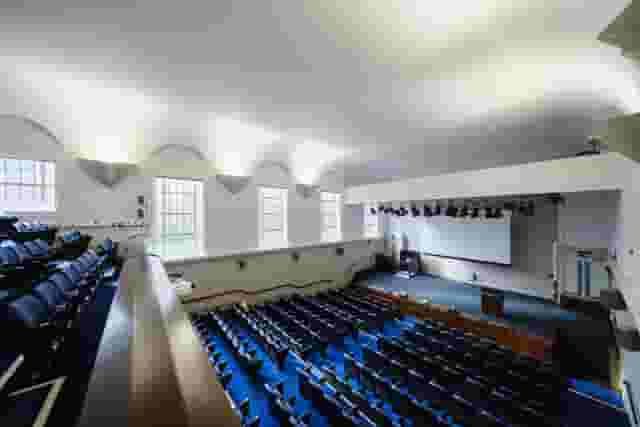
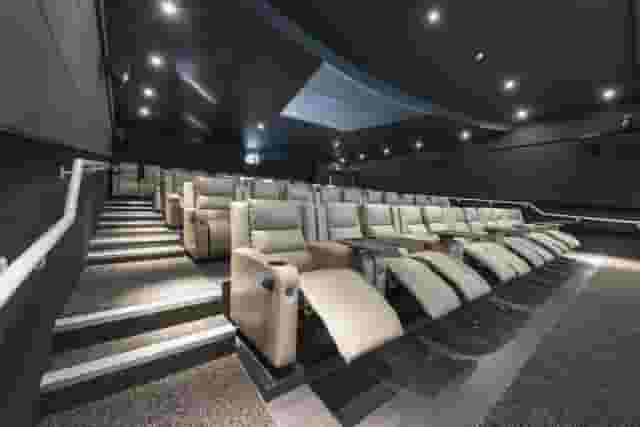
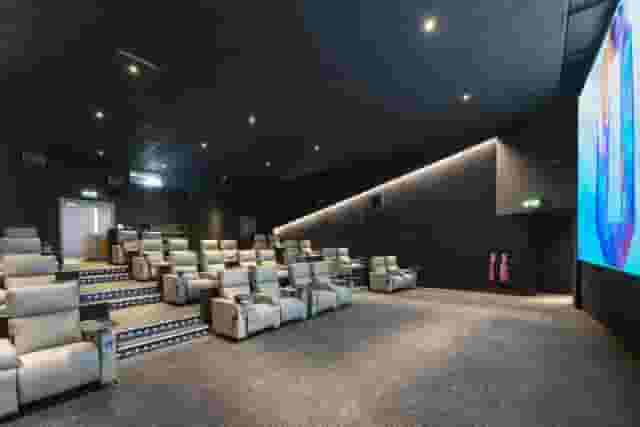
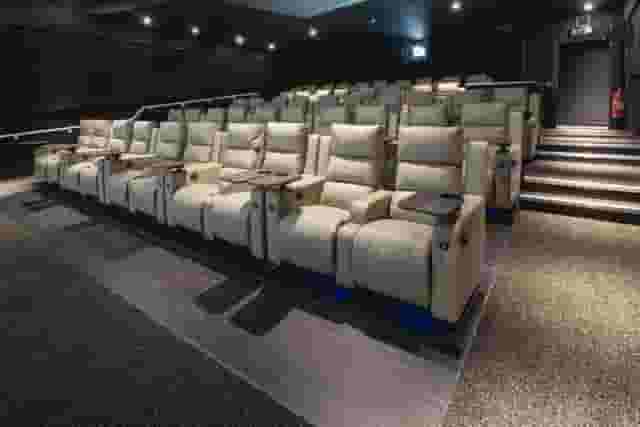
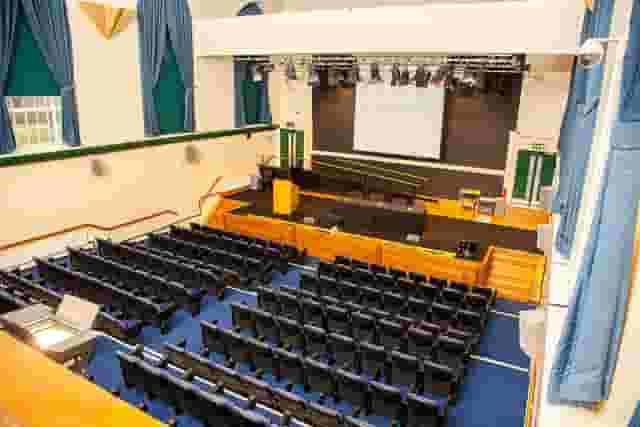
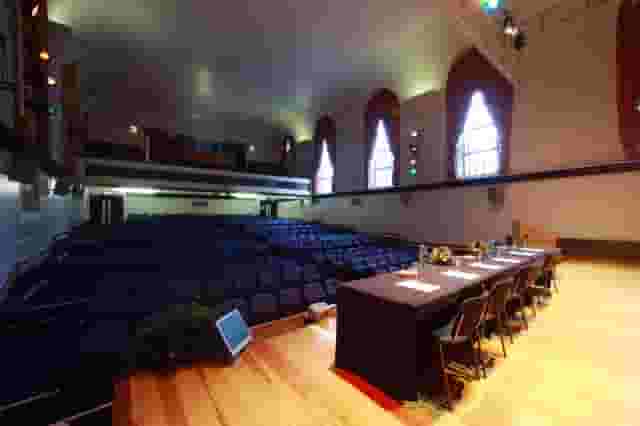
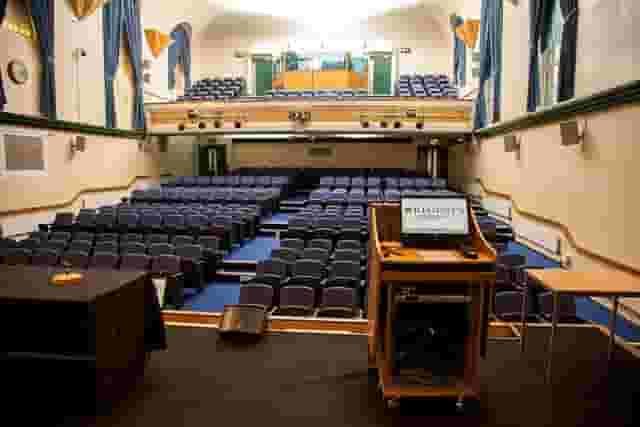
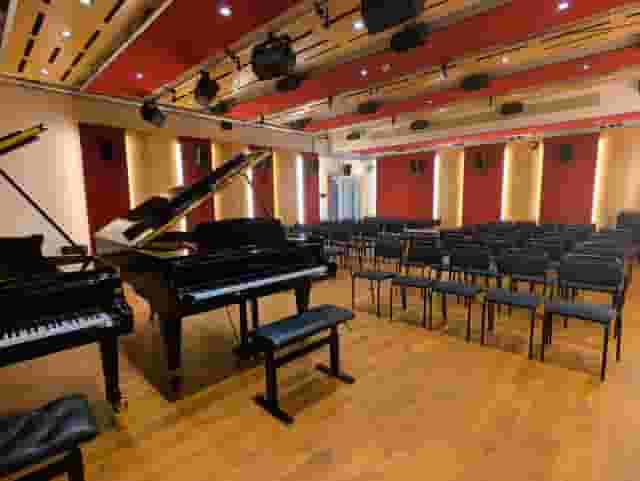
For formal presentations, fixed-tier auditoriums minimise the need to hire temporary staging and lighting rigs, reducing transport emissions and setup power. Regent's Events in Regent's Park houses Tuke Hall, which provides a 370-seat auditorium with built-in tiered seating and an established AV system. Surrounding parkland provides space for breaks, allowing attendees to step outside without requiring heavy air cooling. Nearby in the same park grounds, Knapp Gallery handles receptions for up to 2000 guests, giving large gatherings indoor and outdoor options.
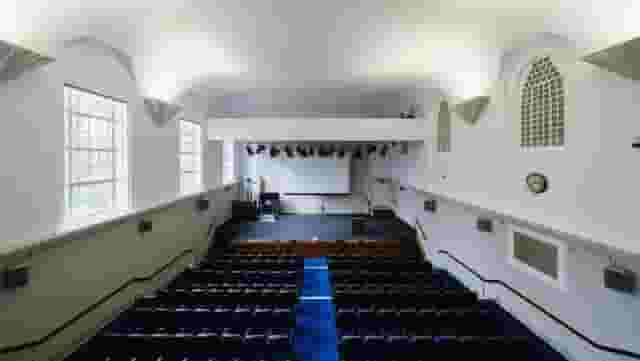
Further north in Hampstead, UCS Venues offers The Lund Theatre, accommodating 210 delegates in raked theatre seating with integrated acoustics. Educational and civic venues like these tend to have established waste sorting and local community procurement policies already built into their estate operations.
Major event halls and flexible staging
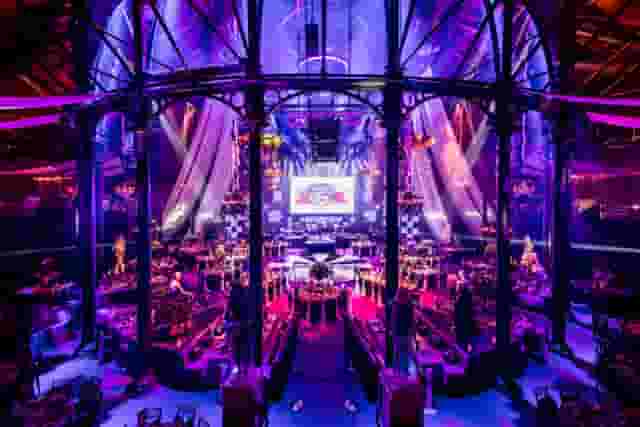
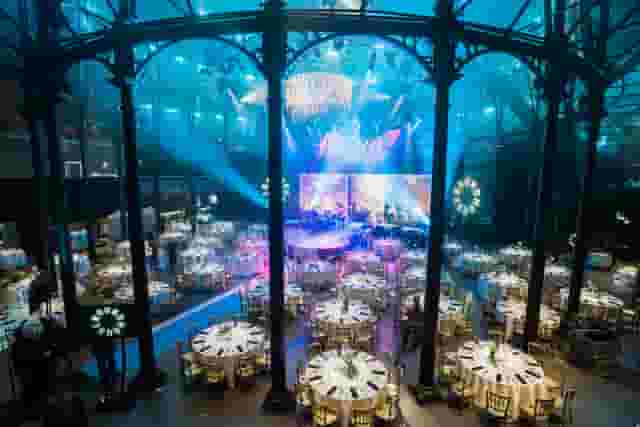
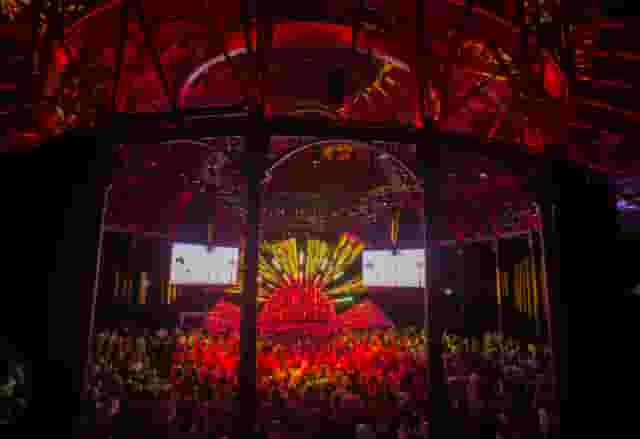
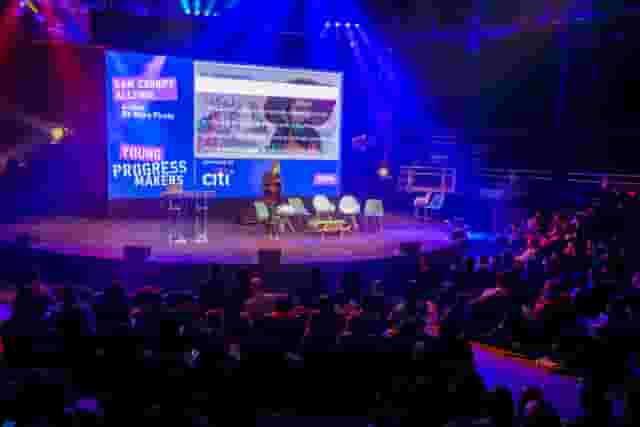
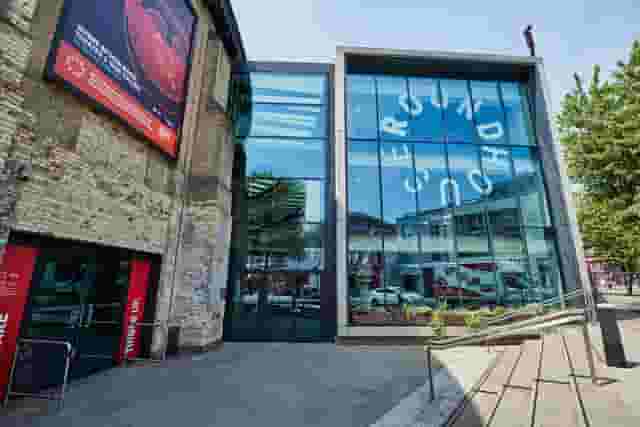
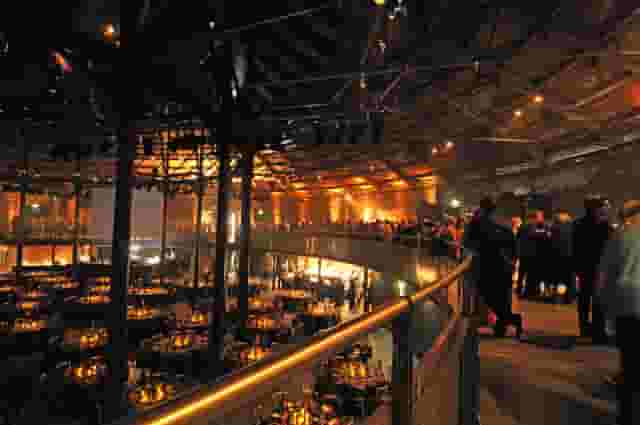
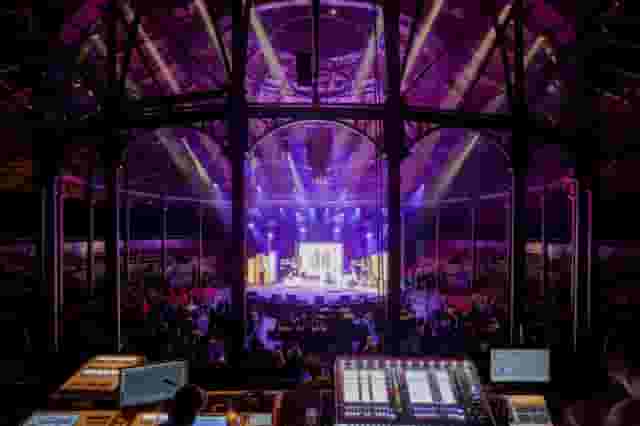
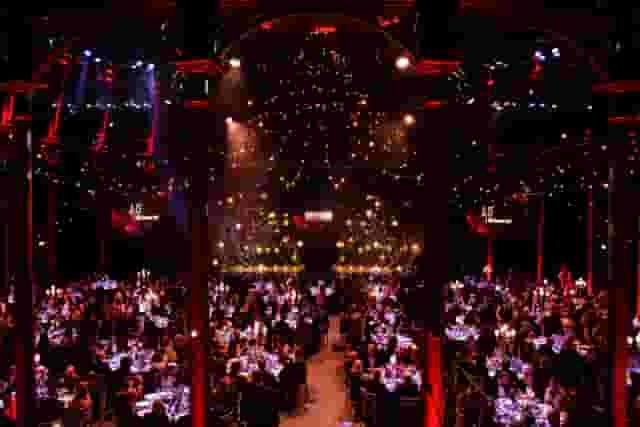
When your event format requires flat-floor plenary setups, cabaret tables or open exhibition space alongside presentations, converted cultural venues and commercial halls offer high structural flexibility. The Main Space at Roundhouse in Camden can host up to 1800 standing delegates under its historic circular roof, offering an expansive floor area for custom plenary and breakout layouts.
For events blending presentation stages with creative workshop environments, Ladbroke Hall provides performance spaces holding up to 250 in a theatre arrangement. In Hendon, The Hundred Club at StoneX Stadium accommodates up to 350 guests for receptions, offering pitch views and flexible conference suites suitable for larger corporate away days and plenary sessions.
Integrated transport hub suites
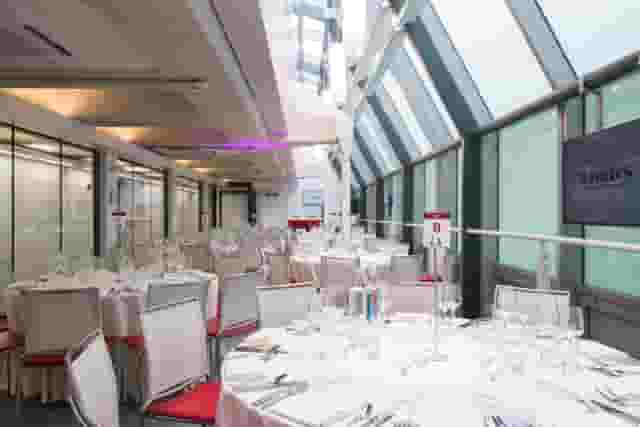
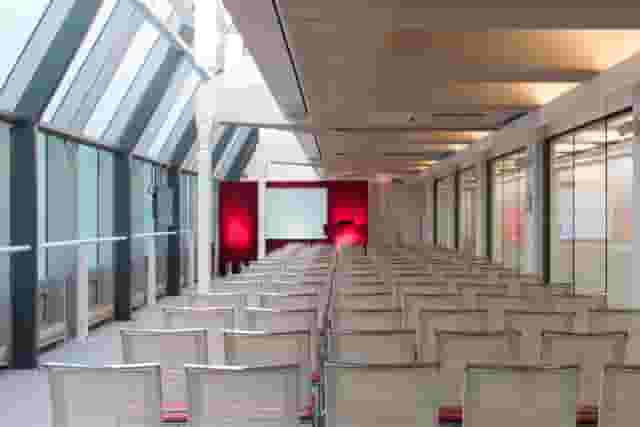
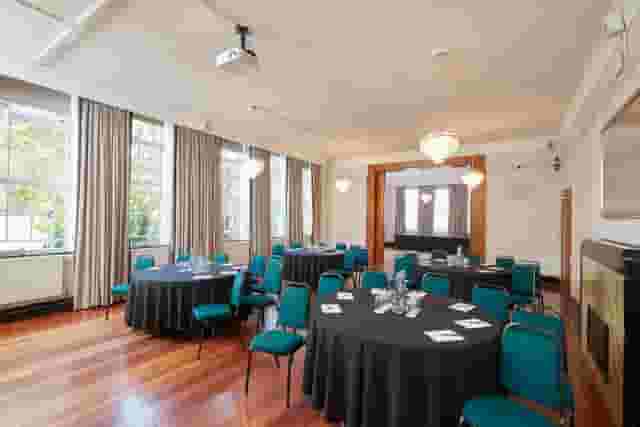
Keeping delegate travel carbon low means choosing venues located near major rail terminals. Paddington serves as a critical gateway, linking central London to western rail lines and Heathrow Airport via direct express trains. Here, Storey Club, Paddington Central provides an Event Hall holding up to 200 guests. The space includes smart AV technology, abundant natural daylight and divisible partition walls that let you switch between a central plenary room and breakout workshops without moving furniture between floors.
For high-tempo formats, HUCKSTER London in Paddington offers a whole venue hire capacity of 400 guests for buffet layouts, featuring integrated AV and multiple private rooms that serve well as informal discussion corners.
| Venue | Locality | Key room setup | Main stage capacity | Setting style |
|---|---|---|---|---|
| Regent's Events | Regent's Park | Tiered theatre auditorium | 370 | Academic parkland campus |
| Roundhouse | Camden | Open circular hall | 1800 | Converted industrial heritage |
| Storey Club, Paddington Central | Paddington | Divisible hall with natural light | 200 | Modern business hub |
| UCS Venues | Hampstead | Tiered theatre | 210 | Educational performing arts centre |
| StoneX Stadium | Hendon | Suite with stadium views | 350 | Modern sports arena |
| Ladbroke Hall | Notting Hill border | Adaptable performance hall | 250 | Restored arts and dining venue |
Audiovisual planning and lower-carbon technology
Production and stage lighting account for a large portion of a conference's temporary energy demand. Inefficient projection units, heavy transport fleets delivering stage sets, and disposable vinyl backdrops quickly negate good intentions elsewhere.
Begin by prioritising venues with permanently installed AV rigs over raw dry-hire spaces. Permanent infrastructure eliminates the emissions produced by heavy goods vehicles delivering staging, trussing and speakers through congested city streets. When evaluating in-house AV systems, confirm that the venue uses LED fixtures rather than incandescent stage lamps, which run hot and force heating, ventilation and air conditioning systems to work harder.
Hybrid event technology is another major sustainability lever. By offering remote attendance, you reduce the long-distance travel footprint of international delegates. Reliable live-streaming cameras, digital audience polling and cloud-based screen sharing require robust digital bandwidth. Look for venues with dedicated synchronous fibre lines and native video-conferencing kits. To see how central locations address hybrid setups, explore our review of hybrid ready conference venues in London.
Minimise temporary waste on the production stage by replacing single-use foam-board sponsor signage with digital LED screens or reusable tension-fabric backdrops. Implement paperless registration via QR codes on mobile devices, and offer digital event apps in place of printed delegate brochures and agendas.
Catering standards, waste management and logistics
Food and drink production often generates the highest greenhouse gas emissions per attendee at any corporate conference. Sourcing menus responsibly while controlling waste requires early coordination with the venue's catering director.
Sustainable menu planning
Insist on seasonal, locally sourced produce with menus built around plant-forward dishes. Vegetarian and vegan catering has a significantly lower carbon and water footprint compared to beef or dairy-heavy menus. Where meat or fish is served, ask for certified welfare standards, such as RSPCA Assured or Marine Stewardship Council accreditation.
Avoid individual disposable packaging. Request water refill stations and glassware rather than single-use plastic bottles, and ensure condiments, milk and sugar are served in ceramic dishes and carafes.
Measuring and managing waste
Clear waste separation must be accessible to delegates in all breakout areas, not hidden behind service doors. Your chosen venue should provide clearly marked stations for dry mixed recycling, general waste and dedicated organic compost bins.
Ask the catering team how they manage surplus food. Venues with rigorous environmental policies partner with food redistribution charities such as City Harvest or Olio, or operate on-site anaerobic digestors to convert leftovers into compost. Establish exact delegate numbers early to avoid over-ordering, and request a post-event report showing total food waste by weight alongside recycling diversion rates.
Delegate transit across North West London
Delegate transport typically represents the largest portion of an event's total carbon balance. North West London is served by extensive rail and tube connections, but accessibility varies significantly depending on whether your chosen venue sits near a central hub or in an outer borough.
Key transport arteries across the district include:
- Underground connections via the Jubilee, Metropolitan, Northern, Bakerloo, Piccadilly and Central lines.
- London Overground lines linking Camden, Hampstead and West London.
- National Rail services terminating at Marylebone, Euston and Paddington.
- Dedicated cycle paths running alongside Regent's Canal and through central parks.
Venues clustered around Marylebone and Paddington allow regional and airport passengers to arrive via direct train, removing the need for cross-city taxi journeys. Before booking, check TfL step-free station access guides to ensure delegates with restricted mobility can travel comfortably by public transit. When planning arrival routes, you can consult our roundup of London conference venues with great transport links.
Encourage attendees to use public transport by including walking directions from the nearest station on your event website, complete with step counts and cycle parking locations. Avoid arranging private coach transfers when scheduled rail services run regularly along the same corridor.
Understanding costs and budgeting for full-day packages
Sustainable procurement does not have to carry a premium, but pricing structures differ across North West London depending on whether you choose a modern commercial space, a heritage building or an academic venue.
Our booking records show that conference pricing in this area is typically £176 to £331 per head. This figure is based on 27 quotes from the venues on this page and assumes a guest count of about 100 guests. As an event planning and venue booking platform, Hire Space backs these figures with a team of real people who help manage your search. The platform calculates immediate cost projections drawn from real transaction records so you can gauge expenses before making contact, while recommending comparable alternatives at a lower day rate if a preferred space stretches your budget.
What this per-delegate cost covers varies between venues. In standard day delegate rates, the price generally includes room hire for the main plenary and one breakout room, basic audiovisual facilities (such as a projector, screen, microphones and PA system), morning coffee, a standing buffet lunch, afternoon refreshments and on-site event management.
The difference between the lower and higher ends of this range usually comes down to three factors:
- Location and prestige: Venues situated directly adjacent to central transport hubs or within historic central estates sit towards the higher end of the range, reflecting commercial ground rent and prime accessibility.
- AV inclusion: Packages towards the £176 end of the range usually cover basic plug-and-play presentation tech. As you move towards the £331 end, quotes more frequently incorporate dedicated sound and lighting engineers, multi-camera live streaming rigs and technician support throughout the day.
- Catering quality and accreditation: Menus that commit to 100% organic, hyper-local or certified fair-trade ingredients require higher staffing and procurement budgets, shifting the package cost upwards.
When negotiating your proposal, clarify what is covered in the core figure and what is charged as an extra. Check whether breakout spaces incur individual room hire fees or if they are included in the delegate package. Ask whether technician charges apply only to setup hours or for the duration of live stage sessions. Many venues will hold room hire stable if you commit to minimum catering spends or agree to a fully plant-based menu structure that uses seasonal ingredients efficiently. Hire Space 360 is enterprise venue and hotel procurement for companies spending £1m or more a year on meetings and events: a managed meetings and events programme, the kind procurement teams call strategic meetings management. It places every venue contract and accommodation booking under a single master agreement, ensuring compliance with your company event policy and providing one consolidated invoice. Procurement and finance teams gain live spend reporting and a clear audit trail across all bookings, highlighting how Hire Space 360 works for procurement when managing an organisation-wide meetings and events programme.
Evaluating your conference venue shortlist
Before signing a contract, run your shortlist through a practical checklist to verify that the venue's environmental claims match its operational reality:
- Accreditation and evidence: Request current BREEAM In-Use ratings, Green Tourism certificates or ISO 20121 documentation. Ask for an anonymised post-event sustainability report from a recent conference to see what data they can provide.
- Daylight and climate control: Confirm that plenary and breakout rooms feature natural daylight to reduce lighting demand, and check that heating and air conditioning can be zoned independently.
- Integrated equipment: Ensure the main room contains fixed LED lighting, digital projection and integrated sound systems so you avoid trucking in third-party AV gear.
- Catering provenance: Ask to review sample seasonal menus. Confirm that coffee and tea are ethically certified, tap water is served as standard in carafes, and leftover food is redistributed to local community initiatives.
- Transit accessibility: Verify walking routes and step-free access from the nearest London Underground or Overground station, ensuring delegates can arrive easily without private vehicles.
Focusing on verified data, energy-efficient tech and plant-forward catering will allow you to deliver a professional corporate conference that meets both your strategic goals and your environmental targets.
What our customers say
Inspiration and planning guides

Hire Space Presents: New World, New Strategies. The Opportunity To Nail Your Sustainability Objectives?
Could this global crisis be the ideal opportunity to scale up our commitments to environmental sustainability? We delve into this topic in terms of events and venues.

Hire Space Presents: Setting Measurable Sustainability Objectives For Event Projects
Sustainability expert Abena Poku-Awuah offers her practical tips and frameworks that will get you ready to initiate your own sustainability objectives for your next event.

Women and Sustainability in Events: Kate Simpson
We met with the wonderful Kate Simpson – Marketing Director at the Business Design Centre. Not only does the BDC hold unforgettable events, they recently celebrated ten years as a carbon neutral venue, regularly contribute 0% to landfill and use 100% renewable energy sources.
One supplier. Every venue. Full visibility on what you spend.
Multiple venues and events. One agreement.