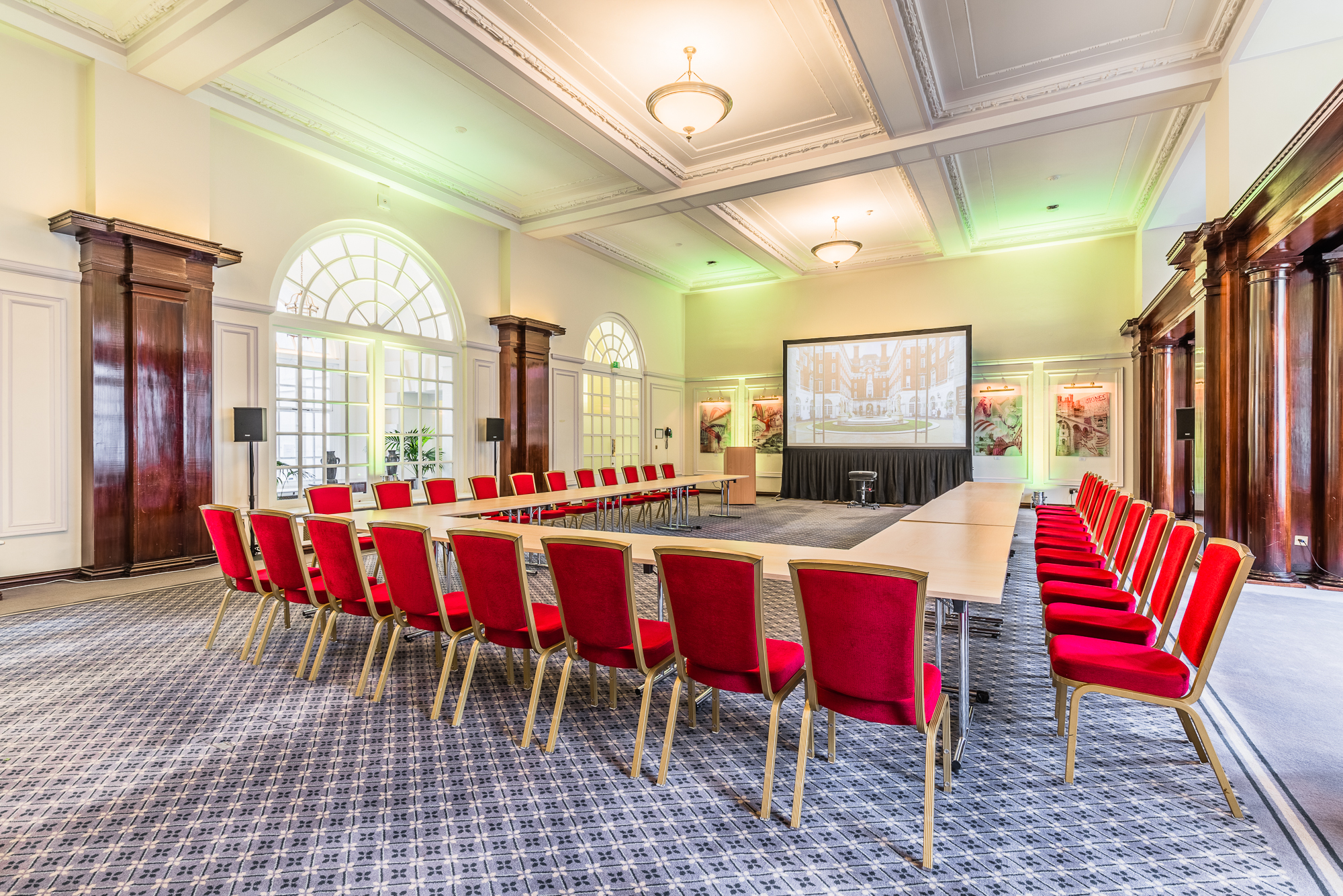
Stadiums in London for 100 people
Explore stunning stadiums in London perfect for hosting events with 100 guests.
About Stadiums
### Why London's Stadium Spaces Are Perfect for Your 100-Person Corporate Event When you're planning a corporate event for 100 people, you might not immediately think "stadium," but hear me out – London's stadium spaces offer something truly special that traditional venues simply can't match. We've seen a real shift in recent years, with more event planners discovering the unique advantages these venues bring to mid-sized corporate gatherings. The magic lies in the atmosphere. There's something about being in a space where thousands have cheered, celebrated, and shared memorable moments that instantly elevates your event. Your guests walk in and immediately feel they're part of something significant – perfect for product launches, team celebrations, or client entertainment where you want to make a lasting impression. #### What Makes Stadium Spaces Work for 100-Person Events Most people assume stadiums are only for massive crowds, but many London venues have dedicated hospitality suites, executive boxes, or club lounges specifically designed for intimate gatherings. These spaces typically range from 100-200 m² and offer the perfect blend of exclusivity and grandeur. You're getting that iconic stadium backdrop without feeling lost in an oversized venue. The technical capabilities are often exceptional too. These venues are built for major events, so you'll find robust power supply (typically 16-32 amps per phase), professional-grade sound systems, and reliable internet infrastructure – all crucial for [corporate events](https://hirespace.com/GB/London/Corporate-Days-Out) that need to run seamlessly. #### Budget Considerations That Actually Make Sense Here's where it gets interesting from a commercial perspective. Stadium hospitality spaces in London typically range from £80-£120 per person for evening events, including basic catering and venue hire. While this might seem steep initially, you're often getting incredible value when you factor in the wow factor, technical capabilities, and the fact that many spaces include premium catering as standard. The key is understanding what's included. Unlike traditional venues where you might pay separately for AV equipment, security, and premium location access, stadium packages often bundle these essentials. We've found that when you break down the true cost comparison, especially for events where you want to impress clients or celebrate significant company milestones, the value proposition becomes compelling. For your next corporate event, consider whether that stadium atmosphere might be exactly what you need to create an unforgettable experience that your team will still be talking about months later. ### 5 Essential Planning Steps for Stadium Events That Actually Work After organising dozens of stadium events over the years, we've learned that success comes down to getting five critical elements right from the start. Skip any of these, and you'll find yourself scrambling to fix problems that could have been avoided entirely. #### Step 1: Secure Your Date 8-12 Weeks in Advance Stadium availability is surprisingly limited, especially for those premium hospitality suites perfect for 100-person events. We typically recommend booking 8-12 weeks ahead for standard dates, but if you're planning around major sporting events or peak corporate season (September-November), you'll want to extend that to 16 weeks. The deposit requirements are usually 20-50% upfront, so factor this into your cash flow planning. #### Step 2: Map Out Your Technical Requirements Early Here's where stadium events differ from traditional venues – the technical capabilities are often exceptional, but you need to specify your needs clearly. Most hospitality suites come with basic AV (projector, screen, sound system), but if you're planning a product launch or need live streaming capabilities, discuss this during your initial venue visit. The power supply is typically robust (16-32 amps per phase), but complex lighting rigs or multiple screens may require additional arrangements. #### Step 3: Plan Your Guest Journey From Transport Hub to Venue London's stadium locations vary dramatically in accessibility. While venues near major transport hubs like King's Cross or Canary Wharf offer excellent connectivity, others might require shuttle arrangements. We always recommend doing a test journey during peak hours – what looks like a 15-minute trip on Google Maps can easily become 45 minutes during rush hour. Consider providing guests with detailed transport instructions, including alternative routes and nearby parking options (typically £5-£10 per hour). #### Step 4: Understand the Venue's Operational Restrictions Every stadium has specific rules about setup times, noise levels, and what you can and cannot bring in. Some venues restrict external catering, while others have strict guidelines about decorations or branding installations. Get these details in writing during your initial discussions – it'll save you significant headaches later. #### Step 5: Build in Contingency Time and Budget Stadium events often involve more moving parts than traditional venues. Allow 2-3 hours for setup and breakdown, and budget an additional 15-20% for unexpected costs. Weather can impact outdoor elements, and sporting event schedules occasionally shift, affecting your access times. The key is treating your stadium event like the unique experience it is, rather than trying to apply standard venue planning approaches. When you get these fundamentals right, you'll create an event that genuinely stands out from the typical corporate gathering. ### Understanding Stadium Venue Costs and Getting Maximum Value in London Let's talk money – because understanding stadium venue costs properly can mean the difference between a brilliant event and a budget disaster. After years of negotiating these bookings, we've learned that stadium pricing operates quite differently from traditional venues, and there are some genuine opportunities to maximise your investment if you know what to look for. The headline figures might initially seem daunting. Premium hospitality suites in central London typically run £80-£120 per person for evening events, with some exclusive spaces pushing towards £200+ per head. But here's the crucial bit – you're rarely just paying for room hire. Most stadium packages bundle venue access, basic AV equipment, security, premium catering, and often complimentary bar packages. When we break this down against hiring a traditional venue plus all these extras separately, the numbers often stack up surprisingly well. #### What's Actually Included in Stadium Pricing The devil's in the detail with stadium costs. A £100 per person package typically includes venue hire for 4-6 hours, welcome drinks, three-course dining, basic AV setup, dedicated event coordinator, and security. Compare this to a central London hotel where you might pay £40 per person for venue hire, £35 for catering, £15 for AV, plus service charges – suddenly that stadium price looks rather reasonable. We've found the sweet spot for 100-person events often lies in the executive club lounges rather than the premium boxes. These spaces offer that authentic stadium atmosphere without the premium box price tag, typically saving 20-30% whilst still delivering impressive impact. #### Negotiation Points That Actually Work Stadium venues have more flexibility than they initially let on. Off-peak dates (Tuesday-Thursday) can yield 15-25% discounts, and booking multiple events throughout the year often unlocks preferential rates. The key negotiation point we've found most effective is around additional services – asking for complimentary room hire extensions, upgraded catering packages, or included branding opportunities rather than straight price reductions. Consider timing strategically too. Booking during the venue's off-season (typically summer months for football stadiums) can significantly reduce costs, and you'll often get more attention from the events team when they're not managing match-day operations. For events requiring something special – perhaps a [product launch](https://hirespace.com/blog/perfect-product-launch-locations-in-london/) with significant branding requirements – stadium venues often have relationships with specialist suppliers that can deliver better value than sourcing independently. The smart approach is viewing stadium venue costs as an investment in experience rather than just room hire. When your guests are still talking about your event months later, that premium becomes rather good value indeed. ### Navigating London Stadium Logistics: Transport, Access, and Technical Requirements Getting your guests to and around a London stadium venue smoothly is absolutely crucial – and it's where we see most event planners either excel or struggle significantly. The logistics are genuinely different from traditional venues, but once you understand the patterns, you can turn potential challenges into genuine advantages for your 100-person event. The transport reality is this: London's major stadiums are typically well-connected to transport hubs, but the final mile can be tricky. Take the London Stadium in Stratford – excellent Tube connections via Stratford station, but a 10-minute walk that can feel much longer in poor weather or for guests with mobility requirements. We always recommend providing detailed journey instructions including platform numbers, exit routes, and realistic walking times during peak hours. #### Managing Guest Arrival and Stadium Access Here's something most planners don't anticipate – stadium security protocols are significantly more rigorous than standard venues. Your guests will likely encounter bag checks, metal detectors, and specific entry points that can create bottlenecks. For 100-person events, we typically advise staggered arrival times over 30-45 minutes rather than everyone arriving simultaneously. This prevents queues and creates a more relaxed start to your event. Stadium hospitality suites often have dedicated entrances, but these aren't always obvious to first-time visitors. Clear signage and ideally someone from your team positioned at the main entrance can save considerable confusion. We've learned to always do a full walk-through during peak hours – what seems straightforward at 2pm on a Tuesday can be completely different at 6pm on a Thursday. #### Technical Infrastructure That Actually Delivers The technical capabilities in stadium hospitality spaces are generally excellent, but they operate differently from hotel conference rooms. Most suites come with integrated AV systems designed for match-day presentations, which means robust sound systems and large screens, but potentially limited flexibility for custom setups. The power supply is typically 16-32 amps per phase – more than adequate for standard corporate presentations, but if you're planning elaborate lighting or multiple screens, discuss requirements early. Internet connectivity is usually reliable (100 Mbps is standard), but stadium Wi-Fi networks can become congested during major events. For critical presentations or live streaming, consider arranging dedicated bandwidth or backup mobile hotspots. One insider tip: stadium venues often have excellent relationships with specialist AV suppliers who understand the unique requirements of these spaces. Rather than bringing your usual suppliers, consider using their recommended partners – you'll often get better results and competitive pricing. The key is embracing the stadium environment rather than fighting it. When you work with the venue's strengths – that incredible atmosphere, robust infrastructure, and professional event support – your logistics become part of the experience rather than just operational necessities. ### Expert Solutions to the Most Common Stadium Event Challenges After organising stadium events for over a decade, we've encountered virtually every challenge you can imagine – and developed practical solutions that actually work. The good news is that most stadium event problems are entirely predictable, which means they're also entirely preventable when you know what to watch for. The reality is that stadium venues present unique challenges that don't exist in traditional event spaces, but they're far from insurmountable. In fact, once you've navigated these common pitfalls successfully, you'll find stadium events become remarkably straightforward to execute. #### Weather Contingency Planning That Goes Beyond Basic Backup Plans Here's the challenge most planners underestimate – weather doesn't just affect outdoor elements of your event. Stadium hospitality suites often have large windows or terraces that are integral to the experience, but heavy rain or strong winds can make these spaces uncomfortable or unusable. We've learned to always have a "Plan B" layout that works entirely within the indoor space, including alternative photo opportunities and networking areas. For events between October and March, factor in potential transport disruptions from weather. London's transport system can struggle with even modest snow or flooding, and your guests might face significant delays. We now build 30-45 minutes of buffer time into evening events during winter months and always provide alternative transport options in our guest communications. #### Managing Noise Levels and Acoustic Challenges Stadium hospitality suites are designed for match-day excitement, not intimate corporate presentations. The acoustics can be challenging – sound carries differently, and background noise from other areas of the stadium can be intrusive. Most venues have strict noise restrictions (typically no loud music after 10pm), but the bigger issue is often managing sound within your space. We've found that requesting acoustic treatment or sound-absorbing materials can transform the experience. Many venues have portable solutions available, but you need to request these during booking. For presentations, always test your AV setup beforehand – what works perfectly in a hotel conference room might need significant adjustment in a stadium environment. #### Catering Logistics and Service Flow Stadium catering operates on a completely different scale and timeline from traditional venues. Kitchen facilities are designed for thousands, not hundreds, which can actually create challenges for intimate events. Service timing can be rigid – they're used to serving 30,000 people simultaneously, not managing the relaxed flow of a corporate dinner. The solution is detailed pre-event planning with the catering team. Specify exactly when you want each course served, build in networking time, and be clear about dietary requirements well in advance. We typically find stadium catering teams incredibly professional once they understand your specific needs, but they need more detailed briefing than traditional venues. #### Parking and Last-Mile Transport Solutions Even well-connected stadiums can present parking challenges for VIP guests or those with mobility requirements. Standard parking is often limited and expensive (£5-£10 per hour), while premium parking can be £50+ for the evening. For 100-person events, we typically arrange a mix of solutions: public transport information for most guests, reserved parking spaces for senior executives, and taxi drop-off coordination for those who prefer door-to-door service. Consider arranging shuttle services from nearby transport hubs during peak hours. This not only solves the last-mile challenge but creates a shared arrival experience that builds excitement for your event. The key insight we've learned is that stadium event challenges are almost always about communication and expectation management. When you brief your guests properly about what to expect – from security procedure
Featured Venues for Stadiums
Browse 16 venues perfect for Stadiums
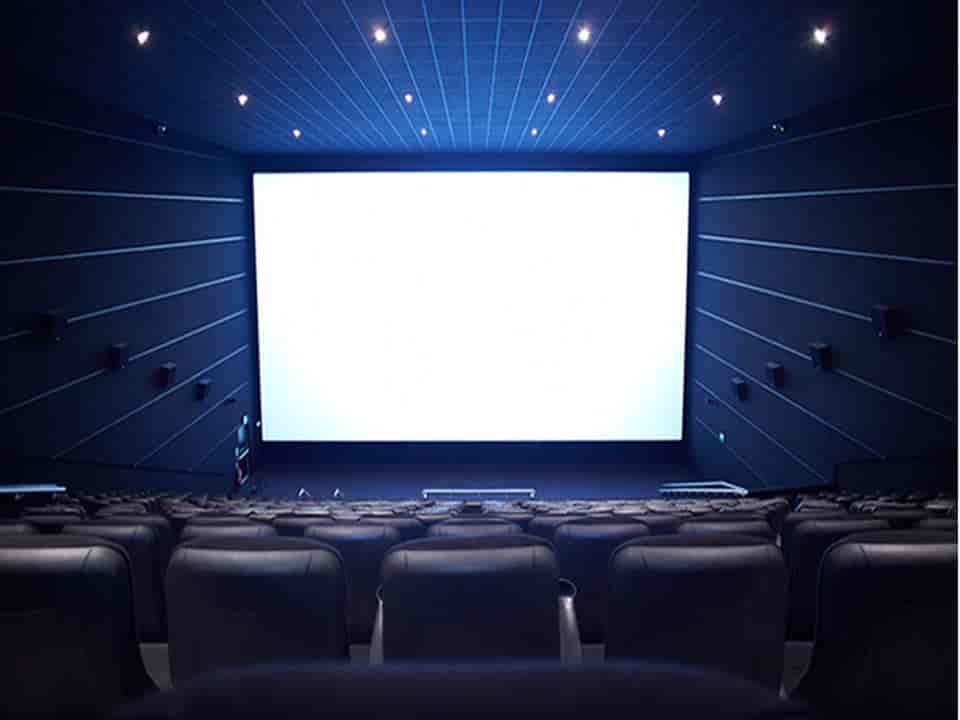
Screenings at Vue Piccadilly Circus
Luxury cinema screens in central London, ideal for private screenings and conferences.
From: £2000 per person
Capacity: Up to 168 guests
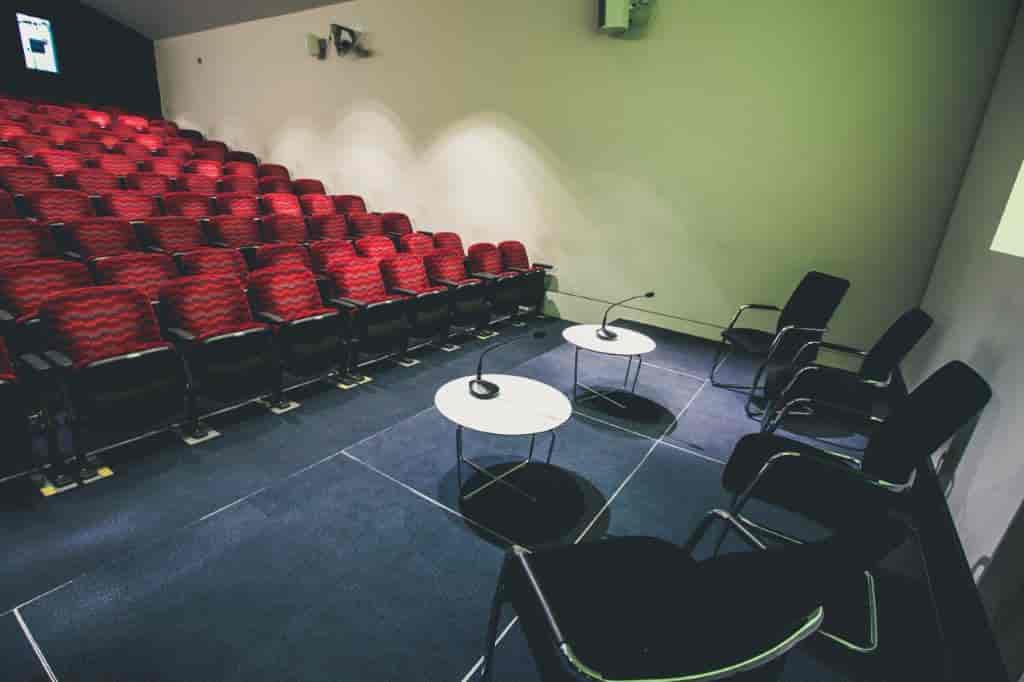
Events at London Transport Museum
A high-tech 110-seat theatre in Covent Garden, ideal for seminars, conferences, and film screenings.
From: £1000 per person
Capacity: Up to 110 guests
Events at 1 Wimpole Street
A spacious, glass-roofed atrium in central London, ideal for corporate events and receptions.
From: £1200 per person
Capacity: Up to 200 guests
Business at The Marble Arch Hotel by Thistle
A large, versatile meeting space in central London, ideal for conferences and events up to 400.
From: £3000 per person
Capacity: Up to 500 guests
Events at Leonardo Royal Hotel London City
Flexible 100-capacity meeting space in a business district hotel with views of the Tower of London.
From: £82 per person
Capacity: Up to 100 guests
Events at Honourable Society of Lincoln's Inn
A modern purpose-built event space with natural light, lecture theatre, and meeting rooms in a historic British venue.
From: £65 per person
Capacity: Up to 158 guests
Arts at KOKO
A historic, versatile live music venue in Camden for concerts, parties, and events up to 1000 guests.
From: £22500 per person
Capacity: Up to 1500 guests
Events at BELL HOUSE
A Georgian mansion with 2 acres of formal gardens, ideal for receptions, promotions, and exhibitions.
From: £1000 per person
Capacity: Up to 100 guests
Events at Lumiere Underwood
From: £54.47 per person
Capacity: Up to 130 guests
Business at London Lighthouse Gallery & Studio
A versatile, light-filled gallery and studio space for exhibitions, events, and creative networking.
From: £1220 per person
Capacity: Up to 100 guests
...and 6 more venues available
Related Event Types
- Event Venues
- Event Venues
- Function Rooms
- Intimate Event Venues
- Product Launch Venues
- Venues With A View
- Showpiece Venues
- Fashion Show Venues
- Recently Opened
- Banqueting Venues
- Historic Venues
- New Years Eve Venues
- Function Rooms
- Intimate Event Venues
- Recently Opened
- New Years Eve Venues
- Venues With A View
- Product Launch Venues