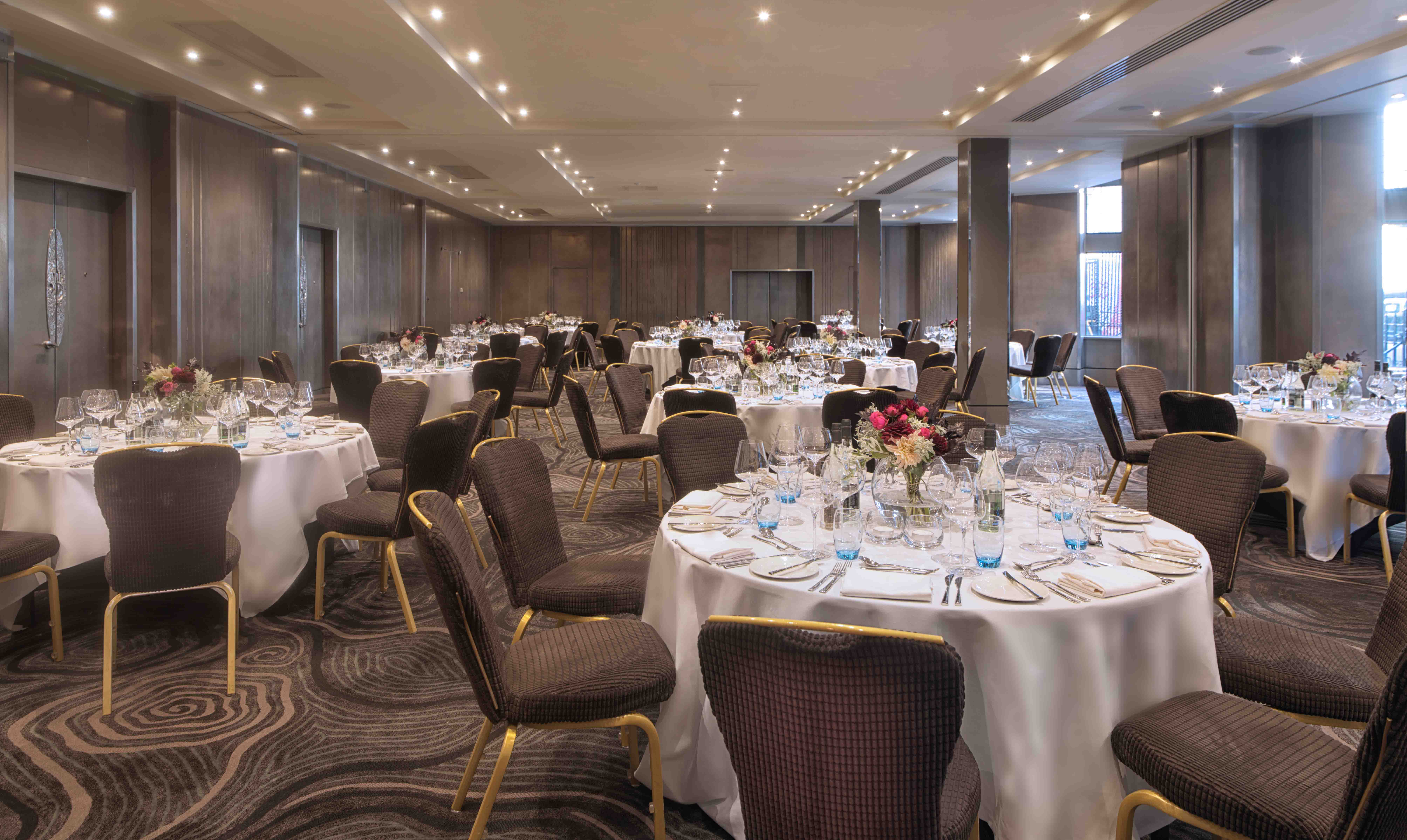
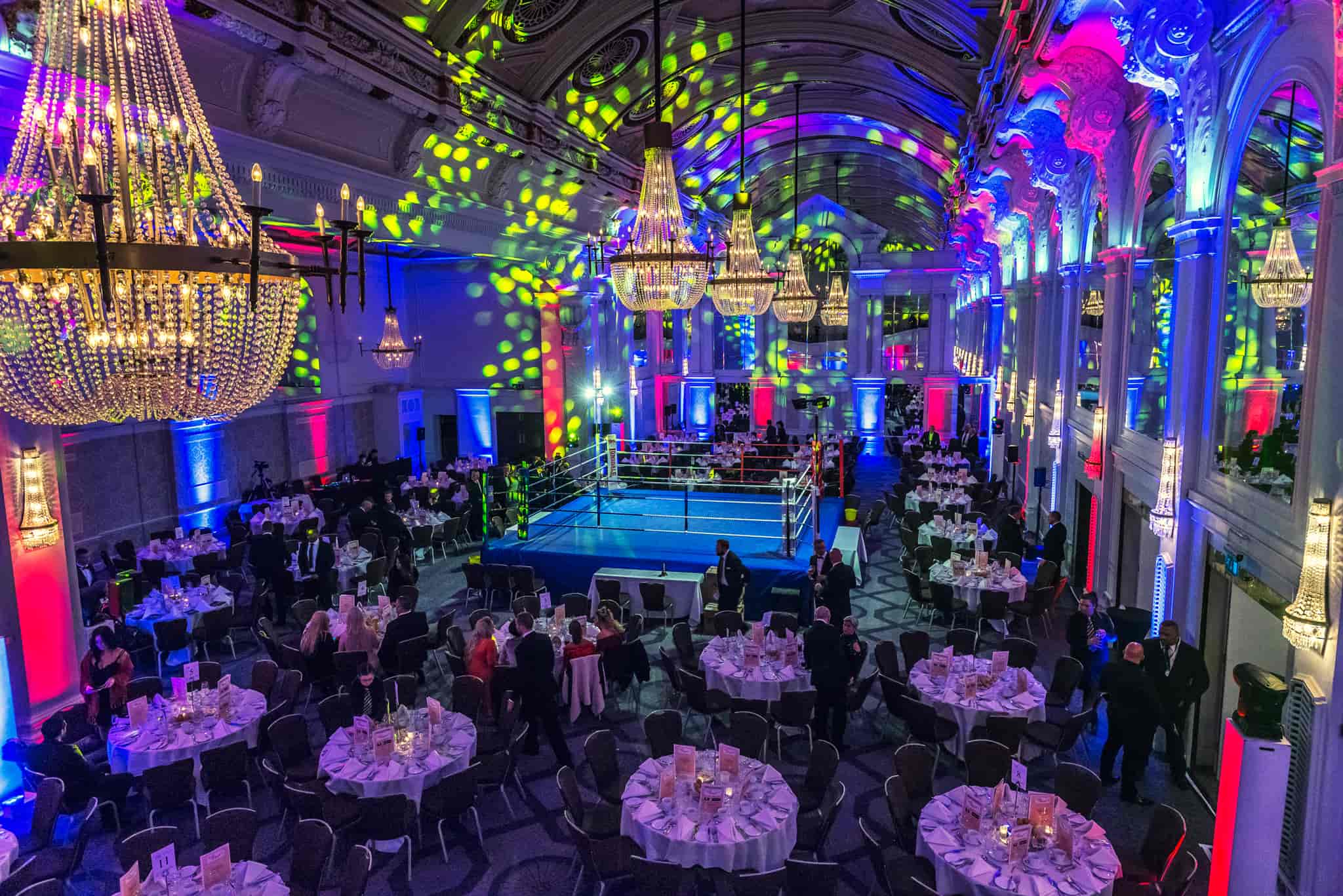
Meeting Rooms in London for 300 people
Explore spacious meeting rooms in London suitable for 300 attendees.
About Meeting Rooms
### Why London's Large-Scale Meeting Rooms Are Perfect for Your 300-Person Corporate Event When you're tasked with organising a meeting for 300 people, London isn't just a convenient choice – it's often the smartest one. Having coordinated dozens of large-scale corporate events across the capital, I can tell you that London's meeting room infrastructure is genuinely world-class, and there's a compelling business case for choosing it over other UK cities. The numbers speak for themselves: London hosts over 280 major conferences annually, with venues specifically designed to handle groups of 250-400 people. What sets the capital apart is the sheer variety of purpose-built spaces. You've got iconic venues like the Queen Elizabeth II Centre with their 300m² Churchill Room, or modern facilities like etc.Venues County Hall's Thames Suite, each offering the technical infrastructure that smaller cities simply can't match. #### Transport Connectivity That Actually Works Here's where London truly shines for large meetings. Your 300 attendees won't all be local – we typically see 60-70% travelling from outside London for corporate events of this scale. The transport links are unmatched: King's Cross connects to Edinburgh in 4.5 hours, while Heathrow brings international delegates directly into the city. Compare this to [Meeting Rooms in Manchester](https://hirespace.com/GB/Manchester/Meeting-Rooms) or [Meeting Rooms in Birmingham](https://hirespace.com/GB/Birmingham/Meeting-Rooms), and you'll see why London consistently wins for accessibility. #### Technical Infrastructure That Delivers Large meetings demand serious AV capabilities, and London venues have invested heavily. Most 300-person spaces now offer dedicated fiber-optic lines with minimum 100 Mbps bandwidth – essential when you're live-streaming or running interactive presentations. The Porter Tun room at The Brewery, for instance, comes with line array speakers and adjustable LED lighting grids that smaller regional venues often lack. #### The Commercial Reality Yes, London's pricier – expect £2,500-£6,000 per day compared to £1,800-£4,000 in regional cities. But when you factor in delegate travel costs and accommodation savings (many attendees can commute), the total event cost often balances out. Plus, London's competitive venue market means you've got genuine negotiating power, especially for midweek bookings. The key is understanding that for 300-person meetings, you're not just booking a room – you're investing in infrastructure, accessibility, and the kind of professional impression that justifies bringing together senior stakeholders from across your organisation. ### Essential Planning Steps: From Space Requirements to Technology Needs for 300-Person Meetings Getting the fundamentals right for a 300-person meeting isn't just about finding a big room – it's about understanding the unique dynamics that come with this scale. After years of managing these events, I've learned that the difference between a smooth operation and a logistical nightmare often comes down to the planning decisions you make in the first few weeks. #### Space Configuration: Beyond Square Metres Your venue needs a minimum 250m² for comfortable seating, but here's what most people miss – you'll actually need closer to 350-400m² when you factor in registration areas, breakout spaces, and circulation. The Churchill Room at Queen Elizabeth II Centre gets this right at 300m², but they've cleverly designed adjoining spaces for networking. Theatre-style seating works for presentations, but if you're planning any interaction, consider a classroom setup accommodating 150 people instead. Yes, you'll need a larger space, but the engagement levels are dramatically better. I've seen too many 300-person meetings where the back rows become mobile phone zones because they can't properly see or participate. #### Technology That Actually Scales Here's where many organisers underestimate requirements. A 300-person room needs line array speakers – those single PA systems simply won't cut it for clear audio throughout. Minimum bandwidth should be 100 Mbps dedicated, not shared. When everyone's on their devices simultaneously, you'll need it. For AV, budget for multiple projection points. One screen at the front leaves 40% of your audience straining to see. The Brewery's Porter Tun handles this brilliantly with their adjustable LED lighting grids and multiple display options. #### The 72-Hour Rule Book your venue at least 12 weeks ahead, but here's the insider tip – confirm your final headcount 72 hours before the event, not the usual 48. With 300 people, you're dealing with multiple departments, travel approvals, and last-minute changes. That extra day gives you breathing room to adjust catering and seating without penalty charges. Consider venues in [Central London for 200 people](https://hirespace.com/GB/London/Central-London/Meeting-Rooms) as alternatives – many can accommodate 300 with the right configuration, and you'll have more negotiating power. #### Pre-Event Site Visits Are Non-Negotiable Unlike smaller meetings, you absolutely must visit in person. Check sight lines from the back row, test the acoustics, and walk the delegate journey from arrival to departure. I always bring a colleague to stand at the furthest point while I present – if they can't hear clearly, neither will your attendees. Your next step? Create a detailed brief including your exact headcount, AV requirements, and any breakout needs before you start venue hunting. This precision upfront saves hours of back-and-forth later. ### Navigating London's Meeting Room Landscape: Location, Transport and Venue Selection Strategy ### Navigating London's Meeting Room Landscape: Location, Transport and Venue Selection Strategy Location strategy for 300-person meetings is fundamentally different from smaller events – you're not just thinking about convenience, you're orchestrating a small migration. I've learned this the hard way after watching 50+ delegates miss the opening session because they couldn't navigate from Liverpool Street to a tucked-away venue in Zone 2. #### The Transport Triangle That Actually Works Your venue selection should centre on what I call the "transport triangle" – King's Cross, Liverpool Street, and Canary Wharf. These hubs handle the volume and complexity of 300-person arrivals without the chaos you'll get at smaller stations. King's Cross to Canary Wharf takes 25 minutes by Tube, while Oxford Circus to Shoreditch is just 15 minutes – but more importantly, these routes have the capacity for your delegate numbers during peak times. Here's the reality check: if 60% of your attendees are travelling from outside London (typical for corporate events this size), they'll arrive between 8-10am. Venues near major stations like [Meeting Rooms in Central London for 200 people](https://hirespace.com/GB/London/Central-London/Meeting-Rooms) often accommodate larger groups and handle this morning rush far better than boutique spaces in residential areas. #### Zone Strategy: Why Central Isn't Always Best Counter-intuitively, some of the best 300-person venues sit in Zone 2. The Brewery in Barbican offers exceptional value at £3,500-£4,500 per day versus £5,000+ for equivalent central spaces, and it's actually easier to reach from multiple directions. The key is ensuring your venue has dedicated transport links – not just proximity to a station. For international delegates, consider venues with direct airport connections. Heathrow Express reaches Paddington in 15 minutes, making [West London for 200 people](https://hirespace.com/GB/London/West-London/Meeting-Rooms) venues surprisingly accessible for global teams. #### The Parking Reality Check With 300 attendees, assume 15-20% will drive despite London's challenges. Venues like etc.Venues County Hall provide pre-bookable parking at £25 per day, but you'll need to secure these spaces 6-8 weeks ahead. Street parking simply won't work for groups this size. | Location Type | Daily Rate | Parking Availability | Transport Score | |---------------|------------|---------------------|-----------------| | Central Zone 1 | £4,500-£6,000 | Limited (£30-40/day) | Excellent | | Zone 2 Hubs | £3,000-£4,500 | Moderate (£20-30/day) | Very Good | | Outer Zones | £2,500-£3,500 | Good (£15-25/day) | Variable | #### Your Venue Shortlisting Strategy Start with transport accessibility, then work backwards to space requirements. I always test the journey myself during rush hour – if it takes me more than 35 minutes from a major hub, it's off the list. Your delegates' time is valuable, and arrival stress kills engagement before you've even started. Next step: map your attendee origins and choose venues that minimise total travel time across your group, not just from your office. ### Smart Budgeting and Booking: What You Really Need to Know About Costs and Contracts The biggest shock for first-time organisers of 300-person meetings isn't the venue cost – it's discovering that your "confirmed" budget can spiral by 40% if you don't understand how large-scale venue pricing actually works. I've seen too many colleagues get caught out by the hidden complexities that only emerge at this scale. #### The Real Cost Breakdown You Need to Know Forget the headline day rate – that's just your starting point. For 300-person venues, you're looking at £2,500-£6,000 per day for the space, but here's what actually drives your total spend: minimum delegate rates. Most premium venues like The Mermaid London or etc.Venues St Paul's operate on delegate packages ranging from £55-£120 per person per day, covering room hire, basic AV, and catering. Here's the insider calculation: a £75 delegate rate for 300 people equals £22,500 – significantly more than booking room and catering separately for smaller groups. But you get economies of scale on AV and service that make it worthwhile. The sweet spot is venues offering flexibility around their delegate minimums, especially for midweek bookings. #### Negotiation Leverage That Actually Works Your biggest advantage with 300-person bookings is that venues genuinely want your business – you're filling their largest spaces on their preferred days. I always negotiate on three fronts: delegate rates (aim for 10-15% reduction), complimentary upgrades (better AV packages, additional breakout rooms), and flexible payment terms. The magic number is 12 weeks ahead – book earlier and you'll pay premium rates, later and you lose negotiating power. Tuesday-Thursday bookings give you maximum leverage, while Monday and Friday command premium pricing regardless of venue type. #### Contract Clauses That Protect Your Budget With 300 delegates, your cancellation exposure is significant. Insist on a sliding scale: 50% penalty at 8 weeks, 75% at 4 weeks, rather than the standard 100% at 6 weeks. Most venues will negotiate this for large bookings. Build in headcount flexibility of ±10% without penalty – essential when you're coordinating across multiple departments. I've seen events where 25 last-minute cancellations triggered thousands in additional charges because the contract didn't include this buffer. #### The Payment Strategy That Saves Money Never pay the full deposit upfront. Structure payments as 25% on booking, 50% at 4 weeks, 25% on the day. This protects your cash flow and gives you leverage if issues arise. For venues like [Meeting Rooms in Edinburgh](https://hirespace.com/GB/Edinburgh/Meeting-Rooms) or [Meeting Rooms in Glasgow](https://hirespace.com/GB/Glasgow/Meeting-Rooms), this approach often unlocks better rates as you're demonstrating serious commitment without full financial exposure. Your next step: create a detailed budget template including all potential add-ons before you start negotiations – transparency upfront prevents nasty surprises later. ### Avoiding the Common Pitfalls: Expert Solutions to Large Meeting Room Challenges ### Avoiding the Common Pitfalls: Expert Solutions to Large Meeting Room Challenges The harsh reality of 300-person meetings is that small problems become big disasters very quickly. I've watched a simple AV glitch turn into a 20-minute delay that cost a FTSE 100 company their entire morning agenda, and seen registration queues snake around buildings because nobody planned for the sheer volume of arrivals. The good news? These pitfalls are entirely avoidable once you know what to look for. #### The Registration Bottleneck That Kills Your Schedule Here's what catches everyone out: 300 people don't arrive evenly over 30 minutes – they arrive in three waves between 8:45-9:15am. Your registration area needs to handle 120 people in a 10-minute window, not the steady trickle you'd expect from smaller events. I always insist on venues with dedicated foyer space of at least 100m² and multiple entry points. The Queen Elizabeth II Centre handles this brilliantly with their pre-registration system and multiple check-in stations. Compare this to cramped venues where delegates queue outside – you've lost engagement before they've even entered the room. For venues like [Meeting Rooms in South London for 200 people](https://hirespace.com/GB/London/South-London/Meeting-Rooms), always visit during peak hours to test flow capacity. #### Technology Failures That Derail Everything The biggest tech mistake? Assuming your venue's "standard" AV package scales to 300 people. It doesn't. I've seen presentations where the back third couldn't hear properly because venues used single-point PA systems instead of line arrays. Always specify distributed audio and multiple projection points – budget an extra £800-£1,200 for proper coverage. Internet bandwidth is another killer. With 300 people simultaneously checking emails and accessing presentations, that "high-speed WiFi" becomes unusable. Demand dedicated fiber with minimum 100 Mbps, not shared building connections. The Brewery's Porter Tun learned this lesson and now provides guaranteed bandwidth – it's why their repeat booking rate is so high. #### The Catering Logistics Nobody Warns You About Coffee breaks for 300 people require military precision. Standard venues plan for 15-minute breaks, but you need 25 minutes minimum. The maths is brutal: even with 6 coffee stations, you're looking at 50 people per station. I always negotiate extended break times and additional serving points – it's worth the extra £300-£500 to avoid chaos. Consider venues offering [Corporate Days Out in London for 100 people](https://hirespace.com/GB/London/Corporate-Days-Out) experience – they understand volume catering logistics better than traditional meeting spaces. Your next step: create a detailed run-of-show document 4 weeks before your event, sharing it with venue staff to identify potential bottlenecks before they become problems.
Featured Venues for Meeting Rooms
Browse 16 venues perfect for Meeting Rooms
Weddings at One Great George Street
A grand, historic hall with period features and natural light. Ideal for weddings and large events.
From: £145
Capacity: Up to 220 guests
Events at De Vere Grand Connaught Rooms
A grand, opulent hall in Covent Garden for large events, featuring high ceilings and elegant decor.
From: £140
Capacity: Up to 540 guests
Business at ISH Venues
A versatile 300-seat space in central London, ideal for conferences, launches, and exhibitions.
From: £45
Capacity: Up to 550 guests
Weddings at Hilton London Tower Bridge
A bright, adaptable suite with stunning views, ideal for meetings and intimate events.
From: £99
Capacity: Up to 450 guests
Business at No.11 Cavendish Square
Modern, versatile conference space with courtyard in a Georgian townhouse. Ideal for large events.
From: £105
Capacity: Up to 400 guests
Events at Hackney Town Hall
An art-deco hall with a private entrance, bar, and flexible space for up to 500 guests. Ideal for events.
From: £342
Capacity: Up to 500 guests
Business at One Moorgate Place
A historic hall with a 400-capacity, perfect for conferences, seminars, and presentations.
From: £140
Capacity: Up to 250 guests
Business at Chelsea Football Club
Versatile event suites at Chelsea FC, ideal for meetings, conferences, and gala dinners.
From: £62 per person
Capacity: Up to 350 guests
Business at Convene 155 Bishopsgate
A large, stylish conference venue in the City with state-of-the-art tech and capacity for 1,000+ guests.
From: £100 per person
Capacity: Up to 478 guests
Business at The View
A top-floor event space with stunning London views, terrace, and modern facilities for up to 300 guests.
From: £88 per person
Capacity: Up to 300 guests
...and 6 more venues available
Related Event Types
- Meeting Rooms
- Meeting Rooms
- Meeting Rooms
- Meeting Rooms
- Meeting Rooms
- Meeting Rooms
- Meeting Rooms
- Meeting Rooms
- Meeting Rooms
- Meeting Rooms
- Meeting Rooms
- Meeting Rooms
- Meeting Rooms
- Meeting Rooms
- Meeting Rooms
- Meeting Rooms
- Boardrooms
- Cheap Meeting Rooms