Sustainable Conference Venues for Hire in London Bridge
Plan your next corporate conference near London Bridge with audited energy standards, low-emission travel links and modern AV setups.
11 Sustainable Conference Venues for Hire in London Bridge
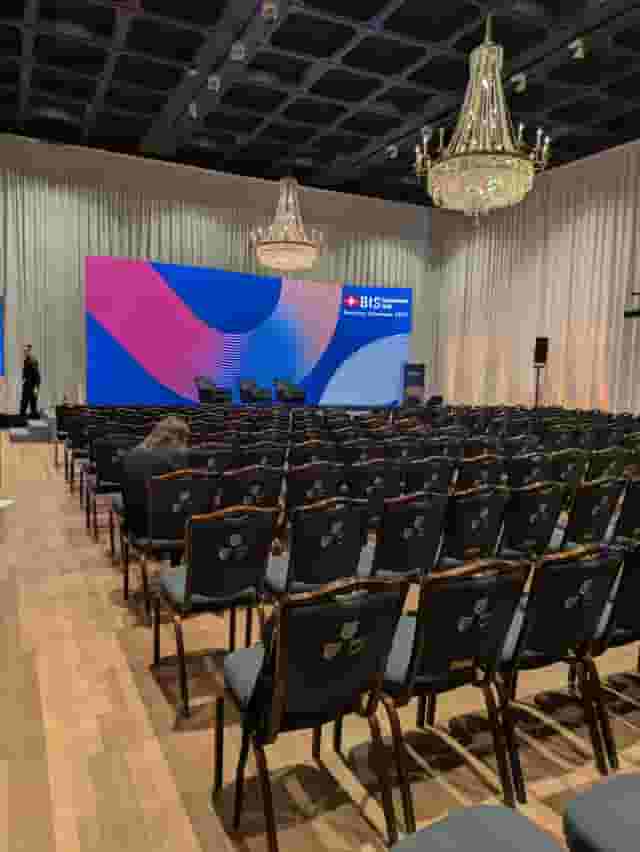
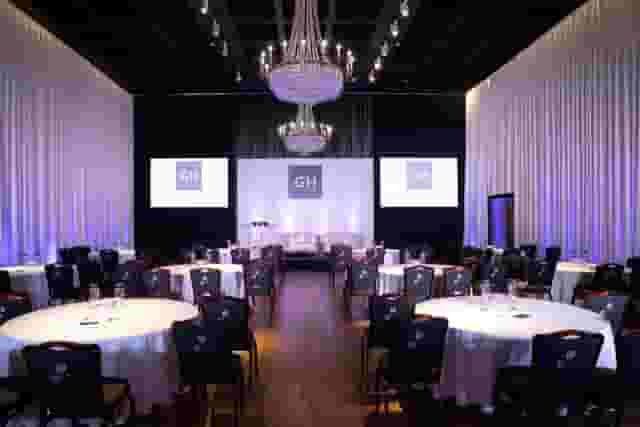
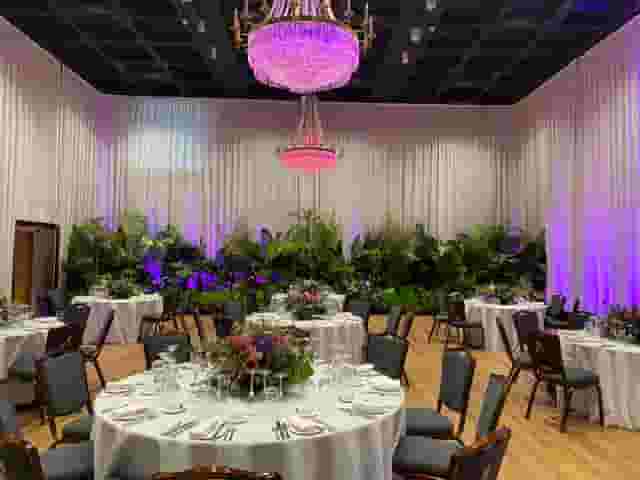
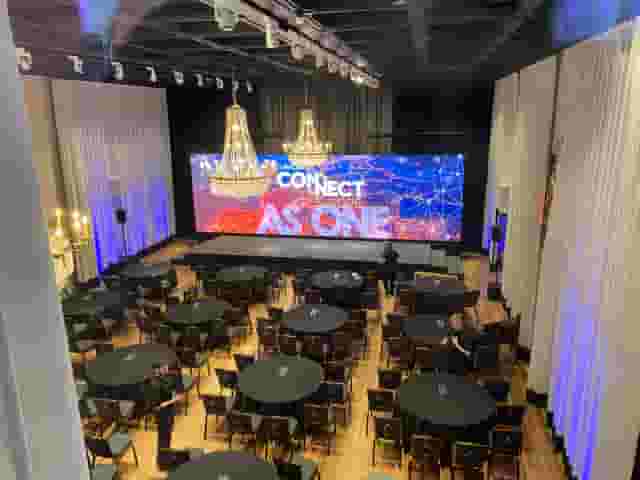






No venues match these filters
Try widening your capacity, luxury level or event type.
Don't have time to search? We'll find it for you.
For business events that need human judgement, talk to our team. Free for events of 100+ people, budgets over £10k or ongoing programmes.




Explore more venues in London Bridge










Frequently asked questions
What transport options serve London Bridge venues?
What tech should I expect at a green venue?
What defines a sustainable venue in London Bridge?
How can I ensure a venue's sustainability?
Are there eco-friendly catering options available?
What green technologies are standard in sustainable conference venues?
How do these venues effectively reduce event carbon footprints?
What planning tips ensure an eco-friendly conference in London Bridge?
What is the delegate day rate for London Bridge sustainable venues?
How are waste management practices integrated in these venues?
What sustainable measures do eco-friendly conference venues in London Bridge implement?
Which transport links near London Bridge help reduce event travel emissions?
What are the unique sustainable benefits of hosting conferences in London Bridge?
How do sustainable venues cater to high-tech conference requirements?
How do venues ensure energy efficiency during large conferences?
Other platforms search their database. We search everything.
Tell us what you need. Our deep research finds any venue, whether it's in our marketplace or not. No one else does this.
About Sustainable Conferences in London Bridge
Structuring a full-day conference around London Bridge
Planning a business conference with plenary sessions, breakout tracks, reliable audiovisual production and full catering requires careful layout planning. In London Bridge, your venue choice directly dictates delegate transit patterns, acoustic separation between rooms and your overall environmental footprint.
Travel emissions make up the single largest portion of an event carbon audit. Choosing a district connected to major transit infrastructure immediately reduces your baseline footprint before you make a single operational decision. London Bridge station acts as a multi-line hub, linking National Rail commuter lines with the Jubilee and Northern Underground lines. It also connects directly to river services from London Bridge City Pier, dedicated cycle lanes and pedestrian routes across the Thames. Delegates arriving from across London or commuter towns across the South East can travel entirely by public transport, avoiding private car journeys. If transit access is high on your agenda, reviewing London conference venues with great transport links can help benchmark accessibility across different business districts.
When you run a full-day schedule, the relationship between your main stage and secondary spaces sets the pace of the day. A single auditorium cannot support interactive workshops without delegates losing momentum while crew flip the room. You need dedicated secondary rooms or partitioned suites located close to the main plenary space.
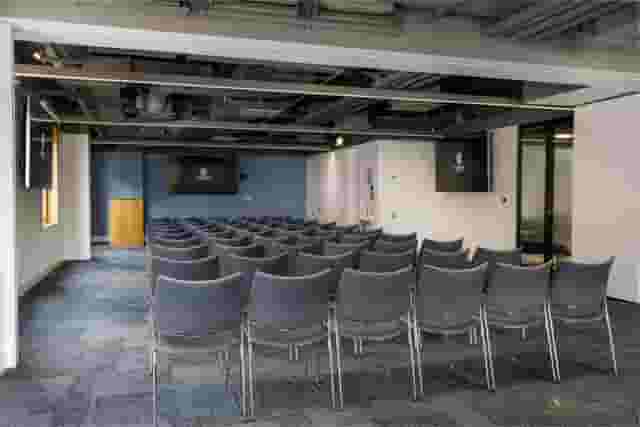
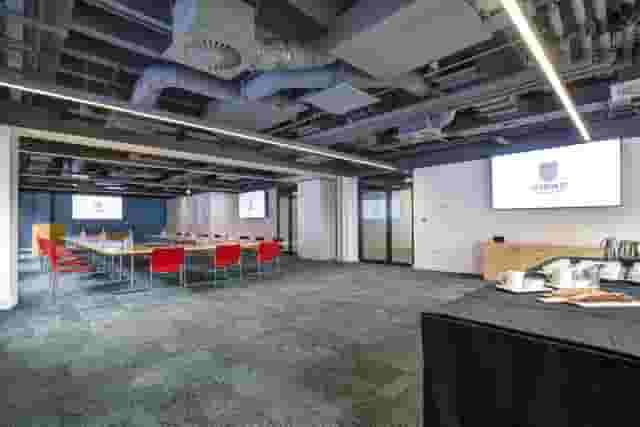
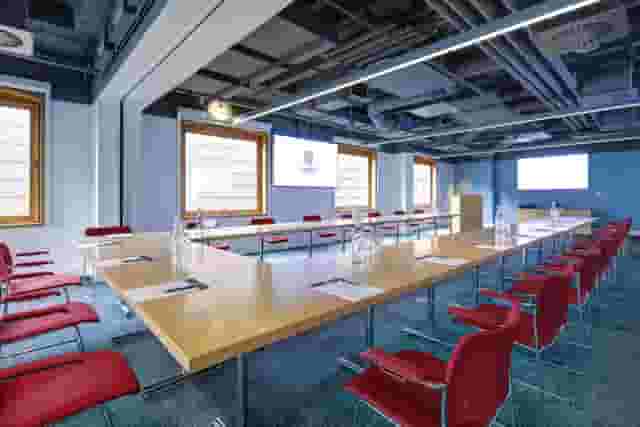
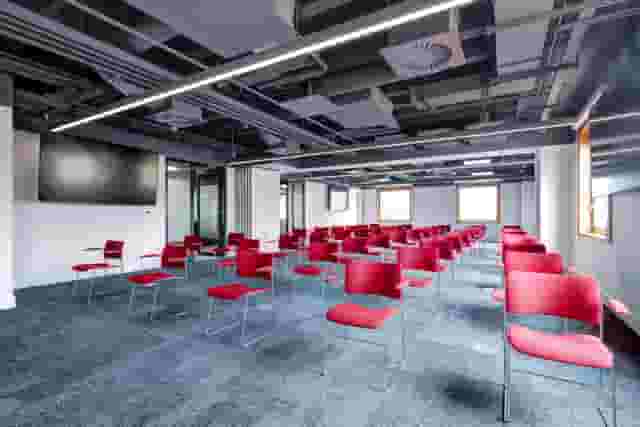
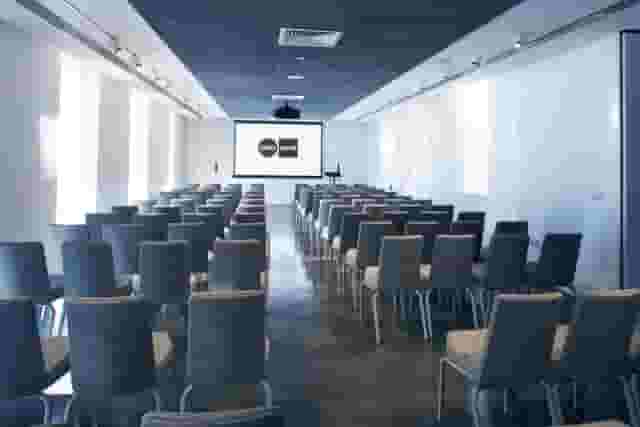
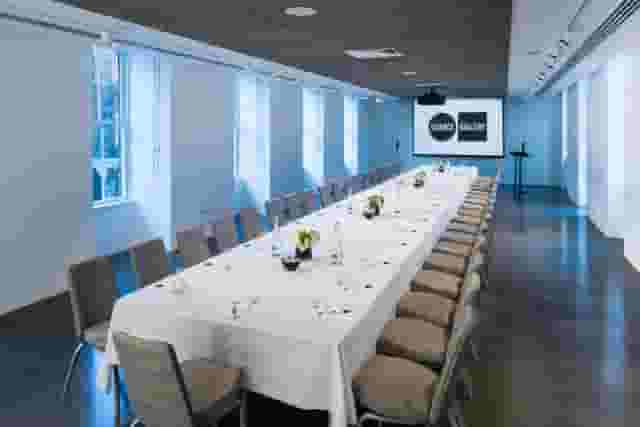
For conferences hosting up to 110 delegates in theatre format, 10 Union Street provides a dedicated example in spaces like 104 & 105 or 204 & 205. The building features natural daylight, integrated AV infrastructure and lift access across floors, allowing organizers to split plenary sessions and workshops without forcing attendees to navigate separate wings.
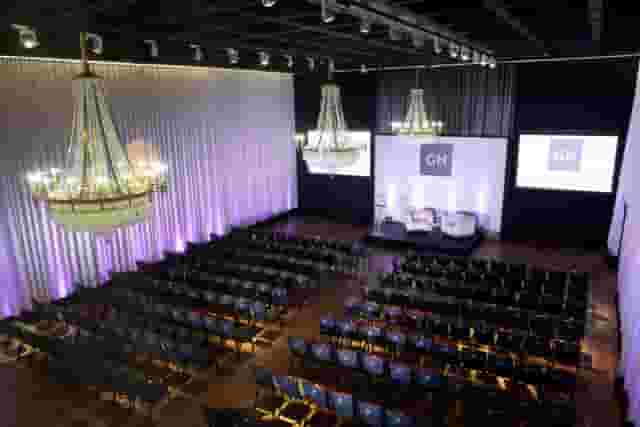
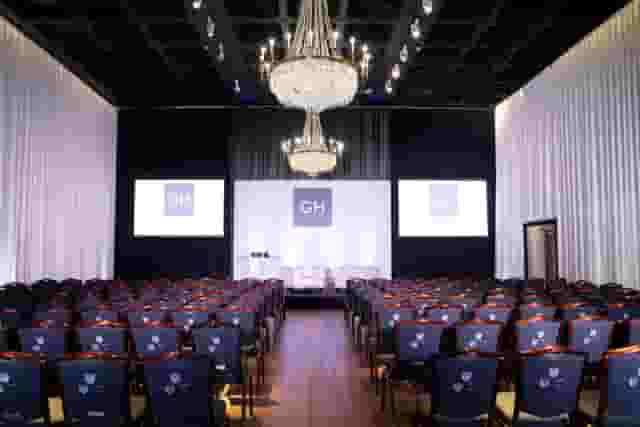
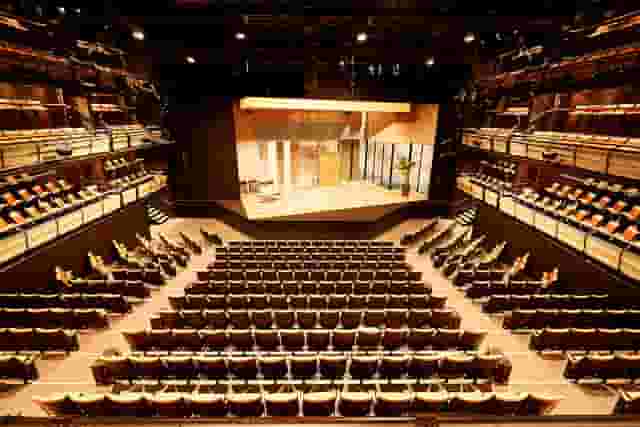
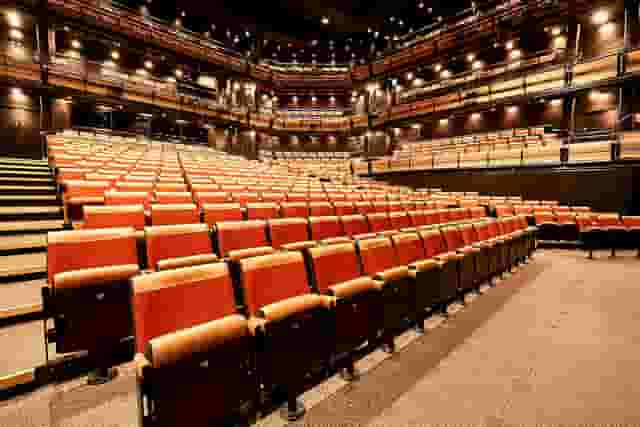
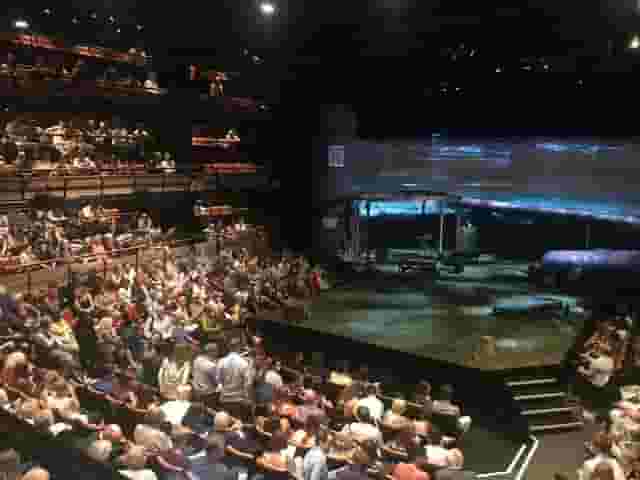
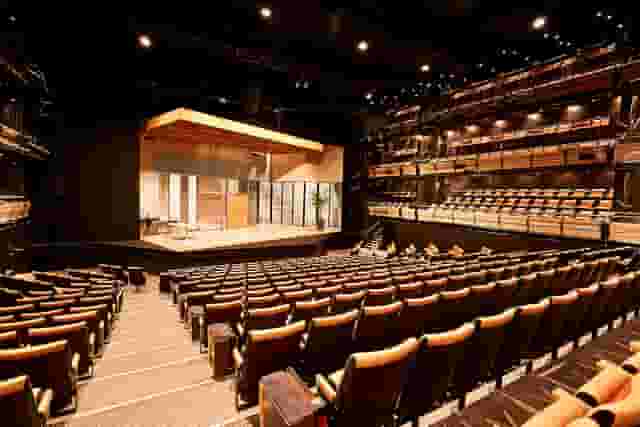
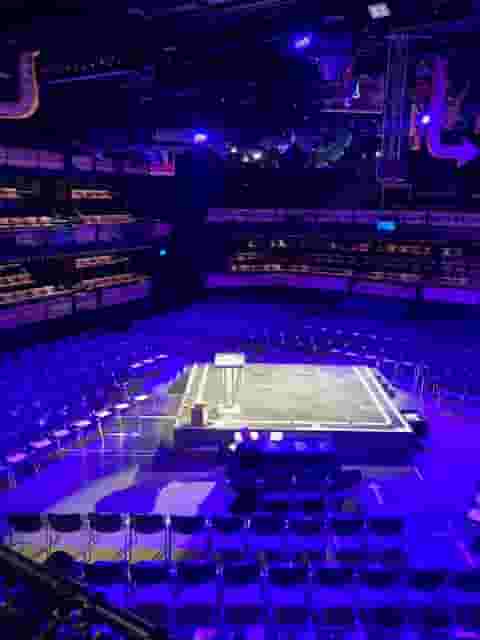
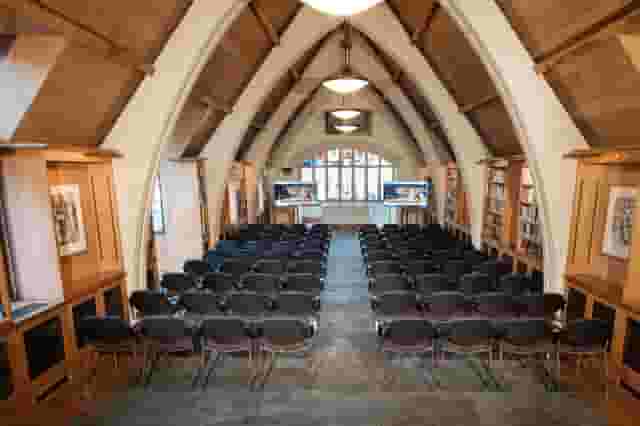
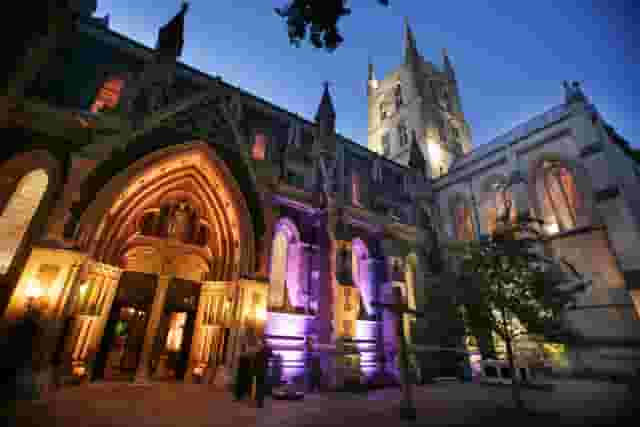
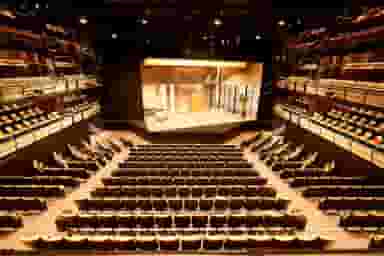
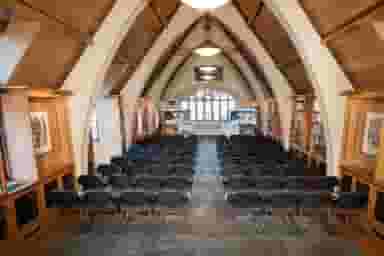
Large plenary audiences require purpose-built acoustics and sightlines. The Auditorium at Bridge Theatre accommodates up to 880 guests in theatre format, giving large-scale corporate summits a stage built for speech clarity and visibility without demanding massive external lighting rigs. If your itinerary closes with an evening drinks reception rather than further panel sessions, large architectural spaces can handle evening movement effectively. The Nave at Southwark Cathedral accommodates up to 800 guests standing, while the industrial railway arches at The Steel Yard accommodate up to 900 guests standing across a layout with integrated bars, AV and a mezzanine.
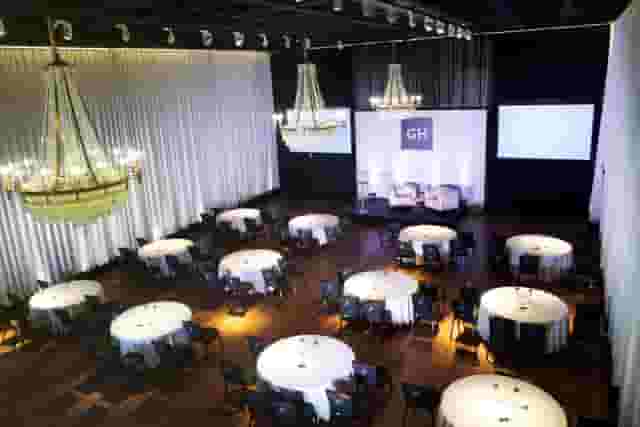
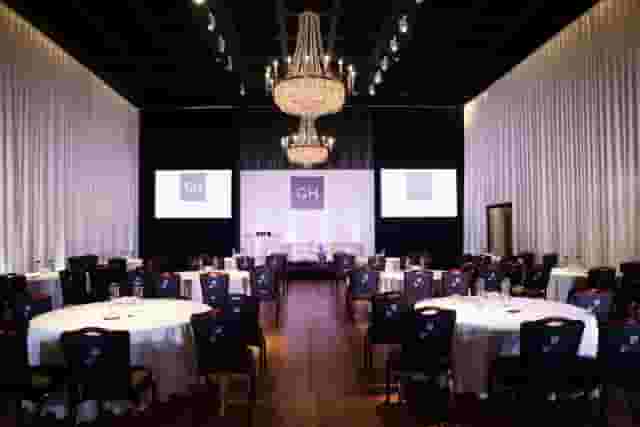
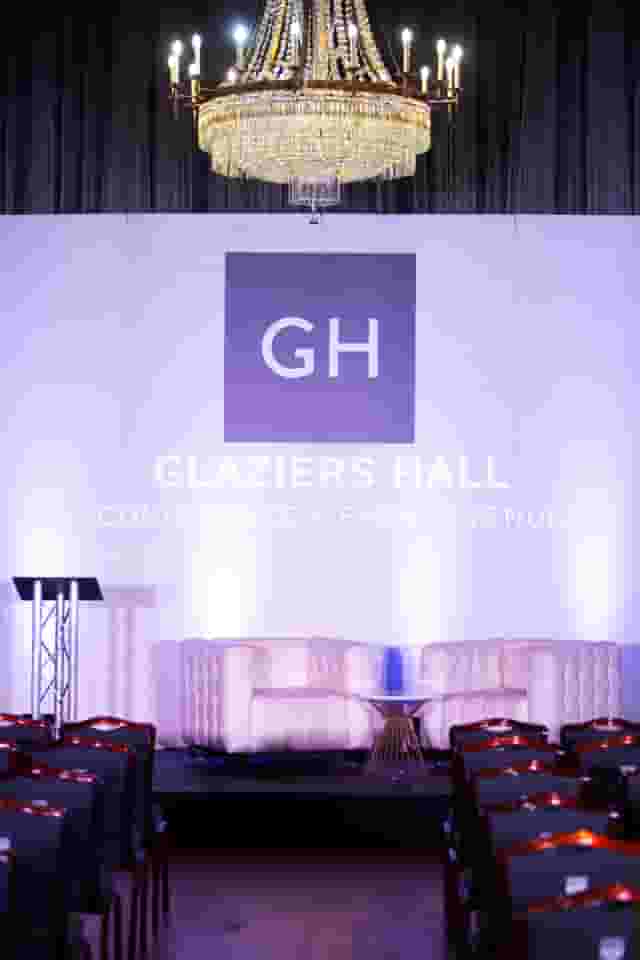
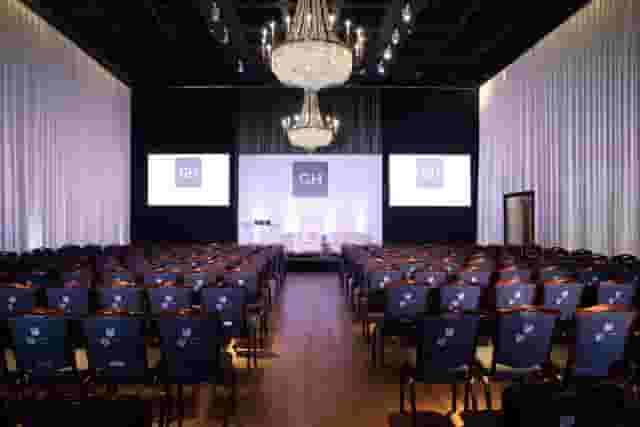
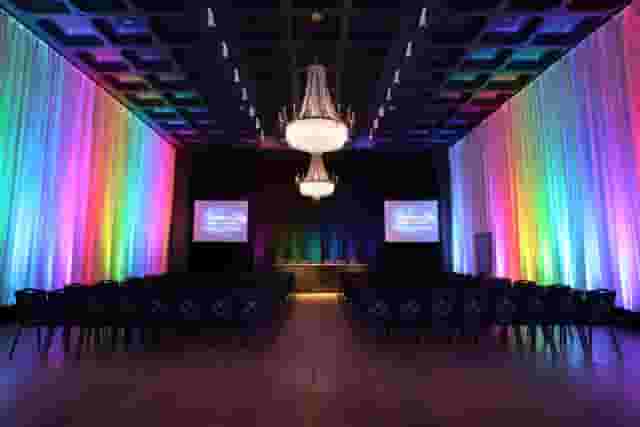
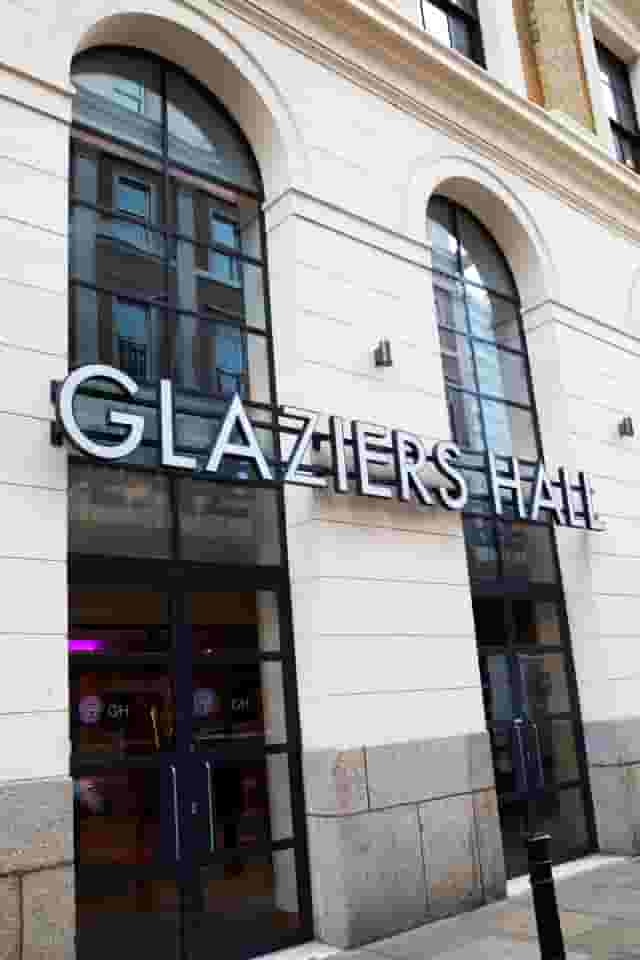
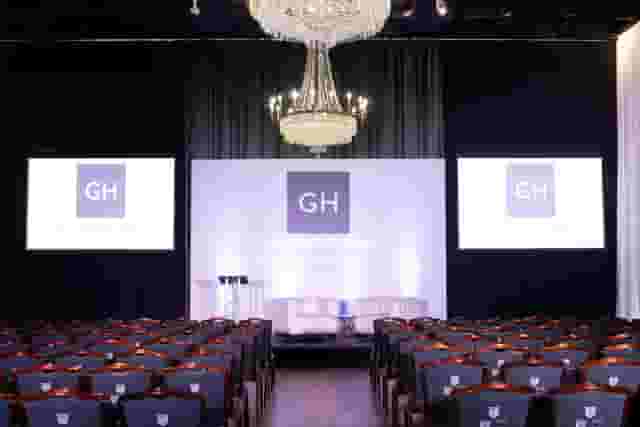
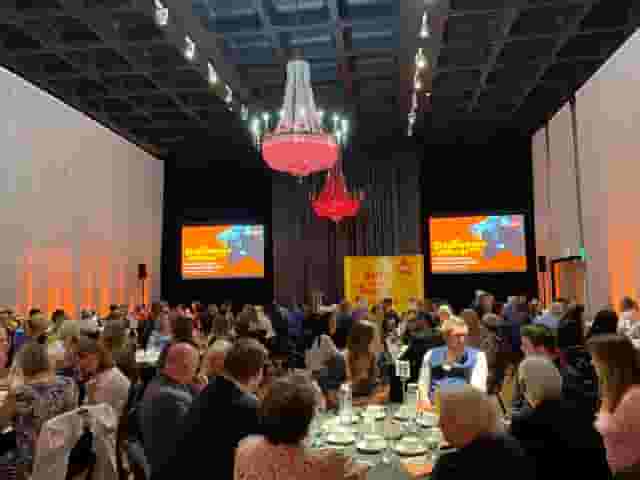
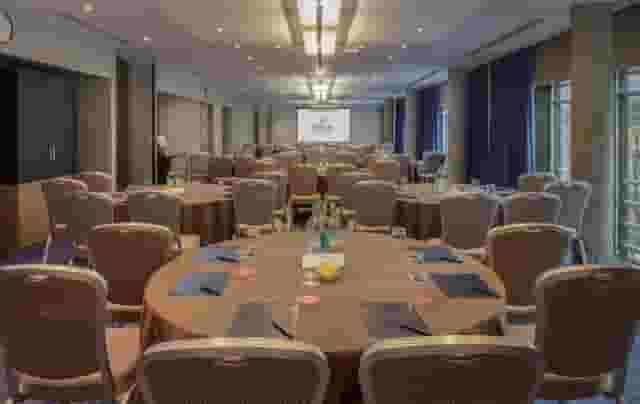
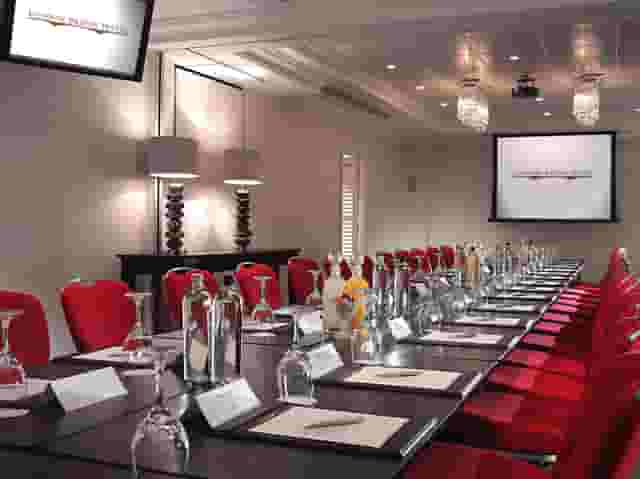
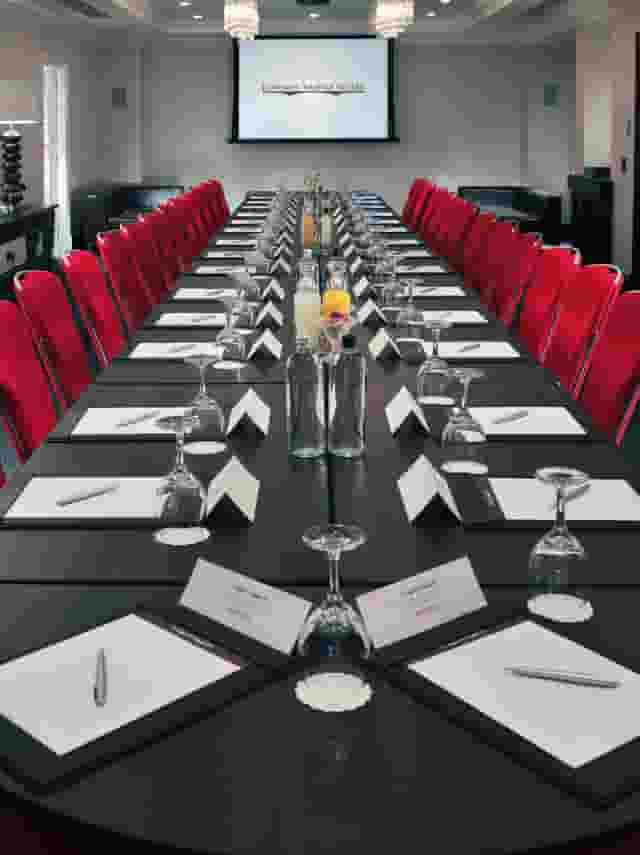
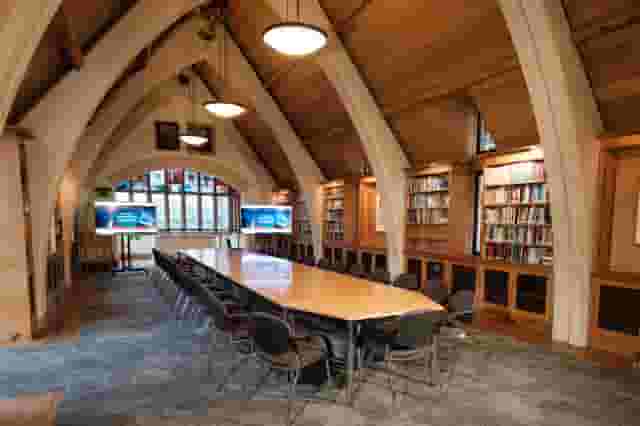
For mid-sized corporate groups, Hilton London Tower Bridge offers Meeting Room 2/3/4, which holds up to 140 delegates in theatre layout for plenary presentations while retaining flexibility for adjacent networking. When traditional meeting rooms feel too rigid for strategic away-days or board presentations, spaces with historical architectural detailing provide a distinct backdrop. The Court Room and Library at Glaziers Hall can hold up to 180 delegates for receptions and dining, offering oak-panelled interiors with stained glass.
| Venue Space | Primary Format | Maximum Capacity |
|---|---|---|
| Bridge Theatre (Auditorium) | Theatre | 880 |
| 10 Union Street (Rooms 104 & 105) | Theatre | 110 |
| Hilton London Tower Bridge (2/3/4) | Theatre | 140 |
| King's Venues (Studio & Balcony) | Reception | 200 |
| Glaziers Hall (Court Room/Library) | Reception | 180 |
| Menier Penthouse (Whole Venue) | Reception | 60 |
| Southwark Cathedral (The Nave) | Standing | 800 |
| The Steel Yard (Whole Venue) | Standing | 900 |
Evaluating production, energy and hybrid infrastructure
A main-stage production draws significant electricity across eight to ten hours of operation. Rigging legacy tungsten spotlights and oversized projection systems generates heat, driving air conditioning loads up and unnecessarily inflating power consumption.
Start your technical evaluation by asking whether the venue uses LED fixtures throughout its stage lighting and display systems. Modern LED profile lights and low-pitch LED display walls deliver sharp, professional keynotes while consuming a fraction of the power required by conventional lamp-based projectors. Sound systems should be sized specifically for the cubic volume of the room. Oversized line arrays waste energy and often cause muddy audio reflections in rooms with glass or stone finishes.
Smart building controls are another indicator of operational discipline. Venues with zoned heating, cooling and occupancy-based controls allow operations teams to power down empty rooms during keynote addresses, rather than conditioning an entire building continuously. Check whether the property operates on a certified renewable electricity tariff and ask whether their facilities team can provide sub-metered power readings for your specific hired rooms. Measuring direct kilowatt-hour usage gives your company genuine data for internal ESG reporting, rather than relying on estimated averages. Setting formal frameworks early helps keep suppliers aligned, as outlined in this sustainable event objectives guide.
| Audit Area | Practical Check for Operations Team |
|---|---|
| Stage Lighting and Screens | Are all stage wash and profile fixtures solid-state LED rather than halogen or tungsten units? |
| Climate Controls | Can heating and cooling be scheduled per room, rather than running across empty breakout spaces? |
| Metering and Power | Does the venue provide sub-metered energy readings covering your production setup and rooms? |
| Digital Presentation Setup | Does the space provide digital signage networks to eliminate single-use vinyl directional boards? |
Integrating remote speakers and delegates is an effective way to lower an event's travel impact. Rather than flying international contributors into London for a thirty-minute panel, use dedicated hybrid video infrastructure. This requires high-bandwidth, symmetrical, hardwired internet lines rather than shared delegate Wi-Fi, alongside professional camera tracking and clean audio mix-minus feeds for remote participants. You can explore standard specifications in this review of hybrid-ready conference venues in London. When touring venues, confirm whether their broadcast hardware is permanently installed or brought in by third parties, as in-house setups reduce equipment transport runs.
Managing sustainable catering, waste and delegate flow
Food and beverage service is often where sustainable event planning stumbles. Buffets built around beef and dairy, pre-poured bottled water, individually packaged snacks and single-use service items produce heavy carbon and waste impacts.
Request plant-forward or entirely vegetarian menus built around local, seasonal British ingredients. Moving vegetables, grains and pulses to the centre of the plate cuts the embedded carbon of delegate meals significantly without compromising quality. Insist that your caterer eliminates individually wrapped biscuits, single-portion sauces and pre-packaged breakout snacks. Coffee breaks should feature reusable ceramic cups, compostable plant-fibre napkins and milk served in carafes rather than plastic pods.
Water provision must be plumbed, refillable water stations rather than single-use glass or plastic bottles placed on delegate tables. Over a full conference day with 100 delegates, eliminating bottled water removes hundreds of containers from the waste stream.
Food waste requires tight operational management:
- Secure guaranteed delegate dietary counts seven working days prior to arrival.
- Work on a five to ten percent reduction on catering numbers if you expect attrition from free registrations.
- Ask the caterer about their post-event redistribution channels, such as local food rescue charities, or on-site food waste composting.
- Specify that surplus cold items should be boxed safely for team consumption or charitable collection where food safety regulations permit.
Waste separation stations must be placed prominently in breakout areas and near dining points. Standard grey bins collect mixed rubbish that inevitably heads to incineration or landfill. Sustainable venues provide clearly labelled, colour-coded separation points for dry recycling, clean food compost and residual waste. Brief your exhibitors and technical suppliers on packaging rules: all shipping pallets, cardboard boxes and protective equipment cases must be cleared and reused, with zero installation debris left in venue bins.
What full-day conference packages cost in London Bridge
Budgeting for a conference in London Bridge requires understanding delegate day rates (DDR) versus room-hire-plus-catering structures. Based on 80 quotes from the venues on this page for about 100 guests, full-day packages typically sit between £108 to £178 per head. This figure assumes that party size, reflecting standard delegate day rates and packaged venue costs for professional corporate meetings. As an event planning and venue booking platform supported by a team of real people who oversee the outcome, Hire Space models projected costs using real transaction figures, clarifying anticipated spend before you reach out to properties. If a preferred location pushes past your allowance, the platform automatically recommends comparable alternatives that deliver on your brief for less.
The lower end of this range, towards £108 per head, generally covers fundamental meeting needs: room hire for a plenary space, basic built-in AV (such as a projector, screen and single lectern microphone), cabled Wi-Fi, tea and coffee on arrival, mid-morning biscuits, a working sandwich lunch and an afternoon refreshment break.
The upper end of the range, approaching £178 per head, covers more demanding technical specifications and catering upgrades. At this level, quotes usually incorporate higher-grade hot fork buffets or seated lunches, dedicated on-site technician support throughout the day, multi-mic setups for panel discussions, staging, comfort monitors for speakers and improved digital signage.
When comparing venue proposals, review whether AV elements are included or billed as separate line items:
- Stage production: Does the DDR include a technician, or is crew billed on a twelve-hour day call?
- Overtime charges: What is the hourly fee if your concluding keynote or Q&A runs past 17:00?
- Waste management fees: Does the venue charge processing costs for external production waste or pallet removal?
- Kitchen buyout: If bringing in external specialists for specific dietary or cultural requirements, what is the kitchen facility hire fee?
- Breakout room rates: Are syndicate spaces bundled into the core delegate rate, or priced individually as room-hire additions?
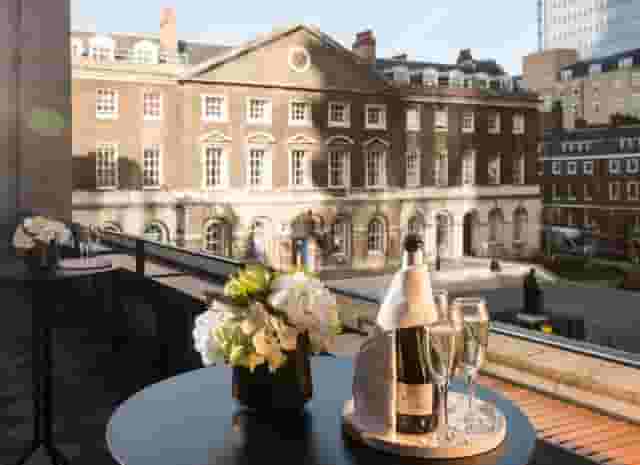
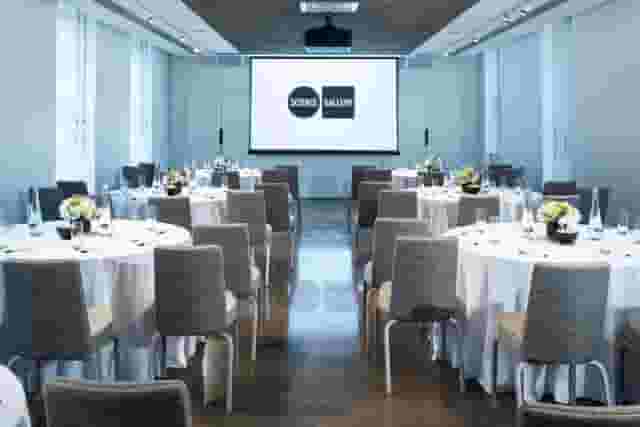
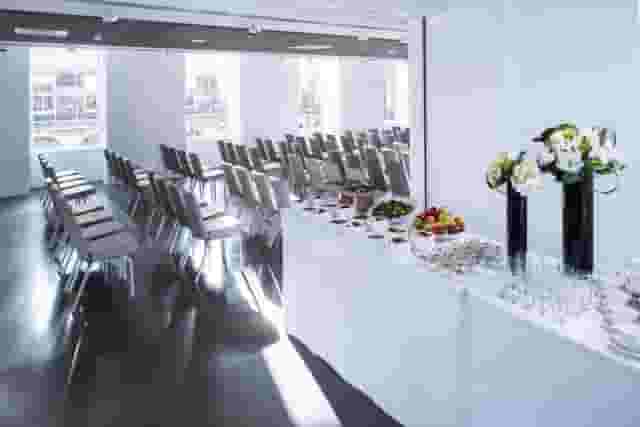
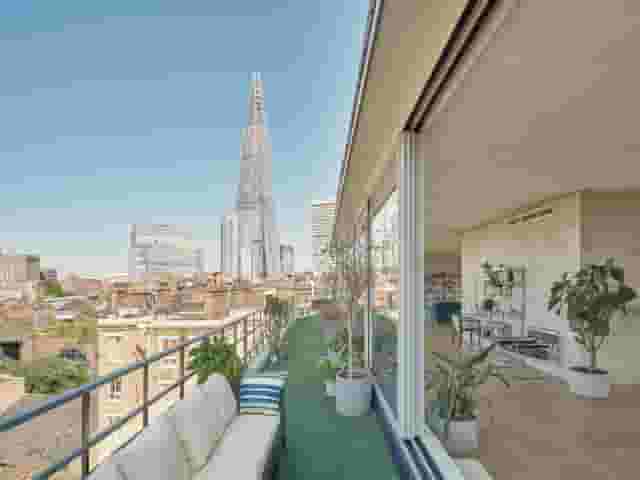
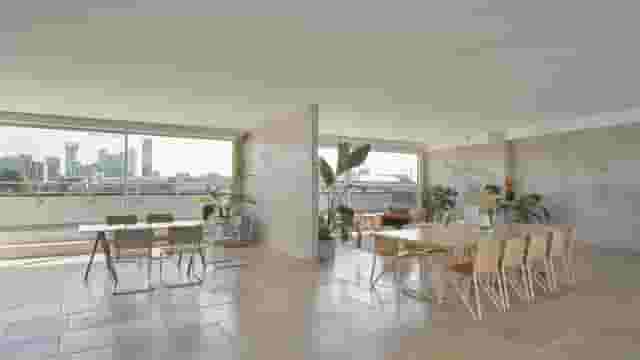
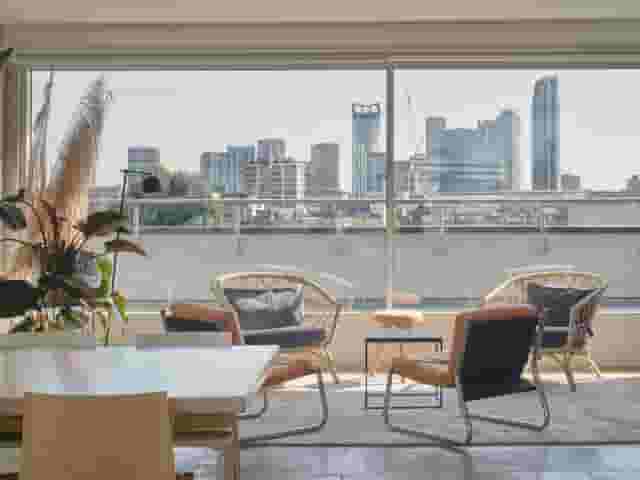
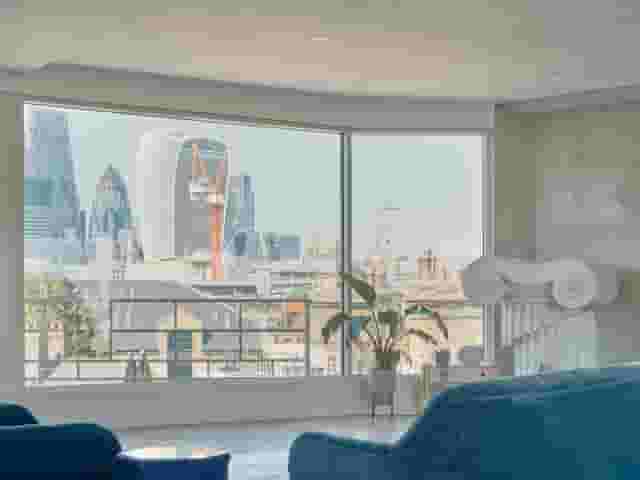
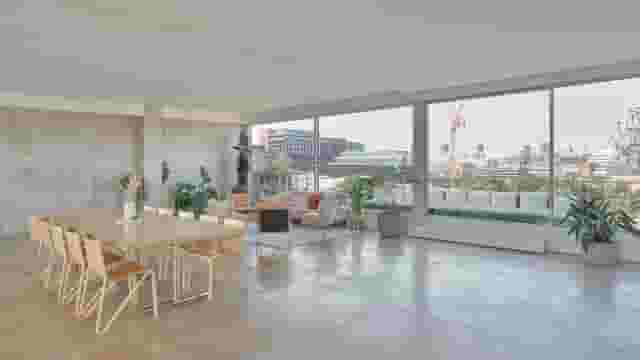
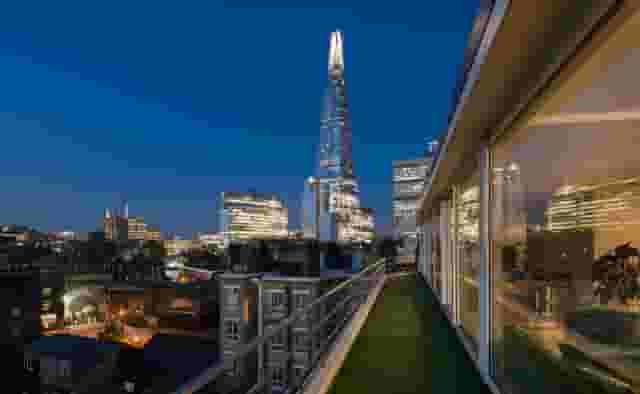
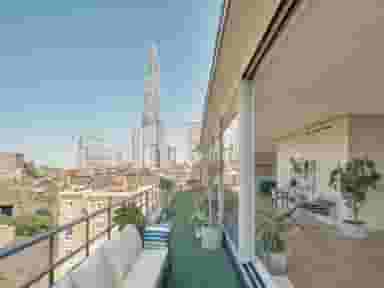
Flexible gallery spaces or higher-level suites offer alternatives to traditional conference halls for specialised formats. King's Venues at London Bridge provides The Studio and Balcony, offering a bridge gallery layout with a 100-guest capacity for workshops and exhibitions, and room for up to 200 guests for receptions. For smaller executive seminars, workshops or leadership retreats up to 60 delegates, Menier Penthouse provides a light-filled setting with skyline views.
Verification and questions to ask before contracting
Do not accept generic marketing claims regarding sustainability. Green credentials must be backed by documented policies, audit trails and measurable targets. When you carry out site inspections or issue requests for proposal, ask for specific operational evidence:
Environmental certification and management
Does the venue hold an accredited management standard such as ISO 20121 for sustainable event systems, or a verified third-party audit? Request their current environmental policy document and check whether it includes active carbon reduction targets rather than vague aspirational text.Energy tracking and utility sourcing
Is the building powered by a certified zero-carbon renewable electricity contract? More importantly, can their operations team share metre readings for your event spaces at load-in and load-out so you can verify energy consumption?Catering supply chains and waste metrics
What proportion of the kitchen's produce is sourced from within the UK? What is the standard ratio of vegetarian and vegan dishes on their conference menus? Ask for evidence of their waste stream reporting: what percentage of venue waste avoids landfill, and do they compost food waste through an anaerobic digestion facility?Production and AV efficiency
Are in-house stage lights and displays modern LED systems? Does the venue have established rules requiring production contractors to power down stage equipment during lunch intervals and overnight holds?Accessibility and local transport incentives
Does the property offer step-free access across all plenary rooms, breakout suites, stages and dining areas? Are public transport links highlighted in their standard delegate arrival packs, and does the venue provide secure cycle parking for attendees who commute locally?
Securing written answers to these points before signing a contract protects your budget, ensures technical reliability and confirms that your conference meets clear environmental standards. Hire Space 360 is enterprise venue and hotel procurement for companies spending £1m or more a year on meetings and events: a managed meetings and events programme, the kind procurement teams call strategic meetings management. It brings every venue contract and accommodation booking under a single master agreement, ensuring full compliance with internal event policy and replacing individual venue bills with consolidated invoicing. Finance and procurement teams get live spend reporting alongside clear audit trails across all regional activity, with named event sourcing experts handling the negotiations.
What our customers say
Inspiration and planning guides

Hire Space Presents: New World, New Strategies. The Opportunity To Nail Your Sustainability Objectives?
Could this global crisis be the ideal opportunity to scale up our commitments to environmental sustainability? We delve into this topic in terms of events and venues.

Hire Space Presents: Setting Measurable Sustainability Objectives For Event Projects
Sustainability expert Abena Poku-Awuah offers her practical tips and frameworks that will get you ready to initiate your own sustainability objectives for your next event.

Women and Sustainability in Events: Kate Simpson
We met with the wonderful Kate Simpson – Marketing Director at the Business Design Centre. Not only does the BDC hold unforgettable events, they recently celebrated ten years as a carbon neutral venue, regularly contribute 0% to landfill and use 100% renewable energy sources.
One supplier. Every venue. Full visibility on what you spend.
Multiple venues and events. One agreement.