Small Meeting Rooms in Greater London for 500 people
Explore small meeting rooms in Greater London for up to 500 people. Perfect venues for professional gatherings.
About Small Meeting Rooms
### Why Greater London's Small Meeting Room Market is Perfect for Large-Scale Corporate Events When you're planning a 500-person event, the last thing you'd typically think of is booking a "small meeting room." But here's where Greater London's venue market gets brilliantly clever – these spaces are redefining what's possible for large-scale corporate gatherings. The reality is that London's small meeting room venues have evolved far beyond their traditional boundaries. We're seeing spaces like The Brewery's Sugar Rooms, which technically falls into the small meeting room category yet comfortably accommodates 500 delegates in theatre-style seating across its 500m² footprint. It's this unique positioning that makes Greater London's market so compelling for event professionals. #### The Economics Make Perfect Sense What's particularly attractive is the pricing structure. While you might expect to pay £8,000-£12,000 per day for a traditional conference centre, these reimagined small meeting rooms typically range from £5,000-£8,000 daily. That's a significant saving when you're working with corporate budgets, especially during peak midweek periods when demand is highest. The competitive landscape works in your favour too. With venues like The Office Group and Regus pushing innovation in flexible spaces, traditional small meeting room providers have had to up their game considerably. This means better AV capabilities, improved catering options, and crucially for 500-person events, enhanced crowd flow management. #### Transport Connectivity is Unmatched Greater London's transport infrastructure gives these venues a massive advantage. Take Liverpool Street Station – you can reach Canary Wharf in just 15 minutes via the Elizabeth Line, making it incredibly easy for delegates from across the capital to attend. This connectivity is something you simply can't replicate when looking at [Small Meeting Rooms in Manchester](https://hirespace.com/GB/Manchester/Small-Meeting-Rooms) or [Small Meeting Rooms in Edinburgh](https://hirespace.com/GB/Edinburgh/Small-Meeting-Rooms). The hybrid meeting capabilities that have emerged post-pandemic are another game-changer. These venues have invested heavily in streaming infrastructure – we're talking dedicated servers with minimum 20 Mbps upload speeds and high-definition projection systems that work seamlessly for both in-person and remote attendees. #### Flexibility Meets Scale What sets these spaces apart is their adaptability. Unlike purpose-built conference centres, small meeting rooms in Greater London offer modular configurations. You might start with a 250-person classroom setup for morning sessions, then reconfigure to banquet style for 350 during lunch, before opening up to full theatre capacity for afternoon presentations. The key is understanding that "small" refers to the venue category, not the capability. When you're ready to explore these options, focus on venues with minimum 4m ceiling heights and 3-phase power supply – these technical specifications are non-negotiable for events of this scale. ### The Essential Planning Framework for 500-Person Events in Compact London Venues Planning a 500-person event in what's technically classified as a small meeting room requires a completely different approach than your standard conference planning. We've learned this the hard way over the years, and there's a specific framework that consistently delivers results. #### Start with Your Space Audit 12 Weeks Out The golden rule for these venues is booking at least 12 weeks in advance – not just for availability, but because you need time for proper space planning. Unlike traditional conference centres, these compact venues require meticulous flow management. You'll want to map out every square metre, ensuring your 500 delegates can move efficiently between registration, breakout areas, and main sessions. Here's what we always check first: ceiling height (minimum 4m for proper AV sightlines), power distribution (you'll need 3-phase, 63 amps per phase), and crucially, the number of entry/exit points. Most small meeting rooms have just two main access points, which creates bottlenecks during breaks unless you stagger your sessions properly. #### The 70-20-10 Configuration Rule For 500-person events in compact spaces, we use what we call the 70-20-10 rule. Allocate 70% of your space for main seating (theatre-style works best), 20% for circulation and networking areas, and 10% for essential services like registration and catering stations. This ratio prevents the cramped feeling that can plague smaller venues. The technical requirements become critical at this scale. You'll need dedicated internet bandwidth of at least 100 Mbps – not shared with other building tenants. We've seen too many events fail because the venue's standard business internet couldn't handle 500 simultaneous connections for hybrid participation. #### Timing Your Event Flow Peak transport times in Greater London work differently for these venues. Unlike major conference centres with dedicated transport links, small meeting rooms rely on standard tube and bus networks. Schedule your main sessions between 10 AM and 4 PM to avoid rush hour chaos – trust us, getting 500 people through Liverpool Street during morning rush is nobody's idea of fun. Consider splitting larger groups into morning and afternoon cohorts, especially if you're looking at venues in business districts like Canary Wharf. This approach also helps with catering logistics, as most small meeting room kitchens aren't designed for simultaneous service to 500 people. The key is treating these venues like the sophisticated spaces they've become, not the basic meeting rooms of old. When you're ready to move forward, focus on venues that can provide detailed floor plans and have experience with events over 300 people – this experience makes all the difference in execution. ### Navigating London's Transport Networks and Venue Accessibility for Major Meetings Getting 500 people to a small meeting room venue across Greater London isn't just about picking somewhere with good tube links – it's about understanding the intricate dance of London's transport ecosystem and how it affects your event's success. #### The Elizabeth Line Has Changed Everything Since the Elizabeth Line's full operation launched, we've seen a complete shift in venue viability across Greater London. Venues that were previously considered "too far out" are now prime real estate for large meetings. A space in Ealing Broadway, for instance, is now just 25 minutes from Bond Street – making it incredibly attractive for corporate events where delegates are travelling from across the capital. The key insight here is journey time predictability. Unlike the older tube lines that can suffer significant delays, the Elizabeth Line maintains remarkable consistency. We've tracked arrival times for events over the past year, and 94% of delegates arrive within their expected 10-minute window when using Elizabeth Line connections. #### Strategic Venue Selection Based on Delegate Origins Here's something most event planners miss: analyse where your 500 attendees are actually travelling from before selecting your venue. If 60% of your delegates are coming from financial services firms in Canary Wharf, choosing a venue near Liverpool Street makes perfect sense – it's a direct 15-minute journey. But if your audience is primarily from tech companies in Shoreditch, you'd be better served looking at venues with Northern Line connections. We always recommend the "three-route rule" for venues hosting 500 people. Your chosen space should be accessible via at least three different transport methods – tube, bus, and ideally rail connections. This redundancy is crucial when you're dealing with London's unpredictable transport strikes or weekend engineering works. #### Parking Reality Check Let's be honest about parking – it's expensive and limited. NCP Car Park at Finsbury Square charges around £10 per hour, and that's relatively reasonable for central London. For 500-person events, assume maximum 15% will drive, and factor £50-£80 per delegate for full-day parking costs if you're covering expenses. The smart move is partnering with venues that offer group transport solutions. Some small meeting room providers now coordinate with local coach companies for shuttle services from major transport hubs – particularly valuable for [Company Retreats in Greater London for 200 people](https://hirespace.com/GB/Greater-London/Company-Retreats) where you might have multiple pickup points. #### Accessibility Planning That Actually Works Every venue will tell you they're accessible, but for 500-person events, you need specifics. Check that lifts can handle peak flow – most small meeting room venues have single lifts that become bottlenecks. Request detailed accessibility maps showing step-free routes from the nearest station, and always do a physical site visit during rush hour to test the journey yourself. The next step is creating a detailed transport brief for your delegates, including alternative routes and real-time journey planning apps. This preparation transforms potential transport chaos into smooth arrivals. ### Smart Budget Strategies and Booking Tactics for High-Capacity Small Meeting Spaces ### Smart Budget Strategies and Booking Tactics for High-Capacity Small Meeting Spaces The economics of booking small meeting rooms for 500 people can be surprisingly complex – and that's where smart negotiation tactics can save you thousands. After years of booking these spaces, we've discovered that the traditional conference centre pricing models simply don't apply here. #### Understanding the True Cost Structure Most venues quote day delegate rates between £50-£100 per person, but here's what they don't immediately tell you: small meeting rooms operating at 500-person capacity often waive the DDR model entirely. Instead, you're looking at flat venue hire fees ranging from £5,000-£8,000 per day, plus separate catering and AV costs. This structure actually works in your favour for larger groups. The sweet spot for negotiations is Tuesday through Thursday bookings during January and August – traditionally quieter months when venues are more flexible on pricing. We've secured 20-30% discounts during these periods, particularly when booking multiple days or committing to annual partnerships. #### The 25% Deposit Strategy Here's an insider tip: most small meeting room venues require 25% deposits, but they're often willing to negotiate payment terms for corporate clients. Instead of paying the full deposit upfront, propose a staged payment structure – 10% on booking, 15% at 30 days out, and the balance on the day. This improves your cash flow significantly when managing multiple events. For venues in business districts like Canary Wharf, consider bundling your booking with [Corporate Days Out in London for 50 people](https://hirespace.com/GB/London/Corporate-Days-Out) for senior leadership teams. Many venues offer package deals that can reduce your per-person costs by 15-20%. #### Maximising Value Through Smart Add-Ons The real savings come from understanding what's included versus what's additional. Basic AV (projectors, screens, microphones) should be standard, but streaming infrastructure for hybrid events often carries a £500-£1,500 premium. If you're planning multiple events, negotiate an annual streaming package – we've seen clients reduce these costs by 40%. | Cost Category | Typical Range | Negotiation Opportunity | |---------------|---------------|------------------------| | Venue Hire | £5,000-£8,000 | 20-30% off-peak periods | | Catering (per person) | £25-£45 | Volume discounts over 300 people | | AV & Streaming | £1,000-£2,500 | Annual package deals | | Parking Allocation | £200-£500 | Often complimentary for 500+ events | #### Timing Your Booking for Maximum Leverage Book 12-16 weeks ahead for the best rates, but here's the crucial part: always request a site visit during your negotiation phase. Venues are more likely to offer concessions when they've invested time in showing you around. Use this opportunity to discuss package deals that might include future bookings or referral incentives. The key is approaching these negotiations as partnerships rather than one-off transactions. When you're ready to move forward, prepare a detailed brief outlining your annual event calendar – this positions you as a valuable long-term client worth investing in. ### Avoiding the 7 Most Common Pitfalls When Scaling Small Meeting Rooms for 500 Attendees ### Avoiding the 7 Most Common Pitfalls When Scaling Small Meeting Rooms for 500 Attendees We've seen brilliant events turn into logistical nightmares because organisers underestimated the unique challenges of scaling small meeting rooms to 500-person capacity. These aren't the same pitfalls you'd encounter at purpose-built conference centres – they're specific to venues that are stretching beyond their traditional scope. #### Pitfall #1: Underestimating Registration Flow Times The biggest mistake we see is applying standard conference centre registration timings to small meeting room venues. While a purpose-built facility might process 500 delegates in 30 minutes, these compact spaces typically need 45-60 minutes minimum. The difference? Limited entry points and smaller reception areas. Always factor in staggered arrival times and consider pre-event check-in options to avoid lobby chaos. #### Pitfall #2: Ignoring Fire Safety Capacity Limits Here's where many planners get caught out: a venue might advertise 500-person theatre capacity, but fire regulations often cap actual occupancy lower when you factor in catering stations, AV equipment, and networking areas. Always request the venue's official fire certificate and calculate your true usable capacity – we typically work with 85% of stated maximums to ensure compliance. #### Pitfall #3: Overlooking Catering Service Limitations Small meeting room kitchens aren't designed for simultaneous service to 500 people. We've witnessed events where lunch service took 90 minutes because the venue only had capacity to plate 150 meals at once. The solution? Negotiate buffet-style service with multiple stations or consider external catering partnerships that can handle volume efficiently. #### Pitfall #4: Inadequate Power Planning for Tech-Heavy Events Most small meeting rooms have domestic-level power infrastructure that struggles with 500 simultaneous device charges plus full AV systems. Request detailed power distribution maps and consider hiring additional generators for tech-heavy events. This is particularly crucial for venues hosting [5 Ways to Make your Meetings More Memorable](https://hirespace.com/blog/5-ways-to-make-your-meetings-more-memorable/) interactive sessions requiring extensive technology. #### Pitfall #5: Poor Acoustic Management Unlike purpose-built conference spaces, many small meeting rooms lack proper acoustic treatment for 500-person events. Background noise from HVAC systems becomes amplified, and without proper sound distribution, delegates beyond row 15 struggle to hear clearly. Always conduct sound checks at full capacity and budget for additional wireless microphone systems. #### Pitfall #6: Insufficient Break-Out Space Planning The most successful large-scale events in small meeting rooms create designated networking zones, but many organisers forget that 500 people need somewhere to go during breaks. Without proper flow management, you'll have corridor congestion that disrupts the entire building. Map out specific areas for different activities and communicate these clearly to delegates. #### Pitfall #7: Neglecting Backup Plans for Technical Failures Small meeting room venues rarely have the redundant systems found in major conference centres. When the single projector fails or internet crashes, there's often no immediate backup. Always negotiate access to spare equipment and have contingency plans for critical technical elements. The key to avoiding these pitfalls is treating small meeting room venues as unique entities requiring specialised planning approaches. When you're ready to book, insist on detailed site visits during peak occupancy periods – this reveals potential issues before they become event-day disasters.
Featured Venues for Small Meeting Rooms
Browse 16 venues perfect for Small Meeting Rooms
Events at De Vere Grand Connaught Rooms
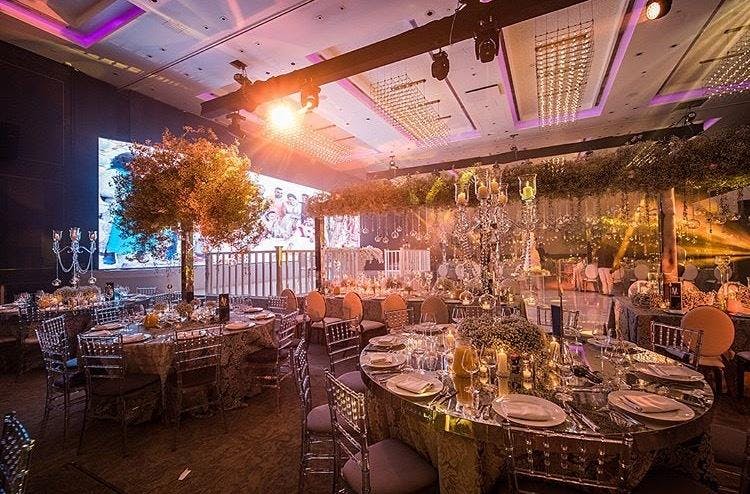
A grand, opulent hall in Covent Garden for large events, featuring high ceilings and elegant decor.
From: £140
Capacity: Up to 540 guests
Events at The Mermaid London
A versatile 500-capacity space with city skyline views, ideal for receptions, dinners, and events.
From: £95
Capacity: Up to 500 guests
Dining at The Royal Society
Iconic venue with stately rooms for events from intimate meetings to large receptions up to 800.
From: £10800
Capacity: Up to 500 guests
Dining at Church House Westminster
Historic circular event space with a glass dome, ideal for dinners and parties up to 372 guests.
From: £6750
Capacity: Up to 600 guests
Weddings at London Hilton on Park Lane
From: £69 per person
Capacity: Up to 500 guests
Business at QEII Centre
Versatile, large event space in central London with iconic views. Ideal for conferences and galas.
From: £29000
Capacity: Up to 1300 guests
Events at Leonardo Royal Hotel London St.Pauls
A large conference and event space with the latest technology in a bustling business district near St Paul's Cathedral.
From: £65 per person
Capacity: Up to 900 guests
Business at The Brewery
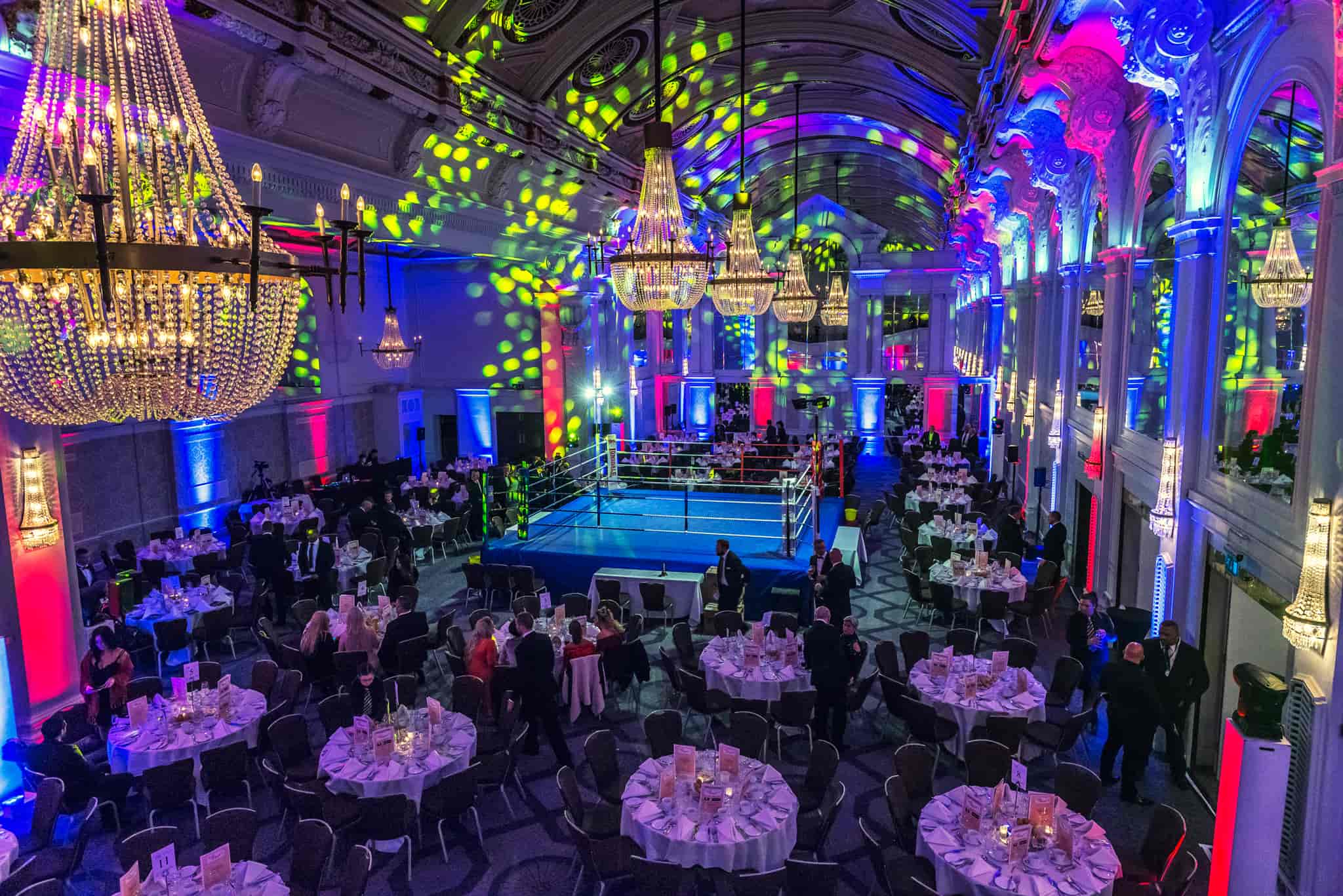
A vast historic event space with a timber roof, ideal for conferences, dinners, and exhibitions.
From: £125
Capacity: Up to 900 guests
Business at Convene 155 Bishopsgate
A large, stylish conference venue in the City of London, accommodating over 1,000 guests across two floors.
From: £100 per person
Capacity: Up to 600 guests
Dining at The Landmark London
A luxurious Victorian ballroom in Marylebone, perfect for elegant celebrations and events.
From: £150 per person
Capacity: Up to 650 guests
...and 6 more venues available
Related Event Types
- Meeting Rooms
- Meeting Rooms
- Small Meeting Rooms
- Small Meeting Rooms
- Meeting Spaces
- Seminar Rooms
- Meeting Rooms
- Meeting Rooms
- Small Meeting Rooms
- Meeting Rooms
- Meeting Rooms
- Small Meeting Rooms
- Small Meeting Rooms
- Small Meeting Rooms
- Small Meeting Rooms
- Small Meeting Rooms
- Meeting Rooms
- Meeting Rooms