Presentation Rooms in London
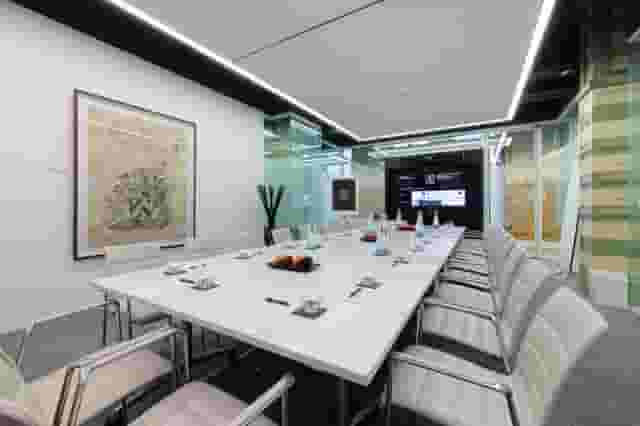
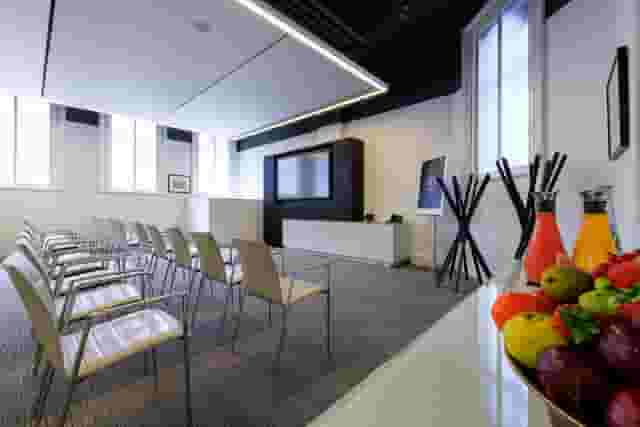
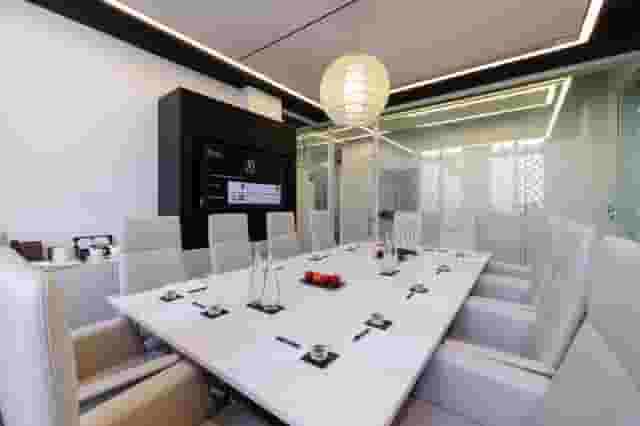
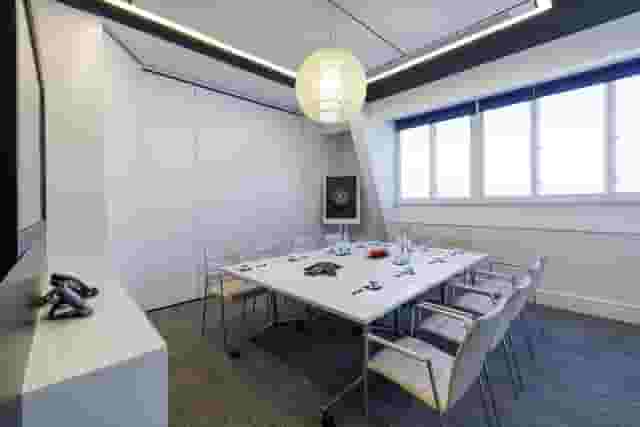
Find private presentation rooms in London with integrated display screens and catering, backed by indicative pricing and expert support from real people.
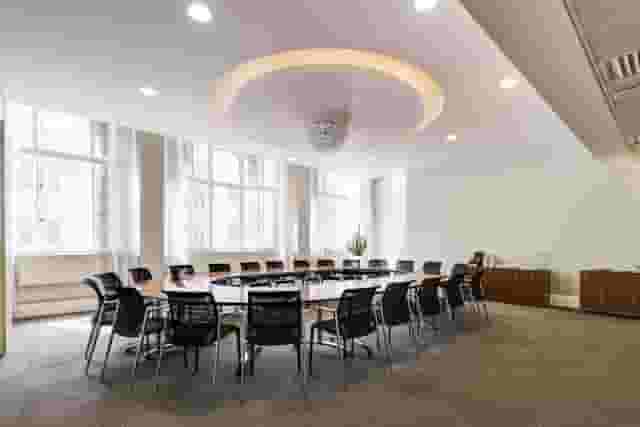
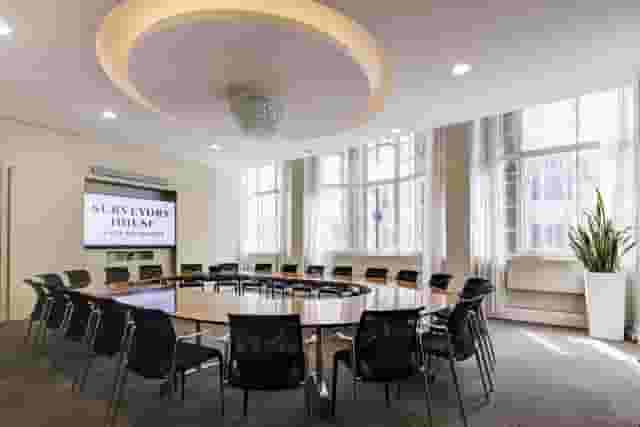
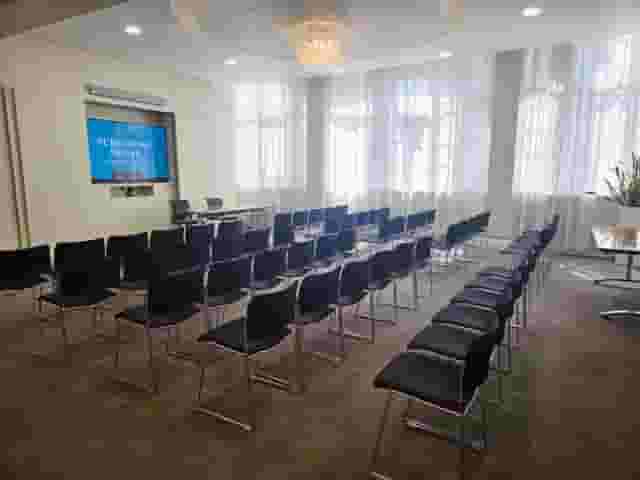
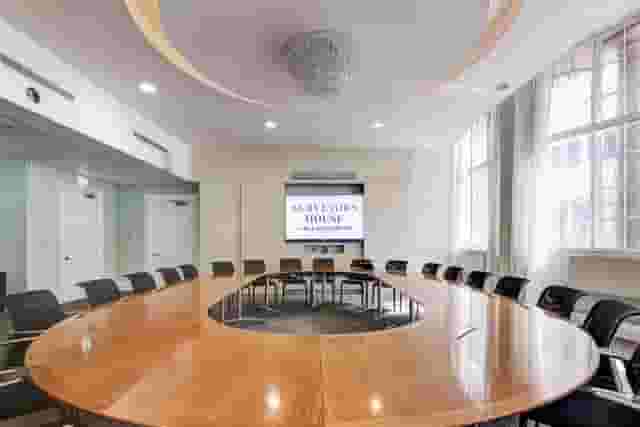
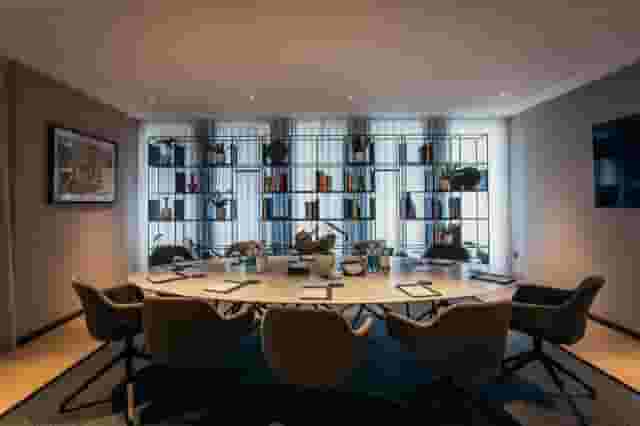
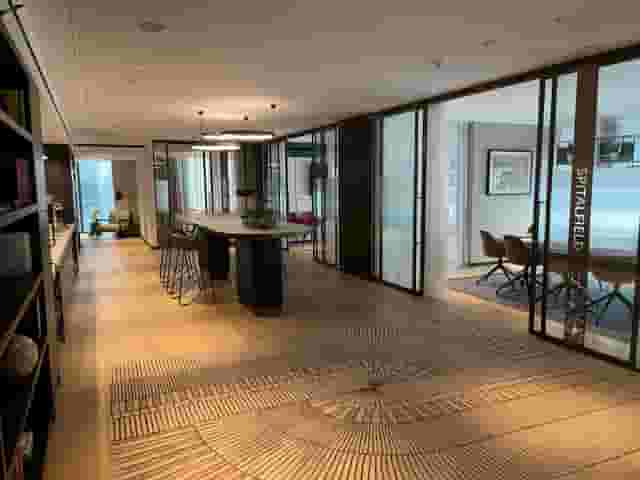
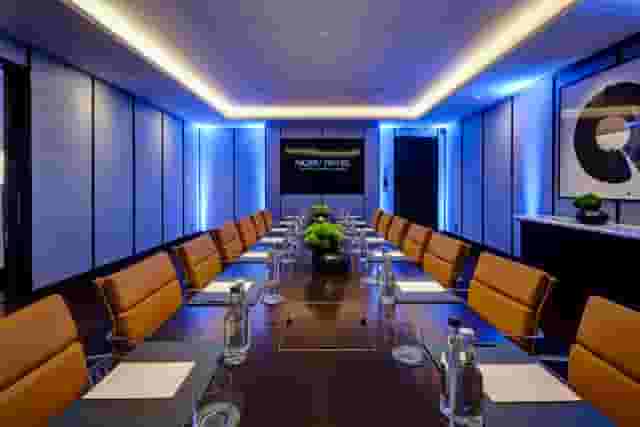
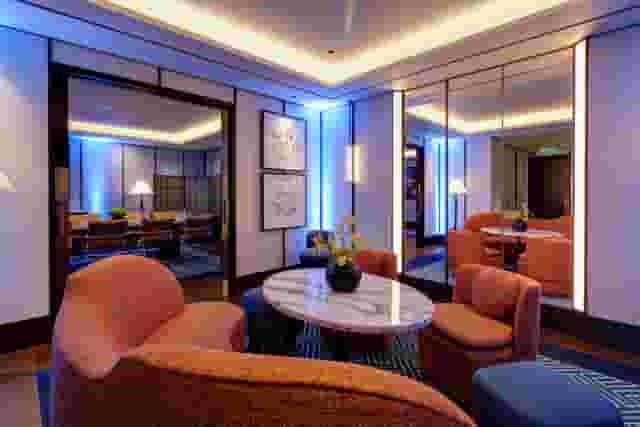
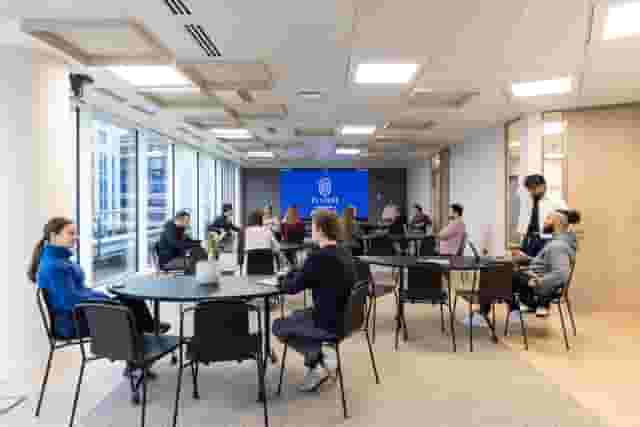
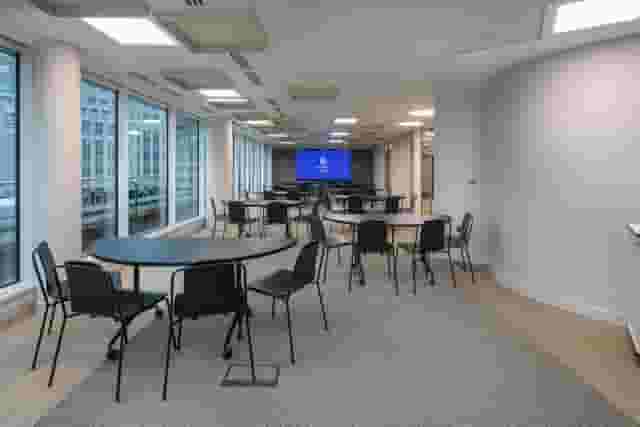
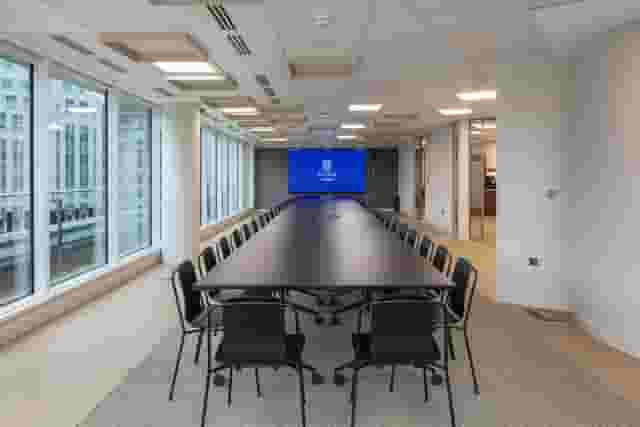
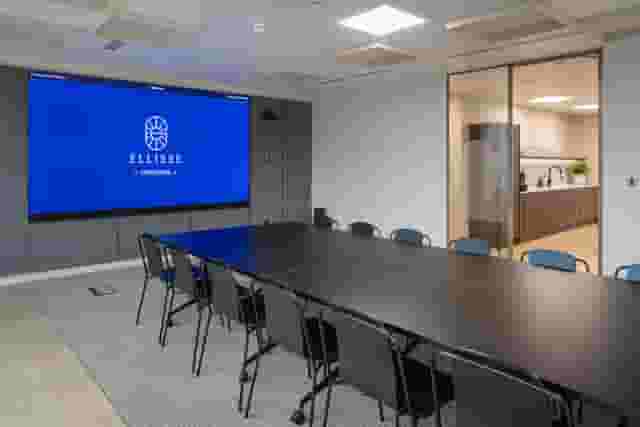
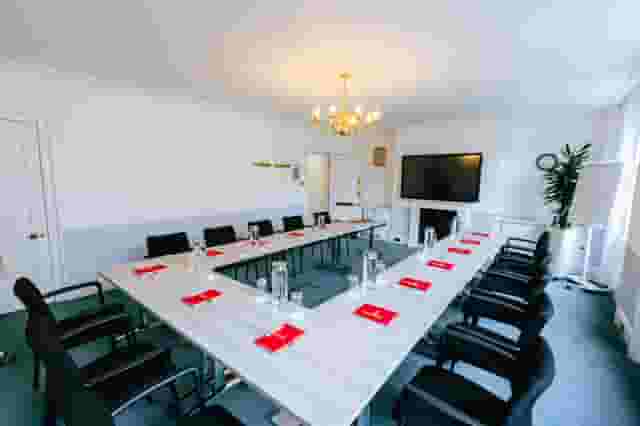
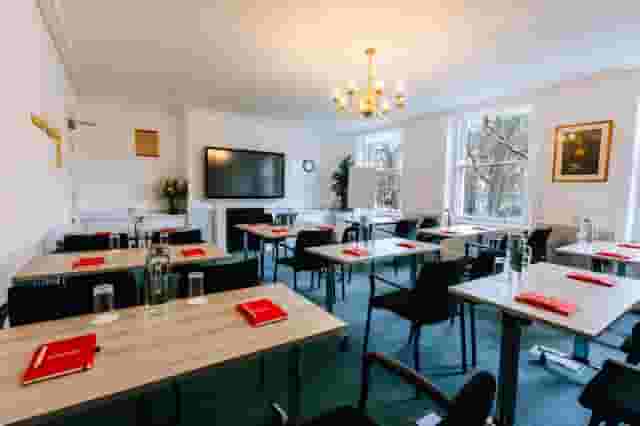
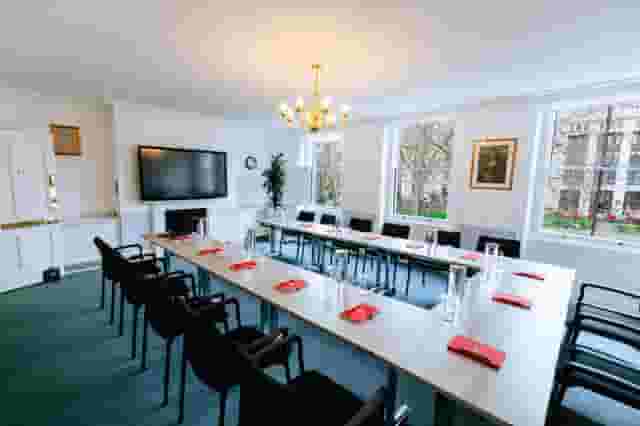
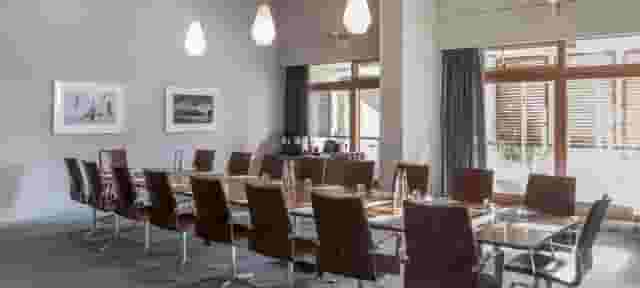
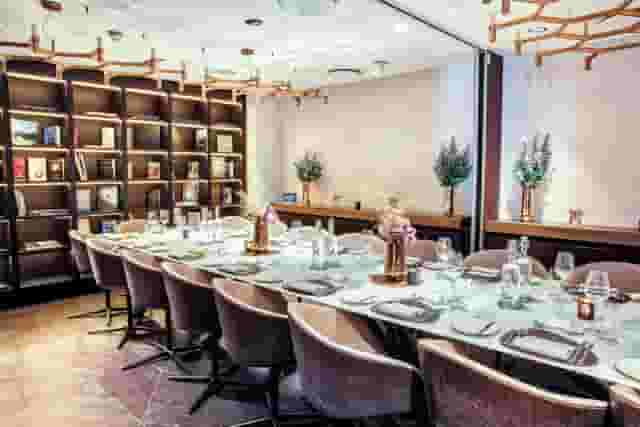
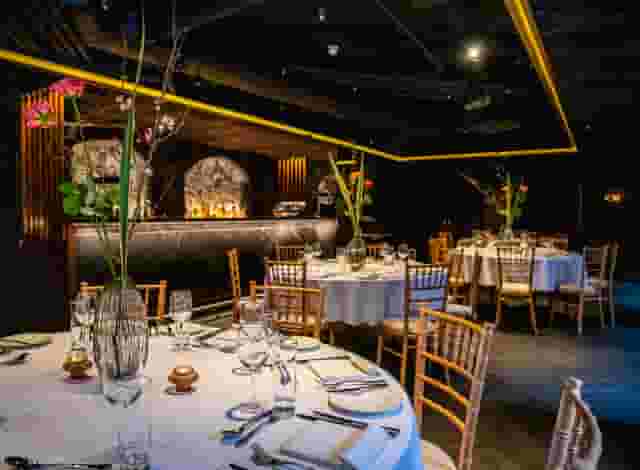
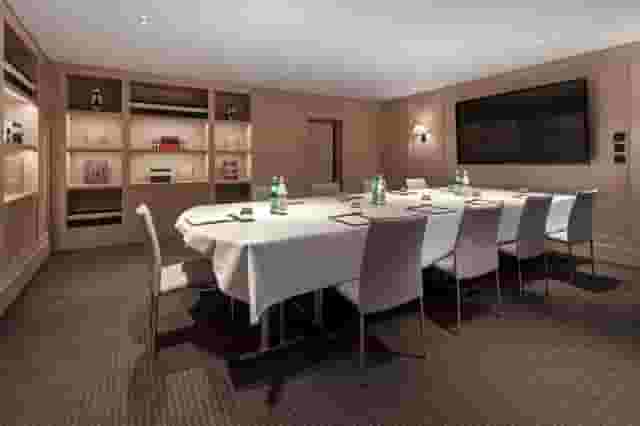
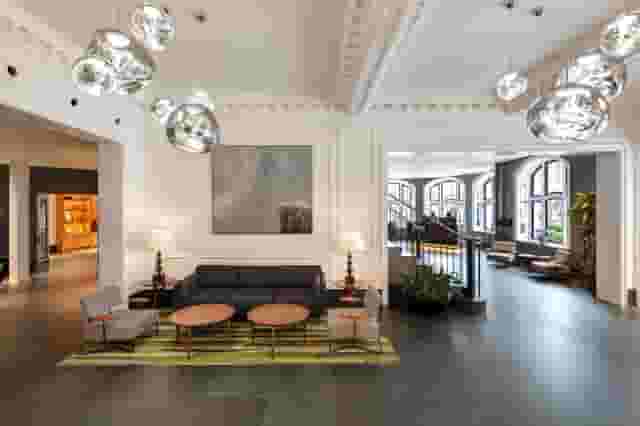
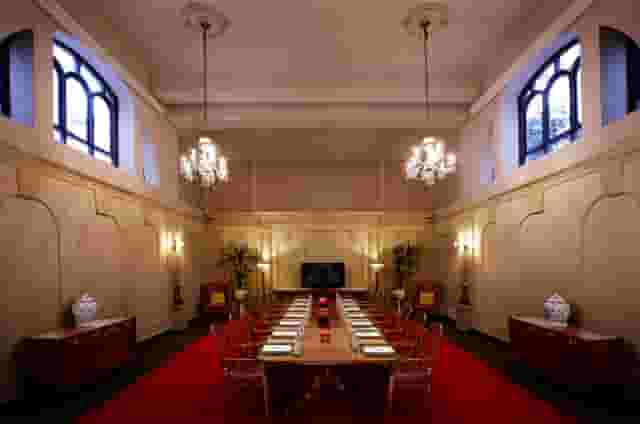
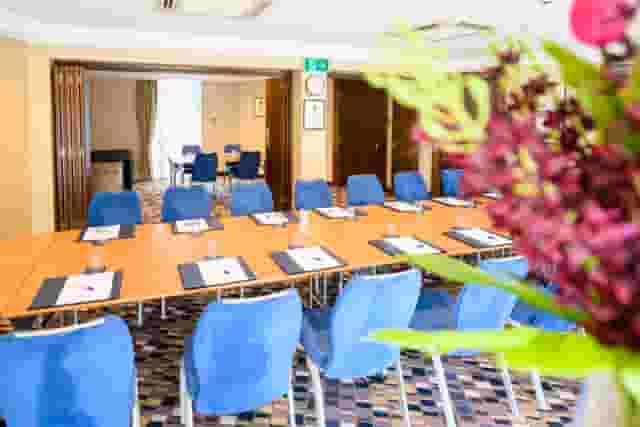
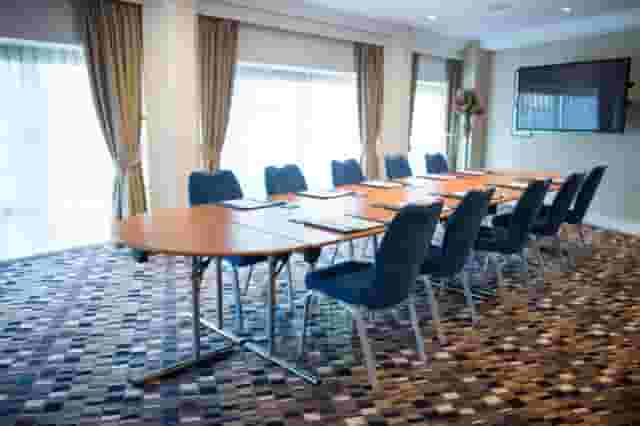
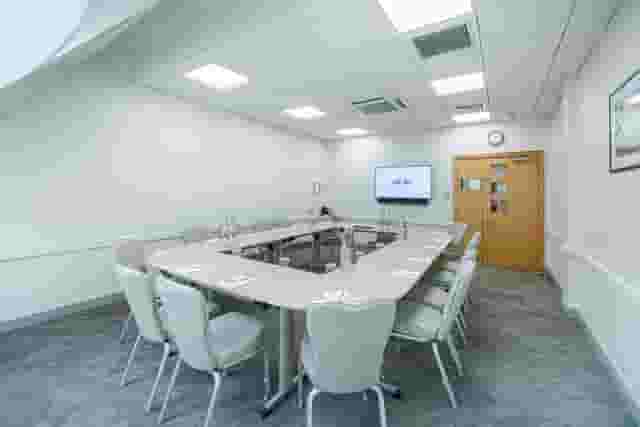
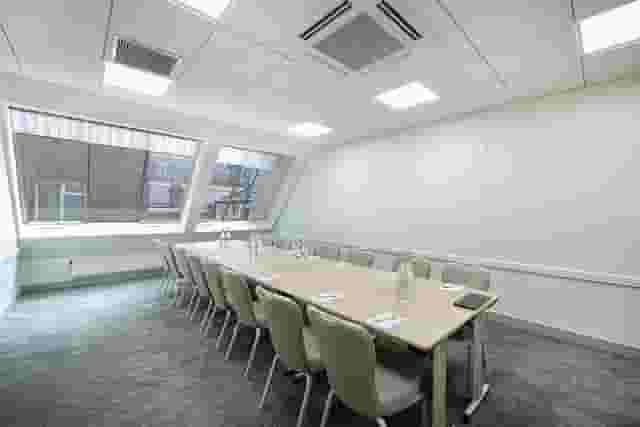
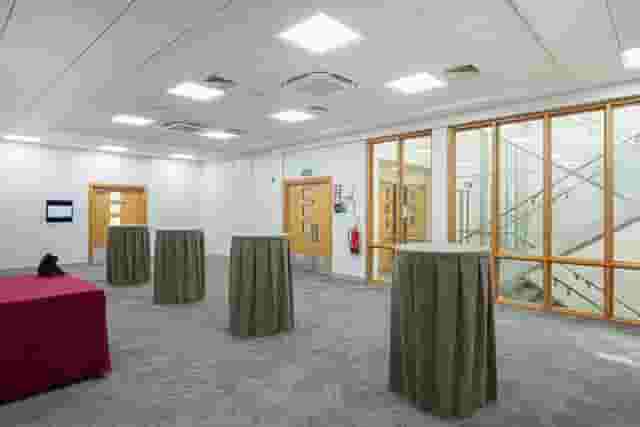
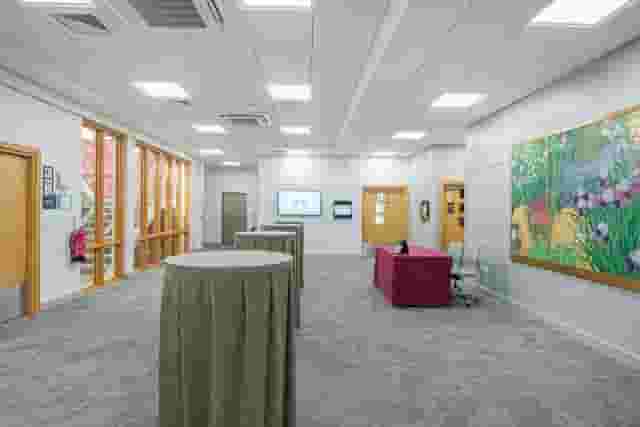
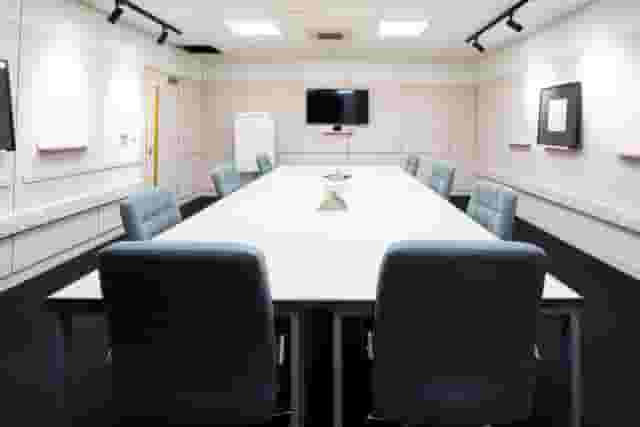
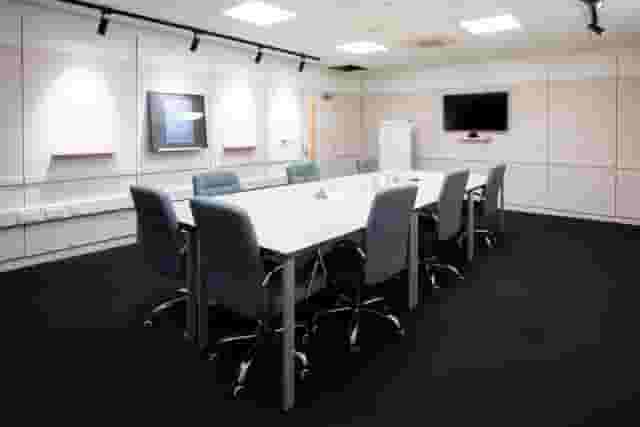
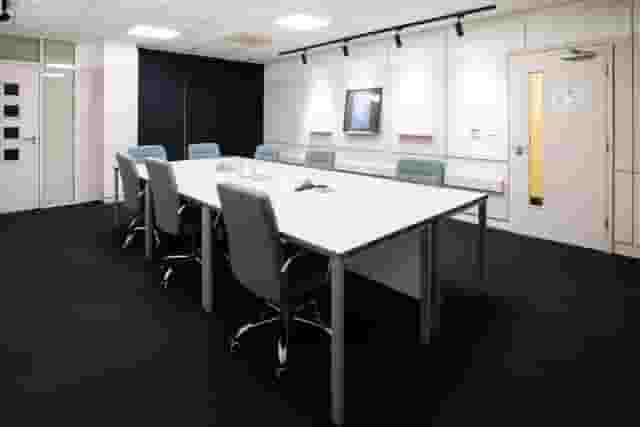
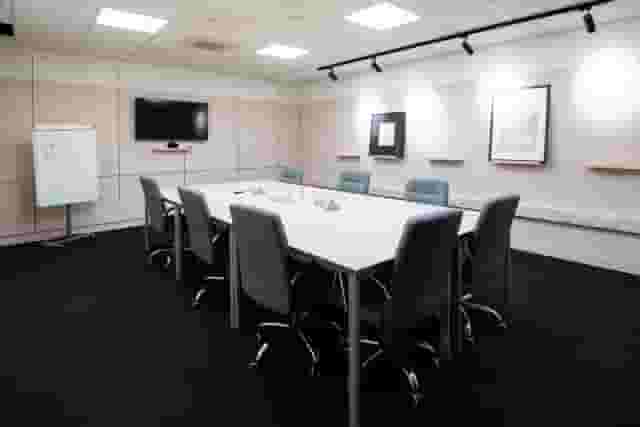
1,156 Presentation Rooms in venues in London
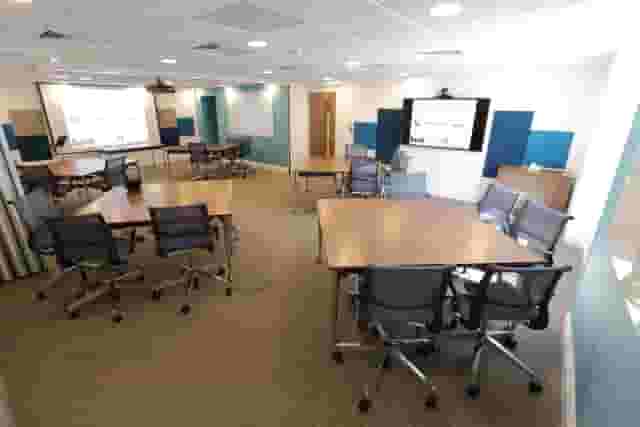
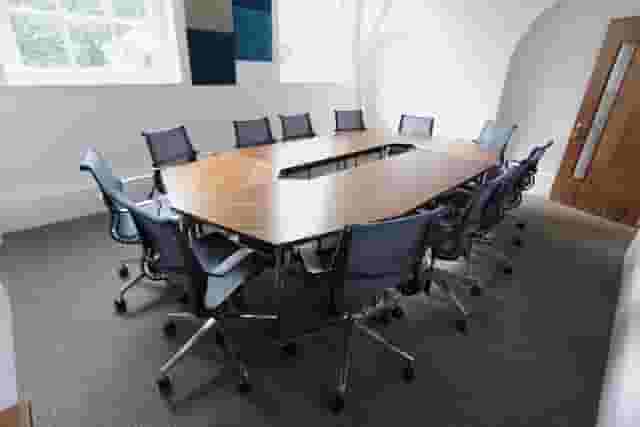
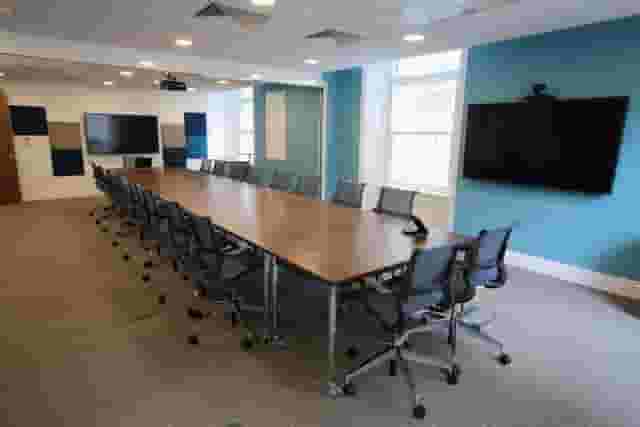

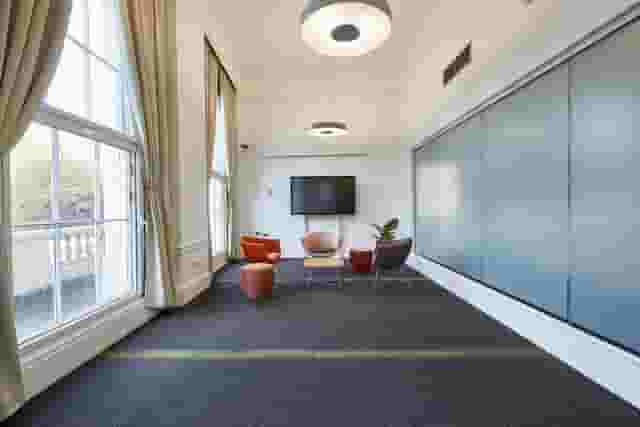
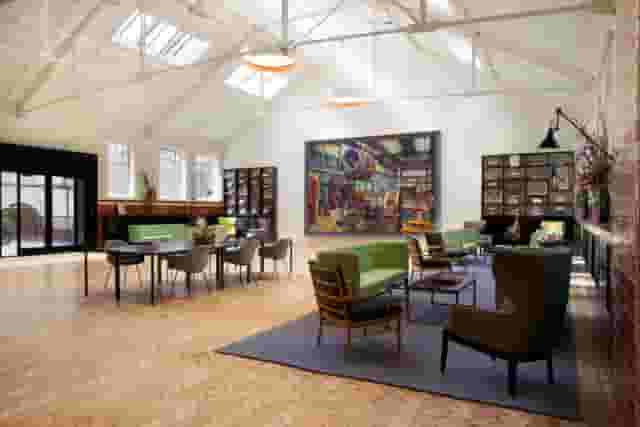
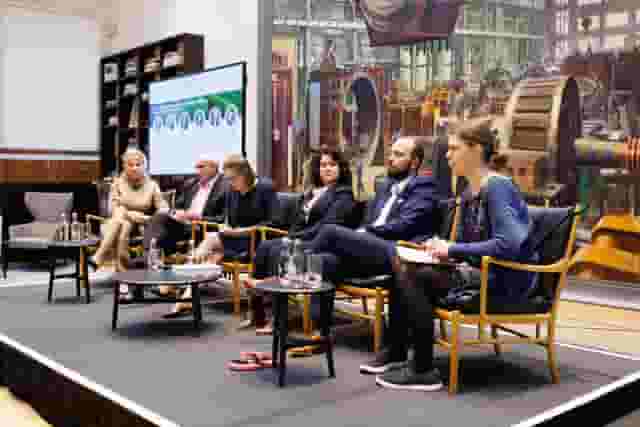
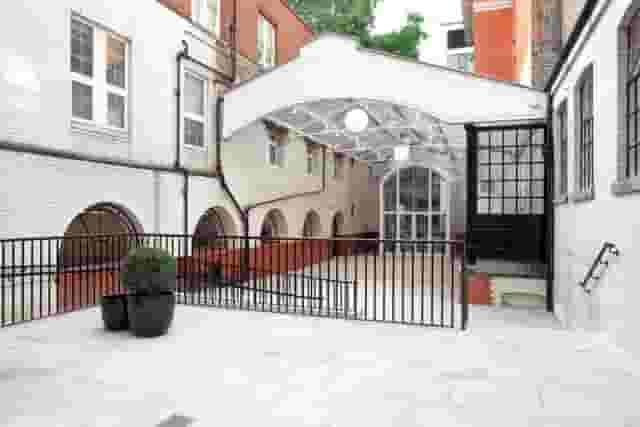


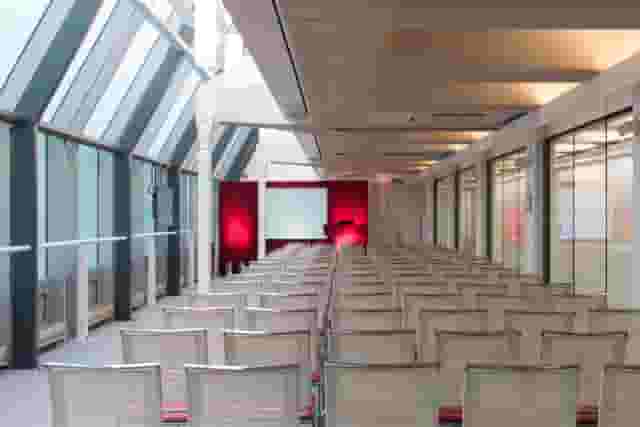
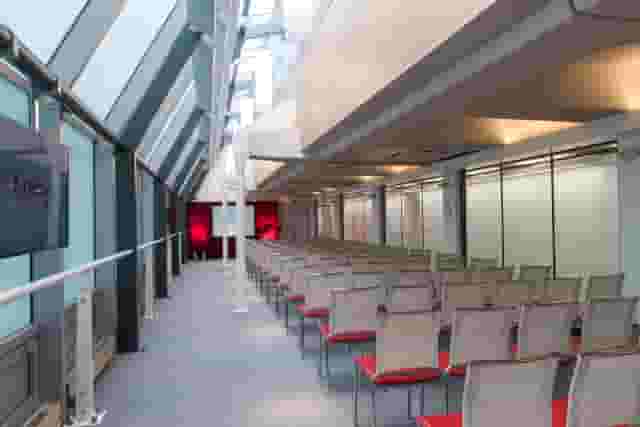

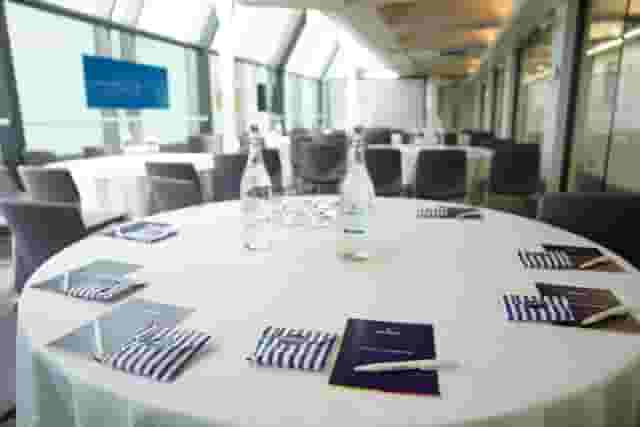
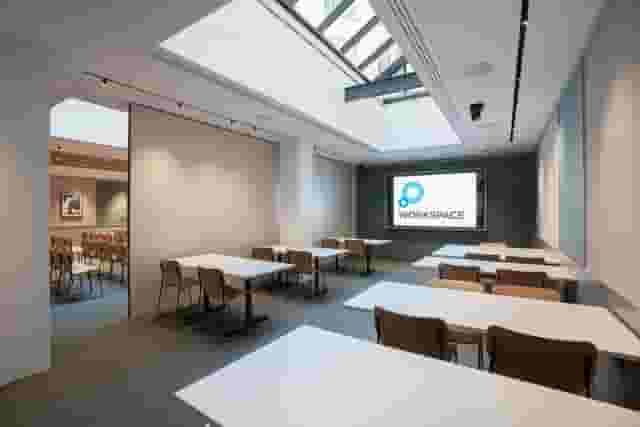











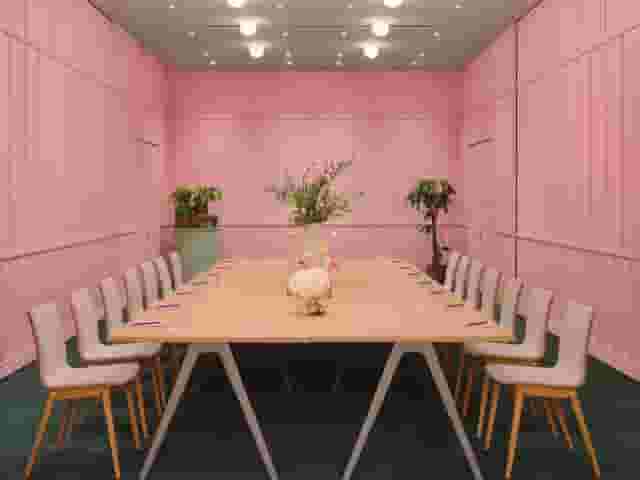
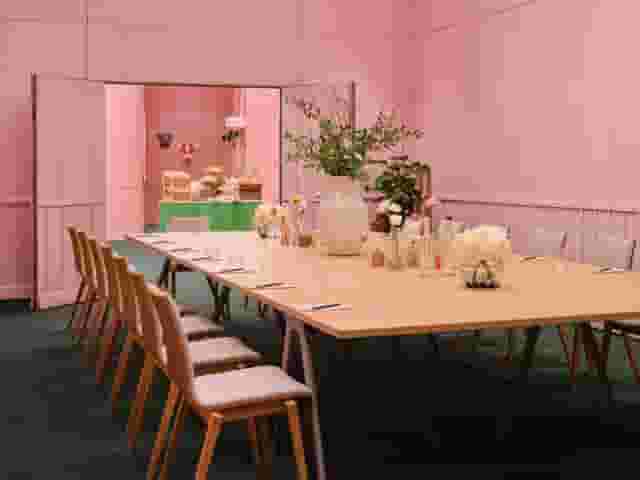
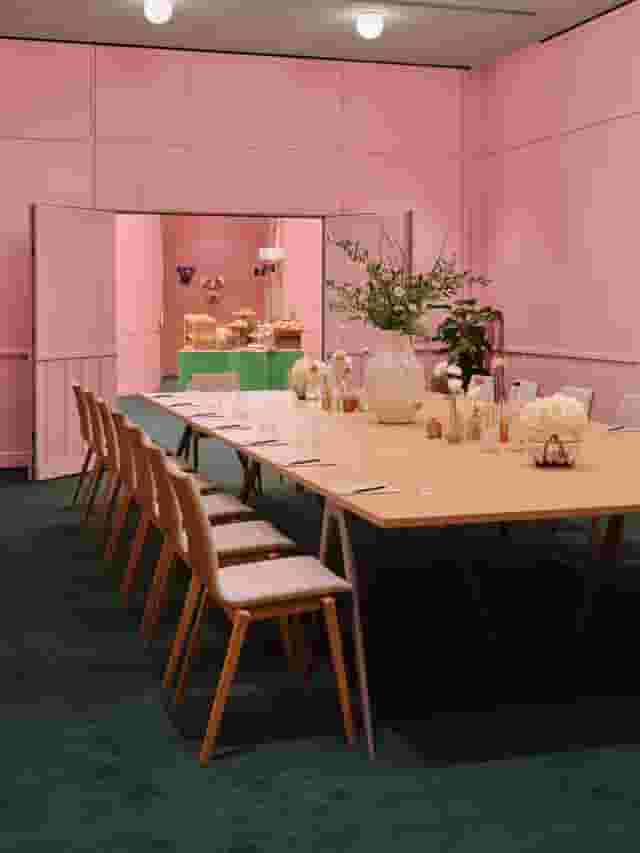
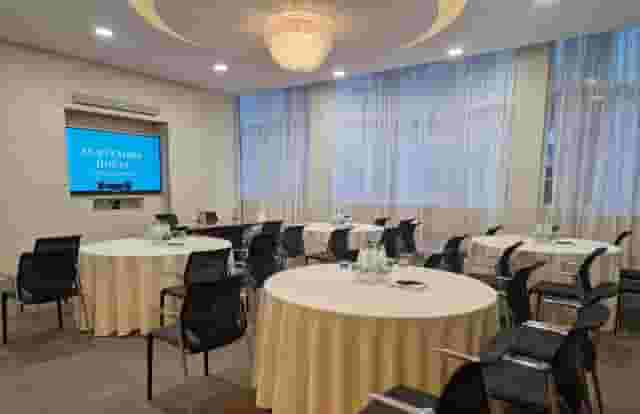
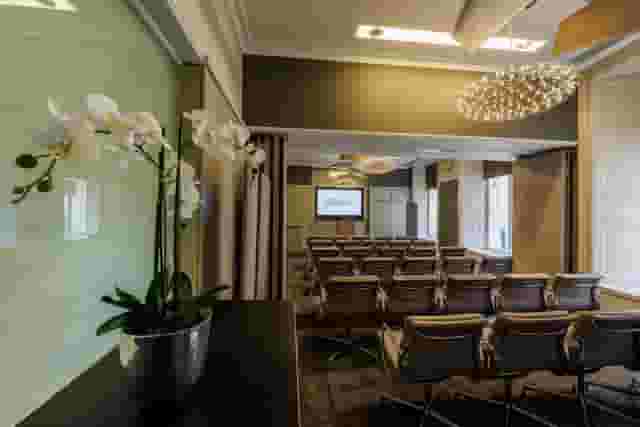
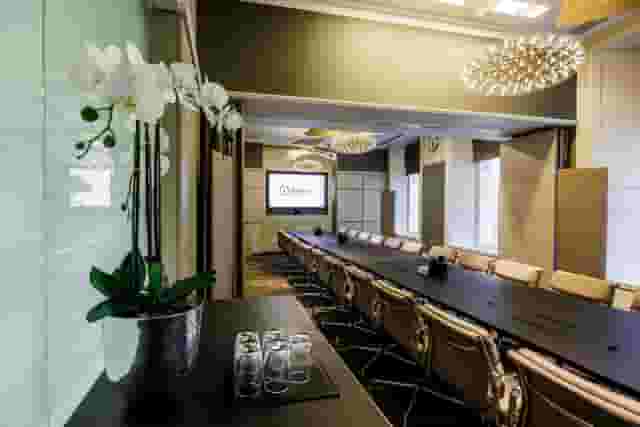
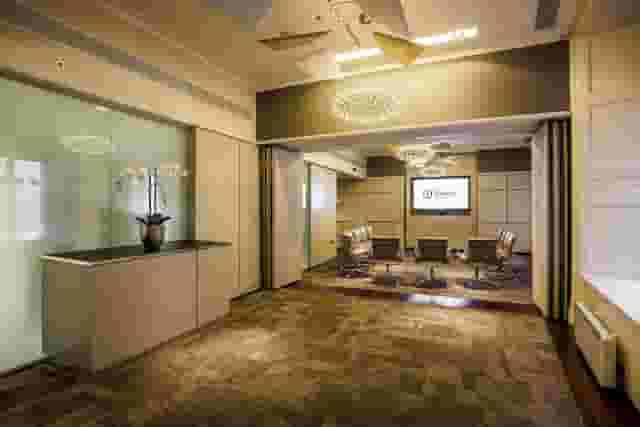
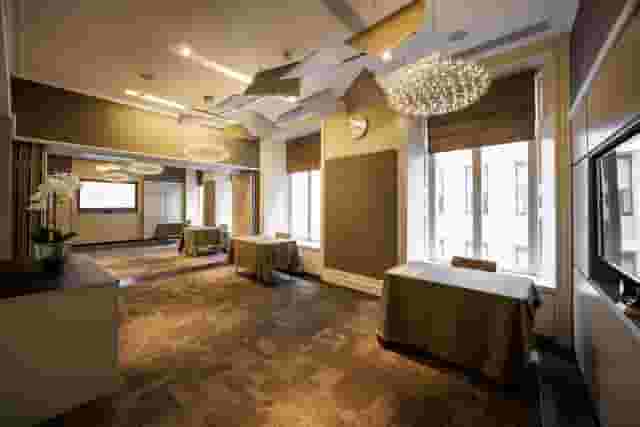
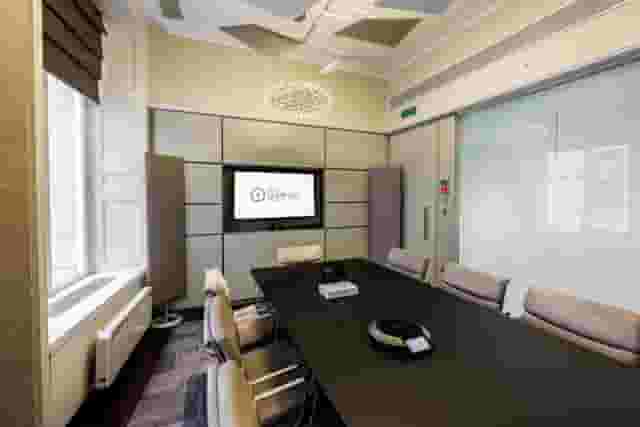
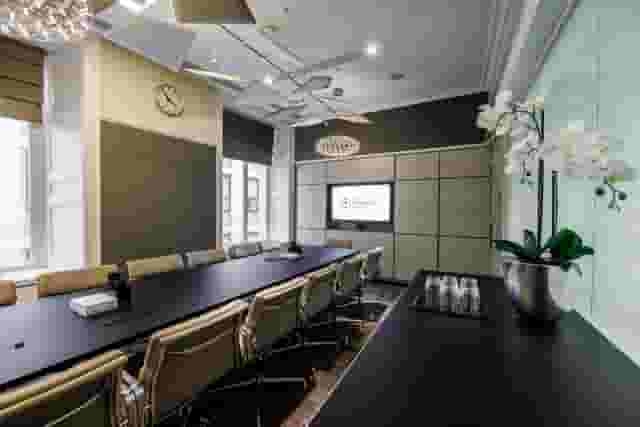
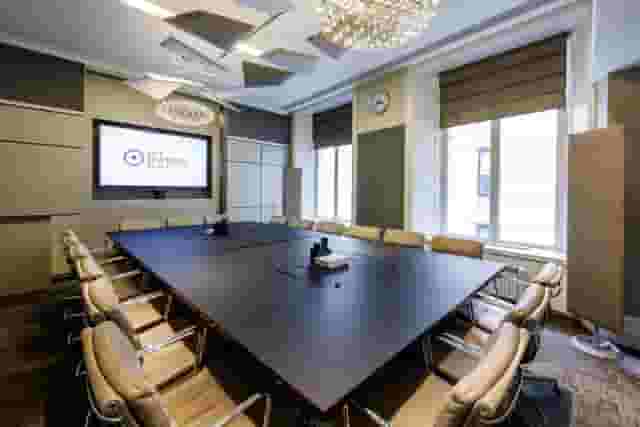
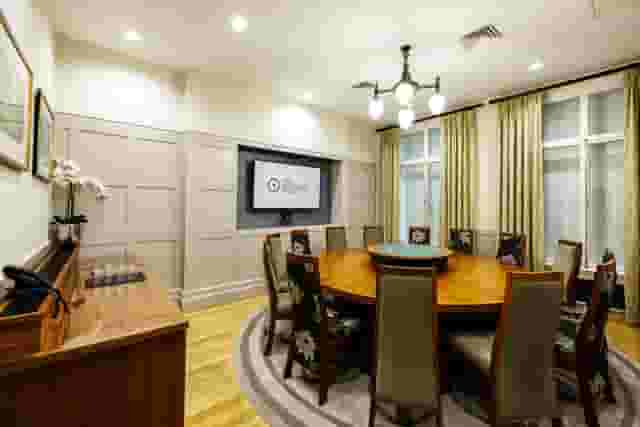
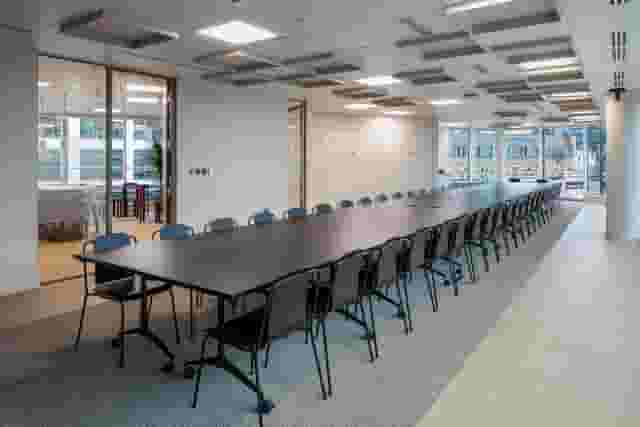
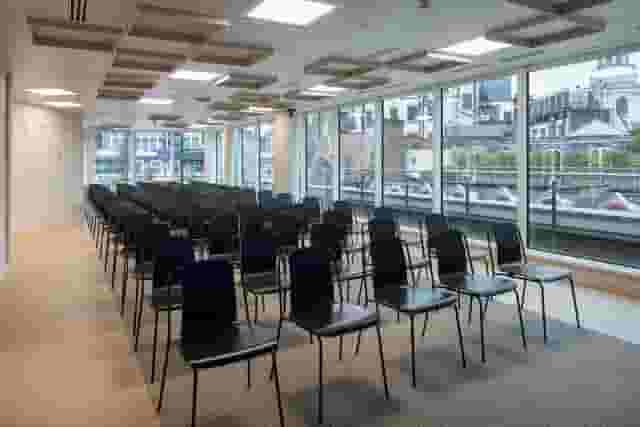
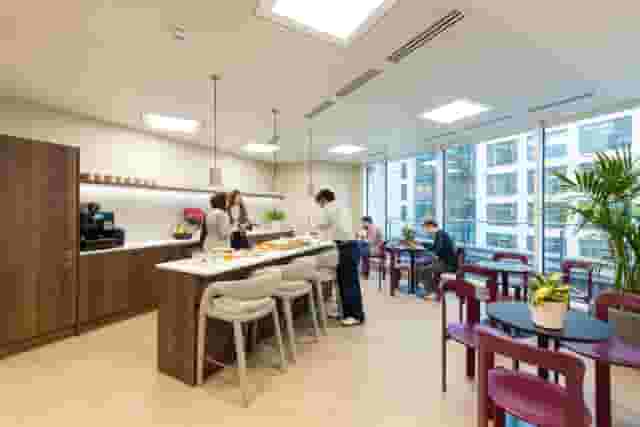
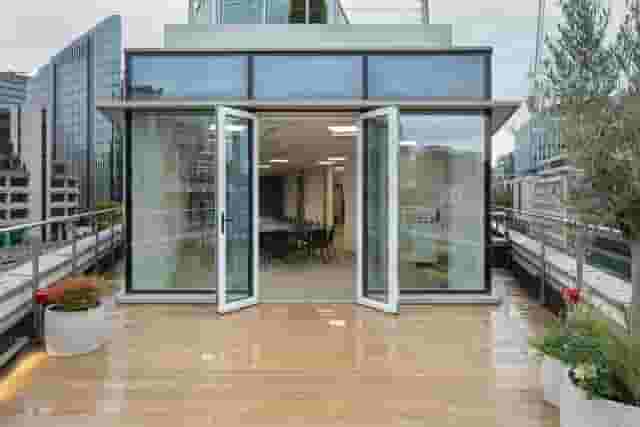





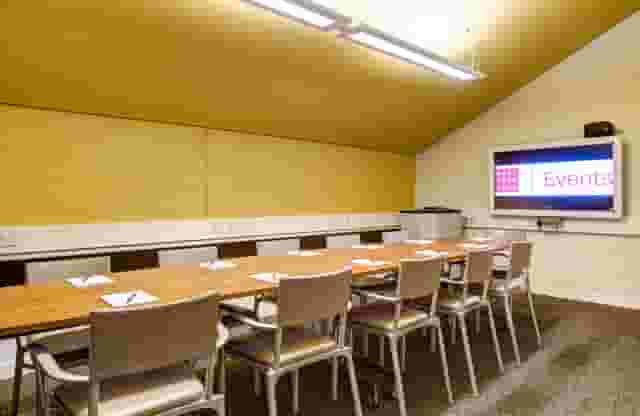
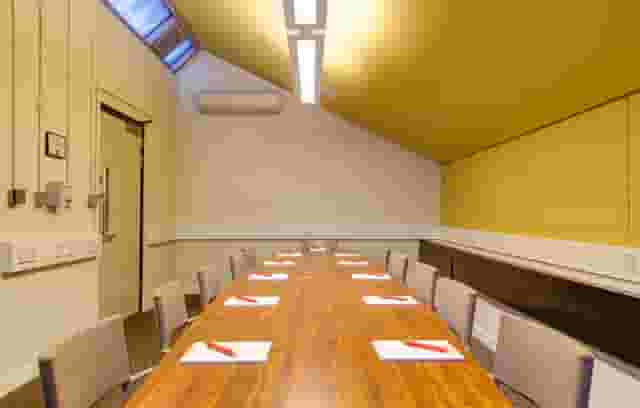
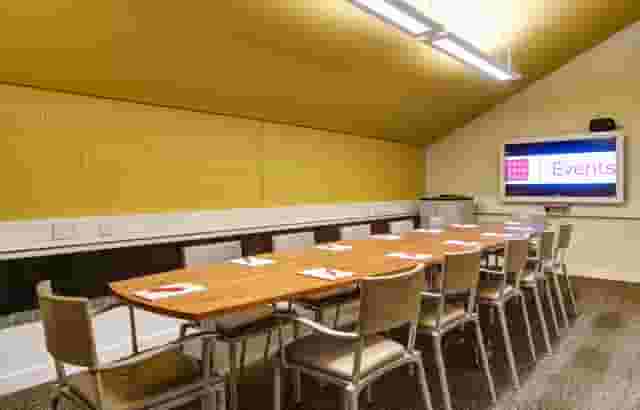
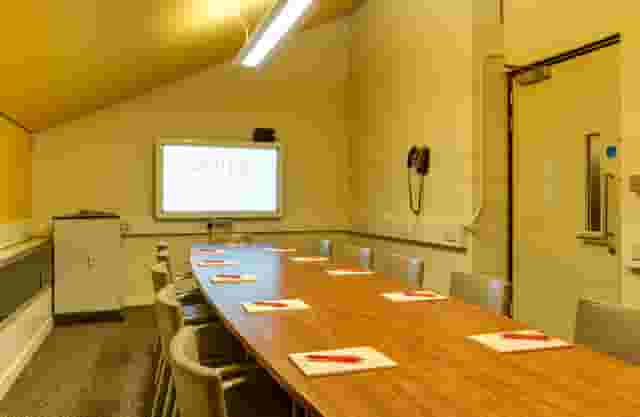
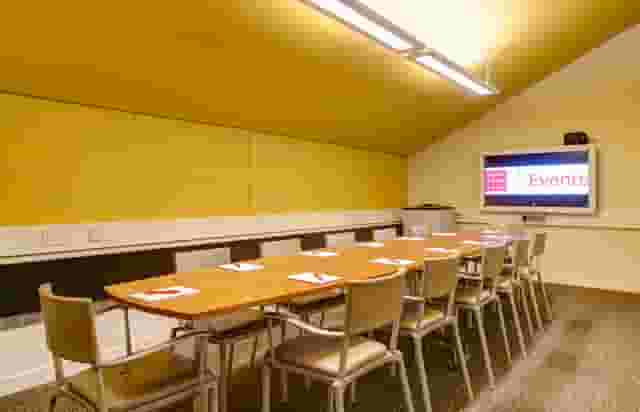
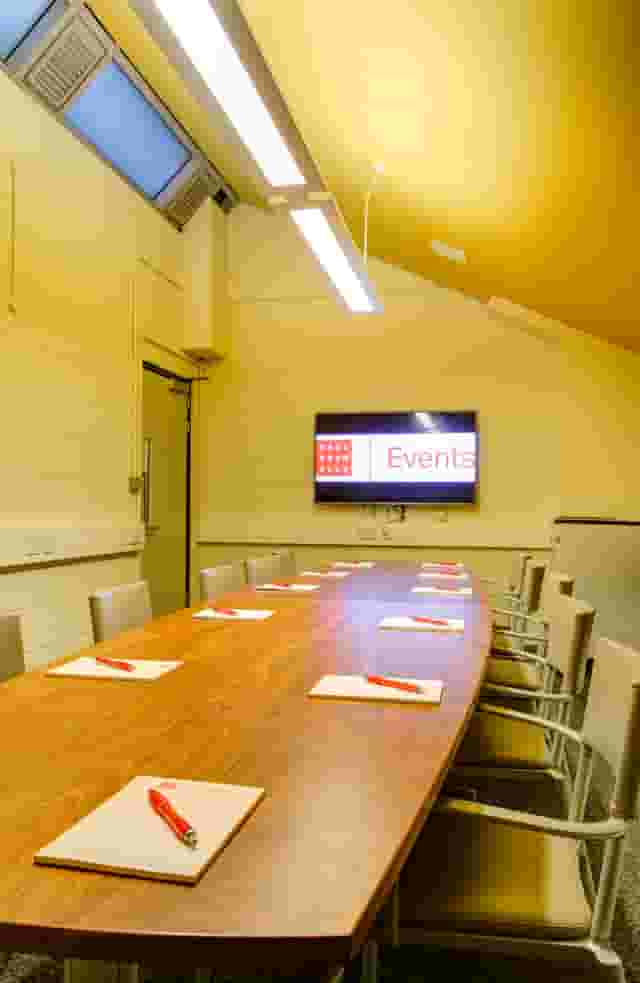
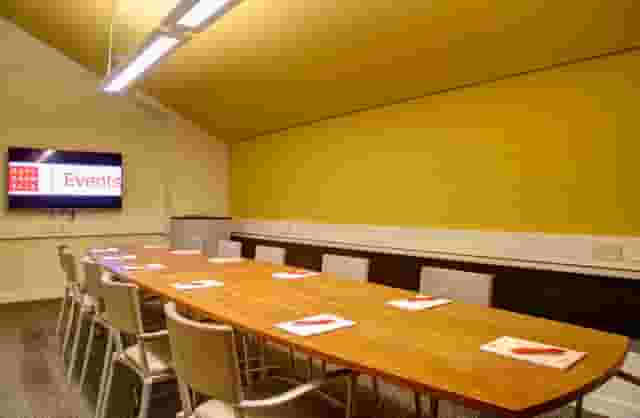
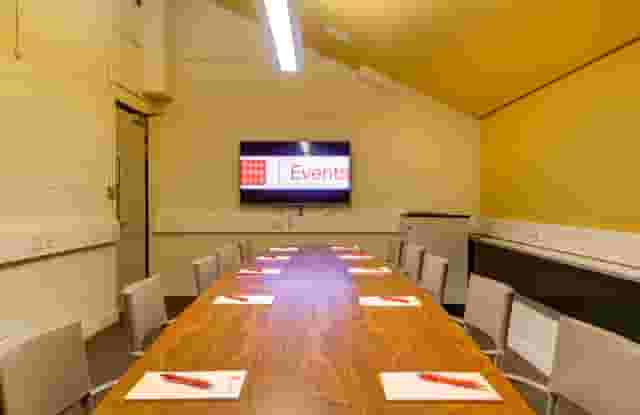
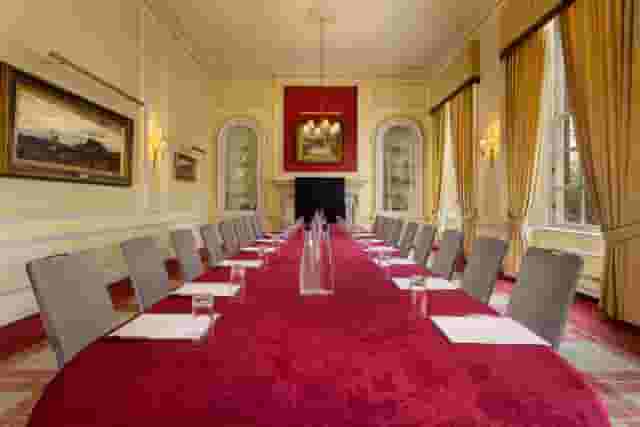
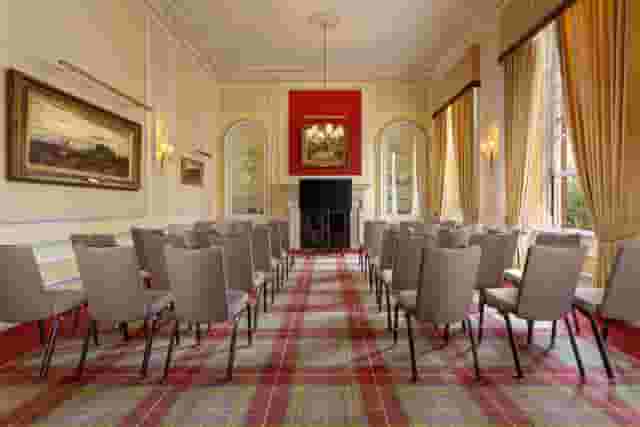
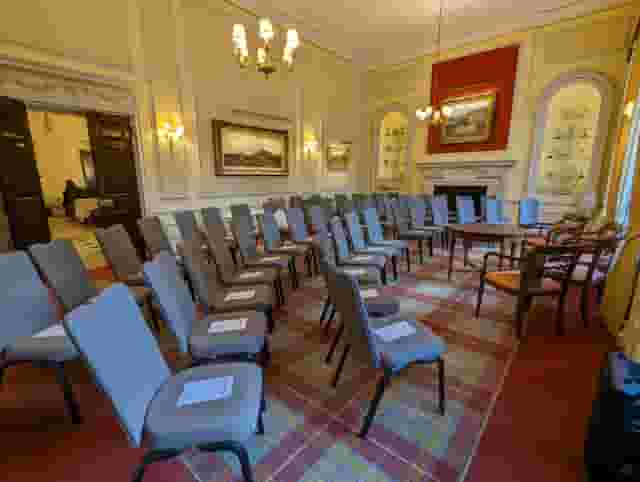
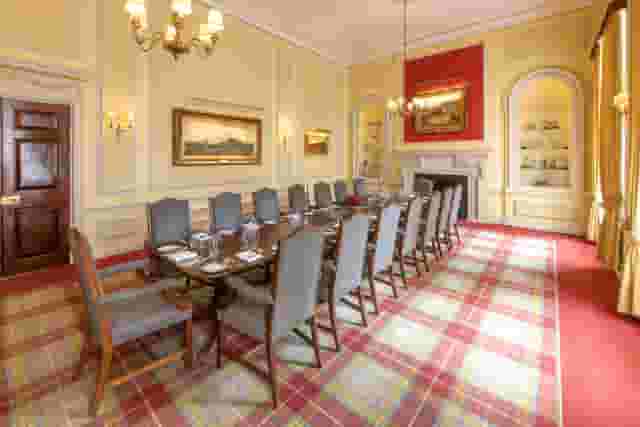



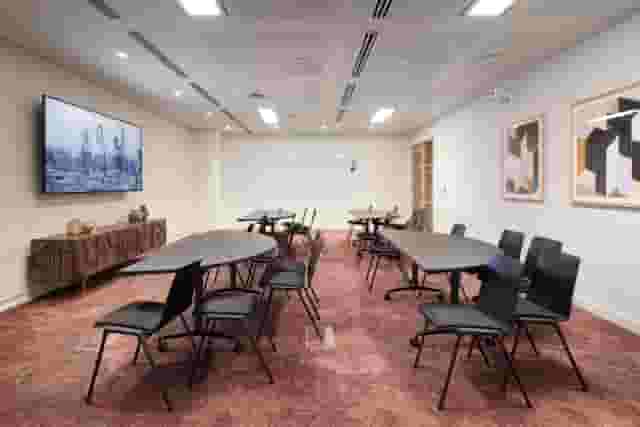


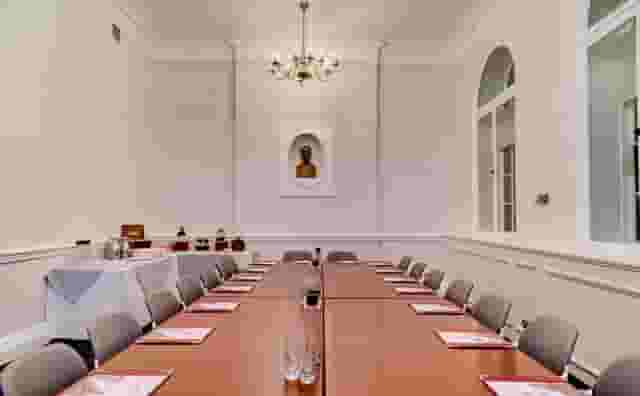
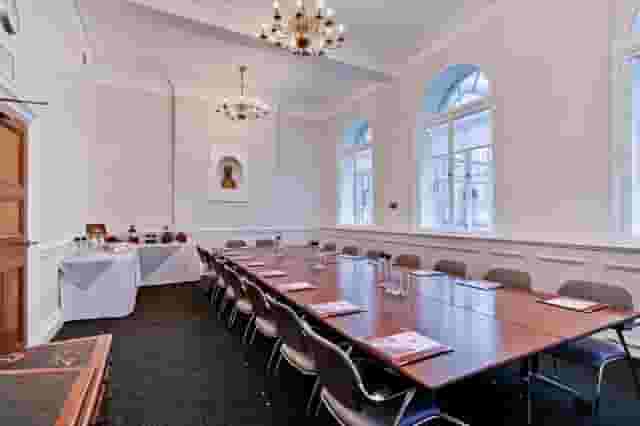


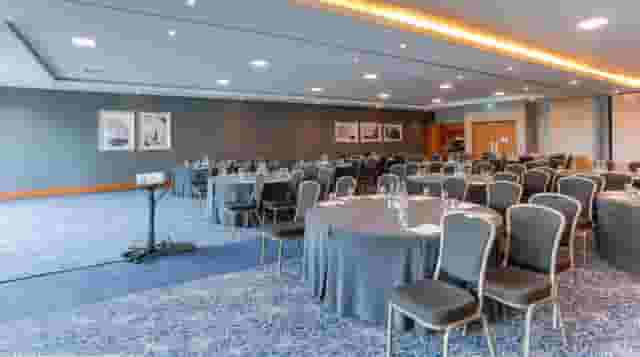

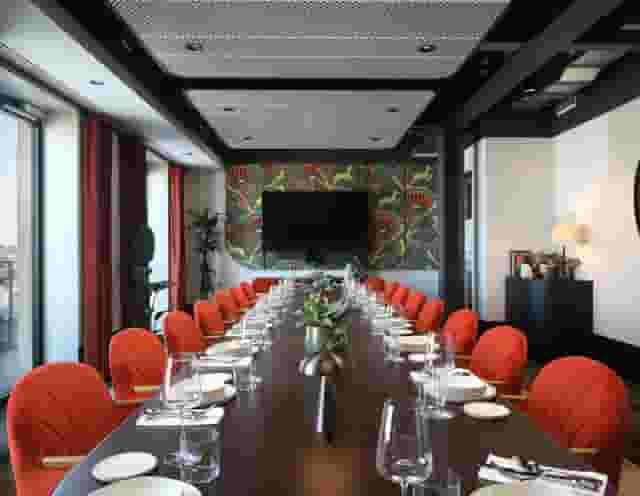
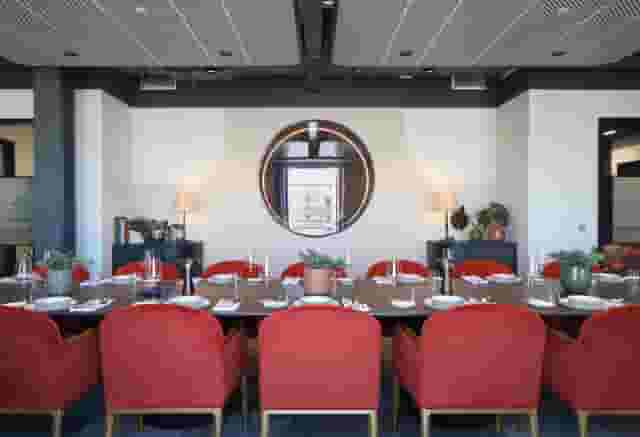
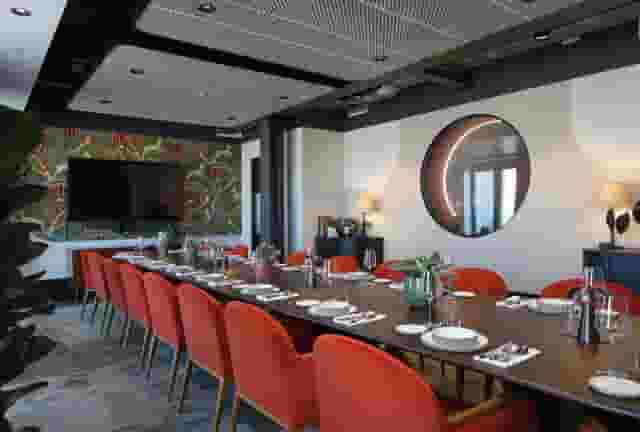
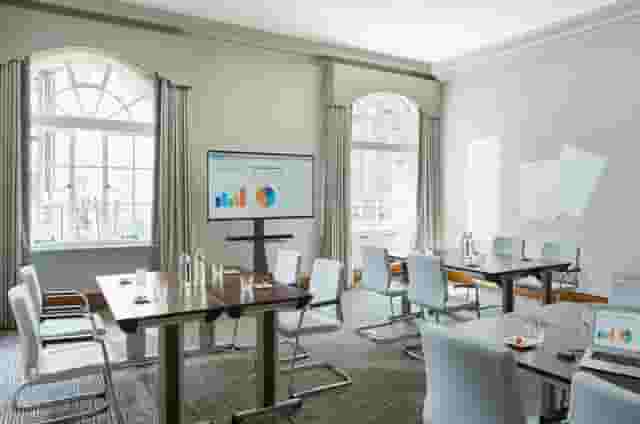







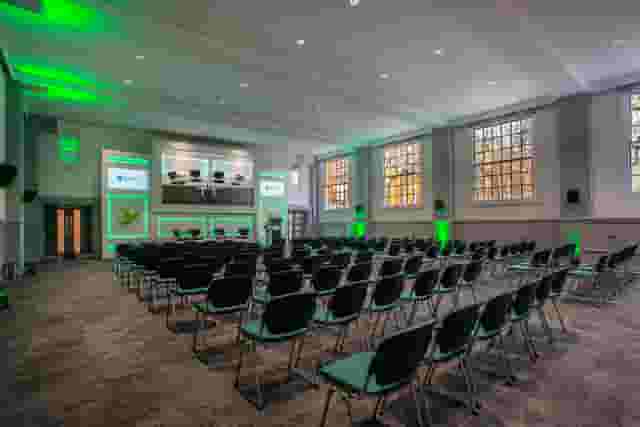
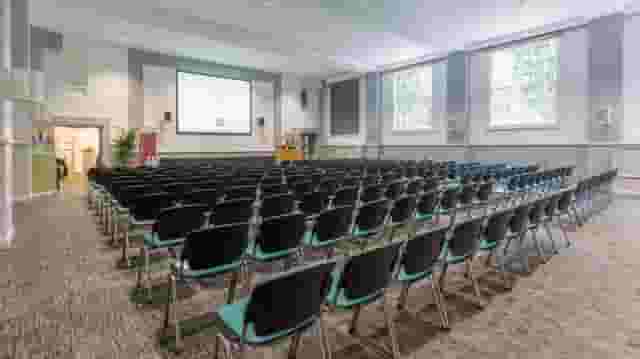
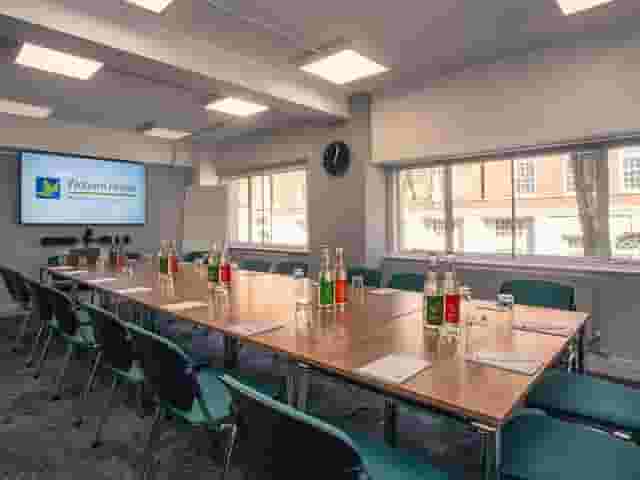
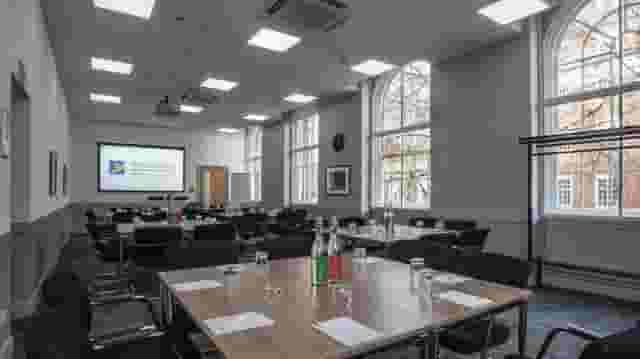










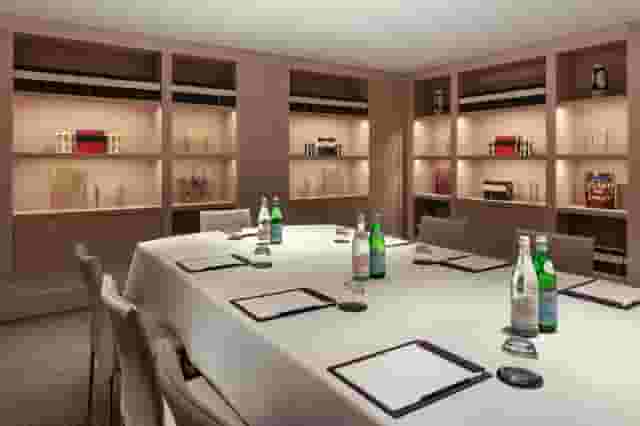
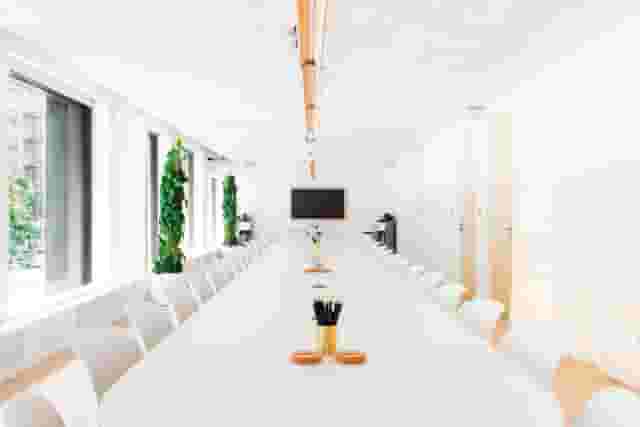
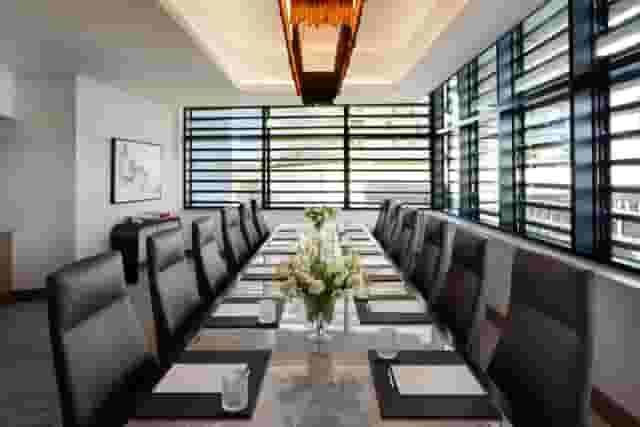
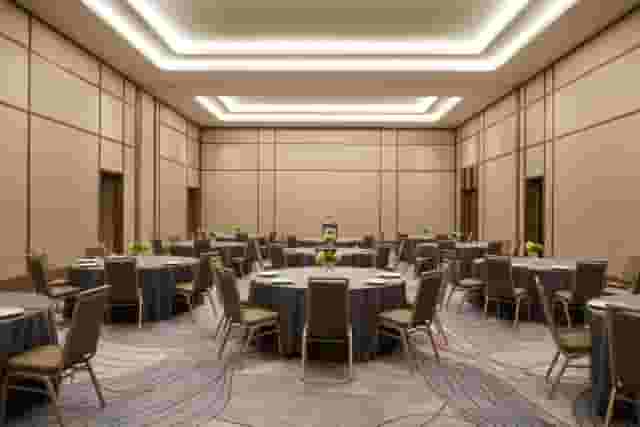







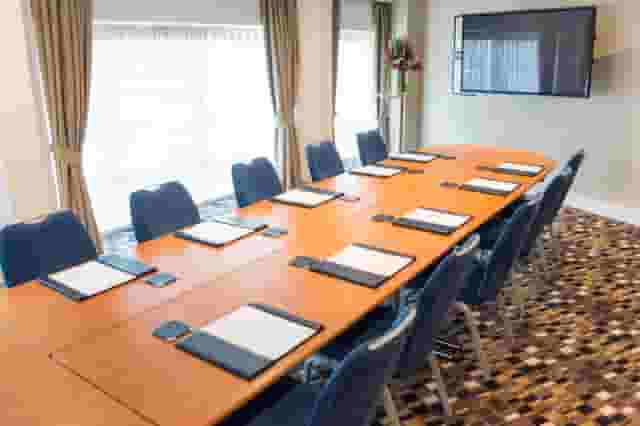
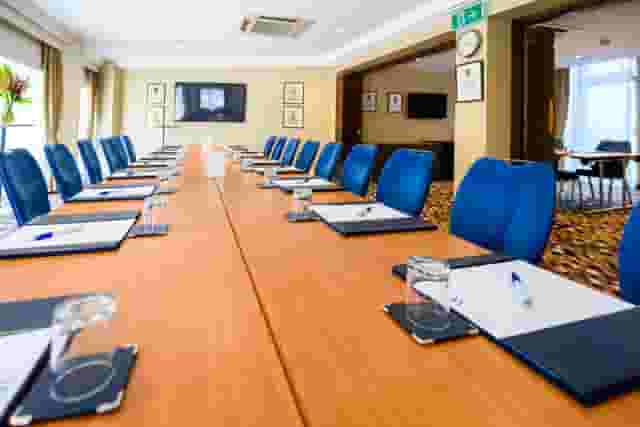
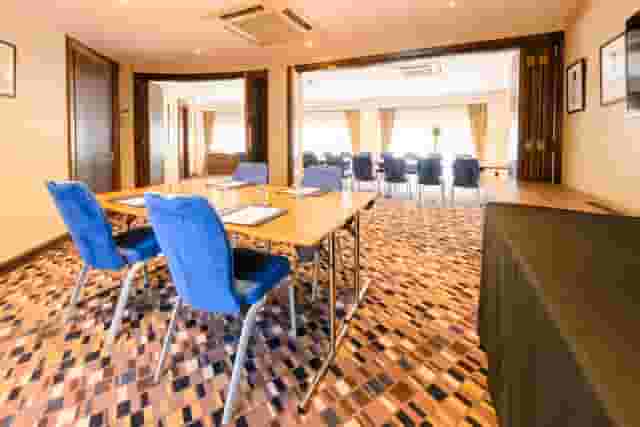
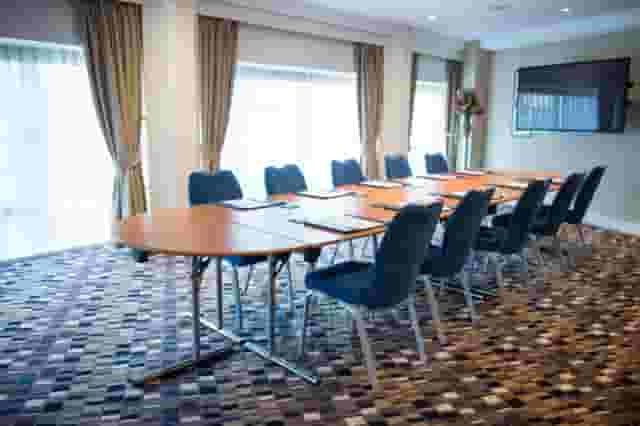
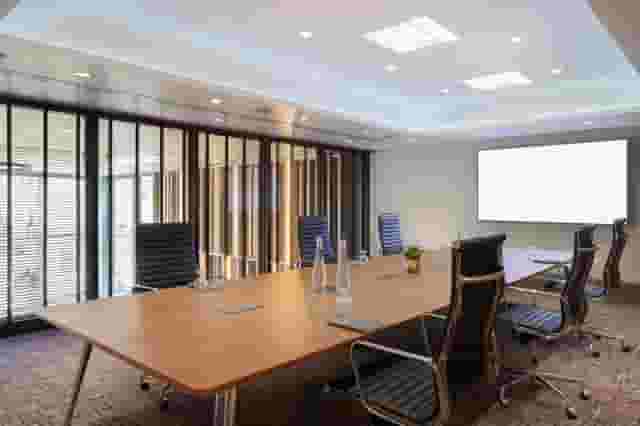
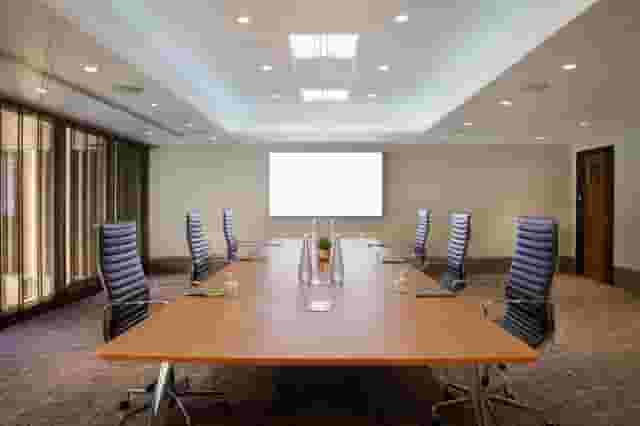
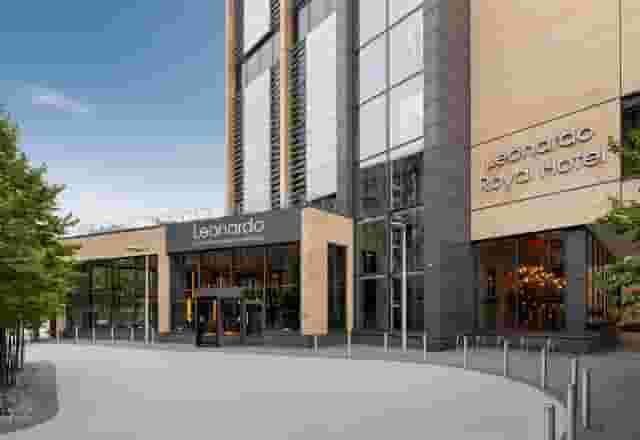
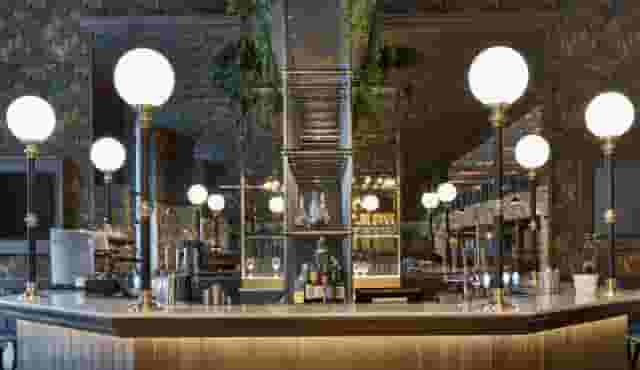









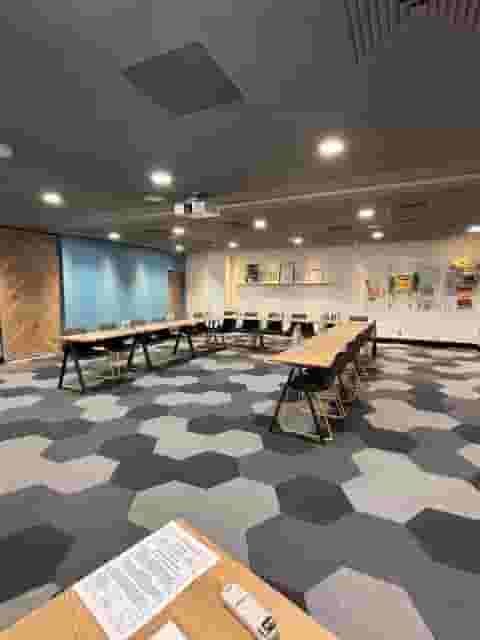
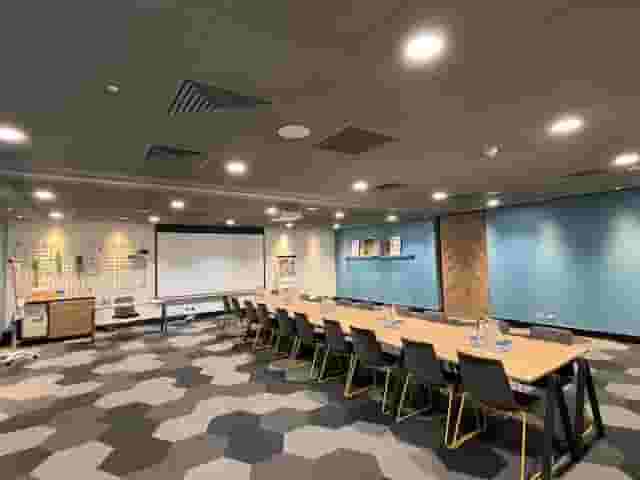
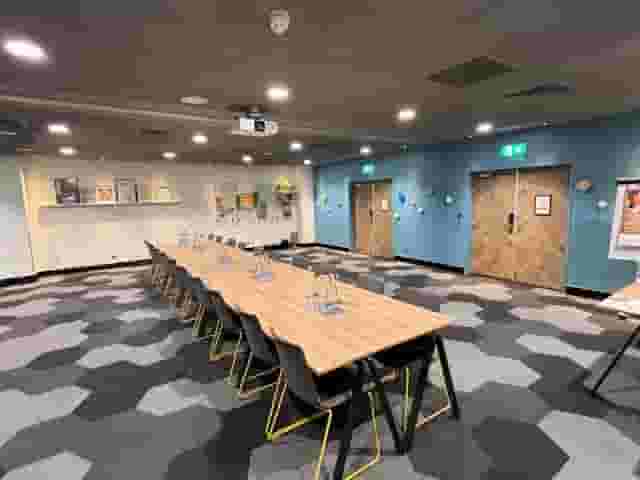
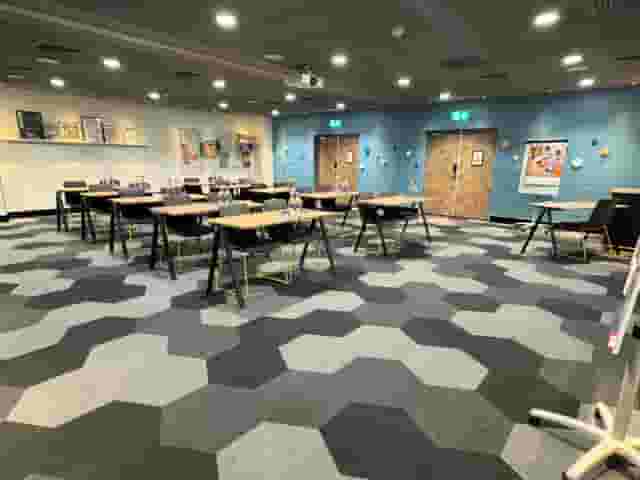
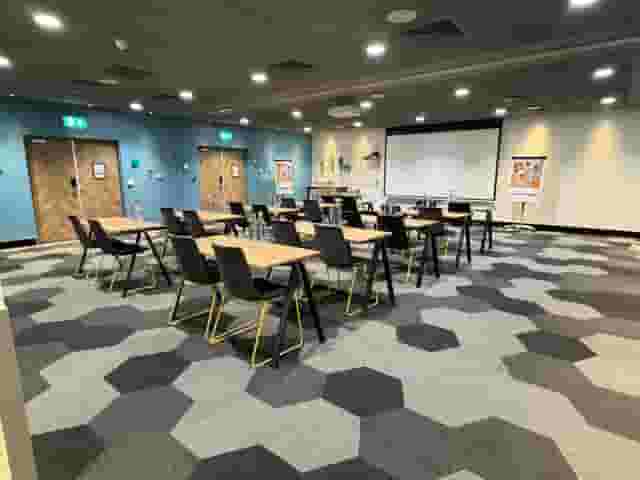
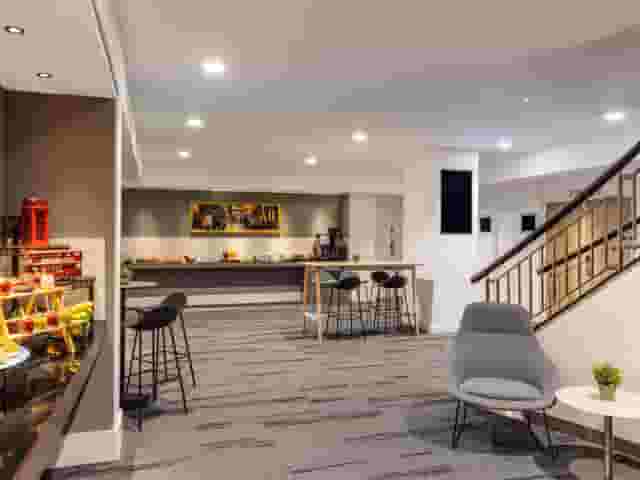
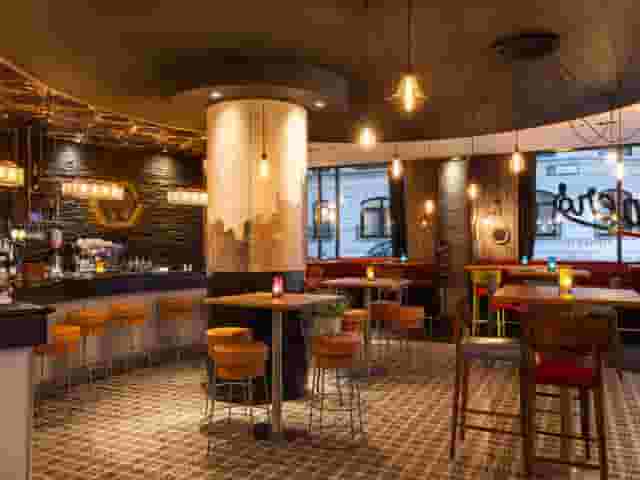
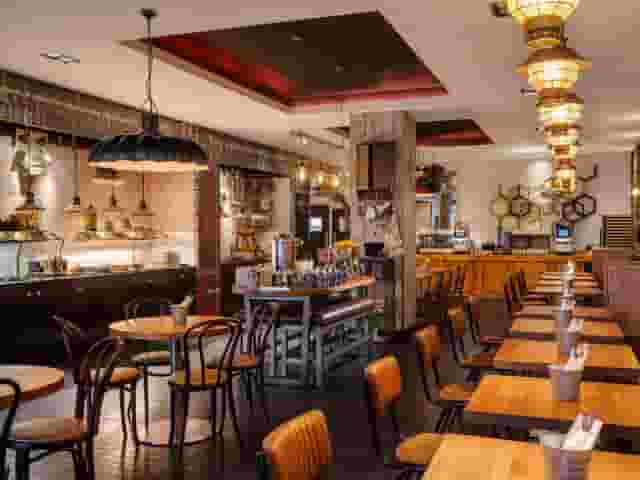



























No venues match these filters
Try widening your capacity, luxury level or event type.
Don't have time to search? We'll find it for you.
For business events that need human judgement, talk to our team. Free for events of 100+ people, budgets over £10k or ongoing programmes.




Explore more venues in London

















Frequently asked questions
How much does it cost hire a room for a presentation?
Will the venue have a screen and projector?
Will the venue have a seperate area for catering?
Other platforms search their database. We search everything.
Tell us what you need. Our deep research finds any venue, whether it's in our marketplace or not. No one else does this.
About Presentation Rooms in London
How to structure a half-day presentation schedule
A half-day corporate presentation requires tighter time management than a full conference. When you only have four hours with an audience, twenty lost minutes on technical difficulties or a delayed coffee delivery represents a substantial portion of your agenda. Most commercial venues in London divide the working day into two standard half-day slots: a morning session from 08:30 or 09:00 to 12:30 or 13:00, and an afternoon session from 13:30 to 17:30.
Building your agenda around these blocks requires factoring in access times. Venues rarely grant early access for setup without an additional fee, so you need to confirm whether your contract includes thirty minutes of preparation time prior to guest arrivals. If your presenters need to run through complex slide decks, test embedded video clips or adjust lapel microphones, entering the room at the exact moment the doors open to attendees creates unnecessary stress.
A workable half-day structure balances presentation content with audience comfort:
| Time slot | Session element | Practical consideration |
|---|---|---|
| 08:30 to 09:00 | Arrival, registration and hot drinks | Set up registration outside the main presentation space to avoid noise. |
| 09:00 to 10:15 | Welcome and primary presentation block | Keep slides visual and limit individual speaking slots to 20 minutes. |
| 10:15 to 10:45 | Mid-morning refreshment break | Serve coffee outside the room so technicians can reset slides and microphones. |
| 10:45 to 11:45 | Secondary presentation or panel discussion | Introduce roving microphones early for audience participation. |
| 11:45 to 12:15 | Structured Q&A and closing remarks | Have seeded questions ready to prompt audience engagement immediately. |
| 12:15 to 13:00 | Networking lunch or guest departure | Ensure catering is cleared quickly if the venue has an afternoon booking. |
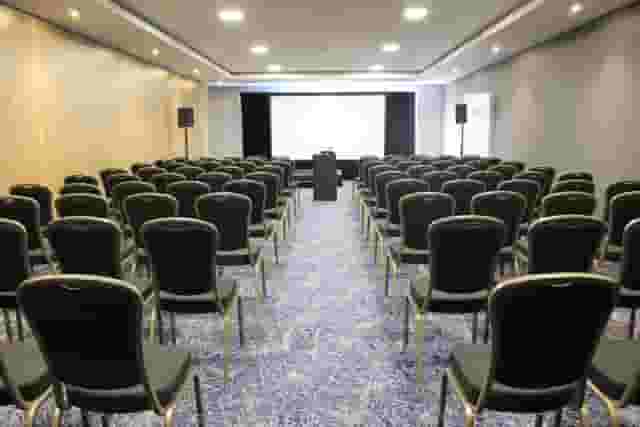
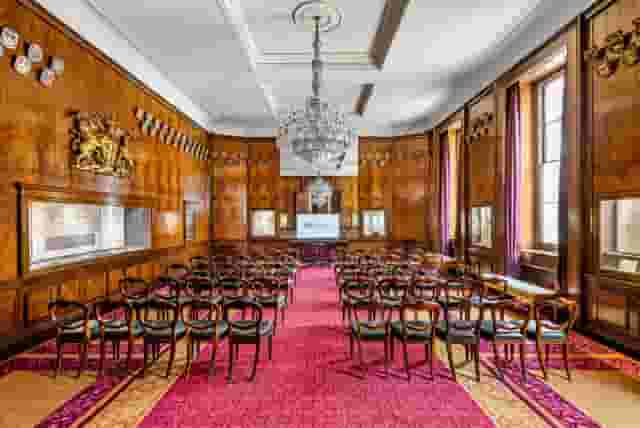
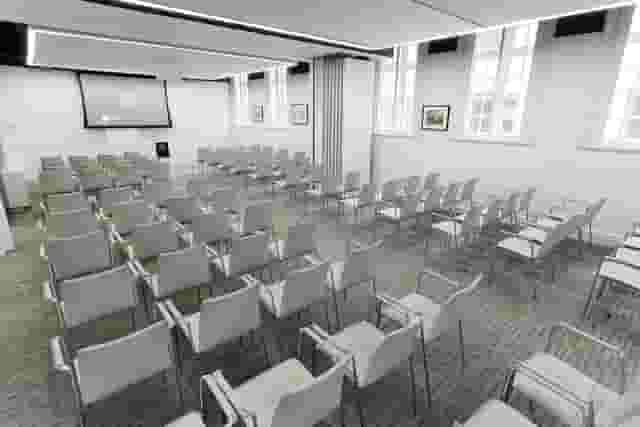
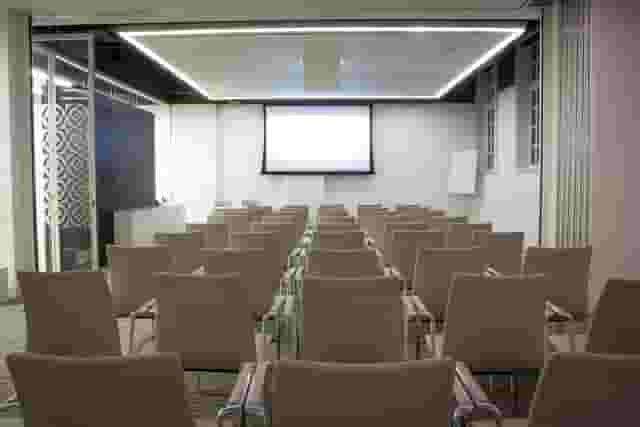
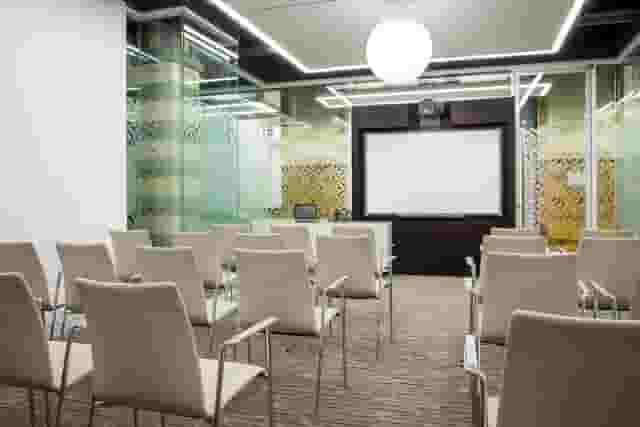
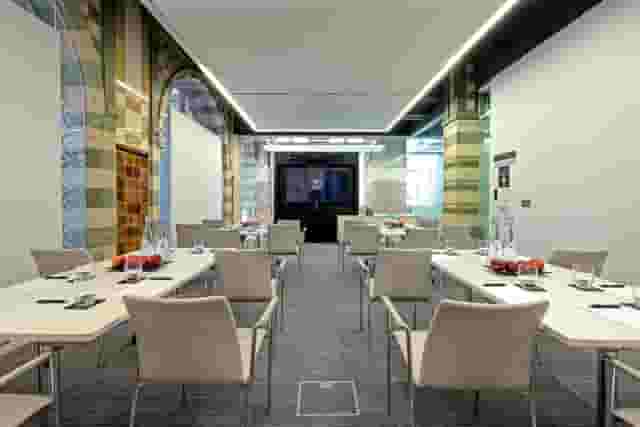
When planning seating, match the room layout to your presentation goals. Theatre style works best when the primary objective is broadcasting information to an audience with minimal note-taking. It maximises room capacity and directs all attention forward. Classroom or cabaret seating is necessary if your guests need to use laptops, review printed financial reports or collaborate in small groups. Bear in mind that cabaret layout cuts total room capacity by roughly half compared to theatre rows, which directly affects your choice of venue.
Audio-visual requirements, screens and acoustics
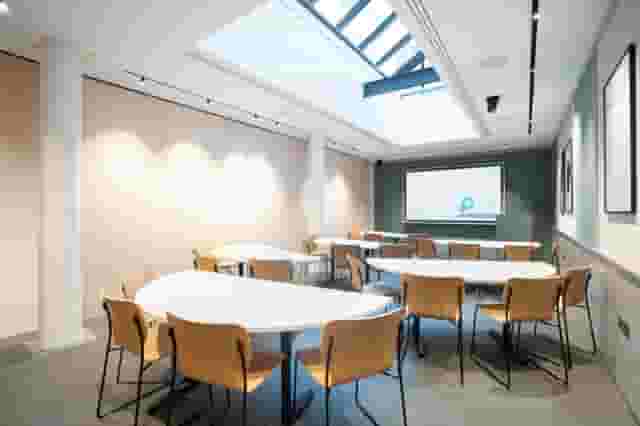
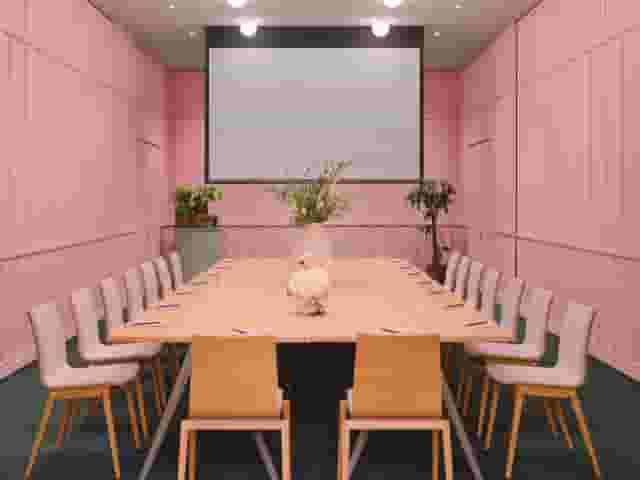
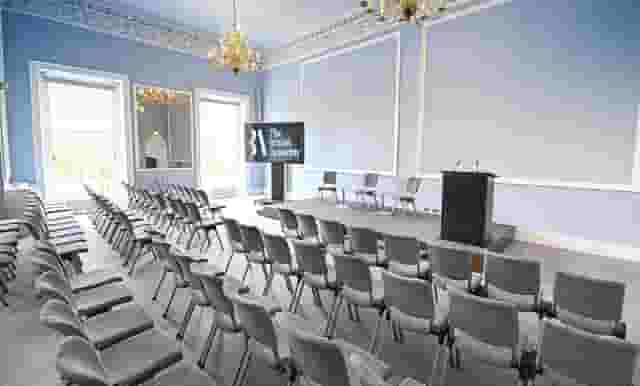
The presentation screen is the anchor of the room. A screen that is too small, mounted too low or washed out by ambient light will immediately undermine an executive briefing. When evaluating spaces, check the screen technology on offer. High-definition LED displays or modern laser projectors provide sharp resolution and contrast, which is essential if your speakers are displaying detailed spreadsheets, system demonstrations or fine typography.
Many London presentation rooms provide a screen, projector or large display as standard, but this is not guaranteed across every venue. Some spaces charge for basic technical hardware separately or provide standard monitors rather than presentation-grade projection. You should always ask the venue coordinator to specify the display hardware, screen dimensions, native aspect ratio (typically 16:9 widescreen) and available connection ports before signing a contract.
Modern laptops rarely feature native HDMI ports. Relying on wireless casting solutions such as Apple AirPlay or Miracast across corporate firewalls frequently leads to connection drops. The safest method remains a hardwired connection with a physical switcher at the lectern, backed up by adaptors for USB-C, DisplayPort and HDMI. If you have multiple speakers using different devices, ask whether the room includes an HDMI switcher so technicians can transition between laptops without cutting the feed to the main display.
Audio clarity matters just as much as visual legibility. In rooms seating more than thirty people, human voices drop off sharply towards the back rows, especially in spaces with hard surfaces or high ceilings. Ensure the venue provides dedicated microphones. A lectern microphone suits a single presenter reading prepared remarks, but lapel or headset microphones allow your speakers to move around naturally. If you plan to take questions from the floor, you need at least one handheld wireless microphone and a nominated runner, or an integrated ceiling microphone array that captures audience voices without passing a handset around.
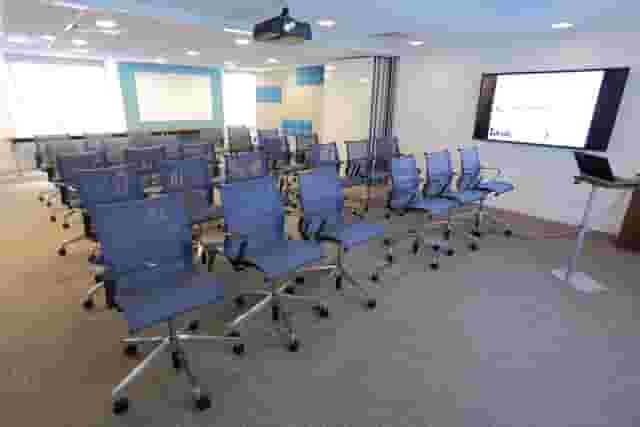
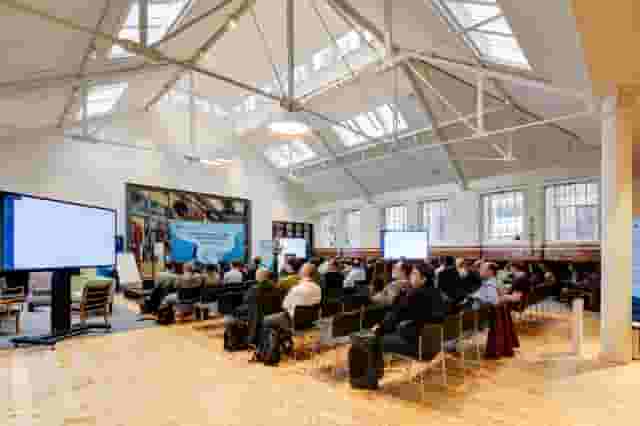
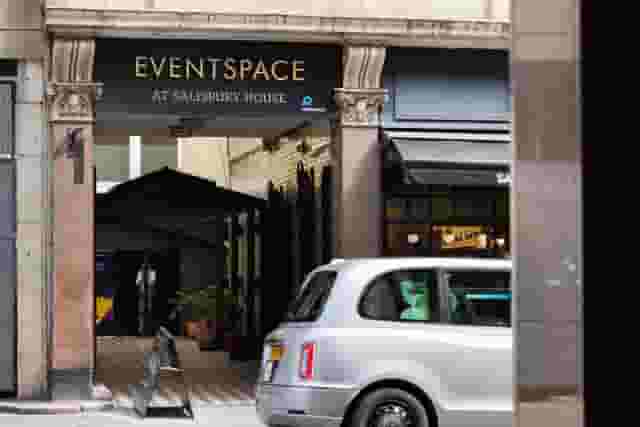
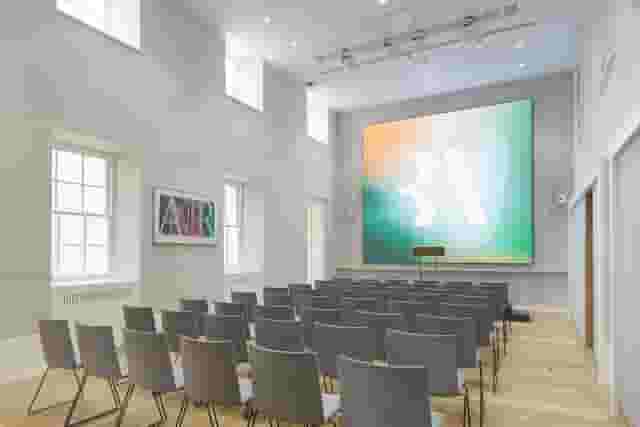
Venues built specifically for corporate meetings tend to have this infrastructure already hardwired into the space. For example, Eventspace at Salisbury House in Moorgate offers modern presentation suites with integrated AV and breakout facilities, accommodating up to 160 guests in theatre layout in its Marquise & Trillion Combined room. Similarly, purpose-designed conference floors such as the 2nd Floor at Convene 133 Houndsditch, which holds up to 60 people in theatre style, integrate high-specification display tech directly into the room architecture. Smaller corporate groups looking for legal-quarter settings often look at spaces like Room 3 at The Inner Temple, where built-in AV supports theatre presentations for up to 26 people without requiring external production kits.
If you are exploring alternatives to traditional business centres, our guide to 5 lovely London meeting rooms covers several spaces designed with comfortable acoustics and clean technical infrastructure in mind. If you need a wider selection tailored to your exact technical brief, venue booking platform Hire Space pairs Deep Venue Research with a team of real people who help manage the outcome. It provides data-backed price estimates and shortlists suitable spaces in minutes, taking the guesswork out of room hire costs before you enquire.
Catering placement and managing the refreshment break
How and where you serve refreshments dictates the pacing of your presentation. An interrupted session breaks concentration, so the physical separation of food and presentation areas is a critical logistical decision.
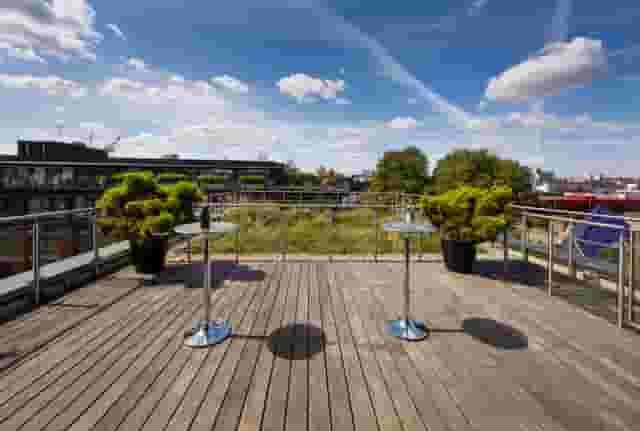
Some London venues provide a separate breakout foyer, dining area or dedicated reception space for refreshments, while others serve tea and coffee inside the meeting room itself or rely on an integrated side kitchenette. Serving food inside the presentation space can disrupt your schedule. Hotel staff wheeling in urns, clearing plates or refilling water jugs create ambient noise that distracts from the speaker. Hot food brings aromas into the room that linger through subsequent presentation blocks.
To keep your meeting focused, choose a venue with a private adjoining breakout space whenever your budget allows. This layout creates a psychological distinction between focused listening and informal networking. It also gives your technical team an uninterrupted window during the break to swap speaker laptops, adjust sound balances and prep stage furniture.
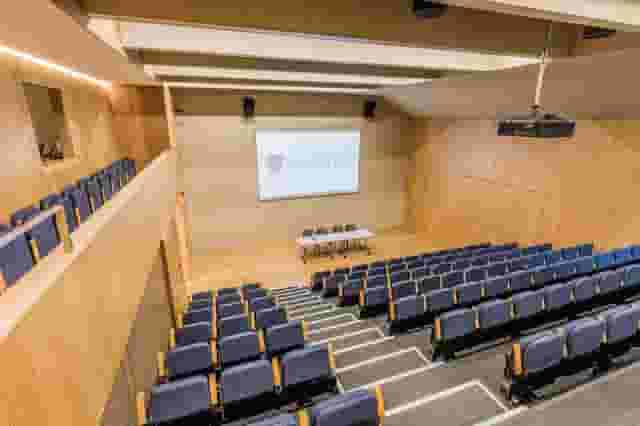
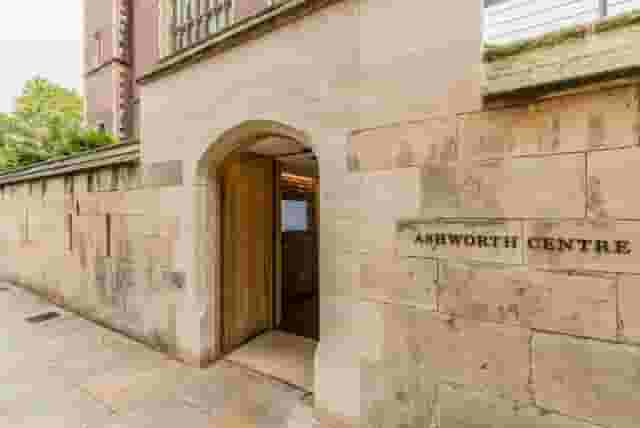
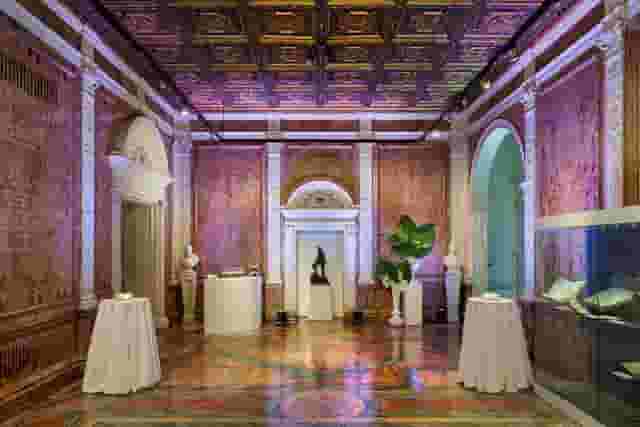
Venues with multi-room suites allow this transition to happen without friction. The Smith Centre at The Science Museum in South Kensington functions as an interconnected historic suite with integrated AV, handling receptions for up to 200 people across several connected spaces. In Holborn, the Ashworth Centre at Honourable Society of Lincoln's Inn pairs a purpose-built lecture theatre for 158 attendees with modern meeting rooms and surrounding foyers, keeping presentation seating entirely separate from catering tables. Even for smaller gatherings, intimate private spaces like the Trafalgar Room at Arundel House, which accommodates up to 50 standing guests or 24 for seated dining, provide clean separation between presentation areas and dining spaces.
When planning catering quantities for a half-day event, keep the offering light. A morning session requires continuous fresh coffee, specialty teas, mineral water and high-protein breakfast items on arrival. Heavy pastries cause mid-morning energy dips. If your session finishes at lunchtime, offering a standing fork buffet or premium finger food in an adjoining foyer encourages attendees to stay and network without committing them to a formal seated meal that stretches deep into the afternoon.
What a half-day presentation room costs in London
Budgeting for a presentation room in London requires understanding how venues package their time and facilities. Corporate spaces typically price their rooms under two structures: flat room hire paired with separate catering and technical fees, or a Day Delegate Rate (DDR) adapted for half-day hire.
Based on 15 quotes from the venues on this page, the pricing for meetings in London is typically £60 to £143 per head. This figure assumes about 20 guests and is estimated from what these venues have charged for similar events.
Where your quote falls within this band depends heavily on venue type, location and what comes bundled into the package:
| Cost band | Typical room characteristics | Included elements |
|---|---|---|
| Towards the £60 end | Academic spaces, modern business suites outside zone 1, standard boardroom facilities | Basic screen or projector, standard Wi-Fi, continuous tea, coffee and biscuits, room hire for four hours. |
| Mid-range | Dedicated central London meeting centres, modern city conference floors | Built-in HD display, lectern with static microphone, on-site AV support, morning refreshments plus light sandwich lunch. |
| Towards the £143 end | 5-star hotel suites, historic livery halls, high-specification private event rooms | Premium technical infrastructure with dedicated sound engineer, separate private catering suite, hot fork buffet lunch and prime central postcodes. |
When comparing quotes, scrutinise what sits outside the per-head figure. Flat room hire may look economical at first glance, but once you add equipment hire, an audio technician, continuous tea and coffee service, and service charges, the final bill can outstrip an all-inclusive delegate package. Hire Space 360 is enterprise venue and hotel procurement for companies spending £1m or more a year on meetings and events: a managed meetings and events programme, the kind procurement teams call strategic meetings management. It puts every booking under a single master agreement with centrally negotiated terms, replacing fragmented supplier payments with consolidated invoicing and giving finance teams live spend reporting across all departments.
Common extra costs that appear on final invoices include:
- Audio-visual technician fees. Having an engineer on hand for your half-day session is rarely included in basic room hire. Standard rates in London range from half-day callouts to mandatory full-day technician retainers. If your presentation relies heavily on live software demonstrations or multiple remote contributors, paying for a technician on site is money well spent.
- Dedicated Wi-Fi bandwidth. Standard building Wi-Fi is frequently shared across other tenants or meeting rooms. If your audience needs to participate in live polling or download large slide decks simultaneously, confirm whether the venue provides a private, password-protected network with guaranteed bandwidth.
- Overrun charges. Commercial venues often have afternoon clients arriving immediately after your morning slot. Overrunning your contracted time by even fifteen minutes can trigger penalty charges or force staff to clear your materials while your guests are still in the room. Always contract thirty minutes beyond your planned finish time.
Venues generally have more pricing flexibility on Mondays and Fridays, which see lower demand for corporate meetings than Tuesdays, Wednesdays and Thursdays. If your budget is tight, shifting your presentation to the shoulder days of the working week can give you access to higher-specification spaces without moving outside your target cost band.
Choosing between purpose-built conference spaces and heritage settings
London offers a clear split between modern commercial conference centres and historic institutional spaces. Selecting between them comes down to the tone of your presentation and the expectations of your delegates.
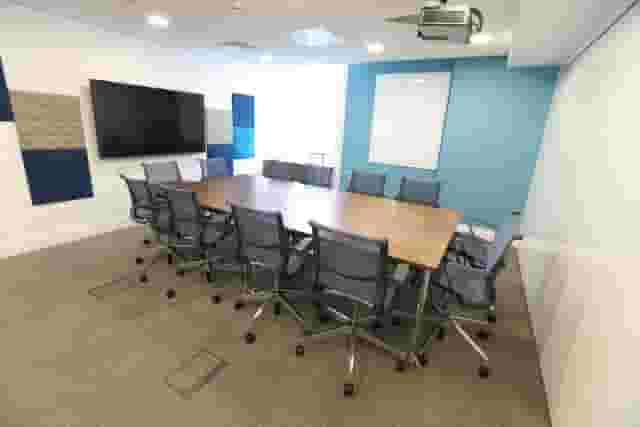
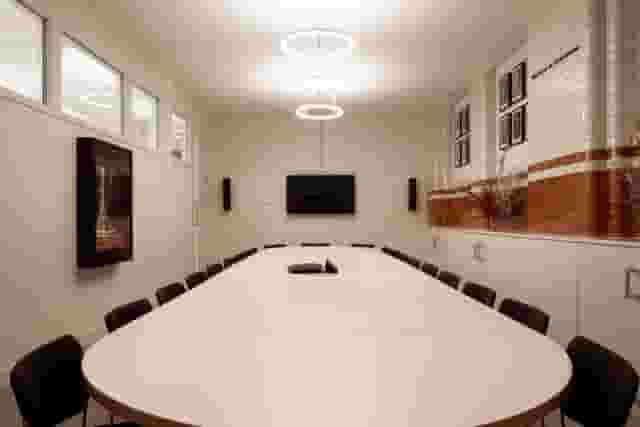
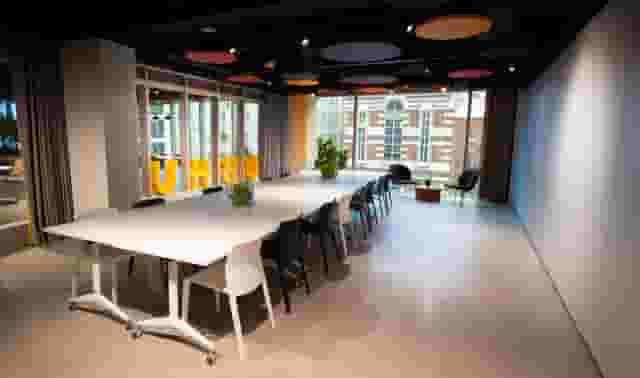
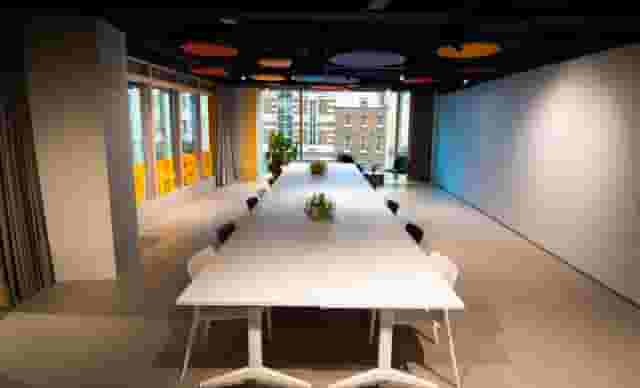
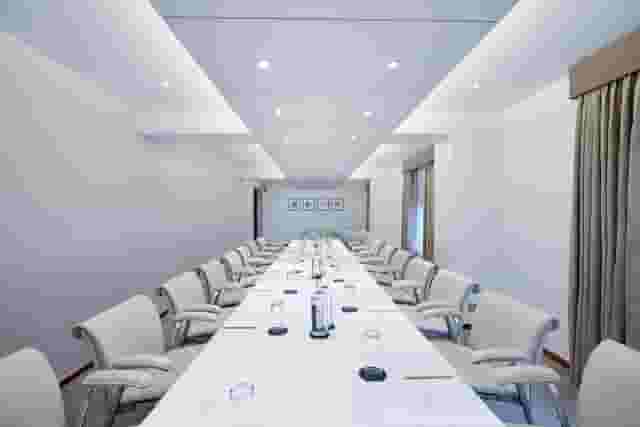
Purpose-built corporate venues prioritise functional efficiency. Spaces like the meeting rooms at One Moorgate Place offer flexible, tech-equipped settings designed specifically for business sessions of up to 50 people. In these facilities, sightlines are clear, power sockets are distributed throughout the floor, acoustic panelling prevents outside noise bleed, and presentation technology is maintained to commercial standards. They suit investor updates, product demonstrations, compliance training and internal team alignments where clarity, speed and technical reliability matter above all else.
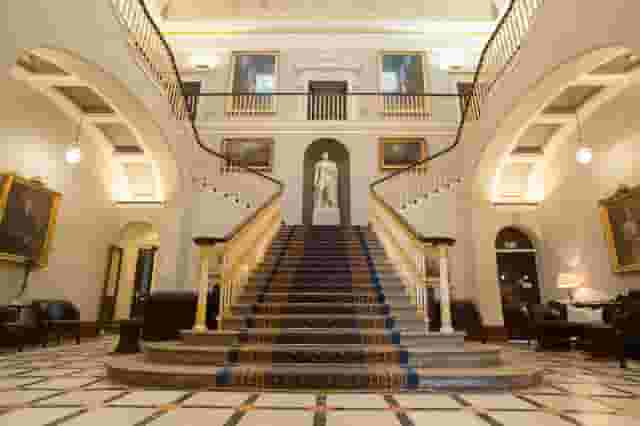
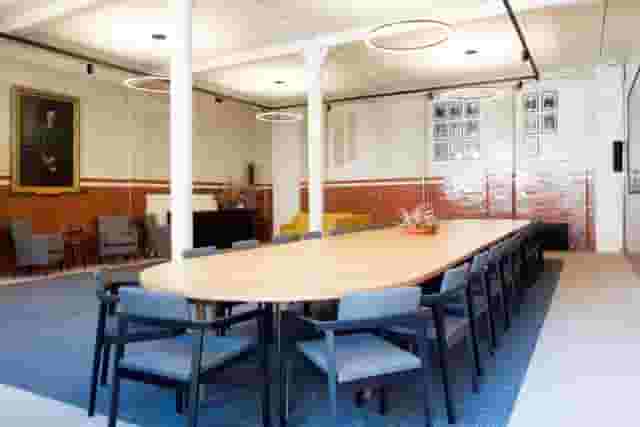
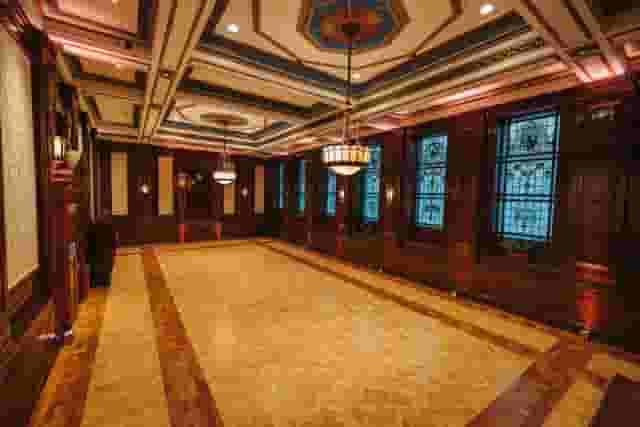
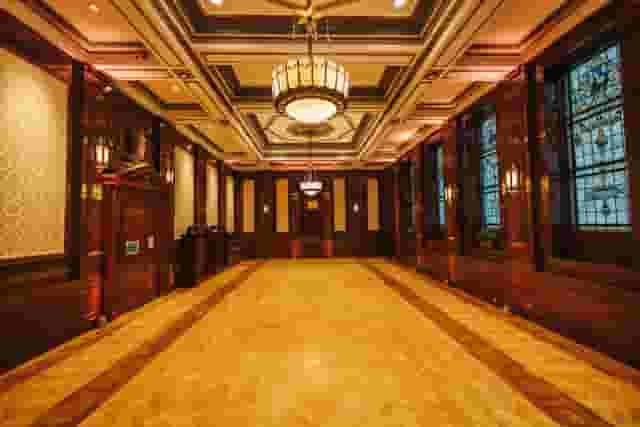
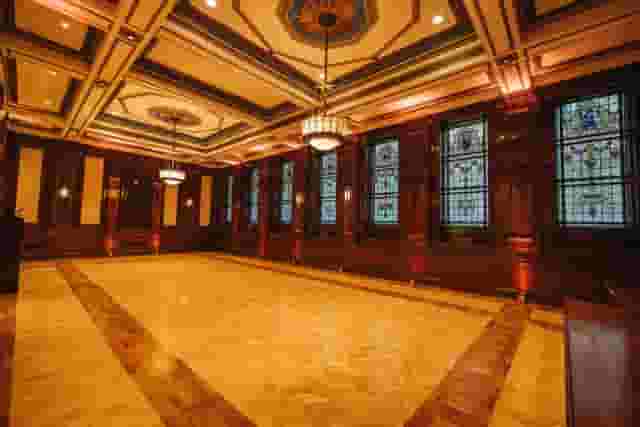
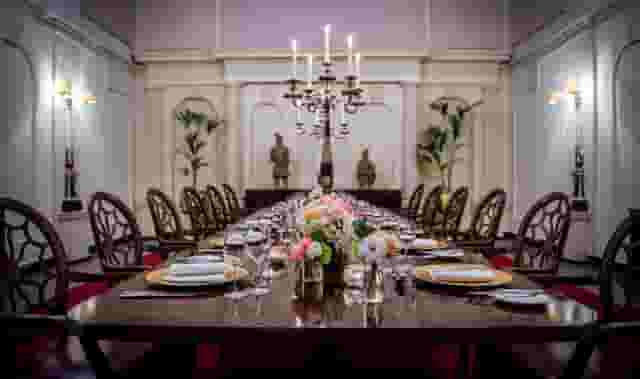
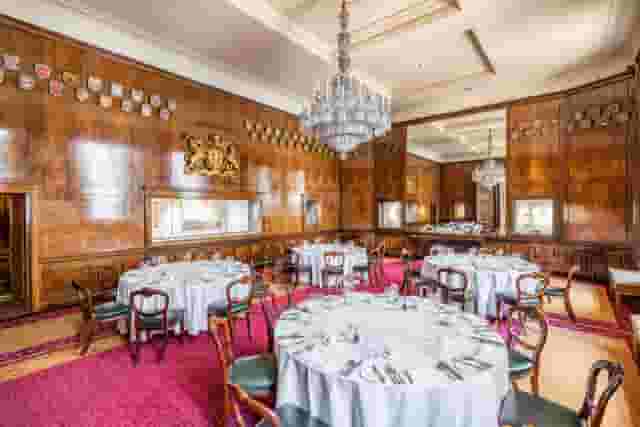
Conversely, historic livery halls and institutional buildings offer gravitas that commercial meeting suites struggle to replicate. Spaces like The Court Room at Brewers Hall in the City provide wood-panelled surrounds and open fireplaces, accommodating up to 60 people in theatre style for high-level board presentations and executive roundtables. These venues suit annual general meetings, legal seminars, confidential client briefings or keynote presentations where the setting needs to convey stability and prestige.
The trade-off in historic properties often lies in technical adaptability. Older rooms can feature fixed architectural features, strict conservation rules regarding rigging, or limited options for wall-mounted displays. If you choose an older venue, verify that projection setups do not obstruct sightlines and that ambient daylight from heritage windows can be adequately controlled with blinds during projection blocks.
For teams looking to break away from traditional formal spaces to drive creative discussions, our curation of quirky London meeting rooms to inspire creative thinking outlines several unusual settings that retain solid presentation capabilities.
Site visits and final pre-event checks
Before putting down a deposit on a presentation room, a physical or comprehensive virtual walkthrough is essential. During the walkthrough, sit in the back row and evaluate the room from your audience's perspective. Check whether the screen is clearly visible above the heads of seated attendees, test whether natural light causes screen glare at the specific time of day your meeting will take place, and listen for street noise or air conditioning hum that might compete with your speakers.
Run through your connection requirements with the in-house operations manager. Ensure that audio feeds from presentation laptops can route directly into the house PA system, test clickers from the exact spot where your presenters will stand, and walk the path between the meeting space and the catering area to confirm that delegate movement will be straightforward. Taking the time to verify these technical and spatial details in advance guarantees that your half-day presentation runs smoothly, keeping your audience comfortable and your speakers focused entirely on delivering their message.
What our customers say
Inspiration and planning guides
8 of the Coolest Meeting Rooms in London
Looking for the coolest meeting rooms in London? From stylish interiors to unique settings, here are 8 venues that will definitely elevate your next meeting!

Sneak Peek: The Salters' Hall Refurbishment
Located in the heart of the City, Salters’ Hall combines the rich heritage of the salt trade of medieval London with contemporary surroundings. Rebuilt in 1972 by Basil Spence and now a Grade II listed building, it is a rare example of a post-war livery building and has remained largely untouched until now... Architects de Metz Forbes Knight [http://www.dmfk.co.uk/projects/load/salters-hall] (dMFK) were tasked with the project to upgrade the building whilst retaining its sense of history and al

Venue Review: Anomalous Space
Creative ventures across the artistic spectrum are accommodated and embraced at Anomalous Space [https://hirespace.com/Venues/London/1551/Anomalous-Space], situated stunningly close to Angel Station on Pentonville Road. The venue's name captures its uniqueness, in that it deviates from the standard, unoriginal function space that's all too common. Anomalous Space combines the most contemporary of technological facilities with Art-Deco features, all set within an authentic Georgian townhouse.
One supplier. Every venue. Full visibility on what you spend.
Multiple venues and events. One agreement.