Business Venues in London
Explore London business venues for meetings, dinners and drinks receptions, with verified pricing, room layouts and direct availability checks.
2,083 Business in venues in London










































































































No venues match these filters
Try widening your capacity, luxury level or event type.
Don't have time to search? We'll find it for you.
For business events that need human judgement, talk to our team. Free for events of 100+ people, budgets over £10k or ongoing programmes.




Explore more venues in London














Frequently asked questions
How to find a private venue in London?
What tech should I expect in London venues?
Can I host an outdoor business event in London?
Are central London venues more expensive?
What size venue is best for 100 delegates?
Other platforms search their database. We search everything.
Tell us what you need. Our deep research finds any venue, whether it's in our marketplace or not. No one else does this.
About Business in London
Choosing the right setting for a private company event
Every business event starts with a clear objective. A quarterly company presentation demands focused sightlines and crisp audio, while an annual celebration or client reception relies on easy movement, accessible bars and comfortable conversation zones. Matching the space to the purpose saves you from working against the architecture on the day.
London offers distinct categories of private venues, each bringing its own advantages and operational quirks:
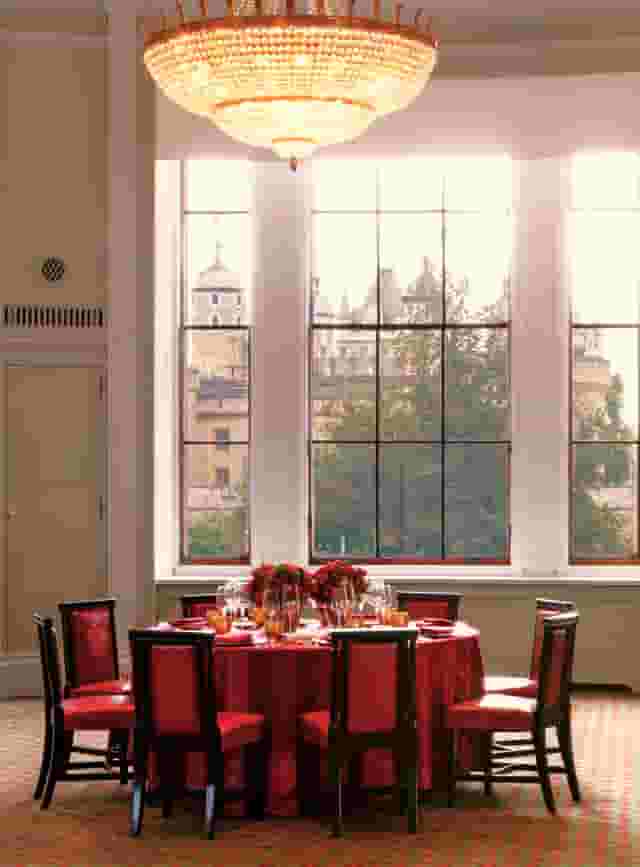
Modern commercial suites provide turnkey technology, climate control and straightforward access. Spaces like The Royal Suite in the City of London combine flexible floor layouts with direct views of the Tower of London, accommodating up to 190 guests for a reception. These venues are purpose-built for corporate crowds, meaning plug-and-play presentation screens, accessible lifts and dedicated cloakrooms are standard.
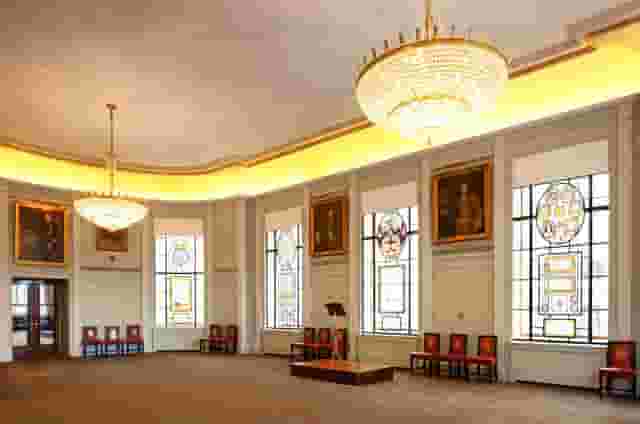
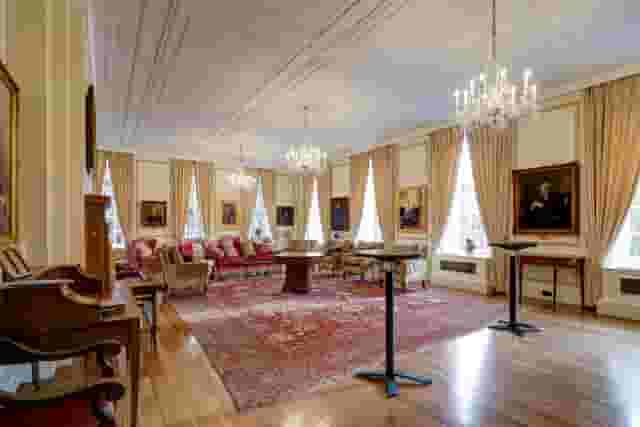
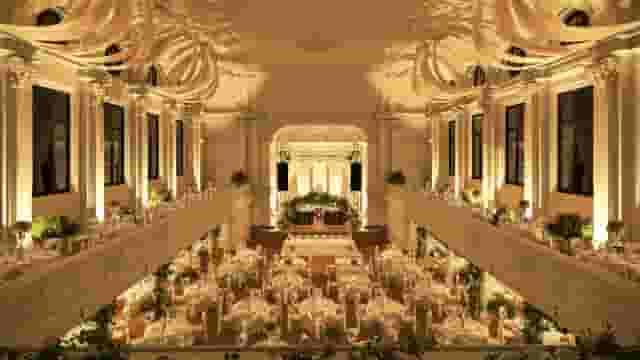
Historic rooms offer immediate prestige, which works well for formal client entertaining, legal summits and milestone celebrations. The neoclassical UN Ballroom holds 245 guests in a theatre layout and delivers an exclusive atmosphere with views towards Tower Bridge. The trade-off with historic properties often involves strict rules on fixing signage to walls, narrow delivery lifts and strict sound curfews.
Stadium hospitality suites suit gatherings where you want high energy or an informal icebreaker. Venues such as The Boleyn at London Stadium hold up to 1000 guests for large-scale receptions with pitch views and balcony access. Further west, the Pitch View Room at Wembley Stadium offers space for 40 to 250 guests. These settings provide generous circulation space, extensive security screening and dedicated loading bays.
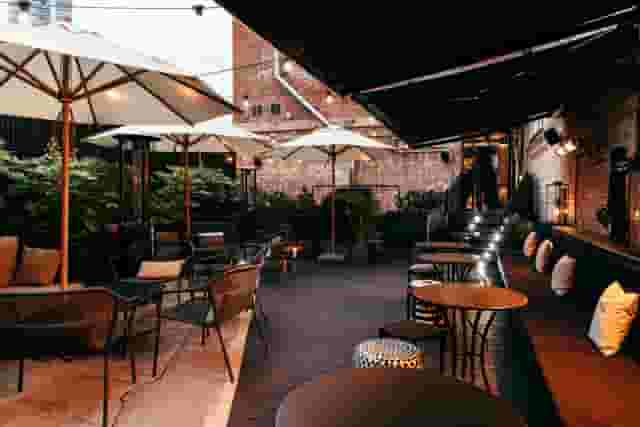
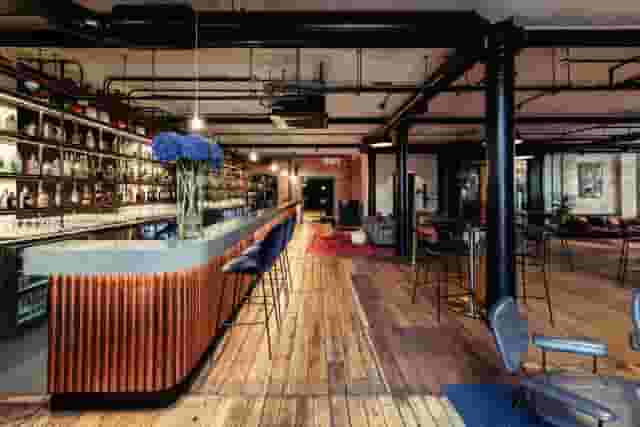
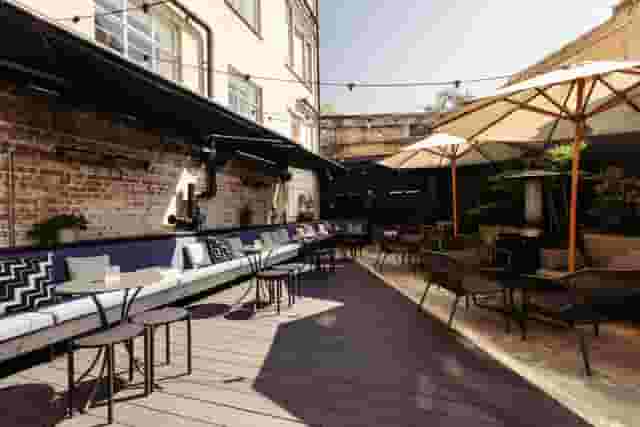
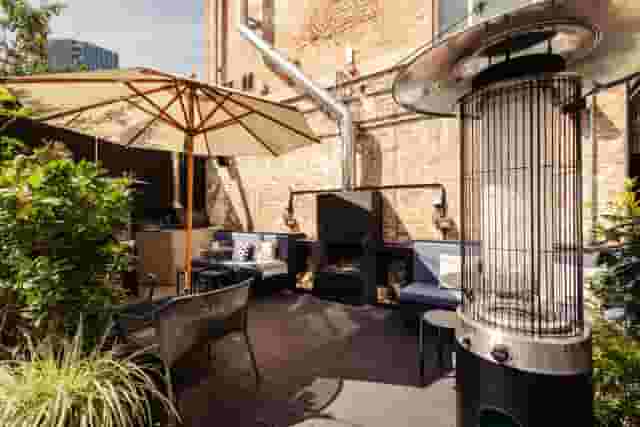
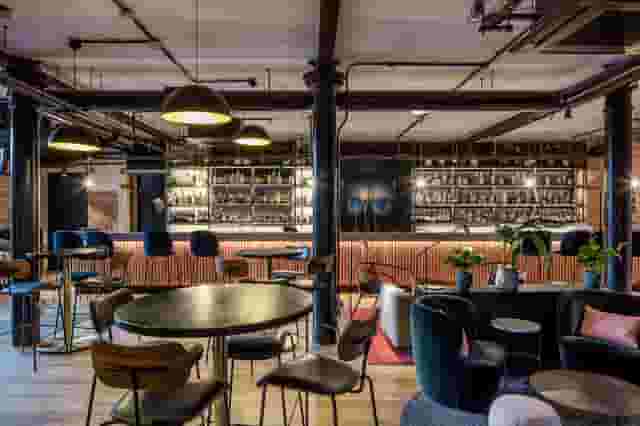
Creative club spaces and private lounges work best for team socials and summer gatherings. In Borough, The Bar & Garden offers an outdoor garden, a built-in DJ booth and space for 150 guests in cabaret style. Having indoor and outdoor zones allows guests to step away from music for quieter conversations without leaving the venue entirely.
Deciding between full exclusive venue hire and a private room in an open venue is another primary choice. A private room within a hotel or members club keeps minimum spend commitments lower and lets you use the wider building facilities. Full venue hire costs more, but it guarantees complete privacy for confidential business discussions, security control at the front door and freedom to brand the arrival foyer. If you want to compare private rooms against exclusive spaces without waiting days for individual venues to reply, venue booking platform Hire Space pairs its search tools with a team of real people who own the outcome. You can use Deep Venue Research to search across London, getting data-backed price estimates and fast availability checks tailored to your brief.
Pricing structures, packages and comparing quotes
Understanding the financial mechanics of London venue hire helps you compare proposals on an equal footing. Headline prices rarely tell the complete story, because two venues quoting similar figures might structure their charges in fundamentally different ways.
Based on 12 quotes from the venues on this page, the indicative cost for corporate events is typically £90 to £171 per head. This figure assumes a party size of about 50 guests.
What the headline quote includes varies across locations:
| What is in the quote | How often |
|---|---|
| Catering | Usually included at these venues |
| Room hire | Usually included at these venues |
| Day delegate rate | Sometimes included at these venues |
| Drinks | Sometimes included at these venues |
| Party package | Sometimes included at these venues |
| AV | Sometimes included at these venues |
| Service charge | Sometimes included at these venues |
Venues operating towards the £90 end of the range often use minimum spend agreements rather than fixed room hire. Under a minimum spend model, your spend on food and drink goes towards clearing the room hire threshold. This can be cost-effective for drinks receptions, provided your attendee numbers are reliable. If attendance drops, the company remains liable for the shortfall.
Quotes towards the £171 end of the range usually cover fully inclusive day delegate rates (DDR) or premium evening packages. These typically include room hire, three-course dining or substantial bowl food, an allocated drinks window, standard presentation equipment and on-site event staff.
When reviewing venue contracts, watch for costs that frequently fall outside the initial quote:
- Service charge: Hospitality venues in central London routinely add an optional or mandatory service charge of 12.5% to 15% on catering and drinks. Clarify whether your headline rate includes this tax.
- Audio-visual technicians: While basic screens and microphones might be included, an on-site technician to run presentation slides or manage sound levels often carries a separate day rate.
- Security personnel: Venues holding evening events or hosting guest lists over 100 people often mandate licensed door security, charged per guard per hour with minimum four-hour calls.
- Cleaning and waste removal: Heavy room dressing, staging or late-night parties can trigger additional post-event commercial cleaning fees.
- Cloakroom staffing: Large winter events need dedicated cloakroom staff to prevent queues building up in reception lobbies.
Always request an itemised schedule before paying a deposit. Establishing whether food and drink minimum spends include VAT or exclude it can change your final budget by 20%. Hire Space 360 is enterprise venue and hotel procurement for companies spending £1m or more a year on meetings and events: a managed meetings and events programme, the kind procurement teams call strategic meetings management. It places every booking under a single supplier agreement with consolidated invoicing, keeping corporate events aligned with company event policy while providing finance teams with live spend reporting across every department.
Audio-visual kit, room layout and production checks
Technical delivery can make or break a business gathering. A presentation that fails to display properly or a microphone that drops out damages the momentum of an entire event.
For a standard company event, expect the venue to supply reliable Wi-Fi, a presentation screen or projector, basic sound equipment, handheld or lapel microphones and accessible power points. If you plan hybrid attendance, live streaming or interactive voting sessions, ask detailed technical questions before contracting:
- Bandwidth and network stability: Shared public Wi-Fi is insufficient for professional streaming. Enquire about dedicated, hardwired internet lines, symmetrical upload speeds and the maximum number of simultaneous wireless connections the router supports.
- Coverage and support: Confirm whether camera positions have clear lines of sight without blocking guest pathways. Check whether on-site technical support is included for the duration of the event or merely for initial setup.
- Accessibility features: Standard compliance requires checking for induction hearing loops, clear audio distribution to all corners of the room and captioning capabilities on main screens.
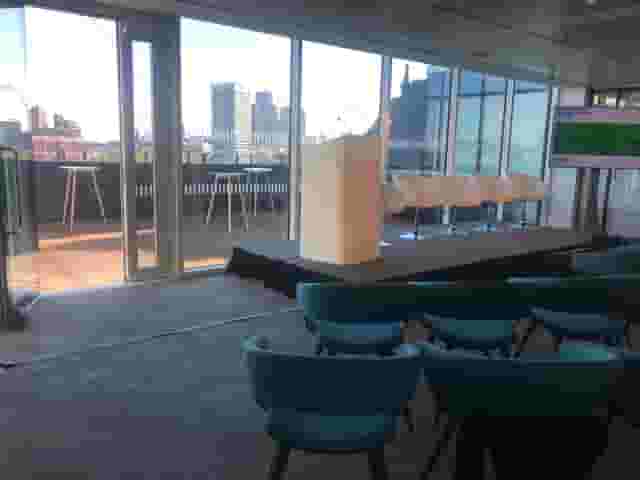
The architectural layout must support the agenda. Long, narrow rooms create sightline problems for attendees seated at the back, while wide rooms require repeater screens so delegates at the sides can view slides without neck strain.
For larger programmes that combine presentations with networking or workshop sessions, look for venues with built-in breakout options. At Quayside 1 & Breakouts in Wapping, the adaptable spaces offer natural daylight and views across the city, accommodating up to 700 guests standing. Having dedicated secondary rooms adjacent to your plenary space avoids the disruption of turning around a single room while guests wait in corridors.
In the West End, Covent Garden I provides an Art Deco setting holding up to 120 guests in theatre style, which works well for targeted seminars and training sessions. For broader guidance on selecting layout-friendly spaces across the capital, explore our guide to the top conference venues in London.
Food, drinks service and guest flow
Catering sets the rhythm of a corporate evening. Long queues at food stations or bars frustrate attendees and pull attention away from networking.
Planning the menu starts with the event structure:
- Standing receptions: Bowl food and circulating canapés work best for networking. Aim for four to five canapés per guest during a short pre-dinner reception, or eight to ten substantial food bowls across an extended evening event. Bowl food should be easy to eat standing with a single fork.
- Seated dinners: Formal three-course dinners create a controlled environment for awards and speeches. However, table service requires substantial floor space, reducing the overall capacity of any room by roughly half compared to a standing format.
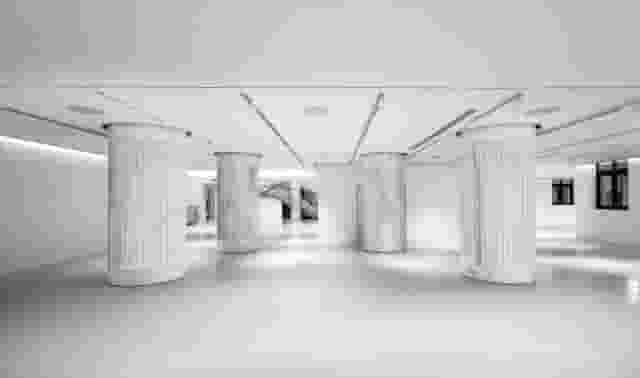
- Hybrid dining spaces: Venues such as Inner Space in Kings Cross combine dining space with marble columns, a flexible bar and customisable lighting, holding 700 guests for receptions. These spaces allow guests to transition smoothly from dining tables to casual lounge seating as the evening moves forward.
Drinks service requires careful ratio planning. A single bar station staffed by two bartenders can comfortably serve around 75 to 100 guests without causing bottlenecks. If your guest count exceeds 150, request a secondary satellite bar serving a simplified menu of wine, beer and soft drinks to keep queues moving quickly during arrival peaks.
When managing catering costs, decide whether to purchase an unlimited per-head drinks package or run a consumption-based bar tab. Per-head packages offer budget certainty, which finance teams appreciate. A consumption tab can save money if your group consists of moderate drinkers, but you should place a hard financial cap on the bar with instructions for venue staff to alert you when the spend reaches 80% of that limit.
Dietary requirements must be collected well in advance. London venues routinely accommodate vegetarian, vegan, gluten-free and halal requirements, but specialist catering like certified kosher meals often requires ordering from off-site suppliers with several days of advance notice. If you are organising an autumn or winter gathering with warm catering menus, our review of conference venues for autumn and winter outlines seasonal catering ideas.
Operational logistics, licences and contract terms
A successful event runs on good operational planning. The practical details behind the scenes dictate how smoothly your guests arrive, experience the programme and leave the venue at night.
Access windows and setup schedules
Always check your contracted tenancy times against your production ambitions. Venues often offer tight access windows, allowing suppliers only two hours before doors open to install staging, set tables and calibrate audio equipment. If your setup involves extensive stage sets, custom furniture or external lighting, negotiate an earlier load-in slot. Ask whether load-in is permitted the night before or early in the morning, and confirm whether the loading bay accommodates large vans without blocking local street traffic.
Pack-down schedules are equally important. Venues operating early morning breakfasts the next day will require all external decor, branding banners and production flight cases to be cleared out by midnight. Factor in overtime costs for production crews if late-night derigging is mandatory.
Licences, entertainment and noise controls
Before booking an evening reception with music or entertainment, review the premises licence with the venue manager:
- Sale of alcohol: Check the terminal hour for alcohol service. Many London spaces hold licences permitting alcohol sales until 23:00 on weekdays, with extensions to midnight or later requiring special permission.
- Regulated entertainment: Live bands, acoustic sets and amplified DJ performances require appropriate licence permissions. Spaces in residential boroughs like Camden, Westminster and Southwark often install electronic sound limiters that automatically cut power to sound desks if music exceeds specified decibel levels.
- Temporary Event Notices: If an event runs past standard licenced hours or introduces entertainment not covered by the existing premises licence, the venue or organiser must submit a Temporary Event Notice (TEN) to the local council. These notices must be submitted well ahead of time and are subject to police and environmental health review.
Outdoor areas and weather contingencies
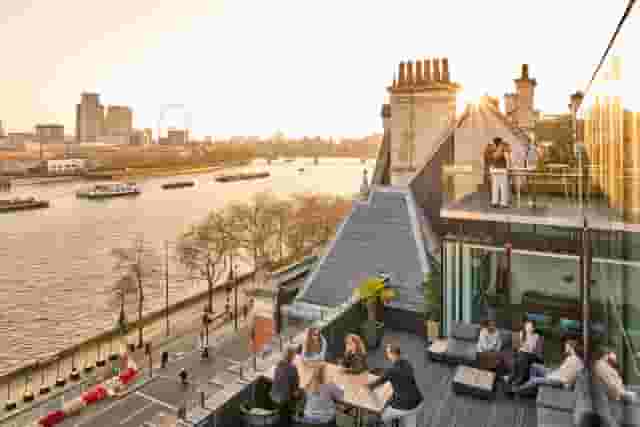
Outdoor terraces and courtyards add an attractive dimension to corporate networking, but they introduce distinct operational constraints. Venues must follow local authority rules regarding outdoor decibel levels, and most central London venues require outdoor terraces to close by 21:00 or 22:00 to avoid noise disruption to neighbours.
If you are planning an event that relies partly on an outdoor area, always establish a guaranteed indoor wet-weather alternative. Review the site provisions for outdoor heating, weather-resistant power supplies, accessible toilet facilities and step-free access paths. When an event uses open parkland or a public highway, council approval, road closure permits and formal risk assessments will be mandatory alongside the standard premises licence.
Contractual terms and risk management
Before signing a venue contract and paying a deposit, read the commercial terms carefully:
- Cancellation schedules: Review the sliding scale of cancellation charges. Most contracts require an initial non-refundable deposit of 25% to 50%, with the liability increasing to 100% of room hire and minimum catering spends if cancellation happens within 30 to 60 days of the date.
- Attrition clauses: Check whether the contract includes an attrition policy that allows you to reduce your confirmed delegate numbers by 10% to 15% up to two weeks before the event without penalty.
- Public liability insurance: Venues will require proof of your organisation's public liability insurance, typically covering £5 million to £10 million per incident, particularly if you bring external contractors, production hardware or interactive installations onto the premises.
- Damage deposits: Ask whether the venue holds a refundable security bond against wall damage, carpet stains or broken furniture, and establish the exact timeline for that deposit to be returned post-event.
What our customers say
Inspiration and planning guides

5 Summer BBQ Party Venues
What better way to usher in the summer than a summer party in a great venue. With everything from rooftops to private gardens, discover London's best.

Corporate Christmas Parties: Top 10 Tips for Perfection
Plan the perfect corporate Christmas party with our top 10 tips! From finding the ideal venue to festive themes and entertainment, we’ve got everything you need to make your event amazing.

6 Networking Venues That'll Seal the Deal
Networking is a key tool in today's competitive business world: it's often a necessary activity when trying to secure the right contacts, gain new employment or generally advance professionally. But in order to successfully rub elbows, you'll need an inspiring venue – such as one of these slick spaces. 1. Lee Valley VeloPark [https://hirespace.com/Spaces/London/107652/Lee-Valley-VeloPark/Velodrome-Track-Centre/Business] Stratford Few venues can claim to have been a part of the 2012 London Ol
One supplier. Every venue. Full visibility on what you spend.
Multiple venues and events. One agreement.