Birthday Party Venues for Hire in West London
Find private party rooms, garden bars and hire spaces across West London with clear capacities, sound policies and data-backed price estimates.
241 Birthday Party Venues for Hire in West London

















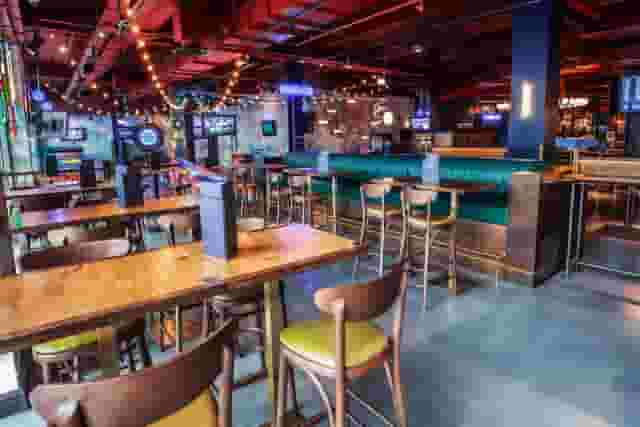
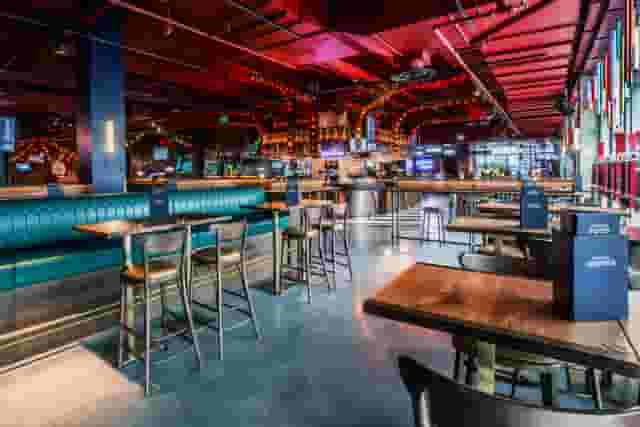
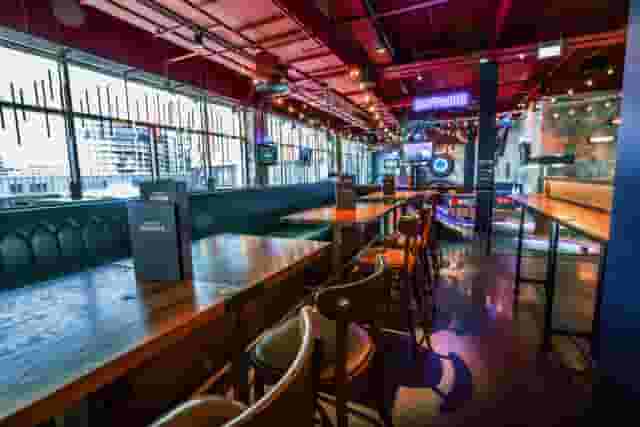
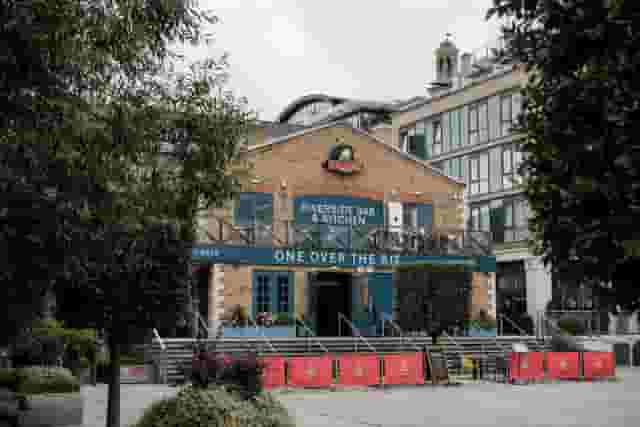
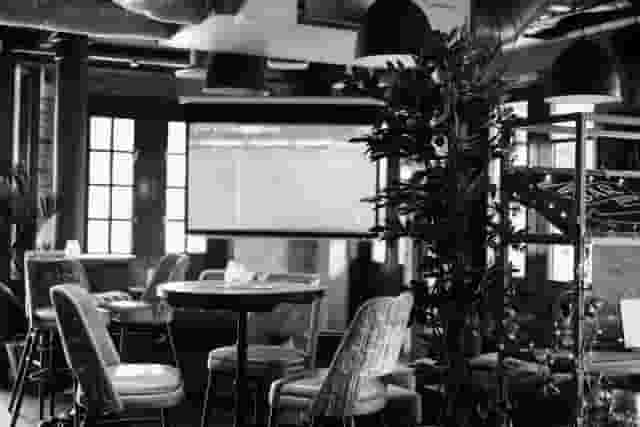

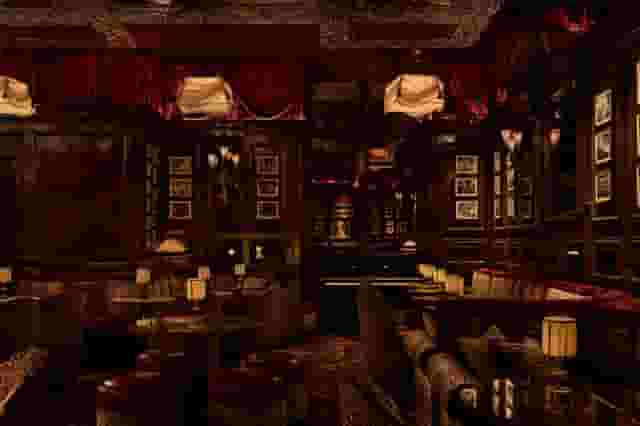
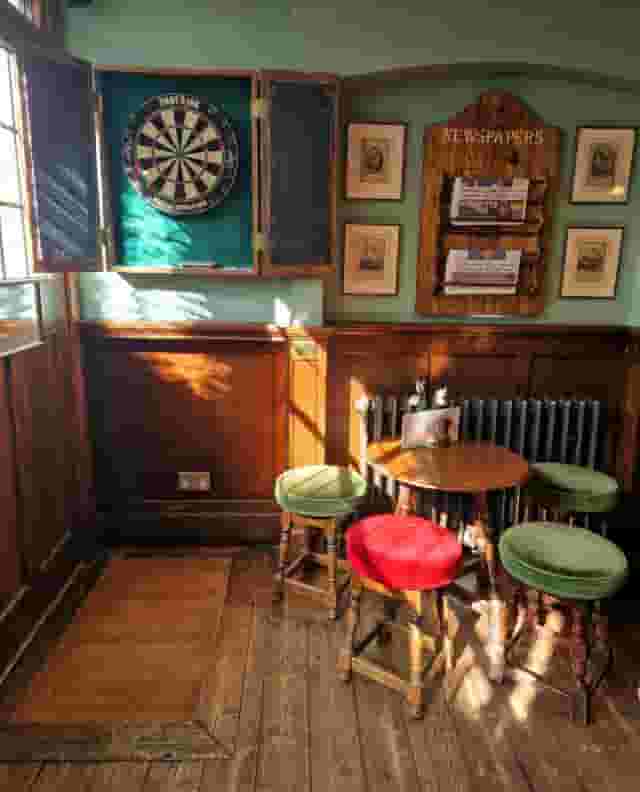
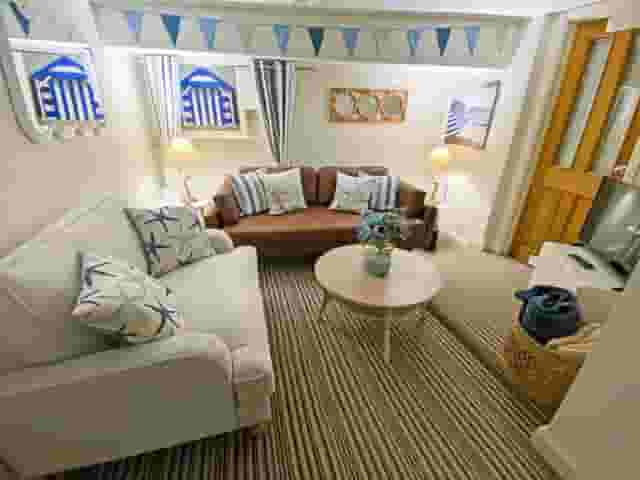
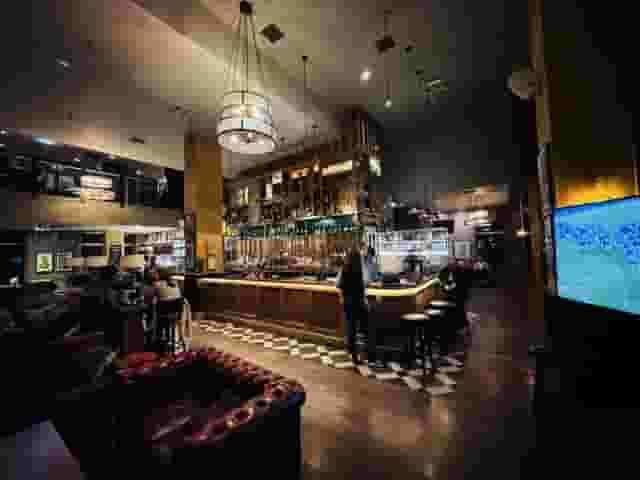
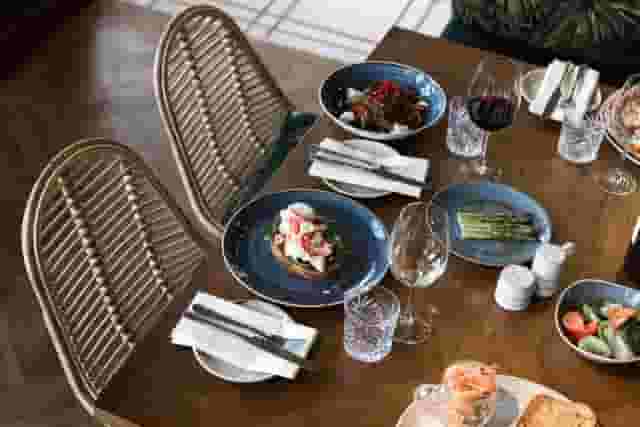
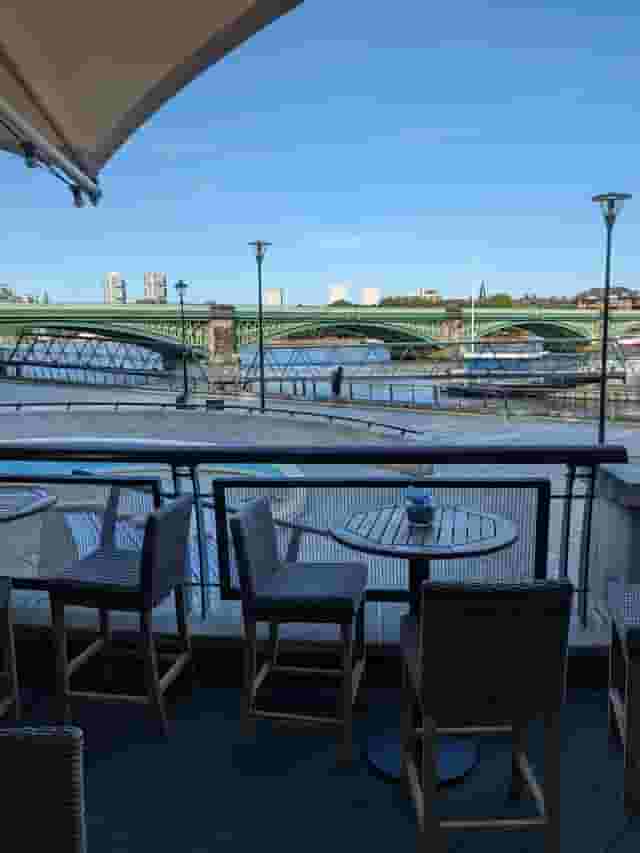
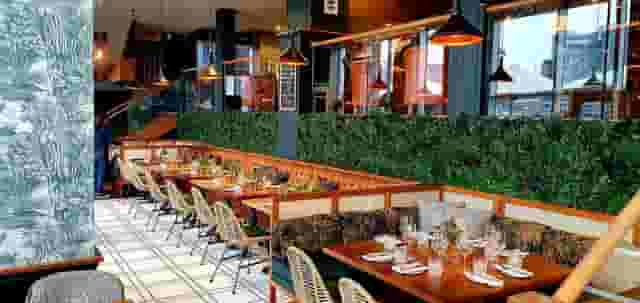

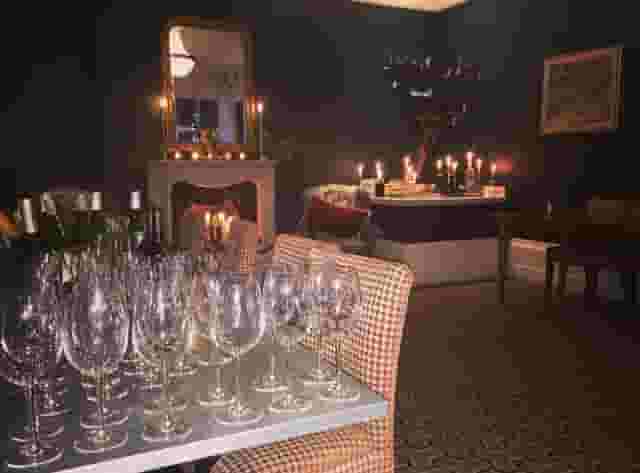

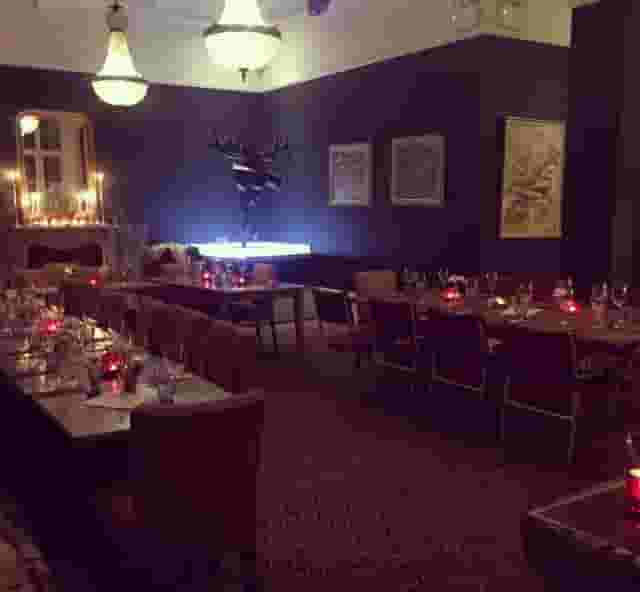
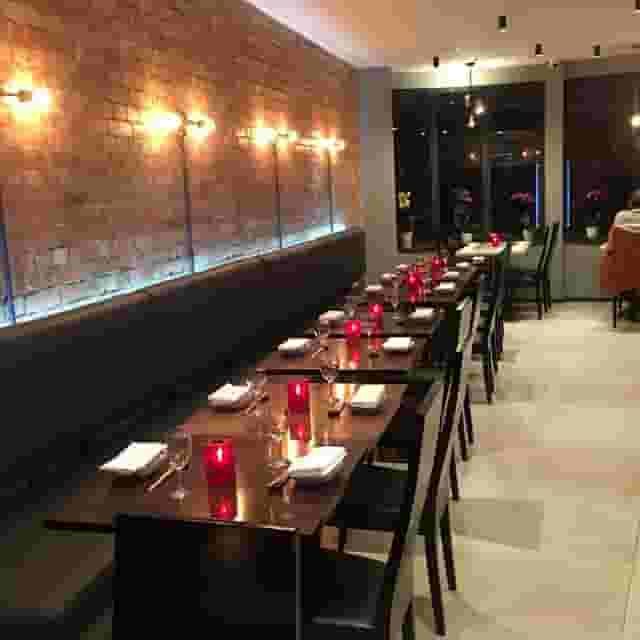






























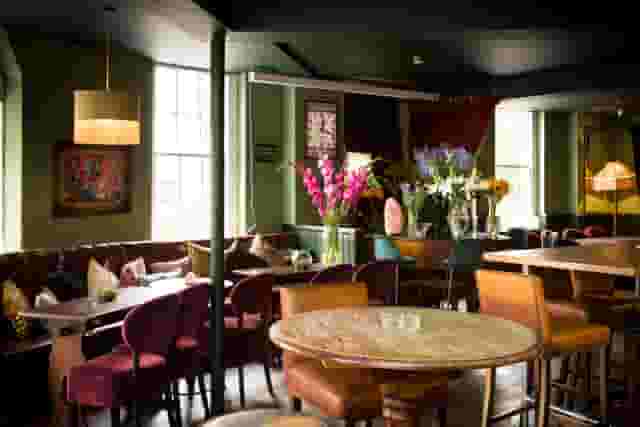
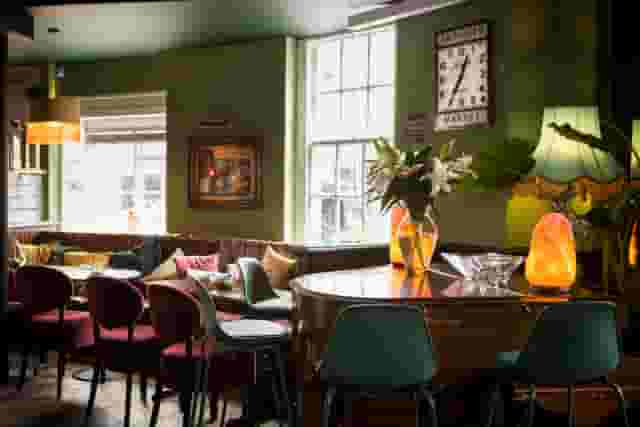
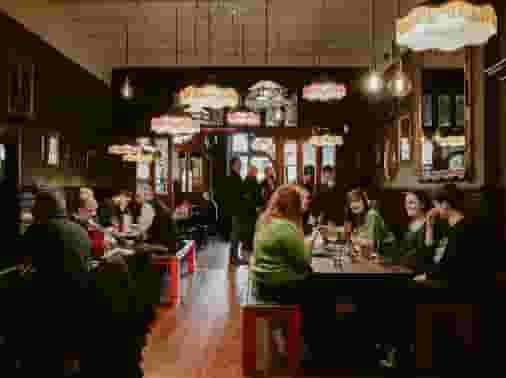

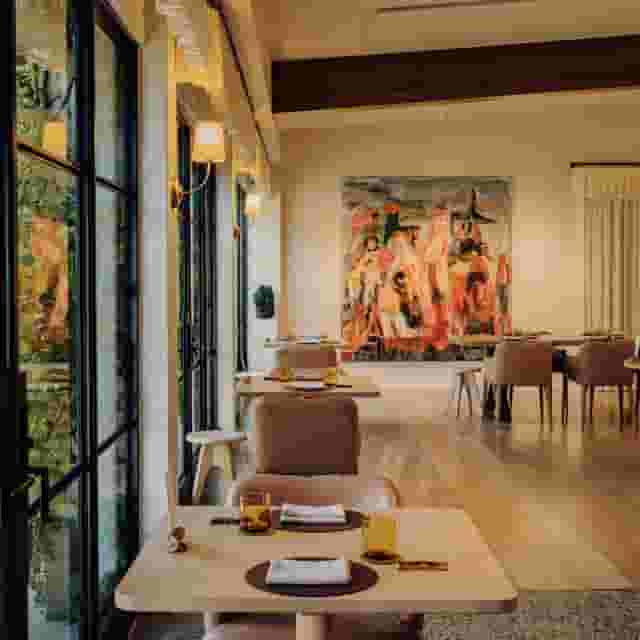
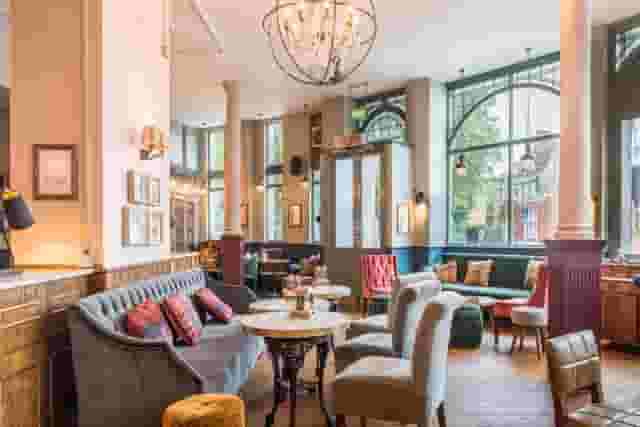
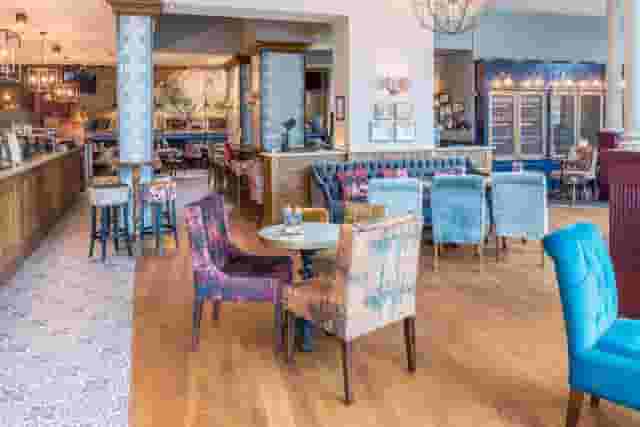
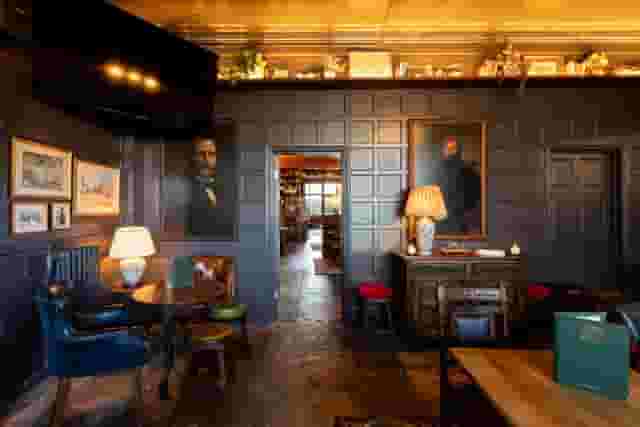
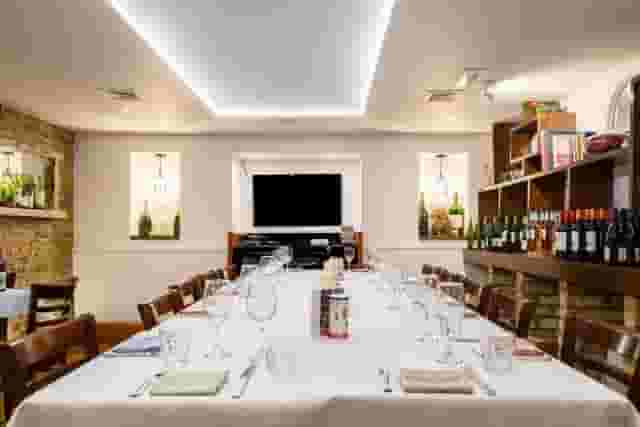



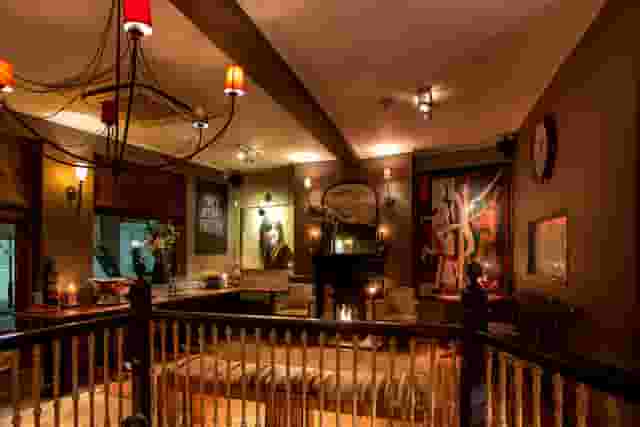
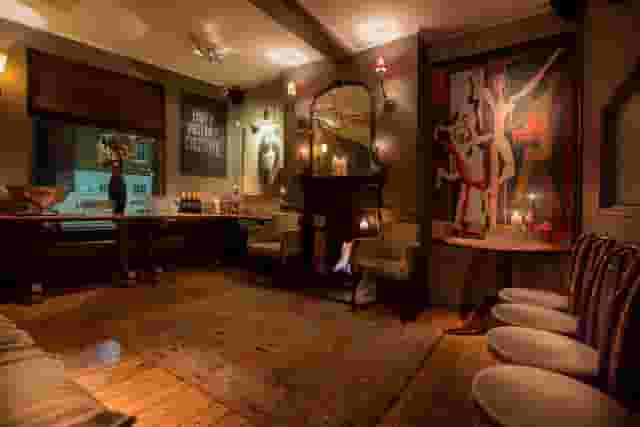
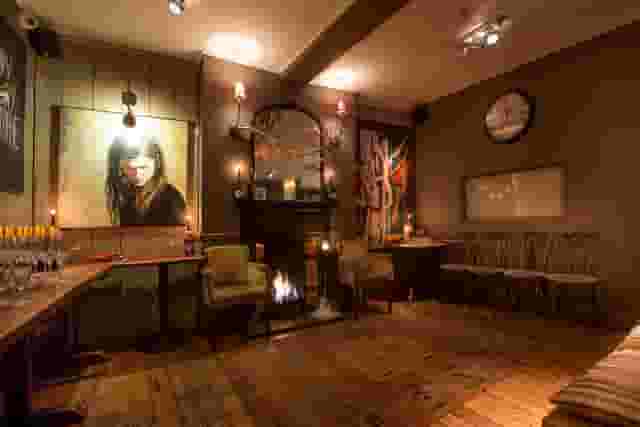
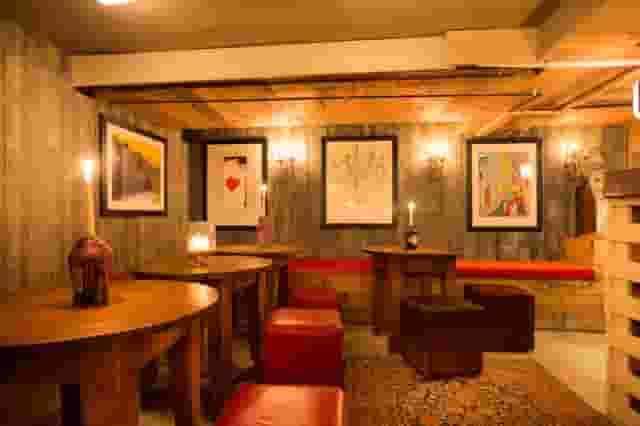
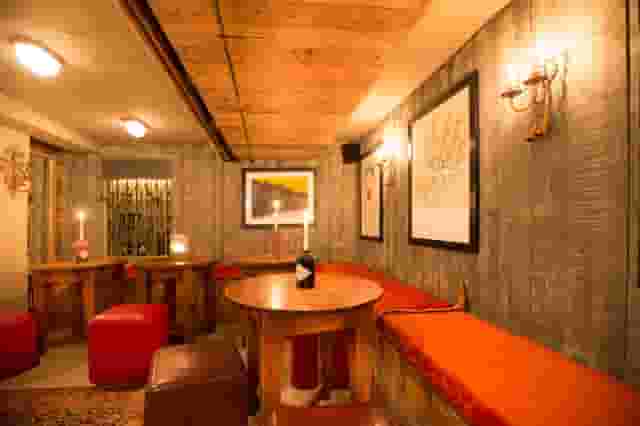


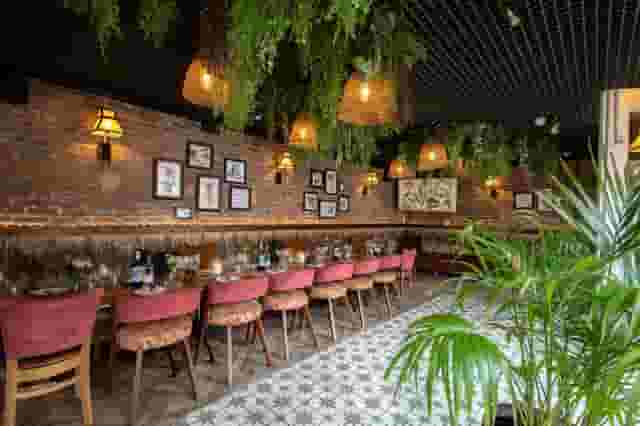
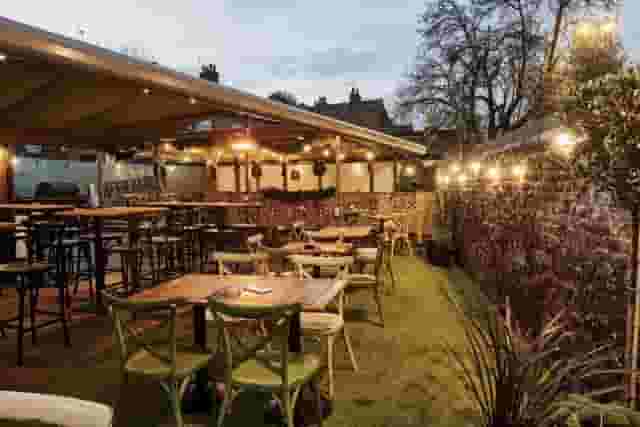
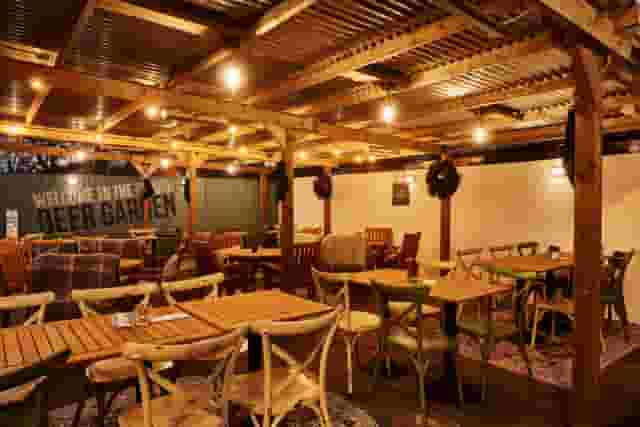
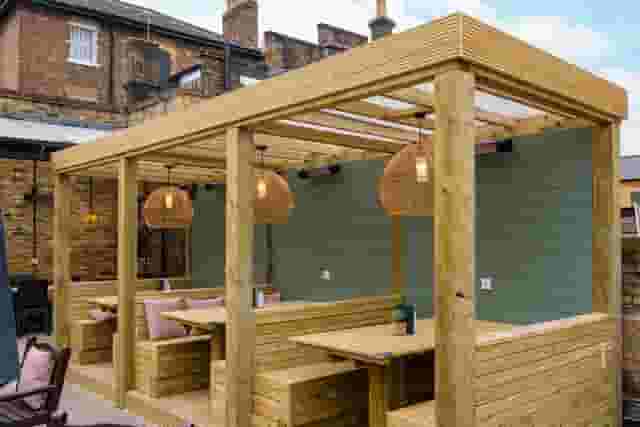









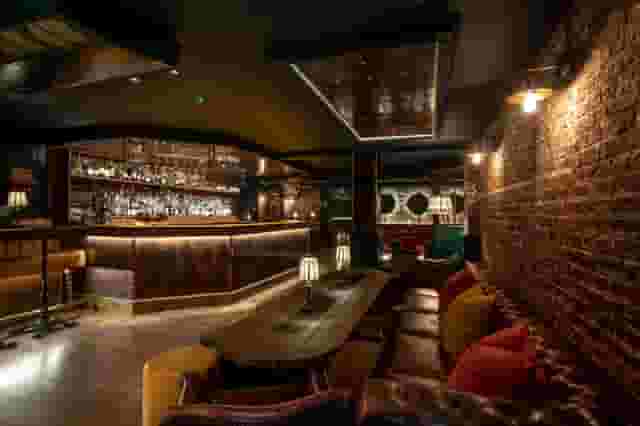

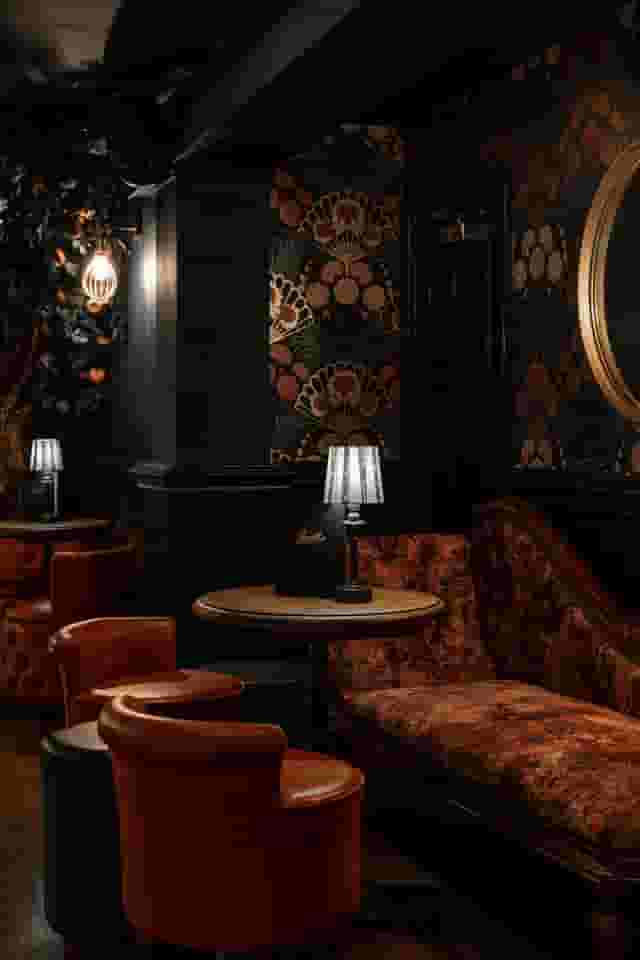
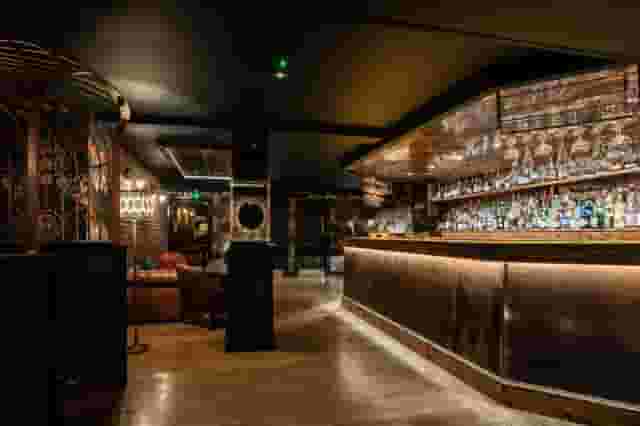
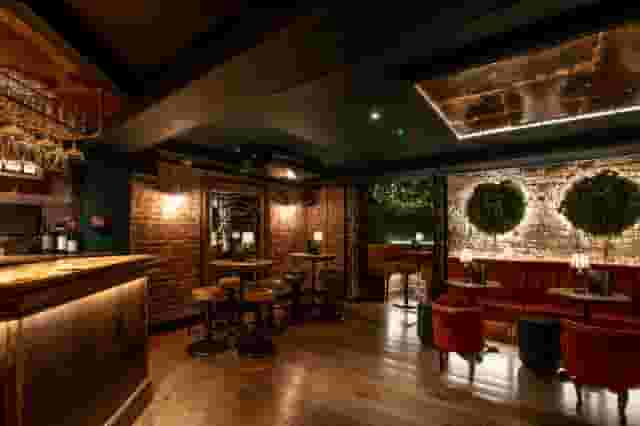







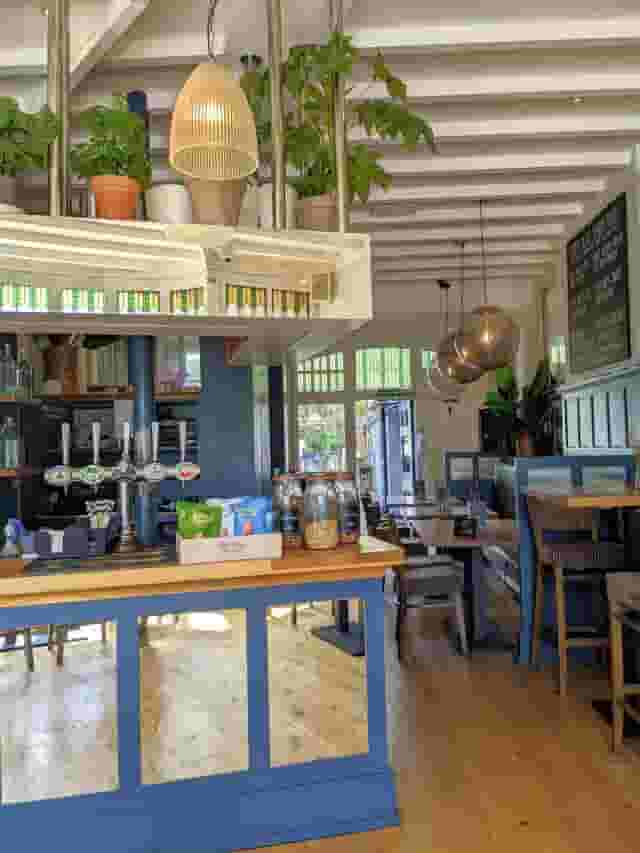
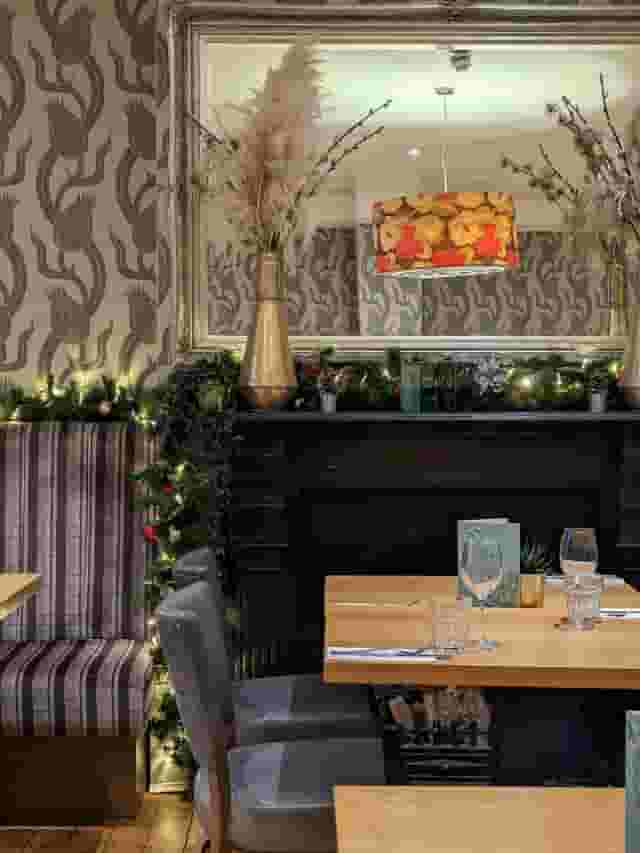
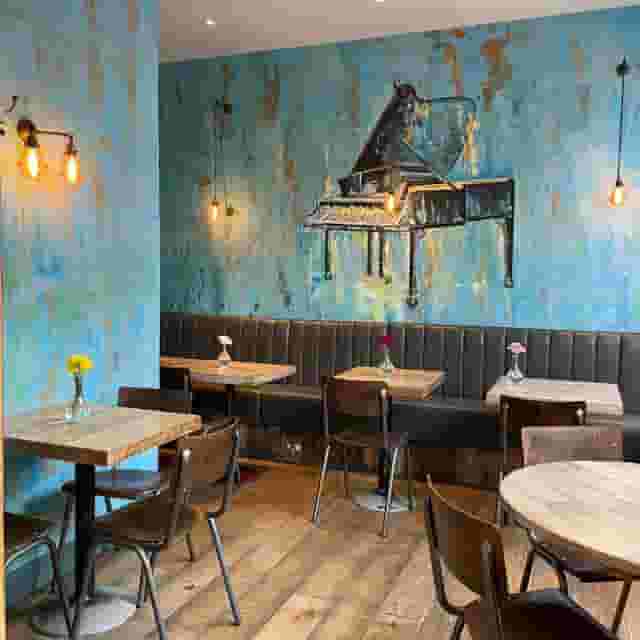
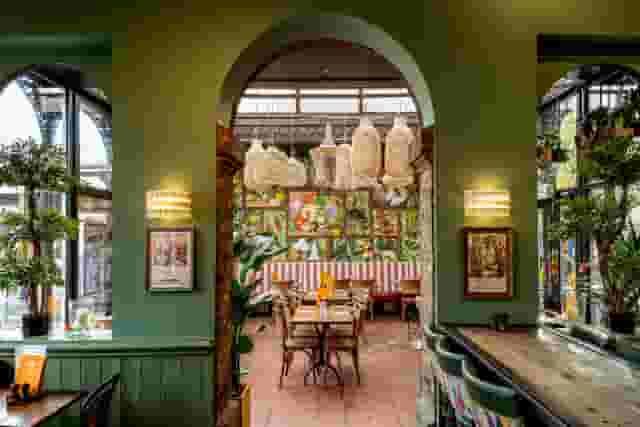
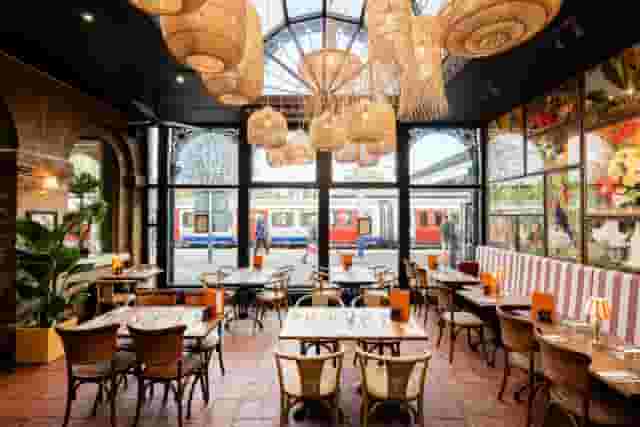
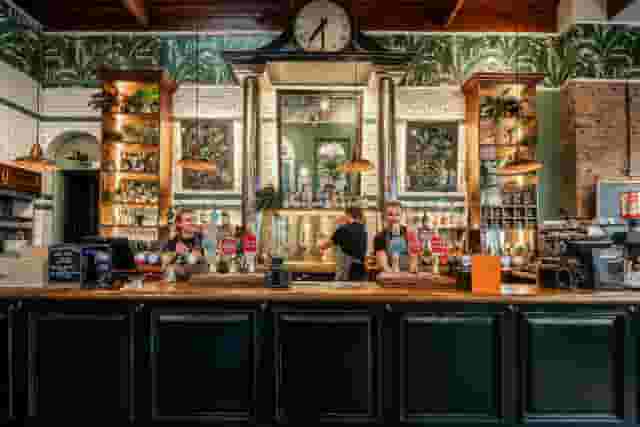

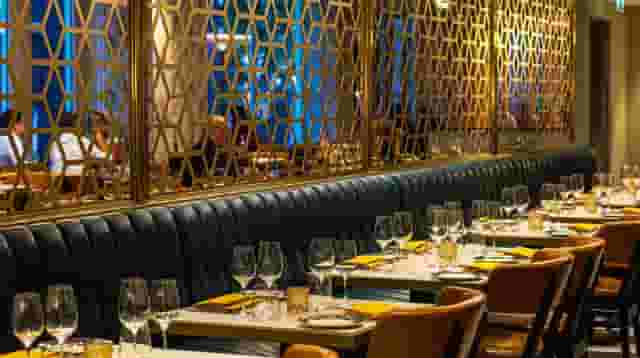






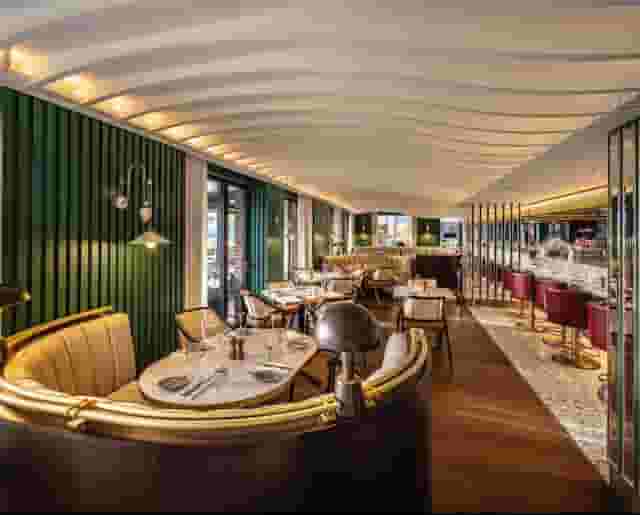
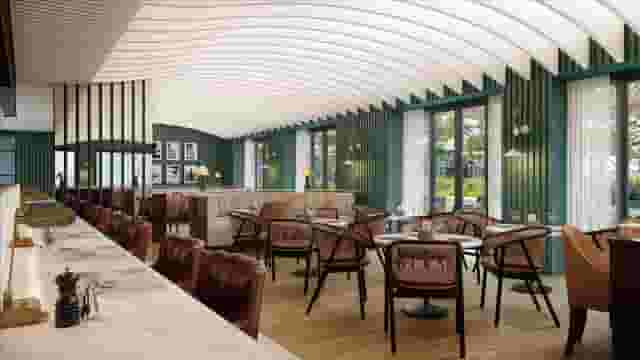
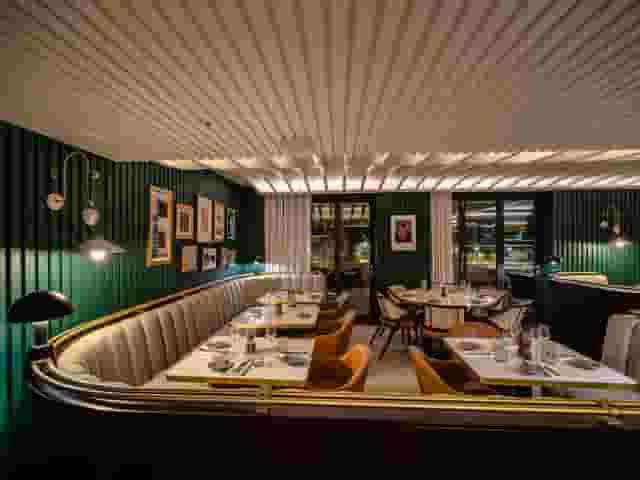
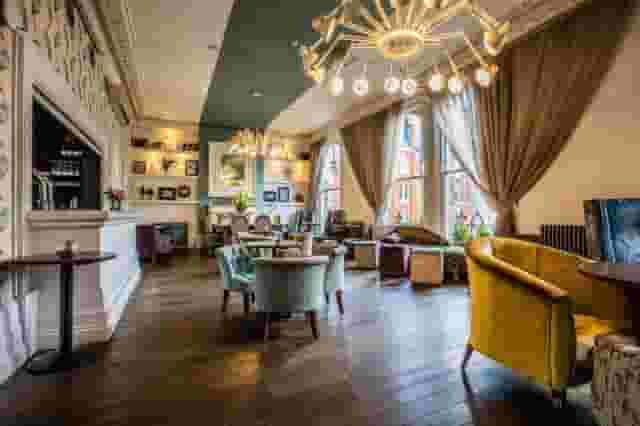











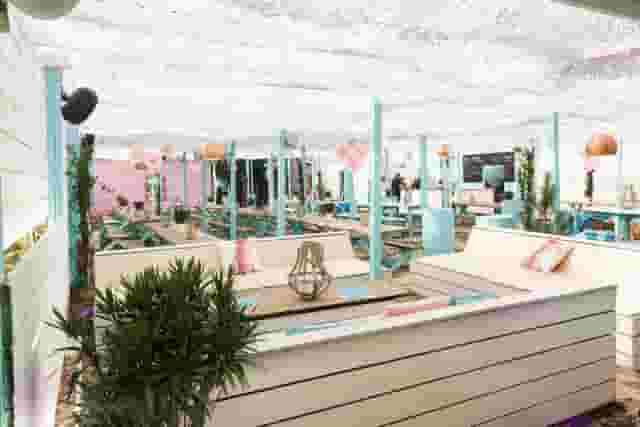
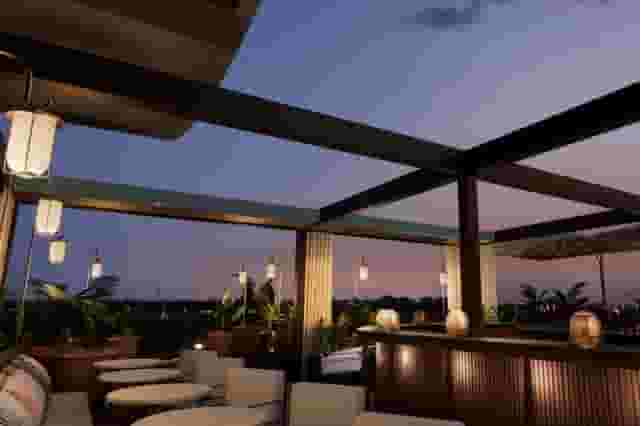
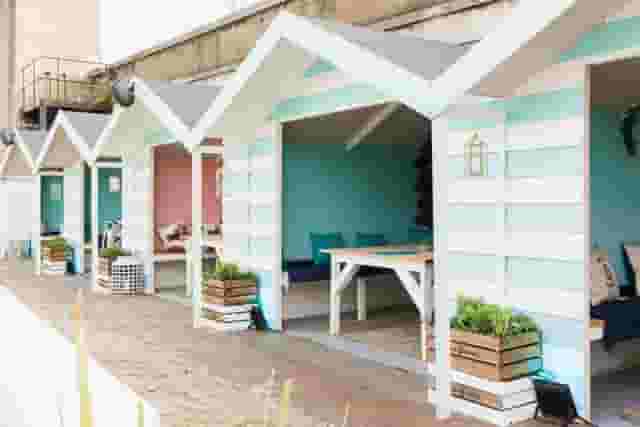
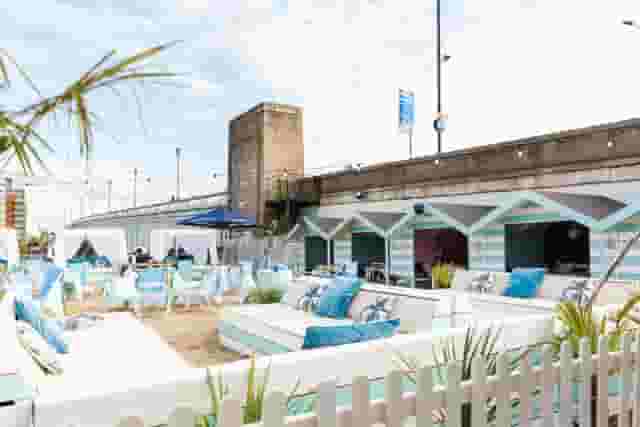


No venues match these filters
Try widening your capacity, luxury level or event type.
Don't have time to search? We'll find it for you.
For business events that need human judgement, talk to our team. Free for events of 100+ people, budgets over £10k or ongoing programmes.




Explore more venues in West London
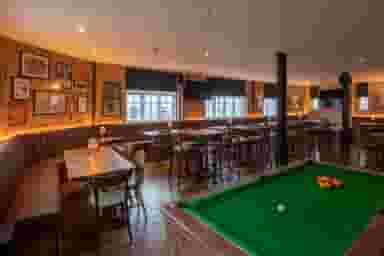
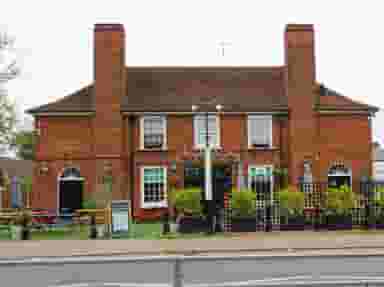
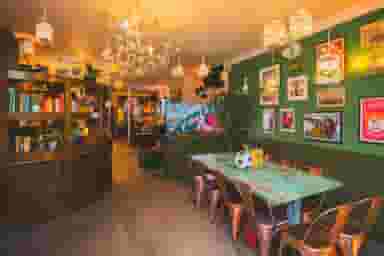
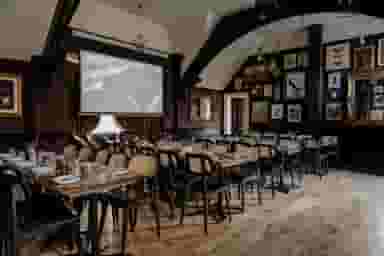









Frequently asked questions
Are there unique birthday venues in West London?
What are ideal West London venues for 21st parties?
What size venue suits a West London 40th birthday?
How to ensure a West London venue is tech-ready?
How to find a garden venue for a summer birthday?
Other platforms search their database. We search everything.
Tell us what you need. Our deep research finds any venue, whether it's in our marketplace or not. No one else does this.
About Birthday Party in West London
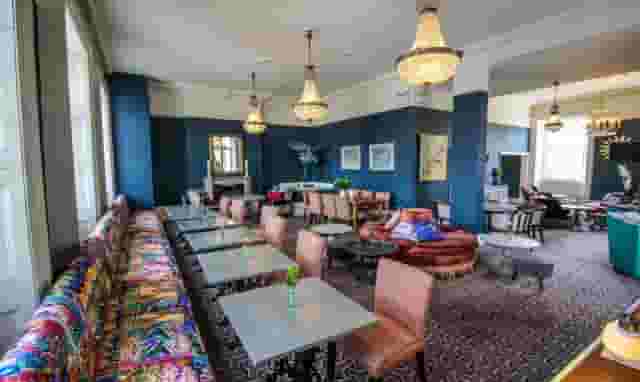
Planning a birthday party in West London gives you plenty of architectural variety. You can take over a restored Edwardian ballroom with original plasterwork, book an informal garden with a retractable roof, or gather people in an intimate upstairs pub room. Because West London covers such a wide sweep, running from the lively transport hubs of Shepherd's Bush and Hammersmith through to leafy stretches of Chiswick, Ealing and Richmond, the character of your evening changes dramatically depending on the neighbourhood and the setting you pick.
Getting the choice right comes down to five practical decisions: how you want the night to feel, how much room your guests actually need to mingle comfortably, how you handle outdoor weather contingencies, what tech and sound setup you require for your music, and how the venue structures its bills.
Matching your party style to the right space
The easiest mistake to make when booking a private birthday party is picking a room that fights against the kind of night you want to host. A formal dining room can stifle a crowd that wants to dance, while an echoing high-ceilinged hall can make an informal drinks gathering feel sparse and awkward.
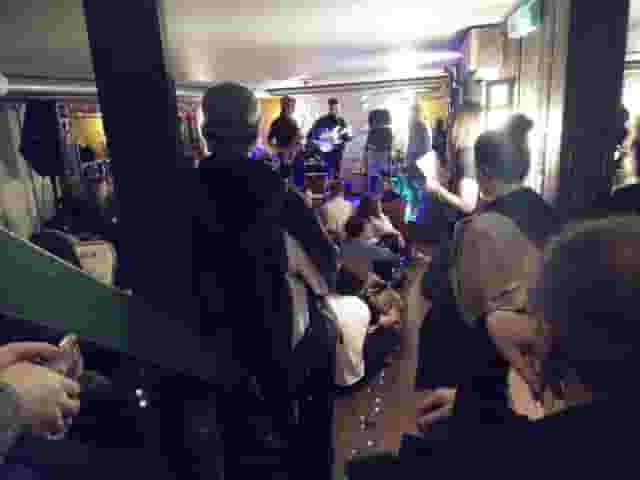
Start by defining the core energy of the evening. If your priority is live music, big sound and an energetic crowd, you need a space built around stage production and acoustics rather than dining tables. Historic entertainment spaces like Bush Hall in Shepherd's Bush, which can accommodate up to 300 guests for a standing reception, offer the infrastructure of an established music hall. Spaces with that background come with dedicated stages, professional acoustic treatment and an atmosphere that immediately signals a proper party to guests as soon as they walk in.
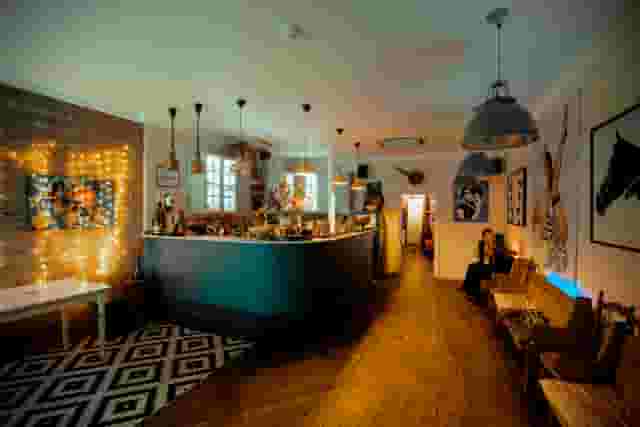
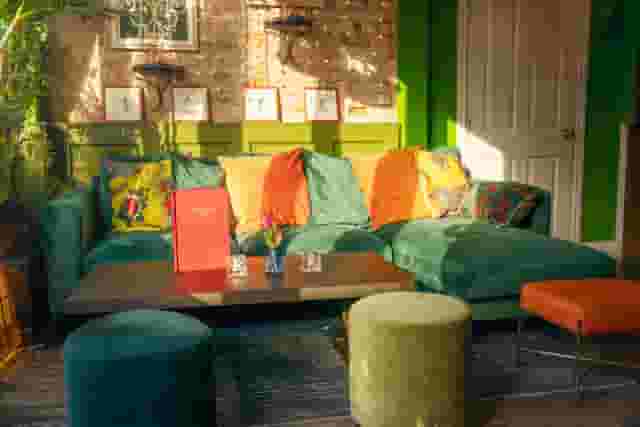
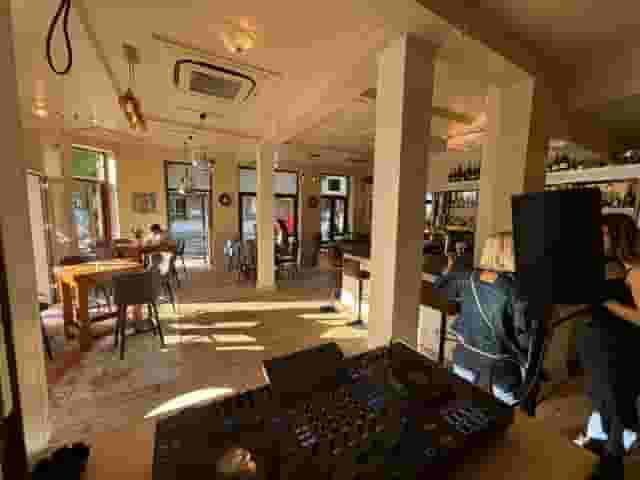
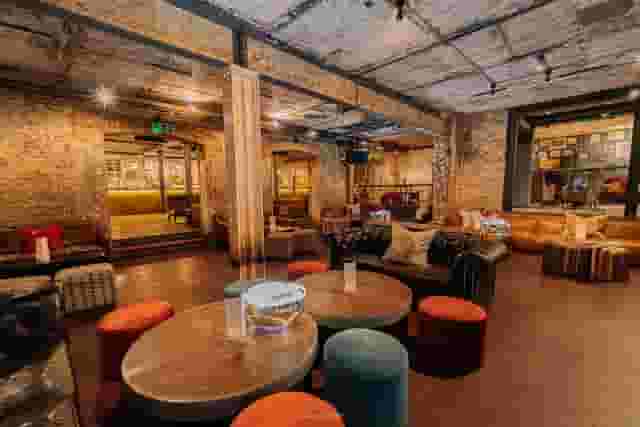
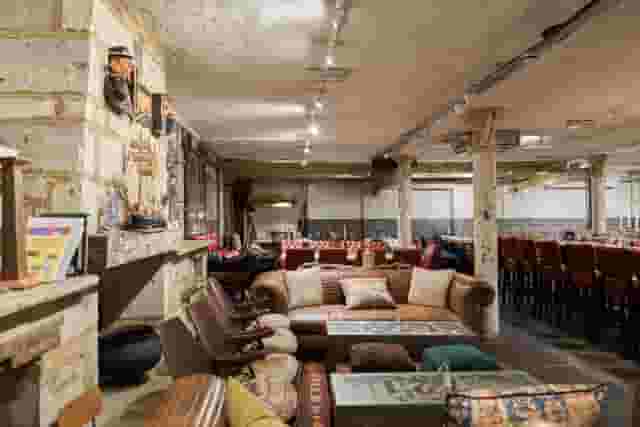
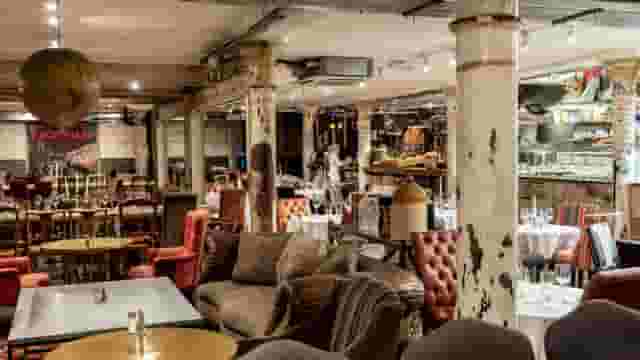
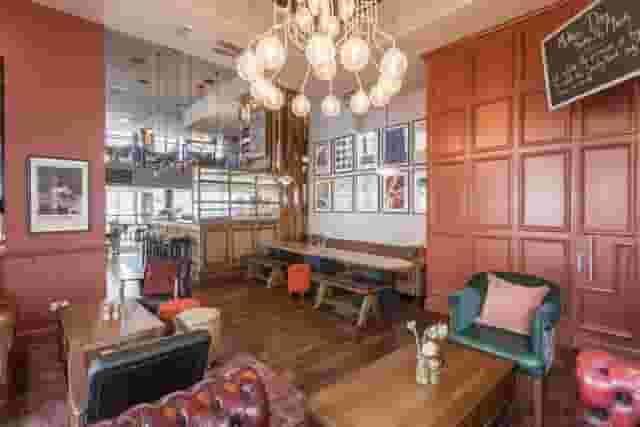
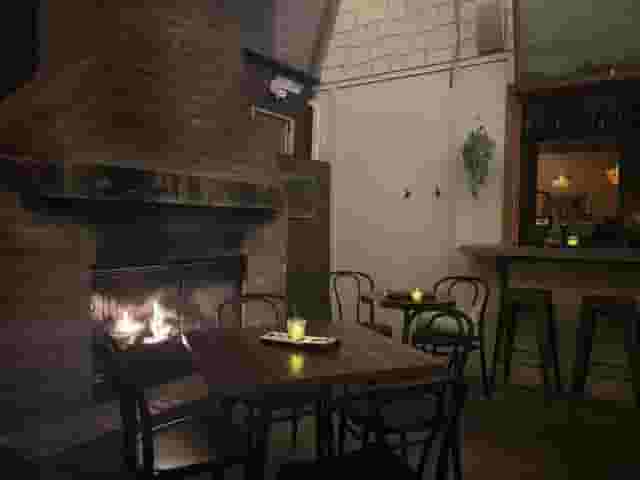
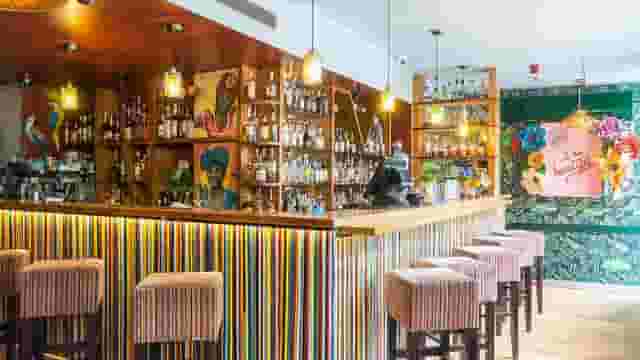
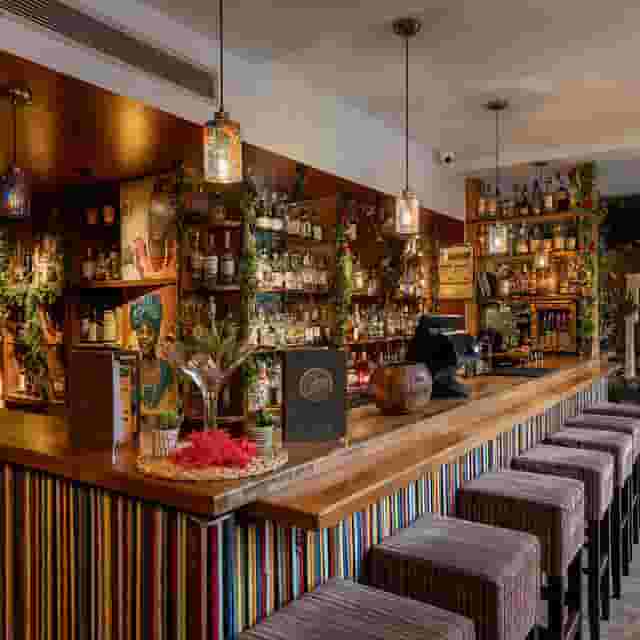
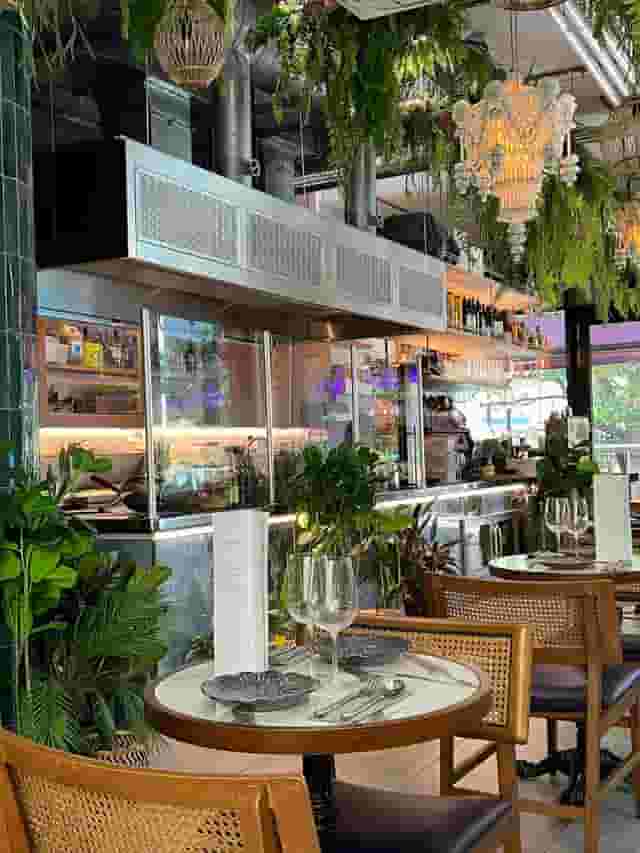
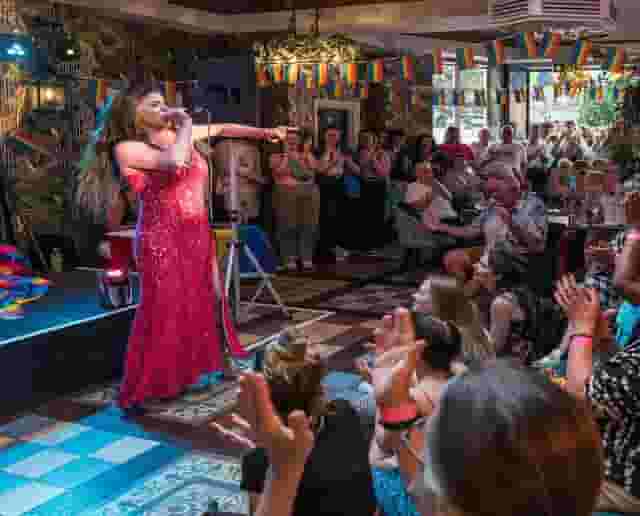
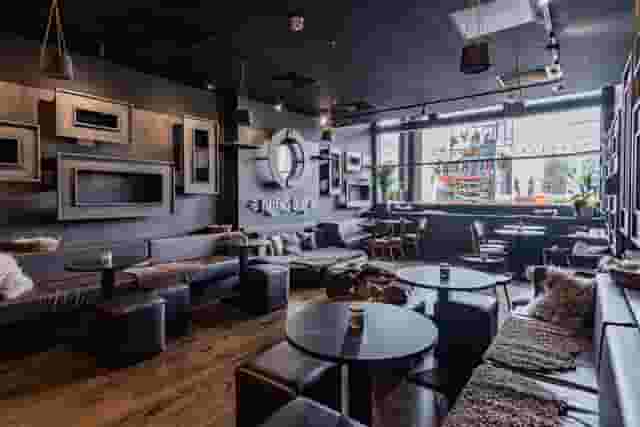
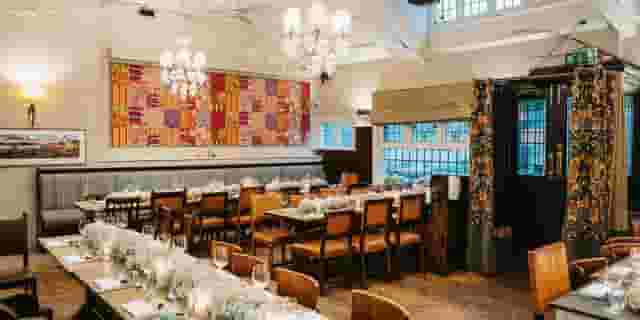
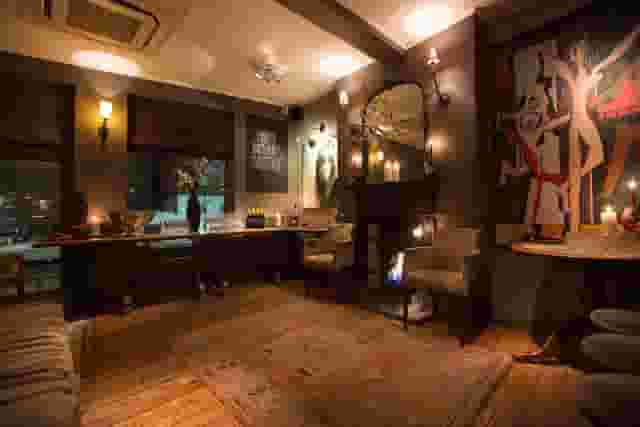
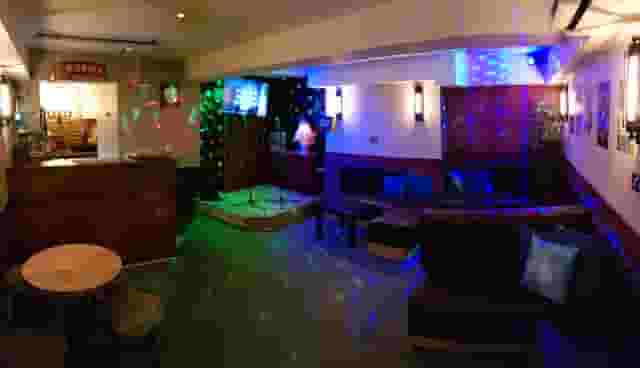
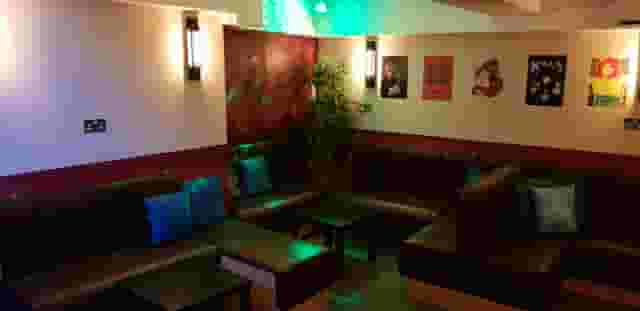
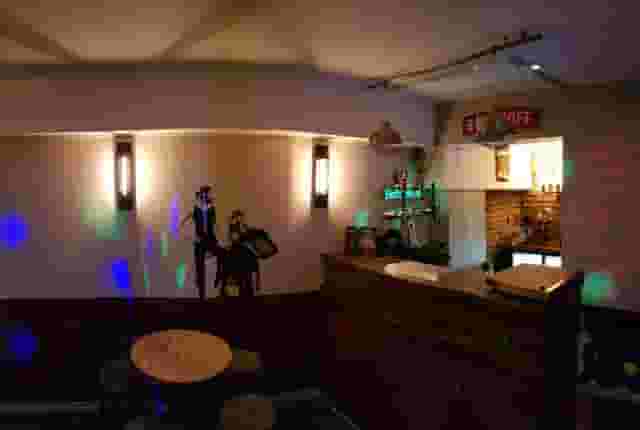
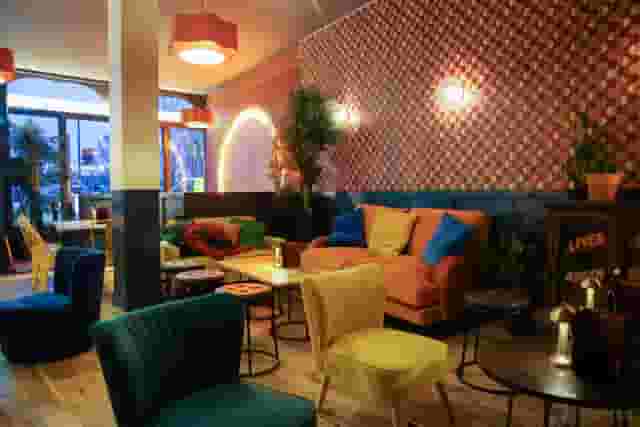
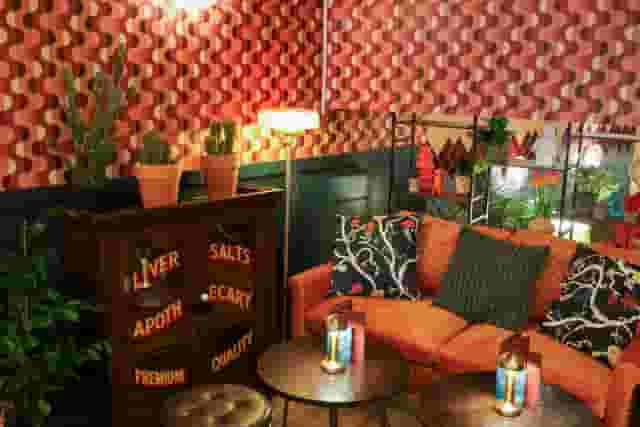
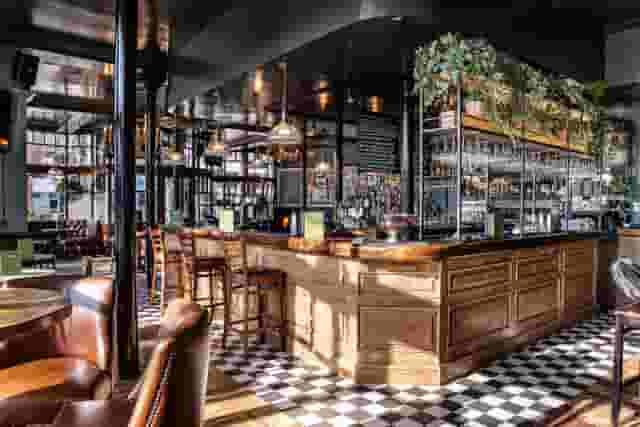
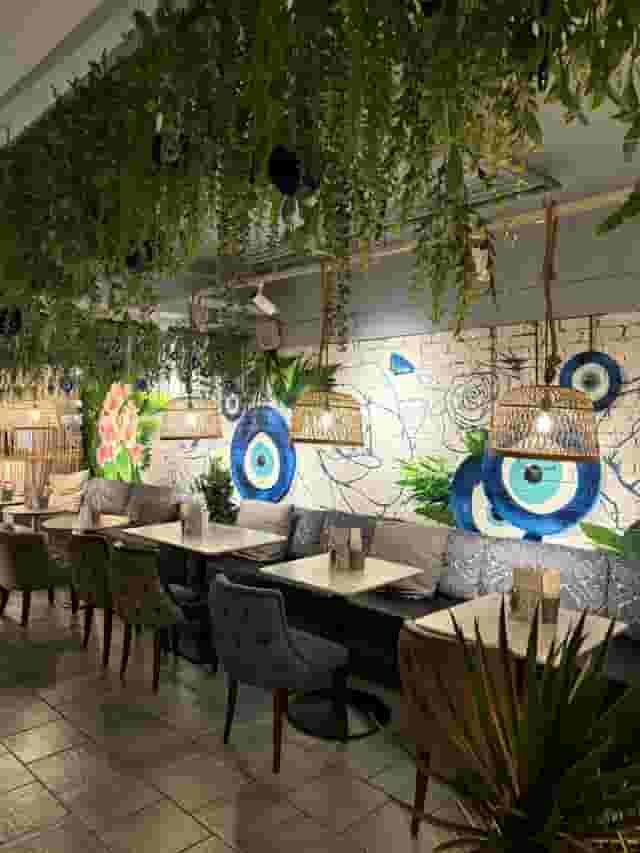
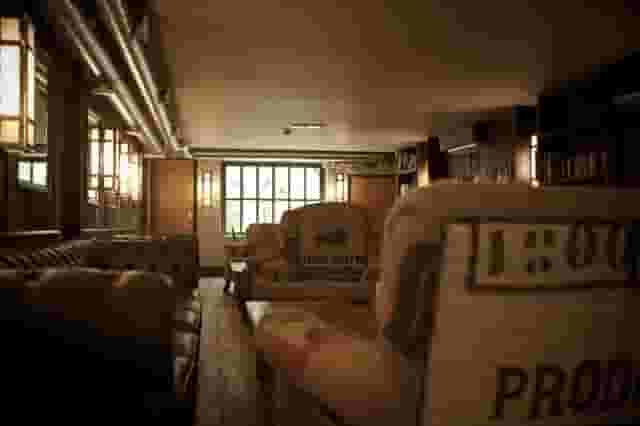
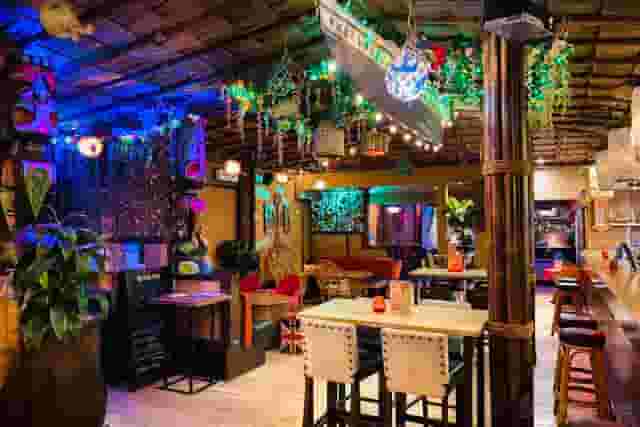
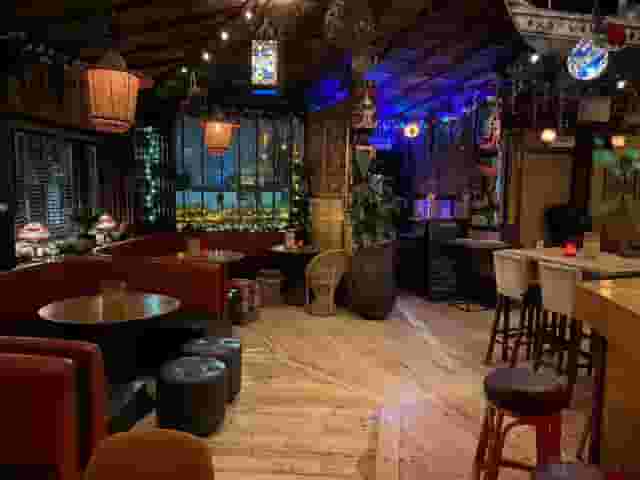
If you prefer a house-party atmosphere where people can lounge on sofas, drift between rooms and chat over cocktails without shouting, look for domestic-style event spaces. Venues such as The Little Blue Door on the Fulham and Chelsea border lean directly into this design. Their living room space holds up to 120 guests in a setting that feels like an eclectic residential flat, complete with comfy seating clusters and a dedicated bar. This style works particularly well for mixed-age parties or milestone celebrations where you want conversation early in the evening before clearing floor space for dancing later on.
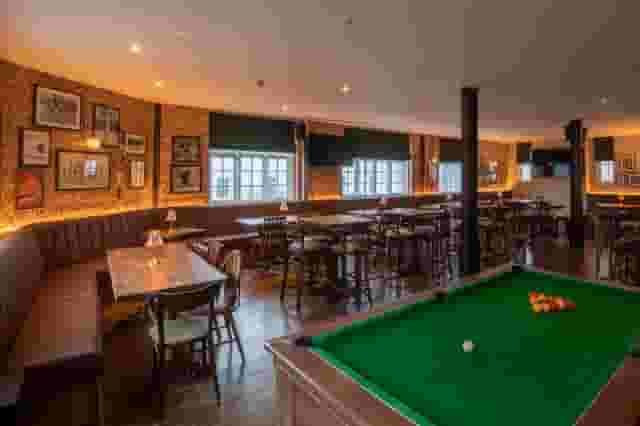
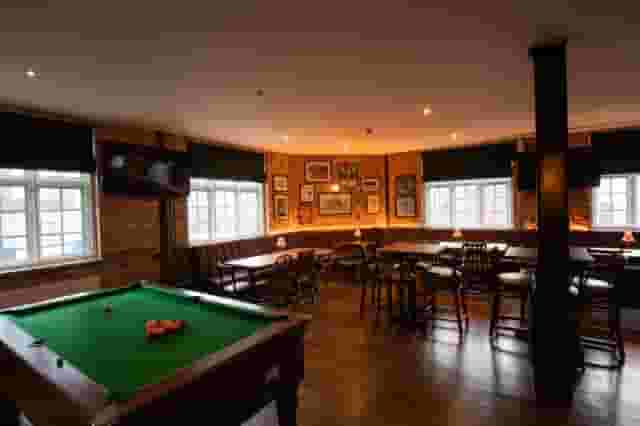
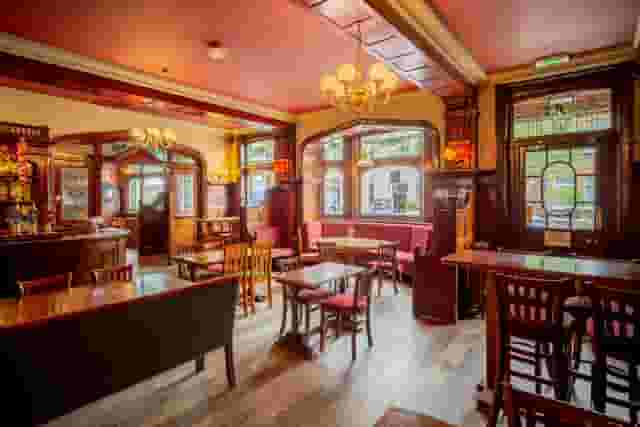
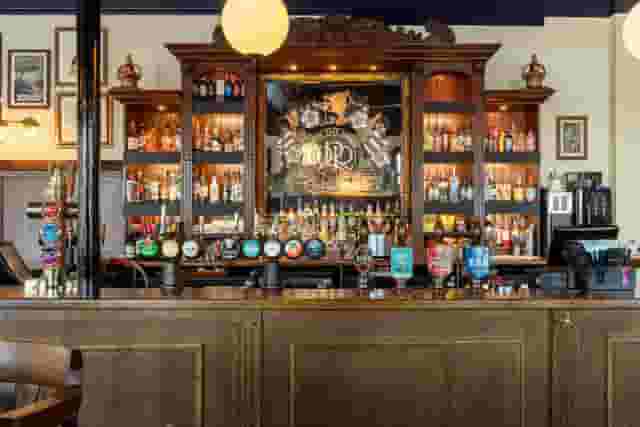
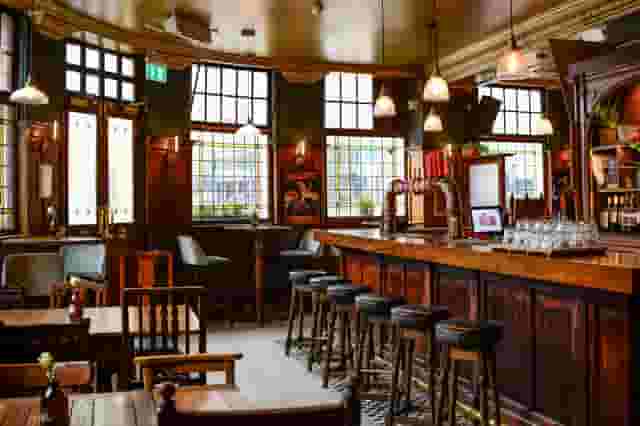
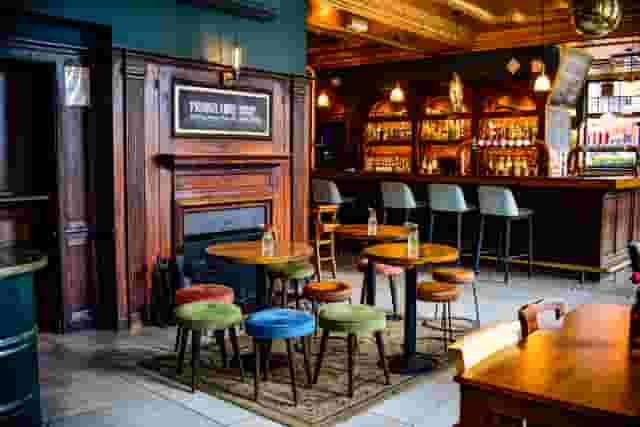
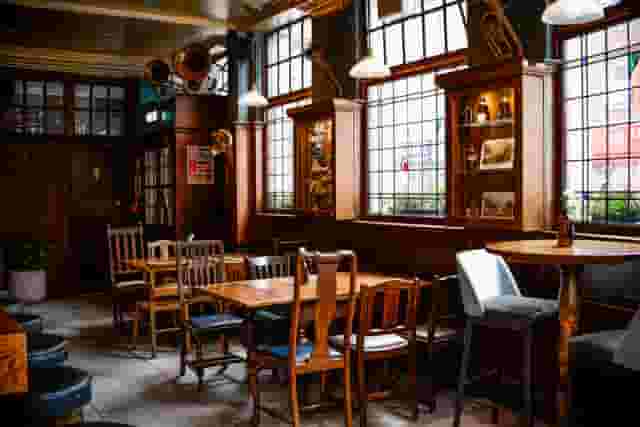
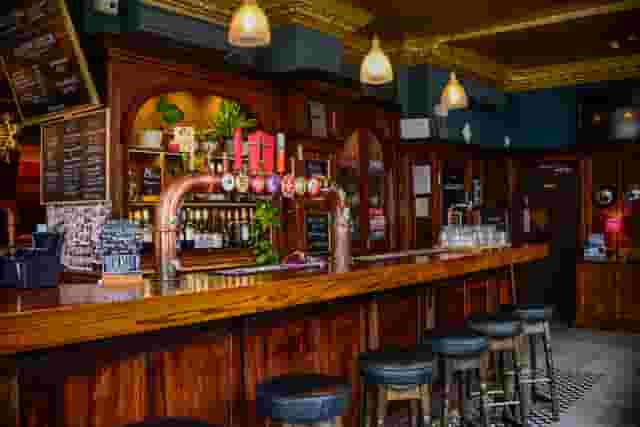
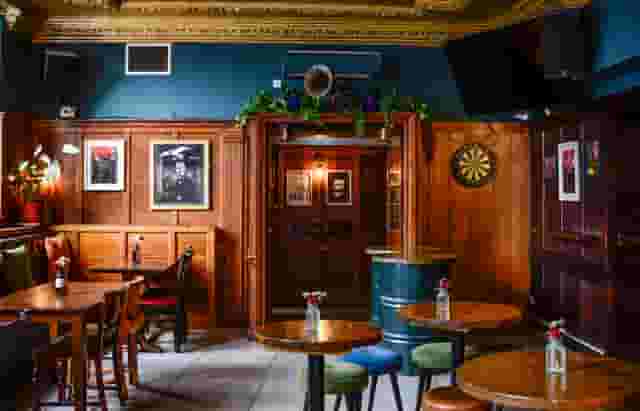
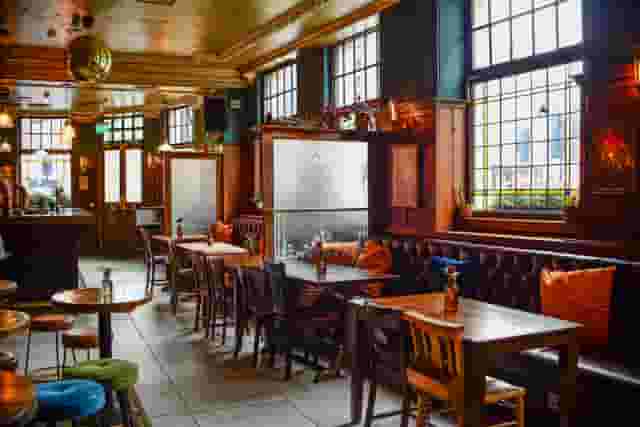
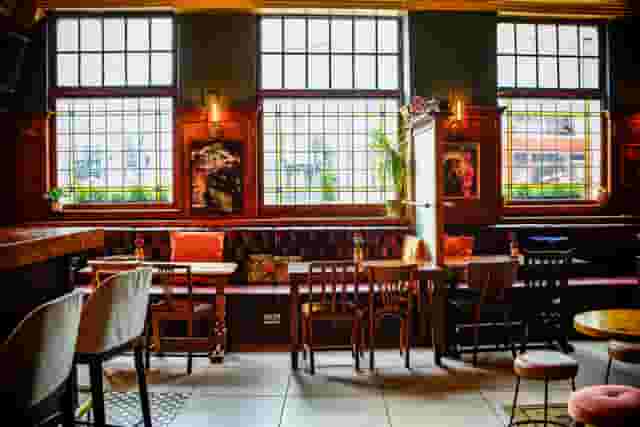
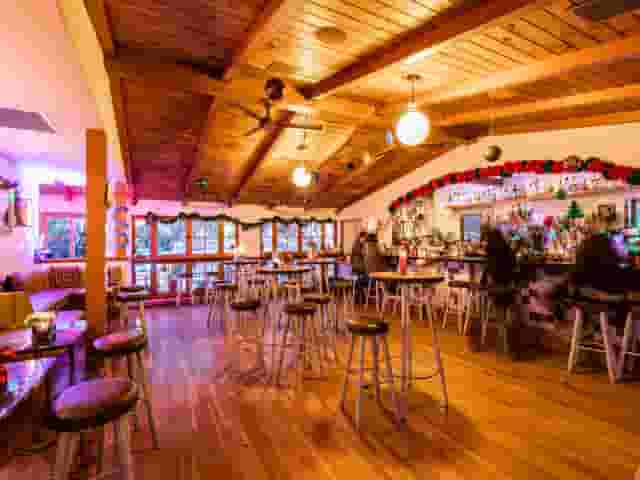
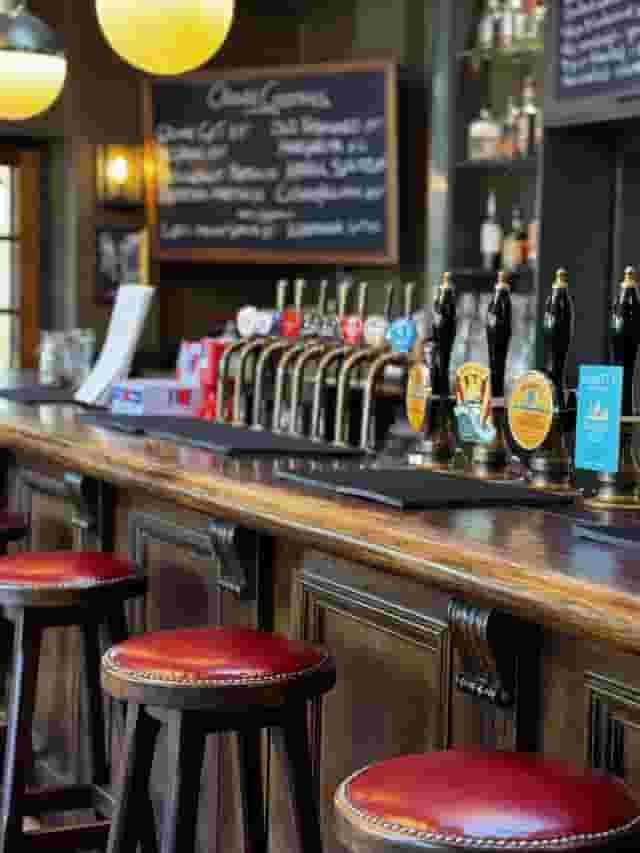
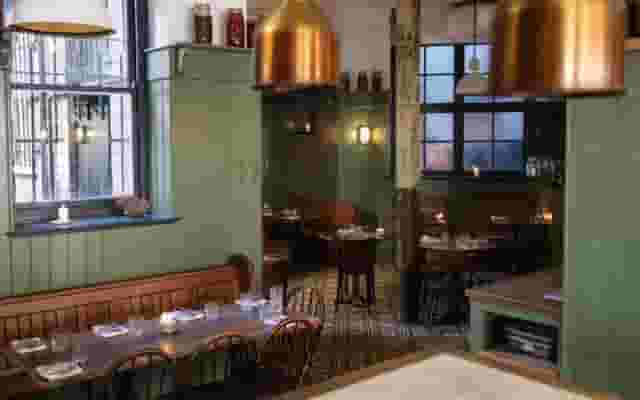
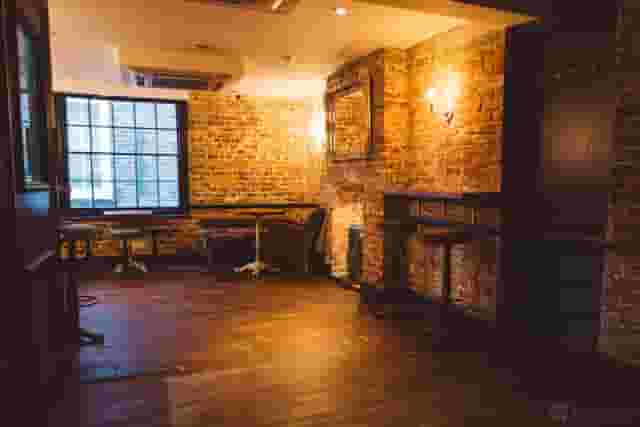
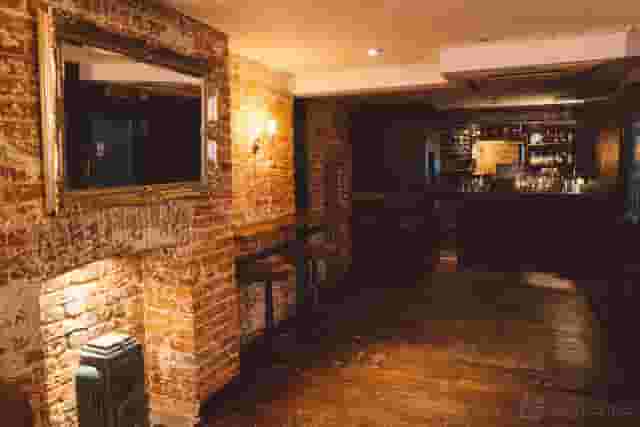
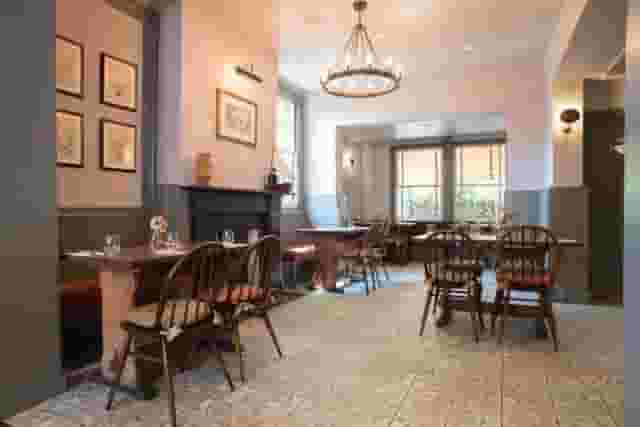
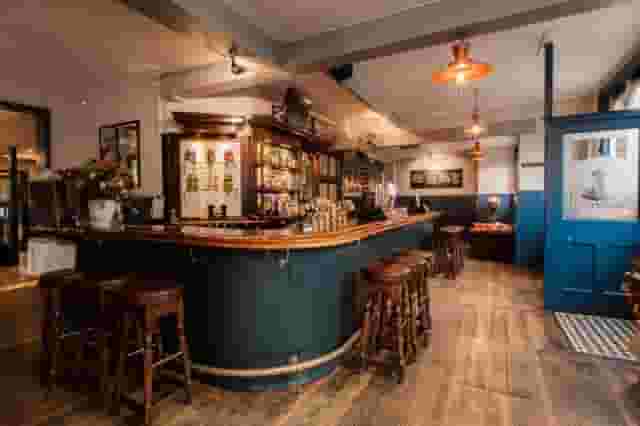
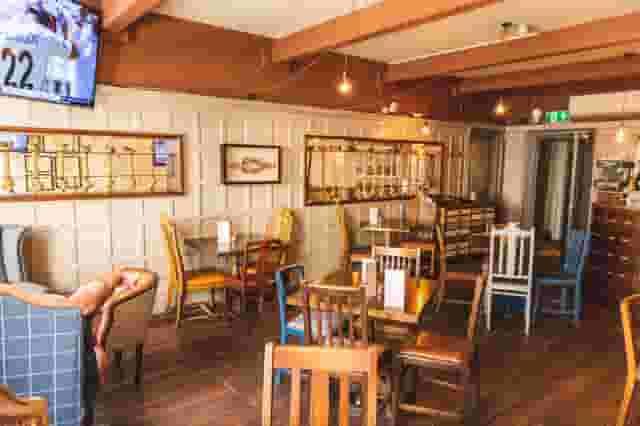
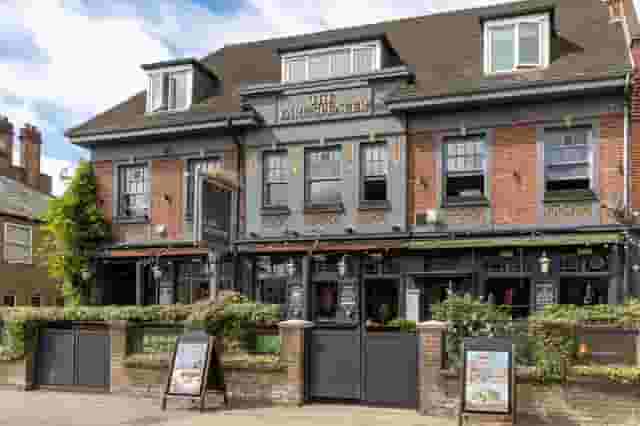
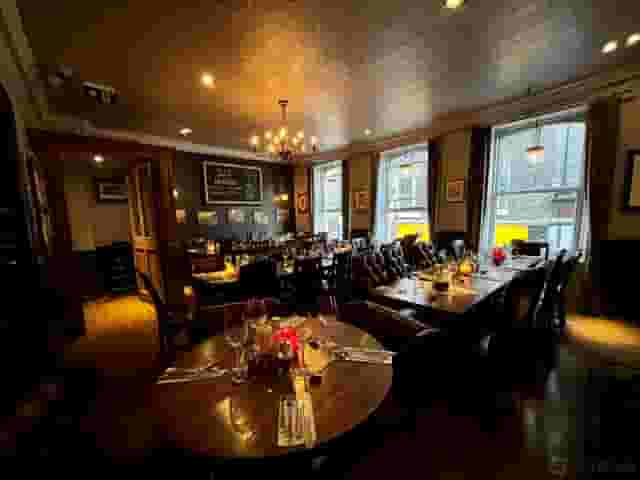
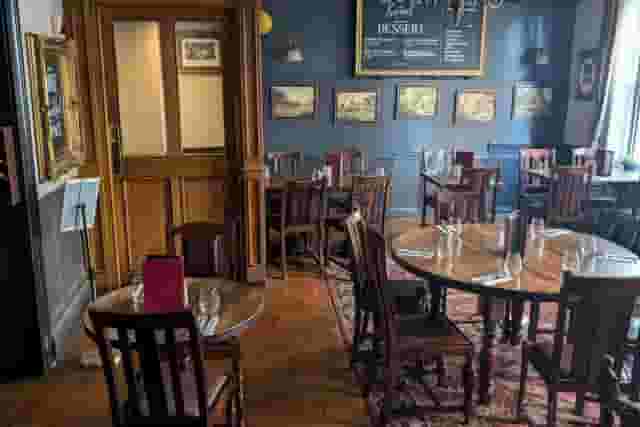
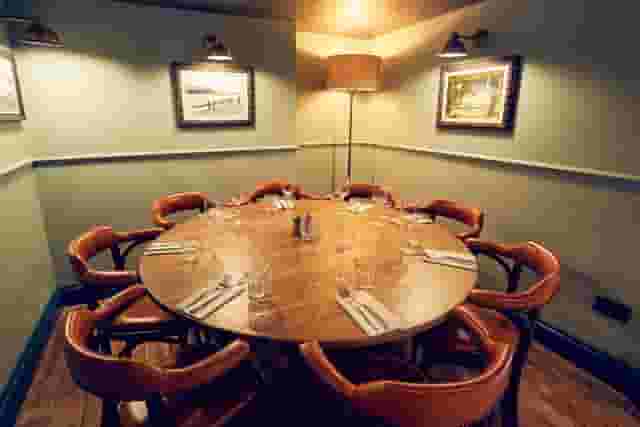
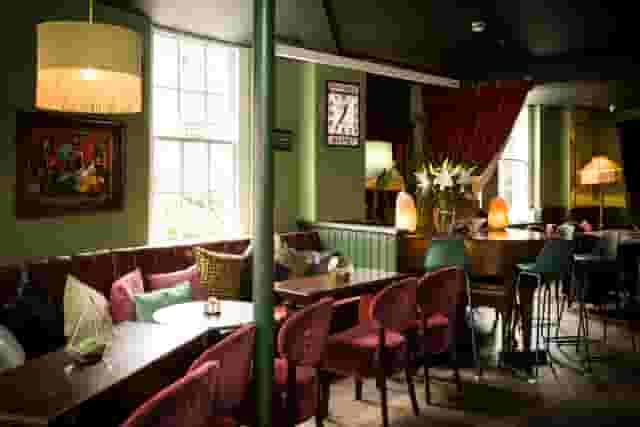
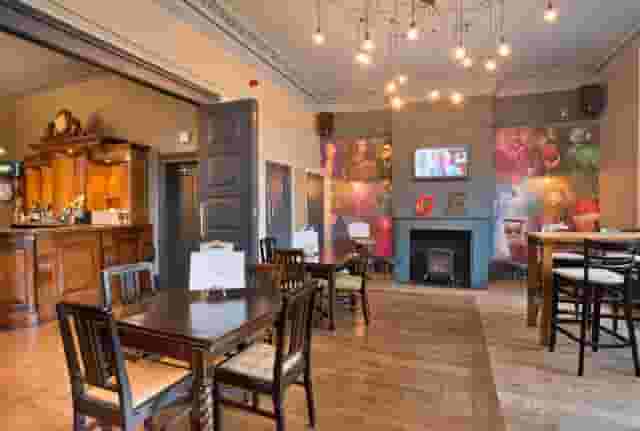
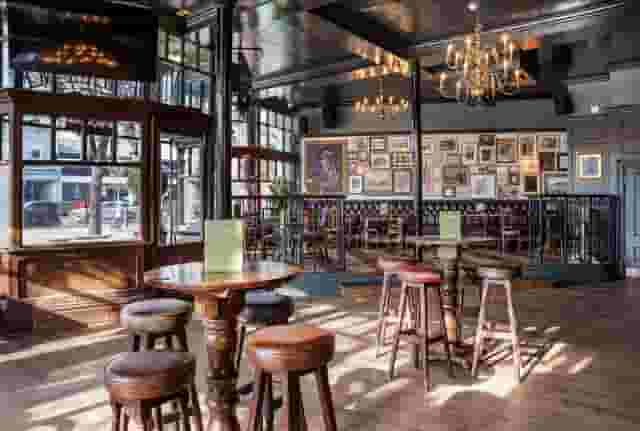
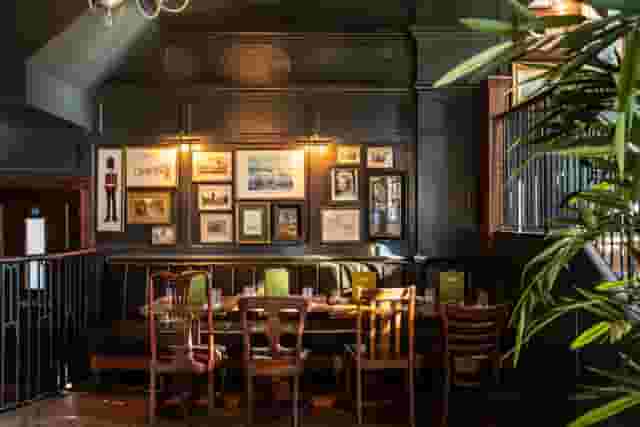
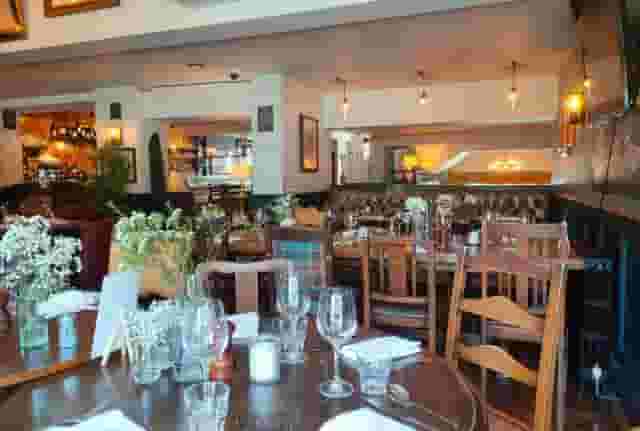
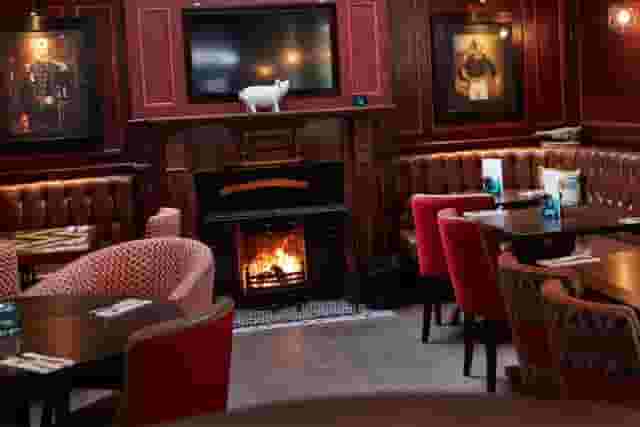
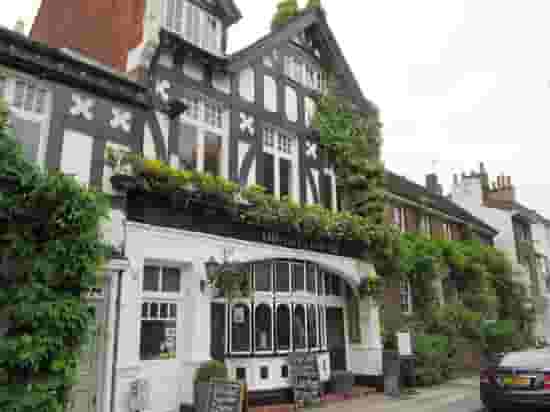
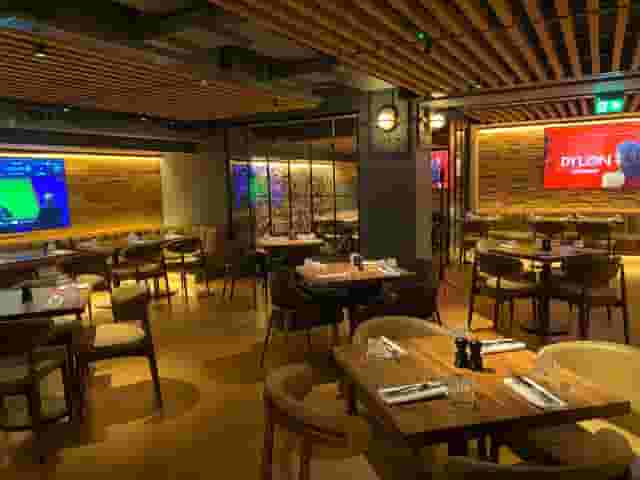
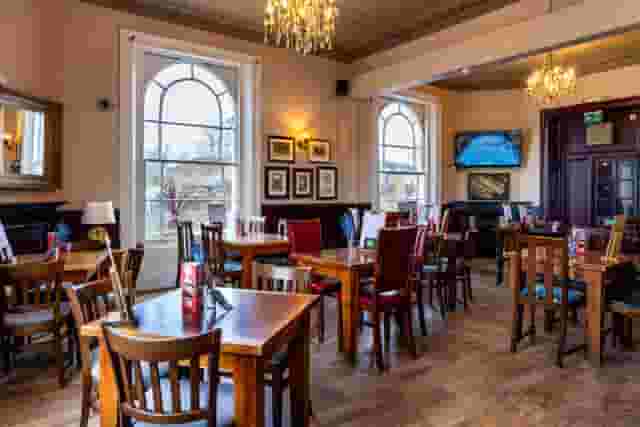
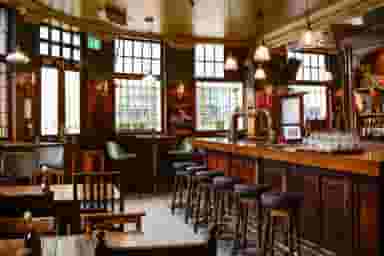
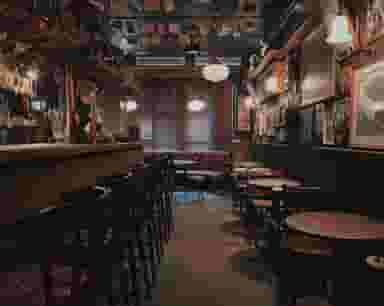
For an informal, community-centred evening with good draught beer and hearty food, traditional pubs remain the reliable backbone of West London socialising. The key is making sure you have an exclusive, private area so your group stays together. A venue like The Foresters in Ealing offers a private upstairs function room for up to 50 guests inside a Grade II listed pub. An intimate room like this allows smaller groups to run their own playlist, give speeches and keep a dedicated bar tab running without competing with regular pub trade downstairs.
Sizing your space and managing party flow
When venues list a standing capacity, that number is almost always a legal maximum based on fire regulations, not a recommendation for an enjoyable party. Cramming 100 people into a room rated for 100 standing leaves no room for circulating, queues form instantly at the bar, and guests spend the evening pinned against walls.
As a general rule, aim for your confirmed guest count to sit at around 70% to 85% of the room's maximum standing capacity. If you plan to bring in a DJ console, a buffet table, or extra casual seating, that operational footprint eats up floor area quickly. For an evening event with 60 to 70 guests, booking a space rated for 80 to 100 standing gives you enough breathing room for people to move comfortably between conversations, grab a drink without a crush, and leave a pocket of floor open for dancing later.
The table below outlines how common capacity bands function across typical party formats:
| Format | Recommended capacity buffer | Space requirements | Best suited for |
|---|---|---|---|
| Standing drinks and canapes | Book space rated 15% to 20% above guest list | Open floor area, perimeter posing tables, clear route to bar | Milestone drinks receptions, casual mingles |
| Mixed seating and dancing | Book space rated 25% to 30% above guest list | Banquettes, low tables, cleared central dancefloor, DJ area | 21st, 30th and 40th evening parties |
| Buffet food and drinks | Book space rated 20% to 25% above guest list | Dedicated food station, circulation aisles, plate disposal points | Afternoon to evening celebrations |
| Activity and social games | Match confirmed group directly to game zones | Combined play areas, adjacent lounge seating, bar service | Interactive parties, daytime gatherings |
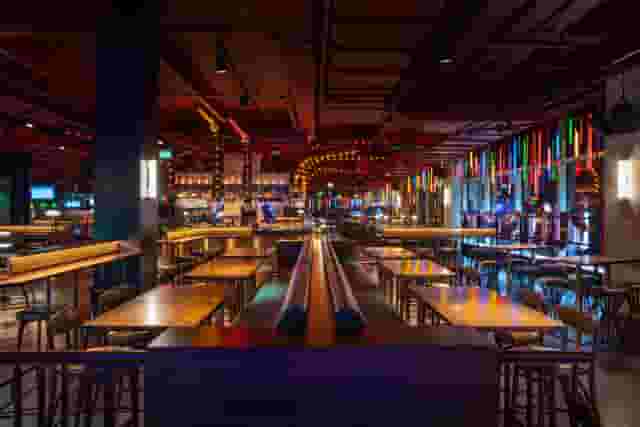
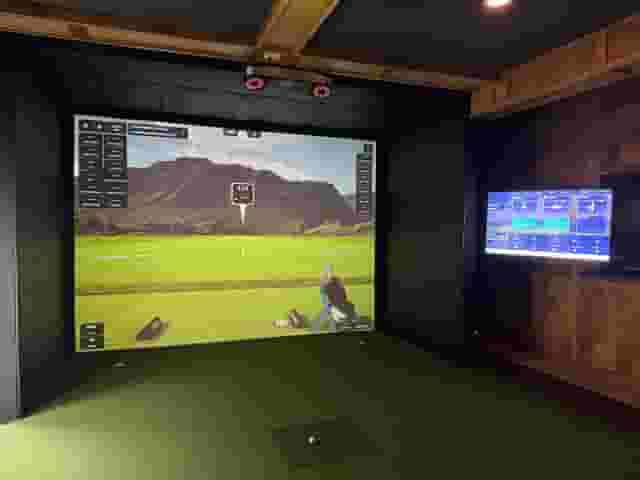
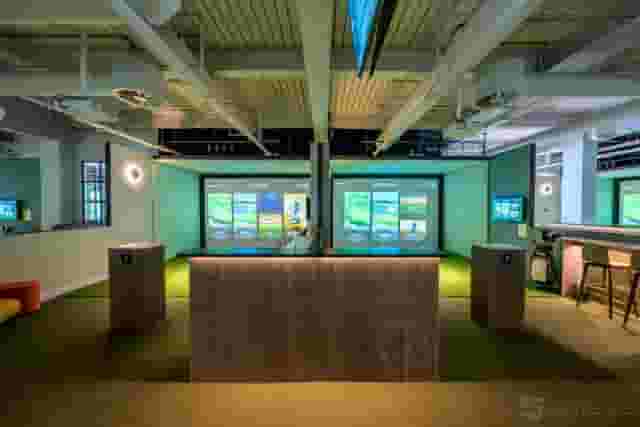
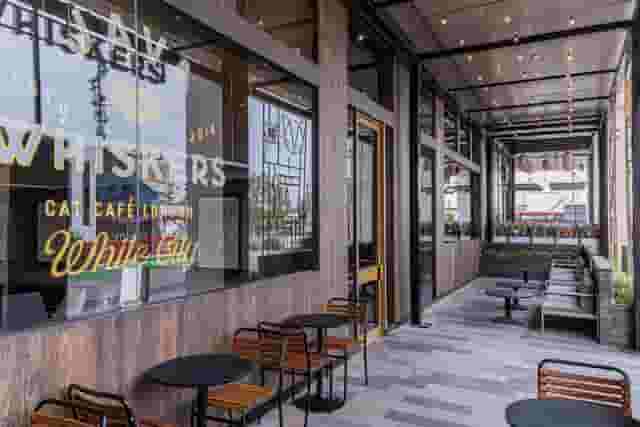
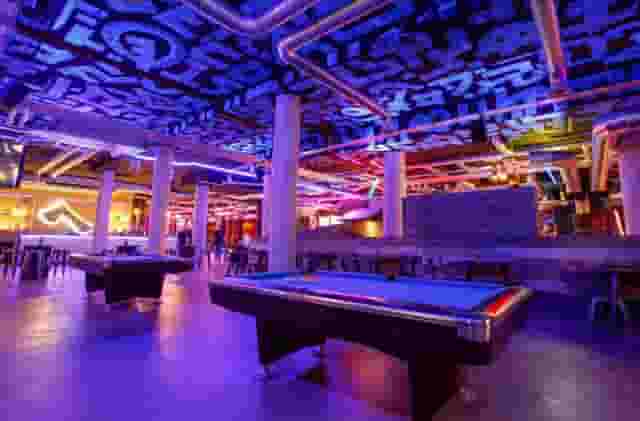
If you want a night built around structured socialising or a shared activity rather than standard bar chatter, look at competitive socialising venues. At Puttshack White City, the Sapphire Area accommodates up to 70 guests for a buffet format right alongside tech-tracked mini golf courses. An activity break divides the evening into clear chapters: drinks on arrival, an hour of friendly competition, and food and cocktails afterwards.
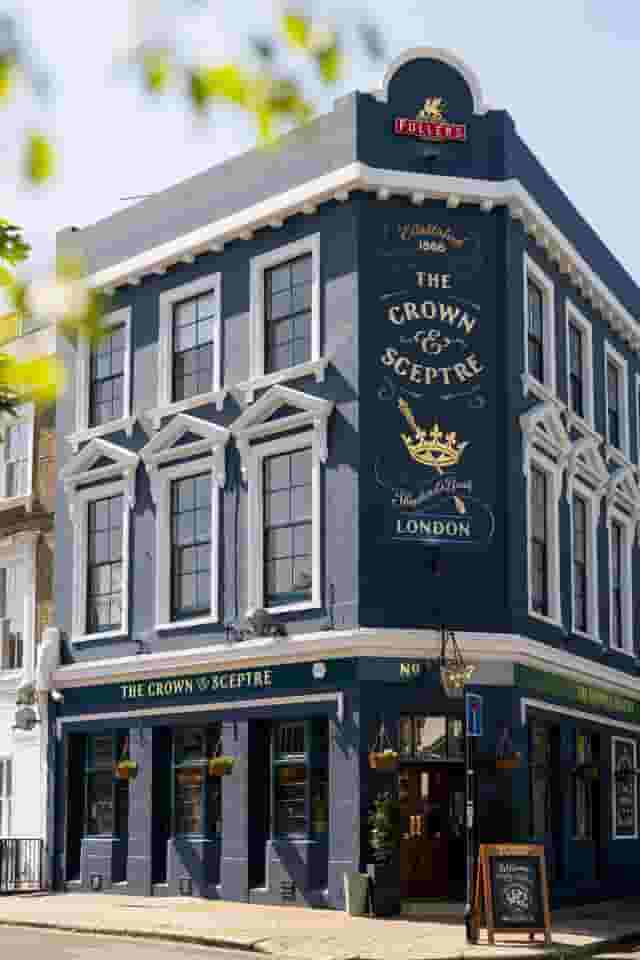
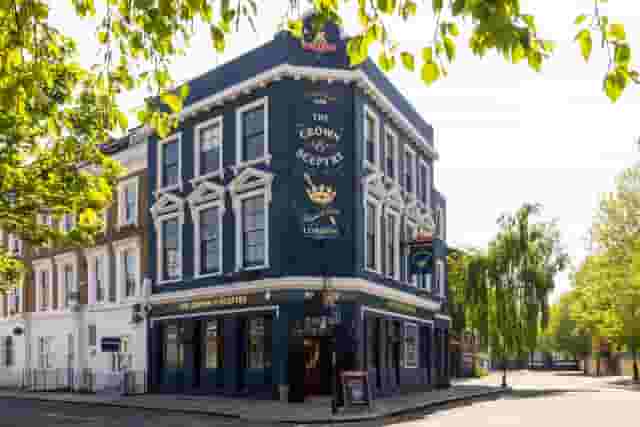
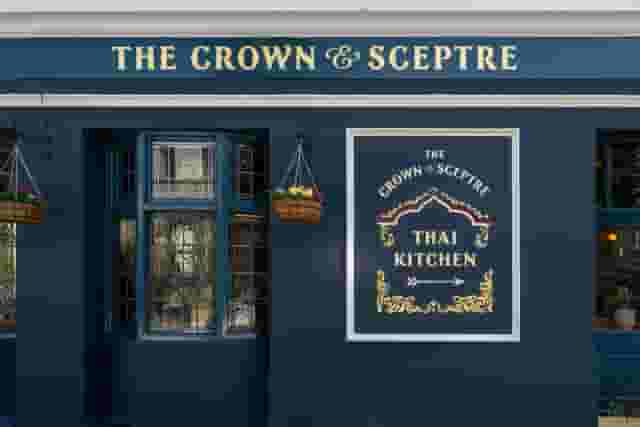
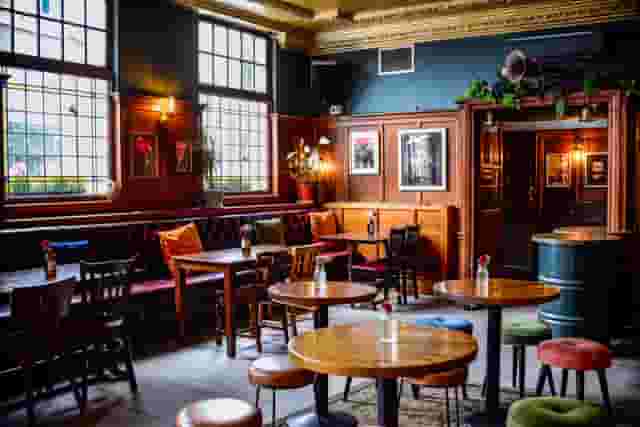
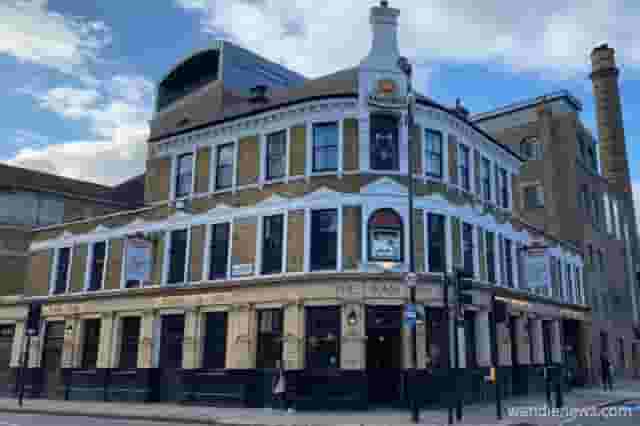
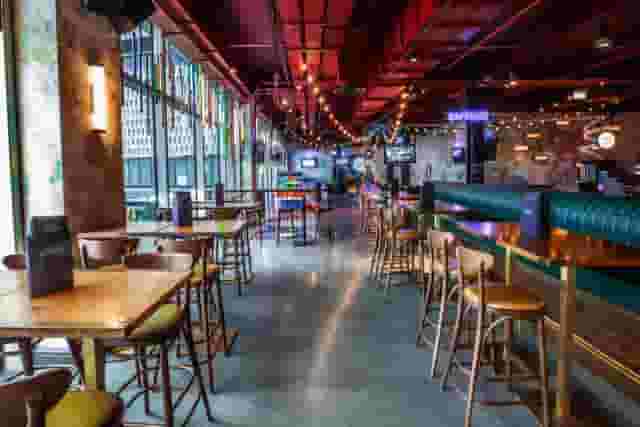
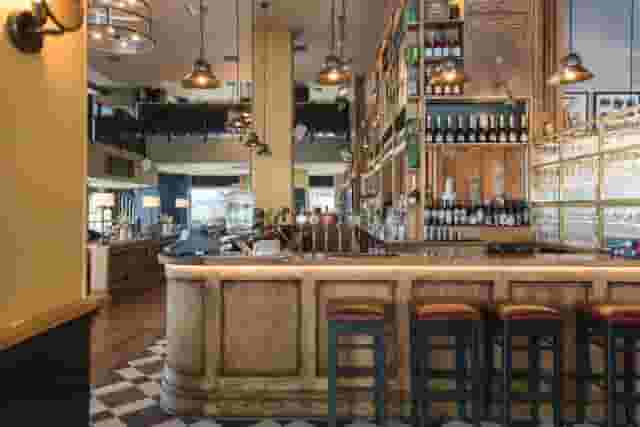
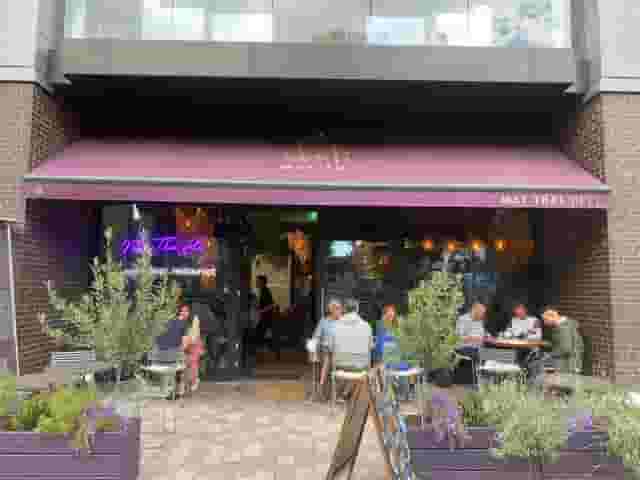
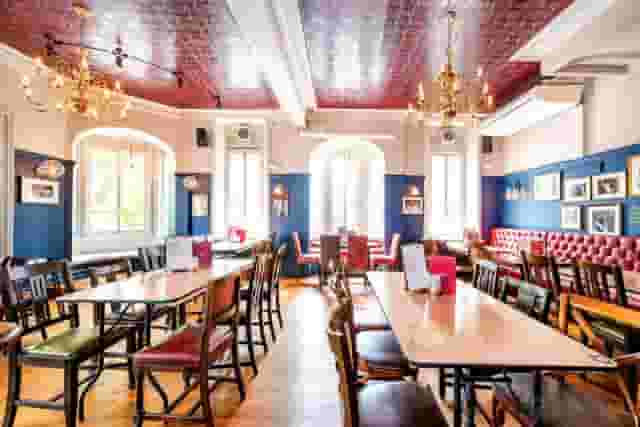
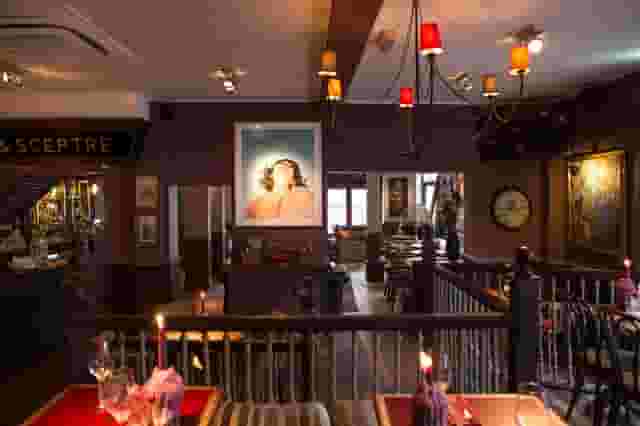
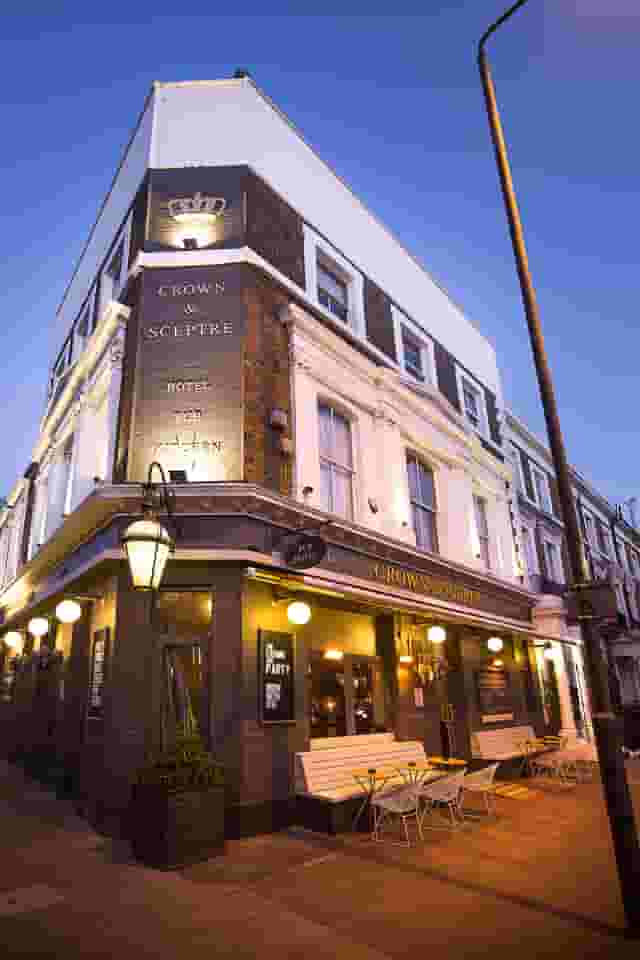
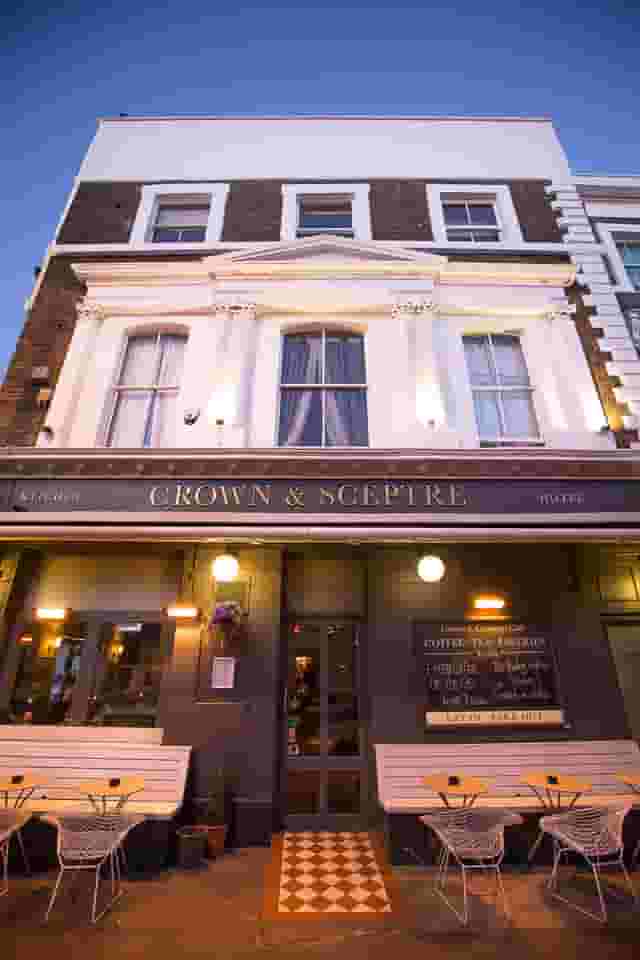
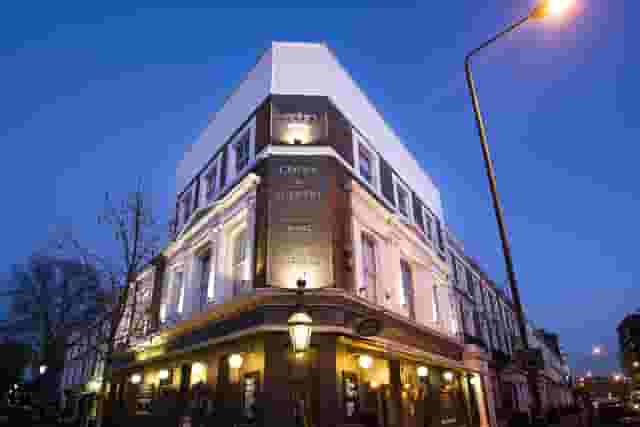
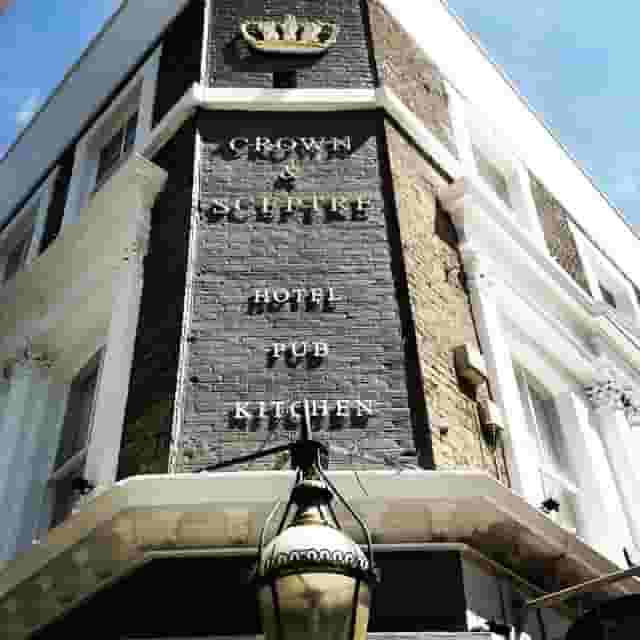
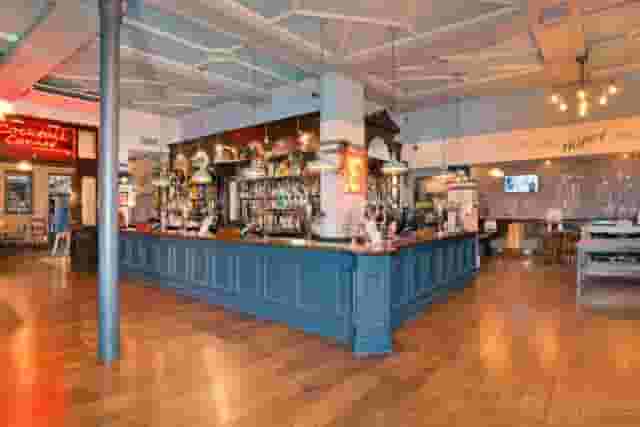
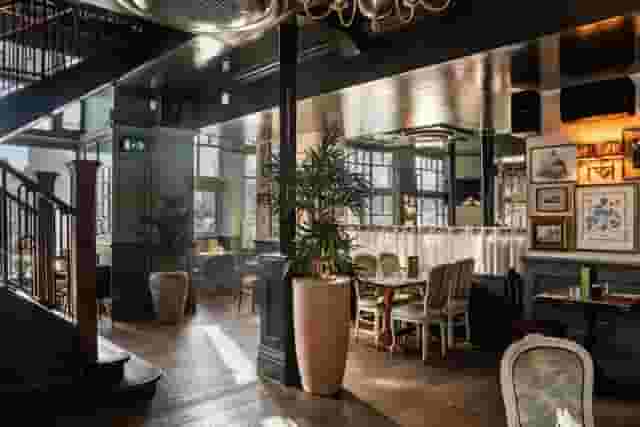
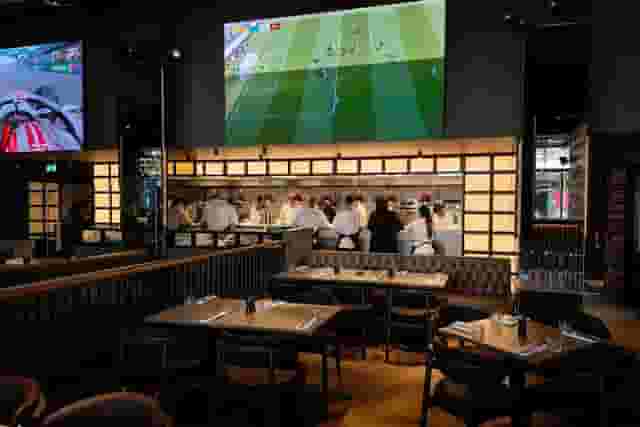
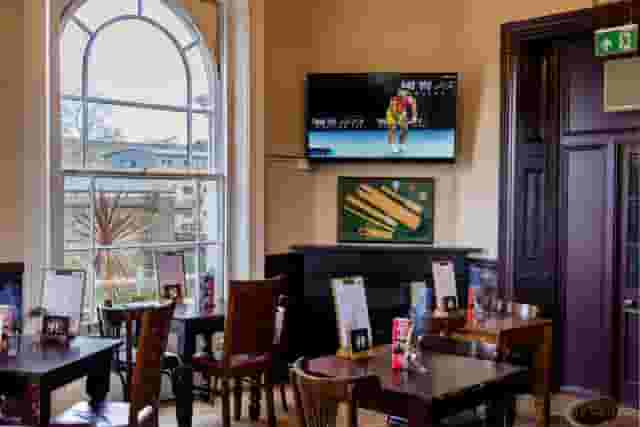
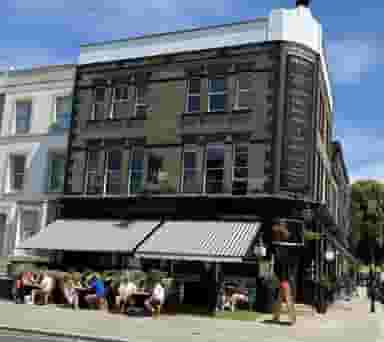
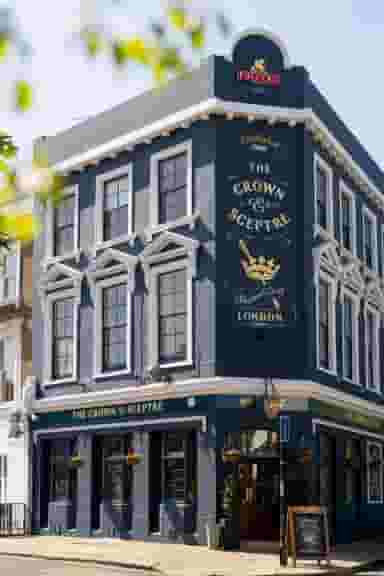
If your crowd is larger and wants a lively pub feel without splitting across separate rooms, full venue pub hires give you total control over the atmosphere. The Crown & Sceptre in Shepherd's Bush can take up to 200 guests standing across its open-plan layout. When you take over the whole ground floor, you get the benefit of an established kitchen (in this case, serving Thai food), an expansive central bar, big screens if you want to run a photo slideshow, and direct access to an outdoor garden.
Weatherproofing outdoor and terrace parties
A terrace or garden space sounds ideal for a spring or summer birthday, but British weather means an outdoor plan without an indoor fallback is a gamble. Rain, unseasonable chills, or evening temperature drops can derail an event if the venue is not built for sudden changes.
When evaluating spaces with an outdoor component, check three physical details before signing a contract:
- Rain coverage and roof systems. A simple parasol will not protect guests during a heavy shower. Look for heavy-duty awnings or automated retractable roofs that turn an outdoor patio into an enclosed space within minutes.
- Heating infrastructure. Wall-mounted radiant heaters or standing gas lamps extend the usability of an outdoor area well into the night. Check whether heaters are included in your hire and who controls the switches.
- Access to indoor amenities. Guests will get frustrated if reaching the bar, the cloakroom or the toilets requires a trek through public trading areas or down poorly lit garden stairs.
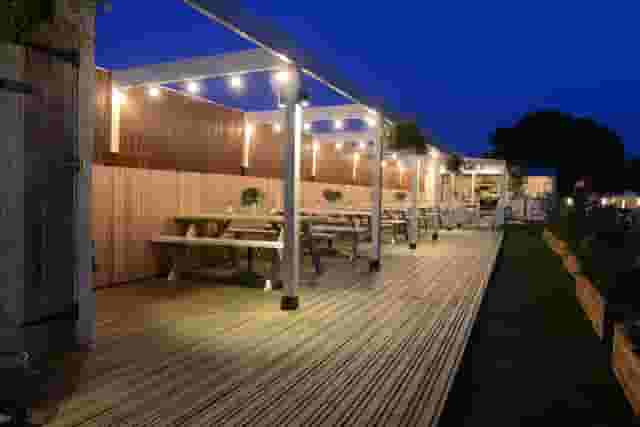
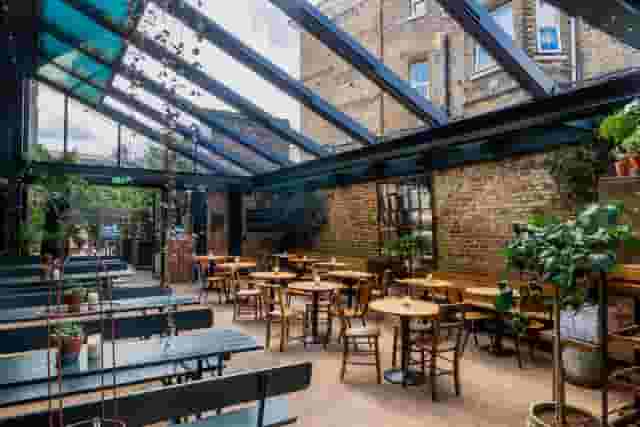
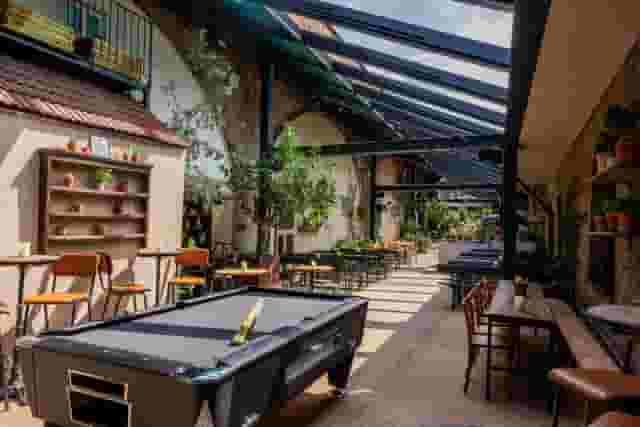
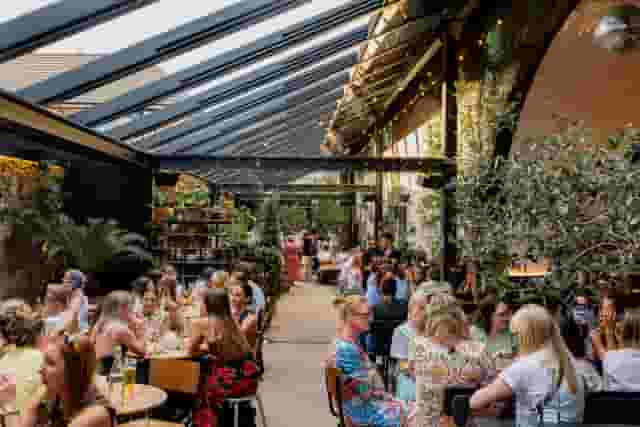
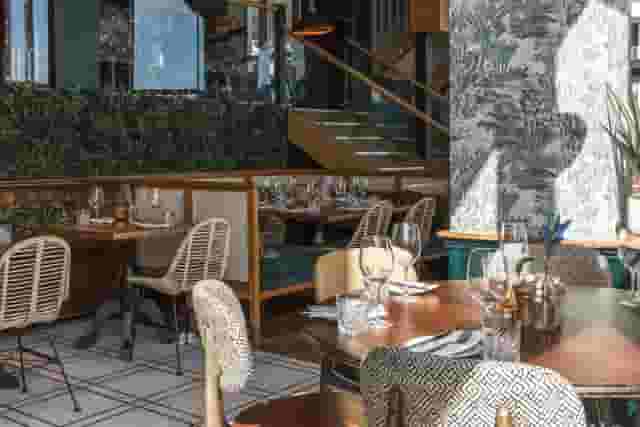
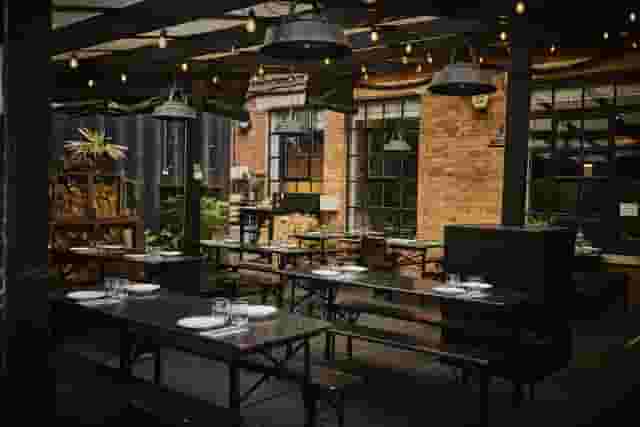
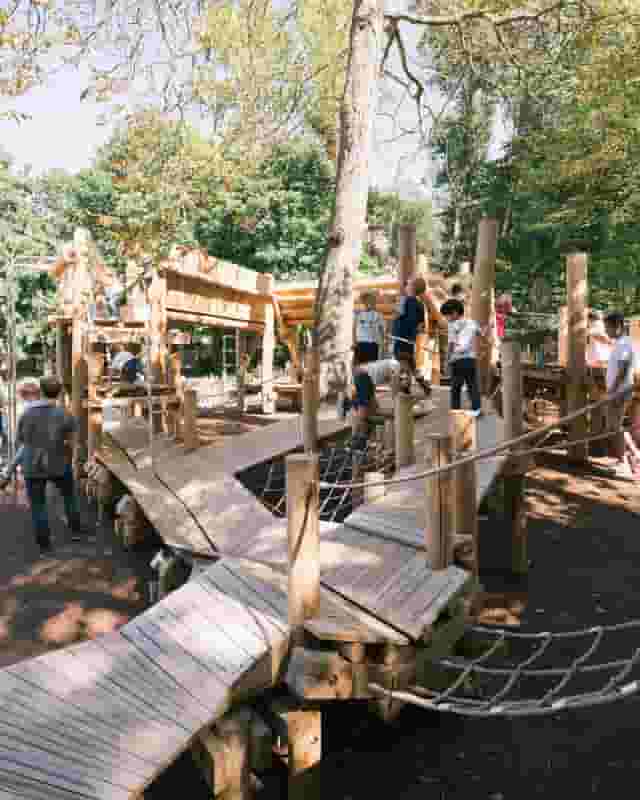
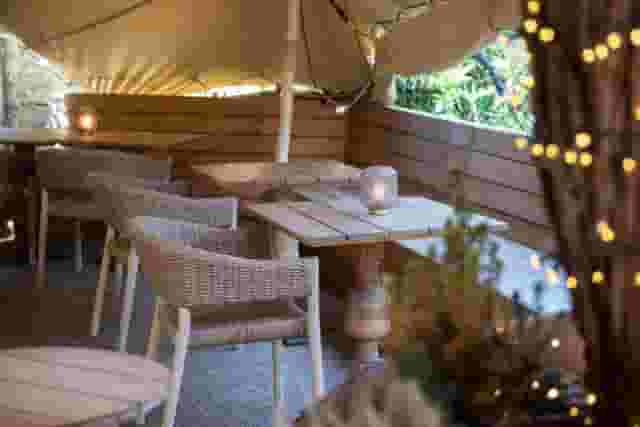
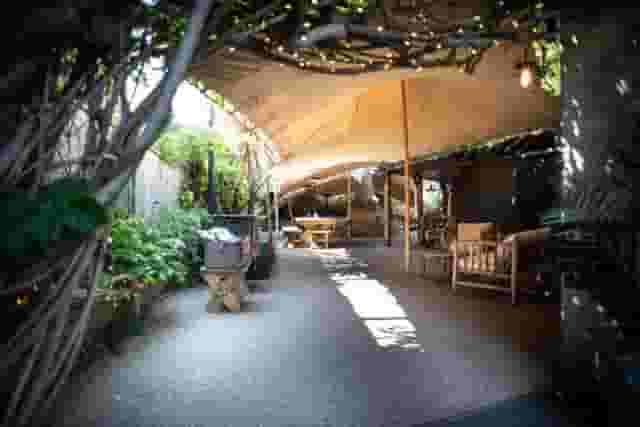
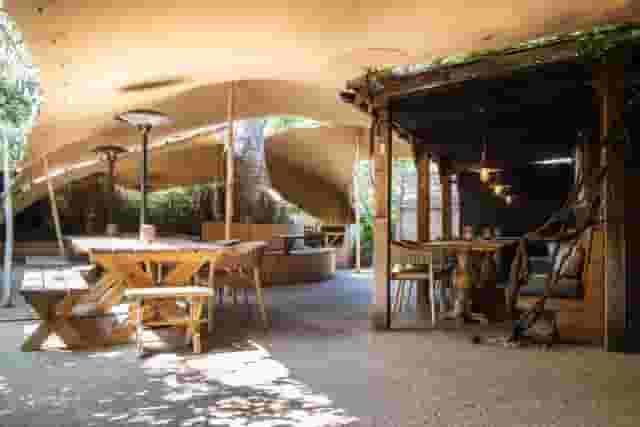
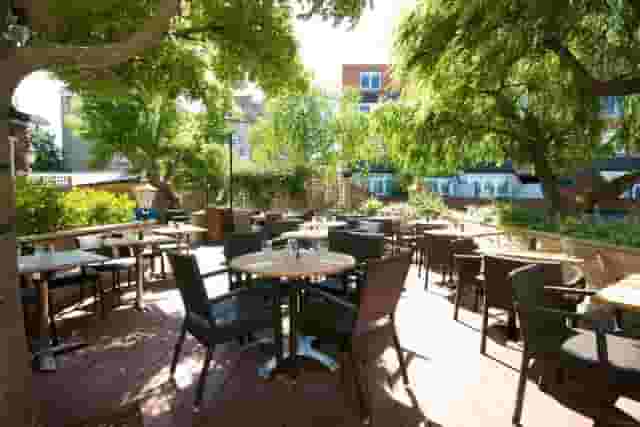
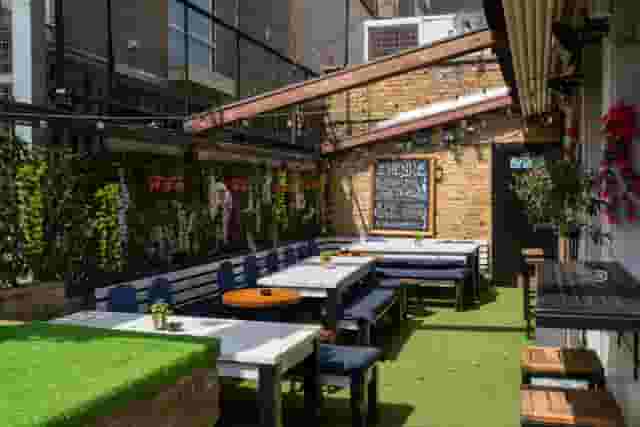
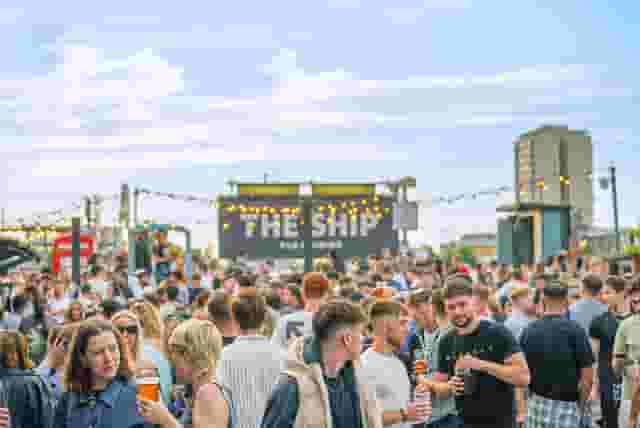
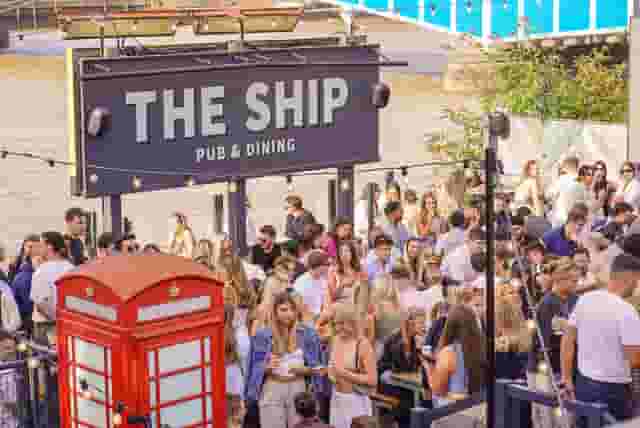
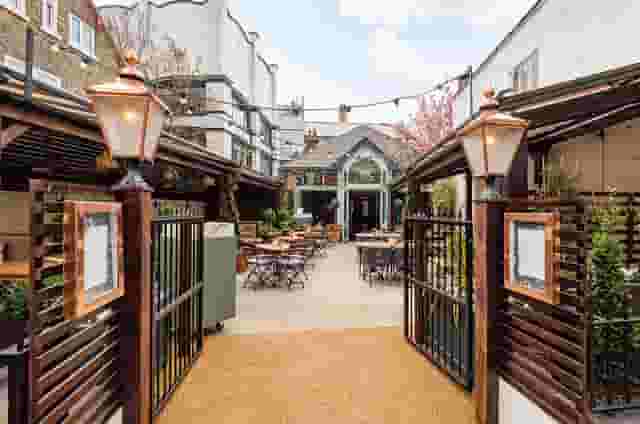
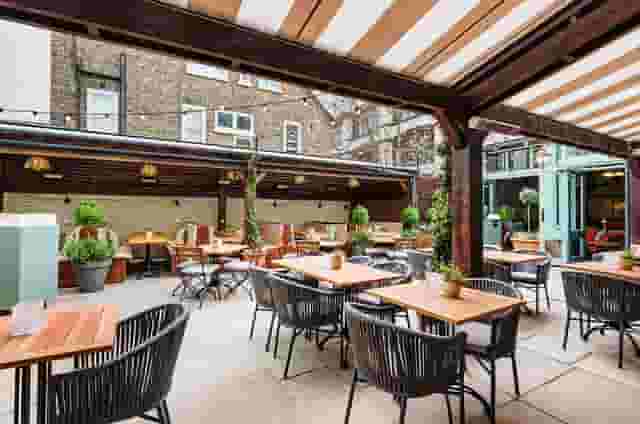
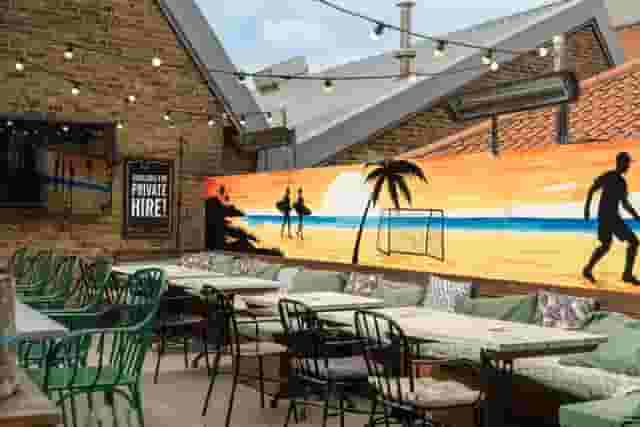
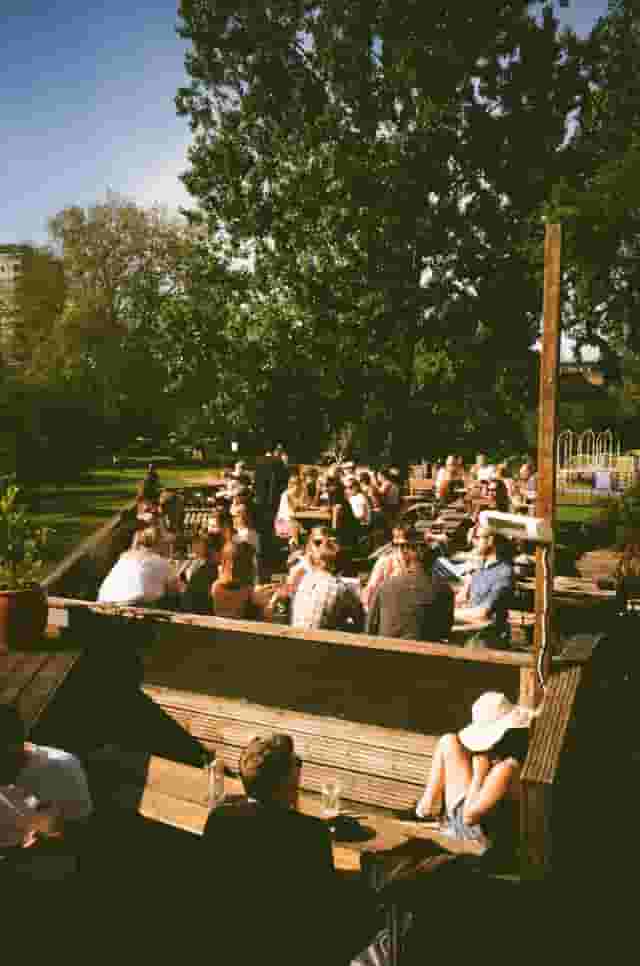
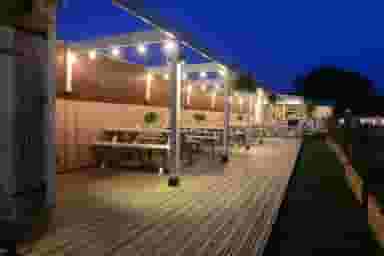
In Shepherd's Bush, The Hawk's Nest shows how outdoor party spaces should be configured. With space for up to 350 guests for a standing reception across the whole venue, it features an extensive garden and bar with a retractable roof. You get the open-air foliage and atmosphere of an outdoor beer garden, but you can seal the space completely if the heavens open.
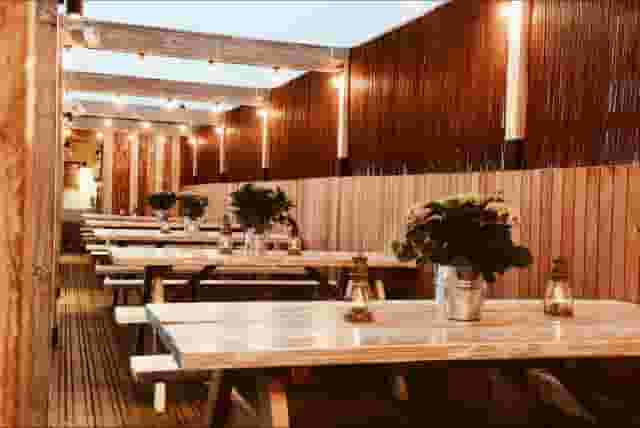
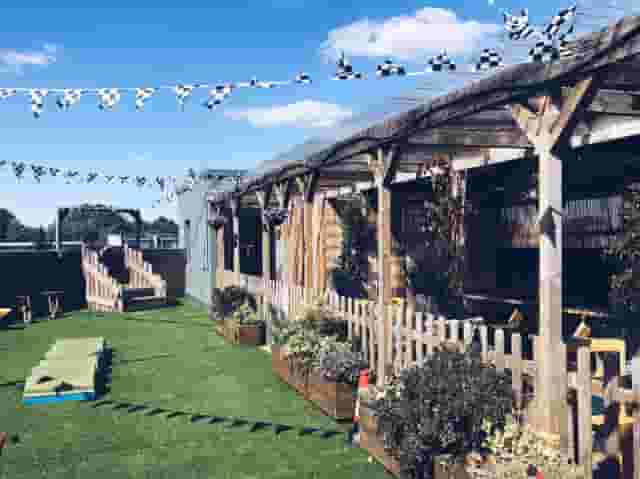
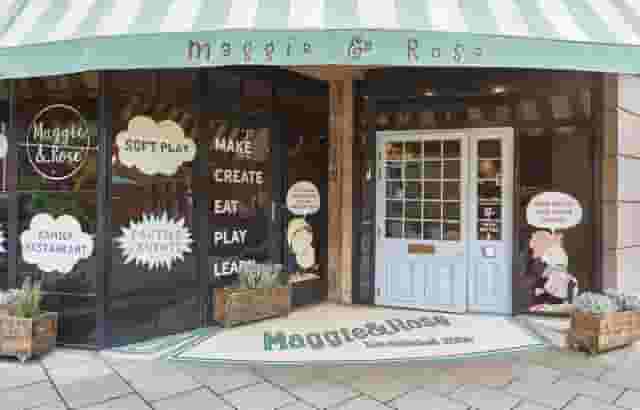
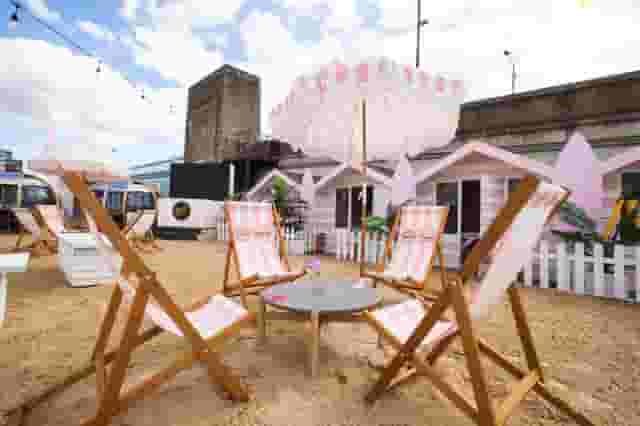
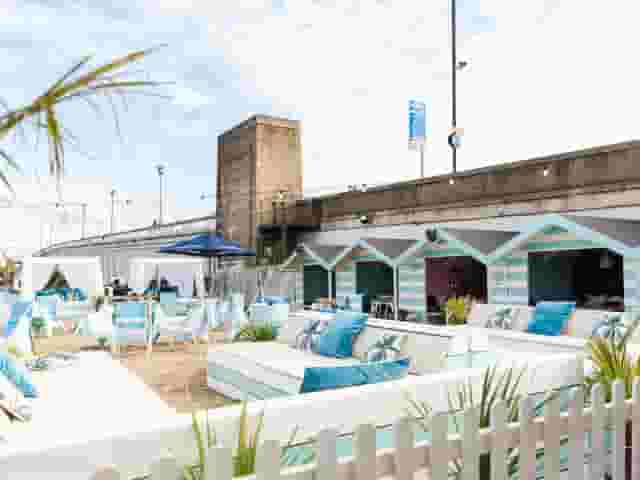
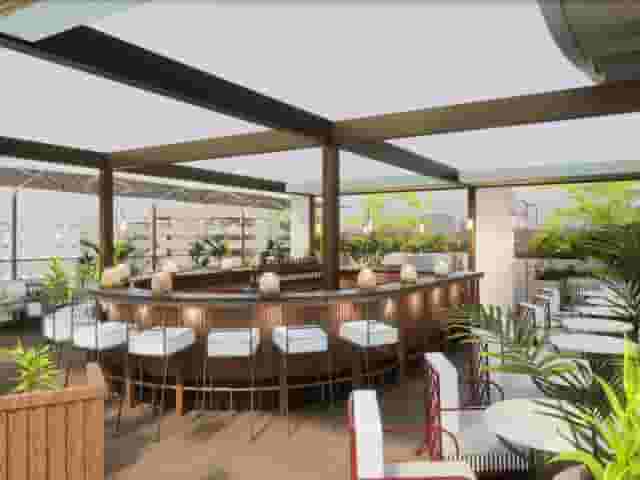
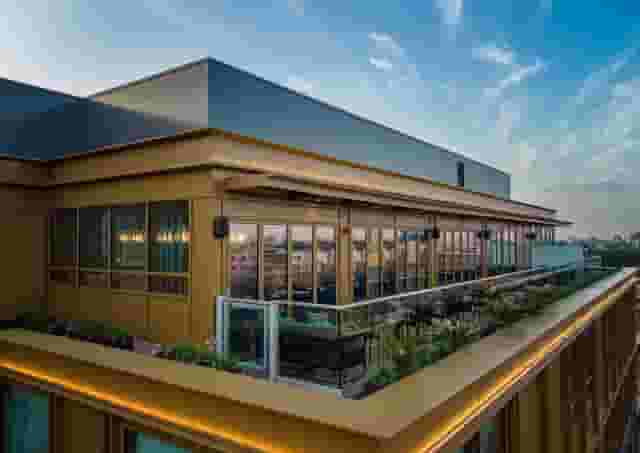
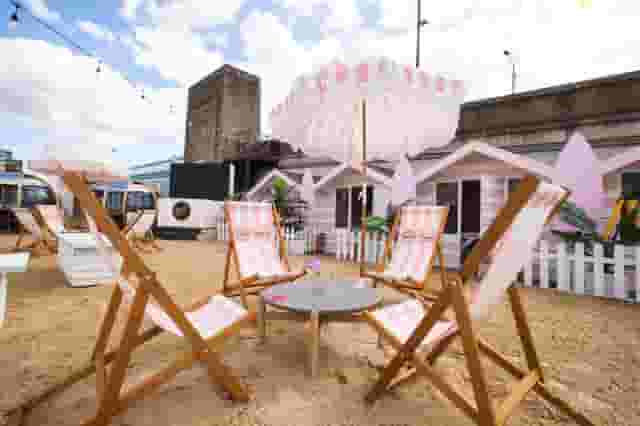
If you prefer an elevated setting with private open-air views, dedicated rooftop spaces give a party a distinct sense of occasion. The Chiswick Roof Terrace at Maggie & Rose provides a private 3,000 square foot outdoor terrace for up to 100 guests, equipped with its own dedicated bar and space for garden games.
Whenever you book an outdoor or semi-outdoor space, pay attention to local council sound restrictions. Residential neighbours in areas like Chiswick, Fulham and Ealing mean external terraces almost always have an earlier curfew for amplified sound than indoor rooms. Most outdoor areas must turn off live music or background speakers between 21:00 and 22:00, with guests asked to migrate inside shortly after. Make sure your venue has a natural indoor transition room so the party does not fizzle out when the terrace closes.
Managing sound, playlists and late finishes
Music sets the tone for a birthday party more than any other single element. Whether you are plugging in an iPhone playlist, hiring a vinyl DJ, or booking a live four-piece band, you need to understand the venue's technical capabilities and noise limits before you put down a deposit.
Sound equipment and connectivity
Never assume a venue has the exact cable or connection you need. Many private rooms have basic domestic sound systems that rely on consumer Bluetooth, which frequently drops connection in a crowded room when dozens of guest phones are searching for signals.
Ask the venue manager for a clear list of what is in the room:
- The input type (standard 3.5mm headphone jack, USB-C adapter, or professional twin XLR inputs for a DJ mixer).
- Where the speakers are mounted. Wall-mounted speakers angled down towards a dance area sound much better than ceiling speakers designed only for low-level daytime chatter.
- Whether microphones are available for birthday speeches, and whether those mics feed through the main speakers or a separate portable amplifier.
- Who controls the master volume. Some venues keep the volume controls behind a locked panel at the main bar, meaning you have to find a member of staff every time you want to turn the music up or down.
Noise limiters and sound curfews
Many private rooms in built-up West London locations are fitted with automatic sound limiters connected to the mains power. If a DJ or band pushes past the decibel limit set by the local council licence, the limiter cuts power to the sound system for several seconds. Ask the venue team upfront whether a limiter is installed, what the decibel ceiling is, and whether your planned entertainment fits comfortably beneath that limit.
For private top-floor spaces like The Loft at The Prince in West Brompton, which holds up to 80 guests standing with its own private bar, having an exclusive floor gives you privacy from the bustling bars below. However, you must still check the venue's licensed terminal hour for drinks service and entertainment.
Transport logistics are closely tied to your finish time. West London has strong late-night public transport connections, but lines differ depending on the district. Areas served by the Central line (such as Shepherd's Bush and White City) benefit from the Night Tube on Friday and Saturday evenings, making travel simple for guests heading back towards central or east London. Venues further out towards Brentford, Ealing or Richmond rely on late-running District line trains, Overground services, South Western Railway services, or night buses. Share transport guidance on your invitations so guests know their travel options before the final song plays.
Navigating venue hire costs and bar setups
Private party costs in West London vary widely based on the neighbourhood, the day of the week, and the charging model the venue operates. Venues generally price private spaces using one of three methods: a pure minimum spend on food and drinks, a flat room hire fee, or a hybrid combination of both. To gauge these costs before reaching out, venue booking platform Hire Space provides instant price estimates drawn from real booking data so you can see what a space is likely to charge for your date. Backed by a team of real people who help oversee your search, it can also suggest comparable nearby spots if your preferred venue comes in over budget.
Understanding the difference between these models prevents uncomfortable surprises when the final invoice arrives.
Minimum spend vs room hire
Under a minimum spend agreement, you pay no separate fee to use the room, provided your guests order enough food and drink across the night to reach an agreed financial threshold. If you hit or exceed that target, you only pay for what was consumed. If your bar tab and food orders fall short of the agreed total at closing time, you must pay the remaining balance out of your own pocket as a room charge.
Minimum spend works well for lively evening parties where you know your crowd will drink steadily. However, always check what counts towards the target. Most venues count all pre-ordered catering, welcome drinks, and purchases made by guests at the private bar towards the minimum spend. Be careful to check whether service charge and VAT are included inside the minimum spend figure or added on top. A standard 12.5% discretionary service charge added on top of a substantial minimum spend changes your overall budget significantly.
A flat hire fee is more common in dry-hire spaces, halls, galleries and community buildings. Here, you pay a fixed amount to secure the physical space for a set block of hours, and you are then free to bring in external caterers, mobile bars, or your own wine (often subject to a per-bottle corkage fee). Flat hire gives you creative flexibility, but remember that you become responsible for sourcing glassware, staffing, ice, rubbish disposal, and end-of-night cleanup.
The checklist below highlights what to examine when comparing quote proposals:
| Cost element | What to check | Potential hidden charge |
|---|---|---|
| Minimum spend threshold | Does it vary between weekday and weekend? | Shortfall billed immediately at card terminal |
| Service charge | Is it counted inside the minimum spend? | Discretionary 12.5% or 15% added to total spend |
| Staffing and bar team | Are dedicated bartenders included for your private bar? | Additional hourly charge for cloakroom or bar staff |
| Security and door staff | Does the licence require SIA-registered door supervisors? | Mandatory security charges for late-night finishes |
| Catering minimums | Are canapes and buffet orders mandatory? | Compulsory food packages per head to secure the space |
| Cleaning and deposit | Is end-of-night waste removal covered? | Deduction from your damage deposit for confetti or deep cleaning |
Managing the bar tab
Decide in advance how you want your guests to drink. An open bar where the host covers everything until the tab runs dry is generous, but it can empty a budget in two hours if guests order expensive spirits and cocktails.
A sensible middle ground is offering welcome drinks on arrival (such as prosecco, beer bottles or a signature punch), followed by an allocated tab that covers wine, beer and single spirits with mixers until a set limit is reached. Once the allocated tab is exhausted, the bar switches seamlessly to card payments so guests can buy their own drinks for the rest of the evening.
Always instruct the bar team in writing about what is excluded from your tab. Bar staff will happily serve double measures, premium champagne, and top-shelf tequila to enthusiastic guests unless you explicitly restrict the tab to house wines, draught beers, and standard spirits. Setting those ground rules early leaves you free to enjoy your own party without worrying about the running bill at the till.
What our customers say
Inspiration and planning guides

Watch a real brief turn into priced, available venues in 15 minutes
Chloe Richardson has spent 17 years in events. We gave Deep Venue Research one of her briefs and filmed every step, from the first questions to availability checked at the venues she chose.

Simple Events Win: Why Restraint Beats Spectacle
Budgets are tight and audiences want connection over spectacle. The events that land in 2026 are the deliberately simple ones. Here is how to edit rather than cut, grounded in the 2026 industry data, and why the right venue does the heavy lifting.

Why UK Event Calendars Got So Tight (And How to Book Smarter)
Lead times for UK corporate events are up 39% since 2022, based on Hire Space booking data. The calendar is tighter, conversion rates fall sharply when you leave it late and the peak windows are getting more crowded. Here is what the numbers say and what to do about it.
One supplier. Every venue. Full visibility on what you spend.
Multiple venues and events. One agreement.