Recording Studios in London
Find and book London recording studios for private views, panel talks and drinks receptions, with data-backed pricing and direct venue availability.
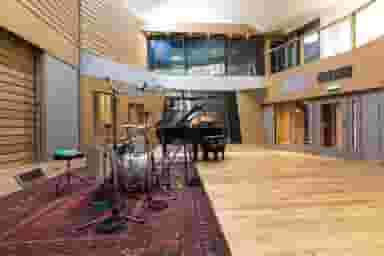
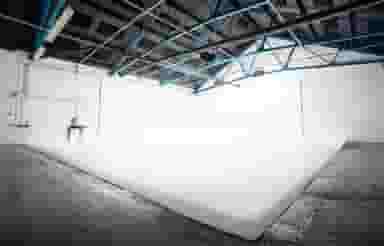
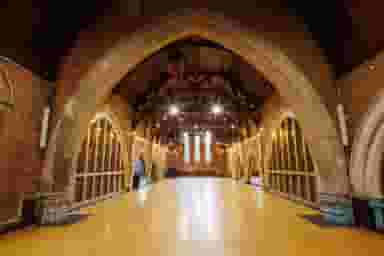
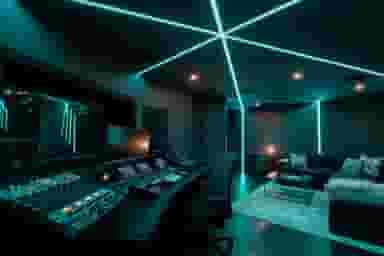
432 Recording Studios in venues in London






















































No venues match these filters
Try widening your capacity, luxury level or event type.
Don't have time to search? We'll find it for you.
For business events that need human judgement, talk to our team. Free for events of 100+ people, budgets over £10k or ongoing programmes.




Explore more venues in London

Frequently asked questions
Are central London studios better than secluded?
What should I look for in a studio's tech setup?
How to find a budget-friendly studio in London?
Can I record a full band in a London studio?
What defines a top London recording studio?
Other platforms search their database. We search everything.
Tell us what you need. Our deep research finds any venue, whether it's in our marketplace or not. No one else does this.
About Recording Studios in London
Balancing three formats in one creative space
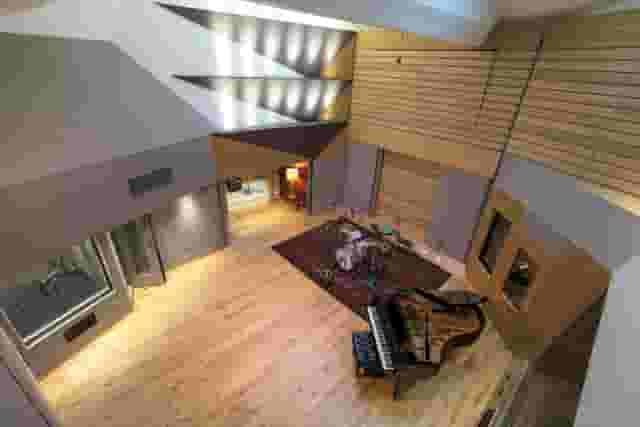
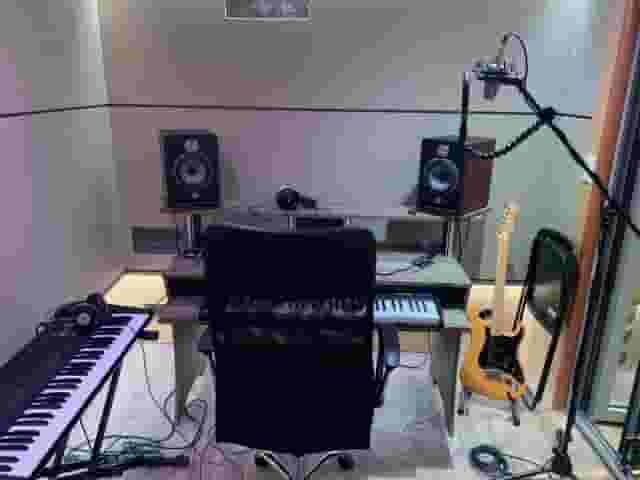
Running a cultural evening that combines a private view, a seated talk and a standing drinks reception requires deliberate floor planning. When an event moves through three distinct modes within four hours, choosing the wrong room layout leaves guests trapped between glass plinths and microphone stands. A recording or rehearsal studio offers an immediate aesthetic advantage: sound-treated walls, high ceilings and an industrial creative character that feels far less formal than a gallery. The challenge lies in managing how people move through the space as the evening progresses.
If you book a single open-plan floor, divide the room into zones before doors open rather than trying to shift furniture while guests hold wine glasses. Keep the private view displays around the perimeter walls or clustered in a designated visual arts zone near the entrance. This encourages guests to circulate naturally during the first 45 minutes with a welcome drink. The seating for the talk should sit in the quietest acoustic quadrant of the space, ideally backed by an absorbent surface rather than reflective glass or tiled walls.
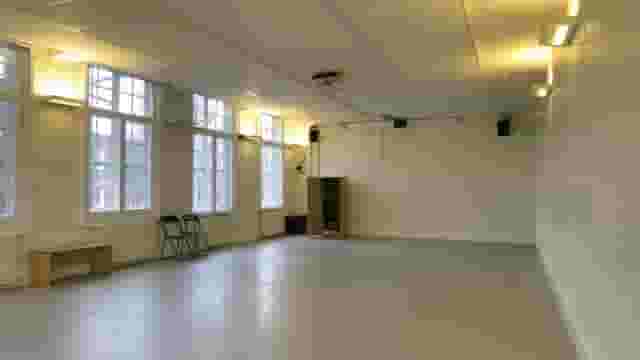
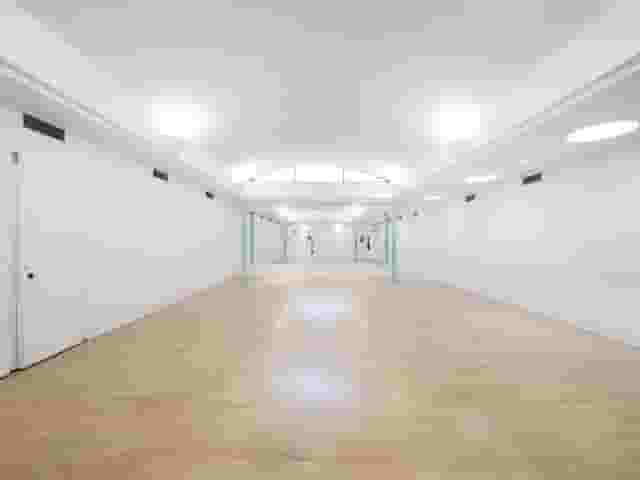
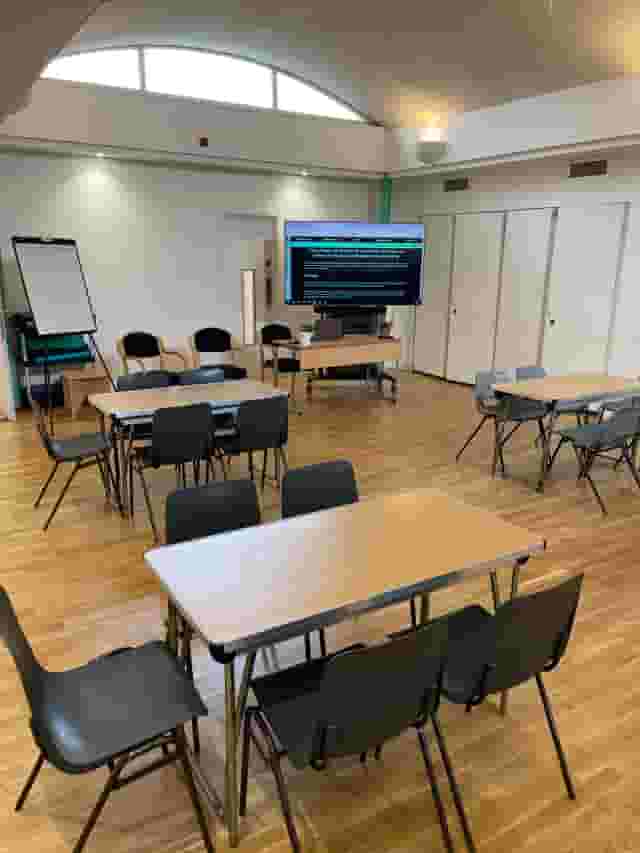
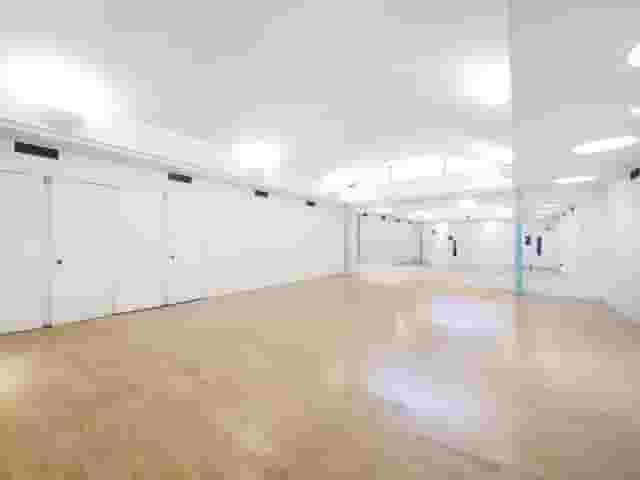
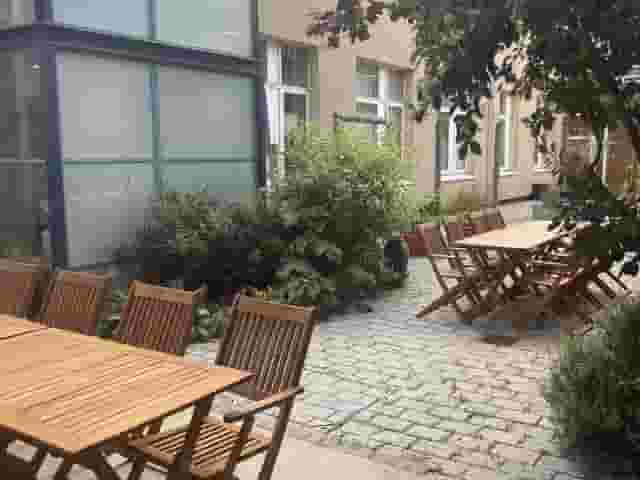
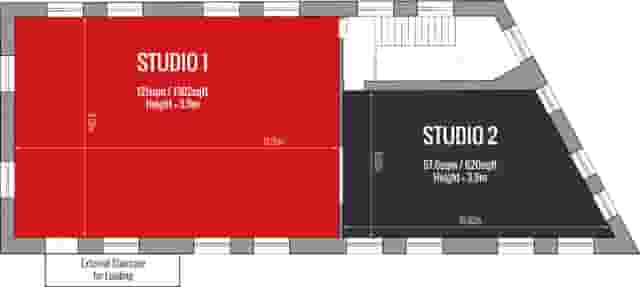
Venues with flexible spatial divisions simplify this transition. At Siobhan Davies Studios, the Research Studio accommodates 120 guests standing against neutral white walls that take temporary hung art or projection without clashing with the building architecture. For events requiring clear physical separation between the exhibition and the presentation, Clean Break - London's Hidden Gem provides a multi-studio layout with a reception capacity of 120, along with a courtyard that lets you hold the initial drinks outside before moving guests inside for the panel session.
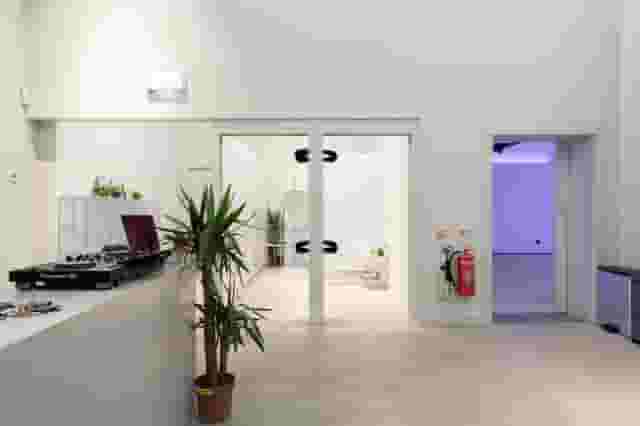
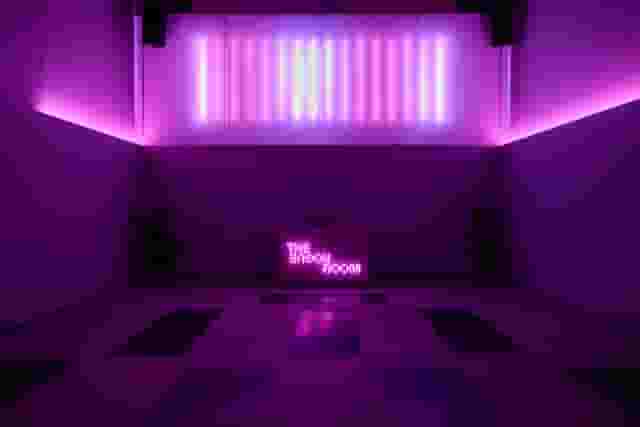
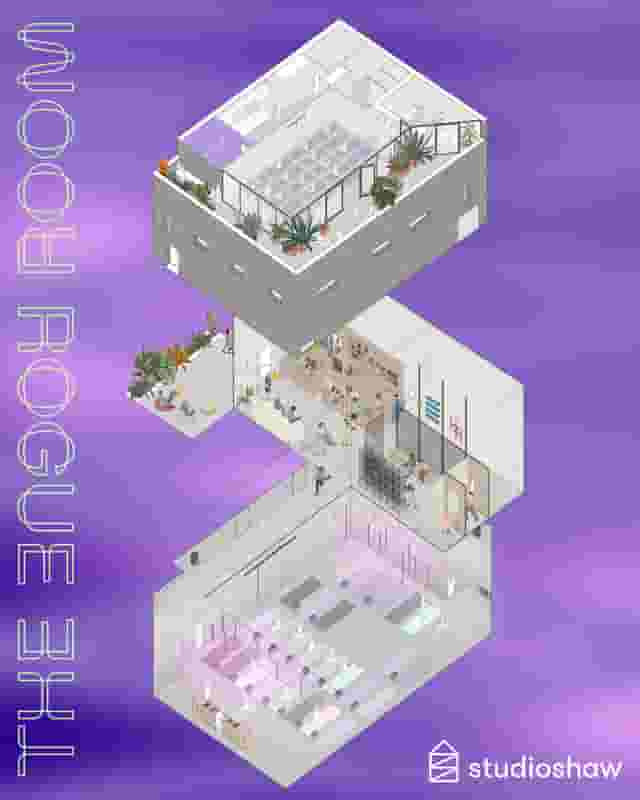
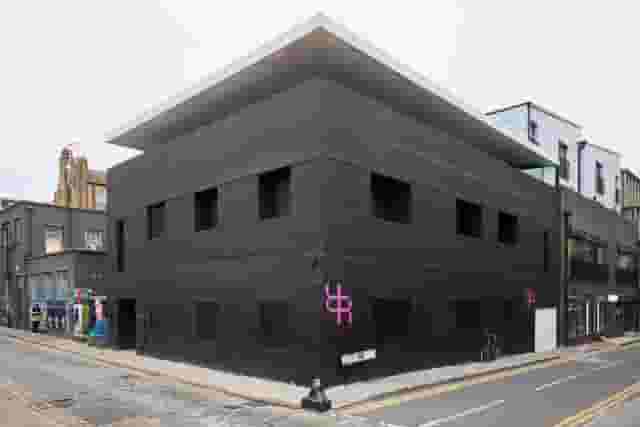
If your audience is closer to 200 or 300 people, scale becomes your primary risk. A space that feels generous during a drinks reception can become uncomfortably tight once you install rows of chairs for a lecture. Modernist production spaces like The Rogue Room hold up to 300 guests in open layouts, offering enough clear span to keep display panels, a staging riser and hospitality bars entirely distinct. When planning your floor map, allow at least 0.6 square metres per standing guest in the reception zone and 0.8 square metres per seated guest in the presentation area, with two-metre clearance corridors around any fragile visual displays.
Acoustic design and sound reinforcement for the talk
The main reason to hire a sound studio for an arts evening rather than a conventional dry-hire gallery is acoustic control. Art galleries and Victorian warehouses frequently suffer from long reverberation times. Hard concrete floors, brickwork and bare glass bounce spoken frequencies around the room, turning an articulate 30-minute artist discussion into an exhausting listening exercise. Production studios, by contrast, are treated to dampen reflections and isolate external street rumble.
A dedicated live recording room brings pristine vocal clarity, but its equipment is calibrated for tracked music rather than live public address. Setting up speech amplification in a broadcast or music facility requires practical adjustments:
- Microphone selection: Avoid sensitive studio condenser microphones for live panel discussions. They pick up room rustle, coat shuffling and nearby bar prep. Ask the house technician for directional dynamic cardioid or hypercardioid microphones, or discreet head-worn radio mics for speakers who use their hands to gesture at slides.
- Speaker placement: Position your PA speakers ahead of the microphone line to prevent feedback squeals. In wide rooms, two small satellite speakers placed halfway down the audience row provide clearer sound than two loud speakers blasting from the front.
- In-house backline and monitoring: If your cultural evening features an acoustic performance or playback of recorded tracks alongside the talk, verify that the control room can route stems directly into the room PA.
Historic music rooms provide an unmatched cultural backdrop for an intimate audience. Abbey Road Studios offers Studio Three for private events of up to 50 guests standing, where the acoustic environment and recording heritage immediately anchor an intellectual discussion about music or creative production. For visual arts and movement talks requiring sleek presentation tools, Studio Wayne McGregor in Hackney has a capacity of 60 standing in Studio 1, featuring clean sightlines, natural daylight for the private view and integrated audiovisual support for digital slide decks.
Always ask to test spoken vocal levels during the afternoon soundcheck. Walk to the very back corners of the room while a colleague speaks at normal conversational volume from the stage. If the words blur together, bring in freestanding acoustic screens or reduce the master output and add a delayed relay speaker.
Understanding studio hire costs and quote structures
Pricing for arts and cultural hires across London creative studios depends on whether the venue quotes on a dry-hire day rate, an hourly production fee or an all-inclusive guest package. Studio venues rarely operate like corporate conference centres. They often charge separately for access hours, technical staff and corkage.
Our pricing data indicates that hosting a cultural event in this category typically ranges from £98 to £215 per head. This figure is indicative, estimated from what these venues have charged for similar events. It is based on 3 quotes from the venues on this page and assumes a party size of about 120 guests.
What drives you towards either end of that price band comes down to technical staffing, catering complexity and the gap between setup and strike times.
| Cost category | What the lower end usually includes | What pushes costs towards the higher end |
|---|---|---|
| Space hire | Basic four-hour evening hire, standard house working lights, self-managed guest check-in. | Full-day access for installation, separate breakout rooms, green room access for speakers. |
| Technical services | House PA with two wired microphones, basic static wash lighting, venue duty manager on site. | Dedicated sound engineer running live mixing desks, multi-camera recording, wireless radio mics. |
| Hospitality | Standing reception with house wines, beer, soft drinks and room temperature dry snacks. | Passed canapes, cocktail bars, stemware hire, dedicated refrigeration and service staff. |
| Cleaning and waste | Standard sweep after the event with guest waste bagged by the client. | Specialist removal of installation materials, plinths, floral waste and commercial glass recycling. |
At the lower end of the range, closer to £98 per head, you are generally paying for the bare studio space with an entry-level audio setup, bringing in independent drinks and cold canapes under a basic corkage agreement. As you approach the £215 per head end of the scale, quotes typically absorb complete audiovisual staging, a dedicated sound engineer on the faders for the entire duration, premium canapes, circulating waiting staff and an extended hire window that allows your artists to hang work undisturbed from midday. To see where your own evening sits within that range, Hire Space is a venue booking platform backed by a team of real people who provide instant, realistic cost estimates based on actual bookings before you enquire. If a preferred room stretches beyond your budget once tech crew and drinks are accounted for, they can also pinpoint alternative creative spaces that offer the same atmosphere for less.
Before signing a contract, confirm whether your quote includes turn-around time. Studios run on tight operational clocks. If your booking begins at 18:00 and guests arrive at 18:30, your team has only 30 minutes to set up 80 folding chairs, test slide projections, arrange glassware and display the artwork. Negotiate two hours of discounted setup access in the afternoon to avoid rushing your speakers through their tech check.
Displaying work and managing lighting transitions
A studio space is built for production flexibility, which means it rarely features picture rails, exhibition lighting tracks or glass display cases as standard. If your private view involves physical prints, paintings, sculpture or design prototypes, you must establish how work can be mounted without damaging acoustic panelling, cycloramas or specialist timber floors.
Protecting specialist studio infrastructure
Never assume you can hammer picture hooks into studio walls. Soundproofed rooms rely on isolated plasterboard layers, fabric-wrapped acoustic foam or acoustic diffusers that lose their isolation properties when punctured. Ask the venue manager whether they supply freestanding display easels, magnetic hanging systems or pipe-and-drape frames. If your artists are exhibiting heavy sculptures or plinths, verify the floor load limits. Dance studios and rehearsal spaces often feature sprung timber floors designed for shock absorption; these require protective load-spreading mats under concentrated heavy points.
Directing the eye with lighting states
Lighting governs how guests interpret the shift between an exhibition, a presentation and a party. A three-part evening needs at least three programmed lighting states:
- State 1: Private view and arrivals (18:30 to 19:15): Bright, focused light on the artwork, with subdued, warm ambient illumination across the central floor. Guests need enough light to read artist statements and see details, but the room should feel social rather than clinical.
- State 2: The talk and Q&A (19:15 to 20:00): Doused perimeter lighting to draw all visual focus to the speakers. A warm key light on the panel avoids casting harsh shadows under their eyes, while the audience area dims to roughly 20 percent so attendees can still take notes.
- State 3: Drinks reception and networking (20:00 to 22:30): Softer, warmer overall illumination. Highlight the bar and conversation areas, leaving subtle accent lighting on the displays for guests who wish to take a second look.
Studio spaces with multiple levels or distinct production bays make these lighting and staging transitions effortless. Tastemade Studios offers Paper Mill Studio, a three-storey venue holding up to 300 standing, featuring fully equipped kitchen areas and distinct architectural levels that let you hold a screening or talk on one floor while keeping catering and networking on another. In Old Street, Lumiere Underwood houses The Palm Room for receptions of up to 100 people, providing warm, domestic-inspired styling that avoids the cold, utilitarian feel of an unadorned black-box sound stage.
For performing arts, spoken word or physical demonstrations alongside an exhibition, Jacksons Lane in Highgate provides Studio 1, accommodating 120 guests standing. Its high church-conversion ceilings and theatrical rigging allow you to suspend directional spotlights precisely over key installation points without cluttering the floor with lighting stands and trailing cables.
Flow, licensing and hospitality logistics
Serving drinks and food inside a working studio introduces operational rules that standard banquet venues do not enforce. Audio gear, mixing desks and sprung dance floors react badly to red wine spills and wet glass rings. Planning your hospitality requires an understanding of what the studio permits across different parts of the floor.
Catering staging and prep kitchens
Few recording or rehearsal studios have commercial regeneration kitchens. If you plan to serve hot food, confirm where the caterer can plug in warming ovens or urns without overloading the studio's technical power ring. Clean power circuits in recording environments are frequently isolated from domestic power lines to prevent 50Hz hum on audio channels. Running a high-draw soup kettle or mobile glasswasher on a technical circuit can trip breakers or inject audible buzz into the sound system.
Keep drinks service away from the main sound desk and any cable troughs. Set up your bar near the entrance or in an adjacent green room so that guests collect their glasses on arrival and move inward, leaving the presentation area free of wet waste.
Alcohol licensing and temporary event notices
Check whether the studio holds a premises licence for the retail sale of alcohol. Many creative studios operate primarily as dry-hire production environments; they may hold licences only for private rehearsals or broadcast shoots. If the venue does not hold a premises licence and you plan to sell drinks, include alcohol in a paid ticket price or charge for drinks via a donation bar, you will need to submit a Temporary Event Notice (TEN) to the local council at least 10 working days before the event.
Even when giving drinks away for free under an invite-only guest list, confirm the venue's curfew and noise limits. While music studios have exceptional acoustic insulation that prevents sound escaping outside, their front entrances often open directly into residential streets. Establish clear arrival and departure paths so that guests smoking or waiting for taxis do not generate neighbourhood complaints after 22:00.
An effective run of show
To keep the transitions crisp and prevent the evening from dragging, structure your timeline with strict breaks between phases:
- 17:00: Caterers and technical crew arrive; artwork installation and soundcheck.
- 18:30: Doors open; drinks reception and private view of exhibits.
- 19:15: Chimes or lighting cue; guests transition to presentation seating.
- 19:25: Welcome remarks, followed by the headline talk or panel discussion.
- 19:55: Audience Q&A with roaming microphones.
- 20:15: Talk concludes; bar reopens; music playlist starts; networking continues.
- 22:00: Last orders called at the bar.
- 22:30: Guest departure; exhibition strike and venue handover.
Giving the speakers exactly 30 to 40 minutes keeps audience attention sharp. When the talk ends, bring up the house music and raise the lighting levels promptly to signal to guests that they are free to stand, refresh their drinks and return to the exhibition pieces for the remainder of the evening.
What our customers say
Inspiration and planning guides

The Top 5 Photography & Filming Venues In London
It wasn't that long ago that we featured a blog on photography studios but with so many great venues joining the Hire Space stable, we knew that it was time to send James Roche out again to preview five more marvellous film and photography spaces available for hire in London! First Option Studio With a Welsh slate entrance and custom built French doors, one could never accuse this split-level studio space of being culturally exclusive. And whether you're filming a Bollywood blockbuster, Holly

Unique Venue of the Month: Motel
Under a Victorian railway arch, just steps from Kingsland Road, lies a studio [https://hirespace.com/Spaces/London/85467/MOTEL/Whole-Venue/Events] that's the brainchild of famed photographer and filmmaker John Wright, who's worked with such big-name clients as Vanity Fair, Louis Vuitton and Sky Arts, and captured the biggest pop cultural names on camera including Rihanna, Paul McCartney and Arnold Schwarzenegger. GQ Britain's James Mullinger called the space the "best photographer's studio in Lo

Venue Review: Anomalous Space
Creative ventures across the artistic spectrum are accommodated and embraced at Anomalous Space [https://hirespace.com/Venues/London/1551/Anomalous-Space], situated stunningly close to Angel Station on Pentonville Road. The venue's name captures its uniqueness, in that it deviates from the standard, unoriginal function space that's all too common. Anomalous Space combines the most contemporary of technological facilities with Art-Deco features, all set within an authentic Georgian townhouse.
One supplier. Every venue. Full visibility on what you spend.
Multiple venues and events. One agreement.