Product Launch Venues in London
Discover top product launch venues in London for 200 guests. Perfect settings to make your event memorable.
29 Product Launch in venues in London


























No venues match these filters
Try widening your capacity, luxury level or event type.
Don't have time to search? We'll find it for you.
For business events that need human judgement, talk to our team. Free for 100 person+ events organised by businesses.


Explore more venues in London
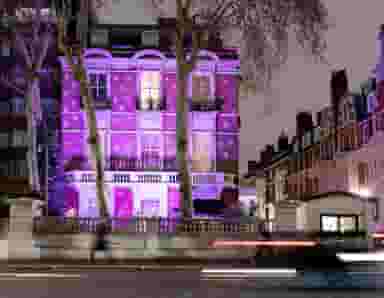
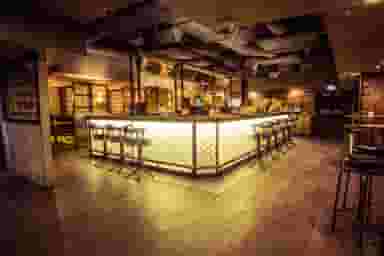
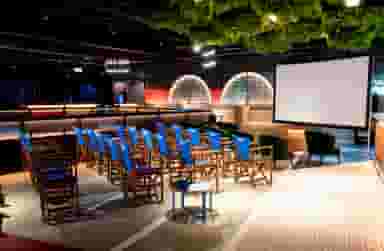
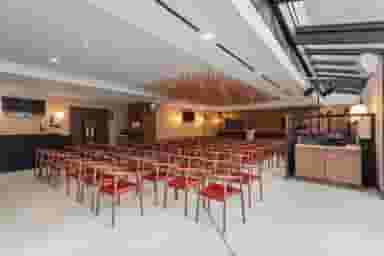











Frequently asked questions
Why choose London over other UK cities for product launches?
What's the typical cost per person for product launch venues in London?
How do London venue costs compare between weekdays and weekends?
How far in advance should you book product launch venues in London?
What catering options work best for 200-person product launches?
Which London areas offer the best transport links for 200-person events?
What security requirements apply to product launch venues in London?
What ceiling height is needed for product launch venues in London?
What AV equipment is essential for product launch venues in London?
How much space do you need for a 200-person product launch in London?
Other platforms search their database. We search everything.
Tell us what you need. Our deep research finds any venue, whether it's in our marketplace or not. No one else does this.
About Product Launch in London
Why London's Product Launch Scene is Perfect for Your 200-Guest Event (And What Makes It Different)
When you're planning a product launch for 200 people, London isn't just another venue option – it's the strategic advantage that can make or break your event's success. Having organised dozens of launches across the capital, I can tell you that London's unique ecosystem creates opportunities you simply won't find elsewhere.
The numbers speak for themselves: London hosts 40% of the UK's major corporations within a 10-mile radius, meaning your guest list likely includes decision-makers who are already based here. That translates to higher attendance rates and reduced travel costs for your most important stakeholders. Plus, with five international airports and the world's most connected transport network, you're looking at seamless access for international guests – something that becomes crucial when you're launching globally.
What Sets London Apart for 200-Person Launches
The sweet spot for product launches in London is that 180-220 guest range, and the city's venues are perfectly calibrated for this scale. Unlike smaller cities where you're either cramped into conference rooms or rattling around in oversized exhibition halls, London offers purpose-built spaces that feel intimate yet impressive. Venues like those featured in our London Product Launch Venues collection understand this balance perfectly.
The media landscape here is unmatched – within a 30-minute journey from central London, you can reach the offices of every major UK publication, broadcast network, and digital influencer. We've seen launches generate 300% more media coverage simply by being in London versus regional alternatives. The ripple effect through social media and industry networks amplifies your message exponentially.
The Infrastructure Advantage
London's venues have evolved specifically to handle the technical demands of modern product launches. Most spaces for 200 guests now come standard with 100Mbps+ internet, 3-phase power supply, and ceiling heights of 4-6 metres – essential for proper lighting and projection. The competition between venues has driven standards up dramatically; what cost extra five years ago is now baseline.
The supplier ecosystem is equally sophisticated. Within a 20-minute radius of any central venue, you'll find world-class caterers, AV specialists, and production teams who understand the nuances of product launches. They know the difference between a corporate presentation and a brand reveal, and they price accordingly.
For your next 200-person launch, London offers something no other UK city can match: the perfect storm of audience, infrastructure, and expertise. The question isn't whether London is worth the investment – it's whether you can afford not to leverage these advantages for your brand's biggest moment.
The 5 Essential Technical Requirements Every 200-Person Product Launch Venue Must Have
After years of watching product launches succeed brilliantly or fail spectacularly, I've learned that the difference often comes down to five non-negotiable technical requirements. Miss any of these, and you're setting yourself up for the kind of disaster that becomes industry legend – and not in a good way.
Power Infrastructure That Won't Let You Down
Your 200-person venue absolutely must have 3-phase power supply with at least 63A per phase. I've seen too many launches where the lights dimmed during the big reveal because someone tried to run professional AV equipment off domestic sockets. For a proper product launch, you're looking at LED walls, multiple projectors, sound systems, and often live streaming equipment – all running simultaneously.
The venue should provide dedicated power distribution points throughout the space, not just a handful of wall sockets. Ask specifically about their power capacity during your site visit, and don't accept vague assurances. One venue I worked with in Shoreditch looked perfect until we discovered their "professional power supply" was actually just more 13-amp sockets than usual.
Internet That Actually Works Under Pressure
Minimum 100Mbps symmetrical fibre isn't just nice to have – it's essential. When 200 people are simultaneously posting on social media, live streaming to remote audiences, and your team is uploading real-time content, standard broadband will buckle faster than you can say "technical difficulties."
The best venues offer dedicated event WiFi networks separate from their general building systems. This prevents your launch from competing with the café downstairs or other tenants. Always test the connection during peak hours if possible, not during your quiet Tuesday afternoon site visit.
Ceiling Height for Professional Impact
Minimum 4 metres ceiling height is crucial for proper lighting and projection. Anything lower and you'll struggle with shadows, poor sight lines, and that cramped feeling that kills the energy of a big reveal. The most successful launches I've managed have been in spaces with 4.5-6 metre ceilings – it transforms the entire atmosphere.
This height also allows for proper rigging points for lighting and AV equipment. Many converted warehouses and purpose-built event spaces understand this requirement, whilst older conference facilities often fall short.
Climate Control That Handles the Heat
Two hundred people generate serious heat, especially when you add stage lighting and AV equipment. Professional zoned HVAC systems are essential – not just a few air conditioning units. The system should maintain consistent temperature throughout the space and respond quickly to changes.
I've attended launches where the temperature climbed so high that guests started leaving during the presentation. The venue's climate control couldn't cope with the combined heat load, turning what should have been an exciting reveal into an endurance test.
Acoustic Treatment for Crystal Clear Communication
Professional acoustic treatment separates amateur venues from the real deal. Hard surfaces and high ceilings can create echo and reverberation that makes speeches unintelligible. Look for venues with acoustic panels, carpet or soft furnishings, and sound-absorbing materials.
The venue should also offer sound isolation from neighbouring spaces and street noise. Nothing kills the drama of a product launch like traffic noise or the meeting next door bleeding through thin walls.
Before you commit to any venue, insist on a technical specification sheet covering these five areas. The venues that can provide detailed documentation are usually the ones that understand what professional product launches require. Those that can't are telling you everything you need to know about their capabilities.
Smart Budgeting for London Product Launch Venues: What £80-200 Per Person Actually Gets You
Let's be brutally honest about product launch budgets – I've seen too many brilliant campaigns undermined because someone tried to cut corners on the venue spend. When you're looking at £80-200 per person for a 200-guest launch in London, you're not just paying for four walls and a roof. You're investing in the infrastructure that makes or breaks your brand moment.
The £80-120 Sweet Spot: Professional Without the Premium
At the lower end of the spectrum, £80-120 per person typically gets you a solid venue in Greater London or a no-frills space in central areas. We're talking about converted warehouses in areas like Bermondsey or Hackney, or purpose-built event spaces slightly outside Zone 1. These venues usually include basic AV packages – think standard projectors, house sound systems, and reliable WiFi.
What you're getting for this investment is professional-grade infrastructure: those essential 3-phase power supplies, 4+ metre ceilings, and climate control that actually works. The catering at this level is competent rather than spectacular – expect quality canapés and a decent bar service, but don't anticipate Michelin-starred experiences.
I've run successful launches at this price point, particularly for B2B tech companies where the focus is on product demonstration rather than luxury hospitality. One fintech launch we managed in a Shoreditch warehouse for £95 per person generated more genuine engagement than a £180-per-head event in Mayfair the following month.
The £120-200+ Premium: Where Investment Meets Impact
Step up to £120-200+ per person, and you're entering territory where venues become part of your marketing strategy. Central London locations with postcode prestige, architectural wow-factor, and integrated luxury services. Think converted Victorian buildings in Covent Garden, modern glass spaces overlooking the Thames, or those stunning gallery venues featured in our guide to Luxury Venues That Add Prestige to Your Product Launch.
At this level, you're getting dedicated event managers, premium catering that guests will actually remember, and AV systems that make your product look like it belongs in the future. The venues understand that your launch isn't just an event – it's content creation, media opportunity, and brand positioning all rolled into one.
The Hidden Costs That Catch Everyone Out
Here's what the per-person pricing doesn't always include: overtime charges (£200-500 per hour), additional security for high-profile launches, and those "small" extras like coat check and registration desks. Budget an additional 15-20% on top of your quoted per-person rate for these inevitables.
The smartest approach? Allocate 40% of your total event budget to the venue, leaving room for the production values that make launches memorable. Your venue choice sets the stage – literally and figuratively – for everything else that follows.
Timing Your London Product Launch Booking: The 3-6 Month Rule That Saves Money and Stress
The biggest mistake I see with product launch planning? Leaving venue booking until the last minute, then wondering why everything costs 40% more and the best spaces are already taken. The 3-6 month booking window isn't just industry best practice – it's your secret weapon for securing premium venues at reasonable rates whilst maintaining the flexibility your launch timeline demands.
Here's the reality: London's top product launch venues for 200 people operate like a well-oiled booking machine. The prime evening slots – Tuesday through Thursday, 6-10pm – get snapped up by repeat clients and agencies who understand the game. Leave it until 8 weeks before your launch date, and you're competing for whatever's left, often at premium rates that'll make your finance director wince.
The Sweet Spot: 4-5 Months Out
Four to five months ahead is where the magic happens. Venues are keen to fill their calendars but haven't yet hit peak demand for your target dates. I've negotiated 15-25% discounts simply by booking in this window, particularly for Tuesday and Wednesday evening slots that venues struggle to fill compared to their popular Thursday and Friday bookings.
This timing also gives you proper leverage for those crucial add-ons. Want to extend your setup time from the standard 4 hours to 6? Much easier to negotiate when you're booking early. Need flexibility on your final guest numbers? Venues are far more accommodating when they're not scrambling to fill last-minute cancellations.
Why 6 Months Can Be Too Early (And 3 Months Too Late)
Book more than 6 months out, and you're often paying next year's rates without this year's certainty. Many venues won't even take bookings beyond 6 months for corporate events, preferring to keep their options open for higher-value bookings that might materialise.
Drop below 3 months, and you're in emergency territory. The venues that are available often have availability for a reason – poor transport links, inadequate facilities, or that dreaded "character" that translates to "problems you haven't discovered yet." I've seen companies pay £180 per person for venues they could have booked for £120 with proper planning.
The Seasonal Reality Check
London's product launch calendar has distinct peaks that affect both availability and pricing. September through November is absolutely brutal – everyone's launching post-summer, competing for the same prime venues. January through March sees similar pressure as companies kick off their annual campaigns. Book 5-6 months ahead for these periods, or consider the excellent value available in May, June, and early September.
The venues featured in our London Product Launch Venues collection typically release their calendars 6 months in advance. Set calendar reminders now for your next launch – your budget and stress levels will thank you later.
From Site Visit to Show Day: Your Complete London Product Launch Venue Checklist
The difference between a flawless product launch and a disaster often comes down to what happens between your initial venue viewing and the moment your CEO takes the stage. I've learned this the hard way – and I'm going to share the exact checklist that's saved me from countless potential catastrophes over the years.
Your site visit isn't just about whether you like the space; it's your opportunity to stress-test every assumption about how your launch will actually work. For 200-person events, the devil really is in the details that only become apparent when you're thinking through the full guest journey.
The Technical Deep Dive That Most People Skip
During your site visit, don't just admire the venue's aesthetics – get under the bonnet. Ask to see the electrical distribution boards and count the available circuits. For a 200-person launch, you'll need at least 8-10 dedicated 32A outlets for professional AV equipment. I once had a venue assure me they had "plenty of power" only to discover on event day that their idea of plenty was three domestic sockets behind a pillar.
Test the WiFi speed using your phone's speed test app, but do it during busy periods if possible. That blazing 200Mbps connection during your quiet Tuesday afternoon visit might crawl to 20Mbps when the building's fully occupied. Ask specifically about their bandwidth allocation – many venues share connections across multiple floors or events.
Check the loading access meticulously. Can your AV supplier's truck actually reach the venue entrance? I've seen launches nearly derailed because the only loading bay required a 90-degree turn that our equipment truck couldn't make. Measure doorway widths too – standard doors won't accommodate large LED panels or staging elements.
The Guest Experience Walkthrough
Map out your guest journey from arrival to departure. For 200 people, you need clear sight lines from every seat to your presentation area, adequate toilet facilities (minimum 8-10 cubicles), and circulation space that doesn't create bottlenecks during networking periods.
Walk the route from the nearest transport links during rush hour. If your guests are struggling with a 15-minute walk from the tube station in February rain, that sets the tone before they even arrive. Consider the venues highlighted in our 7 Perfect Product Launch Locations guide, which specifically address transport accessibility.
The Final Week Reality Check
Three days before your event, conduct a final venue walkthrough with your key suppliers. This isn't paranoia – it's professional due diligence. Check that promised equipment is actually on-site, confirm your setup timeline with venue staff, and verify that any building works or neighbouring events won't impact your launch.
Create a detailed contact sheet with mobile numbers for the venue manager, building security, and your key suppliers. When something goes wrong at 6pm on launch day, you need people who can actually solve problems, not just take messages.
Your venue choice sets the foundation, but it's this methodical preparation that transforms a good space into a launch platform that elevates your brand. The venues that welcome this level of scrutiny are usually the ones worth booking.
What our customers say
Inspiration and planning guides
The Top 5 Gallery Event Spaces In London
Discover the top 5 gallery event spaces in London for your next product launch or exhibition. Explore unique venues that combine creativity and sophistication.

Here's Why PR and Marketing Agencies Use Hire Space
In this blog, we'll dive into why PR and marketing agencies use Hire Space, highlighting its benefits and how it supports the delivery of successful events.

Venue Review: The Pickle Factory
In a small corner of Tower Hamlets lies The Pickle Factory [https://hirespace.com/Spaces/London/9826/The-Pickle-Factory/Whole-Venue/Business] , directly opposite its sister venue, Oval Space. The converted warehouse has quite a history, having started life as a pickle factory (hence the name) in the heart of London’s East End, followed by a stint as a medical supplies storage facility and since 2013, it has been an unlikely but highly successful spot for a dedicated music venue. Nestled in Be
One supplier. Every venue. Full visibility on what you spend.
Multiple venues and events. One agreement.